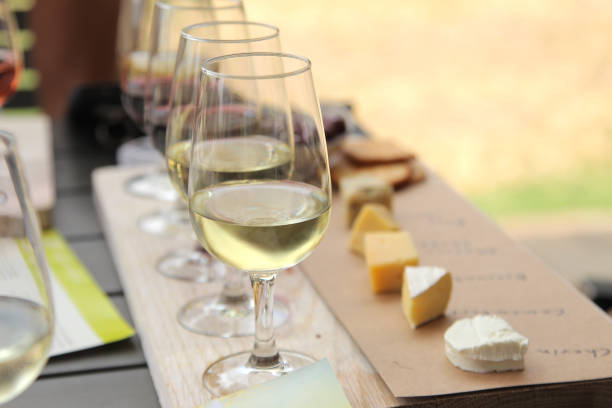
What Wine Pairs With Brie
Finding the perfect wine for creamy Brie doesn’t have to be a mystery. In the next few lines, we’ll quickly reveal the top choices—whether you prefer a crisp white, a light red, or a sparkling option—that enhance the cheese’s buttery texture and subtle earthiness. You’ll learn why each pairing works, get a handy tip for serving, and walk away confident you can impress any palate. Let’s dive in and match your Brie with its ideal wine companion for any occasion.
Best wines to pair with Brie
Classic white options
Pair Brie with crisp, aromatic whites that highlight its buttery texture without overwhelming its delicate flavor. Chardonnay from cooler climates, such as Burgundy or Sonoma Coast, offers subtle oak and a creamy mouthfeel that mirrors the cheese’s richness, creating a harmonious balance.
Sauvignon Blanc from the Loire Valley or New Zealand provides bright acidity and citrus notes that cut through the creaminess, refreshing the palate between bites.
For a slightly sweeter option, Riesling (dry to off‑dry) from Alsace or Germany adds a touch of honeyed fruit that complements the mild earthiness of Brie.
When selecting a bottle, aim for a wine with moderate alcohol (11‑13% ABV) and a clean finish, ensuring the cheese remains the star while the wine accentuates its nutty, mushroomy undertones. Serve slightly chilled (45‑50°F) to maintain the wine’s vibrancy alongside the cheese’s soft, melt‑in‑your‑mouth quality.
Light red choices
Red wines with gentle tannins and bright fruit can surprisingly complement Brie, especially when the cheese is served at room temperature. Pinot Noir from Burgundy or Oregon offers red‑berry aromas, subtle earth notes, and a silky texture that mirrors the cheese’s creaminess without masking it.
Gamay, the grape behind Beaujolais Nouveau, delivers juicy cherry and raspberry flavors with low acidity, creating a lively contrast that lifts the buttery profile of Brie.
For a slightly richer option, try a Grenache‑based rosé or a light‑bodied Zinfandel from California; the soft spice and ripe plum character adds depth while the moderate tannins stay gentle on the palate.
Choose wines with 12‑13% alcohol and a soft finish, and serve them slightly cooler than typical reds (around 55‑60°F) to preserve their fruit freshness. This temperature balance ensures the wine’s acidity cuts through the cheese’s richness, making each bite feel refreshed and harmonious.
Sparkling selections
Sparkling wines bring effervescence and bright acidity that cut through Brie’s creamy texture, creating a lively tasting experience. Champagne (non‑vintage Brut) offers fine bubbles, citrus zest, and toasted brioche notes that highlight the cheese’s subtle mushroom undertones while cleansing the palate after each bite.
For a more affordable option, try Crémant from Loire or Alsace; its crisp green‑apple flavor and delicate mousse provide the same refreshing contrast without overwhelming the cheese.
Prosecco (Extra Dry) delivers gentle pear and white‑flower aromas, and its slightly sweeter finish balances Brie’s buttery richness, especially when paired with a fruit‑laden charcuterie board. Select sparkling wines with 11‑12% alcohol and a dry to off‑dry style, and serve them well‑chilled (45‑48°F).
The cold temperature preserves the wine’s acidity and fizz, ensuring that the bubbles lift the cheese’s fat, leaving a clean, vibrant finish that invites the next spoonful.
How to match wine acidity with Brie flavor
Balancing creaminess
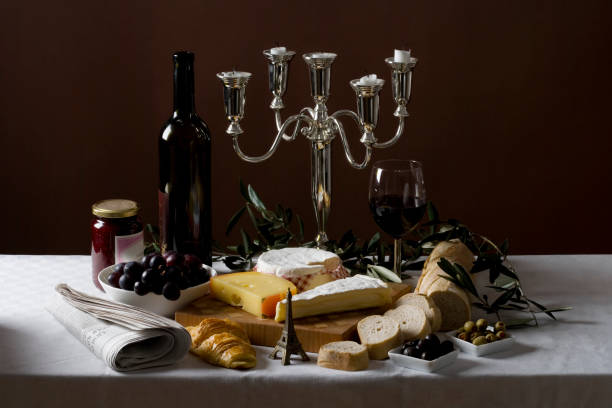
To keep the buttery, melt‑in‑your‑mouth texture of Brie from overwhelming the palate, pair it with a wine that offers a clean, lively acidity. Choose wines with a bright, citrus‑driven backbone such as a young Chardonnay from Chablis, an unoaked Sauvignon Blanc, or a crisp Pinot Grigio.
These selections provide enough tartness to cut through the cheese’s fat while preserving its delicate mushroom and nutty notes. Serve the wine slightly chilled (45‑50°F) so the acidity stays pronounced and the fruit aromas stay fresh.
When the Brie is soft and barely ripened, a wine with moderate alcohol (10‑12%) and a subtle fruit profile works best, allowing the cheese’s creaminess to shine without competition. Avoid overly buttery or oak‑heavy wines, as they can echo the cheese’s richness and create a cloying mouthfeel.
Instead, look for a wine with a clean finish that leaves a refreshing aftertaste, encouraging you to take another bite.
By matching the wine’s crisp edge to the cheese’s smooth body, each sip cleanses the palate, highlighting the subtle earthy flavors of Brie and making every bite feel lighter and more enjoyable.
Consider serving the pairing on a simple slate board with a few fresh grapes or a drizzle of honey, which can further accentuate the acidity and keep the tasting experience lively.
When to choose higher acidity
When the Brie has matured past its milky stage and develops stronger earthy, mushroom and even a faint ammonia edge, a wine with higher acidity can balance those intense flavors.
Reach for wines that deliver sharp, green‑apple or grapefruit notes, such as a Sauvignon Blanc from the Loire, a dry Riesling from Alsace, or a sparkling Brut Champagne. The pronounced acidity acts like a palate cleanser, cutting through the cheese’s richer fat and preventing the flavors from becoming overwhelming.
Serve these wines at a cooler temperature (40‑45°F) to keep the acidity crisp and the aromatics lively.
If the Brie is accompanied by accompaniments like fig jam, toasted nuts, or a drizzle of balsamic reduction, the higher‑acid wine will also harmonize the sweet‑savory contrast, highlighting the cheese’s depth without being masked.
Avoid low‑acid reds or overly sweet whites, which can mute the Brie’s complexity and leave a heavy finish. Instead, select a wine with a clean, mineral backbone that mirrors the cheese’s subtle terroir, allowing each bite to reveal new layers of flavor.
By pairing a more acidic wine with a fully ripened Brie, you create a dynamic interplay where the wine lifts the cheese’s bold character while maintaining balance and refreshment throughout the tasting.
Tips for serving temperature and wine with Brie
Ideal serving temps for wine
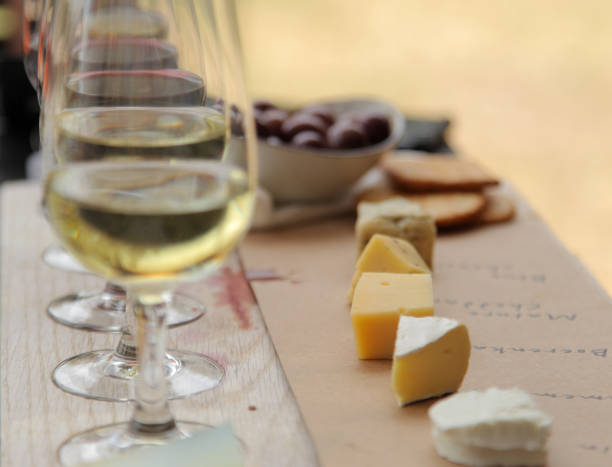
Serve your wine at the temperature that lets its flavors shine alongside Brie. White wines such as Chardonnay or Sauvignon Blanc should be chilled to 45‑50°F (7‑10°C); this coolness preserves crisp acidity that cuts through the cheese’s creaminess.
Red wines like Pinot Noir or a light Merlot are best slightly below room temperature, around 55‑60°F (13‑16°C), which softens tannins and highlights fruit notes without overwhelming the delicate rind. Sparkling options—Champagne or Prosecco—perform well at 40‑45°F (4‑7°C), offering bubbles that cleanse the palate.
Use a wine thermometer or a simple ice‑water bath for accuracy, and avoid over‑chilling, which can mute aromatics. Let the bottle rest for a few minutes after removal from the fridge to reach the target range.
By matching the wine’s serving temperature to Brie’s buttery texture, you create a balanced tasting experience that enhances both components.
Chilling Brie correctly
Properly chilling Brie ensures a smooth, buttery bite without a chalky finish. Refrigerate the wheel for at least two hours before serving; this brings the interior to a cool 50‑55°F (10‑13°C), ideal for maintaining its soft rind while keeping the paste creamy.
If the cheese is too cold, let it sit at room temperature for 15‑20 minutes; this short warm‑up releases aromatic compounds and softens the texture.
For pre‑sliced portions, keep them in a shallow dish covered with parchment paper to prevent drying, and place the dish on the lower shelf where temperature is most stable. Avoid storing Brie near strong‑smelling foods, as its porous rind can absorb unwanted odors.
When transporting Brie to a dinner party, wrap it in a breathable cheese cloth and a thin layer of wax paper, then place it in an insulated cooler set to the same 50‑55°F range.
By controlling the chilling process, you preserve the cheese’s delicate flavor profile and ensure it pairs harmoniously with your chosen wine.
Pairing in different seasons
Seasonal pairings let you enjoy Brie year‑round while matching the climate’s palate preferences. Spring brings fresh herbs and bright greens; pair the cheese with a lightly chilled Riesling or a crisp Albariño, whose floral acidity lifts the buttery notes and complements garden salads.
Summer heat calls for refreshing bubbles; a chilled Prosecco or a dry Rosé offers bright fruit and effervescence that counteracts the cheese’s richness on picnics or barbecues.
Autumn introduces earthy flavors—think roasted squash or mushroom dishes—so choose a medium‑bodied Pinot Noir or an oaked Chardonnay at 55‑60°F, providing subtle tannins and nutty undertones that echo the season’s harvest.
Winter favors comforting warmth; a Gewürztraminer with its spicy aromatics or a full‑bodied Merlot served slightly warmer (around 60‑65°F) adds depth and heat to cozy gatherings.
Adjust the wine’s temperature according to the season, and always let Brie sit for a few minutes after removal from the fridge to reach optimal softness. This thoughtful approach ensures every season delivers a harmonious cheese‑and‑wine experience.
What is the role of terroir in wine and Brie pairings
Regional French wines
When pairing Brie with French wines, let the terroir of the region guide your choice. Choose a buttery Chardonnay from Burgundy; its limestone‑rich soils produce bright acidity and subtle oak that cuts through the cheese’s creamy texture while echoing its buttery notes.
A crisp Sauvignon Blanc from the Loire Valley offers flinty minerality derived from schist soils, providing a refreshing contrast to Brie’s richness. For a more rustic match, try a light‑bodied Gamay from Beaujolais, where granite soils lend bright red fruit and gentle tannins that lift the cheese’s earthy undertones.
In each case, the wine’s soil‑derived minerality and climate‑shaped acidity create a harmonious dialogue with Brie, enhancing both the cheese’s buttery mouthfeel and the wine’s nuanced flavors.
Serve the pair at room temperature, allowing the Brie to soften while the wine retains its crisp structure, and consider a light drizzle of honey for added complexity.
New World alternatives
New World producers offer vibrant alternatives that still respect terroir while delivering fruit‑forward profiles that complement Brie. Select a Chardonnay from California’s Sonoma Coast, where cool marine fog and volcanic soils impart bright acidity and a hint of citrus that cut through the cheese’s richness.
Try a Pinot Gris from Oregon’s Willamette Valley, whose volcanic ash‑laden soils yield a wine with stone‑fruit aromas and a crisp finish that brightens the buttery notes of Brie.
For a red option, consider a Pinot Noir from New Zealand’s Central Otago, where schist and limestone soils produce silky tannins and bright cherry flavors that enhance the cheese’s earthy undertones.
Pairing these wines with Brie at a slightly chilled temperature (around 12‑13 °C) maximizes the balance between the cheese’s creaminess and the wine’s lively acidity, creating a harmonious tasting experience.
Influence of soil and climate
The character of any wine that pairs with Brie is rooted in the soil and climate that shape its grapes.
Limestone and chalk soils, common in Champagne and Burgundy, lend wines a pronounced minerality and steady acidity that lift the buttery texture of Brie without overwhelming it unless balanced by high acidity from cooler night temperatures.
Conversely, cool maritime climates like those of New Zealand’s Marlborough yield wines with vibrant citrus and subtle saline qualities that echo the briny undertones of aged Brie.
Understanding these terroir elements helps you select a wine whose soil‑derived minerality and climate‑driven acidity synergize with Brie’s creamy profile, ensuring a seamless and enjoyable pairing.
When serving, allow the Brie to reach room temperature while chilling the wine slightly; this temperature contrast accentuates the mineral backbone of the wine and the cheese’s smooth mouthfeel, creating a balanced sensory experience.
Best ways to create a Brie and wine tasting board
Selecting complementary cheeses
Begin by pairing Brie with cheeses that echo its creamy texture while adding contrast. Choose a mild goat cheese for a tangy lift, a sharp aged cheddar to introduce depth, and a nutty Gruyère for richness.
Balance flavors by arranging soft, semi‑soft, and firm options side by side, allowing guests to experiment with different combinations. When selecting wines, opt for a buttery Chardonnay or a lightly oaked Viognier that mirrors Brie’s creaminess, and a fruit‑forward Pinot Noir for a red‑wine alternative that cuts through the richness.
Highlight the pairing by placing each cheese on a separate slate with a small label, making it easy to match with the recommended wine. This thoughtful selection creates a dynamic tasting experience that showcases Brie while encouraging exploration of complementary textures and flavors.
Serve the cheeses at room temperature and provide a small honey drizzle for those who enjoy a touch of sweetness, enhancing both the cheese and wine profiles.
Adding fruits and nuts
Integrate fruits and nuts that complement Brie’s buttery notes and the chosen wines, creating a balanced palate.
Fresh grapes, sliced apples, and ripe pears add crisp acidity that cuts through the cheese’s richness, while dried apricets and figs contribute a concentrated sweetness that mirrors the fruitiness of a Chardonnay or a Pinot Noir.
Select nuts such as toasted almonds, walnuts, and candied pecans for a crunchy texture and a hint of earthiness that pairs well with both white and light‑red wines.
Arrange these items in small bowls or on the board in clusters, ensuring each fruit or nut is near a complementary cheese slice for easy pairing.
Enhance the experience by offering a drizzle of balsamic reduction or a dollop of fig jam, which can bridge the flavors between the cheese, fruit, nuts, and wine, making each bite harmonious and memorable.
Arranging wine glasses
Finalize the tasting board by thoughtfully arranging wine glasses to guide guests through the pairing journey. Choose clear, stemless glasses for white wines like Chardonnay and Viognier, and slightly larger, tulip‑shaped glasses for reds such as Pinot Noir or a light Merlot, allowing aromas to develop fully.
Position glasses at equal intervals along the board, labeling each with the wine name and a brief tasting note, so participants can easily match the glass to the cheese, fruit, or nut they are sampling. Include a small water pitcher and palate‑cleansing crackers to reset the palate between sips.
For visual appeal, use a wooden tray or marble slab as a base, and place a decorative cheese knife, a small funnel for wine pouring, and a handwritten menu card describing the suggested pairings.
Encourage interaction by inviting guests to swirl, sniff, and sip before tasting the Brie, noting how the wine’s acidity or fruitiness enhances the cheese’s creaminess, creating a memorable, educational experience.
How to pair wine with flavored Brie varieties
Herb‑infused Brie
Pair herb‑infused Brie with wines that echo its garden notes without overwhelming the cheese. Choose a crisp Sauvignon Blanc from the Loire or New Zealand; its bright acidity balances the buttery texture while the herbaceous aromatics complement basil, thyme, or rosemary in the cheese.
A dry Riesling from Alsace or Germany offers a touch of minerality and subtle fruit that lifts the herbal flavor without adding sweetness. If you prefer a red, opt for a light‑bodied Pinot Noir with soft tannins and red‑fruit nuances that won’t mask the delicate herbs.
Serve the wine slightly chilled (10‑12 °C) to keep the palate fresh. When arranging a cheese board, place the herb‑infused Brie beside fresh greens or a drizzle of olive oil to reinforce the pairing, and let guests sip between bites to experience the harmonious contrast.
Fruit‑wrapped Brie
Fruit‑wrapped Brie, such as apricot‑ or raspberry‑coated varieties, calls for wines that match its sweet‑tart profile while cutting through the rich creaminess. A semi‑dry Gewürztraminer from Alsace offers aromatic spice and a hint of residual sugar that mirrors the fruit glaze without overpowering the cheese.
Try a sparkling rosé; its lively bubbles and bright red‑berry notes cleanse the palate and accentuate the fruit’s acidity. For red lovers, a chilled Beaujolais Nouveau with soft tannins and juicy strawberry flavors provides a refreshing counterpoint.
Keep the wine temperature around 8‑10 °C for whites and 10‑12 °C for sparkling to preserve freshness.
Pair the cheese on a platter with fresh figs, honey, and toasted nuts, then let guests alternate a sip of wine after each bite to highlight the balance between sweet fruit and buttery Brie. This pairing highlights the cheese’s silky texture.
Smoked Brie
Smoked Brie introduces a deep, earthy aroma that pairs best with wines offering enough acidity and subtle oak to complement, not clash with, the smoke. Select a Chardonnay from Burgundy with moderate oak and bright citrus; its creamy mouthfeel mirrors the cheese while the minerality cuts the smokiness.
A medium‑bodied Tempranillo from Rioja, aged in oak barrels, brings soft tannins, plum, and a whisper of vanilla that harmonizes with the smoked rind. For a lighter option, a dry rosé from Provence, featuring red‑fruit zest and a crisp finish, refreshes the palate between smoky bites.
Serve whites at 10‑12 °C and reds at 14‑16 °C. Arrange the Brie on a wooden board with pickled onions, mustard, and crusty bread, encouraging guests to sip the wine after each bite to experience the interplay of smoke and fruit.
Common mistakes to avoid when pairing wine with Brie
Overpowering the cheese
One of the biggest errors is selecting a wine that overwhelms Brie’s delicate, buttery texture. Heavy, high‑alcohol reds such as Cabernet Sauvignon or Syrah can dominate the subtle nutty notes, leaving the cheese tasting flat. Instead, opt for lighter-bodied whites or sparkling options that complement rather than mask the flavor.
Choose wines with moderate acidity and low to medium alcohol—examples include Chardonnay (unoaked), Sauvignon Blanc, or a dry Champagne. These selections highlight the creamy mouthfeel while adding a bright, refreshing contrast. Remember to serve the wine slightly chilled (around 45‑50°F) to keep the balance crisp.
By keeping the wine’s intensity in check, you let Brie shine and create a harmonious tasting experience. Also, avoid letting the wine sit too long at room temperature, as warming can increase perceived alcohol and further drown the cheese’s nuances. A quick taste test before serving helps confirm the balance.
Mismatched sweetness levels
Another frequent slip is pairing Brie with a wine whose sweetness does not align with the cheese’s mild, slightly earthy profile. Overly sweet wines, such as late‑harvest Riesling or dessert Muscat, can make the cheese taste bland and turn the pairing into a cloying experience.
Conversely, ultra‑dry wines may highlight any slight bitterness in the rind, creating an unbalanced bite. The sweet spot lies in off‑dry or lightly fruity whites that provide a gentle lift without overwhelming the palate. Think of Pinot Grigio, a lightly off‑dry Chenin Blanc, or a semi‑sweet Gewürztraminer.
These choices echo the subtle fruit notes in Brie while preserving its creamy character. Taste the wine and cheese together in small bites; if the wine feels too sharp or too sugary, adjust by selecting a bottle with a lower residual sugar level.
This ensures the flavors complement rather than clash.
Ignoring personal palate
Finally, many novices assume there is a single ‘perfect’ wine for Brie and ignore their own taste preferences, leading to disappointing pairings. While classic recommendations point to Chardonnay, Champagne, or a light Pinot Noir, the best match is the one that resonates with your palate.
If you favor aromatic profiles, a slightly floral Viognier can enhance the cheese’s buttery notes without masking them. If you enjoy a touch of earthiness, a chilled Gamay or a subtle red blend with low tannins may provide a pleasant contrast.
Conduct a quick personal test: sip a small amount of the chosen wine, then sample a bite of Brie; note whether the wine lifts the cheese’s creaminess or competes with it. Adjust by swapping to a wine with a different acidity level or fruit intensity.
By honoring your own flavor inclinations, you turn the pairing into a tailored, enjoyable experience rather than a rigid rule.
Frequently Asked Questions
What type of wine best complements the creamy texture of Brie?
A light to medium-bodied white wine such as Chardonnay, especially unoaked or lightly oaked, matches Brie’s buttery richness without overwhelming it.
Can sparkling wines be paired with Brie?
Yes, sparkling wines like Champagne, Prosecco, or a dry Cava provide bright acidity and effervescence that cut through Brie’s creaminess, creating a refreshing contrast.
What red wines work well with Brie?
A soft, low-tannin red like Pinot Noir or a Beaujolais Nouveau pairs nicely, offering fruitiness and subtle earth notes that complement rather than clash with the cheese.
How does the age of Brie affect wine selection?
Younger, milder Brie pairs best with crisp whites and sparkling wines, while aged, stronger Brie can handle richer whites like a full-bodied Chardonnay or a light red such as Gamay.
Are there any rosé wines that pair well with Brie?
Dry rosé wines, especially those from Provence, provide a balance of acidity and fruit that enhances Brie’s flavor without overpowering its delicate profile.
What wine pairing should I choose for a Brie and fruit platter?
A semi-sweet wine like Riesling or a slightly off‑dry Vouvray pairs nicely with both the cheese and the sweetness of the fruit, creating a harmonious palate.
Conclusion
In short, brie’s creamy, buttery profile shines alongside crisp whites like Chardonnay or Sauvignon Blanc, bright sparkling Champagne, and delicate reds such as Pinot Noir or a light Gamay. The key is balancing acidity and subtle fruit to cut the richness without overpowering the cheese. Experiment with these suggestions, trust your palate, and enjoy discovering the perfect sip that elevates every bite of brie.