Keto Friendly Flavored Syrups
Looking for keto friendly flavored syrups that won’t spike your blood sugar or kick you out of ketosis? You’ve landed in the right spot. The core problem is finding syrups that taste great without hidden sugars, maltitol, or artificial aftertastes. I’ll cut through the marketing hype and give you the straight facts on which sweeteners work, what ingredients to avoid, and how to pick a bottle that fits your macros perfectly.
What Makes a Flavored Syrup Keto Friendly?
Net carbs and sugar content limits
To determine if a flavored syrup is keto-friendly, focus on net carbs, which are total carbohydrates minus fiber and sugar alcohols. For strict keto, aim for syrups with under 2-3 grams of net carbs per serving.
Avoid any syrup with added sugars like cane sugar, honey, or high-fructose corn syrup, as these spike blood sugar. Instead, check labels for syrups sweetened with stevia, erythritol, or monk fruit, which have minimal impact on ketosis. Look for serving sizes (often 1-2 tablespoons) and calculate net carbs per serving.
Some brands list sugar alcohols like erythritol, which subtract from net carbs but can cause digestive issues in large amounts. Prioritize syrups with 0 grams of total sugar and low net carbs to maintain ketosis while adding flavor to coffee, desserts, or smoothies.
Common keto-approved sweeteners used
Keto-friendly flavored syrups rely on sugar alcohols and natural zero-calorie sweeteners. The most common are erythritol and stevia, which have a glycemic index of zero and do not raise blood sugar. Monk fruit extract is another popular choice, often blended with erythritol to balance taste.
Avoid maltitol, sorbitol, or xylitol, as they can spike insulin or cause digestive upset. Look for syrups sweetened with allulose, a rare sugar that behaves like erythritol but may have a milder aftertaste. Many brands combine sweeteners to mimic sugar’s texture.
Always check for no added sugars and ensure the sweetener source is explicitly listed. For a clean keto option, choose syrups with only stevia or monk fruit and minimal ingredients.
Avoiding hidden starches and fillers
Many flavored syrups contain hidden starches, maltodextrin, or dextrose as thickeners or preservatives, which add hidden carbs and spike blood sugar. Maltodextrin, often derived from corn, has a high glycemic index and can kick you out of ketosis even in small amounts.
Avoid syrups with carrageenan, modified food starch, or gum blends like xanthan gum in large quantities, as they may cause digestive issues. Instead, choose syrups with natural thickeners like acacia fiber or inulin, which are keto-friendly and add fiber.
Always read the ingredient list for any form of sugar, starch, or artificial fillers. Opt for syrups with short, recognizable ingredients—ideally sweetener, natural flavors, and water. This ensures you stay in ketosis without hidden carb bombs.
Top 5 Keto Friendly Flavored Syrups for Coffee and Drinks
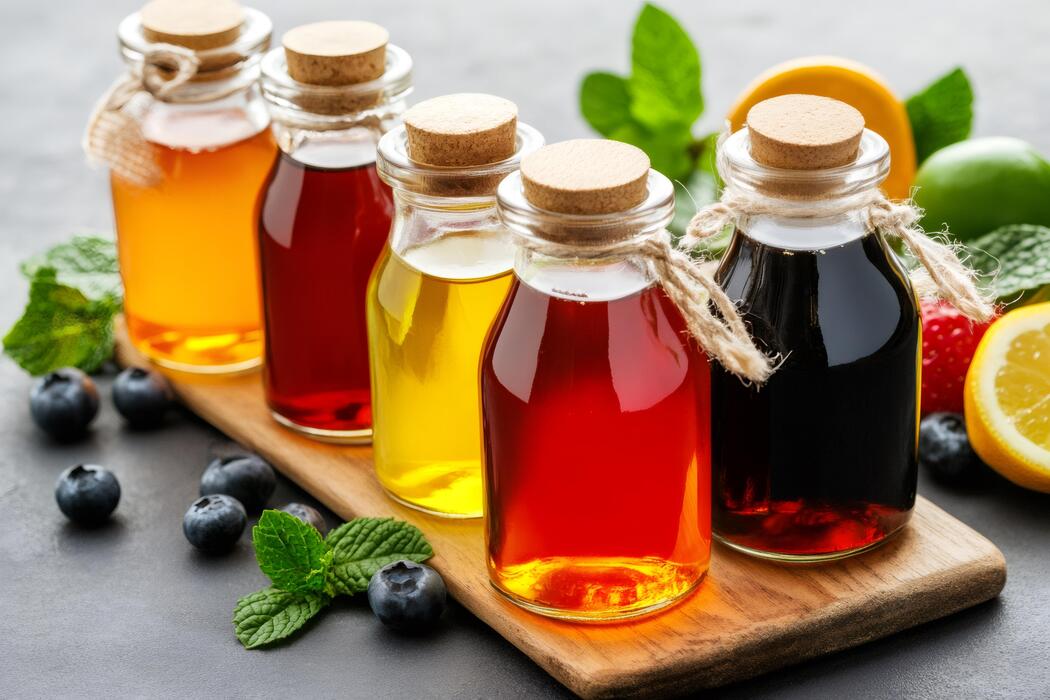
Vanilla syrup options with zero sugar
Vanilla syrup is a staple for keto coffee lovers, and zero-sugar options are widely available. Look for brands like Torani Sugar Free or Jordan’s Skinny Syrups, which use sucralose or erythritol as sweeteners. These syrups add a creamy, sweet flavor without carbs or calories.
For a homemade alternative, combine vanilla extract, stevia drops, and water—simmer for 5 minutes and store in a bottle. Use 1-2 tablespoons per cup of coffee or iced latte. Always check labels for hidden sugars or maltodextrin, which can spike blood sugar. Stick to clean ingredients to stay in ketosis.
Caramel and chocolate syrup picks
Indulge in caramel and chocolate flavors without breaking keto. ChocZero offers sugar-free chocolate syrup sweetened with monk fruit, perfect for mochas or drizzling over desserts. For caramel, try Torani Sugar Free Caramel—it uses sucralose and has 0g net carbs.
Homemade options are easy: melt cacao butter, mix with unsweetened cocoa powder and allulose for chocolate syrup. For caramel, simmer butter, heavy cream, and confectioners erythritol until thick. Use sparingly—1 tablespoon adds rich flavor. Avoid maltitol; it can cause digestive issues and insulin spikes.
These syrups transform keto coffee into a treat.
Hazelnut and cinnamon varieties
Hazelnut and cinnamon syrups bring cozy, nutty warmth to keto drinks. Torani Sugar Free Hazelnut is a favorite, sweetened with sucralose and offering a rich, toasty taste. For cinnamon, Skinny Syrups Cinnamon Dolce combines spice with sweetness—ideal for lattes or chai.
DIY versions: blend hazelnut extract, stevia, and water for hazelnut syrup; for cinnamon, steep cinnamon sticks in water with allulose and simmer. Add a pinch of salt to enhance flavor. Use 1-2 pumps per serving. These syrups pair well with almond milk or coconut cream.
Check for additives like carrageenan to keep your keto diet clean.
Fruit-flavored syrups for keto cocktails
Elevate keto cocktails with fruit-flavored syrups that add zest without carbs. Jordan’s Skinny Syrups offers strawberry, raspberry, and peach varieties, sweetened with sucralose—perfect for margaritas or spritzers. Homemade options: mash fresh berries, simmer with erythritol and water, then strain.
For tropical flavors, use lime juice, stevia, and a dash of coconut extract. Avoid fruit juices that pack sugar; stick to extracts or purees. Use 1 ounce per drink, mixing with vodka, seltzer, or tequila. Garnish with mint or citrus slices for flair. These syrups keep cocktails keto-friendly and refreshing.
How to Choose the Best Keto Syrup for Your Diet
Reading nutrition labels for net carbs
To choose a truly keto-friendly syrup, master the art of reading nutrition labels for net carbs. Net carbs are calculated by subtracting fiber and sugar alcohols from total carbohydrates. Look for syrups with 0–2 grams of net carbs per serving to maintain ketosis.
Be wary of labels that list “sugar” or “high-fructose corn syrup” as ingredients—these spike blood sugar and kick you out of ketosis. Instead, scan for sweeteners like erythritol, stevia, or monk fruit, which have minimal impact on blood glucose.
Avoid syrups that use maltitol or sorbitol, as they can raise blood sugar and cause digestive distress. Pay attention to serving size—some brands use tiny portions (like 1 tablespoon) to keep carb counts low. Always check the ingredient list for hidden starches or maltodextrin, which add carbs.
A quick tip: use a keto tracking app to scan barcodes and verify net carbs. This habit ensures you pick syrups that align with your daily carb limit, whether you’re on strict keto (under 20g net carbs) or a more moderate approach.
Remember, zero net carbs is ideal, but 1–2g can fit into your macros if used sparingly.
Checking for sugar alcohols and their effects
When selecting keto syrups, check for sugar alcohols and their effects on your body. Sugar alcohols like erythritol, xylitol, and sorbitol are common sweeteners in low-carb syrups, but they vary in tolerance.
Erythritol is the gold standard for keto—it has zero net carbs, doesn’t spike blood sugar, and rarely causes digestive issues. Xylitol is also low-carb but can cause gastrointestinal discomfort and is toxic to pets.
Avoid syrups with maltitol or sorbitol, as they have a higher glycemic index (35–52) and can stall ketosis. Start with a small serving to test your tolerance, especially if you’re new to sugar alcohols. Some people experience bloating, gas, or diarrhea from overconsumption.
Look for syrups that combine erythritol with stevia or monk fruit for a balanced sweetness without aftertaste. Also, note that sugar alcohols may be listed under “total carbohydrates” on labels, but you can subtract them if they’re erythritol.
For optimal keto compliance, choose syrups that use allulose or erythritol as primary sweeteners, as these have minimal impact on insulin. Always read reviews to gauge how others react to specific brands, and prioritize syrups with transparent ingredient lists.
Selecting syrups with natural vs. artificial flavors
In the quest for the best keto syrup, selecting syrups with natural vs. artificial flavors can impact both taste and health. Natural flavors are derived from plant or animal sources, while artificial flavors are synthesized in labs.
For keto dieters, natural flavors are generally preferred because they align with a whole-food approach and often have fewer additives. Look for syrups that use extracts like vanilla, maple, or fruit essences—these provide authentic taste without hidden sugars.
Artificial flavors, while calorie-free, may contain chemicals like propylene glycol or artificial colorings that some people prefer to avoid. However, not all natural flavors are keto-friendly; check that they’re not mixed with maltodextrin or dextrose as carriers. Prioritize syrups with clean labels—short ingredient lists with recognizable names.
Brands that use organic or non-GMO natural flavors often have better quality control. Taste-test samples when possible, as natural flavors can be more subtle. For coffee, chocolate, or berry syrups, opt for those with stevia or monk fruit as sweeteners to complement natural flavors.
Ultimately, your choice depends on dietary philosophy—if you’re strict about avoiding artificial additives, stick with natural flavors. For occasional use, artificial options can work but may have a stronger aftertaste. Always read reviews to find syrups that balance flavor and keto compliance.
Best Ways to Use Keto Flavored Syrups in Recipes
Adding syrup to bulletproof coffee and tea
Elevate your morning brew by ditching sugar-laden creamers for keto flavored syrups. Simply stir 1-2 tablespoons of syrup into your hot bulletproof coffee or tea after blending in your butter and MCT oil. This adds a burst of flavor without any carbs, making your drink taste like a dessert.
For iced coffee, mix the syrup with a splash of heavy cream before adding ice to ensure even sweetness. Popular choices include vanilla, caramel, and hazelnut, which pair perfectly with the rich fats in your coffee.
To avoid clumping, whisk the syrup into hot liquid first, or use an immersion blender for a frothy finish. Adjust sweetness to your preference, as syrups vary in intensity. This method keeps your energy stable and satisfies cravings without breaking ketosis.
Sweetening keto desserts and baked goods
Transform your low-carb baking by substituting sugar with keto flavored syrups for a moist, flavorful result. Use 2-3 tablespoons of syrup per cup of almond or coconut flour in recipes for cookies, muffins, or cakes. For best results, reduce other liquids by 1-2 tablespoons to maintain the right batter consistency.
Chocolate syrup works wonders in brownies, while maple syrup enhances keto pancakes or waffles. Drizzle syrup over cream cheese fat bombs or cheesecake bites for an instant sweet kick. When baking at high temperatures, opt for syrups sweetened with allulose or erythritol, as they caramelize without burning.
This approach lets you enjoy guilt-free treats with zero net carbs, perfect for staying on track while indulging your sweet tooth.
Flavoring yogurt, chia pudding, and smoothies
Revitalize your keto breakfasts by swirling keto flavored syrups into plain Greek yogurt or coconut yogurt for a carb-free flavor boost. Start with 1 tablespoon per serving and adjust to taste.
For chia pudding, mix syrup directly into the almond milk or coconut milk base before adding chia seeds, ensuring even sweetness as it thickens. In smoothies, add syrup along with ice and low-carb milk to create a creamy, dessert-like drink without extra sugar.
Vanilla syrup complements berries, while caramel syrup pairs well with nut butters. For a thicker texture, blend in a tablespoon of cream cheese or avocado. This method keeps your meals exciting and helps you avoid artificial sweeteners, supporting ketosis while satisfying cravings for something sweet and satisfying.
Tips for Making Homemade Keto Flavored Syrups

Simple vanilla syrup with erythritol
Creating a versatile vanilla syrup at home is both cost-effective and carb-free. Start by combining 1 cup of water with 1 cup of granular erythritol in a small saucepan. Erythritol provides the sweetness without raising blood sugar, making it ideal for keto.
Heat gently while stirring until the sweetener fully dissolves—do not boil. Remove from heat and stir in 2 teaspoons of pure vanilla extract (avoid imitation vanilla, which may contain sugars). For a richer flavor, split a vanilla bean and scrape the seeds into the mixture while it warms.
Allow the syrup to cool completely, then pour it into a glass bottle or jar with a tight lid. This syrup stores well in the refrigerator for up to two weeks. Use it to sweeten coffee, iced tea, keto pancakes, or sugar-free whipped cream.
Adjust the vanilla intensity to your preference by adding more extract. The result is a clear, flavorful syrup that enhances any beverage or dessert without compromising your ketogenic goals.
Chocolate syrup using cocoa and stevia
Indulge your chocolate cravings with a keto-friendly syrup that uses unsweetened cocoa powder and liquid stevia for zero-carb sweetness. In a small saucepan, whisk together 1/4 cup of cocoa powder and 1/2 cup of water until smooth.
Place over low heat and add 1/2 cup of heavy cream or unsweetened almond milk for a creamy texture. Stir constantly to prevent lumps. Sweeten gradually with liquid stevia—start with 10-15 drops, then taste and adjust. Stevia is much sweeter than sugar, so a little goes a long way.
For depth, add a pinch of salt and 1/2 teaspoon of vanilla extract. Simmer for 2-3 minutes until thickened slightly, then remove from heat. Let cool before transferring to a squeeze bottle or jar. This syrup thickens more as it chills.
Drizzle over keto ice cream, mix into almond milk for chocolate milk, or use as a topping for chia pudding. Store in the refrigerator for up to a week. Shake well before each use.
Berry syrup with fresh or frozen fruit
Capture the essence of fresh berries in a keto syrup that’s perfect for pancakes, yogurt, or cocktails. Use 1 cup of fresh or frozen berries—strawberries, raspberries, or blueberries work well—and combine them in a saucepan with 1/2 cup of water and 2 tablespoons of powdered erythritol or allulose.
Bring to a gentle simmer over medium heat, then reduce heat and cook for 10 minutes, mashing the berries with a fork or potato masher to release their juices. For a smooth syrup, strain through a fine-mesh sieve to remove seeds and pulp.
Return the liquid to the pan, add 1 teaspoon of lemon juice for brightness, and simmer for another 2-3 minutes until slightly reduced. Stir in 1/4 teaspoon of xanthan gum (optional) to thicken—sprinkle it in while whisking to avoid clumps. Cool completely; it will thicken further.
Store in a glass jar in the fridge for up to two weeks. This syrup adds vibrant flavor to keto desserts without added sugars.
Common Mistakes When Buying Keto Syrups
Overlooking maltitol and other high-glycemic sweeteners
A common pitfall is assuming that any sugar-free syrup is keto-friendly. Many brands still use maltitol, a sugar alcohol with a glycemic index nearly as high as sugar. Maltitol can spike your blood glucose and kick you out of ketosis, while also causing digestive distress.
Always check the ingredients list for hidden high-glycemic sweeteners like maltitol, sorbitol, or dextrose. Instead, look for syrups sweetened with erythritol, allulose, monk fruit, or stevia—these have minimal impact on blood sugar. Prioritize products that list these keto-safe options as the primary sweeteners.
By avoiding maltitol and similar ingredients, you protect your ketosis and avoid unnecessary cravings or gastrointestinal issues.
Ignoring serving size and carb counts
Another mistake is assuming that zero-sugar syrups have zero net carbs. Many sugar-free syrups still contain calories and carbohydrates from fiber or sugar alcohols. Always read the nutrition label and note the serving size, which is often very small (like 1–2 tablespoons).
Multiply the net carbs by the amount you actually use—a generous pour can quickly add 5–10g of carbs, sabotaging your daily macros. To stay safe, measure your syrup and log it in your food tracker.
Look for syrups with 0–1g net carbs per serving and avoid those that list more than 2g. Being meticulous about portion control ensures you enjoy flavor without breaking ketosis.
Assuming all sugar-free syrups are keto safe
It’s easy to grab any sugar-free syrup, thinking it’s automatically keto-friendly, but many contain hidden sugars, starches, or fillers like maltodextrin or corn syrup solids. These ingredients can raise your blood sugar and insulin levels, defeating the purpose of a keto diet.
Always scrutinize the ingredient list for any form of sugar or high-glycemic additives. Opt for brands that specifically market themselves as keto-certified or that list only keto-approved sweeteners. Also, be cautious of syrups with long ingredient lists or artificial colors and preservatives, which may cause inflammation.
By verifying each product’s ingredients and nutrition facts, you can confidently choose syrups that support your ketogenic lifestyle without hidden pitfalls.
Where to Buy Keto Friendly Flavored Syrups Online
Top brands like Torani and Skinny Syrups
For reliable, keto-friendly flavored syrups, start with Torani Sugar Free and Skinny Syrups. Torani offers a vast range of sugar-free options sweetened with sucralose, ideal for coffee, cocktails, and baking. Look for their classic vanilla, caramel, and seasonal flavors like pumpkin pie.
Skinny Syrups, by World Pantry, are another top choice, using sucralose and acesulfame potassium for zero sugar and carbs. Their variety includes salted caramel, mocha, and fruity options perfect for keto drinks.
Both brands are widely available online and in stores, but always check labels for carb counts—some flavors may have trace amounts. For maximum safety, choose syrups labeled as zero net carbs or keto-certified.
These brands are trusted by the keto community for consistent taste without blood sugar spikes, making them a smart first stop for your syrup needs.
Best prices on Amazon and specialty keto stores
To score the best deals on keto syrups, Amazon is your top choice for competitive pricing and bulk buys. Subscribe to your favorite Torani or Skinny Syrups flavors for recurring discounts, and compare prices across sellers to avoid markup.
For deeper savings, check specialty keto stores like Keto and Co, Netrition, or Thrive Market. These sites often run sales, bundle deals, or offer exclusive keto-friendly brands like ChocZero or Jordan’s Skinny Syrups. Thrive Market, for example, gives members up to 30% off retail prices.
Always read reviews for taste and carb accuracy, and watch for free shipping thresholds. Pro tip: Use price tracking tools like CamelCamelCamel on Amazon to buy when prices drop.
By combining these sources, you can stock up on syrups without breaking your keto budget, ensuring you always have flavorful options on hand.
Local health food store options
For immediate access, check your local health food stores like Whole Foods Market, Sprouts Farmers Market, or Natural Grocers. These stores typically stock sugar-free syrups in their baking or coffee aisles, including brands like Torani Sugar Free and Skinny Syrups.
Whole Foods often carries a curated selection with keto-friendly labels, while Sprouts may offer store-brand options with zero net carbs. Call ahead to confirm inventory, as not all locations carry every flavor.
Local co-ops and independent health stores may also have locally made syrups sweetened with monk fruit or stevia, which can be lower in carbs. Always check the ingredient list for hidden sugars or maltodextrin. Buying locally saves shipping time and allows you to inspect the product firsthand.
Plus, you can ask staff for recommendations—many health food employees are knowledgeable about keto diets and can point you to the best sugar-free syrups available.
Frequently Asked Questions
What are keto friendly flavored syrups?
Keto friendly flavored syrups are sugar-free syrups sweetened with low-carb sweeteners like erythritol, stevia, or monk fruit. They add flavor to coffee, cocktails, or desserts without raising blood sugar or breaking ketosis.
Are sugar-free syrups the same as keto syrups?
Not always—some sugar-free syrups use maltitol or other high-glycemic sweeteners that can spike insulin and affect ketosis. Always check the label for net carbs and keto-approved sweeteners like allulose or stevia.
How do I use keto syrups in coffee without curdling?
Most keto syrups are water-based and mix well into hot or cold coffee. To avoid curdling in dairy, add the syrup first, then pour coffee slowly while stirring, or use heavy cream instead of milk.
Can keto syrups be used in baking?
Yes, but they may alter moisture levels because they contain water. Reduce other liquids slightly and adjust sweetener to taste, as syrups are less concentrated than granular keto sweeteners.
What are the best brands of keto flavored syrups?
Popular brands include Torani Sugar-Free, Jordan’s Skinny Syrups, and ChocZero. Always verify net carbs per serving, as some brands add small amounts of carbs from natural flavors or fiber.
Do keto syrups have any side effects?
Some people experience digestive discomfort from sugar alcohols like erythritol or sorbitol, especially in large amounts. Start with a small serving to see how your body reacts.
How many net carbs are in keto flavored syrups?
Most keto syrups contain 0–2 grams of net carbs per serving (usually 1–2 tablespoons). Always subtract fiber and sugar alcohols from total carbs to calculate net carbs accurately.
Conclusion
Keto friendly flavored syrups offer a delicious, zero-sugar way to enhance your coffee, desserts, and smoothies without breaking ketosis. Remember to always check labels for net carbs and avoid artificial additives. By choosing syrups sweetened with erythritol, stevia, or monk fruit, you can enjoy guilt-free flavor. Experiment with different varieties to keep your meals exciting. Embrace these simple swaps to make your keto journey both sustainable and satisfying.