Pinot Noir Food Pairing Cheese
Wondering what cheese pairs perfectly with pinot noir? You’re not alone—this elegant, fruity red can be a bit tricky, but the right cheese makes all the difference. The good news? Pinot Noir’s bright acidity and subtle earthiness love creamy, mild cheeses like brie, camembert, and aged gouda. In this guide, we’ll break down the best cheese matches that elevate both the wine and your meal, whether you’re hosting a dinner or just enjoying a quiet night in. Let’s find your perfect pairing.
What is Pinot Noir and Why It Pairs Well with Cheese
Characteristics of Pinot Noir
Pinot Noir is a light to medium-bodied red wine known for its bright acidity, red fruit flavors, and elegant structure. Typically showcasing notes of cherry, raspberry, strawberry, and subtle earthy or floral undertones, it’s a versatile wine that thrives in cooler climates like Burgundy, Oregon, and New Zealand.
Its thin grape skins result in lower tannin levels compared to bolder reds like Cabernet Sauvignon, making it exceptionally food-friendly and approachable. This wine often has a silky texture and a crisp finish, which enhances its ability to complement a wide range of dishes.
Because of its balanced acidity and moderate alcohol, Pinot Noir doesn’t overpower delicate flavors, allowing it to shine alongside ingredients like mushrooms, poultry, and especially soft and creamy cheeses. Understanding these characteristics helps explain why it’s a top choice for cheese pairings.
How Acidity and Tannins Affect Pairing
The moderate tannins and high acidity in Pinot Noir play a crucial role in successful cheese pairings. Unlike full-bodied reds with aggressive tannins that can clash with certain cheeses, Pinot Noir’s soft tannin structure avoids bitterness and instead cleanses the palate between bites.
The wine’s vibrant acidity cuts through rich, fatty cheeses, balancing their creaminess and preventing palate fatigue. This synergy enhances both the wine and cheese experience, making each taste more refreshing and layered. Cheeses high in fat—like Brie or Camembert—benefit from this contrast, as the acidity lifts the richness.
Additionally, lower tannins mean less astringency, allowing the nuanced flavors of both the wine and cheese to shine. This makes Pinot Noir uniquely suited to pair with a broad cheese spectrum, from bloomy rinds to nutty semi-hards, without overwhelming delicate profiles.
Why Cheese Complements Light to Medium-Bodied Reds
Cheese and light to medium-bodied reds like Pinot Noir form a harmonious pairing due to their shared subtlety and complexity. The delicate fruit profile of Pinot Noir doesn’t dominate the palate, allowing the savory, umami, and creamy notes of cheese to stand out.
Soft-ripened cheeses such as Brie, Cambozola, and aged Gouda bring buttery textures and mild tang that mirror the wine’s smooth finish. Meanwhile, the mineral and earthy undertones in Pinot Noir echo the natural rinds and cave-aged characteristics of artisanal cheeses.
This mutual enhancement creates a layered tasting experience where neither element overpowers the other. Additionally, the moderate alcohol level in Pinot Noir prevents it from clashing with salty or pungent cheeses.
Ultimately, the wine’s elegance and versatility make it an ideal companion for a cheese board, elevating both simple and sophisticated selections.
Best Types of Cheese to Pair with Pinot Noir
Soft-Ripened Cheeses Like Brie and Camembert
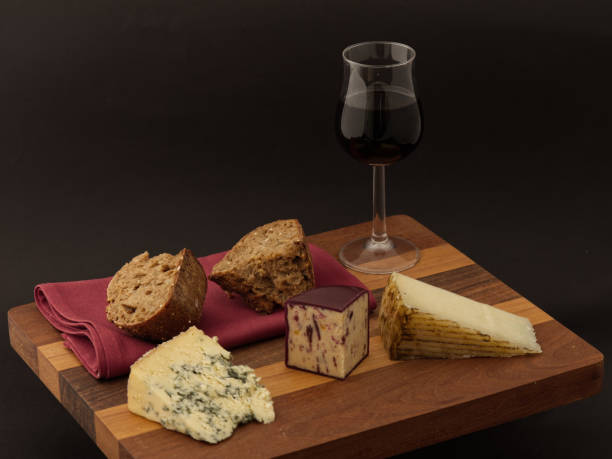
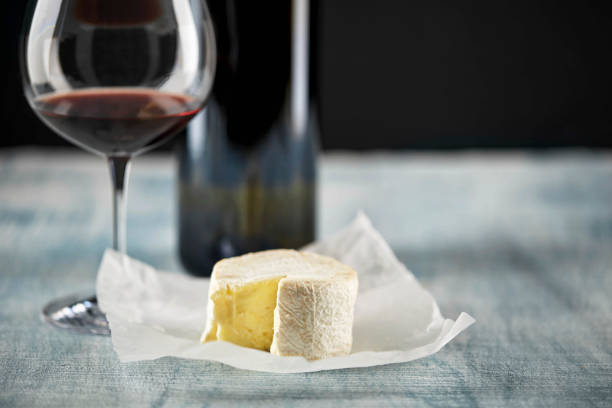
Pairing Pinot Noir with soft-ripened cheeses like Brie and Camembert creates a luxurious, balanced experience. The wine’s bright acidity cuts through the creamy, buttery texture of these cheeses, preventing palate fatigue and enhancing each sip and bite.
Meanwhile, the earthy, mushroom-like notes in Pinot Noir harmonize beautifully with the bloomy rind of these cheeses, elevating their subtle complexity. Serve both at room temperature to fully unlock their aromas and flavors—cold cheese can mute the wine’s delicate profile.
For an elevated pairing, add a few slices of fresh pear or a drizzle of honey, which complement both the wine’s red fruit notes and the cheese’s mild richness. This combination works especially well as a starter or light dessert course.
Avoid over-ripened Brie, as excessive ammonia notes can clash with the wine. Choose high-quality, traditionally made versions for the most authentic and satisfying pairing.
Aged Gouda and Other Nutty Hard Cheeses
While Pinot Noir is light-bodied, it pairs surprisingly well with aged Gouda and other nutty hard cheeses due to their deep, caramelized flavors. These cheeses develop crystalline textures and butterscotch undertones during aging, which mirror the wine’s subtle earthiness and red fruit character without overpowering it.
The moderate tannins and acidity in Pinot Noir balance the cheese’s richness, creating a seamless mouthfeel. Opt for Gouda aged 18 months or more, or alternatives like aged Cheddar or Comté, which offer toasty, nutty notes that enhance the wine’s complexity.
Serve in small cubes to encourage slow sipping and savoring. This pairing shines on a cheese board with dried fruits like figs or apricots, which amplify the wine’s fruit profile. Avoid overly sharp or salty hard cheeses, as they can overshadow Pinot Noir’s delicate nature.
Balance is key—choose cheeses with depth but not intensity.
Washed-Rind Cheeses Such as Taleggio
Washed-rind cheeses like Taleggio, Munster, or Epoisses offer a bold yet compatible match for Pinot Noir’s aromatic complexity. These cheeses feature pungent aromas and velvety textures, balanced by a tangy, savory-sweet flavor that resonates with the wine’s forest floor and red berry notes.
The moderate funk and umami depth of washed-rind varieties enhance Pinot Noir’s earthy undertones without overwhelming its elegance. Serve slightly warmed or at room temperature to soften the rind and release creamy interior flavors.
Pairing with a rustic baguette or toasted nuts can anchor the boldness of the cheese while letting the wine shine. Because these cheeses are rich, use small portions to maintain balance. Avoid overly stinky varieties that might dominate the wine’s subtlety.
For an exceptional experience, add cornichons or quince paste to contrast and complement both elements. This pairing excels in cooler months or as a standout on a diverse cheese board.
How to Match Pinot Noir with Regional Cheese Styles
French Pairings: Burgundy Wine with Local Fromages
When pairing Pinot Noir with French cheeses, focus on matching regional terroirs for harmonious results. Burgundy, the home of Pinot Noir, produces earthy, elegant wines that pair beautifully with soft-ripened cow’s milk cheeses like Époisses, Chaource, and Brillat-Savarin.
These creamy, buttery cheeses with bloomy rinds enhance the wine’s red fruit notes—think cherry and raspberry—while their mild tanginess balances Pinot’s bright acidity. Aged Brie de Meaux also works well, offering nutty undertones that echo the wine’s subtle oak influence.
Avoid overly pungent or blue-veined cheeses, which can overpower the delicate structure of most Pinot Noirs. For best results, serve cheeses at room temperature to fully express their aromas and textures.
The shared earthiness between Burgundian wines and these traditional cheeses creates a seamless sensory experience, making this pairing a classic example of *terroir-driven harmony*.
Italian Cheeses That Complement Earthy Pinot Notes
Italian cheeses with nuanced textures and moderate intensity can elevate a glass of Pinot Noir by mirroring its earthy, fruity profile. Opt for semi-soft varieties like Taleggio and Fontina Val d’Aosta, which offer creamy richness and a slight tang that complements the wine’s acidity without masking its delicate flavors.
Taleggio’s washed rind imparts a subtle funk that harmonizes with Pinot’s forest floor and mushroom notes, especially in aged expressions. Mild, nutty Asiago Vecchio also pairs well, adding a savory depth that enhances the wine’s complexity.
Avoid heavily salted or spicy cheeses like Pecorino Romano or aged Parmigiano-Reggiano, which can overwhelm Pinot’s subtlety. Serve cheeses with a slice of rustic bread or a drizzle of chestnut honey to bridge flavors.
These balanced, alpine-style cheeses from Northern Italy align beautifully with Pinot Noir’s elegance, making them ideal for refined cheese boards.
American Artisan Cheeses for New World Pinot
New World Pinot Noirs, especially those from Oregon and California, often boast bolder fruit expression and silky tannins, making them ideal partners for innovative American artisan cheeses.
Seek out creamy, bloomy-rind cheeses like Humboldt Fog from California—its tangy goat milk center and ash-lined rind contrast beautifully with the wine’s ripe strawberry and plum notes.
Cowgirl Creamery’s Red Hawk, a triple-cream washed rind from Point Reyes, offers a rich, buttery texture and mild umami that mirrors Pinot’s earthy undertones. For a bolder pairing, try a young, cave-aged Grafton Cheddar from Vermont, which provides nutty-sweet notes without excessive sharpness.
The key is balancing intensity—avoid overly aged or smoked cheeses that can clash with Pinot’s finesse. Serve at room temperature with dried fruit or toasted nuts to enhance the pairing. These American creations reflect the same craftsmanship as New World Pinot, resulting in modern, expressive matches that delight the palate.
Tips for Building a Pinot Noir and Cheese Board
Selecting 3 to 5 Cheeses for Balance
When pairing cheese with Pinot Noir, choose a variety of textures and intensities to complement the wine’s bright acidity and red fruit notes. Start with a soft-ripened cheese like Brie or Camembert, which offer creamy richness that harmonizes with the wine’s silky tannins.
Add a semi-firm cheese such as aged Gouda or Comté for nutty depth without overpowering the delicate wine. Include a bloomy blue like Cambozola or Saint-André, which blends mild blue veins with buttery texture—ideal for Pinot’s subtlety. For contrast, a fresh goat cheese adds tanginess that lifts the wine’s acidity.
Avoid overly sharp or pungent cheeses like aged cheddar or strong blues, which can dominate the palate. Aim for 3 to 5 cheeses to provide variety while keeping the board curated.
This balance ensures each bite enhances the wine’s cherry, raspberry, and earthy undertones, creating a seamless pairing experience that delights the senses.
Adding Accents: Fruits, Nuts, and Crackers
Enhance your Pinot Noir and cheese board by including complementary accompaniments that elevate both the wine and cheese. Fresh and dried fruits like sliced pears, red grapes, figs, or cherries mirror Pinot Noir’s red fruit profile and add natural sweetness that balances creamy or tangy cheeses.
Toasted nuts such as Marcona almonds, walnuts, or hazelnuts contribute crunch and earthy notes, echoing the wine’s subtle forest floor characteristics. Choose neutral or lightly flavored crackers and breads—like water crackers or baguette slices—to avoid overpowering delicate pairings.
Avoid overly salty or spiced items that might clash with the wine’s finesse. Honey or fruit preserves can also bridge flavors, especially with goat cheese or mild blues. Arrange accents thoughtfully around the cheeses to encourage balanced tasting.
These elements not only add visual appeal but also create layered flavor experiences, making each sip and bite more enjoyable and harmonious with the elegant profile of Pinot Noir.
Serving Temperature for Optimal Flavor
Serving your Pinot Noir and cheeses at the correct temperatures is essential for unlocking their full flavor potential. Chill Pinot Noir to 55–60°F (13–16°C)—slightly below room temperature—to highlight its bright acidity, red fruit aromas, and silky texture. Serving it too cold dulls the bouquet, while too warm emphasizes alcohol.
Remove the bottle from the fridge about 15 minutes before serving if overchilled. For cheeses, bring them to room temperature 30–60 minutes before serving. Cold cheese has muted flavors and a waxy texture, which can clash with the wine.
Allowing cheeses to warm enhances their aroma and creaminess, creating a smoother pairing. Keep the board away from direct sunlight or heat sources to prevent soft cheeses from melting. Serve cheeses in order of intensity, from mildest to boldest, to preserve palate sensitivity.
This attention to temperature ensures every pairing—whether Brie with cherry compote or aged Gouda with almonds—harmonizes beautifully with the nuanced elegance of Pinot Noir.
Common Mistakes to Avoid in Pinot Noir and Cheese Pairing
Avoiding Overpowering Cheeses Like Blue or Aged Cheddar
When pairing Pinot Noir with cheese, it’s essential to avoid overpowering varieties such as strong blue cheeses or aged cheddars, which can easily dominate the wine’s delicate profile. Pinot Noir is known for its bright acidity, subtle tannins, and nuanced red fruit notes like cherry, raspberry, and strawberry.
These characteristics can be overwhelmed by the intense saltiness and pungency of blue cheeses or the sharp, crystalline texture of well-aged cheddar. Instead, opt for cheeses that complement rather than compete, allowing both the wine and cheese to shine.
Consider milder, creamy options like Brie or Camembert, which harmonize with Pinot Noir’s silky mouthfeel. If you’re drawn to bolder cheeses, try a younger, milder blue in small amounts to balance intensity.
The goal is flavor harmony, where neither element overshadows the other, creating a more enjoyable and balanced tasting experience.
Don’t Serve Wine Too Cold
Serving Pinot Noir too cold is a common mistake that dulls its aromatic complexity and makes the wine taste overly acidic or thin. While it’s tempting to chill red wine, especially in warmer weather, ideal serving temperature for Pinot Noir is between 55°F and 60°F (13°C–16°C).
At this range, the wine expresses its full bouquet of red fruit, earthy undertones, and floral notes, enhancing its compatibility with cheese. Over-chilled Pinot Noir suppresses aroma and flavor, making it harder to achieve a balanced pairing.
To reach the right temperature, refrigerate the bottle for about 30–45 minutes before serving rather than serving straight from a cold cellar or fridge. This slight chill refreshes the wine without muting its character.
When paired with cheeses like Gruyère or aged Gouda, properly tempered Pinot Noir reveals its layered texture and subtle spice, creating a more integrated and pleasurable tasting experience.
Mismatching Intensity Levels
A successful Pinot Noir and cheese pairing hinges on matching intensity levels to ensure neither component overpowers the other. Pinot Noir is a medium-bodied wine with delicate, nuanced flavors, so pairing it with a very mild cheese like fresh mozzarella may result in the wine dominating the palate.
Conversely, a robust, aged cheese can easily overshadow the wine’s subtlety. The key is balance: choose cheeses with a similar intensity and complexity. Semi-soft, earthy cheeses like Taleggio or young Manchego align well, offering enough flavor to stand up to the wine without overwhelming it.
Consider the cheese’s fat content, salt level, and aging process—creamy, buttery textures complement Pinot Noir’s smooth tannins, while a touch of salt enhances the wine’s fruitiness. By aligning flavor intensities, you create a harmonious pairing where both elements elevate each other, resulting in a more satisfying and sophisticated tasting experience.
Serving Pinot Noir: Temperature, Glassware, and Timing
Ideal Serving Temperature for Pinot Noir
Serving Pinot Noir at the ideal temperature of 55–60°F (13–16°C) enhances its delicate aromas and balanced acidity. If served too cold, the wine’s subtle fruit notes and floral nuances become muted; too warm, and the alcohol overpowers the palate.
To achieve this range, refrigerate the bottle for about 30–45 minutes before serving if stored at room temperature. For those without a wine fridge, an ice-water bath for 10–15 minutes works well.
Avoid over-chilling, as Pinot Noir’s elegance lies in its nuanced profile, which is best expressed just below room temperature. This precision is especially important when pairing with cheese—cooler temperatures help complement creamy textures like brie or camembert without dulling the wine’s brightness.
Serving at the right temperature ensures the harmony of flavors between the wine and food, making each sip and bite more enjoyable.
Choosing the Right Wine Glass Shape
Selecting the proper glassware significantly impacts your Pinot Noir experience, especially when pairing with cheese. Opt for a glass with a large, tulip-shaped bowl that narrows slightly at the rim—this design captures the wine’s subtle aromas, such as red cherry, earth, and spice, and directs them to your nose.
The larger surface area also promotes gentle aeration, softening the wine’s texture and enhancing its complexity. When enjoying Pinot Noir with cheeses like aged gouda, gruyère, or soft goat cheese, the right glass ensures aromatic balance and prevents delicate flavors from being overwhelmed.
Crystal or thin-rimmed glass enhances the sensory experience, allowing smooth delivery across the palate. Avoid small or narrow glasses, which restrict aroma development. Proper glass shape elevates both wine and cheese, creating a more integrated and pleasurable tasting moment.
When to Decant Your Pinot Noir
Decanting Pinot Noir can enhance its flavor and aroma, but it should be done thoughtfully due to the wine’s delicate nature.
Younger, more robust Pinot Noirs benefit from 15–30 minutes of decanting, which softens tannins and opens up complex notes of raspberry, forest floor, and violet—ideal for pairing with earthy cheeses like aged cheddar or washed-rind varieties.
However, older vintages are more fragile and may lose their subtlety with prolonged exposure, so serve immediately or decant gently just before drinking. Use a wide-bottom decanter to maximize surface area without over-oxidizing. Avoid extended decanting (over an hour) unless the wine feels particularly closed.
When matching with cheese, decanting helps align the wine’s texture and intensity with richer, more pungent selections, creating a harmonious and elevated pairing experience.
Pairing Pinot Noir and Cheese for Different Occasions
Casual Gatherings: Easy Cheese and Wine Combos
For relaxed get-togethers, choose soft, approachable cheeses that complement Pinot Noir’s bright acidity and red fruit notes. A creamy Brie or Camembert pairs beautifully, their buttery textures balancing the wine’s light tannins. Add a semi-firm Havarti or young Gouda for mild sweetness that won’t overpower the delicate wine.
Serve at room temperature to enhance flavor release and ensure optimal mouthfeel. Include a small bowl of dried cherries or fig jam to bridge the fruitiness of the Pinot Noir with the cheese.
Arrange on a rustic board with unsalted crackers and toasted nuts like almonds or walnuts for added crunch. Avoid strongly aged or blue cheeses, as they can clash with the wine’s subtlety. This effortless combination encourages conversation and grazing, making it perfect for weekend brunches or backyard hangouts.
Keep the vibe laid-back with easy pours from a carafe—no need for decanting.
Formal Dinners: Elevating Courses with Pairings
During elegant meals, align cheese pairings with the progression of courses to elevate the dining experience. Begin with a delicate goat cheese mousse served alongside a chilled Pinot Noir; its tangy freshness highlights the wine’s cranberry and raspberry notes.
Midway through the meal, introduce a washed-rind cheese like Taleggio, whose earthy, mushroom-like aroma mirrors the forest floor undertones often found in Pinot Noir. Serve just before or with a seared duck breast or mushroom risotto to create harmony.
Finish with a slightly aged Comté, offering nutty complexity that stands up to a more structured Pinot without overwhelming it. Portion cheeses small to maintain balance and pace. Use separate knives for each cheese to preserve distinct flavors.
Present on a minimalist slate or porcelain board to match the refined setting. These thoughtful matches demonstrate sophistication and enhance the wine’s nuanced profile.
Holiday Platters: Festive Cheese and Pinot Matches
Holiday entertaining calls for a cheese board that balances richness and festivity while harmonizing with Pinot Noir. Include a creamy blue like Cambozola, which blends mild blue veining with Brie-like creaminess—ideal for guests who enjoy subtle boldness without sharp bite.
Pair with aged Manchego for a nutty, caramelized contrast that complements the wine’s cherry and spice notes. Add a herbed chèvre log rolled in cranberries to echo seasonal flavors and enhance the wine’s acidity. Incorporate spiced nuts and dark chocolate-dipped figs to round out the platter with warmth and sweetness.
Serve cheeses in a clockwise progression from mildest to boldest, allowing guests to explore flavor evolution. Chill the Pinot Noir slightly (55°F) to refresh the palate between bites. This festive, inclusive spread delights both wine enthusiasts and casual sippers, making it a centerpiece for holiday cheer and connection.
Frequently Asked Questions
What cheeses pair best with Pinot Noir?
Pinot Noir pairs well with soft, creamy cheeses like Brie, Camembert, and aged Gouda. These cheeses complement the wine’s light to medium body and red fruit flavors without overpowering its delicate acidity.
Can I pair blue cheese with Pinot Noir?
While strong blue cheeses can overwhelm Pinot Noir, milder varieties like Cambozola or Danish blue can work. The creamy texture and subtle tang balance the wine’s acidity and fruit notes.
Should I serve cheese at room temperature with Pinot Noir?
Yes, always serve cheese at room temperature to fully release its flavors and textures. This enhances the harmony between the creamy or nutty notes of the cheese and the wine’s subtle profile.
Does aged cheese go well with Pinot Noir?
Yes, moderately aged cheeses like aged Cheddar or Comté pair nicely. Their nutty, caramelized flavors complement the earthy and cherry notes in Pinot Noir without clashing.
What should I avoid when pairing cheese with Pinot Noir?
Avoid very sharp, salty, or heavily processed cheeses, as they can overpower the wine’s delicate structure. Strong-flavored cheeses like aged blue or feta may dominate the subtle fruit and floral notes.
How do I create a cheese board for Pinot Noir?
Include a variety like Brie, aged Gouda, and Cambozola, with some fruit and nuts. This range offers creamy, nutty, and mild tangy flavors that enhance the wine’s complexity.
Conclusion
Pinot Noir’s bright acidity and nuanced flavors make it a versatile companion to a variety of cheeses. Ideal pairings include soft, creamy options like Brie and Camembert, as well as nutty varieties such as Gruyère and aged Gouda. The wine’s subtle earthiness enhances mild to medium-strength cheeses without overpowering them. Experimenting with pairings can elevate both the wine and cheese experience, making it perfect for gatherings or quiet evenings. Explore these combinations and savor the harmony they create.