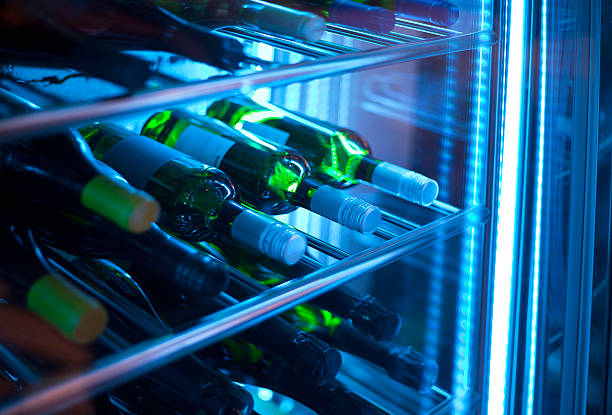
Ideal Wine Fridge Temperature
The ideal wine fridge temperature for long-term storage of all wine types is consistently between 53-57°F (12-14°C). This precise, stable range is paramount for preserving your wine’s delicate flavors, aromas, and structural integrity, preventing premature aging, oxidation, or spoilage. Inconsistent temperatures can severely compromise your valuable collection. If you’re wondering what precise temperature is best to protect your valuable investment and ensure every bottle reaches its full potential, you’ve absolutely landed in the right place to find authoritative guidance.
The Core Question: What’s the Best Wine Fridge Temperature?
Why Temperature Matters for Wine Preservation
Maintaining the correct temperature is paramount for wine preservation, directly impacting its longevity and flavor development. Extreme heat can cook the wine, leading to dull, stewed fruit flavors and accelerated aging, effectively ruining it.
Conversely, excessively cold temperatures can inhibit proper aging and even cause the cork to dry out and shrink, allowing oxygen to seep in. This oxygen exposure, known as oxidation, is the wine’s biggest enemy, transforming its vibrant fruit notes into nutty, sherry-like characteristics that are undesirable for most wines.
Furthermore, temperature fluctuations are particularly damaging, causing the wine to expand and contract, which can push the cork out or pull air in, leading to premature spoilage.
A stable, consistent environment is therefore crucial to ensure the wine matures gracefully and reaches its full potential, safeguarding your investment and future enjoyment.
The Universal Ideal Range for Wine Storage
For optimal long-term wine storage, the universal ideal temperature range is consistently 55°F (13°C).
This specific temperature is widely recognized as the sweet spot because it is cool enough to slow down the aging process, allowing the wine to develop complexity gracefully over years, but not so cold as to completely halt it or damage the wine.
Crucially, consistency is key; avoiding dramatic temperature swings is even more important than hitting the exact 55°F mark. A variance of a few degrees up or down is generally acceptable, provided it remains stable.
Modern wine fridges are designed to maintain this precise and unwavering temperature, protecting your collection from the harmful effects of instability. Investing in a unit that reliably holds this range ensures your wines age perfectly, ready to be enjoyed at their peak.
Short-Term vs. Long-Term Wine Storage Goals
The ideal wine fridge temperature can subtly shift depending on your storage goals, whether it’s for short-term enjoyment or long-term cellaring. For long-term aging, the consistent 55°F (13°C) rule remains supreme, as it provides the most stable environment for gradual development.
However, for short-term storage of wines you plan to drink within a few months, you might consider adjusting temperatures closer to their ideal serving temperatures for convenience.
For example, storing reds slightly warmer, around 60-65°F (15-18°C), and whites slightly cooler, around 45-50°F (7-10°C), means they’re closer to ready-to-drink temperatures without needing extensive chilling or warming.
While dual-zone wine fridges cater to this, remember that for any wine you intend to keep for more than a year, prioritize the stable 55°F environment to protect its integrity.
Red Wine Storage: Specific Temperature Needs
Optimal Temperature for Red Wines
The ideal wine fridge temperature for long-term red wine storage is a consistent 55°F (13°C). Maintaining this precise temperature is crucial for preserving the wine’s delicate balance and ensuring optimal aging potential.
Fluctuations, even minor ones, can accelerate unwanted chemical reactions within the bottle, leading to premature aging or the development of off-flavors. A stable environment at this cool temperature allows the wine’s complex compounds to evolve slowly and gracefully, enhancing its aromas, flavors, and overall structure over time.
This consistent coolness prevents the wine from becoming “cooked” or losing its vibrancy, safeguarding your investment and ensuring a rewarding drinking experience when the time is right. It’s the single most important factor for proper cellar conditions, beyond just keeping bottles in a dark place.
Common Red Wine Types and Their Nuances
While 55°F (13°C) serves as the universal ideal for most red wines, understanding subtle nuances can further optimize storage. Fuller-bodied reds like Cabernet Sauvignon and Bordeaux blends, known for their robust tannins and structured profiles, thrive in this precise environment, allowing their complexity to unfold over many years.
Lighter-bodied reds such as Pinot Noir and Grenache also benefit immensely from this temperature stability, which preserves their delicate fruit characteristics and aromatic finesse, preventing them from becoming flat or oxidized.
The goal isn’t to tailor individual temperatures for each varietal but rather to provide a consistent, cool environment that universally supports the slow, graceful development of all red wine types, safeguarding their inherent qualities until they reach their peak.
This consistency protects the integrity of both the wine and the cork.
Avoiding Heat Damage in Reds
Exposure to elevated temperatures is perhaps the most significant threat to red wine quality, leading to irreversible heat damage often referred to as ‘cooked wine.’ Temperatures consistently above 70°F (21°C) can cause the wine to rapidly oxidize, losing its vibrant fruit flavors and developing unpleasant, stewed, or caramelized notes.
Crucially, heat can also compromise the integrity of the cork, causing it to expand and contract, leading to leakage or allowing oxygen to seep in, further accelerating spoilage.
The solution is a dedicated wine fridge or cellar that provides a stable and cool environment, shielding your reds from direct sunlight, ambient room heat, and drastic temperature fluctuations.
Investing in proper storage is paramount to protect your collection and ensure that each bottle reaches its full potential, avoiding the disappointment of a ruined wine.
White Wine Storage: Keeping it Cool and Crisp
Ideal Temperature for White and Rosé Wines
For optimal long-term storage of most white and rosé wines, maintaining a consistent temperature is paramount. The ideal range typically falls between 7-12°C (45-54°F).
Storing wines within this cooler spectrum significantly slows down the chemical reactions that lead to premature aging and spoilage, preserving the wine’s delicate aromas, flavors, and acidity.
Temperatures higher than this range can cause the wine to age too quickly, potentially leading to ‘cooked’ notes and a loss of freshness, while excessively low temperatures, especially if prolonged, might risk damaging the cork or even freezing the wine, altering its structure.
A stable environment without frequent fluctuations is more crucial than hitting an exact single degree, as temperature swings can be detrimental, causing the wine to expand and contract, potentially compromising the cork seal and allowing air ingress.
Investing in a dedicated wine fridge with precise temperature controls is the most effective solution for achieving this consistency.
Sparkling Wine Considerations for Storage
Sparkling wines, including Champagne, Prosecco, and Cava, often benefit from a slightly cooler storage environment compared to still white wines, typically thriving at 5-8°C (41-47°F). This lower temperature helps to maintain their effervescence and preserve their crisp, vibrant character.
Crucially, the humidity within your wine fridge is just as important for sparkling wines as the temperature. High humidity, ideally between 60-75%, prevents the corks from drying out. A dry cork can shrink, allowing oxygen to seep into the bottle and the precious carbonation to escape, rendering the wine flat.
Furthermore, sparkling wines are particularly sensitive to vibration, which can disturb the sediment and accelerate aging. Ensure your wine fridge operates quietly with minimal internal movement, providing a still and cool environment that protects the delicate bubbles and ensures a perfect pop upon opening.
Preventing Oxidation in White Wines
Oxidation is the enemy of fresh white wines, leading to a loss of fruit character, browning, and nutty, sherry-like flavors. The good news is that proper temperature control is a primary defense against oxidation. Higher storage temperatures significantly accelerate the chemical reactions that cause oxidation, even in a sealed bottle.
By keeping white wines at their ideal storage temperature of 7-12°C (45-54°F), you effectively slow down these detrimental processes, extending the wine’s vibrancy and ensuring it develops gracefully, if at all. Beyond temperature, minimizing light exposure, especially UV light, is also critical as it can catalyze oxidation.
Always store bottles horizontally to keep the cork moist, maintaining a tight seal against oxygen ingress. A reliable wine fridge provides the dark, cool, and stable conditions necessary to protect your white wines from premature oxidation, preserving their intended profile.
Serving vs. Storing: Why Different Temperatures Matter
The Difference Between Storage and Serving Temperatures
The distinction between ideal wine storage and serving temperatures is crucial for preserving quality and enhancing enjoyment. For long-term storage, the optimal temperature for all wine types—red, white, or sparkling—is consistently around 55°F (13°C).
This stable environment minimizes premature aging, prevents oxidation, and protects the cork from drying out or expanding excessively, which can lead to spoilage. A dedicated wine fridge excels here, maintaining this precise, vibration-free climate.
Serving temperatures, however, vary significantly depending on the wine’s style and are often much cooler or slightly warmer than storage. Serving wine at the wrong temperature can mask its true character or exaggerate undesirable traits, making a well-stored bottle taste disappointing.
Therefore, while a wine fridge ensures the wine ages gracefully, adjusting the temperature before serving is equally important for unlocking its full potential.
How Serving Temperature Impacts Wine Taste
Serving wine at its ideal temperature dramatically influences its aromatic profile, texture, and flavor balance. If red wines are served too warm, often above 65°F (18°C), they can taste flabby, overtly alcoholic, and lack refreshing acidity, obscuring their nuanced fruit and earthy notes.
Conversely, serving them too cold, below 55°F (13°C), can make tannins seem harsh and astringent, while muting their complex aromas. White and rosé wines, when served too warm (above 50°F / 10°C), may appear dull, heavy, and lack their characteristic crispness.
Too cold, especially below 40°F (4°C), their delicate floral and fruit aromas become suppressed, leaving a wine that tastes watery or overly acidic. Sparkling wines, always best between 40-45°F (4-7°C), lose their effervescence and vibrant acidity if served warm.
A multi-zone wine fridge is ideal for achieving these specific serving temperatures, ensuring each bottle expresses its intended character fully.
Quick Chilling Methods for Serving Wine
While a wine fridge provides precise temperature control for both storage and serving, sometimes you need to chill a bottle quickly. The most effective method is an ice bucket filled with half ice and half water, with a generous handful of salt added.
The salt lowers the water’s freezing point, creating an intensely cold mixture that can chill a bottle in 10-15 minutes for whites/sparkling and 5-7 minutes for reds to bring them to their optimal serving range.
Alternatively, the freezer can be used with caution; place the bottle in for no more than 15-20 minutes for whites and 5-10 minutes for reds, always setting a timer to prevent over-chilling or freezing, which can damage the wine and potentially push the cork.
Reusable chilling sleeves can also help maintain temperature, though they are less effective for rapid chilling from room temperature. These methods are invaluable for ensuring your wine is always served at its peak enjoyment temperature, even when spontaneity calls.
Wine Fridge Features That Maintain Ideal Temperatures
Single Zone vs. Dual Zone Wine Fridges
Choosing between single and dual zone wine fridges significantly impacts your ability to maintain ideal wine temperatures. Single zone units are designed to hold all wines at one consistent temperature, typically around 55°F (12.8°C), which is considered the perfect long-term storage temperature for most varieties, promoting graceful aging.
This ensures a stable environment, crucial for preventing premature oxidation or spoilage. Dual zone fridges, however, offer two separate compartments, each maintaining its own distinct temperature.
This allows you to store red wines at their ideal serving temperature (e.g., 60-65°F or 15-18°C) in one zone, and white or sparkling wines at their cooler serving temperature (e.g., 45-50°F or 7-10°C) in the other.
For those who frequently serve a variety of wines, a dual zone fridge provides optimal serving readiness, ensuring every bottle is presented at its best without compromising the storage conditions of your other wines. Both types prioritize consistent temperature stability, but dual zones offer greater versatility for immediate enjoyment.
Humidity Control Explained for Wine Preservation
Effective humidity control is a critical, yet often overlooked, feature in maintaining ideal wine fridge temperatures and preserving wine quality. Optimal relative humidity for wine storage ranges from 50-80%. Wine fridges achieve this through various mechanisms, such as internal water reservoirs or advanced evaporator designs that recycle moisture.
Insufficient humidity can cause corks to dry out, shrink, and lose their airtight seal, allowing oxygen to seep into the bottle. This leads to premature oxidation, resulting in a flat, vinegary, and ultimately spoiled wine.
Conversely, excessive humidity can encourage mold growth on labels, though this typically doesn’t harm the wine itself. A wine fridge with reliable humidity control ensures the cork remains pliable and effective, forming a perfect barrier against unwanted air ingress.
This feature directly supports the wine’s ability to age gracefully, safeguarding its complex flavors and aromas, and maintaining its peak condition over many years by preventing cork failure.
Vibration Reduction Technology in Wine Coolers
Vibrations, no matter how subtle, can be highly detrimental to wine over time, impacting its aging process and overall quality. High-quality wine fridges integrate sophisticated vibration-dampening technology to ensure a perfectly still environment.
This typically involves using specialized, heavy-duty compressors mounted on rubber bushings or suspension systems that absorb mechanical shocks and prevent their transfer to the cabinet. Additionally, sturdy wooden shelves are often preferred over wire racks as they inherently absorb vibrations better and provide a more stable cradle for bottles.
Some premium models even utilize thermoelectric cooling, which is inherently vibration-free, though generally less powerful for larger capacities.
By minimizing vibrations, these features prevent sediment disturbance, which can introduce off-flavors and cloud the wine, and crucially, they ensure the delicate chemical compounds within the wine remain undisturbed, allowing for proper, uninterrupted aging. This technological consideration is vital for maintaining the wine’s ideal quiescent state.
Common Wine Fridge Temperature Problems and Solutions
Fluctuating Temperatures: Causes and Fixes
Maintaining an ideal wine fridge temperature, typically around 55°F (13°C) for long-term storage, is paramount. Fluctuations can prematurely age wine or degrade its quality. Common causes include a poorly sealed door, allowing warm air to enter, or overloading the fridge, which obstructs proper air circulation.
Another culprit is a door left ajar for too long, or significant ambient room temperature changes around the unit. To troubleshoot, first inspect the door gasket for any tears or gaps and replace it if necessary.
Ensure the fridge is not overfilled, allowing at least an inch of space around bottles for optimal airflow. Always close the door firmly after access. Position your fridge in a location with stable room temperatures, away from direct sunlight, heating vents, or other heat-emitting appliances.
If these steps don’t resolve the issue, a faulty thermostat or compressor might be to blame, requiring professional assessment to recalibrate or replace components, ensuring consistent temperatures.
Frost Build-Up Issues in Wine Fridges
Excessive frost build-up indicates a problem that can hinder your wine fridge’s ability to maintain the ideal 55°F (13°C), potentially damaging bottles or the unit itself. The primary causes are often high humidity entering the unit, frequently due to a compromised door seal or frequent door openings.
A blocked drainage tube can also lead to water pooling and freezing. Less commonly, a refrigerant leak or a malfunctioning defrost system can be responsible. To address this, first check and clean the door seal thoroughly, replacing it if any damage is evident to prevent humid air ingress.
Minimize how often and how long the door is open. Locate and clear any blockages in the drainage tube typically found at the back of the fridge’s interior.
If these solutions don’t resolve the persistent frost, especially if accompanied by reduced cooling efficiency, a professional technician should inspect for refrigerant leaks or defrost system failures to restore proper operation.
When to Call for Wine Fridge Service
While many minor issues can be self-diagnosed and fixed, knowing when to call a professional for your wine fridge is crucial to prevent further damage and protect your valuable collection.
You should seek service if your fridge consistently fails to maintain the ideal 55°F (13°C) despite troubleshooting door seals and placement. Other warning signs include unusual noises like persistent loud humming, rattling, or grinding, which can indicate compressor or fan issues.
Excessive or rapidly recurring frost build-up after manual defrosting, complete failure to cool or power on, or visible water/refrigerant leaks are also clear indicators for professional intervention.
Attempting complex repairs on components like the compressor, thermostat, or refrigerant lines yourself can be dangerous, void warranties, and often lead to more expensive damage. A certified technician has the expertise and tools to diagnose and safely repair these critical issues.
Maximizing Your Wine Fridge for Perfect Preservation
Placement Tips for Wine Fridge Efficiency
To ensure your wine fridge consistently maintains the ideal temperature, typically between 50-57°F (10-14°C) for long-term storage and 45-50°F (7-10°C) for whites or 58-65°F (14-18°C) for reds ready to serve, strategic placement is crucial.
Always position the unit in a cool, dry location away from direct sunlight or any heat-emitting appliances like ovens, dishwashers, or radiators. These external heat sources force the compressor to work harder, leading to inefficient cooling, higher energy consumption, and potential temperature instability.
Ensure there is adequate ventilation space around the sides and back of the fridge, typically 3-5 inches, to allow heat to dissipate effectively. Additionally, place the fridge on a level, sturdy surface to prevent vibrations, which can disturb the wine sediment and negatively impact aging.
Proper placement is the first step in guaranteeing your wines are preserved perfectly.
Regular Maintenance for Consistent Temperature
Maintaining a consistent internal environment is paramount for preserving your wine’s integrity, and regular fridge maintenance directly contributes to achieving the ideal wine fridge temperature.
Periodically clean the condenser coils located at the back or bottom of the unit; dust and debris buildup reduce cooling efficiency, causing the compressor to overwork and leading to temperature fluctuations. Inspect and clean the door seals regularly to ensure they are airtight.
Worn or dirty seals allow warm air to seep in, forcing the fridge to continuously cool, which can lead to inconsistent temperatures and higher energy bills. If your fridge is not frost-free, defrost it when ice buildup exceeds a quarter-inch to prevent cold spots and maintain optimal airflow.
These simple tasks are vital for ensuring your fridge operates efficiently and consistently holds the precise temperature required for perfect wine preservation.
Organizing Your Wine Collection for Best Results
Thoughtful organization within your wine fridge not only makes selection easier but also significantly helps in maintaining the ideal wine fridge temperature and overall preservation. Avoid overcrowding shelves; allow sufficient space between bottles for proper air circulation. Stagnant air can create temperature inconsistencies within the unit, potentially harming your wines.
If your fridge has multiple temperature zones, organize wines accordingly: store reds at their optimal serving temperature in one zone and whites/sparkling in another, or use a single zone set to a universal storage temperature (50-57°F).
Minimize the frequency and duration of door openings by keeping frequently accessed bottles near the front. Each time the door opens, warm air enters, causing the internal temperature to rise, which the compressor then has to correct.
Efficient organization helps minimize these thermal shocks, ensuring a stable environment for your entire collection.
Frequently Asked Questions
What is the ideal temperature for long-term wine storage?
For long-term preservation, most experts recommend storing all types of wine, both red and white, at a consistent temperature between 50-57°F (10-14°C). This range slows down the aging process optimally without inhibiting development. Consistency is key to prevent premature oxidation or spoilage.
What is the ideal serving temperature for red wine?
Red wines are best served slightly below room temperature, typically between 60-68°F (15-20°C). Lighter reds benefit from the cooler end, while full-bodied reds can be served warmer. Serving red wine too warm can make it taste flabby and alcoholic.
What is the ideal serving temperature for white and sparkling wine?
White and sparkling wines generally shine when served chilled, between 45-55°F (7-13°C). Lighter, crisp whites and sparkling wines are best at the cooler end, while fuller-bodied whites like oaked Chardonnay can be served a bit warmer to express their complexity. Serving them too warm can diminish their refreshing qualities.
Can I store different types of wine at different temperatures in the same fridge?
Yes, if your wine fridge has multiple temperature zones, often called a ‘dual-zone’ or ‘multi-zone’ fridge. This allows you to set one zone for long-term storage (e.g., 55°F) and another zone for wines ready to serve (e.g., 45°F for whites or 65°F for reds). If it’s a single-zone fridge, you’ll need to choose a compromise temperature or store wines that require different serving temperatures elsewhere.
Why is temperature consistency important for wine storage?
Consistent temperature prevents the wine from expanding and contracting, which can push the cork out or allow air in, leading to oxidation. Frequent temperature fluctuations accelerate aging and can damage the wine’s delicate flavors and aromas. A stable environment ensures the wine ages gracefully.
What happens if wine is stored at too warm a temperature?
Storing wine too warm (above 70°F/21°C) can cause it to age prematurely, lose its vibrant flavors, and develop cooked or stewed characteristics. High temperatures can also push the cork out and spoil the wine, making it undrinkable. This process is often referred to as ‘cooking’ the wine.
What happens if wine is stored at too cold a temperature?
While less damaging than high heat, storing wine too cold (below 40°F/4°C) can also be detrimental. Extremely cold temperatures can dry out the cork, allowing air to seep in and oxidize the wine over time. It can also inhibit the wine’s development and mute its subtle aromas and flavors when served.
Conclusion
Maintaining the ideal wine fridge temperature is crucial for preserving your collection and enhancing enjoyment. Remember, around 55°F (13°C) is perfect for long-term storage, while serving temperatures vary for reds, whites, and sparkling wines. Consistency is key, and proper humidity prevents cork drying. Invest in a quality wine fridge and monitor its settings to ensure every bottle reaches its full potential. Cheers to perfectly stored wine!