Ideal Temperature Of Red Wine
Wondering about the ideal temperature of red wine? You’re not alone—many people serve it too warm, which can make it taste overly alcoholic and flat. The sweet spot? Most reds shine between 60°F and 68°F. Lighter reds like Pinot Noir love the cooler end, while bolder ones like Cabernet Sauvignon prefer it slightly warmer. This guide will help you nail the perfect serving temp every time, unlocking richer flavors and a smoother sip. Let’s get your wine chilling just right.
What Is the Ideal Temperature for Red Wine?
How Temperature Affects Red Wine Flavor
The ideal temperature of red wine plays a crucial role in how its flavors and aromas are perceived. When served too warm, alcohol becomes more pronounced, overwhelming the delicate balance of fruit, tannin, and acidity.
Conversely, if red wine is too cold, its aromas remain muted and tannins can taste harsh. Serving red wine at the right temperature enhances its complexity, allowing subtle notes like spice, earth, or floral hints to emerge.
Lighter reds like Pinot Noir shine between 55°F and 60°F (13°C–16°C), preserving their elegance. Fuller-bodied wines such as Cabernet Sauvignon or Syrah express their richness best at 60°F–65°F (16°C–18°C). This narrow range ensures the wine’s structure is balanced and its bouquet fully expressed.
Using a wine thermometer or cooling wine for 15–20 minutes in the fridge before serving helps achieve this precision, turning every pour into a more enjoyable tasting experience.
Common Myths About Serving Red Wine
A widespread myth is that all red wines should be served at ‘room temperature,’ but this outdated idea stems from pre-heating European homes, where ambient temperatures were much cooler than today’s standard 70°F+ (21°C+).
In reality, serving red wine at modern room temperature often means it’s too warm, leading to a flabby mouthfeel and excessive alcohol heat. Another misconception is that chilling red wine ruins it—slight chilling actually enhances many reds, especially lighter or fruit-forward varieties.
Some also believe decanting warms wine enough, but decanting doesn’t replace proper temperature control. The truth is, each red wine style has an optimal serving range. Refrigerating a red for 15–20 minutes before serving can bring it into this ideal zone.
Understanding these myths helps avoid sensory pitfalls and ensures the wine expresses its best character, making temperature control a simple yet powerful tool for better enjoyment.
Why Room Temperature Isn’t Always Right
The term ‘room temperature’ as a serving guideline for red wine is misleading in modern homes, where thermostats typically run at 68°F–72°F (20°C–22°C)—too warm for most reds. At these temperatures, wines lose freshness, and alcohol volatility masks nuanced flavors.
Historically, ‘room temperature’ referred to unheated European cellars, around 55°F–60°F (13°C–16°C), which aligns much better with today’s ideal ranges. Serving red wine too warm dulls acidity and amplifies bitterness, especially in tannic varieties like Malbec or Nebbiolo. Cooler temperatures preserve vibrancy and balance. The solution?
Adjust based on climate and wine style: store bottles in a cool, dark place and fine-tune by chilling briefly before serving. Using a wine fridge or digital thermometer ensures consistency.
Recognizing that ‘room temperature’ is no longer ideal empowers drinkers to serve red wine at its peak, unlocking richer aromas and a more harmonious palate every time.
Best Serving Temperatures by Red Wine Type
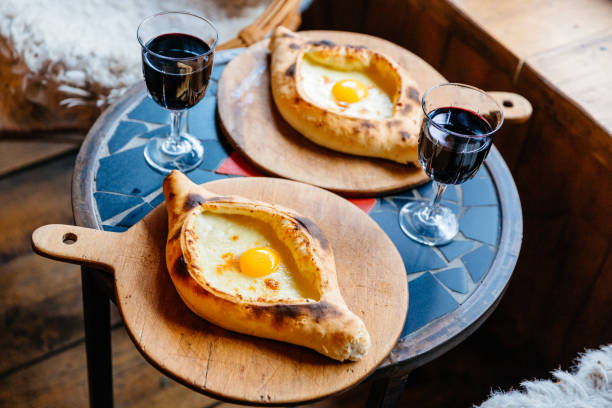
Light Reds: Pinot Noir and Gamay
The ideal temperature for light red wines like Pinot Noir and Gamay is 55–60°F (13–16°C), which preserves their delicate aromas and bright acidity. Serving too warm can exaggerate alcohol and dull fruit notes, while too cold mutes their subtle complexity.
To achieve this range, chill the bottle in the refrigerator for 30–45 minutes before serving if stored at room temperature. These wines thrive when their crisp red fruit flavors—such as cherry, raspberry, and strawberry—are balanced with earthy or floral undertones.
Avoid over-chilling, as it can suppress the nuanced bouquet these varietals are prized for. Using a wine thermometer ensures precision, but if unavailable, aim for a cool touch on the glass. This temperature range enhances food pairings like roasted poultry, mushrooms, or salmon.
Medium-Bodied Reds: Merlot and Sangiovese
For medium-bodied reds such as Merlot and Sangiovese, the ideal serving temperature is 60–65°F (16–18°C), striking a balance between fruit expression and structural elements. At this range, soft tannins and moderate acidity are highlighted, allowing flavors of plum, black cherry, and herbal notes to shine without alcohol overpowering the palate.
If the wine is too warm, it tastes flabby; if too cold, tannins become harsh. Place the bottle in the fridge for 15–20 minutes before serving to reach the sweet spot. These wines pair beautifully with a wide range of dishes—from grilled chicken to pasta with tomato sauce—when served correctly.
Avoid room temperature in warm climates, as it often exceeds 70°F, diminishing the wine’s balance and freshness.
Full-Bodied Reds: Cabernet Sauvignon and Syrah
Full-bodied reds like Cabernet Sauvignon and Syrah express their best at 65–68°F (18–20°C), where rich textures, firm tannins, and deep fruit flavors integrate harmoniously. At this temperature, complex notes of dark berries, chocolate, tobacco, and spice emerge, while excessive alcohol heat is kept in check.
Serving too cold masks their depth, while warmer temps amplify bitterness. These wines benefit from brief decanting and minimal chilling—if stored at room temperature, serve immediately or cool for just 10 minutes. This range allows the wine to open up gradually in the glass.
Ideal for pairing with steak or hearty stews, proper temperature ensures a smooth, layered tasting experience that highlights their structure and aging potential.
Dessert and Fortified Reds: Port and Zinfandel
Dessert and fortified reds such as Port and late-harvest Zinfandel should be served slightly cooler than room temperature, ideally at 60–64°F (16–18°C), to balance their high sugar and alcohol content. This range preserves vibrant fruit intensity while preventing cloying sweetness or harsh alcohol burn.
Vintage and tawny Ports, in particular, reveal layers of dried fruit, nuts, and spice when properly chilled. For Zinfandel dessert wines, cooling enhances berry and jammy notes. Refrigerate for 20–30 minutes before serving if stored at room temperature.
Unlike dry reds, these wines benefit from slightly lower temps to maintain freshness. Serving at the correct temperature elevates their complexity and makes them more enjoyable after dinner or with chocolate-based desserts.
How to Chill Red Wine Properly
Refrigerator Cooling Times by Wine Type
Chilling red wine in the refrigerator is a reliable method, but timing matters to avoid over-chilling. Most full-bodied reds like Cabernet Sauvignon or Syrah should be cooled for about 30 to 45 minutes before serving to reach their ideal temperature of 60–65°F (15–18°C).
Lighter reds such as Pinot Noir or Gamay benefit from slightly cooler temps around 55–60°F (13–15°C) and can be chilled for 45 to 60 minutes. Remove the bottle 10–15 minutes before serving to allow it to warm slightly in the glass, enhancing aroma and flavor.
Avoid leaving wine in the fridge overnight, as temperatures below 50°F mute the bouquet. Use a wine thermometer or the ‘hand test’—if the bottle feels cool but not cold to the touch—it’s likely ready. Proper fridge timing ensures balance, preserving the wine’s structure while refreshing its profile.
Using an Ice Bucket for Faster Cooling
An ice bucket is the quickest and most effective way to chill red wine to its ideal temperature, especially when time is limited. Fill the bucket with equal parts ice and water—water conducts cold better than ice alone, accelerating the cooling process.
Submerge the bottle fully and rotate it gently every few minutes to ensure even chilling. Most red wines reach the ideal 55–65°F (13–18°C) range in 15 to 25 minutes, depending on body and starting temperature. Lighter reds need less time, while fuller-bodied wines may take closer to 25 minutes.
Monitor the temperature with a wine thermometer or use tactile cues—the bottle should feel cool with slight condensation. Remove the wine promptly to avoid dulling flavors from excessive cold. This method is perfect for last-minute entertaining and maintains the wine’s complexity while bringing out its refreshing qualities.
Avoiding Over-Chilling Your Wine
Over-chilling red wine masks its aromas and accentuates tannins, leading to a flat, astringent taste. The ideal temperature range for most reds is 55–65°F (13–18°C)—too cold, and the wine loses nuance. To prevent this, never store red wine in the freezer or chill beyond 50°F.
If your wine is too cold, let it sit at room temperature for 10–15 minutes in the glass or decanter to warm gradually. Swirling the wine also helps release its bouquet. Avoid reheating with warm water, as rapid temperature shifts can damage the wine.
Serving reds slightly cooler than room temperature enhances freshness without sacrificing flavor. Trust your senses: if the wine tastes dull or overly sharp, it’s likely too cold. Adjusting the chill level ensures a balanced, expressive tasting experience that highlights the wine’s true character.
Wine Storage vs. Serving Temperature
Ideal Long-Term Storage Conditions
For long-term aging of red wine, maintaining a consistent storage environment is critical to preserve quality. The ideal temperature for wine storage is 55°F (13°C), as this slows oxidation and chemical degradation while allowing the wine to mature gracefully.
Fluctuations in temperature can cause the cork to expand and contract, potentially letting air seep in and spoil the wine. Humidity levels should remain around 70% to prevent corks from drying out. Store bottles horizontally to keep corks moist and maintain a tight seal.
Avoid exposure to light, vibration, and strong odors, which can negatively affect the wine’s flavor and aroma. A dedicated wine cooler or cellar that maintains stable conditions is the best solution for collectors or those planning to age red wines for months or years.
Proper storage ensures the wine reaches its full potential when finally served.
How Storage Affects Serving Temperature
The way red wine is stored directly influences the ideal serving temperature when it’s time to pour. Wines stored at the proper 55°F (13°C) are already close to the ideal serving range for many reds, minimizing adjustment time.
However, storing wine too cold—such as in a standard refrigerator at 38–40°F (3–4°C)—can mute aromas and flavors, requiring significant warming before serving. Conversely, storing wine in a warm area, like a kitchen or garage, risks premature aging and may require chilling before serving to restore balance.
Serving a red wine too warm emphasizes alcohol and dulls acidity, while serving too cold suppresses bouquet and complexity. Understanding your storage setup helps you anticipate how much temperature adjustment is needed.
Always consider both storage baseline and varietal characteristics—a Cabernet Sauvignon needs different handling than a Pinot Noir—when preparing to serve.
Bringing Wine to the Right Temperature Before Serving
To serve red wine at its ideal temperature—typically between 60–65°F (15–18°C)—adjust it just before pouring based on storage conditions. If the wine has been in a cellar at 55°F, let it breathe at room temperature for 15–20 minutes to reach optimal serving range.
For wines stored at room temperature (often 70°F+), place them in the refrigerator for 20–30 minutes to gently cool and preserve balance. Use a wine thermometer for accuracy, as guesswork can lead to serving too warm or too cold.
Lighter reds like Pinot Noir benefit from the cooler end of the spectrum (55–60°F) to highlight freshness, while fuller-bodied reds like Syrah or Malbec shine at 62–65°F to express rich flavors without alcohol heat. Avoid rapid temperature swings—never use ice water for reds unless slightly chilled.
Proper temperature enhances aroma, structure, and enjoyment.
Tools to Measure and Control Wine Temperature
Best Wine Thermometers for Accuracy
To serve red wine at its ideal temperature of 60–68°F (15–20°C), using a precise wine thermometer is essential. Digital instant-read thermometers provide accurate core temperature readings within seconds, helping avoid over- or under-chilling. Look for models with stainless steel probes and waterproof designs for durability.
Infrared thermometers are non-invasive and read surface temperature quickly, though they may be less accurate for thick glass bottles. For wine enthusiasts, laser-guided thermometers offer pinpoint precision without contact.
Always insert the probe into the side of the bottle or dip it into a poured glass for the most reliable reading. Calibrating your thermometer regularly ensures long-term accuracy. By monitoring temperature closely, you preserve the wine’s aromatic complexity and balance, enhancing fruit, tannin, and acidity.
A reliable thermometer removes guesswork, making it a must-have tool for both casual drinkers and connoisseurs aiming to serve red wine perfectly every time.
Using Smart Decanters and Coolers
Smart decanters and wine coolers are innovative tools that help maintain the ideal temperature of red wine during service. These devices often feature built-in temperature sensors and app connectivity, allowing real-time monitoring and adjustment.
Smart decanters aerate the wine while keeping it within the optimal 60–68°F (15–20°C) range, enhancing flavor without risking overheating. Portable wine coolers with thermoelectric cooling systems offer precise control and are perfect for dinner parties or outdoor events. Some models even include auto-shutoff and timer functions to prevent over-chilling.
By integrating technology with tradition, these tools ensure that each pour remains at peak condition. Using a smart cooler eliminates the need for ice buckets or refrigerators, offering consistent, hands-free temperature management.
For those who value precision and convenience, investing in a smart decanter or cooler is a practical way to elevate the wine experience while preserving balance and aroma.
Temperature-Controlled Wine Fridges Explained
Temperature-controlled wine fridges are essential for storing and serving red wine at its ideal temperature of 60–68°F (15–20°C). Unlike standard refrigerators, which are too cold, wine fridges offer precise dual-zone cooling, allowing separate compartments for reds and whites.
These units maintain consistent humidity and minimize vibration, preserving cork integrity and aging potential. Advanced models feature digital thermostats, UV-protected glass doors, and fan-assisted airflow for uniform cooling. For long-term storage, setting the red zone to 65°F (18°C) creates an optimal environment.
Some smart fridges integrate Wi-Fi, enabling remote monitoring and alerts via smartphone apps. Properly calibrated wine fridges prevent temperature fluctuations that can damage aroma and structure.
Whether you’re aging a Cabernet or chilling a Pinot Noir for tonight’s dinner, a dedicated wine fridge ensures every bottle is served at its peak condition, enhancing taste, balance, and overall enjoyment.
Serving Red Wine at Home: Practical Tips
How to Adjust Temperature Without a Wine Fridge
If you don’t have a wine fridge, you can still serve red wine at its ideal temperature—typically between 60°F and 68°F (15°C–20°C)—with simple household tools. Start by refrigerating the bottle for about 15–20 minutes before serving if it’s been stored at room temperature, which often exceeds the ideal range.
For fuller-bodied reds like Cabernet Sauvignon, aim for the warmer end of the spectrum, while lighter reds such as Pinot Noir benefit from being served slightly cooler. Use a digital thermometer to verify the temperature if possible.
If the wine is too cold, gently warm the bowl of the glass with your hands or let the bottle sit at room temperature for a few minutes. Avoid using microwaves or hot water, as they can damage the wine’s structure.
Planning ahead ensures your red wine reaches the perfect sipping temperature without specialized equipment.
Decanting and Its Impact on Temperature
Decanting red wine not only enhances its aroma and flavor by introducing oxygen but can also influence its serving temperature. When you pour wine into a decanter, it begins to gradually warm due to exposure to room temperature air, which can be beneficial for wines served slightly too cold.
For structured reds like Syrah or Malbec, decanting for 30–60 minutes allows them to reach their ideal temperature while softening tannins. However, if the room is warm, monitor the wine closely to avoid overheating.
Conversely, if the wine is too warm, chilling the decanter in the fridge beforehand—or using a chilled stainless steel decanter—can help maintain optimal temperature during aeration. Decanting should be timed strategically: start with the wine slightly below ideal temperature so it reaches its peak as guests enjoy it.
This balance ensures the wine expresses its full complexity at the perfect thermal state.
Pairing Temperature with Food Choices
Matching red wine temperature to your meal enhances both the food and wine experience. Lighter reds like Beaujolais or Grenache, served slightly cooler (around 60°F–63°F), pair beautifully with roasted poultry or grilled vegetables, as the cooler temperature highlights their bright acidity without overwhelming delicate flavors.
Heartier dishes such as grilled steak or lamb stews call for full-bodied reds like Cabernet Sauvignon or Nebbiolo, best served at 65°F–68°F to emphasize their rich texture and tannic structure. Serving these warmer helps the wine integrate seamlessly with fatty, robust foods.
If your meal spans multiple courses, consider adjusting the wine’s temperature progressively—start cooler and let it warm in the glass. This approach ensures harmony between each dish and the wine’s evolving profile, turning dinner into a cohesive sensory journey where temperature plays a key supporting role.
Common Mistakes When Serving Red Wine
Serving Red Wine Too Warm
One of the most common mistakes is serving red wine at room temperature, which often means too warm and can exceed the ideal range of 60–68°F (15–20°C). When red wine is too warm, alcohol becomes more prominent, overpowering the wine’s delicate aromas and creating a ‘hot’ sensation on the palate.
This imbalance masks the nuanced flavors of fruit, earth, and spice. Cooler temperatures preserve balance and structure, allowing the wine to express its full character. To avoid this, store red wines in a cool, dark place and consider briefly chilling fuller-bodied reds like Cabernet Sauvignon for 10–15 minutes before serving.
Lighter reds such as Pinot Noir benefit from even cooler serving temps around 55–60°F. Use a wine thermometer or rely on touch—the bottle should feel cool, not warm—to ensure optimal enjoyment and flavor clarity.
Chilling Red Wine in the Freezer Too Long
While chilling red wine can enhance its taste, placing it in the freezer for too long is a frequent error that risks over-chilling and damaging the wine. Temperatures below 40°F (4°C) can mute aromas and suppress flavor development, making the wine taste flat and overly tannic.
Additionally, rapid temperature changes may cause the cork to expand or the bottle to crack. Never leave red wine in the freezer for more than 20 minutes—set a timer to avoid forgetfulness. For faster cooling, use an ice bucket with water and salt, which chills wine in under 10 minutes.
Remember, the goal is to bring the wine into the ideal 60–68°F range, not to serve it cold like white wine. Patience and precision yield better results than convenience, ensuring the wine’s complexity and balance shine through with every sip.
Ignoring Glassware and Pour Size
Even with the perfect temperature, poor glassware and incorrect pour size can undermine the red wine experience. The shape of the glass affects how aromas concentrate and how wine flows onto the palate. Use large-bowled glasses for bold reds like Syrah or Malbec to allow aeration and aroma release.
Pouring too much—more than one-third of the glass—limits swirling space and traps aromas. Aim for a 5-ounce pour in a properly sized glass to maximize oxygen contact and bouquet development. This also helps control alcohol intake and encourages mindful tasting.
Avoid stemless or small tumblers, which trap heat from your hand and restrict the wine’s evolution. Right glass + right pour = ideal sensory experience, letting temperature, aroma, and flavor work in harmony for a truly satisfying glass.
Frequently Asked Questions
What is the ideal temperature for serving red wine?
The ideal serving temperature for most red wines is between 60°F and 68°F (15°C–20°C). Lighter reds like Pinot Noir are best at the cooler end of this range, while fuller-bodied reds like Cabernet Sauvignon taste best closer to 68°F.
Why is serving temperature important for red wine?
Serving red wine at the right temperature enhances its aroma, balance, and flavor. If served too warm, alcohol dominates; if too cold, the flavors and aromas become muted.
Can I serve red wine at room temperature?
Traditional ‘room temperature’ (around 72°F or higher) is often too warm for red wine. The ideal serving temperature is slightly below typical room temperature, so it’s best to chill reds slightly before serving.
How do I chill red wine to the right temperature?
Place the bottle in the refrigerator for 15–20 minutes before serving. For quicker chilling, use an ice bucket with ice and water for about 10 minutes.
What happens if red wine is served too cold?
When red wine is too cold, its aromas and flavors are suppressed, and tannins may taste harsher. This can make the wine seem unbalanced and less enjoyable.
Should all red wines be served at the same temperature?
No, lighter red wines like Beaujolais or Pinot Noir are best served slightly cooler (55°F–60°F), while fuller reds like Syrah or Malbec do well at 60°F–68°F to express their complexity.
Conclusion
The ideal temperature for serving red wine enhances its flavor and aroma, typically between 60°F and 68°F. Lighter reds like Pinot Noir shine slightly cooler, while fuller-bodied wines like Cabernet Sauvignon benefit from being closer to the warmer end. Serving wine too warm dulls its nuances, while too cold masks its complexity. By serving red wine at the right temperature, you unlock its full potential. Cheers to enjoying every sip just right!