What Wine Suits Beef
If you’re wondering what wine suits beef, you’ve come to the right place. In the next few lines we’ll match the richness of steak, roast, or stew with the perfect red, from bold Cabernet Sauvignon to silky Merlot, and even a few surprising whites. Expect quick, practical tips that let you pick a bottle confidently, whether you’re cooking at home or ordering at a restaurant. Let’s uncork the ideal pairing right now for any occasion you might celebrate tonight together.
How to Choose the Right Wine for Beef
Identify the cut of beef
Start by looking at the specific cut of beef you plan to serve. Tender cuts such as filet mignon, ribeye, or strip steak have a milder texture and benefit from wines with bright acidity and moderate tannins, like a Pinot Noir or a medium‑bodied Merlot.
Flavor‑rich cuts like flank, skirt, or chuck carry more connective tissue and stronger beefy notes; pair them with fuller‑bodied reds that can stand up to the intensity, such as a Cabernet Sauvignon, Syrah, or a Bordeaux blend.
Consider the marbling level: higher fat content softens the palate, allowing richer wines to shine, while leaner pieces may need a wine with fresher fruit to balance dryness.
Key tip: match the cut’s richness and texture to the wine’s structure, ensuring the tannins either cut through fat or complement the meat’s natural juices.
Consider cooking method
Think about how the beef will be prepared, because cooking technique transforms flavor and texture, influencing the ideal wine partner.
Grilling or broiling adds smoky char and caramelized edges; choose a wine with robust tannins and smoky notes, such as a Zinfandel, Malbec, or an aged Tempranillo, to echo the fire‑kissed profile.
Pan‑searing creates a crisp crust while keeping the interior juicy; a medium‑bodied red with bright acidity, like a Chianti Classico or a Grenache‑based blend, will cut through the fat and highlight the sear.
Slow‑cooked stews or braises develop deep, savory richness; pair them with full‑bodied, low‑acid reds such as a Barolo, Rioja Reserva, or a Cabernet‑Franc blend that can match the lingering umami.
Key tip: align the wine’s acidity, tannin level with the cooking method’s intensity, ensuring the drink supports rather than overwhelms the dish.
Match flavor intensity
Finally, compare the overall flavor intensity of the beef to the weight of the wine, aiming for balance rather than competition.
Mild, delicate flavors found in lightly seasoned or herb‑crusted cuts call for lighter reds or even a crisp rosé; a Pinot Noir, Gamay, or a dry rosé with subtle fruit will enhance without masking the nuance.
Bold, peppery, or spicy preparations—think pepper‑crusted steak or a sauce with cumin, rosemary, or chili—require wines that can stand up to those strong notes, such as an Argentine Malbec, a Rhône blend, or a robust Shiraz with peppery undertones.
Rich, buttery sauces like béarnaise or mushroom cream demand wines with enough body and acidity to cut through the richness; consider a New World Cabernet Sauvignon, a structured Merlot, or an oak‑aged Chardonnay for a red‑white harmony.
Key tip: match the dish’s dominant taste profile to the wine’s body, acidity, and aromatic character for a seamless dining experience.
What Red Wines Pair Best with Beef
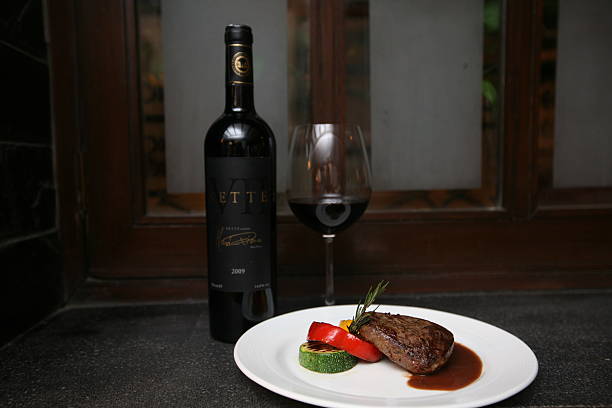
Cabernet Sauvignon
Cabernet Sauvignon is the classic companion for beef because its firm tannins and concentrated dark fruit cut through rich, fatty proteins. Choose a wine with 13‑15% alcohol to match the intensity of a grilled ribeye or steak au poivre.
Look for notes of blackcurrant, cedar, and a hint of bell pepper, which echo charred crusts and herb rubs. When serving, decant the wine for 30‑45 minutes to soften tannins and release aroma, ensuring a smoother mouthfeel alongside the meat.
Pairing works especially well with sauces that contain black pepper, rosemary, or reduced red wine, as the wine’s acidity balances the sauce’s richness. For a budget-friendly option, select a Cabernet from Chile or Washington State, which often deliver the same structure at a lower price point.
Serve the steak at room temperature and sip slowly to let the wine’s layers develop fully.
Merlot
Merlot offers a softer, fruit‑forward profile that pairs beautifully with leaner cuts such as filet mignon or beef tenderloin. Aim for a wine with 12‑13.5% alcohol and medium‑soft tannins to complement rather than overpower the delicate texture.
Expect flavors of plum, black cherry, and subtle chocolate, which enhance a light mushroom or peppercorn sauce. To maximize harmony, warm the Merlot gently in a glass holder for 10‑15 minutes; this releases aromatic compounds and softens the finish, allowing the wine to mirror the meat’s subtle sweetness.
When cooking, incorporate a splash of Merlot into the pan sauce; the reduction will echo the wine’s own fruit notes and create a cohesive dining experience. Choose a Merlot from Bordeaux’s Right Bank or California’s Sonoma County for a balanced, approachable option that won’t dominate the beef today.
Syrah/Shiraz
Syrah, known as Shiraz in the New World, delivers bold peppery spice and dark fruit that stand up to heavily seasoned or braised beef dishes. Select a bottle with 13.5‑14.5% alcohol and firm yet silky tannins to match the intensity of a pepper‑crusted prime rib or a slow‑cooked beef stew.
Flavors of blackberry, smoked meat, and a touch of licorice complement sauces enriched with garlic, cumin, or smoked paprika.
Before serving, swirl the wine in the glass for 20‑30 seconds to aerate and reveal its complex aromatics, then let it sit for a few minutes so the palate‑softening tannins align with the stew’s richness.
For a cohesive pairing, add a splash of Syrah to the deglazing liquid when searing the beef; the wine will echo its own character in the final sauce. Opt for a Syrah from the Rhône Valley or an Australian Shiraz for a robust, yet balanced, match.
Tips for Pairing Wine with Specific Beef Dishes

Steak grilled over high heat
Grilling a steak over high heat creates a smoky, caramelized crust that demands a wine with firm tannins and bold fruit. Choose a full‑bodied red such as Cabernet Sauvignon or a ripe Malbec to mirror the char and cut through the fat.
Serve the wine slightly cooler than room temperature, around 60‑65°F, to keep the alcohol from overwhelming the palate. Match the steak’s cut: ribeye pairs well with a tannic Cabernet, while a lean filet benefits from a smoother Merlot or a medium‑bodied Syrah.
If you prefer a cooler option, a chilled Zinfandel can provide bright berry notes that complement the grill’s smokiness. Finally, let the wine breathe for at least 20 minutes before sipping, allowing its structure to soften and reveal layers that echo the steak’s richness.
Pairing with a side of peppercorn sauce further amplifies the wine’s spice notes, creating a harmonious finish.
Braised short ribs
Braising short ribs yields tender meat stewed in a rich, gelatinous sauce, so you need a wine that can stand up to deep umami and occasional sweetness.
Opt for a robust red like a Barolo, a Bordeaux blend, or an aged Rioja whose acidity balances the fat while its complex aromatics echo the braising broth. Before serving, decant the wine for 30‑45 minutes to release its layered flavors.
Match the sauce profile: if you add a touch of tomato or red wine reduction, choose a wine with bright cherry and licorice notes such as a Syrah‑based blend.
For a sweeter glaze featuring caramelized onions or a hint of brown sugar, a slightly off‑dry Zinfandel or a Grenache‑Mourvèdre can mirror the subtle sweetness without becoming cloying.
Finally, sip the wine between bites to let the palate reset, ensuring each mouthful of ribs feels as luxurious as the wine beside it.
Beef stew
A hearty beef stew combines slow‑cooked chunks of meat with vegetables, herbs, and often a splash of tomato or wine, creating layers of savory depth.
Select a medium‑to‑full bodied red such as a Chianti Classico, a Côtes du Rhône, or a Pinot Noir that offers bright acidity to cut through the stew’s richness while providing fruit that complements the carrots and onions. Serve the wine slightly chilled at 58‑62°F to keep its tannins supple.
Adjust to the stew’s seasoning: if you’ve added rosemary or thyme, a wine with earthy undertones like a Nebbiolo works well; for a sweeter profile with a touch of honey or root vegetables, a slightly fruit‑forward Merlot can enhance the natural sweetness.
Stir the stew gently before each tasting, allowing the flavors to meld, and let the wine breathe for ten minutes so its aromatics rise and match the comforting aroma of the pot.
How to Pair Wine with Beef Sauces
Red wine sauces
When the sauce is built on a classic red wine reduction, choose a wine that mirrors its depth. Cabernet Sauvignon offers firm tannins and dark fruit that stand up to the sauce’s richness, while Merlot adds softer plum notes for a smoother finish.
If you prefer a lighter profile, Pinot Noir brings bright acidity and subtle earthiness that won’t overwhelm the beef. Serve the wine slightly below room temperature, around 60‑65°F, to keep the fruit vibrant. Decant the wine for 30 minutes to allow tannins to soften and aromas to open.
Pairing a wine that shares the sauce’s intensity ensures each sip enhances the beef’s caramelized edges and the sauce’s velvety texture.
Also consider the beef cut; a ribeye’s marbling benefits from the robust structure of Cabernet, whereas a lean sirloin pairs nicely with the softer profile of Merlot, creating balance throughout the meal.
Creamy mushroom sauces
Rich mushroom cream sauces call for wines that can cut through the silkiness while complementing earthy notes. Pinot Noir delivers gentle tannins, bright red fruit, and a forest floor aroma that echoes the mushrooms without adding heaviness.
For those who enjoy a fuller mouthfeel, an oaked Chardonnay provides buttery texture, subtle vanilla, and enough acidity to balance the sauce’s cream. Merlot is another versatile option, offering soft plum flavors that meld with the earthiness and keep the palate refreshed.
Serve the wine chilled just enough—around 55‑60°F for Pinot Noir and 50‑55°F for Chardonnay—to preserve freshness. A brief aeration of 15 minutes for the red helps release its nuanced aromatics, while the white can be enjoyed straight from the glass.
Matching the wine’s texture to the sauce ensures each bite feels cohesive and the flavors linger harmoniously.
Spicy peppercorn sauces
Peppercorn‑spiced sauces bring heat and aromatic bite, so the wine must have enough fruit and structure to tame the spice while echoing the beef’s richness. Syrah offers dark berry flavors, peppery undertones, and firm tannins that mirror the sauce’s peppercorn punch, creating a seamless dialogue on the palate.
Zinfandel brings jammy raspberry and subtle cinnamon notes, adding sweetness that cools the heat and complements the sauce’s creamy base. If you prefer a lighter touch, a Grenache provides soft red fruit, gentle spice, and moderate acidity that softens the pepper intensity without overwhelming the meat.
Serve these reds at 60‑65°F and give them 20‑30 minutes of breathing time to unlock their spice‑aligned aromatics. Pairing a wine with matching peppery character ensures the sauce’s heat is balanced, allowing the beef’s natural flavor to shine through each sip.
What White Wines Can Complement Beef
Chardonnay with lean cuts
Chardonnay is a versatile white that can enhance the subtle flavors of lean beef such as sirloin, tenderloin, or flank steak. Choose an unoaked or lightly oaked style to keep the palate bright, allowing the wine’s crisp acidity to cut through the meat’s natural juices.
Look for citrus notes, green apple, and a hint of minerality, which will echo the herb rubs or light peppercorn seasoning often used on lean cuts. If you prefer a richer texture, a softly buttery Chardonnay with gentle oak can complement a modest butter‑based sauce without overwhelming the protein.
Serve the wine slightly chilled, around 50‑55°F, to preserve its freshness and to balance the beef’s warmth. Pairing this combination with a side of roasted vegetables or a light vinaigrette will create a harmonious dining experience that highlights both the wine’s elegance and the meat’s tenderness.
Viognier for Asian‑style beef
Viognier’s aromatic profile makes it an excellent match for Asian‑style beef dishes that feature soy, ginger, and subtle spice. The wine’s natural perfume of apricot, honeysuckle, and white pepper pairs beautifully with the umami‑rich sauces typical of stir‑fries, bulgogi, or peppercorn beef.
Emphasize the wine’s medium‑full body and low acidity, which can stand up to the dish’s savory depth without clashing with the heat from chili or Sichuan pepper.
Opt for a Viognier that shows a touch of stone fruit and a lingering finish, as these elements echo the caramelized edges of seared beef and the sweet‑savory balance of the glaze. Serve it at a slightly warmer temperature, around 55‑60°F, to release its fragrant oils.
Complement the pairing with a side of jasmine rice or lightly pickled vegetables, allowing the wine’s floral notes to lift the overall flavor profile and create a cohesive, vibrant meal.
Sparkling wine for beef appetizers
Sparkling wine, especially a dry Brut or a lightly off‑dry style, can be a surprising yet delightful companion to beef appetizers such as carpaccio, beef tartare, or mini beef sliders.
The high acidity and fine bubbles act as a palate cleanser, cutting through the richness of raw or lightly cooked beef while enhancing the seasoning’s brightness.
Highlight the wine’s citrus zest, green apple, and subtle brioche notes, which mirror the herb‑infused oils, capers, or mustard sauces often used in these bites. Choose a Champagne, a quality Cava, or an English sparkling wine that offers a fine mousse and a crisp finish.
Serve the wine well chilled, around 45‑48°F, to maximize its refreshing character. Pair this effervescent drink with a garnish of micro‑greens or a drizzle of truffle oil for an elevated experience that balances elegance with the robust flavor of beef in a bite‑size format.
Best Ways to Serve Wine with Beef
Temperature guidelines
Serve red wines for beef at a slightly cooler than room temperature to highlight fruit and soften tannins. Aim for 60‑65 °F (15‑18 °C) for full‑bodied Cabernets, Merlot, or Syrah, while lighter reds such as Pinot Noir benefit from 55‑60 °F.
Chill the bottle in the refrigerator for 15‑20 minutes if it’s been stored warm, then let it sit for a few minutes before uncorking. Avoid over‑cooling, which can mute flavor and make the wine taste austere.
Use a wine thermometer or the back‑of‑hand test—touch the glass; it should feel cool but not icy. Allow the wine to breathe for 5‑10 minutes after reaching the target temperature to let aromatic compounds open up, ensuring the beef’s richness is matched by the wine’s balanced acidity and structure.
Serving at this range enhances the meat’s savory notes and creates a harmonious pairing experience for diners.
Glassware selection
Choosing the right glass amplifies the wine’s character and complements beef’s texture. Opt for a large‑bowl, slightly tapered red‑wine glass that allows ample surface area for oxygenation, enhancing the tannins and fruit aromas that cut through rich meat.
A Bordeaux‑style glass works well for Cabernet Sauvignon, Merlot, or Malbec, while a broader‑rim glass suits softer reds like Pinot Noir, letting delicate aromatics rise. Avoid narrow flute‑shaped glasses, which restrict airflow and mute the wine’s complexity.
Ensure the glass is crystal‑clear and free of chips, as imperfections can distract from visual appeal and affect taste perception. Pre‑warm the glass by holding it briefly in your hand; this subtle heat helps release volatile compounds.
Serve the wine in a single‑handed pour, aiming for a gentle stream that coats the interior, maximizing aroma exposure before the first sip with the beef.
Decanting tips
Decanting can soften harsh tannins and reveal layered flavors that pair beautifully with beef. For robust reds like Cabernet Sauvignon, Syrah, or Zinfandel, pour the wine into a decanter for 30‑45 minutes before serving; this allows oxygen to integrate and the fruit to blossom.
Use a clear, wide‑mouth decanter to maximize surface contact, and swirl gently to expose the wine to air. For younger, more aggressive wines, extend decanting to an hour, checking the aroma every 10‑15 minutes to avoid over‑exposure, which can lead to oxidation.
When dealing with older vintages, decant only to separate sediment and limit contact to 10‑15 minutes, preserving delicate nuances. Always place the decanter on a stable surface and keep it away from direct sunlight.
Taste the wine after each interval to gauge its development, ensuring the final profile aligns with the beef’s richness and seasoning.
How to Test Your Pairings at Home
Blind tasting method
Begin your home tasting by setting up a simple blind test to remove label bias. Choose three red wines commonly paired with beef—such as a full‑bodied Cabernet Sauvignon, a fruit‑forward Malbec, and a peppery Syrah. Pour each into identical, unlabeled glasses and cover the bottles with paper or foil.
Serve a consistent beef sample, like a grilled strip steak seasoned simply with salt and pepper, to each glass in a randomized order. As you sip, note the wine’s aroma, body, and how its tannins interact with the meat’s protein and fat.
Record your impressions on a score sheet, rating balance, intensity, and overall enjoyment. This blind approach lets you focus on sensory match rather than brand reputation, helping you discover which style truly complements the beef’s richness and texture.
Try repeating the test with different cuts, such as ribeye or brisket, to see how the wine adapts to varying fat levels and marbling.
Adjusting acidity and tannin
After identifying a preferred wine, fine‑tune the pairing by balancing acidity and tannin against the beef’s flavor profile. Higher acidity can cut through rich, fatty cuts, refreshing the palate between bites, while moderate tannins provide structure that mirrors the meat’s protein.
If your chosen wine feels too sharp, soften it by decanting for 30‑45 minutes, allowing tannins to mellow and fruit to open.
Conversely, boost acidity by adding a splash of a bright, low‑alcohol red such as a young Pinot Noir or a drizzle of a citrus‑infused reduction sauce on the steak, which can enhance the perception of freshness.
Experiment with temperature: serving the wine slightly cooler (around 60°F) can accentuate acidity, whereas a warmer pour highlights tannic depth. Document each adjustment and its impact on mouthfeel, noting whether the beef feels richer, cleaner, or more harmonious.
This iterative process teaches you how subtle shifts in acidity and tannin create a more cohesive dining experience.
Keeping a pairing journal
Create a dedicated pairing journal to track your experiments and build a personal reference for future beef meals. Start each entry with the date, the specific cut of beef, its seasoning, and cooking method, then list the wine’s name, vintage, and any preparation steps such as decanting or temperature adjustment.
Include sensory notes: aroma descriptors, flavor intensity, how the tannins interacted with the meat’s fat, and the overall balance rating on a scale of one to ten.
Reflect on what worked—perhaps a Cabernet’s firm tannins complemented a char‑grilled ribeye— and what fell short, like an overly acidic Pinot that made the steak taste flat. Periodically review past entries to spot patterns, such as a preference for wines with 13‑14% alcohol when serving braised short ribs.
Use these insights to curate a shortlist of go‑to bottles for different beef styles, ensuring each future dinner is backed by data‑driven confidence rather than guesswork.
Frequently Asked Questions
What type of red wine pairs best with beef?
Full‑bodied reds with firm tannins, such as Cabernet Sauvignon, Syrah/Shiraz, or Bordeaux blends, complement the rich, fatty flavors of beef.
Can a lighter red wine work with beef?
Yes, lighter reds like Pinot Noir or Grenache can pair well with lean cuts or beef dishes with delicate sauces, offering acidity without overwhelming the meat.
Are there any white wines that suit beef?
While red is classic, oaked Chardonnay or a rich white Rhône blend can match beef dishes that have buttery or creamy sauces.
How does cooking method affect wine choice for beef?
Grilled or roasted beef benefits from tannic reds that cut through char and fat, whereas braised or stewed beef pairs nicely with medium‑bodied reds that have fruit and spice notes.
What wine should I serve with a steak sauce?
For classic peppercorn or mushroom sauces, choose a robust Cabernet Sauvignon or a Merlot; for a red wine reduction, a Bordeaux blend enhances the flavor.
Do I need to match the wine’s region with the beef’s origin?
Regional pairing can be enjoyable, but the key is matching intensity and flavor profiles—e.g., Argentine Malbec with Argentine grilled steak, but a Napa Cabernet works equally well.
Conclusion
Choosing the right wine for beef hinges on the cut, preparation, and sauce. Bold reds like Cabernet Sauvignon, Malbec, or Syrah complement grilled steaks, while softer Merlot or Zinfandel pair well with braised or roasted dishes. Consider acidity and tannins to balance richness, and don’t shy away from experimenting with lesser‑known blends. Armed with these tips, you’ll confidently match wine to any beef entrée and elevate every meal.