How to Use a Knife Block Sharpener Safely and Effectively
Many kitchen knife blocks come with built-in sharpening slots, but using them incorrectly can damage your blades. This guide explains how to properly maintain your kitchen knives using integrated block sharpeners to keep your tools sharp and safe for gardening prep and culinary tasks, ensuring your equipment stays in peak condition for years.
While these built-in sharpeners offer incredible convenience, they are not a replacement for professional honing or high-end sharpening stones. They are designed for quick, routine maintenance rather than restoring severely dull edges. Understanding the limitations of your specific block is essential to avoid removing too much metal or causing unnecessary blade wear.
In the following sections, we will walk you through the correct angle and pressure required to achieve the best results without harming your favorite knives. By mastering these simple techniques, you will maintain a razor-sharp edge for harvesting herbs or preparing garden-fresh meals, ultimately making your kitchen and gardening tasks significantly easier.
Understanding Your Knife Block Sharpener
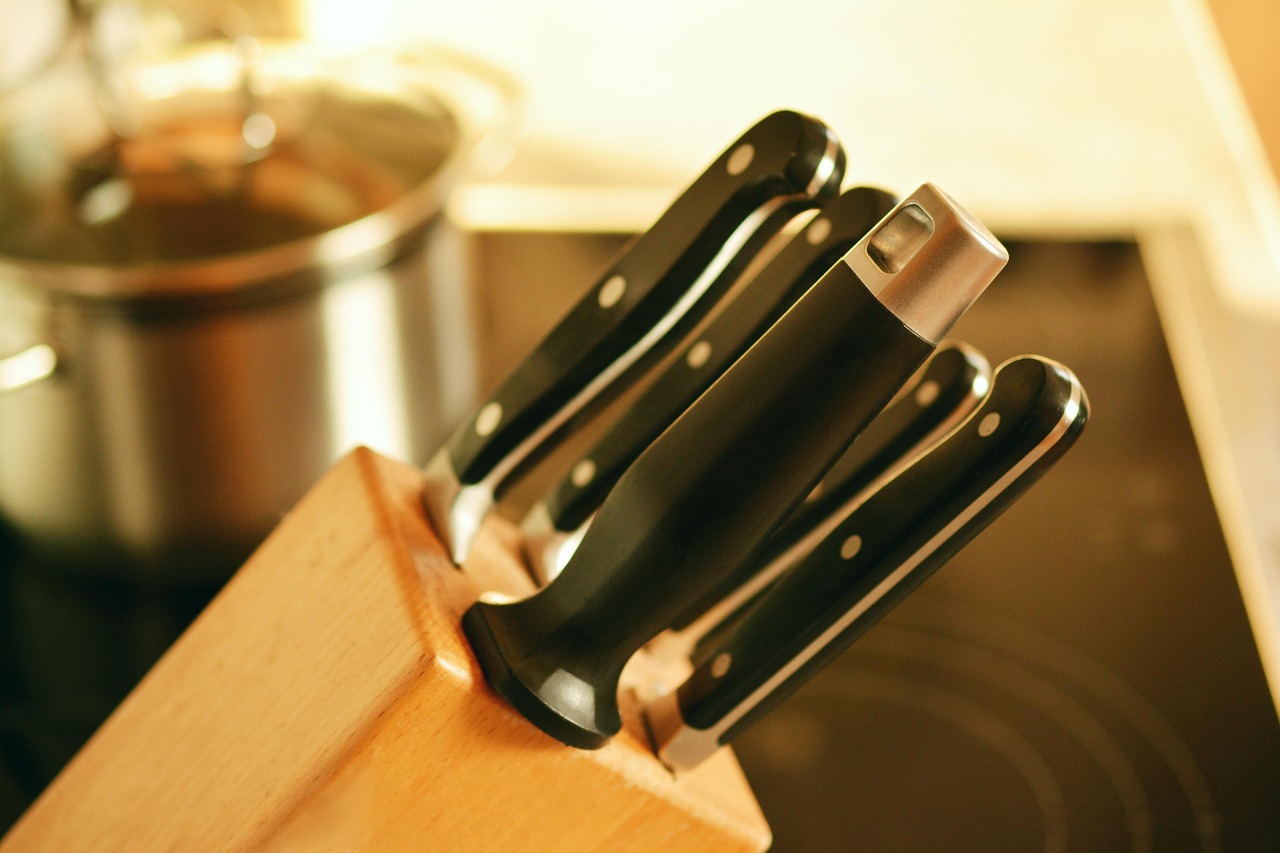
Many modern knife blocks feature integrated sharpening slots, offering a convenient way to keep your blades functional without needing separate tools. To use these effectively, it is important to understand the mechanics behind them. Most built-in sharpeners utilize small ceramic or carbide rods positioned at a fixed angle within the block. As you slide the blade through the slot, these rods lightly abrade the edge to realign the metal.
It is crucial to recognize that these systems are designed primarily for maintenance and honing rather than heavy-duty edge restoration. They excel at touching up a blade that has become slightly dull from routine kitchen tasks. However, they are not intended to repair significant chips, deep nicks, or completely blunt edges. If your knife has lost its edge entirely, a professional sharpening service or a dedicated stone system will be necessary to reform the bevel.
Before inserting your knives, keep these safety and maintenance tips in mind:
- Consult the Manual: Always check your knife block’s manufacturer documentation. Some sharpening slots are calibrated specifically for certain blade thicknesses or steel types.
- Check Compatibility: Not all knives are suitable for built-in sharpeners. Serrated blades, for example, can be permanently damaged by standard rod-based sharpeners.
- Clean Regularly: Metal filings can accumulate inside the sharpening slot over time. If possible, gently clean the area to prevent debris from dulling your blade further during the next pass.
- Use Light Pressure: You do not need to press hard. Let the rods do the work; applying excessive force can cause uneven wear or damage the edge geometry of your knife.
By treating your built-in sharpener as a tool for daily upkeep rather than a cure-all for damaged blades, you can extend the lifespan of your cutlery significantly. Always handle your knives with care, ensuring your fingers remain well clear of the blade path as you pull the knife through the sharpening mechanism.
Essential Safety Precautions Before You Begin
Before you sharpen your kitchen knives, prioritizing safety is non-negotiable. Using a knife block sharpener requires precision and control, and even a minor slip can result in a serious injury. Establishing a secure workspace is the first step toward a successful sharpening session.
Always place your knife block on a flat, stable, and non-slip surface. If your countertop is slick, place a damp kitchen towel or a silicone mat underneath the block to prevent it from sliding while you apply pressure. A shifting sharpener is the most common cause of accidents, as it forces your hands to compensate for the instability.
When you are ready to begin, follow these essential safety protocols:
- Firm Grip: Use your non-dominant hand to hold the knife block firmly against the surface, ensuring your fingers are positioned well away from the sharpening slots and the blade’s path.
- Maintain Distance: Keep your fingers behind the guard or at least two inches away from the entry point of the sharpening mechanism. Never allow your skin to cross the path of the blade as it enters or exits the slot.
- Controlled Motion: Use slow, steady strokes. Rushing the process increases the likelihood of the blade slipping out of the guide and nicking your hand or damaging the block.
If you are new to knife maintenance or do not feel fully confident handling sharp edges, wearing cut-resistant gloves is a highly recommended precaution. These gloves provide a vital layer of protection against accidental nicks and deep lacerations. Even with gloves, maintain a mindful approach; they are designed to resist cuts, not to make you invincible.
Finally, ensure your hands are dry and free of grease or oil before starting. A firm, dry grip is your best defense against accidents. By taking these few moments to stabilize your equipment and protect your hands, you ensure that your sharpening routine remains a productive and safe part of your kitchen maintenance.
Step-by-Step Sharpening Technique
Maintaining sharp garden shears and utility knives is essential for clean cuts that promote plant health. A dull blade crushes plant stems, leaving jagged edges that invite disease and delay healing. Using a knife block sharpener is a quick, effective way to keep your tools in top condition for pruning and harvesting.
To achieve the best results, follow this precise technique to ensure safety and tool longevity:
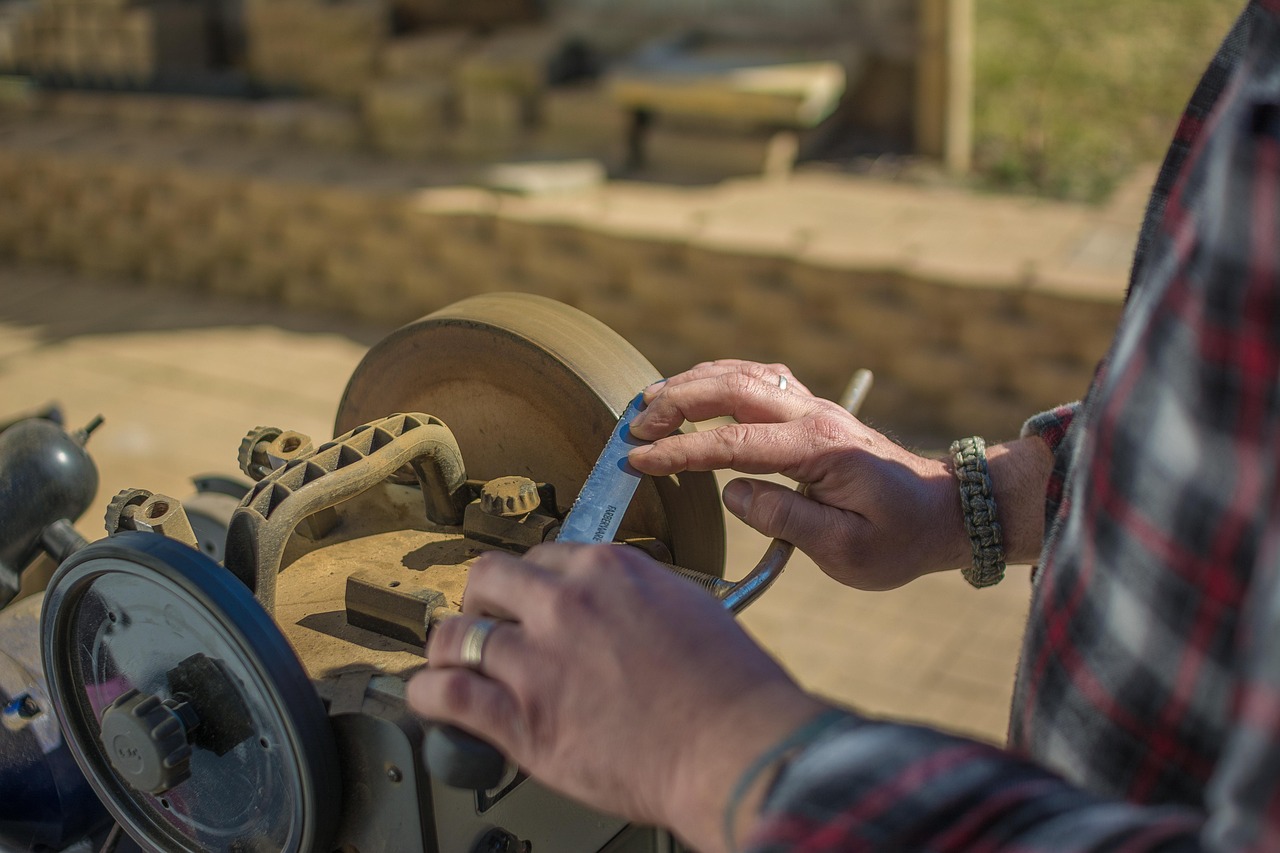
- Positioning: Place your knife block on a flat, stable surface. Insert the heel of the knife blade—the part closest to the handle—into the designated sharpening slot. Ensure the blade is seated firmly against the sharpening mechanism.
- Pressure: Apply light, consistent downward pressure. You do not need to force the blade; the internal abrasive wheels or stones are designed to do the work for you.
- The Motion: Pull the blade through the slot in a single, smooth, and fluid motion, moving from the heel all the way to the tip. Maintain a steady hand to keep the blade centered within the slot throughout the entire draw.
- Repetition: Repeat this motion only three to five times. It is a common mistake to over-sharpen; doing so removes unnecessary metal and can shorten the lifespan of your tool.
After completing these passes, carefully wipe the blade with a clean, dry cloth to remove any fine metal shavings before using it on your plants. Always test the sharpness on a piece of paper or a scrap stem rather than your finger. If the blade glides through without resistance, it is ready for the garden.
Remember that consistency is better than intensity. By performing this quick maintenance every few uses, you prevent the blade from becoming excessively dull, which makes the sharpening process much faster and safer. Proper care ensures your tools remain reliable partners in your gardening journey, helping your plants thrive through precise, clean cuts season after season.
Post-Sharpening Care and Blade Maintenance
Once you have finished using your knife block sharpener, your blade will be razor-sharp but also covered in microscopic metal filings. These tiny particles are a byproduct of the sharpening process and must be removed immediately to ensure both food safety and the long-term health of your blade.
Immediately after sharpening, take a clean, damp cloth and carefully wipe the blade from the spine toward the edge. Using a single, controlled motion away from the sharp edge prevents accidental cuts. Do not use a sponge that might snag on the edge, and avoid using your bare fingers to wipe the metal surface.
Proper maintenance after sharpening is just as important as the sharpening process itself. To preserve the new edge and ensure your knife remains effective for your gardening tasks or kitchen prep, follow these maintenance best practices:
- Hand-wash only: Never place your sharpened knives in the dishwasher. High-pressure water jets and harsh detergents can dull the edge quickly and cause corrosion on the steel.
- Dry immediately: Moisture is the enemy of sharp steel. Always dry your knife thoroughly with a soft towel immediately after washing to prevent rust spots.
- Store safely: Return the knife to your knife block or a dedicated magnetic strip. Storing knives loose in a drawer causes them to bang against other utensils, which will roll and dull the edge you just worked so hard to refine.
If you use your knives for gardening tasks, such as harvesting herbs or trimming stems, wipe the blade clean after every use. Plant sap and soil moisture can be acidic, leading to pitting or rust if left on the steel. By keeping your blades clean, dry, and properly stored, you extend the time between sharpening sessions and ensure your tools are always ready for their next cut. Consistent care is the simplest way to maintain the precision of your equipment.
Common Questions and When to Seek Professional Help
Determining how often to sharpen your kitchen knives depends entirely on frequency of use. For a home gardener preparing fresh produce daily, a quick touch-up with a knife block sharpener every two to four weeks is usually sufficient to maintain a crisp edge. If you notice your knife struggling to slice through tomato skins or bruising delicate herbs rather than cutting them cleanly, it is time for a tune-up.
However, a built-in block sharpener is designed for maintenance, not restoration. You should seek professional help if you encounter any of the following:
- Visible chips or cracks: If the blade edge has nicks, a block sharpener cannot remove enough metal to restore the geometry.
- Rolled edges: If the metal has folded over, it requires professional grinding to straighten and re-profile the edge.
- Dullness that persists: If you have run the blade through the sharpener several times and it still fails to cut paper cleanly, the edge angle has likely drifted too far.
Crucially, never attempt to use a standard knife block sharpener on serrated blades. These sharpeners are designed for straight-edged knives and will ruin the specialized teeth of a serrated blade, effectively stripping away the cutting surface and rendering the knife useless. Serrated knives require specific tools or professional sharpening services to maintain their unique edge geometry.
If your knives are high-end, forged steel, or have become severely damaged through heavy use, professional sharpening is the safest investment. A professional service uses controlled grinding techniques that remove the minimum amount of metal necessary, extending the lifespan of your kitchen tools significantly longer than repetitive, imprecise home sharpening. When in doubt, err on the side of caution; a dull knife is far more dangerous than a sharp one, as it requires excessive force that often leads to slips and kitchen accidents. Keep your tools maintained, know their limits, and your prep work will remain both efficient and safe.