How to Use a Knife Block Sharpener Safely and Effectively
Many kitchen knife blocks come with built-in sharpening slots, but using them incorrectly can damage your blades. This guide explains how to properly use a knife block sharpener to maintain your kitchen tools without compromising their edge or longevity. Proper technique ensures your knives remain safe and effective for every meal.
While these integrated sharpeners offer convenience, they are not always the best tool for high-end cutlery. They often use abrasive materials that remove more metal than necessary, potentially shortening the lifespan of premium blades. Understanding when to use these slots versus professional honing methods will help you protect your investment long-term.
In the following sections, we provide a step-by-step walkthrough for safely utilizing your block’s sharpening feature. You will learn the correct angle, pressure, and frequency required to keep your edges sharp without causing unnecessary wear. Follow these practical tips to master your kitchen maintenance and keep your knives performing at their absolute best.
Understanding Your Knife Block Sharpener
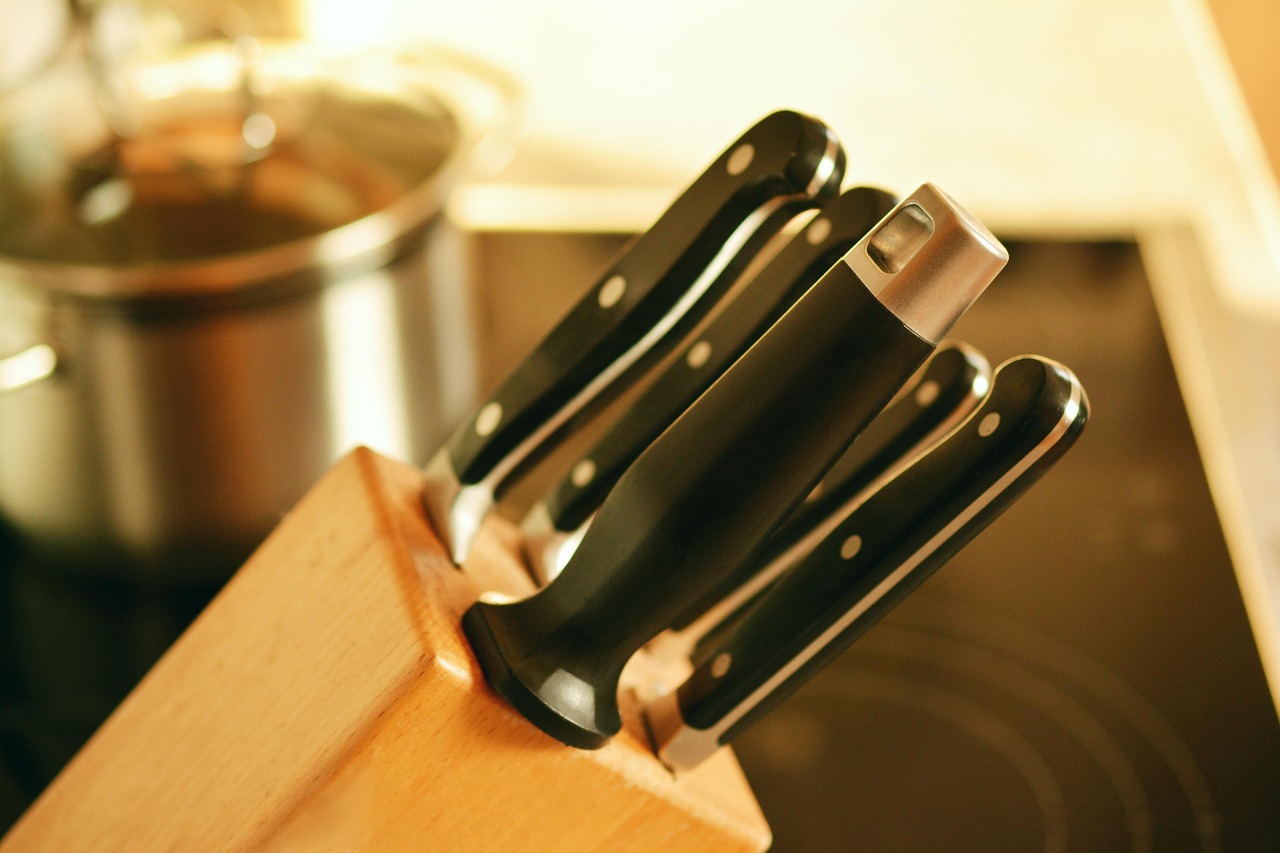
Many modern knife blocks come equipped with integrated sharpeners, offering a convenient way to keep your blades ready for garden-to-table prep. However, it is essential to understand that these built-in tools are designed for routine maintenance rather than professional-grade restoration. They are intended to keep a functional edge sharp, not to repair a severely damaged or dull blade.
Inside the sharpening slot, you will typically find small ceramic or carbide rods. These components are engineered to hone the blade—essentially realigning the microscopic metal fibers along the edge that bend during daily use. By running your knife through the slot, you straighten the edge, which makes the blade feel sharper and perform more efficiently when slicing through fresh herbs or tough-skinned vegetables.
To get the best results from your built-in sharpener, keep these practical tips in mind:
- Use light pressure: Let the rods do the work. Pressing down too hard can remove excess metal and potentially damage the knife’s geometry.
- Maintain a consistent angle: Keep the blade straight as you pull it through the slot. Tilting the knife can create an uneven edge.
- Clean your blades first: Always ensure your knife is clean and dry before sharpening to prevent debris from clogging the internal rods.
- Know the limits: If your knife has significant chips, a broken tip, or is completely dull, a built-in sharpener will not suffice. In these cases, you need a professional sharpening service or a dedicated whetstone kit to perform a proper grind.
Think of your knife block sharpener as a tool for “touch-ups.” By using it consistently after a few uses, you can extend the time between professional sharpenings and ensure your kitchen tools remain safe and effective. If you find yourself pulling the knife through the slot repeatedly without noticing an improvement in cutting performance, it is a clear sign that the blade requires a more comprehensive sharpening process beyond what the block can provide.
Safety Precautions Before You Begin
Before you sharpen your kitchen knives, prioritizing safety is essential to protect both your hands and your equipment. A knife block sharpener relies on precision, and any instability can lead to accidents or damaged blade edges.
Always place your sharpener on a flat, stable, and non-slip surface, such as a sturdy kitchen countertop. Avoid placing the unit near the edge of the counter or on unstable surfaces like tablecloths or uneven cutting boards. If the block feels prone to tipping, it is not positioned correctly; adjust it until it remains completely stationary during use.
To maintain a firm grip and prevent the device from sliding, follow these safety protocols:
- Dry your hands: Ensure your hands are completely dry before touching the sharpener or the knife handle. Moisture can cause your grip to slip, increasing the risk of accidental contact with the blade.
- Keep fingers clear: Always hold the knife by the handle, keeping your fingers well away from the sharp edge throughout the entire insertion and extraction process.
- Maintain control: Use a light, steady hand when guiding the blade into the slot. Never force a knife if you feel resistance.
If a blade feels stuck or does not glide smoothly through the sharpening mechanism, stop immediately. Forcing a blade into a slot can damage the internal sharpening stones or, worse, cause the knife to jump unexpectedly. If you encounter resistance, carefully remove the knife, inspect the slot for debris, and verify that the blade is compatible with that specific sharpener. Never attempt to “muscle” a knife through a tight slot, as this often leads to uneven sharpening or potential injury.
By keeping your workspace clear and maintaining a controlled, deliberate pace, you ensure that your tools remain sharp without compromising your safety. Taking these few seconds to prepare your environment makes the entire maintenance process significantly more efficient and hazard-free.
Step-by-Step Sharpening Technique
Using a built-in knife block sharpener is an efficient way to maintain your kitchen tools, but technique is essential for achieving a professional edge without damaging the blade. Before you begin, ensure the knife block is placed on a stable, flat surface to prevent slipping during the process.
Follow these steps to sharpen your knives safely and effectively:
- Insert the blade: Place the heel of the knife—the part closest to the handle—into the designated sharpening slot.
- Apply pressure: Use light, consistent downward pressure. You do not need to press hard; let the abrasive mechanism do the work.
- Pull smoothly: Draw the knife straight back toward you in one continuous, smooth motion. Maintain this steady speed from the heel all the way to the tip of the blade.
The most critical aspect of this process is the angle. You must keep the knife perfectly vertical throughout the entire pull. If the blade tilts to the left or right, you will create an uneven edge that performs poorly during food preparation. Furthermore, tilting the knife can cause the side of the blade to rub against the sharpening mechanism, which leads to unsightly scratches and potential structural damage to the metal finish.
Repeat this pulling motion three to five times for a standard kitchen knife. Always test the sharpness by slicing through a piece of paper or a soft vegetable like a tomato. If the knife still feels dull, repeat the process with a few more controlled passes. Avoid over-sharpening, as removing too much metal can prematurely shorten the lifespan of your blade.
Once you are finished, always wipe the blade clean with a damp cloth or a paper towel. This removes any microscopic metal shavings or debris left behind by the sharpening process, ensuring your tools remain food-safe and ready for your next culinary task. If you are sharpening multiple knives, clean the blade thoroughly between each tool to prevent cross-contamination of metal particles.
Best Practices for Blade Maintenance
Maintaining your kitchen knives is just as important as the sharpening process itself. When you use a knife block sharpener, the abrasive mechanism removes microscopic layers of steel to create a new, keen edge. This process inevitably leaves behind tiny metal shavings and abrasive dust on the blade surface.
Always wipe your knife clean immediately after sharpening. If left on the blade, these metallic particles can contaminate your food or cause premature corrosion. Use a damp, lint-free cloth to carefully wipe from the spine toward the edge—never run your fingers along the sharp side. Follow this with a dry cloth to ensure the blade is moisture-free before returning it to your block.
It is equally important to avoid over-sharpening. While it is tempting to run your blade through the sharpener repeatedly, excessive passes remove more steel than necessary, drastically shortening the lifespan of your knife. Instead, practice these maintenance habits to keep your edges precise:
- Test frequently: Perform a simple paper-slice test after every two or three passes. If the knife cuts through a sheet of printer paper cleanly without tearing, it is sharp enough.
- Use light pressure: Let the sharpening mechanism do the work. Pressing down too hard can cause the metal to burr or warp, making the edge less effective.
- Maintain consistency: Pull the knife through the sharpener using a steady, fluid motion. Stopping halfway through the slot can create uneven spots on the edge.
- Check the edge: Hold the knife under a bright light to inspect for rolling or chips. If the edge looks jagged, slow down your sharpening speed.
By sharpening only when the blade begins to dull and cleaning it thoroughly afterward, you preserve the integrity of the steel. Proper care ensures your tools remain reliable, safe, and efficient for years of kitchen use, saving you from the need for premature replacements.
Common Questions and Professional Care
Many home cooks wonder if a built-in knife block sharpener can handle every blade in their kitchen. While these sharpeners are convenient for routine maintenance, they are generally designed for straight-edged blades. You should avoid using them on serrated bread knives, as the abrasive mechanism can damage the specialized teeth and ruin the blade’s geometry.
Consistency is key to keeping your knives in top shape. For the average home cook, a quick pass through the sharpener every two to four weeks is sufficient. This frequent, light maintenance prevents the edge from becoming completely dull, which is actually more dangerous than a sharp blade because it requires excessive force to cut.
However, there are clear limits to what a built-in sharpener can achieve. These devices are intended for honing and light touch-ups, not for heavy-duty restoration. You should seek professional sharpening services if you notice the following:
- Deep chips or nicks: If the metal edge has visible gaps or dents, a block sharpener cannot remove enough material to restore the profile.
- Extreme dullness: If the knife is so dull that it crushes vegetables rather than slicing through them, the edge angle has likely become too rounded for a simple sharpener to correct.
- Bent tips: A professional can reshape a damaged tip that has been dropped or misused.
- High-end steel: If you own premium Japanese or custom-forged knives, a standard pull-through sharpener may be too aggressive or imprecise. Professional sharpeners use water stones or specialized belt systems that preserve the integrity of high-quality steel.
Think of your built-in sharpener as a tool for daily upkeep. It keeps your edge performing well between major maintenance sessions. If your knife requires a complete overhaul to regain its original sharpness, professional intervention is the safest and most effective way to protect your investment and ensure your kitchen tools remain reliable for years to come.