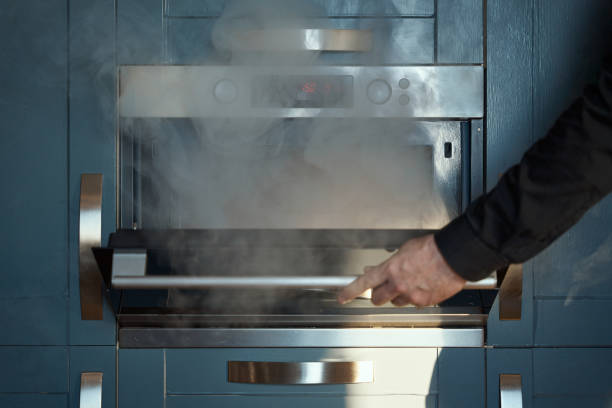
How To Steam Clean Frigidaire Gallery Oven
If you’re wondering how to steam clean a Frigidaire Gallery oven, you’ve come to the right place. We’ll walk you through setting the right temperature, adding water, timing the cycle, and finishing with a quick wipe‑down, so your oven looks and smells like new in no time at all.
Understanding Steam Cleaning for Frigidaire Gallery Ovens
What is Steam Cleaning?
Steam cleaning uses hot water vapor to loosen and dissolve food residue inside a Frigidaire Gallery oven without harsh chemicals. The oven’s built‑in steam function generates temperatures of 200‑250 °F, creating a moist environment that penetrates baked‑on grease, splatters, and stubborn stains.
As the vapor condenses on cooler surfaces, it softens particles, allowing a simple wipe or self‑cleaning cycle to finish the job. No abrasive scrubbing, no chemical fumes, and minimal energy use make this method safe for the oven’s interior coating and for households with sensitivities.
Because the process relies on heat and moisture rather than high‑temperature pyrolysis, it typically completes in 30‑45 minutes, leaving the cavity fresh and ready for the next bake.
To start, simply fill the designated water reservoir, select the steam clean setting, and let the oven do the heavy lifting while you attend to other kitchen tasks.
Benefits of Steam Cleaning Your Oven
Steam cleaning delivers several practical advantages that keep a Frigidaire Gallery oven performing at its best. First, the gentle moisture action protects enamel and non‑stick surfaces from the wear caused by abrasive powders used in traditional self‑clean cycles.
Second, because the method operates at lower temperatures, it reduces energy consumption by up to 30 % compared with a high‑heat pyrolytic clean, translating into lower utility bills. Third, the process eliminates lingering chemical odors, making the kitchen environment safer for children and pets.
Fourth, steam penetrates hard‑to‑reach corners, such as the oven door gasket and rear wall, ensuring a more uniform removal of grime. Finally, regular steam cleaning shortens the interval between deep‑clean sessions, extending the overall lifespan of the appliance and preserving its resale value.
A quick 10‑minute steam cycle also helps maintain consistent temperature distribution, which can improve baking results over time.
How Steam Cleaning Differs from Traditional Methods
Traditional oven cleaning methods fall into two main categories: high‑temperature pyrolytic cycles and chemical‑based manual scrubs. Pyrolytic cleaning heats the cavity to 900 °F, turning food residue into ash that must be brushed out, while consuming significant electricity and producing a strong, acrid smell.
Chemical scrubbing relies on harsh detergents, abrasive pads, and often requires the user to disassemble parts, increasing the risk of surface damage. In contrast, steam cleaning operates at 200‑250 °F, using water vapor to soften and lift grime without burning it.
The lower temperature means the oven’s door seals and electronic controls stay cooler, preserving their integrity. Moreover, steam leaves no chemical residue, so there’s no need for post‑clean rinsing. The result is a faster, quieter, and more environmentally friendly process that protects both the appliance and the user’s health overall.
Preparing Your Frigidaire Gallery Oven for Steam Cleaning
Safety Precautions and Preparations
Before you begin steam cleaning your Frigidaire Gallery oven, unplug the appliance or turn off the circuit breaker to eliminate any risk of electric shock. Allow the oven to cool completely after the last use; a hot interior can cause steam to scald you when the cleaning cycle starts.
Remove any leftover food particles, grease, or spills with a damp cloth, because excess debris can interfere with steam distribution. Check the door seal for cracks or wear; a damaged gasket may let steam escape and reduce cleaning efficiency.
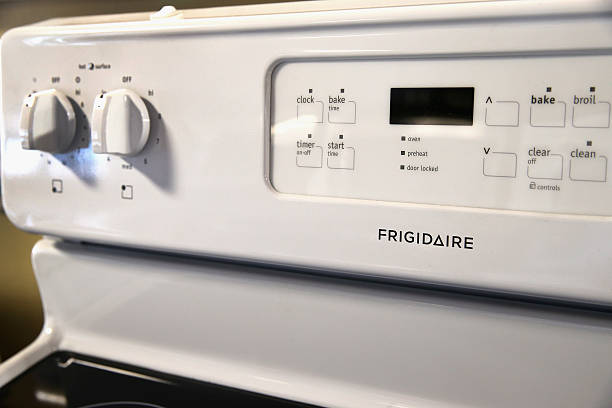
Ensure the kitchen is well‑ventilated by opening windows or running an exhaust fan, as steam can increase humidity. Finally, read the manufacturer’s manual to confirm that your specific model supports steam cleaning and to locate the steam‑clean button or program.
Following these safety steps protects you and prepares the oven for optimal steam performance.
Removing Racks and Accessories
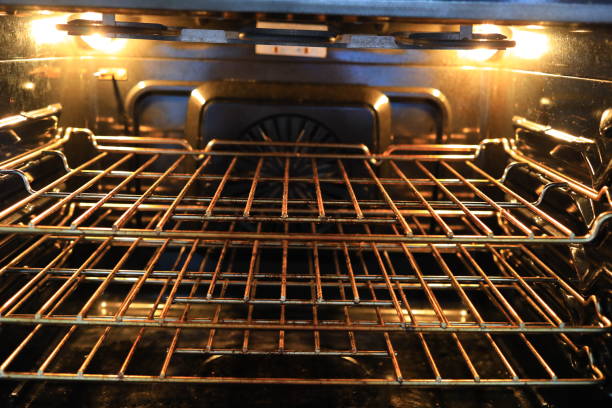
Start the cleaning process by taking out all removable components from the oven cavity. Slide out the upper and lower racks carefully, placing them on a heat‑resistant surface to avoid scratches.
Detach any pizza stones, baking trays, or grill pans, and set them aside; these items should not be exposed to high‑temperature steam as they can warp or become damaged. If your model includes a crumb tray, pull it out and discard any loose debris before cleaning.
Inspect each piece for stubborn stains; a quick soak in warm, soapy water will loosen grime, making the later steam cycle more effective. While the racks are out, wipe the interior walls with a soft cloth to remove large food fragments that could block steam vents.
Remember to keep the door closed during this step to maintain the oven’s temperature and prevent steam from escaping prematurely. Properly removing and pre‑cleaning accessories ensures the steam reaches every surface for a thorough cleanse.
Gathering Required Tools and Supplies
Before you activate the steam function, assemble all the items you’ll need so the cleaning cycle runs uninterrupted. A spray bottle filled with distilled water provides a controlled source of moisture and prevents mineral deposits from forming on interior surfaces.
Keep a soft, non‑abrasive sponge or microfiber cloth handy for wiping down the oven after the steam has cooled; these tools lift residue without scratching enamel.
If your oven’s manual recommends a specific cleaning solution, have a small amount ready, but avoid harsh chemicals that could react with the steam chamber. You’ll also want a heat‑proof tray or silicone mat to place the racks on while they dry, preventing water from pooling on the floor.
Finally, set a timer on your phone or kitchen timer to monitor the recommended steam duration, usually 10‑15 minutes, so you can turn off the oven promptly and avoid over‑steaming. Having these supplies organized ensures a smooth, efficient steam‑cleaning experience.
Step-by-Step Guide to Steam Cleaning the Oven Interior
Setting Up the Steam Clean Cycle
Begin by clearing the oven interior of any loose debris and removing the oven racks, which can be washed separately.
Check the water reservoir located on the side wall or back of the Frigidaire Gallery model; ensure it is empty before adding fresh distilled or tap water up to the indicated fill line.
Close the oven door securely, then turn the control knob to the Steam Clean setting, usually marked with a steam icon. Select the recommended cleaning duration—typically 20 to 30 minutes for a standard cleaning cycle.
Press Start and allow the unit to heat the water, generating steam that loosens baked‑on grime. While the cycle runs, keep the kitchen well‑ventilated by opening a window or running the exhaust fan. This preparation ensures the steam reaches every corner and maximizes the cleaning power without manual scrubbing.
Monitoring Temperature and Time
During the steam cycle, keep an eye on the oven’s internal temperature display, which typically rises to between 200 °F and 250 °F (93 °C‑121 °C).
Do not open the door until the timer signals the end of the cycle, as releasing steam prematurely reduces cleaning efficiency and can cause a sudden temperature drop.
If your model includes a digital countdown, watch it closely; a typical run lasts 20‑30 minutes, but you can extend it by an additional 10 minutes for heavily soiled ovens. Periodically check the steam generation indicator—some Frigidaire Gallery ovens flash a light when sufficient steam is being produced.
Should the indicator turn off before the timer expires, pause the cycle, add a splash of water to the reservoir, and resume. Maintaining the correct temperature and uninterrupted steam exposure ensures that baked‑on residues soften uniformly, making the later wiping step much easier.
Cleaning the Oven Walls and Bottom
After the steam cycle finishes, allow the oven to cool for five minutes, then gently pull the door open to let residual moisture escape. Using a soft, damp microfiber cloth, wipe the walls from top to bottom, focusing on areas where steam condensed and softened grease.
For stubborn spots, dip the cloth in a mixture of equal parts water and white vinegar, then scrub lightly; the acidity helps break down any remaining carbon build‑up without damaging the enamel.
Turn the oven on a low heat setting (about 150 °F/65 °C) for two minutes to evaporate excess moisture before replacing the racks.
Finally, dry the interior with a clean towel and inspect the bottom tray and drip pan; if they are removable, wash them in warm, soapy water and dry thoroughly. This systematic approach leaves the Frigidaire Gallery oven interior sparkling and ready for the next bake.
Cleaning Oven Racks, Trays, and Accessories
Steam Cleaning Racks Separately
Start by pulling the oven racks, trays, and any accessories out of the Frigidaire Gallery oven. Place them on a heat‑resistant surface and pre‑heat the oven to 200 °F for a quick warm‑up, which helps loosen grease.
While the oven warms, fill a disposable aluminum pan with one cup of water and position it on the lower rack. When the temperature reaches 200 °F, select the Steam Clean function and let the cycle run for the recommended 20‑minute period.
The rising steam penetrates the metal, softening baked‑on residue without harsh chemicals. After the cycle ends, turn off the oven and allow the steam to settle for a minute before opening the door.
Carefully remove the racks; they will be warm but not scalding, making it safe to handle them for the next cleaning step. Place the hot racks on a kitchen towel and let them cool while you prepare the cleaning solution for any remaining spots.
Using a Brush for Stubborn Residue
After the steam cycle, inspect each rack for areas that remain greasy or caramelized. For those stubborn spots, dip a non‑abrasive nylon brush into a mixture of warm water and a few drops of mild dish soap.
Gently scrub the affected sections, using circular motions to lift the residue without scratching the enamel. If the buildup is particularly thick, re‑apply steam by placing a small bowl of water on the lower rack and running a quick 5‑minute Steam Boost using the oven’s manual steam button.
The combined heat and moisture soften the grime, allowing the brush to work more efficiently. Rinse the brush frequently in clean water to avoid spreading grease back onto the metal.
Once the surface looks clear, wipe it down with a soft cloth dampened with plain water to remove any soap film.
Drying and Reinstalling Components
When cleaning is complete, give the racks and trays a thorough dry to prevent rust. Pat them with a lint‑free microfiber towel until no moisture remains, then set them on a clean rack in the kitchen to air‑dry for five minutes.
For extra shine, lightly spray a food‑safe stainless‑steel polish and buff with a dry cloth, which also adds a protective barrier against future spills. Once dry, slide each component back into the Frigidaire Gallery oven, ensuring they sit evenly on the oven floor to promote even heating.
Close the door and run a short pre‑heat at 350 °F for ten minutes; this step evaporates any lingering cleaning agents and restores the oven’s normal cooking environment. Your oven is now ready for use, with racks that look like new and function optimally. Enjoy cooking today for you.
Post-Cleaning Maintenance and Tips
Wiping Down Exterior Surfaces
After the steam cycle finishes, let the oven cool for a few minutes, then gently wipe the door, control panel, and surrounding countertop with a soft microfiber cloth dampened with warm, soapy water. Avoid harsh chemicals and abrasive pads, as they can damage the enamel finish.
For stubborn residue, apply a thin layer of diluted white‑vinegar solution and let it sit for one minute before wiping. Dry the surfaces immediately with a clean towel to prevent water spots.
Finally, polish stainless‑steel accents using a dedicated metal cleaner or a few drops of olive oil on a soft cloth, moving in the direction of the grain to maintain a streak‑free shine.
This quick exterior routine keeps the oven looking pristine and protects the interior from moisture that could seep into seams after steam cleaning.
Preventing Future Build-Up
To keep the Frigidaire Gallery oven fresh between steam cycles, address spills immediately by wiping them with a damp cloth before they dry and harden. Use a silicone oven liner on the lower rack to catch drips and crumbs, which can be removed and washed weekly.
Avoid placing sugary sauces directly on the oven floor; instead, use a shallow baking dish that contains any overflow. After each use, run the self‑cleaning fan for a few minutes on low heat to circulate air and dry residual moisture.
For the interior walls, lightly spray a mixture of water and a few drops of dish soap, then wipe with a non‑abrasive sponge, focusing on corners where grease tends to accumulate.
Regularly inspect the door gasket for food particles and clean it with a soft brush, ensuring a tight seal that prevents steam from escaping and depositing residue on surrounding cabinets.
Scheduling Regular Steam Clean Cycles
Establish a maintenance calendar that includes a steam clean cycle every 4‑6 weeks, depending on how often you cook high‑fat or sugary dishes. Before each scheduled cycle, remove all racks, pans, and accessories, then place a damp towel on the bottom to catch condensation.
Set the oven to the steam function at the recommended temperature (usually 212 °F) and let it run for the full 20‑minute program to loosen grime. After the cycle completes, open the door and allow the interior to air‑dry for at least 15 minutes before reinstalling the cookware.
Mark the date in a kitchen planner or set a phone reminder so you never miss a session. If you notice persistent smoke or odor, increase the frequency to weekly until the interior is fully cleared.
Consistent scheduling not only maintains a spotless cavity but also extends the lifespan of the oven’s heating elements and seals.
Troubleshooting Common Issues
Steam Not Producing Enough Heat
Begin by checking the water reservoir; ensure it is filled to the indicated level and the lid is securely closed. A low water level will limit steam generation. Next, inspect the steam inlet valve for any blockage; use a soft brush to clear debris without damaging the seal.
Verify that the oven’s temperature sensor is clean, as residue can cause inaccurate readings and reduce heat output. Run a short test cycle after each adjustment to confirm improvement. If steam still feels weak, reset the oven by turning off power for two minutes, then restart the unit.
Regularly descale the internal steam lines using a vinegar‑water solution to prevent mineral buildup that hinders performance. Finally, consult the user manual for any model‑specific recommendations and keep a log of settings that produce optimal steam results.
Error Codes During Steam Cycle
First, note the exact error code displayed; record it before proceeding. Most Frigidaire Gallery ovens use a three‑digit code that points to a specific fault. For a ‘E1’ or similar water‑sensor error, inspect the sensor probe for moisture or corrosion and gently clean it with a damp cloth.
If the code indicates a ‘F2’ heating‑element issue, verify that the element is not covered by food splatter and that the connection terminals are tight. Reset the system by pressing and holding the ‘Cancel’ button for five seconds, then select the steam function again.
Should the error persist, power‑cycle the oven: unplug it, wait three minutes, and plug it back in to clear any residual memory. Consult the troubleshooting chart in the manual for less common codes, and if needed, contact Frigidaire support with the code and model number for advanced diagnostics.
Dealing with Lingering Odors
Start by removing any food debris from the oven cavity; wipe the interior with a soft, damp cloth before initiating a steam clean. After the cycle, open the door and let the oven air‑dry for at least 15 minutes to disperse moisture that can trap smells.
If odors remain, place a bowl of water mixed with a tablespoon of baking soda inside and run a short 10‑minute steam program; the baking soda neutralizes acidic compounds.
For persistent burnt or smoky scents, activate the self‑cleaning function on a low‑temperature setting, then follow with a fresh steam cycle to refresh the interior surfaces. Ensure the ventilation hood is unobstructed and clean the filter regularly, as a clogged hood can recirculate odor‑laden air.
Finally, store a small container of activated charcoal in the oven when not in use; it absorbs residual odors over time, keeping the Frigidaire Gallery ready for the next cooking session.
Frequently Asked Questions About Frigidaire Gallery Steam Cleaning
Can I Use Homemade Steam Solutions?
Yes, you can create a simple steam solution at home for your Frigidaire Gallery oven. Fill the built‑in steam tray or a heat‑proof bowl with 1 cup of water and add ½ cup of white vinegar or a few drops of lemon juice for extra degreasing power.
Place the tray on the lower rack, close the door, and select the Steam Clean function; the oven will heat the liquid to produce steam that loosens food residue. After the cycle finishes, wipe the interior with a soft cloth, focusing on stubborn spots.
Avoid using harsh chemicals, bleach, or abrasive pads, as they can damage the enamel coating. Homemade mixtures work well for routine maintenance, but for heavy buildup you may still need a commercial oven cleaner approved for steam cleaning.
Make sure the oven is cool before opening, and always follow the manufacturer’s instructions to prevent steam burns.
How Often Should I Steam Clean My Oven?
The ideal frequency for steam cleaning a Frigidaire Gallery oven depends on how often you cook and what types of dishes you prepare. For light home use—baking a few times a week—run the Steam Clean cycle once a month to keep grease and splatters from building up.
If you frequently roast, broil, or use high‑fat recipes, schedule a steam clean every two weeks to maintain optimal performance and prevent smoke odors. After any major spill, you can also initiate an immediate steam clean to soften the mess before it hardens.
Consistent cleaning not only preserves the interior finish but also helps the oven heat more evenly, reducing energy consumption.
Keep a simple log in your kitchen drawer noting the date of each steam clean; this habit makes it easy to stay on track and spot any patterns of excessive residue that may require deeper cleaning.
Is Steam Cleaning Safe for Self-Clean Models?
Steam cleaning and the self‑clean feature are both designed for Frigidaire Gallery ovens, but they should not be used at the same time.
The self‑clean cycle reaches temperatures above 900 °F to incinerate residue, while the Steam Clean function operates at a much lower temperature, typically around 250 °F, to generate moisture.
You can safely use steam cleaning on a self‑clean model once the self‑clean cycle has fully cooled and the interior is dry. Avoid running a steam clean immediately after a self‑clean, as residual heat can cause steam to escape rapidly and potentially damage seals or cause burns.
Always refer to the user manual for specific cooldown times—usually 30‑45 minutes. By respecting the temperature differences and allowing proper ventilation, you maintain the oven’s coating, prolong the lifespan of the door gasket, and keep both cleaning methods effective without compromising safety.
Frequently Asked Questions
What is the steam cleaning feature on a Frigidaire Gallery oven and how does it work?
The steam cleaning feature uses a built-in water reservoir to generate steam that loosens food residue, making it easier to wipe away. It typically runs for a short cycle (5‑10 minutes) at a lower temperature than a traditional self‑clean cycle.
How do I prepare my Frigidaire Gallery oven for a steam clean?
Remove all racks, pans, and accessories, then wipe out loose crumbs. Ensure the water reservoir is empty, then fill it with cold tap water up to the indicated fill line before starting the cycle.
What steps should I follow to start a steam clean on a Frigidaire Gallery oven?
Press the ‘Clean’ button, select the ‘Steam Clean’ option on the control panel, and confirm the start. The oven will heat the water and produce steam; the cycle usually lasts about 5‑10 minutes.
Can I use any cleaning products during or after the steam clean?
No additional cleaners are needed during the steam cycle. After the steam stops, use a soft, damp cloth to wipe away the softened residue; avoid abrasive pads or harsh chemicals that could damage the interior finish.
How often should I use the steam clean function on my Frigidaire Gallery oven?
For regular home cooking, a steam clean every 1‑2 months is sufficient to keep the interior fresh. Use the more intensive self‑clean cycle only when heavy, baked‑on grime builds up.
What should I do if the steam clean doesn’t remove all stains?
If residue remains, let the oven cool, then gently scrub the area with a non‑abrasive sponge and a mild dish soap solution. Rinse with a clean damp cloth and run a short steam cycle again to finish cleaning.
Conclusion
Remember to remove loose debris, add the recommended water amount, and let the steam work its magic before wiping down the interior. Regular steam cycles keep grime at bay, preserve the oven’s finish, and extend its lifespan. Give it a try today and enjoy a spotless, ready‑to‑cook oven!