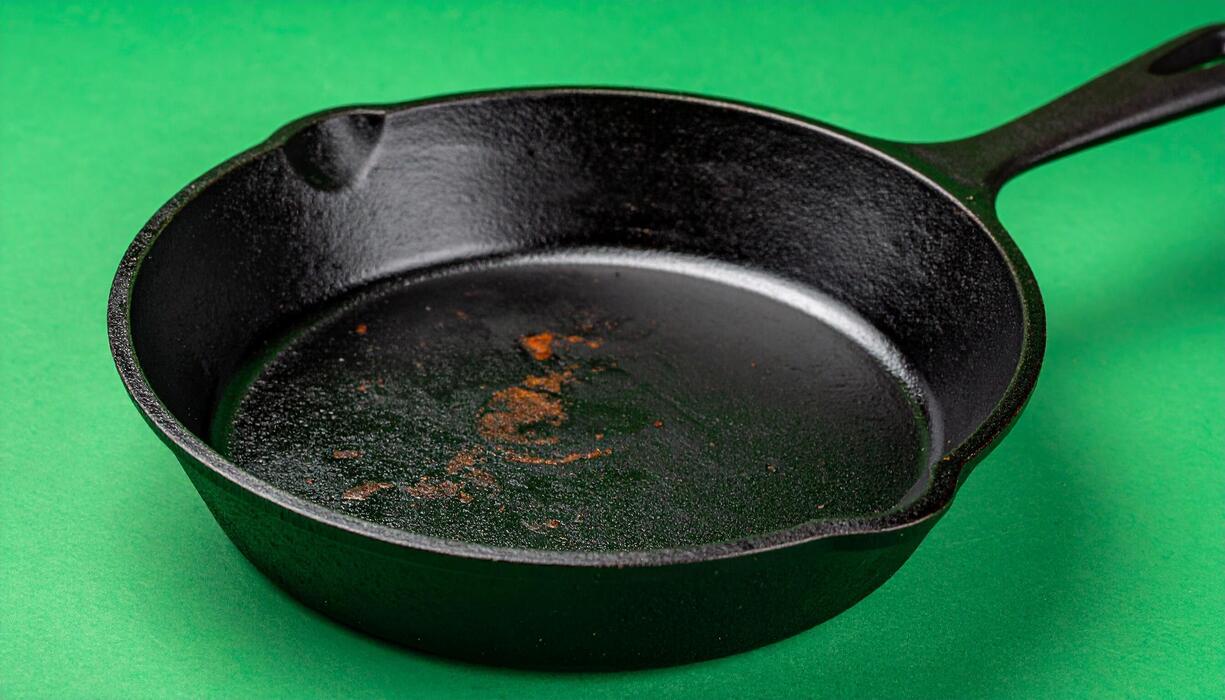
How To Clean Up Rusty Cast Iron Pans
how to clean up rusty cast iron pans is simpler than it looks, and you do not need to throw away a pan just because rust has appeared. If you are wondering whether rust can be removed safely, how much scrubbing is needed, or how to restore the seasoning afterward, you are in the right place. This guide explains the quickest, safest way to remove rust, protect the surface, and get your cast iron ready to cook with confidence again.
Why Cast Iron Pans Get Rusty
What causes rust on cast iron cookware
Rust forms on cast iron when the pan’s protective seasoning layer breaks down and bare iron is exposed to air and water.
Seasoning is the baked-on layer of oil that helps shield the metal, so when it is worn away by harsh scrubbing, soaking, acidic foods, or repeated washing without proper drying, oxidation starts quickly.
If you are figuring out how to clean up rusty cast iron pans, it helps to know that rust is usually a surface issue caused by neglect rather than permanent damage. Even small scratches in the seasoning can become starting points for orange or reddish spots.
Using too much soap occasionally is not usually the main problem, but leaving the pan wet almost always is. To prevent rust from returning after cleaning, remove the rust, dry the pan completely, apply a thin coat of oil, and re-season it.
That restores the barrier that keeps moisture away from the iron.
How moisture and poor storage lead to rust
Moisture is the biggest reason cast iron pans become rusty, especially when water lingers after washing or when pans are stored in damp spaces. A pan may look dry on the surface but still hold moisture around the handle, rim, or cooking surface, which is enough to trigger rust.
Poor storage habits, such as stacking pans while they are still slightly damp, putting on a lid that traps humidity, or keeping cookware in a humid cabinet, can make the problem worse.
After cleaning up rusty cast iron pans, the best protection is a simple routine: dry the pan thoroughly with a towel, heat it on the stove for a few minutes to evaporate hidden moisture, then wipe on a very thin layer of oil.
If you stack cast iron, place a paper towel between pieces to absorb any lingering humidity. Good airflow and complete drying are often just as important as seasoning in preventing future rust.
When rust is harmless and when it is a bigger problem
In many cases, rust on cast iron is harmless and fixable, especially if it appears as light orange spots or a thin surface film. This kind of rust can usually be scrubbed off with steel wool, a scouring pad, or coarse salt, then followed by washing, drying, oiling, and re-seasoning.
For anyone asking how to clean up rusty cast iron pans, that is the good news: most rusty cookware is recoverable. The issue becomes bigger when the rust is deep, flaky, widespread, or paired with pitting, because that can mean the metal has been exposed for a long time.
Deep pitting may not make the pan unusable, but it can affect how evenly the surface seasons and cooks. If the pan feels rough, brittle, or severely eroded, restoration may take several seasoning cycles.
Still, unless the structure is cracked or warped, even heavily rusted cast iron can often be brought back into service.
What You Need to Clean a Rusty Cast Iron Pan
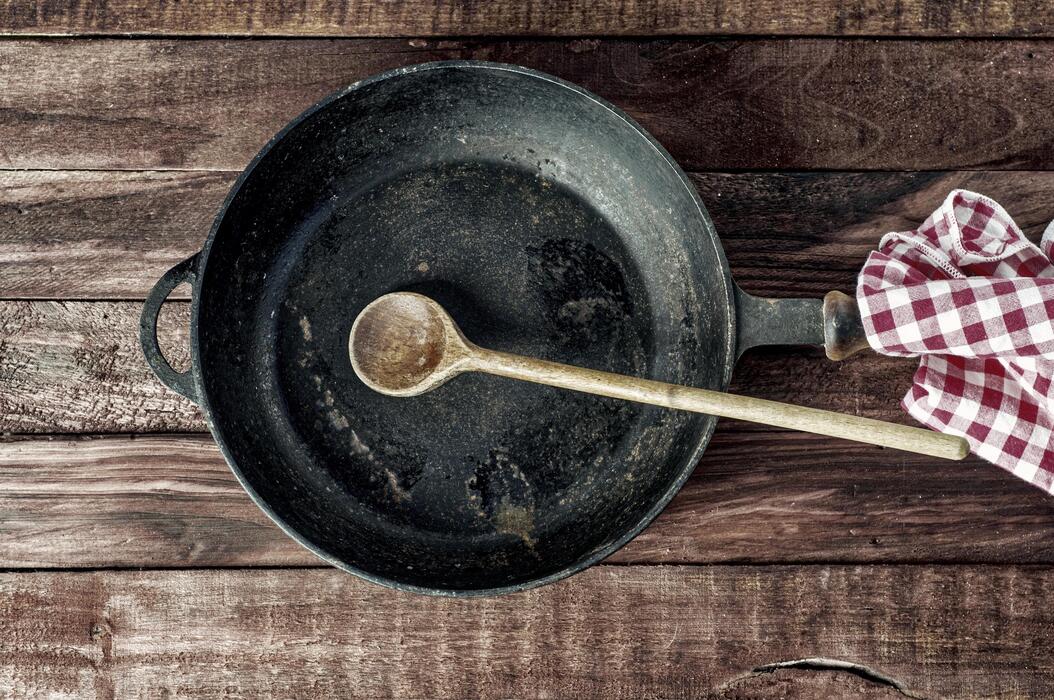
Basic tools and supplies for rust removal
To clean up rusty cast iron pans, gather a few simple, low-cost supplies before you start so the process goes smoothly. You will usually need warm water, mild dish soap, a sponge or scrub brush, paper towels or clean cloths, and a stiff nylon brush for loosening surface rust.
For heavier spots, keep fine steel wool or a chainmail scrubber on hand, but use them with controlled pressure so you remove rust without over-grinding the pan.
It also helps to have white vinegar, coarse kosher salt, baking soda, and a mixing bowl nearby in case you need stronger rust-fighting options. After cleaning, the pan must be dried completely, so use a towel plus a stove burner or warm oven to drive off hidden moisture.
Finish with a thin layer of neutral oil, such as vegetable, canola, or grapeseed oil, because re-seasoning right after rust removal is one of the most important steps for protecting the surface.
When to use salt, vinegar, or baking soda
Coarse salt works best when the rust is light and patchy or when stuck-on residue is mixed with surface oxidation. Add a little oil or a few drops of water, then scrub gently to create mild abrasion without being overly harsh.
White vinegar is more useful for heavier rust, especially when the pan has orange-brown areas that do not lift with regular scrubbing. Use it carefully, usually diluted with water, and avoid soaking too long because vinegar can start stripping sound metal and seasoning along with the rust.
Baking soda is a good choice when you want a gentler cleaner for mild rust, lingering odor, or dark residue after the main scrub. Make a paste with water and work it over the affected spots with a sponge.
In many cases, start with the least aggressive option first, then move to vinegar only if the rust is stubborn. Always rinse, dry fully, and re-season immediately afterward.
What to avoid so you do not damage the pan
When cleaning rusty cast iron, avoid methods that seem fast but can create bigger problems. Do not leave the pan soaking in water for long periods, because cast iron absorbs moisture quickly and rust can spread even after you scrub off the first layer.
Be cautious with long vinegar soaks, since too much acid can etch the surface and strip away more material than necessary. Avoid using harsh chemical cleaners, bleach, or dishwasher detergent, which can damage the pan and make restoration harder.
If you use steel wool, do not scrub aggressively for longer than needed; the goal is to remove rust, not grind down the cooking surface. Never put the pan away slightly damp, even if it looks dry, because hidden moisture around the handle or rim can restart rust overnight.
Finally, do not skip re-seasoning after cleaning. A very thin coat of oil, followed by heat, is what restores protection and helps prevent the rust from returning.
How to Clean Light Rust Off a Cast Iron Pan
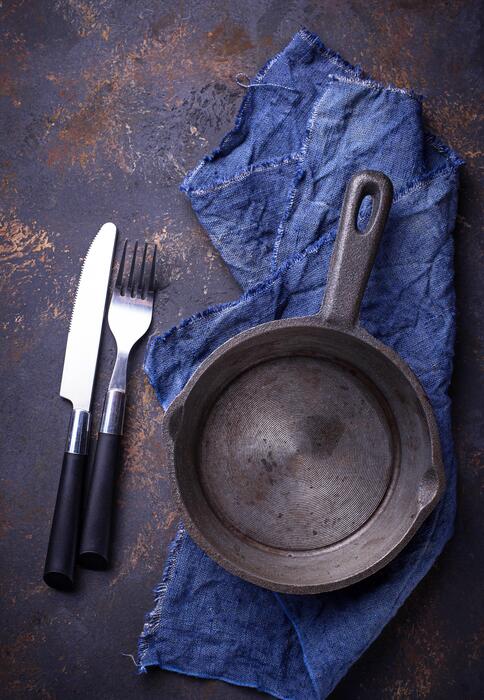
How to scrub away surface rust step by step
Start by checking whether the rust is only on the surface. If the pan is still solid and not deeply pitted, you can usually restore it at home.
Wet the rusty area with a little warm water, then use steel wool, a scouring pad, or coarse salt on a damp sponge to scrub in firm circles. Focus on lifting the orange-brown residue until you see clean gray iron underneath.
For stubborn spots, add a drop of mild dish soap; this is fine during restoration because your goal is to remove contamination, not protect seasoning. Keep scrubbing the sides, base, and handle if rust has spread there too. Rinse briefly to check progress, then continue if needed.
Once the rust is gone, wash away residue and be ready to dry it immediately. Do not leave the pan soaking, since cast iron can flash-rust quickly once bare metal is exposed.
Best ways to rinse and dry the pan fully
After scrubbing, rinse the pan under warm running water to remove all loose rust, salt, soap, and metal particles. Keep the rinse quick and thorough rather than soaking the pan in a sink full of water.
Use your fingers or a soft brush to make sure no gritty residue remains, especially around the rim, helper handle, and pour spouts. Immediately dry the pan with a clean towel, then place it on the stove over low heat for several minutes to drive off hidden moisture.
This step matters because even a small amount of water can cause new rust to form fast. When the pan looks completely dry, add a very thin layer of cooking oil over the entire surface, inside and out, and buff off the excess with a paper towel.
If the pan looks dull or patchy afterward, plan to season it soon to rebuild protection.
Tips for checking if more cleaning is needed
Look closely at the pan once it is dry. A fully cleaned surface should appear gray to dark gray, smooth to the touch, and free of orange or reddish dust. Rub the area with a dry paper towel; if you see rusty streaks, the pan needs another round of scrubbing.
Also inspect any rough patches, flaky spots, or edges where old seasoning may be trapping rust underneath. If the pan feels gritty after rinsing and drying, that usually means some corrosion residue is still present.
Light discoloration alone is not always a problem, but active rust will often smear, powder off, or reappear quickly after drying. Check the exterior bottom and handle too, since those areas are easy to miss.
If deep pitting remains after cleaning, the pan may still be usable, but it will benefit from extra seasoning layers and close monitoring to keep rust from returning.
How to Remove Heavy Rust From Cast Iron
How to use vinegar soaks safely
For heavy rust, a short vinegar soak can loosen corrosion without damaging the cast iron, but timing matters. Mix equal parts white vinegar and water in a tub or sink deep enough to cover the pan. Submerge the rusty areas and check the surface every 30 minutes.
In many cases, 1 to 4 hours is enough; leaving it too long can start etching the metal itself. As soon as the rust begins to soften, remove the pan and scrub it right away.
If only part of the pan is rusty, you can soak just that section instead of the whole piece. After soaking, rinse thoroughly, wash with warm water and a little soap, and dry immediately. Then place the pan over low heat for a few minutes to remove hidden moisture.
Never leave cast iron wet after a vinegar treatment, and avoid repeated long soaks when one or two short rounds will do.
Best ways to scrub deep rust without harming the metal
Once the rust has loosened, use firm but controlled scrubbing to remove it without gouging the pan. Start with a stiff brush, steel wool, or a chain-mail scrubber, depending on how thick the rust is.
For stubborn spots, add coarse salt and a few drops of water to create an abrasive paste that helps lift corrosion while preserving the iron underneath. Scrub in small circles and focus on the roughest areas first, checking your progress often.
If the rust is severe, you may need to alternate between short vinegar soaks and scrubbing rather than forcing it all off at once. Avoid power tools, aggressive grinding wheels, or anything that removes healthy metal unless the pan is beyond normal restoration.
The goal is to strip away rust, not reshape the cookware. When you finish scrubbing, rinse, wash, and dry the pan completely. Immediate drying and re-seasoning are essential so new rust does not form right away.
How to know when the rust is fully gone
You will know the rust is fully removed when the pan no longer shows orange, reddish, or flaky brown patches and the surface feels solid instead of crusty. Bare cast iron after rust removal usually looks dull gray to dark charcoal, not shiny like stainless steel.
Run your fingers carefully across the surface; it may feel slightly rough from stripped seasoning, but it should not leave rusty residue on a paper towel. Another good test is to wipe the dry pan with a clean cloth lightly dampened with oil.
If the cloth picks up orange discoloration, more rust remains and the pan needs additional scrubbing. Pay close attention to the sidewalls, handle joints, and outer bottom, since rust often hides there. Once the entire pan is clean and uniformly rust-free, move straight to seasoning.
Do not wait until later, because exposed cast iron can flash-rust within minutes if moisture is still present or the air is humid.
How to Reseason a Cast Iron Pan After Cleaning
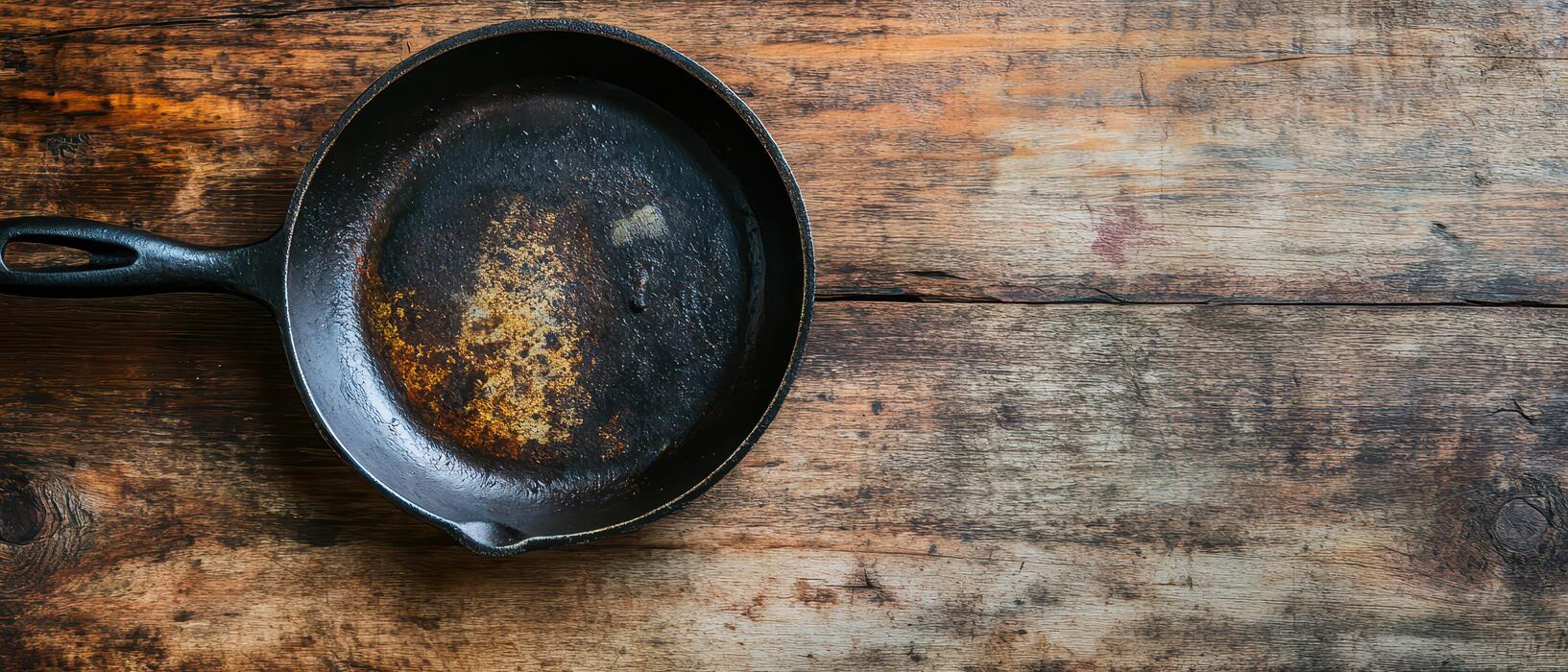
Why seasoning is needed after rust removal
After you scrub rust off a cast iron pan, you also strip away the old seasoning that normally shields the metal from air and moisture. That leaves the surface bare, reactive, and likely to rust again quickly unless you rebuild protection right away.
Seasoning is simply a thin layer of oil baked until it bonds to the iron, creating a harder, darker, more water-resistant finish. This layer also improves cooking by making the pan smoother and less prone to sticking.
Once the pan is fully dry after cleaning, reseason it as soon as possible to prevent flash rust. Even a pan that looks clean can start oxidizing within minutes if left damp. Rust removal fixes the damage; seasoning prevents it from coming back.
How to apply oil for a smooth protective coating
To build a good new layer, start with a pan that is completely dry and slightly warm, which helps oil spread evenly. Use a small amount of a neutral, high-smoke-point oil such as grapeseed, canola, or vegetable oil.
Rub it over the entire pan, including the cooking surface, sides, bottom, and handle. Then wipe it down thoroughly with a clean cloth or paper towel until the pan looks almost dry.
This step is essential because too much oil creates sticky patches, drips, or uneven seasoning instead of a smooth coating. Think of it as leaving only the thinnest possible film behind. If the pan looks glossy or wet, keep wiping.
A very thin layer bakes into a stronger, more durable finish than a heavy one.
Best oven method for building a new season layer
The oven method is the most reliable way to restore seasoning after cleaning up rusty cast iron pans because it heats the entire pan evenly. Preheat your oven to around 450–500°F, depending on the oil you use.
After applying and wiping down a thin coat of oil, place the pan upside down on the center rack so excess oil cannot pool inside. Put foil or a baking sheet on the rack below to catch any drips.
Bake the pan for about one hour, then turn off the oven and let it cool inside gradually. This slow cooling helps the new layer set well. If the finish looks patchy after one round, repeat the process. Thin coats plus full heat exposure create a tougher protective surface.
How many rounds of seasoning give the best results
For a pan that had only light rust, one to two rounds of seasoning may be enough to restore basic protection. If the rust was heavier and you had to scrub down to raw iron, aim for three to four rounds to build a stronger base layer.
More rounds can help, but the biggest improvement usually happens in the first few cycles when the metal is most exposed. After that, regular cooking with oil-rich foods can continue strengthening the finish naturally.
Focus on thin, even coats each time rather than trying to speed things up with extra oil. If the pan feels sticky, that usually means the coat was too thick, not too thin. Several light seasoning rounds give the best balance of rust protection, durability, and cooking performance.
Tips for Preventing Rust on Cast Iron Pans
How to dry cast iron the right way after washing
After you clean up a rusty cast iron pan and wash away any loosened debris, drying it fully is the most important step in preventing rust from coming back.
Never let cast iron air-dry on the counter or sit wet in the sink, because even a few minutes of lingering moisture can start oxidation. Instead, wipe the pan immediately with a lint-free towel, making sure to reach the cooking surface, rim, handle, and underside.
Then place it over low heat on the stove for 3 to 5 minutes so hidden water evaporates from pores and corners. If you notice a dull, chalky look after heating, rub on a very thin layer of oil while the pan is still warm.
This creates a light barrier against humidity. For pans you use often, make drying part of your routine every time you wash. Quick washing plus complete heat-drying is far safer than soaking, and it keeps your restored pan ready to use.
Best oils and storage habits to stop rust
Once your pan is clean and dry, protect it with a very thin coat of oil, not a heavy, sticky layer. Good options include grapeseed oil, canola oil, avocado oil, or refined flaxseed oil if used carefully.
The goal is not to leave the pan greasy, but to buff in a light film that helps block moisture. Add a few drops, spread it across the entire pan, then wipe off the excess until the surface looks almost dry. Too much oil can turn gummy and attract dust.
Storage matters just as much: keep cast iron in a dry, well-ventilated cabinet and avoid stacking damp cookware on top of it. If you must stack pans, place a paper towel or cloth between them to absorb moisture and prevent scratches.
Also avoid storing cast iron with a tight lid on, since trapped humidity can lead to rust. Dry storage plus a buffed oil layer is a simple, reliable defense.
How often to season cast iron for long-term care
For long-term rust prevention, seasoning should be viewed as regular maintenance, not a one-time fix. After you remove rust from a cast iron pan, it is smart to do a full oven seasoning to rebuild protection.
In general, a frequently used pan may only need occasional full seasoning every few months, while a pan used rarely or washed more aggressively may benefit from it monthly until the finish becomes stable.
Between full seasonings, maintain the surface by applying a tiny amount of oil after washing and drying. Signs that your pan needs more attention include a dull gray appearance, sticky patches, rough spots, or food starting to cling.
To season, coat the pan lightly with oil, wipe away excess, and heat it in the oven so the oil bonds to the metal. Consistency matters more than perfection. Light upkeep after each use and deeper seasoning when the surface weakens will help keep rust from returning.
Common Cast Iron Cleaning Mistakes to Avoid
Why soaking cast iron in water can ruin the finish
One of the biggest mistakes when figuring out how to clean up rusty cast iron pans is leaving the pan to soak in water.
Cast iron is highly porous, so standing water can quickly seep into the surface and trigger new rust, even after you have already scrubbed the old rust away. Long soaking also weakens the pan’s seasoning layer, which is the protective coating built from oil and heat.
Instead of soaking, use hot water, a stiff brush, and quick scrubbing to loosen stuck-on debris. If rust is already present, scrub it off, rinse briefly, and dry the pan immediately and completely with a towel and low heat on the stove.
Finish by applying a thin coat of oil to protect the surface from moisture.
How harsh soap and steel wool can affect seasoning
Another common mistake is using too much harsh soap or aggressively scrubbing with coarse steel wool every time you clean the pan. While a small amount of mild soap can be fine occasionally, repeated use of strong degreasers can strip away the seasoned finish that helps prevent rust and sticking.
Steel wool is useful when removing existing rust, but if you keep using it after the rust is gone, it can wear the pan back down to bare metal and make it more vulnerable to damage.
The better approach is to use steel wool only for targeted rust removal, then switch to a gentler scrubber for routine cleaning. After cleaning, always dry thoroughly, heat briefly, and re-season with a light layer of oil to rebuild protection.
What to do if rust comes back after cleaning
If rust returns soon after cleaning, the problem is usually leftover moisture, weak seasoning, or improper storage. First, scrub the rusted spots again using a paste of coarse salt or a small amount of steel wool, then rinse quickly and dry the pan completely with heat, not just a towel.
Once dry, apply a very thin coat of high-smoke-point oil over the entire pan, inside and out, and bake or heat it to restore the seasoning. Make sure you do not leave excess oil, since sticky buildup can interfere with a smooth finish.
For storage, keep the pan in a dry, well-ventilated area and avoid stacking it while damp. If you live in a humid climate, placing a paper towel inside can help absorb moisture and reduce repeat rust.
When it is time to replace a badly damaged pan
Most rusty cast iron can be saved, but there are times when replacement makes more sense. Surface rust, dull seasoning, and minor roughness are usually fixable with scrubbing, drying, and re-seasoning.
However, if the pan has deep pitting, cracks, warping, or flaking metal, it may no longer heat evenly or safely. Cracks are especially serious because they can spread when the pan is heated, and a warped base can make cooking frustrating on flat stovetops.
Before giving up, try a full restoration if the damage is only cosmetic. But if rust has eaten into the metal enough to leave structural weakness or sharp, crumbling areas, replacing the pan is the more practical long-term choice. A solid new pan will season better and perform more reliably.
Frequently Asked Questions
How do I remove rust from a cast iron pan?
Scrub the rusty areas with steel wool or a stiff scrub brush under warm water until the rust is gone. For heavy rust, use a small amount of dish soap, then dry the pan completely right away to prevent more rust from forming.
Can I use vinegar to clean a rusty cast iron pan?
Yes, a short soak in a 50/50 mix of white vinegar and water can help loosen stubborn rust. Do not soak it too long, usually no more than 30 minutes to 1 hour total, because vinegar can start damaging the iron once the rust is removed.
What should I do after removing the rust?
After scrubbing off the rust, rinse and dry the pan thoroughly with a towel and a few minutes over low heat. Then apply a very thin coat of oil and season it in the oven to rebuild the protective layer.
How do I reseason a cast iron pan after cleaning rust?
Rub a thin layer of neutral oil or shortening over the entire pan, then wipe off the excess so it looks almost dry. Bake it upside down at about 450°F for 1 hour, let it cool, and repeat if needed for a stronger seasoning layer.
Is it safe to use soap on rusty cast iron?
Yes, a little dish soap is fine when you are restoring a rusty pan, especially if you need help removing rust and old residue. The key is to dry the pan immediately and reseason it afterward.
When is a rusty cast iron pan too far gone to save?
Most surface rust can be removed and the pan can be restored successfully. If the pan has deep pitting, cracks, warping, or holes, it may not be worth saving or may no longer be safe for regular cooking.
How can I prevent my cast iron pan from rusting again?
Always dry the pan fully after washing and apply a light coat of oil before storing it. Store it in a dry place and avoid leaving it wet, soaking it for long periods, or stacking it while moisture is trapped inside.
Conclusion
With a little patience and regular care, even an old, neglected pan can be restored to great condition. Stay consistent, and your cast iron will reward you with years of reliable cooking.