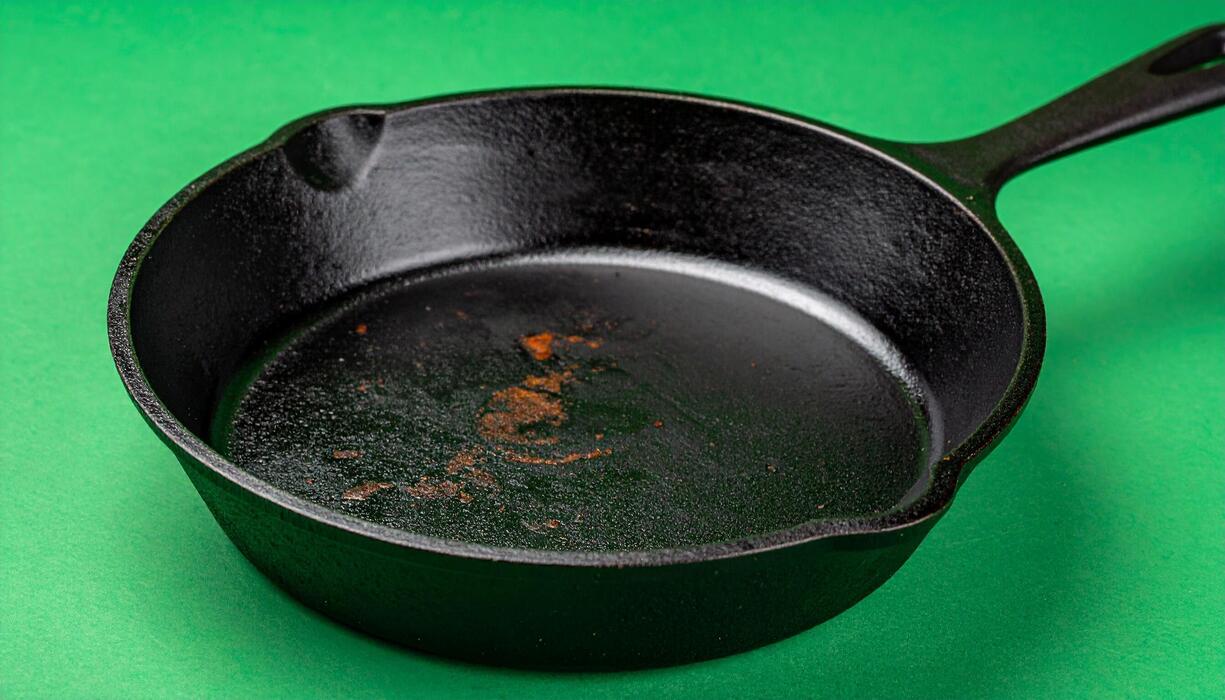
How Do You Clean A Rusted Iron Skillet
how do you clean a rusted iron skillet safely and restore it without ruining the seasoning? You are in the right place. The key is removing the rust completely, drying the pan thoroughly, and reseasoning it so moisture cannot cause more damage. Follow this guide to bring your skillet back to a smooth, usable, nonstick cooking surface for everyday meals again.
Why Iron Skillets Rust and When They Can Be Saved
What causes rust on an iron skillet
Rust forms when bare iron meets moisture and oxygen, and cast iron is especially vulnerable if its seasoning has worn thin. A skillet often starts rusting after it is left soaking in water, put away while still damp, or cleaned so aggressively that the protective oil layer is stripped off.
Even small habits, like air-drying on the counter instead of heating it dry, can lead to orange spots over time. Acidic foods, harsh detergents, and steel wool used too often may also weaken the seasoning and expose fresh metal.
If your goal is to clean a rusted iron skillet, first understand that rust usually means the pan needs both removal of corrosion and rebuilding of seasoning. Most surface rust is not the end of the pan; it is a sign that the skillet needs a careful reset.
The sooner you address it, the easier it is to scrub off and restore.
How to tell light rust from heavy rust damage
A skillet with light rust usually shows thin orange or brown patches on the surface, but it still feels mostly smooth and solid. When you scrub it with a scouring pad, the rust begins to lift without exposing deep pits.
This kind of rust is commonly fixable with coarse salt, a scrubber, vinegar in moderation, or steel wool, followed by a full rinse, drying, and reseasoning. Heavy rust damage, on the other hand, looks darker, rougher, and more uneven.
You may notice flaking, crusty buildup, widespread corrosion on both inside and outside, or pitting that remains after the rust is removed. Run your fingers carefully across the surface; if it feels deeply cratered rather than just stained, more restoration work is needed.
The key difference is whether the metal beneath is still structurally sound. Rust color alone does not decide it; surface texture and depth of damage matter much more.
When a rusted skillet is still safe to restore
A rusted skillet is usually safe to restore if the rust is superficial, removable, and the pan remains structurally strong. Cast iron is durable, so even a skillet with widespread surface rust can often come back if there are no cracks, no warping, and no severe metal loss.
After cleaning, inspect the pan closely under good light. If the body of the skillet is intact and the cooking surface can be scrubbed down to firm metal, it is generally worth saving. Deep pitting may affect cooking performance, but it does not always make the pan unusable.
However, if you find cracks, holes, sharp flaking layers, or a wobble from heat damage, restoration may not be practical or safe. For most pans, the solution is simple: remove the rust thoroughly, dry the skillet completely, and apply several thin layers of seasoning.
In many cases, a rusty skillet needs restoration, not replacement.
What You Need to Clean a Rusted Iron Skillet
Basic cleaning tools and supplies
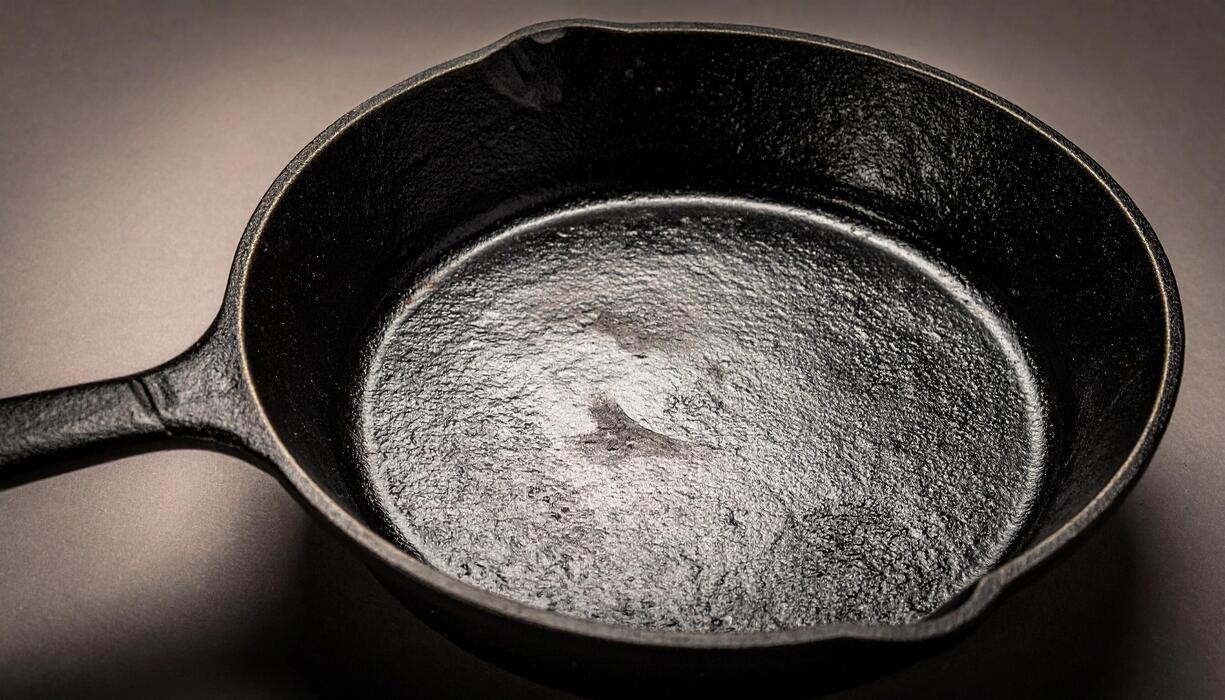
To clean a rusted iron skillet effectively, gather a few simple, low-cost supplies before you start. You’ll want warm water, a small amount of dish soap, paper towels or clean cloths, a stiff brush or nonmetal scrub pad, and a dry towel for immediate drying.
It also helps to have kosher salt for extra scrubbing power and high-smoke-point oil such as vegetable, canola, or grapeseed oil for re-seasoning after the rust is removed. If the rust is heavier, keep white vinegar and baking soda nearby, but use them carefully and only when needed.
A pair of rubber gloves can make the process easier, especially if you are working with vinegar or a lot of scrubbing. Most importantly, have a way to dry the skillet completely, such as placing it on the stovetop over low heat for a few minutes.
Moisture left behind is what allows rust to come back quickly.
Best scrubbers for removing rust without damage
The best scrubber for a rusted iron skillet depends on how deep the rust is, but the goal is always the same: remove rust without gouging the pan. For light surface rust, start with a non-scratch scrub pad, stiff nylon brush, or coarse salt on a folded paper towel.
These options are strong enough to lift oxidation while being gentle on the iron itself. For moderate rust, a chainmail scrubber is a popular choice because it removes buildup efficiently without shaving away healthy metal.
If the skillet is heavily rusted, fine steel wool can work, but use it with controlled pressure and only as much as needed. Avoid overly aggressive grinding tools unless the damage is severe, because they can create uneven spots. As you scrub, rinse and check progress often.
Once the orange rust is gone and the surface feels smoother, stop scrubbing, dry the skillet thoroughly, and move on to re-seasoning.
When to use vinegar, baking soda, or dish soap
Dish soap, vinegar, and baking soda each have a specific role when cleaning a rusted iron skillet. Use dish soap and warm water first for general cleaning, especially if the skillet has grease, stuck-on food, or dusty surface rust.
A small amount is fine and can help you see the true condition of the pan. Use white vinegar when rust is more stubborn, because its acidity helps dissolve oxidation.
The safest method is a short soak in a 1:1 mix of vinegar and water, checking the skillet frequently and removing it as soon as the rust loosens. Don’t leave it soaking too long, since vinegar can start affecting the iron itself.
Use baking soda as a gentle scrubbing booster or to help neutralize lingering vinegar after treatment. It’s useful for light polishing, but it won’t do much alone on heavy rust. After any of these methods, always rinse, dry fully, and oil the skillet right away.
How to Clean a Rusted Iron Skillet Step by Step
How to scrub off surface rust
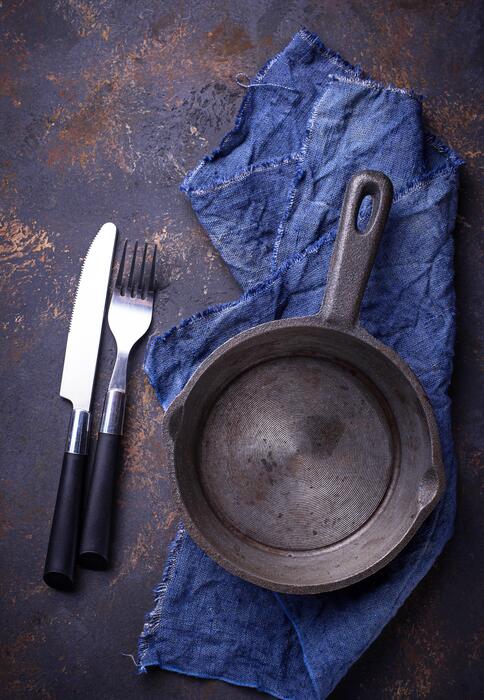
Start by placing the rusted skillet in the sink and sprinkling the affected areas with a little coarse salt or baking soda for extra abrasion. Use steel wool, a scouring pad, or a stiff brush to scrub in small circular motions, focusing on orange-brown spots and flaky areas.
Add a few drops of warm water as needed to loosen debris, but do not leave the pan wet for long. Keep scrubbing until the surface feels smoother and most of the rust is gone. For light rust, this step is often enough to restore the skillet.
The goal is to remove only the rust and loose buildup without overthinking perfection. Once the visible rust is gone, move quickly to rinsing so moisture does not create new rust.
How to soak the skillet for stubborn rust spots
If scrubbing alone does not remove deep or stubborn rust, prepare a short soak using equal parts white vinegar and water. Submerge the skillet or fill only the rusted area, and check it every 15 to 30 minutes.
Vinegar helps dissolve rust, but leaving cast iron in it too long can damage the metal, so do not soak for hours unattended. Once the rust starts loosening, remove the skillet and scrub again with steel wool or a brush. Repeat only if necessary, using the shortest soak possible.
This method works best for heavy rust that has bonded to the surface. As soon as the rust is lifted, rinse the pan thoroughly to stop the vinegar from continuing to react with the iron.
How to rinse and dry the pan the right way
After the rust is removed, rinse the skillet under warm water to wash away loosened particles, salt, vinegar, or baking soda residue. Dry it immediately with a clean towel, then place it on the stove over low heat for several minutes so all hidden moisture evaporates.
This step is essential because cast iron can begin rusting again very quickly if left damp. Once the pan is completely dry and warm, rub in a thin layer of cooking oil over the entire surface, including the sides and handle.
Buff away any excess so it does not feel sticky. If the skillet lost a lot of seasoning during cleaning, finish by heating it in the oven to rebuild a protective layer. Proper drying is what keeps the rust from coming back.
Mistakes to avoid while cleaning
The biggest mistake is letting the skillet stay wet after cleaning, because even a little moisture can restart rust. Another common problem is soaking the pan in vinegar too long, which can strip and pit the iron instead of just removing rust.
Avoid using dishwashers, harsh chemical cleaners, or leaving the skillet in soapy water overnight. Do not store the pan before it is fully dry and lightly oiled. It is also unhelpful to stop after removing rust without restoring protection, since bare iron is vulnerable right away.
If you scrub aggressively, make sure you follow up with drying and seasoning. Finally, do not panic if the skillet looks dull after cleaning—cast iron is durable, and with proper oiling and re-seasoning, most rusted pans can be brought back into regular use.
How to Remove Heavy Rust From an Iron Skillet
Best ways to handle deep rust buildup
If your pan has flaky orange patches or a rough, uneven surface, start by washing off loose debris with warm water and a little dish soap. For heavy rust, the most effective approach is a short vinegar-and-water treatment followed by firm scrubbing.
Mix equal parts white vinegar and water in a container large enough to hold the skillet, or plug the sink and fill it just enough to cover the rusted areas. Check the pan often, because vinegar removes rust but can also start eating into bare iron if left too long.
After soaking, scrub with steel wool or a stiff brush until the rust loosens. Rinse immediately, dry completely with a towel and low heat on the stove, then apply a thin coat of oil. If rust remains, repeat the process in short rounds instead of doing one long soak.
Finish by re-seasoning the skillet in the oven so the iron is protected again.
How long to soak a skillet in vinegar safely
A rusted iron skillet should usually soak in a 50/50 vinegar and water solution for about 30 minutes to 2 hours, depending on how severe the rust is. The key is to check it every 15 to 30 minutes rather than walking away and forgetting it.
Light rust may release quickly, while deeper rust might need a little longer, but leaving cast iron submerged for too long can damage the metal surface and create pitting. If the rust is stubborn, it is safer to do several short soaks with scrubbing in between than one extended soak.
Once the rust starts lifting, take the skillet out, scrub it, and rinse it well right away. Then dry it thoroughly, including heating it briefly on the stove to remove hidden moisture.
After drying, rub on a very thin layer of oil and begin the re-seasoning process immediately so fresh rust does not form.
How to use steel wool without ruining the pan
Steel wool is one of the best tools for cleaning a rusted iron skillet, but it works best when used with controlled pressure and a clear goal: remove rust, not grind away healthy iron.
Start with the skillet damp from rinsing or soaking, then scrub the rusty spots in small circles using medium pressure. Focus on areas with visible rust, roughness, or orange staining.
It is normal for old seasoning to come off during this step, especially if the skillet is badly rusted, so do not worry if the pan looks gray and bare afterward. Avoid over-scrubbing smooth, clean sections once the rust is gone.
If needed, switch between fine steel wool and a scraper or brush to avoid excessive abrasion. When the surface feels mostly smooth and the rust is removed, rinse away all residue, dry the skillet completely, and coat it lightly with oil.
The final step is re-seasoning, which restores the protective nonstick layer.
How to Reseason an Iron Skillet After Rust Removal
Why seasoning matters after cleaning rust
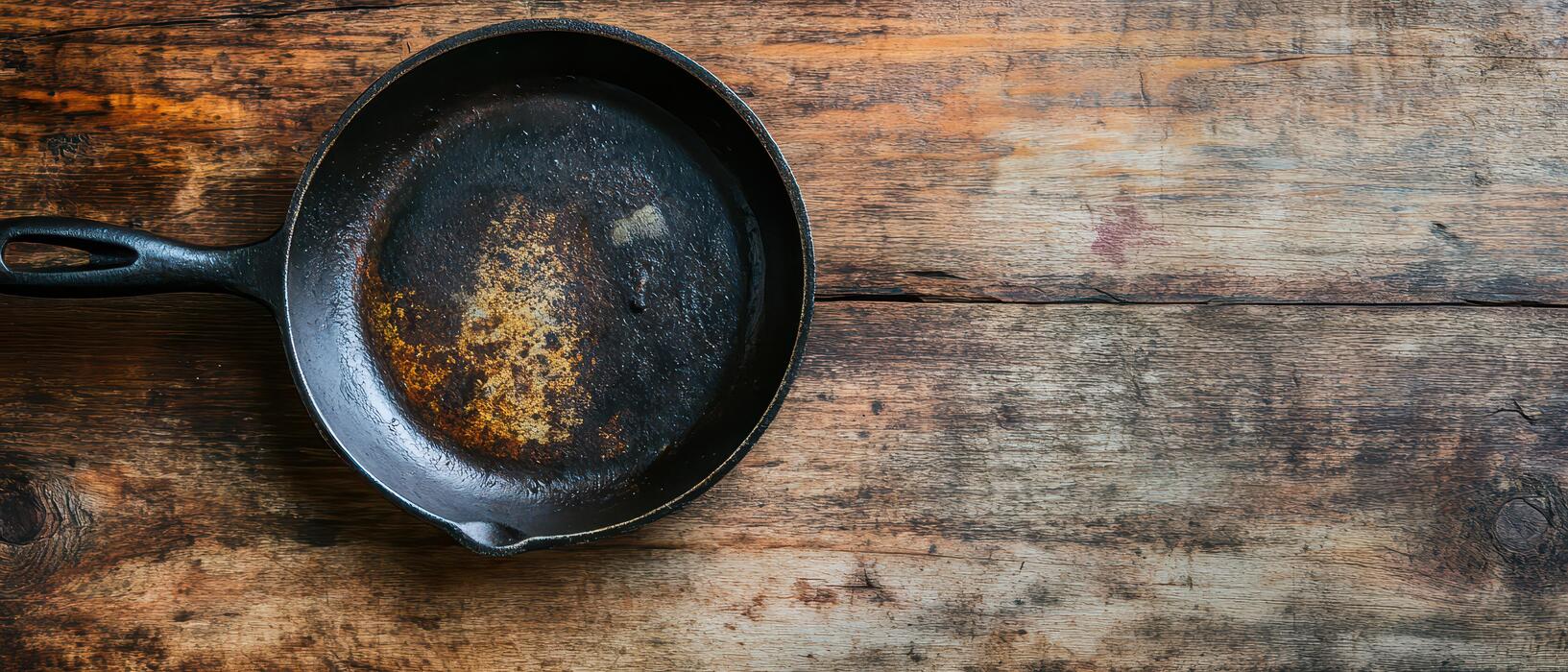
After you clean a rusted iron skillet, reseasoning is essential because rust removal strips away the skillet’s protective layer. Bare cast iron is highly reactive, so without fresh seasoning it can quickly flash rust as soon as moisture hits the surface.
Seasoning works by bonding a thin layer of oil to the metal through heat, creating a natural barrier that helps prevent rust, improves nonstick performance, and makes future cleaning easier.
Before seasoning, make sure the pan is completely dry by heating it briefly on the stove or in a warm oven. If any damp spots remain, rust can return underneath the new coating. Think of seasoning as the step that restores the skillet after cleaning, not an optional extra.
How to apply oil for a smooth finish
For a smooth, durable finish, use a very thin coat of oil rather than a heavy layer. Good choices include grapeseed, canola, vegetable oil, or flaxseed oil, though any neutral oil with a moderate to high smoke point can work.
Pour a small amount onto the warm skillet, then rub it over the entire pan, including the bottom, handle, and sides. After that, take a clean cloth or paper towel and wipe off as much oil as possible until the skillet looks almost dry.
This step is the key to avoiding sticky, blotchy seasoning. Excess oil can pool and harden unevenly, leaving a tacky surface. Thin coats bond better to the iron and build a stronger, smoother layer over multiple rounds.
Best oven method for reseasoning cast iron
The oven method is one of the most reliable ways to reseason a skillet after rust removal because it heats the pan evenly. Start by preheating your oven to 450–500°F.
Once the skillet has a thin coat of oil, place it upside down on the center rack so excess oil cannot collect inside the cooking surface. Put a sheet of foil or a baking tray on the lower rack to catch drips.
Bake the skillet for one hour, then turn off the oven and let the pan cool inside. This slow cooling helps the new layer set properly. If the skillet was heavily rusted, repeat the process. The finish should gradually darken and become more protective with each complete oven cycle.
How many seasoning layers the skillet may need
A skillet that had only light surface rust may need just one or two seasoning rounds, while a pan that was deeply rusted or scrubbed down to bare metal often benefits from three to six layers.
The goal is not to get a perfect black finish immediately, but to build a reliable protective coating that improves with use. After each round, check whether the surface feels dry and smooth rather than sticky. Uneven color is normal at first, especially after major rust removal.
If the pan still looks dull or vulnerable, add another thin layer and bake again. Once reseasoned, keep strengthening the coating by cooking foods with a little oil and avoiding long soaking. Consistent use helps the skillet recover fully over time.
Tips for Keeping an Iron Skillet From Rusting Again
How to dry and store the skillet properly
After you clean a rusted iron skillet and re-season it, thorough drying is the most important step to keep rust from returning. Never let the pan air-dry on the counter or sit in a dish rack with water trapped around the rim, handle, or pour spouts.
Instead, wipe it immediately with a clean towel, then place it on the stove over low heat for 3 to 5 minutes so hidden moisture evaporates completely. Once dry, let it cool slightly before putting it away.
Store the skillet in a dry, low-humidity spot with good airflow, not under a damp sink or stacked while still warm. If you stack cookware, place a paper towel or clean cloth between pans to absorb any lingering moisture and prevent scratches to the seasoning.
Also make sure the lid, if it has one, is stored separately or slightly ajar so condensation does not form inside the pan.
Best oils to use after each wash
A light coat of oil after washing helps create a barrier that keeps oxygen and moisture from reaching the iron. The key is to use just a very thin layer, not enough to leave the skillet sticky.
Good choices include grapeseed oil, canola oil, avocado oil, or vegetable oil because they spread easily and support regular maintenance seasoning.
After the pan is fully dry, add a few drops of oil and rub it over the entire surface, including the sides, bottom, and handle, with a paper towel or lint-free cloth. Then wipe again with a clean towel so the pan looks almost dry; excess oil can turn gummy.
If you want extra protection, heat the oiled skillet on the stove for a minute or two to help the coating set. Avoid heavy applications of butter, bacon grease, or olive oil for storage, since they can become rancid or leave a tacky finish over time.
Simple daily habits that prevent rust
Keeping rust away is easier when you make small daily habits part of your routine. Clean the skillet soon after cooking, ideally once it is cool enough to handle, so food residue does not trap moisture against the metal.
Use hot water, a brush, and coarse salt if needed, and avoid soaking the pan for long periods. If food is stuck, simmer a little water in the skillet for a minute instead of leaving it submerged in the sink.
After washing, always dry it completely and add that thin oil coat before storing. Try to use the skillet regularly, because frequent cooking and light re-oiling help maintain the seasoning. Acidic foods like tomato sauce can weaken the protective layer if cooked too long, so re-oil afterward when needed.
Finally, check the pan occasionally for dull gray spots, orange specks, or rough patches so you can touch up the seasoning before rust spreads and becomes harder to remove.
Common Questions About Cleaning a Rusted Iron Skillet
Can you use soap on a rusted iron skillet
Yes, you can use a small amount of dish soap on a rusted iron skillet, especially when you are trying to remove rust, grime, and old buildup. Start by scrubbing the pan with warm water, mild soap, and a nonmetal brush or scrub pad.
For heavier rust, use steel wool or fine-git scrubbers to get down to clean metal. The goal is to remove the rust completely, not protect old seasoning that is already damaged.
After washing, dry the skillet immediately and thoroughly with a towel, then place it on low heat for a few minutes to remove hidden moisture. Finish by applying a very thin coat of oil and reseasoning the pan in the oven so it is protected from rust returning.
Is a rusted skillet ruined for good
Usually, a rusted cast iron skillet is not ruined. In most cases, surface rust can be removed and the pan can be restored with a good scrub and fresh seasoning.
Even if the rust looks extensive, cast iron is durable enough to handle aggressive cleaning with steel wool, coarse salt, or a rust eraser. After removing all visible rust, rinse, dry completely, and heat the pan briefly to drive off moisture.
Then apply a thin layer of high-smoke-point oil and bake it to rebuild the protective coating. A skillet may only be beyond saving if it has deep pitting, cracks, warping, or structural damage.
If it is solid metal with no cracks, it can almost always be cleaned, reseasoned, and used again.
Can rust come back after reseasoning
Yes, rust can come back after reseasoning if moisture reaches the iron or the seasoning layer is too thin, uneven, or damaged. To prevent that, make sure you remove all rust completely before oiling the pan, because any rust left behind can keep spreading under the new coating.
After each use, wash the skillet, dry it right away, and place it over low heat for a minute or two so no water remains. Then wipe on a very light coat of oil while the pan is still warm.
Store it in a dry place with good airflow, and avoid leaving it wet in the sink. If you notice dull spots or orange discoloration, touch up the seasoning early before rust becomes a larger problem.
What to do if food still sticks after cleaning
If food still sticks after cleaning a rusted iron skillet, the pan likely needs more seasoning and better preheating. After rust removal, one round of seasoning may not be enough to create a smooth, durable cooking surface.
Apply very thin coats of oil and bake the skillet through several seasoning cycles if needed. When cooking, always preheat the pan slowly before adding oil or food, since cast iron releases food better once it is evenly hot.
Use enough fat for the first few uses while the seasoning builds back up. Sticky spots can also mean too much oil was used during seasoning, leaving a tacky finish, so wipe excess oil off before baking.
Regular use, especially cooking foods like potatoes or cornbread, helps improve the surface over time.
Frequently Asked Questions
How do you clean a rusted iron skillet safely?
Scrub the rust off with steel wool, a stiff brush, or fine-grit sandpaper under warm water. Use a small amount of mild dish soap if needed, then rinse, dry the skillet completely, and re-season it right away to prevent new rust from forming.
What is the best way to remove heavy rust from a cast iron skillet?
For heavy rust, use coarse steel wool or a metal scrubber and work until you reach bare iron. If the rust is widespread, you can also soak the skillet briefly in a 50/50 vinegar-and-water solution, but do not leave it too long because vinegar can damage the iron.
Can you use vinegar to clean a rusted iron skillet?
Yes, vinegar can help dissolve rust when mixed equally with water. Soak the skillet for short intervals, check it often, scrub away loosened rust, then rinse, dry thoroughly, and season the pan immediately.
Do you need soap to clean rust off an iron skillet?
Soap is optional when removing rust, but a little mild dish soap is fine if it helps lift residue and debris. The key step is not the soap, but making sure the skillet is fully dried and re-seasoned after cleaning.
How do you re-season a skillet after removing rust?
After the skillet is clean and completely dry, rub on a very thin layer of oil over the entire surface. Bake it upside down in the oven at about 450°F for an hour, let it cool, and repeat if needed to rebuild the protective seasoning.
What oil should you use to season a rusted iron skillet after cleaning?
Use a neutral oil with a relatively high smoke point, such as grapeseed, canola, or vegetable oil. Apply only a thin coat, because too much oil can leave the surface sticky instead of smooth.
How can you prevent a cast iron skillet from rusting again?
Dry the skillet immediately after washing, ideally by heating it briefly on the stove to remove all moisture. Keep a light layer of seasoning on the pan and store it in a dry place so humidity does not cause rust to return.
Conclusion
With regular care, your skillet can stay durable, nonstick, and ready for everyday cooking. Don’t be discouraged by rust—just a little effort can bring your cast iron back to life and keep it in great shape for years.