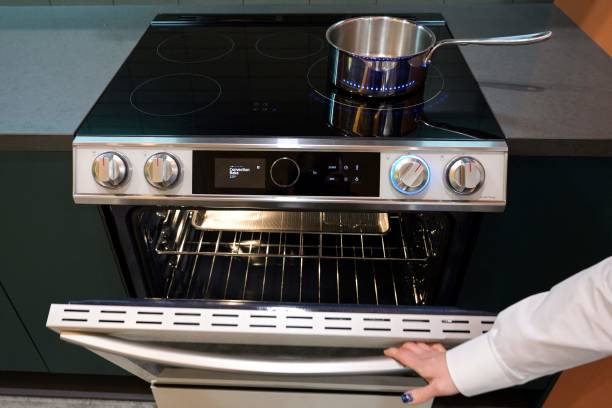
How to Clean a Flat Cooktop Safely and Effectively
To clean a flat cooktop effectively, start by applying a specialized glass cleaner or a paste of baking soda and water to the cooled surface. Gently scrub the area with a non-abrasive pad to lift stubborn burnt-on food and grease, ensuring you avoid harsh scouring tools that could permanently scratch the delicate glass.
Maintaining a pristine cooktop requires patience and the right technique rather than aggressive force. While it is tempting to scrub vigorously, doing so often damages the finish and reduces the appliance’s efficiency over time. Understanding how to treat these surfaces correctly will keep your kitchen looking professional while extending the lifespan of your stove.
This guide provides a straightforward, step-by-step approach to removing stubborn burnt-on food and grease without scratching the delicate glass surface, ensuring your kitchen remains both functional and pristine. Follow these practical methods to restore your cooktop’s shine and enjoy a cleaner, more efficient cooking experience every single day in your home.

Essential Safety Precautions Before You Start
Before you begin cleaning your flat cooktop, your primary focus must be safety. Cleaning a hot surface is dangerous and can lead to severe burns. Always wait until the glass is completely cool to the touch before applying any cleaning solutions. Using liquids on a hot surface can also cause thermal shock, which may lead to irreversible cracking of the glass.
If you are planning a deep clean that involves removing stubborn, burnt-on residue, it is wise to disconnect the power supply. You can do this by unplugging the unit or flipping the dedicated circuit breaker in your home’s electrical panel. This simple step prevents the cooktop from accidentally turning on while you are working, ensuring you can scrub safely without the risk of heating elements engaging.
Protecting the integrity of the glass surface is just as important as your personal safety. Flat cooktops are prone to permanent damage if treated with the wrong tools. Avoid these items at all costs:
- Steel wool: These metal fibers will leave deep, permanent scratches in the glass finish.
- Harsh scouring pads: Heavy-duty abrasive sponges can dull the surface and trap grime in microscopic scratches.
- Metal scrapers (unless specifically designed for glass): Using a standard knife or metal spatula will gouge the surface instantly.
Instead, rely on microfiber cloths, soft sponges, or specialized cooktop scrapers designed for glass surfaces. If you are unsure about a specific tool, test it on a small, inconspicuous area first. By taking these precautions, you ensure that your cooktop remains in pristine condition for years to come while keeping your kitchen environment safe and hazard-free.
Gathering the Right Tools and Cleaning Agents
Before you begin, ensure the cooktop is completely cool to the touch. Cleaning a hot surface can cause the cleaning solution to evaporate too quickly, leaving behind stubborn streaks or potentially damaging the glass finish.
To achieve a streak-free shine, you need the right tools. Avoid steel wool or abrasive scouring pads, as these will permanently scratch the glass surface. Instead, assemble the following essentials:
- Dedicated glass cooktop cleaner: Formulated to cut through grease without damaging the surface.
- Baking soda and water: A gentle, effective DIY alternative if you prefer a natural cleaning paste.
- Microfiber cloths: These are essential for buffing the surface without leaving lint behind.
- Soft-bristle sponge: Use the non-scratch side for scrubbing away light residue.
- Specialized razor-blade scraper: Specifically designed for glass cooktops, this tool is vital for removing burnt-on food or hardened sugar spills that a cloth cannot lift.
If you have sensitive skin, wear a pair of rubber or nitrile gloves. Even mild cleaning agents can strip natural oils from your hands, leading to dryness or irritation during the scrubbing process.
When using a razor-blade scraper, always hold the blade at a low angle—ideally around 30 to 45 degrees—to prevent gouging the glass. Apply light, steady pressure and work in short, controlled strokes. If you feel the blade catching, stop immediately and re-apply your cleaning solution or paste to soften the debris further.
Keep your cleaning cloths clean; if a cloth becomes saturated with grease, it will simply smear the grime around rather than lifting it. Having two or three fresh microfiber cloths on hand will make the final buffing stage much easier. Once the surface is clear of debris, a final wipe with a damp cloth followed by a dry buffing motion will restore the cooktop’s original luster. Proper preparation is the most important step in preventing accidental damage while maintaining your appliance’s longevity.

Step-by-Step Cleaning Process for Daily Maintenance
Maintaining a pristine flat cooktop requires a consistent, gentle approach. By addressing spills and grease daily, you prevent stubborn, baked-on residue that can be difficult to remove without risking scratches to the glass surface.
Follow these steps to keep your cooktop looking brand new:
- Clear debris: Before applying any liquid, use a soft, dry cloth or a dedicated microfiber towel to wipe away loose crumbs, dust, or dry food particles. This prevents dragging grit across the glass during the cleaning process.
- Apply the solution: Spray your chosen cooktop cleaner or a mild vinegar-based solution onto the surface. Allow it to sit for three to five minutes. This dwell time is crucial, as it softens grease and oils, making them much easier to lift.
- Wipe clean: Using a damp microfiber cloth, wipe the surface in gentle, circular motions. The microfiber texture effectively traps loosened grime without requiring heavy scrubbing.
- Buff to shine: Once the surface is clean, take a separate, completely dry microfiber cloth. Buff the glass in small circles until all moisture is gone and the surface is streak-free and shiny.
Always ensure the cooktop is completely cool to the touch before you begin cleaning. Applying liquid cleaners to a hot surface can cause the solution to evaporate too quickly, potentially leaving behind mineral deposits or streaks. Furthermore, never use abrasive sponges, steel wool, or scouring powders, as these will cause permanent micro-scratches on the glass.
For the best results, keep your cleaning cloths clean and dedicated solely to this task. If you notice a persistent ring around a burner, repeat the application process rather than applying extra pressure. Consistent, light maintenance is far safer for your appliance than aggressive scrubbing. By making this quick process part of your post-cooking routine, you preserve the integrity of the glass and ensure your kitchen remains a functional, beautiful space for all your culinary needs.
Removing Stubborn Burnt-On Residue
When dealing with stubborn, hardened spills that refuse to budge with a standard wipe, you need to allow your cleaning agent to do the heavy lifting. Apply a generous, even layer of your glass-ceramic cleaner over the affected area. Instead of scrubbing immediately, let the product dwell for at least 10 to 15 minutes. This extended contact time softens the carbonized residue, making it significantly easier to remove without excessive force.
Once the cleaner has worked its magic, a glass scraper is your most effective tool for lifting the remaining debris. To use it safely and effectively, follow these guidelines:
- Hold the scraper at a strict 45-degree angle to the cooktop surface.
- Keep the blade perfectly flat against the glass to ensure even pressure and prevent the corners from gouging the material.
- Use gentle, steady, and short motions to lift the residue rather than digging into it.
- Always inspect your blade before starting; it must be sharp and completely free of rust.
Using a dull or damaged blade is the most common cause of permanent scratches on glass cooktops. If the blade feels like it is catching or dragging, stop immediately and replace it with a fresh one. Never use a metal scraper on a dry surface; always ensure there is a layer of cleaner or a damp cloth between the blade and the glass to act as a lubricant.
After you have successfully lifted the burnt-on bits, wipe the area clean with a soft, damp microfiber cloth. If any residue remains, repeat the process rather than applying more pressure. Patience is your best defense against accidental damage. Once the surface is clear, buff the area with a dry cloth to restore the shine and remove any lingering cleaning solution streaks. Regularly addressing these spots prevents them from hardening into permanent stains that can compromise the integrity of your cooktop’s finish over time.

Troubleshooting and Long-Term Care Tips
Even with the most diligent cleaning routine, accidents can happen. If you discover deep scratches or visible cracks in your glass cooktop, stop using the appliance immediately. Damaged glass compromises the structural integrity of the surface and poses a significant safety hazard, including the risk of electrical shorts or further shattering under high heat. Contact a professional technician for a formal inspection before attempting to use the cooktop again.
To preserve the longevity of your cooktop and prevent future abrasions, adopt these proactive maintenance habits:
- Address spills instantly: Sugary spills, such as syrups or tomato-based sauces, can bond to the glass surface when heated. Wipe these up as soon as the surface is cool enough to touch safely to prevent permanent pitting or staining.
- Lift, don’t slide: Never drag heavy cast iron pans or stoneware across the glass. These materials are often abrasive and can leave permanent scratches even if they appear smooth. Always lift your cookware to reposition it.
- Use compatible cookware: Ensure the bottoms of your pots and pans are flat and clean. Rough or warped cookware bases act like sandpaper on glass, causing micro-scratches that dull the finish over time.
- Avoid abrasive tools: Never use steel wool, scouring pads, or harsh chemical oven cleaners. These will permanently damage the glass finish. Stick to microfiber cloths and specialized cooktop cleaning creams recommended by the manufacturer.
Consistency is the best form of long-term care. By treating the glass surface as a delicate finish rather than a heavy-duty countertop, you minimize the risk of damage. Regularly checking the condition of your cookware bottoms is a simple, often overlooked step that prevents the majority of surface wear. If you notice the cooktop failing to heat evenly or displaying error codes alongside surface damage, these are clear indicators that internal components may have been compromised by debris or moisture entering through a crack. Prioritize professional repair to ensure your kitchen remains a safe environment for daily cooking.