How To Clean A Burnt Microwave
Burnt food in the microwave is a nightmare, but don’t panic—we’ve all been there! The smell alone can be overwhelming, and scrubbing feels impossible. Luckily, cleaning a burnt microwave is easier than you think, and you probably have everything you need right now. In this article, we’ll show you simple, effective ways to remove stubborn stains and odors in minutes. Say goodbye to the mess and hello to a sparkling microwave—let’s get it clean fast!
What Is the Fastest Way to Clean a Burnt Microwave?
The Steam Cleaning Method Using Vinegar and Water
The fastest way to tackle a burnt microwave is by using the steam cleaning method with vinegar and water. Start by filling a microwave-safe bowl with equal parts water and white vinegar.
Place it in the microwave and heat on high for 5-10 minutes, allowing the mixture to come to a boil and create steam. Let it sit for another 5 minutes to let the steam loosen the grime.
The acidity of the vinegar will help break down stubborn burnt spots and neutralize odors. Afterward, carefully remove the bowl (it’ll be hot!) and wipe down the interior with a damp cloth or sponge. For tough spots, use the warm vinegar water as a cleaning solution.
This method requires minimal effort and works quickly to restore your microwave’s cleanliness without harsh chemicals.
Using Lemon to Cut Through Grease and Odors
If you prefer a fresher scent, lemon is an excellent alternative for cleaning a burnt microwave. Slice a lemon in half and squeeze the juice into a bowl of water, then drop the lemon halves in. Microwave the bowl for 3-5 minutes to create steam, similar to the vinegar method.
The citric acid in lemons naturally cuts through grease and eliminates lingering burnt smells. Let the steam sit for a few minutes before wiping the interior with a cloth. The lemon’s natural oils leave behind a pleasant fragrance, making this method both effective and aromatic.
It’s a simple, eco-friendly way to tackle messes while leaving your microwave smelling fresh. Plus, the acidic properties help dissolve dried-on food, making cleanup a breeze.
Cleaning with Dish Soap for a Fresh Scent
For a quick and gentle clean, dish soap works wonders on a burnt microwave. Fill a microwave-safe bowl with warm water and add a few drops of mild dish soap. Microwave it for 2-3 minutes to create steam, which will loosen dirt and grime.
Let it sit for a minute before removing the bowl. The soapy water can then be used to wipe down the interior, focusing on stubborn spots with a sponge or cloth. Dish soap is great for cutting through grease and leaves a light, fresh scent.
This method is ideal for regular maintenance and doesn’t require strong odors like vinegar or lemon. It’s a simple, everyday solution to keep your microwave sparkling clean with minimal effort.
How Do You Remove Stubborn Burnt Food Residue?
Using Baking Soda Paste for Tough Stains
For stubborn burnt residue, a baking soda paste works wonders. Mix 3 tablespoons of baking soda with enough water to form a thick spreadable paste. Apply it generously to the burnt areas inside your microwave, focusing on the spots where food has stuck or charred.
Let it sit for 15-20 minutes to break down the grime. The gentle abrasiveness of baking soda helps lift the residue without scratching the surface. Afterward, wipe it away with a damp cloth or sponge. For extra tough spots, let the paste sit a bit longer or repeat the process.
This method is safe, inexpensive, and effective for most microwave surfaces, including stainless steel and glass. Just remember to rinse thoroughly to remove any leftover baking powder residue, which can leave a film if not cleaned properly.
Scrubbing with a Magic Eraser or Melamine Sponge
Magic Erasers or melamine sponges are excellent for scrubbing away burnt-on food without harsh chemicals. Wet the sponge and gently scrub the affected areas in circular motions. The fine micro-abrasive texture helps lift stubborn stains while being gentle enough to avoid scratches.
For best results, dampen the sponge and squeeze out excess water before use. Focus on one section at a time, rinsing the sponge frequently to avoid spreading grime. If the stain is particularly stubborn, let the sponge sit on the spot for a minute before scrubbing.
This method works well for both the interior walls and the turntable. Avoid using melamine sponges on non-stick or delicate surfaces, as they can be too abrasive. Always wipe the microwave down afterward with a clean, damp cloth to remove any sponge debris.
Loosening Crusty Spots with Hot Water Soaking
Hot water soaking is a simple yet effective way to loosen crusty burnt food. Fill a microwave-safe bowl with 1 cup of water and heat it on high for 3-5 minutes until it boils. The steam will soften the residue, making it easier to wipe away.
Carefully remove the bowl (it’ll be hot!) and let the steam sit for another 5 minutes. Then, use a damp cloth or sponge to wipe down the interior. For extra cleaning power, add a slice of lemon or a tablespoon of vinegar to the water before heating.
This method is perfect for light to moderate burnt spots and leaves your microwave smelling fresh. For tougher residue, repeat the process or combine it with another method like baking soda paste. Always dry the interior thoroughly to prevent moisture buildup.
How Do You Get the Burnt Smell Out of a Microwave?
Neutralizing Odors with Baking Soda Overnight
Baking soda is a powerful, natural odor neutralizer that can tackle even the toughest burnt smells in your microwave. Start by wiping down the interior with a damp cloth to remove any loose debris or food particles.
Then, mix a few tablespoons of baking soda with a small amount of water to form a thick paste. Apply this paste to the walls, ceiling, and floor of the microwave, focusing on areas with visible stains or lingering odors.
Let it sit overnight to allow the baking soda to absorb the smells and break down the residue. In the morning, wipe away the paste with a damp cloth or sponge. For stubborn odors, place an open box of baking soda inside the microwave and leave it for 24-48 hours.
This method is gentle, effective, and safe for regular use, leaving your microwave smelling fresh without harsh chemicals.
Absorbing Smells with Coffee Grounds or Vanilla
If baking soda isn’t enough, coffee grounds or vanilla extract can work wonders to mask and absorb burnt odors. Used coffee grounds are excellent for this—simply place a bowl of dry, used grounds in the microwave and leave it for a few hours or overnight.
The coffee will naturally absorb the odors, leaving a mild, pleasant scent behind. Alternatively, vanilla extract offers a sweet solution. Pour a small amount of vanilla into a microwave-safe bowl and heat it for 30-60 seconds, then leave it inside with the door closed.
The vanilla vapor will coat the interior and neutralize the burnt smell. For an extra boost, combine vanilla with a teaspoon of water. Both methods are quick, affordable, and use household items, making them perfect for a natural, aromatic fix.
Using Activated Charcoal to Eliminate Lingering Scents
Activated charcoal is a highly effective odor absorber, perfect for stubborn, lingering burnt smells in your microwave. Unlike regular charcoal, activated charcoal is processed to increase its surface area, making it a powerful odor absorber.
Place a small bowl or pouch of activated charcoal inside the microwave and leave it for 24-48 hours. The charcoal will trap and neutralize the odors without leaving any scent of its own. For best results, ensure the microwave is clean and dry before placing the charcoal inside.
You can also reuse the charcoal by leaving it in the sun for a few hours to recharge its absorbing properties. This method is ideal for persistent smells and works well in combination with other cleaning techniques. It’s a low-effort, chemical-free way to keep your microwave smelling fresh and clean.
How Do You Clean the Microwave Door and Exterior?
Wiping Down the Control Panel Safely
Start by unplugging your microwave to avoid accidental button presses while cleaning. For the control panel, use a soft, damp cloth with a mixture of mild dish soap and warm water.
Gently wipe the display and buttons without applying too much pressure, as excessive moisture can seep into the electronics and cause damage. Avoid using abrasive cleaners, paper towels, or scrubbing pads that might scratch the surface.
If there are stubborn stains, a little baking soda on the cloth can help lift them without scratching. After wiping, use a dry cloth to remove any remaining moisture.
Remember, the control panel is sensitive, so always spray your cloth first rather than directly spraying the panel to keep water away from the internal components. This simple step ensures your microwave stays functional while looking clean.
Cleaning Grease from the Door Handle and Frame
The door handle and frame often accumulate grease and food splatters, so they need a bit more attention. Mix equal parts vinegar and water in a spray bottle or use a degreasing cleaner to break down the grime.
Spray the solution onto a microfiber cloth and wipe the handle and edges thoroughly, paying attention to crevices where grease hides. For tough spots, let the cleaner sit for a minute before wiping. A toothbrush can help reach tight corners around the door frame.
Avoid harsh chemicals that might weaken the door seal. After cleaning, use a damp cloth to remove any residue and dry with a towel to prevent streaks. Regularly wiping these areas with a damp cloth after use can prevent buildup and make deep cleaning easier.
Polishing the Stainless Steel or Glass Exterior
For a sparkling finish, use a cleaner designed for stainless steel or glass, or make a simple solution of water and a few drops of dish soap. Apply the cleaner with a soft cloth, moving in the direction of the grain on stainless steel to avoid scratches.
Buff the surface gently to remove fingerprints and smudges. For stubborn stains, a paste of baking soda and water can be applied with a sponge, then rinsed and dried. Glass exteriors can be polished with a glass cleaner for a streak-free shine.
Always dry the surface completely to prevent water spots. Avoid using abrasive pads or bleach, as they can damage the finish. With regular care, your microwave will look as good as new.
How Do You Clean Inside the Microwave Vents and Filter?
Locating and Removing Grease Filters
Start by finding the grease filter, usually located above the cooking chamber or under the microwave. Slide or unclip it carefully—most filters are made of metal or mesh and can be washed with warm, soapy water.
For stubborn grease, soak it in a mix of baking soda and water for 10-15 minutes. Rinse thoroughly and let it dry completely before reinstalling. If the filter is disposable (check your manual), replace it with a new one.
Cleaning the filter regularly helps prevent burnt smells and keeps your microwave running efficiently. Don’t forget to wipe the surrounding area with a damp cloth to remove any buildup.
Cleaning Vents Without Damaging the Appliance
Microwave vents can collect dust and grease, but avoid using sharp objects or abrasive cleaners. Instead, use a soft brush or vacuum attachment to gently remove debris from the vents.
For stuck-on grime, dip a cloth in a mixture of vinegar and water, wring it out well, and wipe the vents carefully. Never spray liquids directly into the vents—moisture can damage internal components.
If you notice burnt residue inside the vents, let a bowl of water with lemon slices heat up for 3-5 minutes to loosen it, then wipe again. This method is safe and effective for most microwaves.
When to Call a Professional for Internal Repairs
If your microwave still smells burnt or shows signs of internal damage, like sparking or uneven heating, it’s time to call a pro. Disassembling the microwave to clean deep inside can be dangerous and may void warranties.
A technician can safely inspect and clean internal components, ensuring no electrical hazards remain. Regular maintenance helps, but some issues require expert attention. Don’t ignore persistent problems—addressing them early prevents further damage and keeps your microwave safe to use. Always prioritize safety over DIY fixes for complex repairs.
What Are Common Mistakes to Avoid When Cleaning a Burnt Microwave?
Why You Should Never Use Metal Scrubbers
When you’re staring at stubborn, burnt-on food, it’s tempting to grab a steel wool pad to scrub it away quickly. However, using metal scrubbers or abrasive scouring pads is a major mistake that can permanently damage your microwave.
The abrasive nature of steel wool can scratch the interior surface, creating small grooves where food particles and bacteria can hide over time.
Even worse, tiny metal fibers can break off and lodge in the waveguide cover or other internal components, potentially causing a fire hazard or damaging the appliance when you run it next.
Instead of harsh metal tools, opt for a soft sponge, microfiber cloth, or a plastic scraper to gently lift the mess. If food is really stuck, use a wet cloth and some steam to soften it first, ensuring your appliance stays safe and scratch-free for years to come.
The Risks of Using Harsh Chemical Bleaches
Reaching for strong cleaning agents like bleach might seem like a good idea for tough stains, but it’s a dangerous choice for a microwave.
Bleach and other harsh chemicals can leave behind toxic residues that may contaminate your food when you heat it up later, posing a serious health risk to you and your family.
Additionally, these powerful chemicals can degrade the plastic interior and the protective finish of the door seal, making your appliance wear out much faster. It’s far safer and more effective to use natural household staples instead.
Simple solutions like baking soda paste, lemon juice, or white vinegar are excellent at cutting through grease and neutralizing odors without the dangerous side effects. Stick to these gentle cleaning alternatives to keep your microwave hygienic and your food chemical-free after every use.
Why Letting Spills Sit Makes Cleaning Harder
We’ve all done it—spilled sauce and thought, ‘I’ll clean that later,’ only to find it baked onto the ceiling weeks later. Ignoring spills is the biggest mistake because the microwave’s high heat essentially cements food onto surfaces, turning a simple wipe-down into a major scrubbing session.
As the residue hardens, it bonds with the interior material, making it incredibly difficult to remove without aggressive scraping that could damage the unit. To avoid this headache, make a habit of wiping up splatters immediately after use while the appliance is still slightly warm.
If a mess has already dried out, simply place a bowl of water inside and run it for a few minutes to create steam. This loosens the grime so you can easily wipe it away. Preventive maintenance like this saves you time and keeps your microwave looking brand new.
How Can You Prevent Your Microwave from Smelling Burnt in the Future?
Best Practices for Covering Food Before Heating
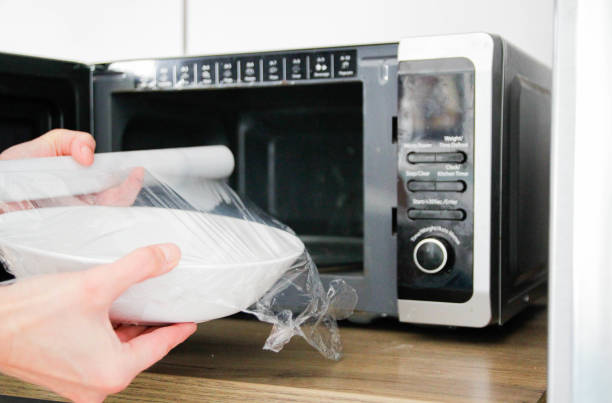
The easiest way to avoid a smelly microwave is to cover your food before hitting start. Splatters happen quickly, and those tiny food particles are what eventually burn and cause lingering odors. Use a microwave-safe cover, a paper towel, or even a microwave splatter guard to trap messes.
If you’re reheating something saucy or oily, this step is non-negotiable. Avoid using plastic wrap that isn’t microwave-safe, as it can melt and create even more trouble. For foods that tend to pop or explode, like baked potatoes, piercing them with a fork first helps release steam.
By taking 10 seconds to cover your meal, you’ll save yourself from scrubbing hardened gunk later. It’s a small habit that makes a big difference in keeping your microwave clean and odor-free. Plus, it keeps the interior walls and turnplate spotless, reducing the chance of burnt smells sticking around.
Setting the Correct Power Level and Time
Overheating food is a common cause of burnt smells, so adjust your power settings to match what you’re cooking. Not everything needs full blast—high heat can scorch food quickly, leaving stubborn odors behind. For reheating leftovers or delicate items, use medium or low power to heat gently and evenly.
Start with less time than you think you need; you can always add more, but you can’t undo burnt food. Stirring halfway through also helps distribute heat, preventing hot spots that lead to burning. If you’re unsure, check your microwave’s manual for recommended settings.
Being mindful of time and power doesn’t just protect your food—it also prevents those unpleasant, acrid smells from taking over your kitchen. A little patience goes a long way in keeping your microwave fresh and functional.
Regular Maintenance Wipe-Downs After Every Use
Make a habit of wiping down the interior after each use to stop buildup before it starts. Even tiny spills can harden and burn over time, creating stubborn smells. Use a damp cloth or a sponge with mild dish soap to clean the walls, ceiling, and turnplate.
For stuck-on messes, heat a bowl of water with lemon slices for a few minutes to loosen grime, then wipe away. This daily routine takes less than a minute but saves you from deep cleaning later. Don’t forget the door seal and keypad, where crumbs and splatters often hide.
Keeping your microwave dry and clean prevents mold and burnt odors from settling in. Consistency is key—quick, regular wipe-downs are far easier than tackling weeks of baked-on residue. Your future self will thank you!
Frequently Asked Questions
What is the easiest way to clean a burnt microwave?
Fill a microwave-safe bowl with water and add a few tablespoons of vinegar or lemon slices. Microwave the bowl for 3-5 minutes until the water boils and steam loosens the grime, then carefully remove the bowl and wipe the interior with a damp cloth.
How do I remove stubborn burnt stains from my microwave?
For tough stains, make a paste of baking soda and water, apply it to the burnt areas, and let it sit for 10-15 minutes before scrubbing gently with a sponge. Alternatively, use a sponge soaked in the vinegar-water mixture to scrub the stains after steaming.
Can I use lemon to clean a burnt microwave?
Yes, cut a lemon in half, squeeze the juice into a bowl of water, and drop the lemon halves in. Microwave for 3-5 minutes to create steam, which will help break down burnt-on food and leave a fresh scent.
How do I get rid of the burnt smell in my microwave?
After cleaning, leave a bowl of baking soda or coffee grounds inside the microwave overnight to absorb odors. You can also simmer a mixture of water and vanilla extract for 2-3 minutes to neutralize lingering smells.
Is it safe to use chemical cleaners in a microwave?
Avoid using harsh chemical cleaners as they can leave residues that may contaminate food. Stick to natural cleaners like vinegar, lemon, or baking soda, or use a mild dish soap with warm water for stubborn spots.
How often should I clean my microwave to prevent buildup?
Wipe down the interior with a damp cloth or sponge after each use to prevent food splatters from hardening. For deeper cleaning, steam the microwave with vinegar or lemon once a week to maintain freshness.
Conclusion
Burnt food in the microwave is a nightmare, but don’t panic—we’ve all been there! The smell alone can be overwhelming, and scrubbing feels impossible. Luckily, cleaning a burnt microwave is easier than you think, and you probably have everything you need right now. In this article, we’ll show you simple, effective ways to remove stubborn stains and odors in minutes. Say goodbye to the mess and hello to a sparkling microwave—let’s get it clean fast!