How to Store Onions and Potatoes Properly for Longer Shelf Life
Storing onions and potatoes correctly is essential for preventing spoilage and keeping your harvest fresh for months. You must keep them in separate, cool, dark, and well-ventilated locations to ensure they last as long as possible. While both are staple pantry items, they have different environmental needs that, if ignored, lead to premature rotting.
Many gardeners make the mistake of keeping these two vegetables together in the same bin. Unfortunately, onions release ethylene gas, which causes potatoes to sprout much faster than they would on their own. Understanding these specific biological interactions is the key to maintaining a high-quality food supply throughout the entire winter season.
This guide explains how to store them effectively to maximize their longevity using simple household methods. We will cover optimal temperature ranges, humidity control, and the best types of containers for your kitchen or cellar. Follow these practical tips to reduce food waste and enjoy the full bounty of your home garden harvest.
Why You Should Never Store Onions and Potatoes Together
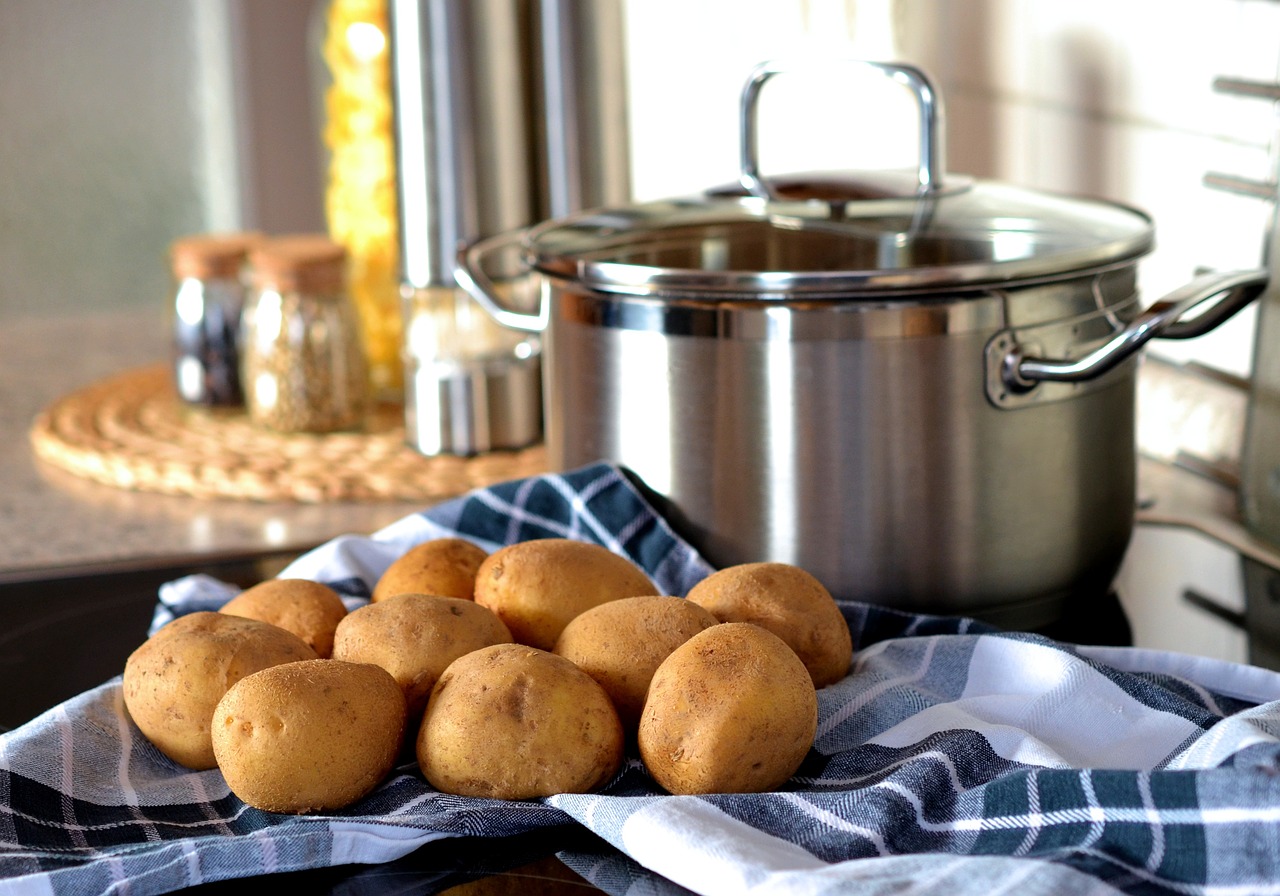
If you want your pantry staples to last as long as possible, the most important rule of root vegetable storage is simple: never store onions and potatoes together. While they are both foundational ingredients in the kitchen, they have conflicting biological needs that lead to rapid spoilage when kept in close proximity.
The primary issue is ethylene gas. Onions naturally release this ripening agent, which acts as a signal for other nearby produce to mature faster. When potatoes are exposed to this gas, they begin to sprout prematurely, significantly shortening their shelf life and affecting their texture. Once a potato begins to sprout, its starch converts to sugar, which alters its flavor and cooking properties.
Conversely, potatoes have a high moisture content. As they sit, they release humidity into the air. Onions are highly sensitive to moisture; when exposed to this damp environment, they quickly soften, develop mold, and begin to rot. By keeping these two vegetables in the same bin or drawer, you create a cycle of decay that ruins both items much faster than if they were stored individually.
To maximize the longevity of your produce, follow these storage guidelines:
- Separate completely: Keep onions and potatoes in different bins, on different shelves, or even in separate cupboards to prevent gas and moisture exchange.
- Prioritize airflow: Use mesh bags, wicker baskets, or ventilated crates. Never store these vegetables in sealed plastic bags, as trapped moisture accelerates rot.
- Maintain darkness: Both potatoes and onions should be kept in a cool, dark, and dry location. Exposure to light causes potatoes to turn green and develop solanine, a bitter compound that is potentially toxic.
- Check regularly: Even with proper storage, inspect your supply weekly. Remove any vegetable that shows signs of soft spots or sprouting immediately, as one bad item can quickly spoil the rest of the batch.
By simply moving your onion basket to a different shelf, you can save money and reduce food waste significantly.
Optimal Storage Conditions for Onions
To keep your onions firm and flavorful for months, you must replicate the conditions of a cool, dry cellar. The ideal environment for long-term storage is between 35°F and 50°F (2°C to 10°C) with low humidity. Exposure to warmth or direct sunlight triggers sprouting and can cause the onions to turn bitter, significantly shortening their shelf life.
Air circulation is the most critical factor in preventing spoilage. Onions need to “breathe” to stay dry; if moisture accumulates around the skins, rot and mold will quickly follow. Because of this, you should never store onions in airtight plastic bags or sealed containers.
Instead, use breathable storage solutions that allow air to flow freely around the bulbs:
- Mesh bags: These are ideal because they provide maximum ventilation.
- Wire baskets: These keep onions elevated and separated, preventing pressure points.
- Perforated crates: If you are storing a large harvest, wooden or plastic crates with holes allow for necessary airflow.
- Woven baskets: A classic, aesthetic choice that provides adequate airflow for smaller quantities.
When selecting a location, choose a dark, dry pantry, a basement, or a cool cupboard. Avoid placing your onion storage under the sink or near appliances that generate heat, such as dishwashers or ovens. Additionally, keep your onions away from potatoes. While both are root vegetables, potatoes release moisture and ethylene gas, which can cause onions to sprout and spoil much faster than they would on their own.
Check your stored onions periodically. If you notice a single bulb starting to soften or show signs of mold, remove it immediately to prevent the decay from spreading to the rest of the batch. By maintaining consistent airflow and keeping them away from light and moisture, you can ensure your harvest remains crisp and ready for your next meal.
Best Practices for Potato Storage
To keep potatoes fresh and flavorful for months, you must prioritize the environment in which they are stored. Potatoes are living tubers that require specific conditions to remain dormant and firm. If the temperature is too warm, they will sprout prematurely; if it is too cold, the starch converts to sugar, altering the flavor.
The ideal storage environment is a cool, dark, and well-ventilated space, ideally maintained between 45 and 50 degrees Fahrenheit. A basement, unheated pantry, or a cool garage corner often works best. Avoid storing potatoes in the refrigerator, as the cold temperatures can cause the starch to turn into sugar, resulting in an unpleasant, sweet taste and a gritty texture when cooked.
Light exposure is the primary enemy of potato longevity. When exposed to natural or artificial light, potatoes begin to produce chlorophyll, turning the skin green. This process also triggers the production of solanine, a natural compound that tastes bitter and can be toxic if consumed in large quantities. To prevent this, always store your harvest in containers that effectively block out light while still allowing airflow.
Follow these storage guidelines to ensure your potatoes last as long as possible:
- Use breathable containers: Opt for cardboard boxes with holes, paper bags, or burlap sacks. Never store potatoes in sealed plastic bags, as trapped moisture will lead to rapid rot and decay.
- Keep them dry: Ensure the storage area is free from excess humidity. Moisture encourages mold growth and bacterial rot.
- Check for damage: Sort through your potatoes before storing them. Use any bruised, cut, or damaged tubers first, as these will spoil quickly and can spread decay to healthy potatoes.
- Separate from onions: Never store potatoes and onions together. Onions release ethylene gas, which causes potatoes to sprout much faster than they would on their own.
By mimicking these cool, dark, and airy conditions, you can significantly extend the shelf life of your home-grown or store-bought potatoes while maintaining their nutritional quality and texture.
Safety and Handling Tips
Preparing a dedicated space for your onion and potato harvest often requires construction or modifications to existing storage containers. Prioritizing safety during this process is essential to prevent injury and ensure your produce remains uncontaminated.
If you are building custom shelving or modifying crates for better airflow, always use caution with power tools. When drilling ventilation holes in plastic or wooden bins, wear impact-resistant safety goggles. This simple step protects your eyes from flying wood chips, plastic shards, and fine dust particles that can cause serious irritation or injury.
Before moving your harvest into the space, conduct a thorough safety inspection of the area:
- Check for electrical hazards: Ensure there are no exposed wires, frayed cords, or damp outlets near your produce. Moisture from stored vegetables can create conductive paths, increasing the risk of short circuits or shocks.
- Stabilize heavy loads: Store your heaviest crates on the floor or the lowest shelves. This prevents the risk of heavy containers falling from overhead and reduces the physical strain of lifting heavy loads, which can lead to back or shoulder injuries.
- Secure your workspace: If you are using saws or utility knives to cut ventilation gaps, always cut away from your body. Keep your work surface stable and ensure your blades are sharp; dull tools require more force and are more likely to slip and cause accidental cuts.
Finally, maintain clear pathways around your storage area. Cluttered floors are a common trip hazard, especially when you are carrying heavy bags of produce. By keeping your storage zone organized and well-lit, you minimize the risk of falls. Remember that a safe storage environment is just as important as the curing process itself. Taking the time to build and organize your space correctly protects both your physical health and the longevity of your home-grown vegetables throughout the winter months.

Troubleshooting Spoilage and Maintenance
Even with optimal storage conditions, your onion and potato stash requires regular attention. Periodically inspecting your produce is the most effective way to prevent a minor issue from ruining your entire harvest. Aim to check your supply at least once every two weeks.
When inspecting, look for these specific signs of distress:
- Soft spots: Gently press the skin. If the vegetable feels squishy or yields under light pressure, it is beginning to break down.
- Mold or moisture: Look for fuzzy growth or dampness on the skins, which often indicates poor ventilation or high humidity.
- Strong odors: A sharp, musty, or sweet rotting smell is a definitive sign that a vegetable has spoiled.
If you identify a compromised item, remove it from the storage area immediately. One rotting vegetable releases gases and moisture that rapidly accelerate decay in its neighbors. Once removed, check the surrounding items for any cross-contamination.
For potatoes specifically, you may notice sprouting or green patches. These are natural reactions to light exposure or temperature fluctuations. You can safely consume these potatoes by following these steps:
- Use a paring knife to cut away any green skin or flesh, as these areas can contain solanine, which tastes bitter.
- Firmly snap off or cut away any sprouts.
- If the potato has become shriveled or very soft, discard it rather than attempting to trim it.
If you find that your harvest is spoiling faster than you can consume it, do not wait for it to reach the trash. Rapidly changing storage conditions often signal that your home environment is not ideal for long-term raw storage. In these cases, pivot to preservation methods to save your hard work.
Consider dehydrating onion slices for pantry-stable seasonings, pickling onions for a tangy refrigerator snack, or canning potatoes to ensure they remain shelf-stable for months. Processing your produce at the first sign of spoilage ensures that you minimize food waste while maximizing the utility of your gardening efforts.
