How to Store Potatoes and Onions for Maximum Freshness
You should store potatoes and onions separately in cool, dark, and well-ventilated areas to maximize their shelf life. Keeping them together causes premature sprouting and rapid spoilage due to the ethylene gas onions release. By separating these staples, you can easily maintain the quality of your home harvest for several months.
Many home gardeners mistakenly believe that pantry storage works for all vegetables, but these two crops have conflicting environmental needs. While both require darkness to prevent greening or sprouting, potatoes need higher humidity than onions to stay firm. Understanding these subtle differences is the key to reducing food waste in your kitchen.
This guide explains the ideal environmental conditions, separation techniques, and storage containers needed to keep your harvest fresh for months. We will cover how to prepare your produce for long-term storage and identify the best spots in your home to prevent rot. Follow these practical steps to enjoy your homegrown vegetables throughout the year.
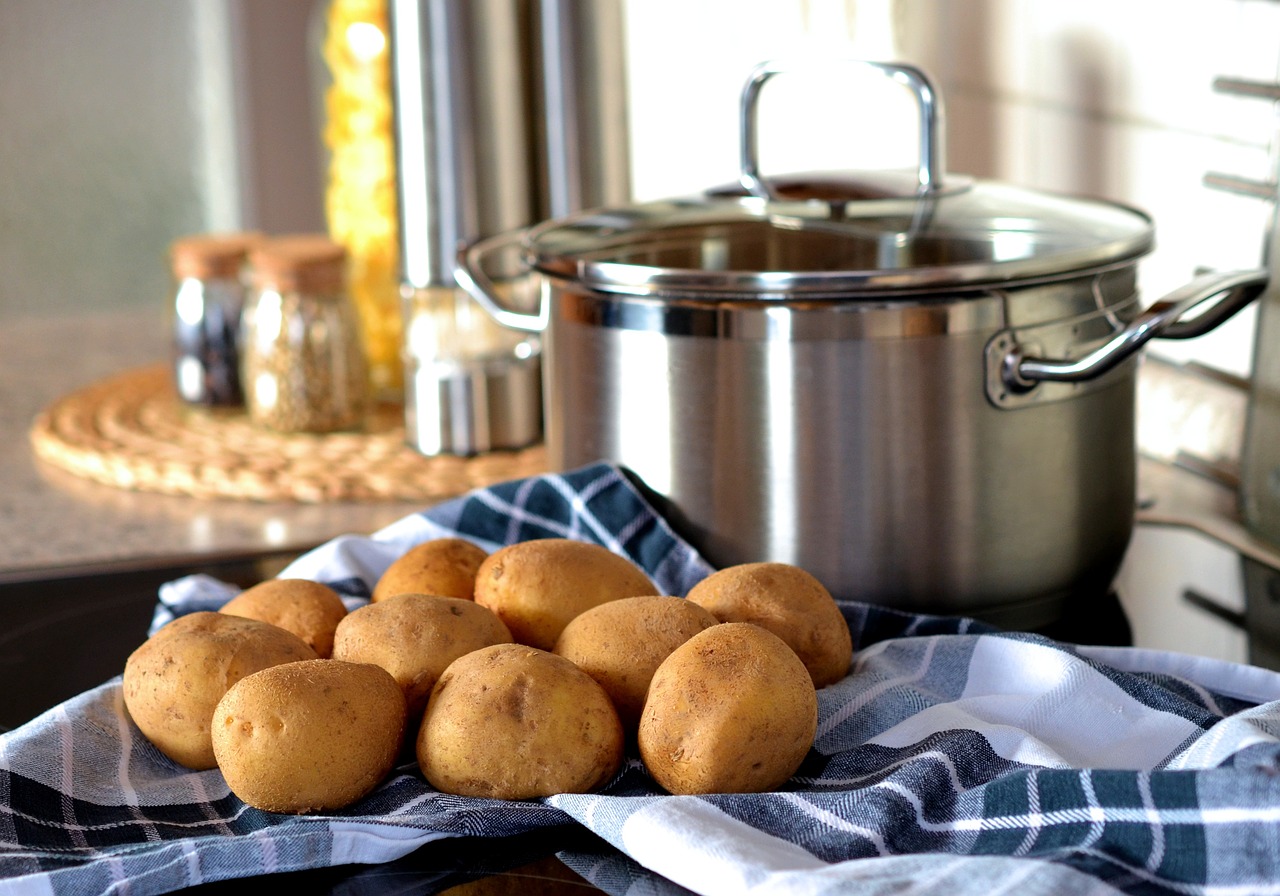
Why You Should Never Store Potatoes and Onions Together
It is a common habit to keep potatoes and onions in the same pantry drawer or vegetable basket, but this pairing is a recipe for premature spoilage. While they are both staples of the kitchen, they possess conflicting chemical needs that significantly shorten their shelf lives when stored in close proximity.
The primary issue is a biological reaction driven by gases and moisture:
- Ethylene Gas: Onions release ethylene gas as they age. This natural plant hormone acts as a ripening agent, signaling to nearby potatoes that it is time to sprout. Once a potato begins to sprout, its starch converts to sugar, causing it to soften and lose its ideal texture.
- Moisture Exchange: Potatoes have a high water content and naturally release moisture into the surrounding air. Onions are highly sensitive to humidity; when exposed to this extra moisture, they soften, develop mold, and begin to rot rapidly.
By keeping these two vegetables together, you create a cycle of decay where the onion forces the potato to sprout, and the potato causes the onion to spoil. To maximize the longevity of your produce, you should store them in completely separate locations. If your kitchen space is limited, follow these practical tips to maintain freshness:
Optimize Your Storage Setup:
- Use Separate Bins: If you must keep them in the same pantry, use distinct, solid-sided bins that prevent airflow between the two vegetables.
- Prioritize Ventilation: Both potatoes and onions require excellent air circulation to stay dry and dormant. Avoid plastic bags, which trap moisture and accelerate rot. Instead, use mesh bags, open baskets, or wooden crates.
- Control the Environment: Potatoes prefer a cool, dark, and dry environment to prevent greening and sprouting. Onions also thrive in a cool, dark place but require slightly more airflow than potatoes.
By simply separating these two items, you will notice a significant improvement in the quality of your produce and a reduction in food waste.
The Ideal Storage Conditions for Potatoes
To keep potatoes firm and flavorful, you must replicate the conditions of a root cellar. The ideal environment for long-term storage is a cool, dark, and dry location, ideally maintaining a temperature between 45 and 50 degrees Fahrenheit. If your home is too warm, potatoes will sprout prematurely or shrivel as they lose moisture.
Light exposure is the primary enemy of potato quality. When potatoes are exposed to natural or artificial light, they begin to produce chlorophyll, turning the skin green. More importantly, this process triggers the production of solanine, a natural toxin that can cause a bitter taste and digestive upset if consumed in large quantities. Always store your potatoes in a completely dark space, such as a basement, a cool pantry, or an insulated garage.
Air circulation is equally critical to prevent rot and mold. Potatoes are living produce that need to “breathe” to stay dormant. Never store them in sealed plastic bags, which trap humidity and accelerate decay. Instead, use containers that encourage consistent airflow:
- Burlap sacks: These provide excellent ventilation and block out most light.
- Wooden crates: The gaps between slats allow air to circulate freely around the tubers.
- Cardboard boxes: If you use these, cut several small holes in the sides to ensure proper ventilation.
Before placing your harvest into storage, inspect each potato carefully. Remove any that are soft, damaged, or showing signs of decay, as one rotten potato can quickly compromise the entire batch. Gently brush off excess garden soil, but do not wash them until you are ready to cook; moisture on the skin significantly increases the risk of fungal growth.
Finally, remember the golden rule of pantry organization: never store potatoes near onions. Onions release ethylene gas, which causes potatoes to sprout much faster than they would on their own. By keeping these two staples in separate containers or different areas of your storage space, you will significantly extend the shelf life of both.
Best Practices for Storing Onions
To keep your onions firm and flavorful for months, you must replicate the conditions of a traditional root cellar. The ideal environment for storage is cool, dry, and dark. Exposure to sunlight can cause onions to sprout prematurely, while humidity will quickly lead to soft spots and decay.
Temperature is a critical factor. Aim for a storage location between 35°F and 50°F (2°C to 10°C). A pantry, unheated basement, or a dark cupboard away from heat-generating appliances like ovens or refrigerators is perfect. If your home is consistently warm, check your onions more frequently for signs of softening.
Air circulation is the most overlooked aspect of onion storage. Onions are living produce that need to “breathe” to stay dry. Never store them in sealed plastic bags, as these trap moisture and create a humid microclimate that encourages mold and rot. Instead, prioritize containers that allow maximum airflow:
- Mesh bags: These provide excellent ventilation and allow you to see the condition of your produce at a glance.
- Wire baskets: These keep onions elevated off surfaces, ensuring air hits them from all sides.
- Perforated containers: If using bins, ensure they have plenty of holes to prevent stagnant air.
Avoid storing onions near potatoes. Potatoes release moisture and ethylene gas, which can cause onions to spoil much faster than they would on their own. By keeping them separate and ensuring they stay in a well-ventilated, dark space, you can significantly extend their shelf life.
Finally, perform a quick inspection every few weeks. Remove any onions that show signs of sprouting or softening immediately. A single decaying onion can release moisture and bacteria that quickly compromise the rest of your stock. If you find one that is starting to go soft, use it for cooking right away rather than returning it to storage. With these simple habits, you can keep your supply crisp and ready for your next meal.
Safety Tips for Preparing and Organizing Your Storage Area
Before you begin organizing your potato and onion storage, prioritize your safety. Preparing a basement, shed, or pantry for long-term produce storage often involves manual labor and potential hazards. Taking a few precautions ensures your workspace is secure without causing injury.
When preparing cardboard boxes for ventilation—a critical step to prevent rot—always use sharp tools with caution. If using a utility knife or box cutter, follow these safety protocols:
- Always cut away from your body, keeping your hands and fingers clear of the blade path.
- Ensure the blade is sharp; dull blades require more force, increasing the risk of slipping.
- Retract the blade immediately after finishing your cuts.
If you prefer using wooden crates for airflow, protect your hands from rough surfaces. Wear sturdy work gloves to avoid splinters and abrasions while moving or stacking heavy materials. Gloves also provide a better grip, reducing the chance of dropping a crate on your feet.
Stability is paramount when installing shelving units. Potatoes and onions can become surprisingly heavy in bulk. To prevent accidents:
- Anchor all shelving units directly to wall studs using appropriate hardware to prevent tipping.
- Place the heaviest items on the bottom shelf to keep the center of gravity low.
- Check that the floor is level; use shims if necessary to ensure the unit does not wobble.
Finally, consider the air quality of your storage space. Cleaning out an old, dusty basement or shed can stir up mold spores, debris, and allergens. Protect your respiratory health by wearing a basic N95 or dust mask while clearing the area. If the space is particularly stagnant, open nearby windows or use a fan to improve ventilation before you begin the deep clean. By preparing your environment carefully, you create a safe, organized foundation that will help your harvest last throughout the winter months.
Common Questions and Troubleshooting Spoilage
Even with perfect storage conditions, produce can occasionally spoil. Regular inspection is your best defense against waste. Once a week, gently sift through your potatoes and onions to check for early warning signs. If you notice a soft, mushy spot, a dark indentation, or a strong, pungent odor, remove the affected item immediately.
Spoilage is often contagious. A single rotting potato can release moisture and bacteria that quickly compromise the health of the entire batch. If you find a piece of produce that is leaking liquid or showing visible mold, discard it in your compost or trash bin rather than attempting to cut away the bad parts. This prevents cross-contamination and keeps your remaining supply fresh.
If you lack a traditional cool cellar, you can still store your harvest successfully by mimicking those conditions. Focus on finding the coolest, darkest environment available in your home:
- Pantry corners: Utilize the floor-level corner of a pantry, which stays cooler and darker than shelves near the ceiling.
- Unheated garages: A garage is an excellent option, provided the temperature remains consistently above freezing. Ensure the produce is elevated off the cold concrete floor using wooden crates or shelves to allow for airflow.
- Insulated containers: If your storage area fluctuates in temperature, place your produce in a cardboard box lined with newspaper. This provides a buffer against minor temperature swings and blocks out light.
Avoid storing potatoes and onions together in the same container. Onions release ethylene gas, which can cause potatoes to sprout prematurely. If space is tight and they must be near each other, ensure they are in separate, well-ventilated bins or mesh bags to allow air to circulate freely. By monitoring your supply regularly and maintaining dry, dark conditions, you can significantly extend the shelf life of your home-grown or store-bought vegetables throughout the winter months.