How Long Does Wine Last With Vacuum Stopper
Wondering how long does wine last with vacuum stopper? You’re not alone—once that bottle’s open, the clock starts ticking. But good news: a vacuum stopper can significantly extend your wine’s freshness by removing air and slowing oxidation. Most wines stay enjoyable for 3 to 5 days this way, sometimes longer. In this article, we’ll break down exactly how long different wines last, tips to maximize freshness, and whether vacuum stoppers are worth it—so you can savor every sip without waste.
How Long Does Wine Last with a Vacuum Stopper?
What happens to wine after opening
Once a bottle of wine is opened, it is exposed to oxygen, triggering a process called oxidation. Oxidation alters the wine’s flavor, aroma, and color, often flattening its complexity and making it taste dull or vinegary over time. Even within a few hours, delicate notes can begin to fade.
Light and temperature also accelerate spoilage, especially if the wine is stored improperly. While oxidation isn’t harmful, it diminishes the drinking experience. Minimizing air exposure is key to preserving freshness. This is where proper storage techniques, such as using a vacuum stopper, become essential.
Understanding this degradation process helps wine lovers take timely steps to extend the life of their opened bottles and enjoy them as intended by the winemaker.
How vacuum stoppers slow oxidation
Vacuum stoppers work by removing air from the opened wine bottle, reducing oxygen contact and slowing oxidation. These devices typically include a rubber stopper and a hand pump that extracts air, creating a partial vacuum.
With less oxygen present, the chemical reactions that degrade wine happen more slowly, helping maintain its original taste and aroma. While they don’t eliminate oxygen entirely, vacuum stoppers significantly extend freshness compared to leaving a bottle uncorked. For best results, store the sealed bottle upright in the refrigerator.
Consistent use of a vacuum stopper can double or triple the lifespan of opened wine, making it a simple, cost-effective tool for casual drinkers who don’t finish bottles in one sitting.
Average shelf life of opened wine with vacuum seal
With a vacuum stopper, most opened wines last 3 to 5 days, sometimes up to a week, depending on the type and storage conditions. The key is pairing the vacuum seal with proper refrigeration, which further slows chemical degradation.
Red wines typically last 3–5 days, maintaining their structure and flavor longer than whites. White and rosé wines also benefit, staying fresh for about the same duration when chilled. Sparkling wines, while more delicate, can retain some effervescence for 2–3 days.
However, no method stops oxidation completely, so quality gradually declines. For optimal results, use the vacuum pump immediately after pouring and re-pump if reusing the seal. This simple routine maximizes shelf life and enjoyment.
Differences between red, white, and sparkling wine preservation
Different wine types respond uniquely to vacuum sealing. Red wines, with higher tannin levels, resist oxidation better and can last up to 5 days with a vacuum stopper when stored properly.
White and rosé wines, being more delicate, benefit greatly from vacuum sealing but should be consumed within 3–4 days to preserve freshness and acidity.
Sparkling wines pose a challenge—while vacuum stoppers help retain some bubbles by reducing air exposure, they cannot fully preserve effervescence like specialized sparkling wine stoppers with pressurized seals. Still, they extend usability by 1–2 days. Regardless of type, always refrigerate sealed bottles to maximize shelf life.
Matching the preservation method to wine style ensures the best results.
What Is a Vacuum Stopper and How Does It Work?

Components of a vacuum wine stopper
A vacuum wine stopper typically consists of two main parts: the stopper itself and the pump mechanism. The stopper is made of airtight silicone or rubber that fits snugly into the wine bottle neck, creating a seal. The pump—either manual or electric—removes air from the bottle to reduce oxidation.
Proper alignment between the stopper and pump is essential for effective vacuum creation. High-quality models often include a one-way valve in the stopper that allows air to be extracted but prevents it from re-entering. Using compatible stoppers with your pump ensures optimal performance.
These components work together to extend the shelf life of opened wine by minimizing exposure to oxygen, helping preserve flavor and aroma for several days.
Manual vs electric vacuum pumps
When choosing a vacuum pump, you can opt for manual or electric models, each with distinct advantages. Manual pumps are compact, affordable, and require no batteries, making them ideal for occasional use. They typically involve hand-pumping 10–15 times to create a vacuum.
Electric pumps, on the other hand, offer faster, more consistent results with the push of a button and often include automatic shut-off when optimal vacuum is reached. While electric models are more convenient, they can be bulkier and costlier. For most home users, a reliable manual pump provides sufficient performance.
However, frequent entertainers or wine enthusiasts may benefit from the speed and ease of an electric system to preserve multiple bottles efficiently.
How vacuum sealing removes air from the bottle
Vacuum sealing works by removing oxygen from an opened wine bottle, slowing the oxidation process that degrades flavor and aroma. When the pump is attached to the sealed stopper, it extracts air, creating a partial vacuum inside the bottle.
This reduced air pressure limits the wine’s contact with oxygen, helping maintain freshness. While it doesn’t remove all oxygen, studies show it can significantly extend wine’s usable life. The effectiveness depends on the quality of the seal and pump strength.
Vacuum sealing is most effective for wines consumed within 3–5 days. For longer storage, methods like inert gas preservation may be better. Still, vacuum sealing remains a simple, cost-effective solution for everyday wine preservation.
Common mistakes when using vacuum stoppers
Many users unknowingly reduce the effectiveness of vacuum stoppers by making simple but avoidable errors. One common mistake is using the wrong size stopper, leading to a poor seal and air leakage. Another is failing to clean the bottle rim, where residue can compromise the airtight seal.
Some users pump too aggressively, which can damage the stopper or cause wine to foam into the pump. Others forget to re-pump the bottle after each pour, allowing air to gradually re-enter. Additionally, using vacuum stoppers on flat or already oxidized wine offers little benefit.
To maximize shelf life—typically 3 to 5 days—ensure proper fit, cleanliness, and consistent re-sealing after each use for best results.
Best Ways to Use a Vacuum Stopper for Wine Preservation
Step-by-step guide to sealing wine with a vacuum stopper
To effectively preserve wine using a vacuum stopper, start by removing the original cork and quickly inserting the stopper into the bottle neck. Ensure a snug fit to prevent air leakage. Next, use the pump (usually included) and attach it securely to the stopper.
Pump steadily 10–15 times—fewer pumps may not create a strong enough vacuum, while too many can damage the seal. You’ll notice resistance decreasing as air is removed. Once done, remove the pump and store the bottle upright in the refrigerator. Refrigeration slows oxidation and enhances preservation.
This method is ideal for still wines but less effective for sparkling varieties. With proper technique, your wine can stay fresh for several days.
When to insert the stopper after opening
For maximum effectiveness, insert the vacuum stopper immediately after pouring the first glass. The longer wine is exposed to air, the faster oxidation begins, diminishing flavor and aroma. Minimizing initial air contact is key to extending shelf life.
If you plan to drink the bottle over multiple sittings, reapply the stopper right after each pour. Avoid leaving the bottle open for more than a few minutes. White, rosé, and light red wines benefit most from prompt sealing.
Note that full-bodied reds may initially improve with brief aeration, but long-term preservation still requires quick sealing. Immediate use of the stopper ensures the vacuum removes as much oxygen as possible, helping wine last up to 5 days with minimal quality loss.
Choosing the right stopper for your bottle
Not all vacuum stoppers fit every bottle, so selecting the correct size and design is crucial for an airtight seal. Standard wine bottles typically accommodate universal stoppers, but unusual neck shapes or sizes may require specialty models.
Look for stoppers made from durable silicone or food-grade plastic that resist cracking and maintain flexibility. Some kits include multiple stopper sizes—ideal for households with varied bottle types. Ensure the pump mechanism attaches securely and creates consistent suction. Higher-quality systems often offer better long-term performance.
Investing in a reliable brand improves seal consistency and wine longevity. Always check compatibility with your most-used wine bottles to avoid leaks and ineffective preservation.
How to maintain vacuum seal effectiveness
To keep your vacuum stopper working efficiently, clean it after every use with warm, soapy water and let it dry completely—residue or moisture can compromise the seal. Regularly inspect the stopper’s gasket or rim for cracks, warping, or wear; replace it if damaged.
The pump’s functionality should also be tested periodically—weak suction indicates internal wear. Store the stopper and pump separately in a dry place to prevent mold or odors. Avoid using the same stopper for non-wine liquids, which can degrade materials.
Proper maintenance ensures each use delivers optimal vacuum pressure, helping wine last up to 3–5 days with noticeable freshness retention. A well-kept system is essential for consistent results.
How Different Wines React to Vacuum Sealing
Red wine shelf life with vacuum stopper
Using a vacuum stopper can significantly extend the shelf life of red wine by reducing oxidation after opening. Most red wines last 3 to 5 days when sealed with a vacuum stopper and stored in a cool, dark place.
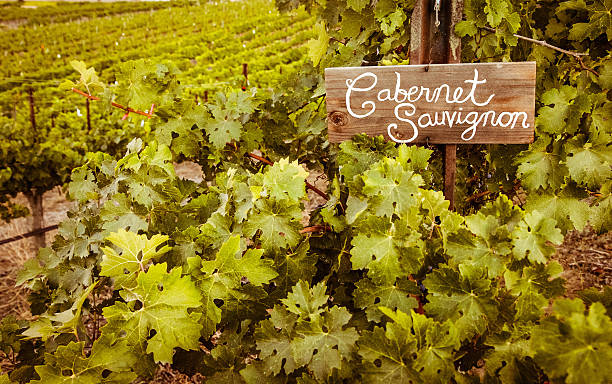
Full-bodied reds like Cabernet Sauvignon or Syrah tend to preserve their flavor longer than lighter varieties due to higher tannin levels, which act as natural preservatives. For best results, reinsert the cork or vacuum stopper immediately after pouring and avoid temperature fluctuations.
While vacuum sealing slows spoilage, it doesn’t stop it entirely—aromas and complexity gradually fade over time. To enjoy optimal taste, consume within the first 3 days. Vacuum sealing is a practical, affordable method for preserving leftover red wine without requiring specialized equipment.
White and rosé wine preservation tips
Vacuum sealing helps preserve the freshness and acidity of white and rosé wines, which are more vulnerable to oxidation than reds. When using a vacuum stopper, these wines typically last 3 to 5 days in the refrigerator.
Chilling is essential—always store sealed bottles upright in the fridge to maintain crispness and prevent spoilage. Lighter styles like Pinot Grigio or Sauvignon Blanc benefit most from immediate sealing after opening. Avoid prolonged storage, as delicate floral and fruity notes degrade quickly even with reduced oxygen.
For best quality, label the bottle with the opening date and aim to finish within 3 days. While vacuum stoppers are effective, they aren’t foolproof—some oxidation still occurs. For longer preservation, consider inert gas sprays in addition to vacuum sealing.
Can you use vacuum stoppers on sparkling wine?
Vacuum stoppers are not recommended for sparkling wine because they remove air, including the carbon dioxide needed to maintain effervescence. Attempting to vacuum seal sparkling wine often results in flattened, lifeless bubbles by the next day.
Instead, use a proper sparkling wine stopper designed to lock in pressure and preserve carbonation. These stoppers create an airtight seal without extracting gas from the bottle. Even then, sparkling wines like Champagne or Prosecco are best consumed within 1 to 2 days after opening.
For optimal results, refrigerate the sealed bottle immediately. While vacuum systems may seem convenient, they compromise the essential texture and mouthfeel of sparkling wines. If you frequently enjoy sparkling wine, invest in a high-quality pressure-sealing stopper rather than relying on vacuum technology.
Fortified wines and long-term storage
Fortified wines such as Port, Sherry, and Madeira have higher alcohol content and built-in preservatives, allowing them to last significantly longer than non-fortified wines—even without vacuum sealing. However, using a vacuum stopper can extend their freshness to 4 to 6 weeks when stored properly.
These wines oxidize more slowly due to their production methods, but exposure to air still degrades flavor over time. Store opened bottles upright in a cool, dark place—refrigeration is optional but can further slow oxidation. Unlike table wines, fortified varieties often improve slightly in the short term after opening.
Still, consistent sealing is key to preserving their rich, complex profiles. Vacuum stoppers offer a helpful extra layer of protection, especially for less frequently consumed bottles, making them a smart addition to your wine preservation toolkit.
Tips for Maximizing Wine Freshness After Opening
Store vacuum-sealed wine in the refrigerator
To maximize wine freshness after opening, storing vacuum-sealed bottles in the refrigerator is essential. Even red wines benefit from refrigeration after opening, as cooler temperatures slow oxidation and microbial activity.
A vacuum stopper removes air from the bottle, reducing the wine’s exposure to oxygen, but this preservation method works best when paired with cold storage. The fridge creates a stable, cool environment that helps maintain the wine’s aroma, flavor, and structure.
Avoid leaving opened bottles at room temperature, even with a vacuum seal, as warmth accelerates degradation. For optimal results, place the wine in the back of the refrigerator where temperatures are most consistent.
This simple step can extend the life of your wine by several days, allowing you to enjoy it at its best for up to 5–7 days after opening.
Keep bottles upright to reduce surface exposure
After opening, always store vacuum-sealed wine bottles upright to minimize the wine’s surface area exposed to any residual oxygen. When stored on its side, wine spreads across the cork or stopper, increasing contact with trapped air and speeding up oxidation—even with a vacuum seal.
By standing the bottle upright, you confine the wine to the bottom, reducing interaction with air pockets and helping preserve freshness. This is especially important for wines with screw caps or synthetic corks, which may not form as tight a seal.
Upright storage also prevents leakage and maintains the integrity of the vacuum. This small but effective habit enhances the performance of your vacuum stopper, helping wine last longer—typically 5–7 days—while retaining its intended taste and aroma profile.
Avoid light and temperature swings
Protecting vacuum-sealed wine from light exposure and temperature fluctuations is critical for preserving quality. UV rays from sunlight or artificial lighting can degrade organic compounds in wine, causing ‘light strike’—a flaw that produces unpleasant, wet-cardboard-like aromas.
Store opened bottles in a dark, cool place, preferably inside the refrigerator away from the door. Frequent temperature changes, such as moving the bottle in and out of cold storage, encourage condensation and pressure shifts that can compromise the vacuum seal and accelerate oxidation.
Consistent cold storage maintains stability, preserving the wine’s structure and flavor. By minimizing light and thermal variation, you extend the effectiveness of the vacuum stopper, helping your wine remain fresh and enjoyable for up to a week after opening.
Label bottles with opening date
To get the most from your vacuum stopper, always label opened wine bottles with the date they were uncorked. This simple habit removes guesswork and ensures you consume the wine while it’s still fresh.
Even with proper sealing and refrigeration, wine gradually declines in quality, and most types last only 5–7 days at peak condition. A date label helps track freshness and prevents drinking degraded wine. Use a dry-erase marker or adhesive tag for easy updates.
For households enjoying multiple wines, labeling also avoids confusion and supports rotation. This practice complements vacuum sealing by promoting timely consumption, helping you maximize both flavor and value. Over time, you’ll learn how different wines age post-opening, refining your storage approach for optimal results.
Common Myths About Vacuum Wine Stoppers
Myth: Vacuum stoppers preserve wine for weeks
Vacuum wine stoppers do not preserve wine for weeks—this is a common misconception. While they extend the life of an opened bottle, most wines only last 3 to 5 days with a vacuum seal before noticeable oxidation occurs. The removal of oxygen slows degradation, but it doesn’t stop it entirely.
Light, temperature, and the wine’s initial quality also play crucial roles. Red wines typically fare slightly better than whites under vacuum, but flavor complexity still diminishes after a few days. For best results, consume wine within the first 72 hours after opening.
Vacuum stoppers are ideal for short-term storage, not long-term preservation. Understanding this limitation helps set realistic expectations and encourages timely consumption for optimal taste.
Myth: All stoppers work the same on every bottle
Not all vacuum wine stoppers create an equal seal, and compatibility varies by bottle size and shape. A stopper that fits snugly on one bottle may leak air on another due to differences in neck diameter or glass finish.
Poor seals compromise vacuum integrity, leading to faster oxidation and reduced shelf life. Always check that your stopper forms an airtight fit and listen for the pump’s release sound, indicating proper suction. Some systems include multiple stopper sizes for broader compatibility. Additionally, worn or cracked stoppers lose effectiveness over time.
Regular inspection and replacement of stopper components ensure consistent performance. Choosing a high-quality, adaptable system improves results and helps maintain wine freshness for the full 3–5 day window.
Myth: You don’t need refrigeration with a vacuum seal
Even with a vacuum seal, refrigeration is essential to maximize wine’s shelf life. Room temperature accelerates chemical reactions that degrade flavor and aroma, regardless of oxygen removal. Cooler storage slows spoilage, preserving freshness for up to five days.
White, rosé, and sparkling wines especially benefit from cold storage, while reds can be brought to serving temperature before pouring. The vacuum stopper alone is not a substitute for proper cooling. Leaving vacuum-sealed wine at room temperature may only extend its life by a day or two.
For best results, always refrigerate after sealing. This combination of oxygen reduction and cold storage gives you the longest window to enjoy wine close to its original quality.
Myth: Vacuum sealing improves wine flavor over time
Vacuum sealing does not enhance or improve wine flavor—it only slows deterioration. Unlike aging in a cellar, which allows complex chemical development in a controlled oxygen environment, vacuum sealing removes oxygen entirely, halting evolution. This stasis prevents spoilage but cannot reverse oxidation or enrich taste.
In fact, some delicate aromas may fade faster under vacuum due to pressure changes. Wines with aging potential won’t benefit from this method, as they require minimal, gradual oxygen exposure. Vacuum sealing is best for preserving the current state of a wine, not improving it.
Drink the wine soon after opening for the most authentic experience, and reserve long-term aging for unopened bottles stored properly.
Alternative Wine Preservation Methods Compared
Vacuum stoppers vs inert gas preservers
Vacuum stoppers work by removing air from the bottle to slow oxidation, typically preserving wine for 3–5 days. However, they are less effective with sparkling wines, as the vacuum can diminish carbonation.
In contrast, inert gas preservers like Private Preserve spray argon or nitrogen into the bottle, forming a protective layer over the wine. This method can extend freshness up to 5–7 days and better preserves delicate aromas.
Key point: inert gas is superior for full-bodied reds and aromatic whites, while vacuum stoppers are simpler and more affordable. For best results, combine either method with prompt refrigeration. Ultimately, inert gas offers longer preservation with less impact on wine structure, making it a preferred choice for serious enthusiasts.
Refrigeration without a stopper: how long is safe?
Storing an opened wine bottle in the refrigerator without a stopper is not recommended beyond 1–2 days. While cold temperatures slow oxidation, the exposed surface still interacts with oxygen, leading to flavor degradation. Light and temperature fluctuations in the fridge can further accelerate spoilage.
Key point: even in cold environments, an uncovered bottle loses freshness rapidly—especially whites and rosés. For minimal damage, always use at least a tight-sealing stopper or plastic wrap. Refrigeration alone may preserve drinkability for a day or two, but aromas and acidity decline noticeably.
To maximize shelf life, combine airtight sealing with cold storage. This approach helps maintain quality, but full protection requires proper sealing tools.
Wine preservation systems: Coravin vs vacuum pumps
Coravin and vacuum pumps offer different approaches to wine preservation. Coravin uses a hollow needle to extract wine without removing the cork, replacing the poured volume with argon gas, preserving the bottle for months or even years.
Vacuum pumps, by contrast, remove air after opening but still expose wine to initial oxygen contact, extending life only 3–5 days. Key point: Coravin excels for collectors or those sipping over time, while vacuum systems suit casual drinkers finishing a bottle quickly.
Coravin preserves wine integrity far longer and works with aged wines, but costs significantly more. Vacuum pumps are affordable and easy to use but less effective for long-term storage. Choose Coravin for premium, long-term access; use vacuum pumps for short-term, budget-friendly solutions.
Cost and effectiveness comparison of methods
When comparing wine preservation methods, cost and longevity are critical factors. Basic vacuum stoppers cost $10–$20 and preserve wine for 3–5 days, offering solid value for casual drinkers. Inert gas sprays ($15–$30) extend freshness to 5–7 days and better protect complex wines.
Coravin systems range from $80–$300, providing long-term preservation ideal for collectors. Key point: higher upfront cost correlates with superior performance and convenience. Reusable systems like Coravin pay off over time for frequent tasters. Vacuum pumps are cost-effective but limited in scope. For best balance, consider inert gas for mid-range needs.
Ultimately, match the method to your drinking habits—budget options work well for short-term, while premium tools justify cost for extended preservation.
Frequently Asked Questions
How long does wine last with a vacuum stopper?
Using a vacuum stopper can extend the life of an opened bottle of wine by 3 to 5 days. By removing air from the bottle, it slows oxidation, helping preserve the wine’s flavor and aroma.
Does a vacuum stopper work on all types of wine?
Yes, vacuum stoppers work on both red and white wines, as well as rosé and sparkling varieties. However, sparkling wines may lose some effervescence over time even with a vacuum seal.
Can I store wine with a vacuum stopper at room temperature?
It’s best to store wine with a vacuum stopper in the refrigerator, even red wine, to maximize freshness. Room temperature storage accelerates spoilage, reducing the wine’s shelf life.
Why does wine go bad after opening?
Wine deteriorates after opening due to oxidation and bacterial growth when exposed to air. A vacuum stopper reduces air contact, slowing these processes and preserving quality.
Do vacuum stoppers prevent wine from going bad completely?
No, vacuum stoppers slow but don’t stop spoilage. Eventually, oxygen will degrade the wine, so it’s best consumed within a few days for optimal taste.
How do I properly use a vacuum stopper?
Insert the stopper snugly into the bottle, then use the pump to remove air until you hear a click or can’t pump further. Store the bottle upright in the refrigerator for best results.
Conclusion
A vacuum stopper can extend the life of an opened wine by reducing oxidation, typically preserving it for 3 to 5 days. While effective for short-term storage, it’s not a long-term solution, especially for delicate wines. Proper refrigeration and minimizing air exposure further enhance results. For best quality, consume wine as soon as possible after opening. With the right tools and care, you can enjoy your favorite wine longer—so don’t hesitate to savor each glass.