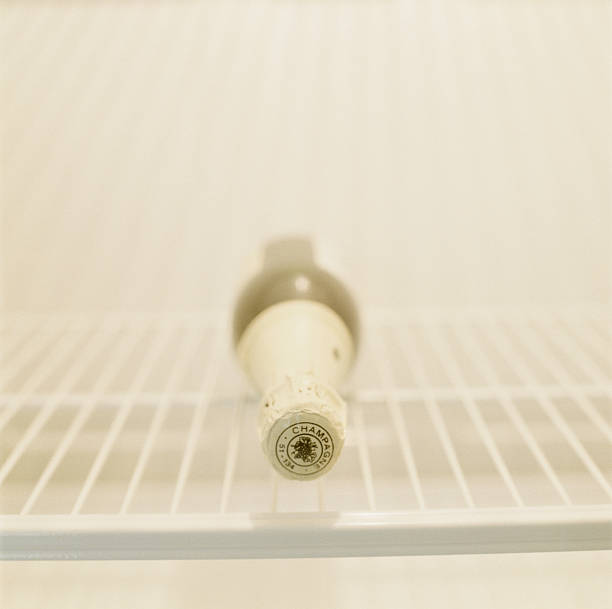
How Long Does Opened Wine Last In Fridge
Wondering how long does opened wine last in fridge? You’re not alone—many wine lovers hate wasting a good bottle. The good news is your wine doesn’t go bad overnight. Depending on the type, opened wine can stay fresh for 3 to 7 days when stored properly in the fridge with a tight seal. In this article, we’ll break down exactly how long each wine lasts, signs it’s gone bad, and simple tips to extend its life—so you can enjoy every last sip.
How Long Does Opened Wine Last in the Fridge?
Red Wine Shelf Life After Opening
Red wine typically lasts 3 to 5 days in the fridge after opening, provided it’s properly sealed with a cork or stopper. While red wine is more stable than lighter varieties due to higher tannin and alcohol content, refrigeration slows oxidation and preserves its flavor longer.
To maximize freshness, store the bottle upright to reduce surface exposure to air. Using a wine preserver like an argon gas spray can extend its life by displacing oxygen. Avoid leaving opened red wine at room temperature for more than a day, as heat accelerates spoilage.
Always re-cork immediately after pouring. If the wine develops a vinegar-like smell or flat taste, it’s past its prime and should be discarded.
White Wine Storage Duration in Refrigerator
Opened white wine can stay fresh in the refrigerator for 5 to 7 days when stored correctly. The cooler temperature slows oxidation and bacterial growth, helping retain its crispness and acidity. To preserve quality, reseal the bottle tightly with its original cork, a screw cap, or a wine stopper.
For even better results, consider transferring leftover wine to a smaller airtight container to minimize air exposure. Lighter whites like Pinot Grigio and Sauvignon Blanc tend to degrade faster than fuller-bodied varieties such as oaked Chardonnay.
If the wine starts to smell sour, taste flat, or develop a sherry-like note, it’s no longer enjoyable. Proper storage ensures you enjoy your white wine at its best for nearly a week.
Sparkling Wine Freshness After Opening
Once opened, sparkling wine such as Champagne, Prosecco, or Cava retains its fizz for 1 to 3 days in the fridge when sealed with a specialized sparkling wine stopper. The key to preserving carbonation is using a tight, pressure-resistant closure—regular corks won’t suffice.
Avoid storing it upright; instead, keep the bottle chilled and sealed horizontally to maintain internal pressure. The flavor and effervescence decline rapidly after opening, so consume it quickly for the best experience. Transfer unused portions promptly to prevent gas loss.
While it won’t spoil immediately, flat sparkling wine loses its appeal. For longer preservation, some high-quality stoppers can extend freshness to 3 days, but never expect full fizz beyond that window.
Dessert Wine Longevity Once Opened
Dessert wines like Port, Sherry, and Sauternes have a longer shelf life after opening due to their high sugar and alcohol content, which act as natural preservatives. When stored in the refrigerator with a tight seal, these wines can remain enjoyable for 2 to 4 weeks, sometimes even longer.
Fortified wines such as Tawny Port may last up to a month, while unfortified sweet wines like late-harvest Riesling last about 2 weeks. Always use a proper stopper or cork and minimize air exposure. Check for off-odors or flavor changes before serving.
While they resist spoilage better than dry wines, their complexity diminishes over time. For optimal taste, label the bottle with the opening date and consume within the recommended window.
Factors That Affect Opened Wine Shelf Life

How Wine Type Influences Longevity
The type of wine significantly affects how long it lasts after opening. Light white and rosé wines typically remain fresh in the fridge for 5–7 days due to their higher acidity and lower tannin content. Full-bodied whites like Chardonnay can last 3–5 days before losing vibrancy.
Red wines, which rely on delicate aromatic compounds, usually stay enjoyable for 3–5 days when refrigerated, though some robust varieties may last longer. Sparkling wines have the shortest shelf life—only 1–3 days—as carbonation escapes quickly.
Fortified wines like Port or Sherry are the exception, lasting several weeks due to added spirits. Using a wine stopper and refrigerating promptly helps preserve all types, but always rely on smell and taste to confirm freshness.
The Role of Alcohol and Sugar Content
Wines with higher alcohol and sugar levels tend to last longer once opened. The natural preservative qualities of sugar and ethanol slow oxidation and microbial spoilage. For example, dessert wines like Sauternes or late-harvest Rieslings can remain drinkable for up to 5–7 days in the fridge, sometimes longer.
Similarly, fortified wines with elevated alcohol (17–20%), such as Port or Madeira, resist degradation for weeks or even months. In contrast, dry wines with low sugar and moderate alcohol degrade faster, often within 3–5 days. While refrigeration helps, the inherent chemistry of the wine plays a crucial role.
Always reseal tightly to maximize shelf life, and store upright to reduce surface exposure.
Impact of Exposure to Air
Once opened, exposure to oxygen begins degrading wine through oxidation, altering flavor, aroma, and color. Light exposure accelerates this process, especially in clear or pale wines. The larger the air pocket in the bottle, the faster the wine deteriorates.
To minimize oxidation, transfer leftover wine to a smaller container or use vacuum stoppers to reduce air contact. Even with precautions, most wines start to fade after 3–5 days. Sparkling wines lose effervescence rapidly due to CO₂ release.
While oxidation isn’t always harmful—some reds benefit from brief aeration—prolonged exposure leads to flat, vinegar-like tastes. Limiting air contact is key to preserving opened wine quality in the fridge.
Storage Temperature and Light Conditions
Storing opened wine in the refrigerator is one of the best ways to extend its life, as cold temperatures slow chemical reactions like oxidation. Reds, whites, and rosés all benefit from refrigeration after opening, even if served at room temperature initially.
Consistent, cool storage (around 40°F or 4°C) helps preserve freshness for 3–7 days, depending on type. Additionally, protecting wine from light, especially UV rays from sunlight or fluorescent bulbs, prevents degradation of delicate compounds. Always store opened bottles upright with a tight seal to minimize air exposure.
While the fridge isn’t a permanent solution, it significantly delays spoilage when combined with proper sealing and dark storage conditions.
Best Ways to Store Opened Wine in the Fridge

Use a Wine Stopper to Limit Air Exposure
One of the most effective ways to preserve opened wine in the fridge is by using a quality wine stopper. Once a bottle is opened, oxygen begins to interact with the wine, leading to oxidation and flavor degradation.
Airtight stoppers create a seal that significantly reduces air exposure, helping maintain the wine’s freshness. Opt for stoppers designed specifically for wine bottles, such as silicone or vacuum models, which fit snugly and prevent leaks.
Avoid using the original cork if it’s loose or damaged, as it won’t provide an adequate seal. For best results, insert the stopper immediately after pouring and before refrigerating. This simple step can extend the life of your opened wine by several days, especially for delicate whites and rosés.
Store Bottles Upright to Reduce Oxidation
Storing opened wine bottles upright in the fridge is a small but impactful habit that helps slow oxidation. When stored on their side, wine has more surface area in contact with oxygen trapped inside the bottle, accelerating spoilage.
By keeping the bottle upright, you minimize the wine’s exposure to air, preserving its flavor and aroma longer. This is especially important for wines with lower tannin levels, like white and rosé, which degrade faster. The cool, stable temperature of the fridge further supports preservation.
Make sure the stopper is secure to prevent evaporation or leakage. This method, combined with proper sealing, can help opened wine stay enjoyable for up to 5 days, depending on the type.
Keep Wine Away from Strong Odors
Wine is sensitive to its environment, and the fridge is no exception. Even with a tight seal, opened wine can absorb strong odors from foods like onions, garlic, or fish, altering its taste and bouquet.
To maintain the wine’s original character, store it away from pungent items—ideally on a shelf or in a dedicated section of the fridge. Consider placing the bottle inside a sealed container or wine sleeve for an extra layer of protection.
This is especially crucial for white and sparkling wines, which have more delicate profiles. Protecting your wine from foreign smells ensures each pour tastes as intended. Preserving aroma and flavor integrity is key to enjoying wine days after opening.
Organize Wine by Type and Opening Date
Maximizing the shelf life of opened wine means staying organized. Labeling or arranging bottles by wine type and opening date helps you consume them in the right order, preventing waste.
Light whites and sparkling wines typically last 3–5 days, while full-bodied reds can remain drinkable for up to 5–7 days when properly stored. Use a small tag or marker to note when each bottle was opened. Group similar types together so you can easily access the oldest bottles first.
This first-in, first-out approach ensures freshness and helps you track what’s worth keeping. An organized wine section in your fridge turns preservation into a simple, sustainable habit.
Signs Your Opened Wine Has Gone Bad
How to Spot Oxidation in Wine
Oxidation occurs when wine is exposed to too much oxygen, leading to noticeable changes in flavor and aroma. Red wines may turn more brownish, while whites become deeper yellow or even amber. The fruity freshness fades, replaced by flat, dull, or nutty characteristics—similar to overripe apples or sherry.
If the wine lacks its original vibrancy and tastes lifeless, oxidation is likely the cause. Using a vacuum seal or inert gas can slow oxidation, but even with refrigeration, most wines last only 3–5 days before degrading.
To minimize oxidation, always re-cork the bottle tightly and store it upright in the fridge. Light and heat accelerate spoilage, so keep wine away from sunlight and warm areas for best preservation.
Smell and Taste Changes to Watch For
A spoiled wine often announces itself through off-putting aromas and flavors. If your wine smells like vinegar, wet cardboard, or musty basement, it’s likely gone bad. Vinegar notes indicate acetic acid bacteria, which thrive after prolonged air exposure.
A sour or sharp taste, especially in wines that were once smooth, is another red flag. Wines may also develop a yeasty or medicinal smell, signaling microbial contamination. Trust your senses—if something feels off, it’s safer to discard the wine. While refrigeration slows spoilage, it doesn’t stop chemical changes entirely.
Most opened wines remain drinkable for 3–5 days, but delicate varieties like Pinot Noir or rosé may degrade faster. Always smell and taste a small amount before serving.
Visual Clues Like Cloudiness or Sediment
Cloudiness or unexpected particles in wine can signal spoilage. Fresh wine should be clear and bright, so haziness or floating bits may indicate bacterial growth or yeast activity. While some sediment in aged reds is natural, sudden cloudiness after opening is a warning sign.
Bubbles in still wine or fizz in unexpected places can mean refermentation, especially if the wine wasn’t refrigerated. Sediment that wasn’t present before—especially if accompanied by off-smells—suggests microbial spoilage. Refrigeration helps preserve wine by slowing these processes, but it’s not foolproof.
Check the wine against a light source to assess clarity. If it looks abnormal and tastes off, it’s best not to drink it. Prevention includes proper sealing and consistent cold storage.
When to Discard Opened Wine
Discard opened wine if it smells vinegary, tastes sour, or shows visible spoilage signs like cloudiness or unexpected bubbles. Even refrigerated, opened wine typically lasts only 3–5 days before quality declines significantly. Lighter wines like white, rosé, and sparkling degrade faster—often within 2–3 days.
Reds may last up to 5 days due to higher tannins and antioxidants. If in doubt, perform a smell and taste test before consuming. While drinking spoiled wine isn’t usually dangerous, it can cause discomfort or ruin the experience.
Use wine preservation tools like vacuum stoppers or inert gas sprays to extend freshness. Ultimately, when flavor and aroma no longer reflect the wine’s original profile, it’s time to pour it out. Prioritize enjoyment and safety over saving every last drop.
Tips for Extending the Life of Opened Wine
Transfer Wine to a Smaller Bottle
Transferring leftover wine to a smaller bottle is a highly effective way to reduce oxidation and extend its shelf life. When a bottle is only half-full, the large air pocket accelerates spoilage.
By pouring the wine into a smaller container with minimal headspace, you limit exposure to oxygen, preserving the wine’s freshness. Use a clean, airtight glass bottle or jar, and fill it as close to the top as possible. This method works especially well for both red and white wines.
Ensure the container is sanitized to avoid contamination. When stored this way in the fridge, wine can stay enjoyable for up to 5 days. It’s a simple, low-cost solution that makes a noticeable difference in flavor retention.
Use Wine Preservation Tools Like Vacuum Pumps
Vacuum pumps are popular tools for extending the life of opened wine by removing air from the bottle. These devices work by inserting a stopper into the bottle and pumping out the oxygen, slowing down the oxidation process that degrades wine.
For best results, use the pump immediately after opening and store the bottle in the fridge. While vacuum pumps are effective, they work best with wines you plan to consume within 3 to 5 days. Avoid over-pumping, as it may strip delicate aromas.
Reusable stoppers and handheld pumps are affordable and widely available. This method is ideal for casual drinkers who don’t finish bottles in one sitting and want a quick, reliable preservation technique.
Apply Inert Gas Sprays to Protect Wine
Inert gas sprays, such as those containing argon or nitrogen, create a protective layer over the wine’s surface, shielding it from oxygen. These gases are heavier than air and settle on top of the wine, forming a barrier that preserves flavor and aroma for several extra days.
To use, simply spray the gas into the open bottle before resealing and refrigerating. This method is especially effective for white, rosé, and sparkling wines. One or two-second bursts are usually sufficient—overuse is unnecessary. Inert gas systems like Private Preserve are popular among wine enthusiasts for their convenience and effectiveness.
When combined with refrigeration, this technique can keep wine tasting fresh for up to 5–7 days.
Refrigerate Immediately After Pouring
Refrigeration is one of the most important steps in preserving opened wine, regardless of type. Cold temperatures slow down chemical reactions, including oxidation and bacterial growth, helping maintain the wine’s quality. Even red wines should be refrigerated after opening—just allow them to warm slightly before serving.
Always reseerve the bottle with a cork or stopper and place it in the fridge within 15 minutes of pouring. Lighter wines like whites and rosés benefit most, lasting 5–7 days when chilled. Full-bodied reds can last 3–5 days. Consistent, cool storage is key—avoid leaving wine at room temperature overnight.
Immediate refrigeration is a simple, essential habit for maximizing freshness.
Common Myths About Storing Opened Wine
Myth: All Wines Last the Same After Opening
Not all wines degrade at the same rate once opened. Light white and rosé wines typically last 5–7 days in the fridge with a cork, while full-bodied whites like Chardonnay may only remain fresh for 3–5 days due to oxidation.
Red wines usually last 3–6 days refrigerated, with bolder varieties like Cabernet Sauvignon holding up better. Sparkling wines lose their fizz quickly, lasting just 1–3 days even when sealed and chilled. The key is understanding that acidity, tannin, and sugar levels affect longevity—higher acidity and tannins slow oxidation.
Always store opened wine in the fridge regardless of type, as cold temperatures slow spoilage. Use a vacuum seal or inert gas to extend freshness.
Myth: Room Temperature is Fine for Leftover Wine
Leaving opened wine at room temperature accelerates oxidation and spoilage. Heat increases chemical reactions, causing wine to lose flavor and aroma within hours. Even red wines, often served at room temperature, benefit from refrigeration after opening. Storing opened wine in the fridge slows degradation, preserving quality for several extra days.
For reds, remove the bottle 30 minutes before serving to reach ideal temperature. Avoid warm areas like kitchens near stoves. Refrigeration is the safest bet for all wine types—whites, reds, and sparkling. Use airtight closures to enhance effectiveness. Contrary to myth, chilling doesn’t ‘ruin’ wine; it protects it.
Consistently cold storage maximizes shelf life and maintains taste integrity.
Myth: Corking It Back In Is Always Enough
Simply re-corking a wine bottle does not fully prevent oxidation. Air trapped inside continues to degrade the wine, especially after the first pour. While corking helps, it’s not airtight and doesn’t remove existing oxygen. For better results, use vacuum pumps or inert gas sprays to displace oxygen before sealing.
Transfer leftover wine to a smaller bottle to reduce air exposure. Refrigeration remains essential. Preservation systems like wine preservers or argon gas extend life up to a week. Don’t rely solely on the original cork—especially with sparkling wines, which need specialized stoppers.
Effective storage combines air reduction, sealing, and cold temperatures. Taking these extra steps ensures your wine tastes fresher longer.
Myth: Cooking Wine Never Expires
Cooking wine, especially opened bottles stored improperly, can degrade and lose flavor. While its high salt and preservative content extend shelf life, it’s not indefinite. Refrigerate opened cooking wine to prevent spoilage and maintain quality for up to 6 months. Without refrigeration, it may develop off-flavors or vinegar-like acidity.
Even ‘shelf-stable’ cooking wines should be chilled after opening. Check for sour smells or cloudiness—signs of spoilage. For best culinary results, use regular table wine instead of commercial cooking wine, as it offers better flavor and ages more predictably. When stored correctly, good wine enhances dishes; spoiled wine ruins them.
Refrigeration and proper sealing are essential, even for cooking purposes.
How Different Wines React After Being Opened
Light vs Full-Bodied Reds in the Fridge
Light-bodied reds like Pinot Noir and Gamay are more delicate and lose their vibrant fruit notes quickly once opened. When stored in the fridge with a re-cork or wine stopper, they last 3–5 days before oxidation dulls their flavor.
Full-bodied reds such as Cabernet Sauvignon or Syrah have higher tannin and alcohol levels, which act as natural preservatives. These can last 5–7 days in the fridge without significant degradation. Always store upright to minimize surface area exposure.
For best results, use a vacuum pump or inert gas spray to displace oxygen. While refrigeration slows oxidation, it won’t stop it entirely—smell and taste before serving to ensure freshness. Re-warm the wine slightly before drinking for optimal flavor.
Crisp vs Rich Whites and Their Lifespan
Crisp, high-acid whites like Sauvignon Blanc and Pinot Grigio maintain freshness longer due to their natural acidity. When sealed and refrigerated, they stay enjoyable for 5–7 days. Their bright citrus and green fruit notes may fade slightly but remain pleasant.
Rich, oak-aged whites such as Chardonnay are more vulnerable to oxidation because oak exposure during aging makes them less stable post-opening. These last 3–5 days in the fridge before flavors turn flat or muted. Always reseal tightly and store in the back of the fridge where temperatures are most consistent.
Avoid leaving them at room temperature, as warmth accelerates spoilage. For extended freshness, consider wine preservation systems. Cold storage is essential to preserve aromatic complexity and balance.
Rosé and Orange Wine Storage Tips
Rosé wine, with its bright acidity and delicate fruit profile, typically lasts 4–6 days in the fridge when properly sealed. Exposure to air quickly degrades its fresh berry and floral notes, so immediate refrigeration after opening is crucial.
Orange wines—white wines made with extended skin contact—have tannins similar to reds, giving them slightly more resilience. They can last 5–7 days in the fridge due to this structure and higher phenolic content. Use airtight stoppers or vacuum seals to minimize oxidation. Store bottles upright to reduce surface area.
While both styles tolerate cold storage well, avoid freezing temperatures. Taste before serving, as subtle changes in aroma and texture signal decline. These wines rarely improve after opening, so enjoy them promptly for best quality.
Fortified Wines: Why They Last Longer
Fortified wines like Port, Sherry, and Madeira last significantly longer than table wines—often weeks to months after opening—thanks to added spirits that increase alcohol content to 17–20%. This higher alcohol level inhibits microbial growth and slows oxidation.
Dry sherries such as Fino and Manzanilla are more delicate and last 1–2 weeks in the fridge, while richer styles like Oloroso or cream Sherry can last 4–6 weeks. Port and Madeira, with their high sugar and alcohol, remain stable for up to 3 months refrigerated.
Always reseal with a tight cork or stopper and store upright. Though they don’t spoil quickly, flavor intensity may diminish over time. Fortified wines are the exception to standard wine shelf-life rules—ideal for sipping slowly.
Frequently Asked Questions
How long does opened red wine last in the fridge?
Opened red wine can last 3 to 5 days in the fridge when re-corked or sealed tightly. Cooler temperatures slow oxidation, helping preserve the wine’s flavor and aroma.
How long does opened white or rosé wine last in the fridge?
Opened white and rosé wines typically last 5 to 7 days in the fridge if properly sealed. Their higher acidity helps them stay fresh longer than red wines.
Does sparkling wine last as long as still wine in the fridge?
No, opened sparkling wine lasts only 1 to 3 days in the fridge, even with a champagne stopper. Carbonation dissipates quickly, reducing freshness and fizz.
Can I drink wine after a week in the fridge?
It depends on the wine type, but most wines begin to degrade noticeably after a week. While not harmful, the flavor may be flat or vinegary, especially in lighter wines.
What’s the best way to store opened wine in the fridge?
Re-cork the bottle or use a wine stopper, and store it upright to minimize surface area exposed to oxygen. For longer freshness, consider a vacuum pump or inert gas preserver.
Does the wine’s alcohol content affect how long it lasts?
Higher alcohol wines may oxidize slightly faster, but proper storage matters more. Sealing and temperature control are key factors in extending shelf life.
Conclusion
Opened wine can last in the fridge for 3 to 5 days for whites and rosés, and up to 5 to 7 days for reds if re-corked or sealed properly. Sparkling wines last 1 to 3 days. Using wine preservation tools can extend freshness. While wine doesn’t spoil quickly, its flavor degrades over time. Enjoy your wine within a few days for the best taste, and don’t be afraid to experiment with storage methods to find what works best for you.


