How Far Apart to Store Onions and Potatoes for Maximum Freshness
You should never store onions and potatoes together in the same bin or pantry. Keeping them at least a few feet apart is essential because onions release ethylene gas, which causes potatoes to sprout prematurely and rot. Following this simple spacing rule will significantly extend the freshness of your harvested produce.
While it is tempting to group your root vegetables for convenience, their chemical interactions make them incompatible neighbors in storage. Onions require high airflow and low humidity, whereas potatoes thrive in cool, dark environments. Understanding these conflicting needs is the key to preventing food waste and maintaining the quality of your home-grown vegetables.
This guide explains the science behind why these staples must remain separated and provides actionable tips for organizing your pantry. We will cover the ideal distances for storage, recommended container types, and how to create the perfect environment for each vegetable. Learn how to maximize your shelf life with these practical, expert-backed gardening storage solutions.
The Science of Why They Should Not Be Stored Together
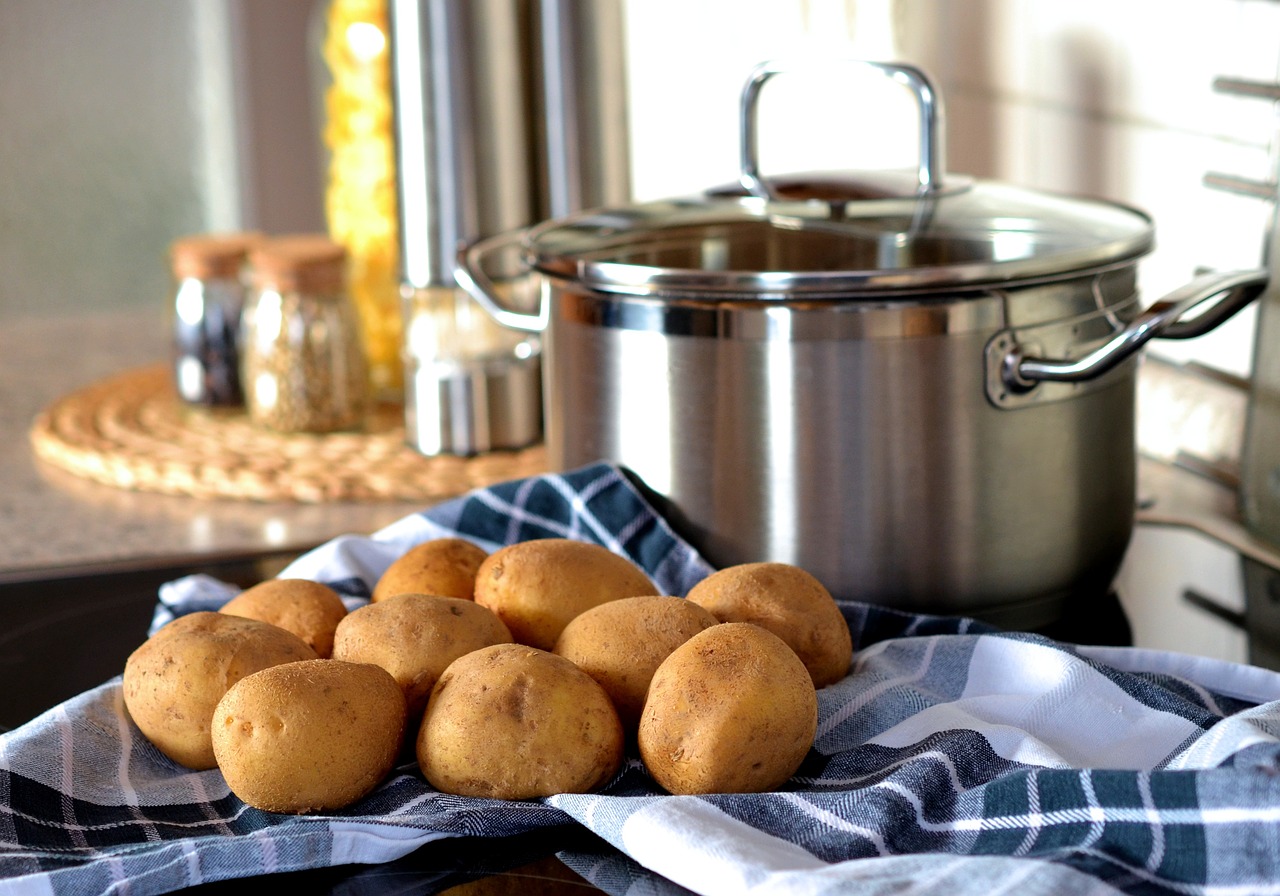
Storing onions and potatoes in the same bin is a common kitchen mistake that significantly reduces the shelf life of both vegetables. While they are both staples of a well-stocked pantry, they possess conflicting chemical needs that lead to rapid spoilage when kept in close proximity.
The primary culprit is ethylene gas. Onions naturally emit this odorless, invisible hydrocarbon as they age. Ethylene acts as a potent ripening agent in the plant world. Potatoes, however, are exceptionally sensitive to this gas. When potatoes are exposed to ethylene, it triggers premature sprouting and accelerates the breakdown of their starches. This not only ruins the texture of your potatoes but also makes them more prone to shriveling and decay.
The damage is bidirectional. While the onions negatively affect the potatoes, the potatoes create a hostile environment for the onions. Potatoes have a high moisture content. Onions are highly hygroscopic, meaning they readily absorb ambient moisture from their surroundings. When stored together, the onions will pull in the humidity released by the potatoes. This excess moisture causes onions to turn soft, develop mold, and rot much faster than they would if kept in a dry, well-ventilated space.
To maximize the longevity of your produce, follow these practical storage guidelines:
- Maintain Separation: Keep onions and potatoes in entirely different areas of your pantry, or store them in separate containers at opposite ends of a shelf.
- Prioritize Ventilation: Both vegetables require airflow. Use mesh bags, wire baskets, or wooden crates rather than airtight plastic containers to prevent moisture buildup.
- Control the Environment: Store both items in a cool, dark, and dry location. Sunlight and heat will accelerate the sprouting process in potatoes regardless of proximity to onions.
- Regular Inspection: Check your stored vegetables weekly. Remove any individual onion or potato that shows signs of soft spots or sprouting immediately to prevent the decay from spreading to the rest of your harvest.
Ideal Storage Distance and Separation Methods
To keep your onions and potatoes fresh for as long as possible, you must store them separately. If these two crops are kept in close proximity, the onions release ethylene gas, which accelerates the sprouting and spoilage of your potatoes. Conversely, potatoes release moisture that can cause onions to rot prematurely.
For optimal shelf life, maintain a minimum distance of three to five feet between your onion and potato supplies. This separation prevents the cross-contamination of gases and moisture, ensuring both vegetables remain firm and flavorful for months.
If you have a small kitchen or limited pantry space, you can still achieve effective separation using these practical storage methods:
- Designated Zones: Use different cupboards or separate ends of the same pantry shelf. As long as there is a clear three-foot gap, you can safely store them in the same room.
- Breathable Mesh Bags: Always store produce in mesh or burlap bags rather than plastic. Plastic traps humidity, which is the primary cause of decay.
- Vertical Storage: If shelf space is tight, hang your onions in mesh bags from hooks on the inside of a pantry door, while keeping your potatoes in a dark, ventilated bin on the floor or a lower shelf.
- Airflow is Key: Ensure both storage locations have consistent air circulation. Avoid airtight containers or drawers, as stagnant air encourages mold growth.
Regardless of the distance, both vegetables require a cool, dark, and dry environment. Sunlight triggers greening in potatoes, which produces solanine, a bitter compound that can be toxic. By keeping them in separate, well-ventilated areas, you minimize the risk of premature sprouting and rot, allowing you to maximize your harvest and reduce food waste.
Always inspect your stored produce every few weeks. Remove any onions that feel soft or potatoes that show signs of sprouting immediately. A single decaying vegetable can quickly compromise the quality of the entire batch, regardless of how well you have separated them.
Creating the Perfect Environment for Onions
To ensure your onions remain firm and flavorful for months, you must replicate the conditions of a traditional root cellar. Onions are highly sensitive to their environment; if the conditions are off, they will sprout, soften, or develop mold prematurely.
The ideal storage environment requires four specific elements:
- Cool temperatures: Aim for a range between 35°F and 50°F (2°C to 10°C). A basement, unheated garage, or a cool pantry works best.
- Low humidity: Excess moisture is the primary cause of onion rot. Keep them in a dry area away from damp laundry or leaky pipes.
- Total darkness: Exposure to light triggers the onion’s natural instinct to sprout. Store them in a dark cabinet or cover them with a cloth if necessary.
- Consistent airflow: Proper ventilation is non-negotiable. Stagnant air allows moisture to collect, which quickly leads to decay.
Your choice of container is just as important as the location. Always prioritize breathability. Wire baskets, wooden crates, or mesh bags are excellent options because they allow air to circulate freely around every bulb. If you are using a basket, ensure it is not packed too tightly, as crowded onions cannot “breathe” effectively.
Never store your onions in plastic bags or airtight containers. Plastic traps ethylene gas and moisture, creating a humid microclimate that will cause your harvest to spoil within days. If you buy onions in plastic packaging from the grocery store, remove them immediately upon arriving home.
Finally, keep your onions physically separated from your potatoes. While both are root crops, they have conflicting storage needs. Potatoes release moisture and ethylene gas as they age, which causes onions to sprout and soften much faster than they would on their own. By providing a dedicated, well-ventilated space for your onions, you extend their shelf life significantly and reduce food waste in your kitchen.
Optimizing Potato Storage Conditions
Potatoes are highly sensitive to their environment, and improper storage can lead to rapid spoilage or the development of harmful compounds. To keep your harvest firm and safe for consumption, you must prioritize darkness, cool temperatures, and adequate ventilation.
The most critical rule for potato storage is to ensure total darkness. When potatoes are exposed to light, they produce chlorophyll, which turns the skin green. This greening is often accompanied by the production of solanine, a natural toxin that can cause illness if ingested. If you notice green patches, trim them away completely before cooking; if the greening is extensive, the potato should be discarded.
For long-term storage, aim for these specific conditions:
- Temperature: Keep potatoes in a cool, dark location, ideally between 45°F and 50°F (7°C to 10°C). Avoid storing them in a refrigerator, as the cold can convert starches into sugars, affecting flavor and texture.
- Humidity: A humidity level of about 85% to 90% is ideal to prevent shriveling. However, ensure there is enough airflow to prevent moisture buildup, which encourages rot.
- Ventilation: Use mesh bags, wooden crates, or perforated bins. Never store potatoes in sealed plastic bags, as trapped moisture will lead to rapid decay.
Safety is paramount during the harvest and storage process. When moving heavy crates of potatoes, use proper lifting techniques: bend at your knees, keep your back straight, and hold the weight close to your body to prevent strain. If you are using garden tools like pitchforks or spades to unearth your crop, handle them with extreme care. Always store sharp tools in a dedicated rack or shed immediately after use to avoid accidental trips or cuts.
Finally, inspect your stored potatoes periodically. Remove any that show signs of soft rot or mold immediately. One decaying potato can release moisture and bacteria that quickly compromise the health of the entire batch, so a quick check every few weeks is the best way to protect your hard-earned harvest.
Troubleshooting and Signs of Spoilage
Even with perfect storage conditions, your onions and potatoes require regular monitoring. Because these vegetables emit moisture and gases as they age, keeping them in close proximity can accelerate spoilage if one begins to rot. If your storage space is limited, prioritize airflow by using mesh bags or slatted crates rather than solid plastic containers, which trap humidity and invite decay.
Establish a weekly inspection routine to catch issues early. Simply shifting your produce allows you to check for the following warning signs:
- Soft or mushy spots: If a potato or onion feels soft to the touch, it is beginning to break down. Remove it immediately to prevent the rot from spreading to healthy neighbors.
- Visible mold: Any fuzzy growth, regardless of color, indicates fungal contamination. Discard the affected item immediately; do not attempt to cut away the moldy section, as microscopic spores have likely permeated the surrounding tissue.
- Strong, pungent odors: A healthy onion should smell earthy. A sharp, sour, or rotting smell is a definitive sign of internal decay.
- Significant sprouting: Small sprouts on potatoes can be cut away, but if the potato has become shriveled, soft, or has long, woody sprouts, it is best to compost it. Onions with green shoots are generally safe to eat, but they will have a shorter shelf life and a milder flavor.
If you notice a “leaker”—an onion that has turned liquid or a potato that is oozing—remove it from the storage area instantly. Clean the surrounding area with a dry cloth to remove any residual moisture. Never store onions and potatoes in the same bin if space is at a premium, as the ethylene gas released by the onions will cause the potatoes to sprout prematurely. If you find yourself frequently discarding produce, it is a clear signal that your storage environment is either too warm or too humid, and you should consider moving your stash to a cooler, darker location.