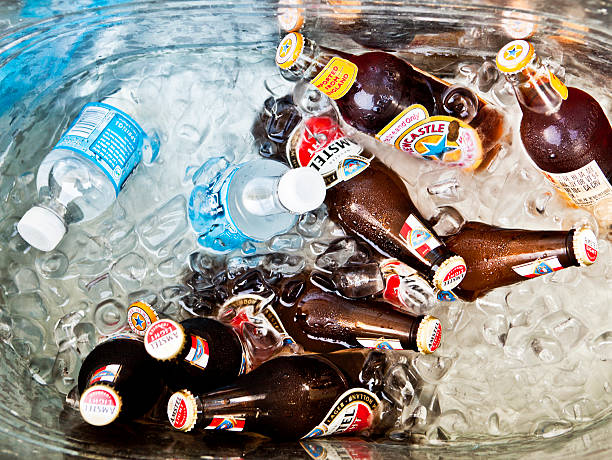
Newcastle Brown Ale Abv
If you are looking for the exact Newcastle Brown Ale ABV, you have come to the right place. This iconic British brown ale typically sits at 4.7% alcohol by volume, offering a smooth and balanced experience. Whether you are tracking your intake or just curious about what is in your glass, we have the quick facts you need. In this guide, we will break down the alcohol content, calorie count, and flavor profile to help you enjoy your next pint.
What is the Newcastle Brown Ale ABV?
Standard alcohol content in the UK
In its home market of the United Kingdom, Newcastle Brown Ale is consistently brewed at a standard 4.7% ABV. This specific alcohol volume is considered the benchmark for the brand, providing a balanced profile that highlights its signature nutty and malty characteristics without being overly heavy.
For consumers looking for a reliable sessionable experience, knowing this 4.7% alcohol by volume is essential for responsible planning and enjoyment. The brewing process in the UK focuses on maintaining this consistent strength to ensure the flavor profile remains faithful to its heritage.
When purchasing this ale in British supermarkets or pubs, you can reliably expect this moderate strength, which pairs exceptionally well with hearty British cuisine or savory snacks. Understanding this standardized ABV helps drinkers manage their consumption effectively while appreciating the craftsmanship of this iconic northern English beer.
It remains a staple for those who prefer a traditional ale that offers a rich depth of flavor alongside a very manageable and predictable alcohol content.
ABV variations for the US market
If you are purchasing Newcastle Brown Ale in the United States, it is important to note that the ABV is slightly higher at 4.8%. This minor variation is due to different brewing locations and market-specific recipes tailored for the American palate and distribution standards.
While the difference between 4.7% and 4.8% ABV may seem negligible to the casual drinker, it is a key detail for those tracking their intake or comparing international versions of the same brand.
Currently, the version sold in the US is often brewed by Lagunitas, which has slightly adjusted the formula while aiming to keep the soul of the original ‘One and Only’ intact.
Always check the labeling on the bottle or can to confirm the exact alcohol percentage, as regional distribution shifts can occasionally lead to different versions appearing on shelves.
Being aware of this 4.8% alcohol content ensures that American consumers have the most accurate information for a safe and enjoyable drinking experience with this imported favorite.
How it compares to other brown ales
When evaluating Newcastle Brown Ale against its peers, its 4.7% to 4.8% ABV places it firmly in the middle of the spectrum for the English Brown Ale style. Many traditional Northern English brown ales sit within the 4.5% to 5.2% range, making Newcastle a very standard representation of the category.
In contrast, American Brown Ales often feature a much higher alcohol content, frequently reaching between 5.5% and 7.0% ABV, along with a more aggressive hop profile. By choosing Newcastle, you are opting for a more moderate alcohol level that prioritizes drinkability and a smooth finish over high potency.
This makes it a versatile solution for social gatherings where a heavier, high-alcohol craft beer might be too intense. Comparing these figures allows you to make an informed decision based on your personal tolerance and the type of flavor experience you desire.
Newcastle remains a top choice for a balanced ale that offers more complexity than a light lager but less intensity than a strong stout.
History of Newcastle Brown Ale alcohol strength
The original 1927 recipe
When Colonel Jim Porter first perfected the recipe for Newcastle Brown Ale in 1927, the goal was to create a beverage that combined the full-bodied character of a traditional ale with the drinkability of a lighter lager.
During its early years in the North East of England, the original ABV was established at approximately 4.7%, a strength that quickly earned it the nickname ‘The Dog’ among locals.
This specific alcohol percentage was considered quite robust for the era, providing a distinctive malty punch that separated it from competitors.
For modern enthusiasts looking to understand the heritage of this brew, it is essential to recognize that the 1927 formula relied on a unique blend of crystal malts and a specific fermentation process that maintained this consistent strength for decades.
By focusing on a reliable 4.7% alcohol by volume, the brewery established a premium reputation that allowed the brand to dominate the regional market and eventually expand globally while keeping its core identity intact.
Changes in brewing ownership and formula
As the brand transitioned from its traditional home at the Tyne Brewery to Scottish & Newcastle and eventually into the hands of global giant Heineken, the production methods underwent significant scrutiny.
One of the most notable shifts for consumers occurred when production moved away from Newcastle entirely, leading to variations in the brewing process and ingredient sourcing that impacted the final product.
For those tracking the ‘newcastle brown ale abv’, it is important to note that while the UK version often maintained its traditional strength, versions brewed for international markets, particularly the United States, saw adjustments.
In recent years, the ABV was standardized at 4.7% for many markets, though some contract brewing arrangements, such as the partnership with Lagunitas, introduced slight variations in the flavor profile and mouthfeel.
Staying informed about where your bottle is produced can help you understand these subtle shifts in the formula, as the brand now balances its historical British roots with the requirements of large-scale international distribution networks.
Why the alcohol percentage shifted over time
The fluctuations in the alcohol content of Newcastle Brown Ale are primarily driven by a combination of taxation policies, consumer health trends, and international shipping requirements.
In the United Kingdom, changes in beer duty are often tied directly to alcohol strength, prompting many legacy brands to subtly lower their ABV to remain price-competitive on supermarket shelves.
Furthermore, as the brand expanded into the North American market, the recipe was occasionally tweaked to align with local preferences for sessionable imports.
For consumers seeking the most accurate information, checking the label is vital because the ABV has historically hovered between 4.5% and 4.8% depending on the specific decade and region of sale. These shifts are rarely about quality and more about the logistical reality of maintaining a global supply chain.
By understanding that market-specific regulations influence the final percentage, drinkers can better appreciate the complexity of maintaining a consistent brand identity across different borders while navigating the evolving landscape of the global brewing industry and modern consumer demands.
Ingredients that define the flavor and potency

The role of pale and crystal malts
To understand why Newcastle Brown Ale maintains its consistent 4.7% ABV, one must look at the specific grain bill that balances fermentable sugars with deep flavor. The foundation relies on high-quality pale malts which provide the primary enzymes and starches necessary for conversion into alcohol during the mashing process.
Complementing this base are crystal malts, which undergo a specialized heating process to caramelize the sugars within the husk. These malts are crucial because they do not fully ferment, leaving behind the signature nutty sweetness and caramel notes that define the brand’s profile.
By carefully calibrating the ratio of these grains, brewers ensure there is enough sugar to reach the target potency while maintaining a medium body that prevents the beer from feeling too thin.
This precise selection allows the ale to offer a complex, toasted palette without the heavy caloric load or high alcohol heat found in darker stouts or porters, making it a highly sessionable choice for enthusiasts.
Specific yeast strains used in fermentation
The fermentation process is where the raw sugars from the malts are transformed into the final 4.7% alcohol by volume. Newcastle Brown Ale historically utilized a unique dual-strain yeast system, a traditional method that involves two distinct top-fermenting strains working in tandem.
One strain is primarily responsible for the vigorous conversion of sugars into ethanol, ensuring the beer reaches its standardized potency efficiently. The second strain contributes to the development of subtle fruity esters and a clean finish, which prevents the malt sweetness from becoming cloying.
Managing these live cultures requires strict temperature control to avoid off-flavors that could disrupt the delicate balance of the brew. This specialized yeast management is the secret behind the ale’s smooth drinkability and consistent strength, providing a reliable experience in every bottle.
By focusing on yeast health and attenuation rates, the brewery can guarantee that the final product meets the exact specifications expected by consumers globally, maintaining its reputation for quality and a dependable, moderate alcohol content.
Water profile and hop selection
The final elements defining the potency and character of this iconic brown ale are the water chemistry and the strategic use of hops.
The water used in production is treated to mimic the mineral-rich profiles of traditional English brewing regions, which enhances the enzymatic activity during the mash and helps stabilize the 4.7% ABV. This specific ion balance ensures that the malt flavors are accentuated rather than masked.
To balance the sweetness of the crystal malts, brewers select Goldings and Fuggles hops, which are classic English varieties known for their earthy and floral aromas. These hops provide a mild bitterness that cuts through the sugar without overpowering the palate with high alpha-acid intensity.
The goal of hop selection here is not to increase bitterness units significantly, but to provide structural integrity to the liquid.
This careful calibration of water minerals and hop oils results in a well-rounded beverage where the alcohol content is perfectly integrated, offering a refreshing finish that encourages another sip while remaining within a moderate potency range.
Calories and nutritional facts per bottle
Carbohydrate content in a standard serving
When examining the nutritional profile of Newcastle Brown Ale, understanding the carbohydrate contribution is essential for those monitoring their daily intake. A standard 12-ounce serving typically contains approximately 13 to 14 grams of carbohydrates, which is characteristic of a traditional British brown ale.
This carbohydrate level is primarily derived from the malted barley used during the brewing process, providing the beer with its signature body and slight sweetness. For individuals tracking macronutrients, it is important to note that these are complex carbohydrates that contribute to the total energy density of the beverage.
While this amount is higher than what you would find in a dry cider or a spirit-based drink, it fits within a balanced diet when consumed in moderation.
To manage your intake effectively, consider pairing the ale with high-fiber snacks or protein-rich meals to help mitigate the impact on blood sugar levels. Always check the specific bottle size, as larger servings will proportionally increase the total carbohydrate count per sitting.
Calorie count vs. light beers
Newcastle Brown Ale carries a caloric load that reflects its rich flavor profile and 4.7% ABV (Alcohol by Volume). A single bottle contains roughly 150 to 160 calories, placing it in the mid-range of the caloric spectrum for malt beverages.
When compared to standard light beers, which often hover between 90 and 110 calories, Newcastle is significantly more calorie-dense. This difference is largely due to the residual sugars and higher alcohol content found in the brown ale compared to watered-down light alternatives.
For those looking to enjoy the full-bodied taste of a traditional ale while staying calorie-conscious, the best strategy is to savor the drink slowly to appreciate the nutty and caramel notes, which often leads to lower overall consumption.
Choosing one high-quality brown ale over multiple light beers can actually result in a lower total caloric intake for the evening. Understanding these figures allows consumers to make informed decisions about their liquid calorie budget without sacrificing the authentic taste of a classic imported ale.
Sugar levels and dietary information
Regarding the sugar content in Newcastle Brown Ale, most of the sugars from the grain are converted into alcohol during the fermentation process. However, some residual sugars remain, contributing to the beer’s smooth finish and mouthfeel.
It is not considered a high-sugar beverage compared to mixed cocktails or sodas, but it is not sugar-free. From a dietary perspective, this ale is not gluten-free as it is brewed with barley, making it unsuitable for those with celiac disease or severe gluten sensitivities.
For those following a vegan lifestyle, it is worth noting that modern production of Newcastle Brown Ale generally avoids animal-derived fining agents, making it a vegan-friendly option in most markets.
To maintain a healthy lifestyle while enjoying this beverage, focus on hydration by drinking water between servings to help your body process the alcohol and sugars more efficiently.
Always refer to the label for the most current allergen information, as brewing recipes can occasionally be updated to meet regional standards or changing production requirements over time.
How to serve Newcastle Brown Ale for best taste
Ideal temperature for serving
To truly appreciate the complex profile of Newcastle Brown Ale, you must serve it at the correct temperature. While many mass-produced lagers are served ice-cold to mask their flavor, this British classic shines when chilled to approximately 12°C (54°F).
Serving it at this slightly warmer cellar temperature allows the nutty, caramel notes to expand on the palate rather than being muted by extreme cold.
If the bottle is too cold, the subtle hints of dried fruit and toasted malt will remain hidden, preventing you from experiencing the full depth of its heritage. To achieve this, place the bottle in a standard refrigerator for about forty-five minutes before opening, rather than keeping it there indefinitely.
This careful temperature management ensures that the smooth finish and malty sweetness are perfectly balanced, providing a refreshing yet flavorful drinking experience that honors the traditional brewing methods of the North East of England while maintaining a crisp, clean mouthfeel for the consumer.
The tradition of the Geordie Schooner glass
The presentation of Newcastle Brown Ale is just as important as the liquid itself, traditionally involving the iconic Geordie Schooner glass. This specific glassware is a small, rounded glass that is designed to be filled frequently rather than holding a large volume at once.
The ritual involves pouring only a portion of the bottle into the glass at a time, which helps the ale maintain its carbonation and prevents it from going flat or warming up too quickly in your hand.
By using this authentic glassware, you enhance the aromatic delivery of the beer, allowing the toasted grain scents to reach your nose more effectively. When pouring, aim for a gentle stream down the side of the glass to create a thin, creamy head that protects the delicate effervescence.
This method of serving not only pays homage to the working-class roots of the brand but also ensures that every single sip remains as fresh and lively as the very first pour from the bottle.
Food pairings that match the ABV
With a moderate ABV of 4.7%, Newcastle Brown Ale is an exceptionally versatile companion for a wide variety of hearty dishes.
Its mid-range alcohol content and distinct malty sweetness make it the perfect partner for roasted meats and savory pies, where the beer’s caramelization complements the browned crusts of the food.
The carbonation helps to cut through the richness of fats, making it an excellent choice for a traditional Sunday roast or a plate of bangers and mash.
Additionally, the nutty undertones of the ale pair beautifully with aged cheddar or smoked gouda, as the beer provides a balanced contrast to the sharp, salty notes of the cheese.
Because the alcohol by volume is not overly dominant, it won’t overpower delicate flavors, yet it possesses enough body to stand up to spicy stews or grilled barbecue favorites.
Choosing foods that mirror the toasted characteristics of the malt will result in a harmonious dining experience that highlights the best qualities of this legendary brown ale.
Where to buy Newcastle Brown Ale today
Availability in UK supermarkets
Finding Newcastle Brown Ale across the United Kingdom remains a straightforward task for most shoppers, as it is a staple in major retail chains. When searching for this iconic brew, you will typically find it in the bottled ale aisle of stores like Tesco, Sainsbury’s, Asda, and Morrisons.
It is important to note that the Newcastle Brown Ale ABV in the UK is currently set at 4.7% alcohol by volume, maintaining its classic profile. Most supermarkets offer individual 550ml bottles, which are often part of ‘multi-buy’ deals, or convenient four-pack clusters for better value.
For those who prefer the ease of home delivery, online grocery platforms and specialist beer retailers like Beer Hawk frequently stock the brand. Always check the labels for the distinctive blue star to ensure you are purchasing the authentic product.
While availability is high, smaller local convenience stores may have limited stock compared to larger superstores, so checking online inventory before your visit is a smart way to guarantee a successful purchase.
Finding the imported version in the USA
In the United States, the landscape for Newcastle Brown Ale changed significantly after production shifted to the Lagunitas Brewing Company.
While the recipe was adjusted for the American market, you can still find it at major liquor retailers such as Total Wine & More and BevMo!, as well as large grocery chains like Kroger and Publix.
The Newcastle Brown Ale ABV for the American-brewed version typically mirrors the original at 4.7%, though some specialty importers may occasionally carry European stock. To locate a nearby supplier, using the product locator tools on retail websites is highly effective.
If your local shop does not carry it, many states allow for legal shipping through services like Drizly or Instacart, bringing the ‘One and Only’ directly to your doorstep.
Be aware that the flavor profile in the US may differ slightly from the UK original due to the use of different hops, so checking the ‘brewed by’ information on the back label is recommended for enthusiasts seeking a specific regional taste.
Draft vs. bottled options
When deciding where to enjoy Newcastle Brown Ale, your choice between draft and bottled formats may depend on your location and preference for freshness. On draft, the beer is often served in its signature Geordie schooner glass, providing a smooth, creamy head that highlights its nutty malt profile.
Many traditional pubs across Northern England and select craft beer bars in the US maintain it on tap. However, the bottled version remains the most widely accessible way to experience the brand’s consistent quality.
Regardless of the format, the Newcastle Brown Ale ABV remains a sessionable 4.7%, making it an ideal choice for social drinking. If you are looking for the draft experience at home, some specialty retailers offer 5-liter mini-kegs, though these are less common than the standard clear glass bottles.
For the best experience, ensure your bottle has been stored away from direct light to protect the delicate hop balance, and always serve it slightly chilled to fully appreciate the complex caramel and fruit notes that define this legendary brown ale.
Common questions about drinking Newcastle Brown Ale
Is it considered a strong ale?
Newcastle Brown Ale typically features an alcohol by volume (ABV) of 4.7%, which places it firmly in the category of a sessionable mid-strength brown ale rather than a heavy or high-gravity strong ale.
While some historical variations or export versions have reached slightly higher levels, the standard version found in most markets is designed for easy drinking and balance. It is important to distinguish this from traditional British ‘Strong Ales’ or ‘Old Ales,’ which often boast an ABV of 6% or higher.
For those monitoring their intake, this moderate percentage means you can enjoy the rich, nutty malt profile without the immediate intensity of a high-alcohol craft beer. If you are looking for a beverage that pairs well with hearty meals without being overwhelming, this classic ale provides a reliable middle ground.
Always check the specific label on your bottle, as regional brewing regulations can occasionally lead to minor adjustments in the final alcohol content depending on where the beer was produced.
Does the clear bottle affect the quality?
One of the most frequent concerns regarding Newcastle Brown Ale is its iconic clear glass bottle, which can potentially expose the liquid to ultraviolet light. When hops are exposed to specific light wavelengths, a chemical reaction occurs that creates ‘skunked’ flavors, a process known as being light-struck.
To maintain the optimal flavor profile and quality, it is highly recommended to store your bottles in a dark, cool environment such as a closed pantry or a solid-door refrigerator.
Avoiding direct sunlight or harsh fluorescent lighting is the most effective way to ensure the caramel and fruit notes remain untainted. While the clear glass is a traditional branding choice that showcases the deep amber color of the beer, it requires more careful handling than brown or green glass.
By keeping your supply away from windows and bright display shelves, you can prevent spoilage and ensure that every pour delivers the smooth, refreshing taste that enthusiasts expect from this historic Northern English brand.
How many units of alcohol are in one bottle?
Calculating the alcohol units in a bottle of Newcastle Brown Ale is essential for responsible consumption and health tracking. In a standard 550ml ‘Geordie Schooner’ bottle with a 4.7% ABV, there are approximately 2.6 units of alcohol.
If you are consuming the smaller 330ml bottle size, the unit count drops to roughly 1.6 units per serving. Understanding these numbers helps you stay within recommended daily guidelines and manage your hydration levels effectively.
To calculate this yourself, you can multiply the total volume in milliliters by the ABV percentage and divide by 1,000. Being mindful of these units is especially helpful when pairing the ale with food or enjoying it during social events.
Because the malty sweetness can sometimes mask the presence of alcohol, tracking units ensures you remain aware of your actual intake. Always pair your ale with plenty of water and food to balance the metabolic effects of the alcohol, ensuring a pleasant and safe experience for everyone involved.
Frequently Asked Questions
What is the alcohol by volume (ABV) of Newcastle Brown Ale?
Newcastle Brown Ale typically has an ABV of 4.7%. This makes it a mid-strength session ale that is widely available in both bottles and on draught.
Does the Newcastle Brown Ale ABV vary by country?
Yes, while the standard ABV is 4.7% in the UK and many international markets, some versions brewed under license in other regions may vary slightly. Always check the specific bottle label for the most accurate percentage.
How many units of alcohol are in a bottle of Newcastle Brown Ale?
A standard 550ml ‘bottle and a half’ of Newcastle Brown Ale at 4.7% ABV contains approximately 2.6 units of alcohol. Smaller 330ml bottles contain roughly 1.6 units.
How does Newcastle Brown Ale’s ABV compare to other brown ales?
At 4.7%, Newcastle Brown Ale falls right in the middle of the traditional brown ale spectrum. It is stronger than many mild ales but lighter than many American-style brown ales which can range from 5% to 6% ABV.
Is Newcastle Brown Ale considered a high-alcohol beer?
No, Newcastle Brown Ale is considered a standard-strength beer. It is designed to be approachable and easy to drink, fitting into the category of a traditional British session ale.
Has the ABV of Newcastle Brown Ale changed over time?
The ABV has remained relatively stable at 4.7% for many years to maintain its classic flavor profile. While the brewing location has moved from Newcastle to Tadcaster and elsewhere, the target alcohol content has stayed consistent.
Conclusion
Newcastle Brown Ale offers a distinct balance of rich flavor and a moderate alcohol content, typically sitting at 4.7% ABV. This makes it an accessible choice for those seeking a classic British session ale without overwhelming intensity. Whether you are a longtime fan or a curious newcomer, understanding its strength helps you enjoy every sip responsibly. Next time you are at the pub, grab a bottle and experience this legendary northern brew for yourself.