How to Store Potatoes and Onions Properly for Longevity
To keep your harvest fresh, you must store potatoes and onions in separate, cool, and dark locations. Many home gardeners make the mistake of storing them together, which leads to premature sprouting and rapid spoilage due to the moisture and gases they exchange. Proper separation is the first step toward long-term storage success.
Achieving a long shelf life requires more than just finding a spare cupboard. You must set realistic expectations by understanding that temperature, humidity, and airflow play critical roles in preventing rot. By creating an environment that mimics a traditional root cellar, you can significantly extend the longevity of your homegrown produce throughout the winter.
This guide provides the essential professional techniques needed to protect your hard work. You will learn the precise steps for curing your vegetables, managing environmental variables, and organizing your storage space for maximum efficiency. Follow these practical tips to ensure your potatoes and onions remain firm, flavorful, and ready for use all season long.
Why You Should Never Store Potatoes and Onions Together
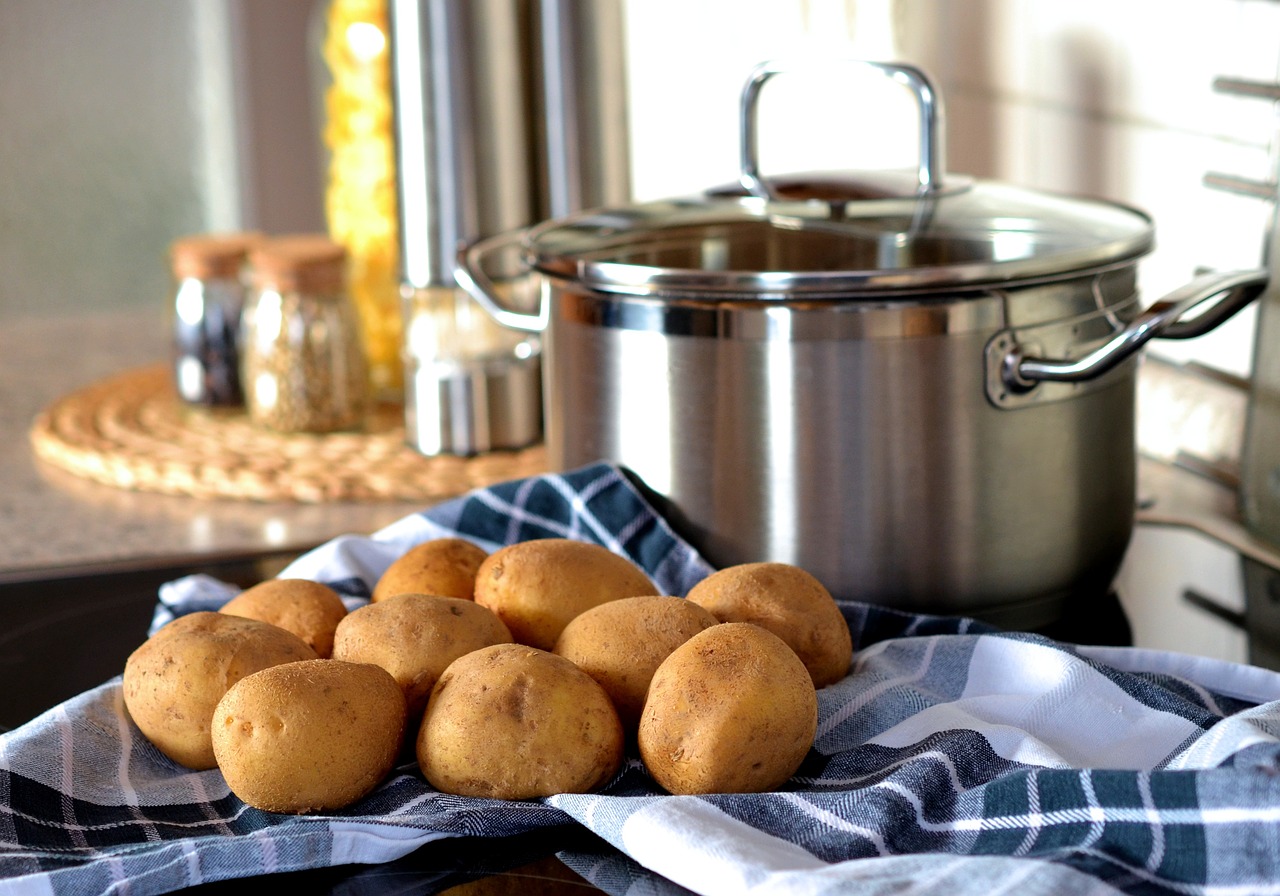
If you want your root vegetables to last through the winter, the golden rule is simple: never store potatoes and onions together. While they are both kitchen staples that thrive in dark, cool environments, placing them in the same bin creates a chemical reaction that significantly shortens their shelf life.
The primary culprit is ethylene gas. Onions naturally release this odorless gas as they age. When potatoes are exposed to ethylene, it acts as a hormonal trigger that accelerates their biological clock, causing them to sprout prematurely and lose their firm texture. Once a potato begins to sprout, its starch converts to sugar, which negatively impacts both its flavor and cooking quality.
Conversely, potatoes are high-moisture vegetables. When stored in a confined space, they release humidity into the air. Onions are highly sensitive to moisture; when exposed to this excess humidity, they soften, develop mold, and begin to rot rapidly. By keeping them in the same container, you create a self-defeating cycle where each vegetable actively degrades the other.
To maximize the longevity of your harvest, follow these practical storage guidelines:
- Separate Containers: Use distinct bins, baskets, or mesh bags to ensure proper airflow between the two types of produce.
- Optimize Airflow: Both vegetables require ventilation. Avoid plastic bags, which trap moisture and encourage decay.
- Check Regularly: Inspect your stash weekly. Remove any onions that feel soft or potatoes that show signs of sprouting immediately to prevent the issue from spreading to the rest of your supply.
- Cool and Dark: Store both in a cool, dark pantry or cellar. Keep them away from direct sunlight and heat sources like ovens or radiators.
By simply maintaining physical distance between your potatoes and onions, you can prevent premature spoilage and ensure your vegetables remain fresh, firm, and ready to use for months rather than weeks.
Best Practices for Storing Potatoes
Potatoes are living organisms that remain dormant after harvest, but they require specific environmental conditions to stay fresh and prevent premature sprouting or spoilage. To maximize their shelf life, you must mimic the conditions of a root cellar.
The most critical requirement for storing potatoes is total darkness. Exposure to light triggers the production of chlorophyll, which turns the skin green. This greening process is often accompanied by the development of solanine, a bitter-tasting compound that can be toxic if consumed in large quantities. Always store your potatoes in a dark pantry, cupboard, or basement.
Temperature and humidity levels are equally important for long-term storage. Aim for a cool environment between 45 and 50 degrees Fahrenheit. If the temperature is too high, the potatoes will sprout and shrivel; if it drops near freezing, the starch converts to sugar, which ruins the texture and flavor when cooked.
Maintain high humidity to keep the tubers firm. However, this moisture must be accompanied by excellent airflow to prevent rot. Follow these storage guidelines to ensure success:
- Use breathable containers: Choose burlap sacks, wire baskets, or wooden crates. These allow air to circulate freely around the potatoes.
- Avoid plastic: Never store potatoes in sealed plastic bags. Plastic traps moisture, which encourages bacterial growth and rapid decay.
- Check for damage: Inspect your potatoes before storage. Remove any that are bruised, cut, or showing signs of soft rot, as one bad potato can quickly spoil the entire batch.
- Keep them separate: Do not store potatoes near onions. Onions release ethylene gas, which causes potatoes to sprout much faster than they would on their own.
By following these practices, you can keep your potatoes in prime condition for several months. Regularly check your supply and remove any tubers that begin to soften or sprout to protect the remaining harvest.
Optimal Conditions for Storing Onions
Unlike potatoes, which prefer total darkness and higher humidity, onions require a distinct environment to prevent premature sprouting and rot. The golden rule for long-term onion storage is prioritizing airflow and dryness above all else. If moisture becomes trapped around the skins, the bulbs will quickly soften and develop mold.
To keep your onions firm and flavorful for months, store them in a cool, dry, and well-ventilated space. Ideal locations include a pantry, a basement, or a garage that remains between 40°F and 50°F. Avoid storing them under the kitchen sink or near the dishwasher, as these areas are often too humid.
Proper circulation is essential to ensure air reaches every side of the bulb. Never store onions in airtight plastic bags, as this traps ethylene gas and moisture, accelerating decay. Instead, use these storage methods to maximize shelf life:
- Mesh Bags: Hang onions in mesh produce bags or old pantyhose. This keeps them suspended, allowing air to flow freely around the entire bulb.
- Wire Racks: Place onions in a single layer on wire shelving or mesh trays. This prevents the weight of other onions from bruising the bottom layers.
- Wicker Baskets: If you must use a basket, ensure it has wide gaps between the weave to facilitate ventilation.
Always inspect your stored onions periodically for signs of softness or sprouting. If you notice one onion beginning to spoil, remove it immediately from the batch. One decaying bulb can release gases that trigger the surrounding onions to soften, potentially ruining your entire supply. Keep in mind that onions should always be stored separately from potatoes. Potatoes release moisture and ethylene gas that can cause onions to sprout much faster than they would on their own. By keeping them apart and maintaining a dry, breezy environment, you will significantly extend the freshness of your harvest.
Safety and Preparation Tips for Handling Harvests
Proper preparation is the foundation of a successful harvest. Before you begin processing your potatoes and onions for long-term storage, prioritize your safety to ensure the task remains productive and injury-free.
Always inspect your harvest area for debris and ensure your tools are in good working order. When cleaning soil from tubers or trimming fibrous onion roots, wear sturdy gardening gloves. These protect your skin from sharp garden shears, abrasive dirt, and potential skin irritants found in certain plant sap.
If your storage process involves building custom racks or modifying shelving, prioritize personal protective equipment (PPE):
- Eye Protection: Always wear safety goggles when using power tools to prevent wood chips, sawdust, or debris from causing ocular injuries.
- Respiratory Safety: Root cellars and storage sheds often accumulate dust, mold spores, and dry soil particles. Wear a high-quality dust mask or respirator when cleaning these spaces to prevent respiratory irritation or allergic reactions.
- Tool Maintenance: Ensure all blades are sharp. Dull tools require more force, which increases the likelihood of slips and accidental cuts. Always cut away from your body.
Before bringing your produce indoors, perform a preliminary “curing” inspection. Gently brush off excess dirt using a soft-bristled brush rather than scraping with metal implements, which can bruise the skin of the potato or the outer layers of the onion. Any break in the skin serves as an entry point for bacteria, which can lead to rapid rot once the produce is in storage.
Finally, keep your workspace organized. A cluttered area increases the risk of tripping, especially when carrying heavy crates of produce. Clear pathways and ensure you have adequate lighting before you begin moving your harvest into its final storage location. By taking these small, deliberate precautions, you protect both your health and the longevity of your hard-earned crops.
Troubleshooting Sprouting and Decay
Even with perfect storage conditions, produce can occasionally spoil. Regularly inspecting your stash is the best way to catch issues before they spread. Aim to check your potatoes and onions once every two weeks, looking for soft spots, dampness, or off-putting odors.
If you notice a potato has started to sprout, it is usually still safe to eat. Simply snap off the sprouts with your fingers or a paring knife. If the potato remains firm, it is fine for cooking. However, discard the potato immediately if it shows any of the following signs:
- Significant shriveling: The potato has lost most of its moisture and feels rubbery.
- Deep green discoloration: This indicates high levels of solanine, which can cause illness.
- Soft, mushy patches: This is a clear sign of rot that can quickly spread to healthy vegetables.
- Foul odor: Any rotting potato should be removed instantly to prevent bacterial contamination.
For onions, the rules are stricter. If an onion feels soft, develops dark spots, or has visible mold on the skin, it has likely begun to decay from the inside. Unlike potatoes, onions do not “recover” from soft spots. Discard any onion that shows signs of mold or mushiness, as these can quickly spoil the entire batch.
To prevent these issues, maintain a clean storage environment. If you find a spoiled item, remove it and wipe down the surrounding area with a dry cloth. If you notice dampness in your pantry or basement, increase ventilation immediately. Moisture is the primary catalyst for mold growth and premature sprouting.
Finally, never store potatoes and onions in the same container. Onions release ethylene gas, which causes potatoes to sprout faster. Keeping them in separate, breathable bins—such as wire baskets or mesh bags—will significantly extend their shelf life and keep your harvest fresh for months.