How to Store Onions and Potatoes Properly for Longer Freshness
To store onions and potatoes properly, you must keep them in separate, cool, dark, and well-ventilated locations. Storing them together causes premature sprouting and rotting due to the ethylene gas onions release, which accelerates the aging process of potatoes. Following these simple separation rules will significantly extend the shelf life of your harvest.
Many gardeners struggle with premature sprouting or rotting when storing these two staples in the same bin. While it is tempting to keep them in one pantry drawer, their conflicting chemical needs make this a recipe for disaster. Understanding the science behind their unique storage requirements is essential for long-term food preservation success.
This guide explains the specific environmental conditions necessary to keep your produce firm and fresh for months. We provide practical, step-by-step instructions on choosing the right containers and ideal household spots to prevent spoilage. By applying these professional storage techniques, you will minimize waste and ensure your home-grown vegetables remain delicious all season long.
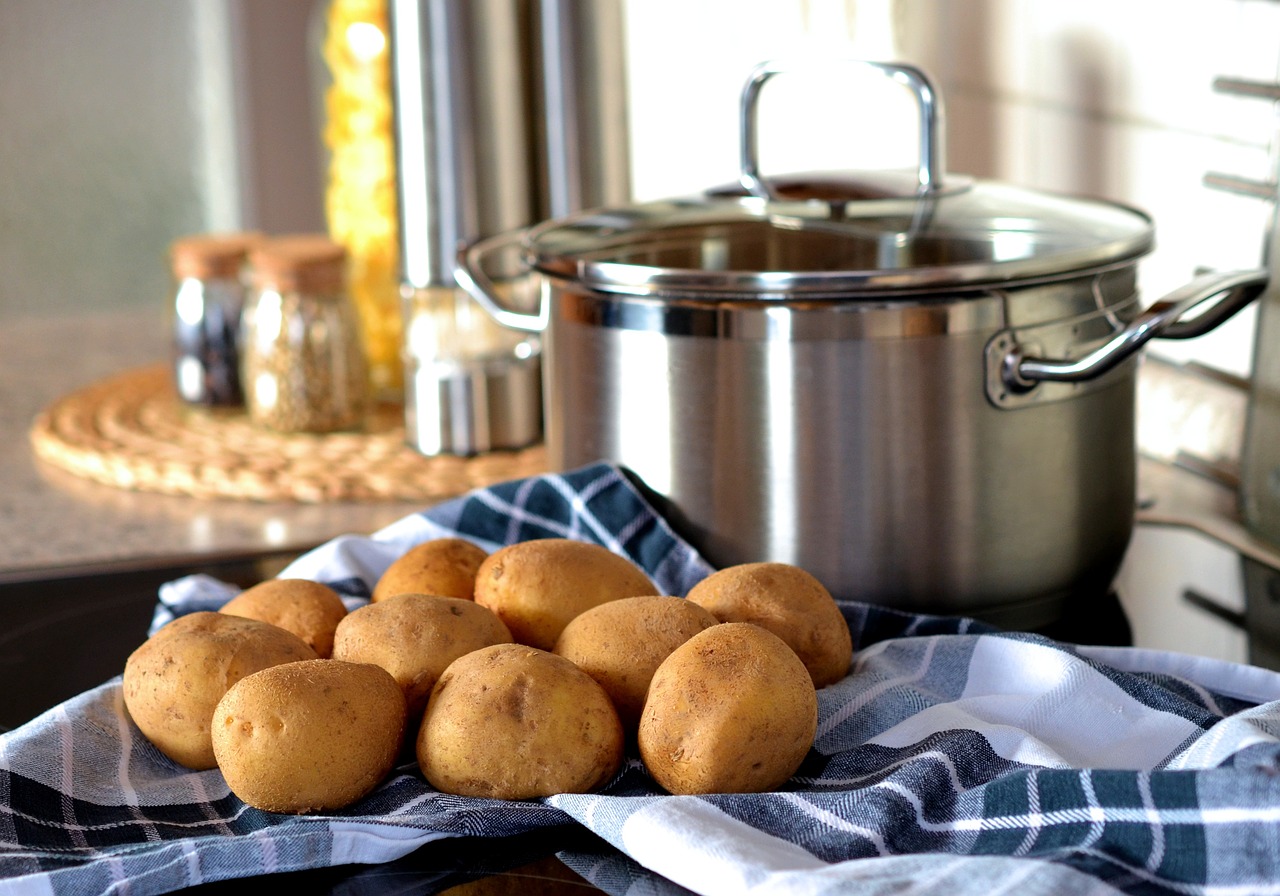
Why Onions and Potatoes Should Be Stored Separately
The most important rule for storing root vegetables is to keep onions and potatoes apart. While it may be tempting to group them together in a pantry or cellar, doing so significantly reduces the shelf life of both items. This simple separation is the single most effective way to prevent premature spoilage.
The primary reason for this rule is the chemical reaction triggered by their proximity. Onions naturally release ethylene gas as they cure and age. This gas acts as a ripening agent, which inadvertently signals your potatoes to begin the sprouting process. When potatoes sprout, they lose their structural integrity, become bitter, and eventually turn soft.
Conversely, potatoes have a high water content and release moisture into the surrounding air. Onions are highly sensitive to humidity; when they absorb this excess moisture, they quickly become soft, moldy, and prone to rot. By keeping them in the same bin or drawer, you create a cycle of decay that ruins both crops much faster than if they were stored individually.
To maximize the longevity of your produce, follow these storage guidelines:
- Designate separate zones: Store onions and potatoes in different cupboards, shelves, or even different rooms if space allows.
- Prioritize airflow: Both vegetables require excellent ventilation. Use mesh bags, wicker baskets, or crates with slats rather than airtight plastic containers.
- Maintain darkness: Keep both in a cool, dark place to prevent potatoes from turning green and onions from sprouting.
- Inspect regularly: Periodically check your stash for any individual vegetable that has started to soften or sprout. Remove these immediately to prevent the decay from spreading to the healthy produce nearby.
By simply ensuring these two vegetables never touch, you will notice a dramatic improvement in how long your pantry staples stay fresh and firm. A little logistical planning in your kitchen storage goes a long way in reducing food waste and ensuring your ingredients remain ready for your next meal.
Best Practices for Storing Onions
Proper storage is the secret to keeping your onions firm and flavorful for months. Because onions are living produce, they require specific environmental conditions to prevent premature sprouting and rot. The goal is to mimic a cool, dry, and dark cellar environment, which helps the bulb remain in a dormant state.
Air circulation is the most critical factor in onion longevity. Never store your onions in sealed plastic bags, as these trap humidity and quickly accelerate decay. Instead, prioritize containers that allow air to move freely around the skins. Ideal storage solutions include:
- Mesh bags or net produce sacks.
- Wire baskets or open-weave wicker bins.
- Perforated plastic crates or wooden boxes.
- Dedicated hanging onion hammocks.
Choose a location that is consistently dark, cool, and dry. A pantry, a temperature-controlled garage, or an unheated basement are excellent choices. Exposure to light can trigger the onion to begin the sprouting process, which draws energy from the bulb and softens its texture. Avoid storing onions under the kitchen sink or near appliances that generate heat, as these areas often fluctuate in temperature and humidity.
It is also vital to keep onions separated from other produce, particularly potatoes. Potatoes release moisture and ethylene gas, a natural ripening agent that causes onions to sprout and spoil much faster than they would on their own. By keeping your onions in an isolated, well-ventilated spot, you can significantly extend their shelf life.
Finally, perform a quick inspection every few weeks. Remove any onions that show signs of soft spots, mold, or strong odors immediately. One decaying onion can release moisture that compromises the health of the entire batch. If you notice a single onion beginning to sprout, use it right away for cooking, as the bulb is still safe to eat but will no longer store well.
How to Properly Store Potatoes
Properly storing potatoes is essential to maintain their texture, nutritional value, and safety. The most critical rule is to keep them in complete darkness. Exposure to light triggers photosynthesis, which causes the skin to turn green. This greening indicates the development of solanine, a natural toxin that creates a bitter taste and can cause digestive issues if consumed in large quantities.
To keep your potatoes fresh for months, prioritize these three environmental factors:
- Temperature: Aim for a cool environment, ideally between 45°F and 50°F (7°C to 10°C). A root cellar, unheated basement, or a cool pantry works best.
- Humidity: Potatoes prefer slightly humid conditions to prevent shriveling. If your storage area is very dry, you can place a shallow pan of water nearby to increase moisture levels.
- Airflow: Good ventilation is vital to prevent rot. Never store potatoes in sealed plastic bags, as these trap moisture and encourage decay.
Choose breathable storage containers, such as cardboard boxes with ventilation holes, wooden crates, or open paper bags. These materials allow air to circulate freely while blocking out light. Avoid storing potatoes near onions; onions release ethylene gas, which can cause potatoes to sprout prematurely, while the moisture from potatoes can cause onions to rot faster.
A common mistake is storing potatoes in the refrigerator. The cold temperature is too low and causes the potato’s natural starches to convert into sugars. This process, known as cold-induced sweetening, ruins the potato’s flavor and causes it to turn dark or “caramelize” awkwardly when cooked. Furthermore, the refrigerator’s humidity levels are rarely ideal for long-term root vegetable storage.
Finally, inspect your supply regularly. Remove any potatoes that show signs of soft spots, mold, or significant sprouting. One decaying potato can quickly affect the rest of the batch, so separating the healthy ones from the damaged ones is the best way to protect your harvest.
Safety and Handling Tips
Preparing your onions and potatoes for long-term storage requires careful handling to prevent damage to the produce and yourself. Before you begin, ensure your workspace is well-lit and clear of clutter to maintain steady footing and visibility.
When trimming the roots or dried tops of your harvest, use sharp utility knives or garden shears. Dull tools are more dangerous because they require excessive force, which can lead to slips. Always cut away from your body and keep your fingers well clear of the blade’s path. If a tool becomes stuck, stop and reposition rather than forcing it.
If you are constructing wooden storage racks or crates, follow these safety protocols:
- Wear impact-resistant safety glasses to shield your eyes from flying sawdust and wood chips.
- Use heavy-duty work gloves to prevent splinters and protect your hands when handling rough lumber or using power tools.
- Ensure your workspace is properly ventilated to avoid inhaling fine wood dust.
- Keep power cords away from damp areas to prevent electrical hazards.
Storage areas like basements, root cellars, or garages are often prone to high humidity. If you are installing electrical lighting in these spaces, you must use fixtures rated for damp or wet locations. Standard indoor lighting can corrode or short-circuit in humid environments, posing a significant fire risk. If you are unsure about your current setup, consult a qualified electrician or opt for battery-operated LED motion lights, which eliminate the need for wiring entirely.
Finally, always inspect your storage area for stability. Ensure any shelving units are anchored securely to the wall to prevent tipping, especially when loaded with heavy crates of potatoes. By prioritizing these safety measures, you create a secure environment that protects both your hard-earned harvest and your personal well-being. A well-organized, safe space is the foundation of successful, long-term food preservation at home.
Troubleshooting and Maintenance
Even with the best storage conditions, onions and potatoes require regular supervision. Establishing a weekly inspection routine is the most effective way to protect your harvest from premature spoilage. By catching issues early, you prevent a single bad vegetable from ruining the entire batch.
During your weekly check, gently sift through your stored produce. Look for and immediately remove any items showing the following warning signs:
- Soft or mushy spots: These indicate internal decay or rot.
- Sprouting: While small sprouts are sometimes edible, they signal that the vegetable is breaking dormancy and will lose quality quickly.
- Visible mold: Any fuzzy growth, especially if accompanied by a damp texture, must be removed to stop the spread of spores.
- Strong, unpleasant odors: A foul smell is a definitive indicator of advanced decay.
If you discover a spoiled vegetable, act quickly. Remove the affected item and inspect the surrounding produce for any moisture transfer. If you find significant mold growth or a lingering odor, discard the affected items and thoroughly sanitize your storage container. Use a mild soap and water solution, then ensure the container is completely bone-dry before returning your produce to it.
Environmental factors often dictate the shelf life of your vegetables. If you notice that your produce consistently spoils faster than expected despite regular monitoring, your storage space may lack sufficient airflow. Stagnant air allows moisture to accumulate, which accelerates rot.
To remedy this, consider installing a small, low-power fan near your storage area. You do not need a powerful breeze; a gentle, consistent circulation of air is enough to dissipate humidity and keep your vegetables crisp. Additionally, ensure your storage containers are not packed too tightly, as airflow is essential for both potatoes and onions to remain dormant. If spoilage remains a persistent problem, double-check that your storage area maintains a dark, cool temperature, as heat is the primary enemy of long-term preservation.

