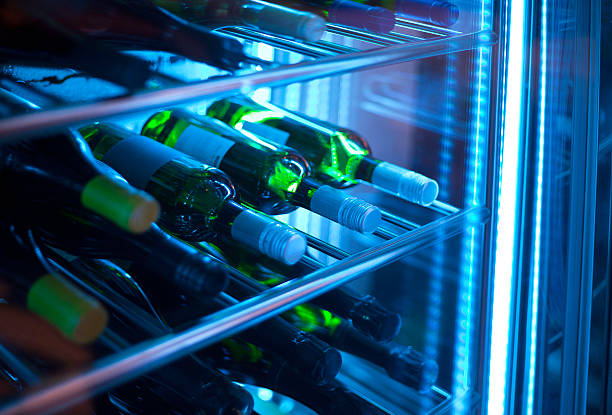
Front Venting Beverage Fridge
Finding the right spot for your drinks shouldn’t be a headache. If you are looking for a front venting beverage fridge, you likely want a seamless, built-in look for your cabinetry without worrying about overheating. Unlike standard models that need side clearance, these specialized units breathe from the front, making them perfect for tight under-counter spaces. In this guide, we will quickly explain how they work and help you choose the best model to keep your refreshments perfectly chilled.
What is a front venting beverage fridge?
How front ventilation systems work
A front venting beverage fridge is specifically engineered with a specialized kickplate or grille located at the bottom front of the unit. Unlike standard refrigerators that release heat through the back or sides, these models pull in cool air and expel warm air through the front-facing ventilation system.
This mechanical design utilizes a powerful internal fan to circulate air across the condenser coils, ensuring that heat is pushed away from the appliance even when it is enclosed.
Because the heat exchange occurs at the front, you can safely install these units into custom cabinetry or under-counter spaces without worrying about heat buildup. This design is essential for modern kitchen layouts where a seamless, flush look is desired.
By choosing a front-venting model, you ensure that the internal compressor remains at a stable temperature, which is the primary mechanism for maintaining your beverages at the perfect serving temperature regardless of the surrounding enclosure.
Key differences between front and back venting models
The primary distinction between front and back venting beverage fridges lies in their installation flexibility and heat dissipation paths. Back-venting units are generally designed for freestanding use only, requiring at least five inches of clearance on all sides to prevent the compressor from overheating.
If you attempt to build a back-venting model into a cabinet, the trapped heat will eventually cause the motor to fail. In contrast, front-venting models are built for zero-clearance installation, allowing them to sit flush against walls and inside tight cabinetry.
While front-venting units often carry a higher price point due to their complex internal fan systems and high-quality components, they offer a sleek and integrated aesthetic that back-venting models cannot achieve.
Furthermore, front-venting fridges are typically quieter in enclosed spaces because the sound is directed outward rather than bouncing off the back wall. Understanding these structural differences is vital for long-term appliance durability and ensuring your kitchen renovation meets safety standards.
Why airflow matters for cooling efficiency
Proper airflow is the most critical factor in determining how efficiently your beverage fridge operates and how long its components will last. In a front-venting system, the unobstructed movement of air allows the compressor to cycle on and off as intended, reducing energy consumption and preventing mechanical strain.
If airflow is restricted, the fridge must work significantly harder to reach the set temperature, leading to increased electricity bills and the potential for a shortened lifespan of the appliance.
Maintaining a clear path for the front grille is a simple yet effective way to ensure optimal cooling performance and consistent internal humidity levels. You should regularly vacuum the front kickplate to remove dust and pet hair, as a clean intake is essential for maximizing thermal exchange.
By prioritizing a model with a robust front-venting design, you invest in a solution that provides reliable temperature stability for your drinks while protecting the delicate internal electronics from the damaging effects of excessive heat accumulation.
Benefits of choosing a front venting design
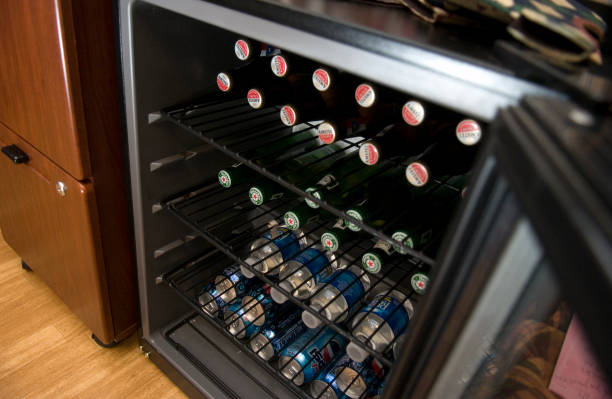
Built-in vs. freestanding installation flexibility
A front venting beverage fridge offers unparalleled versatility because the heat exchange system is located at the kickplate rather than the rear. This engineering choice allows you to enjoy dual-purpose installation options, meaning the unit can slide seamlessly into cabinetry or stand alone in a dining room.
When you choose a front-breathing model, you are not restricted by the need for several inches of clearance on the sides or back, which is a common requirement for traditional cooling units.
This flexibility ensures that if you decide to remodel your kitchen or move the appliance to a different room, the fridge will function perfectly regardless of the surrounding enclosure.
By prioritizing a front-vented design, you gain the freedom to integrate your appliance into custom millwork for a high-end, flush-mount look that elevates the aesthetic of your home.
It effectively eliminates the guesswork associated with airflow requirements, making it the most adaptable choice for modern homeowners seeking professional-grade cooling performance in any architectural setting.
Preventing compressor burnout and overheating
The primary technical advantage of a front-vented system is its ability to maintain a consistent internal temperature by expelling hot air forward and away from the mechanical components.
In standard fridges, placing them in tight spaces traps heat, forcing the compressor to work overtime to compensate for the rising ambient temperature. This unnecessary strain often leads to premature mechanical failure and expensive repair bills.
However, a front-venting beverage fridge ensures that the compressor remains cool and efficient, significantly extending the overall lifespan of your investment. By facilitating proper ventilation through the front grille, these units prevent the dangerous heat buildup that causes thermal overload.
This proactive cooling approach not only protects your beverages from temperature fluctuations but also reduces energy consumption by allowing the motor to cycle off more frequently.
Investing in a front-vented model is a strategic move to ensure long-term reliability and peak cooling performance, shielding your appliance from the common pitfalls of poor airflow and heat entrapment.
Maximizing kitchen and home bar space
In modern interior design, every square inch of floor space is valuable, and a front-venting beverage fridge is the ultimate tool for optimizing tight floor plans.
Traditional rear-venting units require a significant gap between the wall and the appliance to prevent overheating, which often results in the fridge protruding awkwardly past the counter line.
A front-vented model eliminates this gap entirely, allowing for a true flush-to-cabinet installation that creates a clean, streamlined profile in your kitchen or home bar. This space-saving design is particularly beneficial for narrow galley kitchens or compact basement bars where clearance is limited.
By utilizing the front kickplate for air intake and exhaust, you can reclaim those lost inches and achieve a seamless built-in appearance without sacrificing cooling power.
This design choice allows you to pack more functionality into your entertainment zones, ensuring your favorite drinks are always within reach while maintaining a sophisticated, uncluttered environment. It is the smartest solution for homeowners who demand high-capacity storage without compromising on their available living space.
Best places to install your beverage cooler

Under-counter kitchen placement tips
When integrating a front-venting beverage fridge into your kitchen cabinetry, the primary advantage is the ability to achieve a seamless, built-in look without risking mechanical failure.
Unlike rear-venting units that require several inches of clearance to dissipate heat, front-breathing models pull in and exhaust air through the kickplate at the bottom. To ensure optimal performance, verify that your cabinetry opening is slightly wider than the unit itself to allow for easy sliding and leveling.
Focus on aligning the unit flush with your cabinet faces while ensuring the front grille remains completely unobstructed by decorative baseboards or rugs. This placement is ideal for high-traffic zones because it keeps refreshments accessible without interrupting the main cooking triangle.
Additionally, consider installing a dedicated electrical outlet within the cabinet niche to avoid bulky cords preventing the fridge from sitting flush. By prioritizing a clear ventilation path at the floor level, you guarantee the compressor runs efficiently, extending the lifespan of your appliance while maintaining a sleek, professional kitchen aesthetic.
Setting up a dedicated home coffee or wine bar
Creating a specialized beverage station in a dining room or living area is significantly easier with a front-venting fridge because it can be safely enclosed in custom millwork. When designing your coffee or wine bar, use the fridge as a foundational element beneath a stone or wood countertop.
Because these units do not require side clearance, you can nestle the fridge tightly between side panels for a high-end, furniture-like appearance. This setup is perfect for entertaining, as it allows guests to help themselves to chilled mixers or white wines without entering the kitchen workspace.
Ensure the floor is perfectly level to prevent vibration noise, which can be amplified in quiet living spaces. You should also plan for adequate lighting above the station to highlight the glass door and interior contents, making it a focal point of the room.
By choosing a front-venting model, you eliminate the need for unsightly gaps or side vents, allowing your custom cabinetry to shine while keeping your favorite beverages at the precise serving temperature right where you relax.
Outdoor kitchen and patio considerations
For those looking to enhance an outdoor living space, a front-venting beverage fridge is the gold standard for under-counter patio installations. Outdoor kitchens often feature stone or brick enclosures that trap heat; therefore, a unit that exhausts air out the front is essential to prevent overheating during hot summer months.
When selecting a location, choose a spot away from direct sunlight to reduce the workload on the cooling system and prevent the stainless steel from becoming too hot to the touch.
It is also vital to ensure the unit is rated for outdoor use, providing protection against moisture and temperature fluctuations. During installation, ensure the front ventilation grille is kept clear of debris like leaves, dirt, or mulch, which can frequently accumulate in outdoor environments.
Providing a stable, level concrete base will prevent the unit from shifting over time. By utilizing a front-venting design in your outdoor island, you can enjoy cold drinks poolside without the maintenance headaches associated with poor airflow, ensuring your outdoor entertaining area remains functional and stylish for years to come.
How to choose the right size and capacity
Standard dimensions for cabinetry integration
When selecting a front venting beverage fridge for a built-in application, precision in measurement is the most critical factor for a seamless look. Most standard under-counter units are designed to fit into a 24-inch wide opening, which aligns with standard kitchen cabinetry dimensions.
However, slimline models at 15 inches wide are increasingly popular for smaller wet bars or kitchen islands. You must measure the height of your cutout carefully, as most units stand between 32 and 34 inches tall to fit beneath standard countertops.
Because these units vent from the front kickplate, you do not need to leave large gaps on the sides for airflow, but a 1/4-inch clearance is recommended to allow for easy sliding during installation or maintenance.
Always verify the depth of the unit, including the handle, to ensure it does not obstruct walkways or hit adjacent drawer pulls. Choosing a unit with adjustable leveling legs will help you achieve a perfectly flush alignment with your existing millwork and flooring.
Calculating can and bottle storage needs
To choose the right capacity, you must evaluate your typical hosting habits and daily consumption levels. Manufacturers usually list capacity in terms of standard 12-ounce cans, with common sizes ranging from 80 to 160 cans.
If you primarily store craft beer or sodas, a medium-capacity unit holding around 100 to 120 cans is generally sufficient for a household of four.
However, if you frequently host large gatherings, opting for a high-capacity model ensures you always have chilled beverages on hand without waiting for a restock to cool down.
Keep in mind that internal volume is often occupied by cooling components and shelving tracks, so it is wise to buy slightly larger than your current needs suggest. A front-venting design allows for maximum internal space utilization since the compressor is optimized for the base of the unit.
Consider whether you need a dual-zone model if you plan to store wine alongside cans, as this will slightly reduce the total can count in favor of specialized wine racking.
Shelf configurations for different drink types
The versatility of your beverage fridge depends heavily on its internal shelving system. For maximum utility, look for a model featuring adjustable or removable glass shelves, which allow you to customize the vertical space for tall items like 750ml wine bottles, large water carafes, or upright craft bombers.
Glass shelving is preferred over wire racks for cans because it provides a stable, flat surface that prevents tipping and makes cleaning spills much easier.
If you intend to store a mix of beverages, seek out units with split-shelf designs or specialized wine bolsters that can be swapped out as your inventory changes.
High-quality front-venting fridges often include telescopic sliding racks that provide easy access to items at the very back without requiring you to move everything in front.
Prioritizing a unit with multiple shelf peg positions ensures you can optimize every inch of the interior, preventing wasted vertical space and allowing you to organize your collection by beverage type, brand, or frequency of use for better efficiency.
Essential features to look for before buying
Digital temperature controls and dual zones
When selecting a front-venting beverage fridge, precision is paramount for preserving the flavor profiles of different drinks. Look for models equipped with digital temperature controls that feature an easy-to-read LED display, allowing you to monitor internal conditions without opening the door and releasing cold air.
The most versatile units offer dual-zone cooling technology, which is essential if you plan to store both craft beers and delicate white wines simultaneously.
These independent zones allow you to set a crisp 34 degrees Fahrenheit for canned sodas in one section while maintaining a mellow 55 degrees for vintages in the other. High-quality sensors ensure that the compressor reacts quickly to environmental changes, preventing the damaging fluctuations common in cheaper units.
By prioritizing accurate thermal management, you guarantee that every beverage is served at its absolute thermal peak. This level of control is a hallmark of premium built-in appliances designed to fit seamlessly into modern kitchen cabinetry or home bar setups.
UV-resistant glass doors and LED lighting
A front-venting fridge is often a focal point in a room, making the door design both a functional and aesthetic priority. Ensure the unit features double-paned, UV-resistant tempered glass to protect your collection from harmful light exposure.
Ultraviolet rays can degrade the organic compounds in beverages, leading to premature aging or ‘skunked’ flavors in bottled beers. To complement this protection, look for cool-blue internal LED lighting that provides visibility without emitting heat.
Unlike traditional incandescent bulbs, LEDs do not affect the internal temperature, ensuring your cooling system doesn’t have to work overtime. Furthermore, high-quality glass doors often include a thermal seal and argon gas insulation to maximize energy efficiency and prevent condensation buildup on the exterior.
Choosing a model with these specific optical features ensures your drinks remain visible and attractively displayed while being shielded from the environmental factors that could compromise their quality over time, providing both style and long-term substance for your home.
Noise levels and decibel ratings for indoor use
Since front-venting beverage fridges are typically installed in high-traffic areas like kitchens, living rooms, or home theaters, the operating volume is a critical consideration. You should specifically look for units that list a decibel rating below 42dB to ensure the appliance remains a quiet background presence rather than a distraction.
Premium models utilize vibration-dampening compressors and high-quality fans that minimize the mechanical hum often associated with under-counter cooling. Because the vent is located at the front, the sound is directed toward the room, making advanced sound insulation even more important than in freestanding units.
Check for rubberized mounting brackets and thick cabinet walls, which help absorb acoustic energy during the cooling cycle. A quiet fridge is especially vital in open-concept floor plans where sound carries easily.
By focusing on low-noise engineering, you can enjoy the convenience of chilled drinks within arm’s reach without sacrificing the peaceful ambiance of your living space, ensuring a premium experience for both residents and guests alike.
Installation and maintenance guide
Step-by-step built-in setup process
To begin the installation of your front venting beverage fridge, start by measuring your cabinetry cutout to ensure a precise fit with at least a quarter-inch of clearance on all sides.
Unlike rear-venting units, these models pull air in and push it out through the bottom front, so you must verify that the front kickplate remains completely unobstructed by decorative baseboards or thick carpeting.
Carefully slide the unit into the designated space while ensuring the power cord is not pinched or kinked against the back wall.
Once positioned, use a carpenter’s level to check the unit’s balance; you should adjust the leveling legs to prevent vibration noise and ensure the door seals tightly every time it closes.
Finally, plug the unit into a dedicated grounded outlet and allow it to sit upright for at least two hours before powering it on. This waiting period allows the compressor oils to settle, which is critical for long-term mechanical reliability and cooling efficiency in tight, built-in configurations.
Cleaning the front kickplate and condenser coils
Maintaining a front-venting fridge requires regular attention to the intake area to prevent dust buildup from choking the compressor. Every three to six months, you should unplug the unit and remove the front grill or kickplate located at the base of the appliance.
Use a soft brush attachment on a vacuum cleaner to gently remove pet hair, lint, and dust from the condenser coils visible behind the grill. If the coils are heavily soiled, a specialized coil brush can help dislodge stubborn debris that restricts airflow.
Keeping this area clear is essential because restricted airflow leads to overheating, increased energy consumption, and premature compressor failure. After vacuuming, wipe the grill with a damp cloth to ensure the intake slats are completely open.
By prioritizing this simple maintenance task, you extend the lifespan of the cooling system and ensure your beverages stay at the perfect temperature without forcing the motor to work overtime in a confined cabinet space.
Troubleshooting common cooling issues
If your beverage fridge is not maintaining the set temperature, first check for any external obstructions blocking the front ventilation path. Objects like floor rugs or kitchen towels can inadvertently block the air intake and exhaust, causing the internal temperature to rise rapidly.
Next, inspect the rubber door gasket for a tight seal; a simple trick is to close the door on a piece of paper and see if it pulls out easily. If it does, you may need to clean or replace the gasket to prevent cold air from escaping.
If the compressor is running but the unit isn’t cooling, check the internal thermostat settings to ensure it wasn’t accidentally adjusted. Additionally, listen for unusual clicking sounds, which might indicate a failing start relay or an overloaded circuit.
Always ensure the unit has proper voltage and is not sharing a circuit with high-draw appliances like microwaves. Addressing these minor issues early can prevent costly repairs and ensure your front-venting unit operates at peak performance levels.
Energy efficiency and cost considerations
Energy Star ratings for beverage fridges
When shopping for a front-venting beverage fridge, prioritizing Energy Star certification is the most effective way to ensure long-term efficiency. These units are rigorously tested to meet strict performance standards set by the EPA, often consuming up to 20% less energy than standard models.
Look for the yellow EnergyGuide label, which provides a clear estimate of the annual electricity usage in kilowatt-hours. Choosing a certified model ensures that the compressor and insulation are high-quality, preventing the motor from overworking to maintain cold temperatures.
Additionally, many Energy Star models feature advanced LED lighting and double-pane glass doors, which further reduce heat transfer and minimize energy waste. By selecting a model with a high efficiency rating, you contribute to a smaller carbon footprint while enjoying a premium cooling experience.
Always compare the estimated yearly energy cost listed on the label against similar front-venting units to find the best balance between initial purchase price and ongoing utility savings for your home bar or kitchen.
Average operating costs per year
The annual operating cost for a front-venting beverage fridge typically ranges between $30 and $70 per year, depending on the unit’s size, local electricity rates, and internal temperature settings.
Because these units are designed for built-in cabinetry, they use specialized cooling systems that may consume slightly more power than basic freestanding models, but the convenience of a flush fit often outweighs the minor cost difference.
To keep your utility bills low, avoid setting the thermostat to the lowest possible level if it is not necessary for your specific beverage collection. Maintaining a consistent temperature of around 38 to 42 degrees Fahrenheit is usually sufficient for most sodas and beers.
Furthermore, keeping the fridge fully stocked can actually improve efficiency, as the chilled items act as thermal mass, helping the unit maintain its temperature more easily when the door is opened.
Regularly checking the door seals for leaks is another vital step in preventing cold air from escaping, which ensures that your yearly operating costs remain predictable and manageable over time.
How proper venting saves money on repairs
Investing in a front-venting model specifically for under-counter installations is crucial for preventing expensive compressor failure. Standard back-venting fridges require significant clearance to dissipate heat; if they are enclosed in cabinetry, the trapped heat forces the motor to run constantly, leading to premature burnout.
A front-venting system uses a powerful fan to pull in cool air and exhaust warm air through the bottom kickplate, ensuring the internal components stay cool even in tight spaces.
This design significantly reduces the strain on the cooling system, which can save you hundreds of dollars in repair bills or the cost of a full replacement.
To maximize these savings, you should clean the front intake grill every few months to remove dust and pet hair that can block airflow. Ensuring that the vent remains unobstructed allows the fridge to operate at peak efficiency, extending the overall lifespan of the appliance.
By choosing the correct venting style for your layout, you protect your investment and ensure that the unit functions reliably for many years without requiring professional maintenance.
Frequently Asked Questions
What is a front venting beverage fridge?
A front venting beverage fridge is a cooling unit designed with its intake and exhaust grilles located at the bottom front. This specific engineering allows the unit to be installed flush into cabinetry or under counters without risking overheating.
Can a front venting beverage fridge be used as a freestanding unit?
Yes, front venting models are highly versatile and can be used both as built-in appliances and as standalone units. Unlike rear-venting models, they do not require extra clearance space behind or on the sides of the fridge to function efficiently.
Why is front venting important for under-counter installation?
Standard fridges release heat from the back or sides, which can cause heat buildup and compressor failure if trapped in a cabinet. Front venting ensures that hot air is pushed out into the room, maintaining the longevity and cooling performance of the appliance.
How much clearance is needed for a front venting beverage fridge?
Because the heat exchange happens at the front, these units typically require zero clearance on the sides and back. However, it is important to ensure the front kickplate or grille remains completely unobstructed to allow for proper airflow.
Are front venting beverage fridges louder than standard models?
They may have a slightly more noticeable hum because the fan and ventilation system are located at the front of the unit rather than tucked behind it. However, most modern high-end models are engineered with quiet compressors to minimize noise levels in kitchen environments.
Do front venting beverage fridges require special maintenance?
The primary maintenance task is keeping the front ventilation grille clean from dust, pet hair, and debris. Since all air passes through this front intake, vacuuming the grille every few months is essential to prevent the compressor from working too hard.
Conclusion
A front venting beverage fridge is the ultimate solution for seamless kitchen integration, offering both versatility and high-performance cooling. By allowing heat to escape from the front, these units can be safely built into cabinetry or used as standalone pieces. Investing in the right model ensures your drinks stay perfectly chilled while elevating your home’s aesthetic. Explore the top-rated options today to find the perfect blend of style and functionality for your entertaining space.