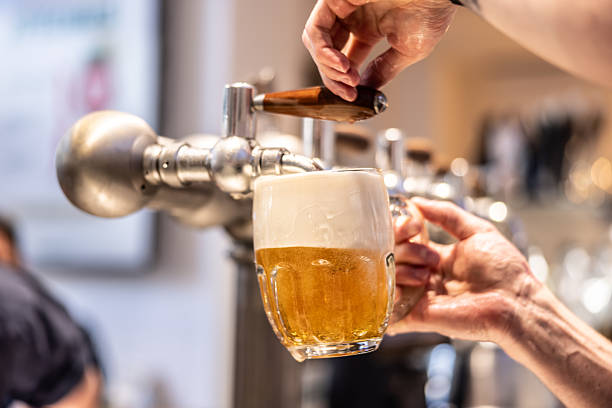
Draft Beer On Tap
Whether you are curious about how the system works, looking for the best equipment, or trying to troubleshoot a foamy pint, you have come to the right place.
What is Draft Beer on Tap?
The Difference Between Draft and Bottled Beer
Understanding the distinction between draft and bottled beer is essential for any enthusiast looking to optimize their drinking experience. Draft beer is served directly from a pressurized keg, which prevents the oxidation often found in bottled alternatives.
Because draft beer is stored in large, opaque stainless steel containers, it is completely protected from harmful UV light that can cause bottled beer to become skunky or develop off-flavors.
Furthermore, draft beer typically undergoes a different pasteurization process; many kegged beers are unpasteurized and kept cold from the brewery to the glass, preserving the delicate hop profiles and yeast characteristics that heat can destroy.
When you choose beer on tap, you are often getting a fresher product with a more robust mouthfeel and a natural carbonation level.
To ensure the best quality, always check that the establishment maintains clean beer lines, as this is the primary factor in preserving the brewer’s intended flavor profile and ensuring a crisp, refreshing finish every time.
How a Standard Tap System Works
A standard draft beer system relies on a precise balance of pressure and temperature to deliver a perfect pour. The process begins with a pressurized gas source, usually carbon dioxide or a nitrogen mix, which pushes the beer out of the keg and through the lines.
A regulator is used to control the flow, ensuring the beer does not become overly foamy or flat. The liquid travels through a coupler attached to the keg, moving into refrigerated lines that lead directly to the faucet.
Maintaining a consistent temperature between 34 and 38 degrees Fahrenheit is critical to prevent excess foam and preserve the beer’s carbonation. When the bartender pulls the tap handle, the faucet opens and allows the pressurized beer to flow into the glass.
To troubleshoot common issues like sputtering, operators should regularly inspect the washers and seals within the system to prevent air leaks. Mastering these mechanical components ensures that every pint served is cold, clear, and perfectly carbonated for the consumer.
Common Types of Draft Beer Systems
There are several ways to set up a draft system depending on the distance between the keg and the faucet. A direct draw system is the simplest configuration, where the keg is stored directly under the counter or in a refrigerated unit immediately behind the tap.
This is ideal for home bars or small venues because it requires minimal tubing and is easy to maintain. For larger establishments, a long-draw system is necessary, utilizing glycol-cooled lines to transport beer from a remote walk-in cooler to a central bar area.
This setup uses a circulating coolant to keep the beer at a steady temperature over long distances, preventing spoilage and foam. Additionally, some specialty bars use nitrogenated systems to serve stouts and ales with a creamy, velvety head.
Choosing the right system depends on your specific volume needs and physical layout. Regardless of the type, implementing a routine cleaning schedule every two weeks is the most effective way to prevent bacteria buildup and ensure your draft beer remains high-quality.
Essential Components of a Draft Beer Setup

Kegs and Couplers Explained
The foundation of any draft beer on tap system begins with the keg, which acts as the pressurized storage vessel for your beverage.
To access the liquid inside, you must use a keg coupler, a specialized valve that attaches to the keg’s neck to allow gas in and push beer out.
It is vital to identify the correct coupler type for your specific brand, as the Sankey D System is standard for most North American domestic beers, while European imports often require S, G, or U systems.
Ensuring a secure, airtight connection between the coupler and the keg prevents foaming issues and oxidation. Regularly inspecting the internal O-rings and seals within the coupler is a proactive maintenance step that guarantees a consistent flow.
By matching the right hardware to your keg type, you ensure that the beer remains carbonated and fresh from the first pour to the very last drop in the barrel.
The Role of CO2 and Nitrogen Gas Tanks
To move beer from the keg to the faucet, you need a reliable propellant, typically provided by CO2 or Nitrogen gas tanks. These high-pressure cylinders provide the necessary force to maintain carbonation levels and overcome gravity within the draft lines.
A primary high-pressure regulator is essential to step down the tank’s pressure to a safe, usable level, usually between 10 and 12 PSI for standard lagers. For specialized pours like stouts, a nitrogen-blend gas and a higher-pressure setting are required to create that signature creamy mouthfeel and cascading head.
Monitoring your gas gauges regularly ensures you never run out mid-service, which could lead to flat beer and lost revenue.
Proper gas management also involves checking for leaks at the regulator connection using soapy water, ensuring that every ounce of gas is used efficiently to preserve the integrity and crispness of your draft beer on tap throughout the entire serving cycle.
Beer Lines and Cooling Units
Maintaining the perfect temperature is critical for preventing excessive foam and ensuring a refreshing drink. Insulated beer lines transport the liquid from the keg to the tap, and they must be kept chilled throughout the entire journey.
In professional setups, a glycol cooling unit or a forced-air system is used to wrap the lines in a cold jacket, keeping the beer at a consistent 38 degrees Fahrenheit.
If the beer warms up even slightly within the lines, the CO2 will break out of the liquid, resulting in a glass full of foam rather than beer. Furthermore, using food-grade antimicrobial tubing reduces the buildup of yeast and bacteria, which can negatively impact the flavor profile.
Regular line cleaning every two weeks is a non-negotiable part of draft beer maintenance to remove beer stone and organic deposits. By investing in high-quality cooling infrastructure and dedicated line hygiene, you guarantee a crystal-clear, cold pour that meets the highest standards of quality and taste.
How to Pour the Perfect Glass of Draft Beer
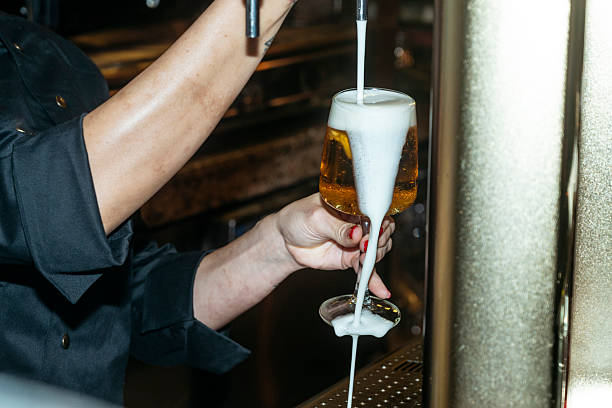
The 45-Degree Angle Technique
To achieve the ideal pour when serving draft beer on tap, you must begin with a clean, rinsed glass to ensure no residue interferes with the carbonation.
Hold your glass firmly at a 45-degree angle approximately one inch below the faucet, making sure the glass never actually touches the metal tap to maintain hygiene.
Quickly pull the handle toward you in one fluid motion to engage the full flow of the beer; a partial pull will only result in excessive foam and wasted product.
As the liquid hits the side of the glass, it should glide smoothly down the slope, which preserves the carbonation levels and prevents the beer from becoming flat. This initial positioning is the most critical step in controlling the release of CO2.
By maintaining this specific angle until the glass is about half full, you set the foundation for a professional presentation that highlights the beer’s clarity and intended flavor profile.
Managing the Head and Foam Levels
Once the glass is roughly half to two-thirds full, you must transition your movement to manage the foam. Gradually tilt the glass upright into a vertical position while continuing to pour directly into the center of the liquid.
This shift encourages the formation of a perfect frothy head, which should ideally measure about one inch, or two finger-widths, in height.
This foam layer is not just for aesthetics; it acts as a lid that traps the aromatic volatiles of the hops and malts, significantly enhancing the sensory experience for the drinker.
If the head is too thin, the beer may lack aroma; if it is too thick, you are losing valuable liquid. Adjust the distance between the tap and the liquid surface to fine-tune the turbulence.
A steady, vertical finish ensures a dense collar of foam that remains stable until the very last sip, providing that classic pub-quality look every time.
Common Pouring Mistakes to Avoid
Mastering draft beer on tap requires avoiding several frequent errors that can ruin the taste and texture of the brew. The most common mistake is ‘short-pulling’ the tap handle, which creates a turbulent, foamy mess because the valve is not fully open. Always commit to a full, decisive pull.
Another error is allowing the faucet to touch the beer or the glass rim, which can introduce bacteria and lead to off-flavors or contamination.
Additionally, many beginners fail to check the temperature and pressure settings of the kegerator system; if the lines are too warm or the CO2 pressure is set incorrectly, even a perfect technique cannot prevent a glass full of foam. Finally, never pour into a dry, warm glass.
Using a ‘beer clean’ glass that has been chilled or rinsed with cold water reduces friction and ensures the bubbles behave predictably, resulting in a crisp, refreshing pour that looks as good as it tastes.
Best Practices for Draft Line Maintenance
How Often to Clean Your Beer Lines
To ensure every glass of draft beer on tap tastes exactly as the brewer intended, you must adhere to a strict cleaning schedule. The industry standard, recommended by the Brewers Association, is to perform a comprehensive cleaning every two weeks.
This fourteen-day cycle is critical because it prevents the accumulation of yeast, mold, and bacteria that naturally thrive in the moist environment of a draft system. If you are serving unfiltered craft beers or high-sugar ciders, you might even consider a more frequent rotation to maintain clarity and flavor profile.
Neglecting this schedule leads to the buildup of calcium oxalate, commonly known as beer stone, which can flake off into the beverage and create off-flavors. Additionally, you should replace your vinyl jumpers and plastic lines every year to avoid permanent staining and aromatic contamination.
By maintaining a bi-weekly sanitation routine, you protect your investment, reduce foam-related waste, and ensure that every pour remains crisp, clean, and refreshing for your customers or guests.
Step-by-Step Cleaning Process
Maintaining a pristine draft beer on tap system requires a methodical approach to chemical sanitation. Begin by flushing all remaining beer from the lines using fresh water to prevent dilution of your cleaning agents.
Next, circulate a caustic cleaning solution heated to between 80 and 110 degrees Fahrenheit through the lines for at least fifteen minutes; this alkaline chemical breaks down organic proteins and hop resins effectively.
While the solution circulates, disassemble your faucets and couplers to scrub them manually with a specialized brush, ensuring you remove any biofilm from the internal moving parts.
After the caustic cycle, rinse the entire system thoroughly with cold water until the pH level returns to neutral, which you can verify using litmus paper. For older systems or those with heavy buildup, an occasional acid cleaning cycle is necessary to dissolve stubborn mineral deposits.
Finally, reassemble all components using food-grade lubricant on O-rings to prevent leaks, then reconnect your kegs and flush the lines with beer until the pour is clear and perfectly carbonated.
Signs Your Draft System Needs Service
Even with regular maintenance, you must stay vigilant for physical indicators that your draft beer on tap setup requires professional attention or deeper cleaning. One of the most common red flags is excessive foaming, which often points to temperature fluctuations, improper CO2 pressure, or obstructions within the beer line.
If you notice small white or grey flakes floating in the glass, this is a definitive sign of beer stone buildup that has broken loose from the tubing walls.
Pay close attention to the clarity and aroma of the pour; a cloudy appearance or a distinct buttery, sour, or vinegary smell usually indicates bacterial contamination or wild yeast growth.
Furthermore, if the faucet handle becomes difficult to move or feels ‘sticky,’ it suggests that sugar deposits have hardened inside the mechanism. Do not ignore a change in carbonation levels, as ‘flat’ beer might indicate a leak in the gas blender or a failing regulator.
Addressing these symptoms immediately prevents product loss and ensures your draft system continues to operate at peak efficiency.
Tips for Setting Up a Home Kegerator
Choosing the Right Size for Your Space
When planning your home draft beer setup, the first critical step is determining the physical footprint required for your specific needs. Kegerators come in various configurations, ranging from compact single-tap mini units to full-size commercial grade dispensers that can house multiple kegs simultaneously.
To ensure a seamless installation, you must measure your designated floor space while accounting for at least three inches of clearance on all sides to allow for proper ventilation and heat dissipation.
If you intend to serve a variety of styles, consider a unit that fits a standard half-barrel or multiple sixth-barrel kegs. Additionally, think about the height of the draft tower, as this often adds another foot to the overall vertical requirement.
Selecting a model with heavy-duty casters is highly recommended for residential use, as it allows you to move the unit easily for cleaning or social gatherings.
By prioritizing a unit that matches your consumption habits and available square footage, you create a professional-looking bar environment that functions efficiently without overcrowding your living area.
Temperature Control Settings for Different Brews
Achieving the perfect pour depends heavily on maintaining precise internal temperatures, as heat is the primary enemy of carbonation stability. For most standard American lagers and light ales, you should aim for a consistent temperature between 36 and 40 degrees Fahrenheit.
If the liquid is too warm, the CO2 will break out of the solution, resulting in excessive foam and a flat beverage.
Conversely, craft beers like stouts, porters, and complex IPAs often benefit from slightly warmer settings, typically around 45 to 50 degrees, to allow the intricate flavor profiles and aromatic compounds to shine.
It is essential to invest in a high-quality digital thermometer to monitor the liquid temperature rather than relying solely on the internal air thermostat of the unit. For the most accurate reading, place a glass of water inside the kegerator for twenty-four hours and measure its temperature.
Maintaining these specific thermal ranges ensures that every glass of draft beer on tap remains crisp, refreshing, and perfectly balanced from the first sip to the very last drop of the keg.
Must-Have Accessories for Home Taps
To elevate your home draft experience beyond the basic setup, you need to incorporate several essential accessories that improve both performance and maintenance.
A dual-gauge CO2 regulator is perhaps the most vital tool, as it allows you to monitor the remaining gas levels while precisely controlling the output pressure to prevent over-carbonation.
Furthermore, upgrading to high-quality stainless steel faucets will prevent metallic off-flavors and ensure a smoother flow compared to standard chrome-plated brass options. Do not overlook the importance of a sturdy drip tray to catch overflow and keep your serving area pristine.
For those who prioritize cleanliness, a dedicated line cleaning kit is mandatory; regular flushing of the beer lines every two weeks or between keg swaps prevents yeast buildup and bacterial growth that can ruin the taste of your brew.
Finally, consider adding a tower fan or insulated jacket to keep the beer in the lines cold, which significantly reduces the first-pour foam issue commonly found in home systems. These strategic additions transform a simple appliance into a professional-grade draft beer dispensing system.
Troubleshooting Common Draft Beer Problems
How to Fix Excessive Foam Issues
Excessive foam, often referred to as ‘wild beer,’ is the most frequent challenge when pouring draft beer on tap.
The primary culprit is usually an incorrect temperature setting; if the beer line or the keg itself becomes too warm, the CO2 breaks out of the liquid, resulting in a glass full of foam.
To resolve this, ensure your refrigeration unit is maintained between 36°F and 38°F and that your draft tower is properly insulated or air-cooled. Another common cause is improper CO2 pressure.
If the pressure is set too low, the gas escapes the beer in the lines; if it is too high, it over-carbonates the brew. Check your regulator settings against the brewer’s recommendations, typically between 12 and 14 PSI for standard ales and lagers.
Additionally, inspect the beer lines for any kinks or obstructions and ensure the faucet is fully opened during the pour to maintain a consistent flow rate and prevent turbulence within the faucet body.
Dealing with Flat or Dull Tasting Beer
A flat glass of beer can ruin the drinking experience, usually indicating that the carbonation has escaped or was never properly maintained. The first step in troubleshooting flat beer is to check your CO2 tank levels and ensure the gas is turned on and flowing freely through the regulator.
If the pressure is set below 10 PSI for an extended period, the beer will eventually lose its carbonation. You should also examine the coupler and all connections for potential gas leaks using a simple soapy water test. Another often overlooked factor is ‘beer clean’ glassware.
If a glass has invisible soap film or grease residues, it will kill the head retention instantly, making the beer appear flat even if it is perfectly carbonated. Always wash glasses with specialized brewery detergent and air-dry them on a rack.
Finally, check the age of the keg, as oxidized or old beer will naturally lose its bright, effervescent quality and taste dull regardless of the mechanical setup.
Correcting Slow Pour Rates
If your draft beer is trickling out of the faucet, it usually points to a physical obstruction or a pressure imbalance within the system.
Start by checking the CO2 regulator to ensure the output pressure is sufficient to push the liquid from the keg to the tap; a clogged or frozen regulator can significantly restrict gas flow.
Next, inspect the keg coupler to ensure the handle is fully engaged and the internal seals are not damaged or misaligned. Over time, beer stone or yeast buildup can constrict the internal diameter of the beer lines, especially if they are not cleaned every two weeks.
We recommend a recirculating chemical cleaning to remove these deposits and restore optimal flow. Also, check the faucet itself for any sticky residue or small parts that may be stuck.
If you are using a long-draw system, ensure the glycol chiller is functioning correctly, as a rise in temperature can create resistance in the lines, slowing down the pour and affecting the overall efficiency.
Benefits of Serving Beer on Tap
Cost Savings Compared to Cans and Bottles
Transitioning to draft beer on tap offers significant financial advantages for business owners and enthusiasts alike. When purchasing beer in bulk via kegs, the price per ounce is substantially lower than buying individual units. You effectively eliminate the markup associated with specialized packaging, labeling, and retail boxing.
For high-volume establishments, these reduced procurement costs directly translate into higher profit margins and more competitive pricing for customers. Furthermore, serving from a tap system minimizes the labor involved in stocking refrigerators and managing physical inventory, as a single keg replaces dozens of cases.
By optimizing your inventory with a streamlined draft system, you also reduce the overhead associated with glass breakage or aluminum damage during transport. Investing in quality draft equipment pays for itself over time through consistent bulk savings and decreased waste.
Ultimately, draft systems provide a scalable solution that allows you to offer premium selections while maintaining a healthy bottom line and maximizing your return on investment for every barrel purchased.
Environmental Impact of Using Kegs
Choosing draft beer on tap is one of the most effective ways to reduce your ecological footprint and promote sustainability within the beverage industry. A single stainless steel keg can be cleaned, refilled, and reused for decades, effectively replacing thousands of single-use cans and glass bottles.
This circular economy model drastically reduces the amount of waste sent to landfills and lowers the energy consumption required for manufacturing new packaging materials. Additionally, the transportation of bulk kegs is more fuel-efficient than shipping individual units, leading to a significant reduction in carbon emissions throughout the supply chain.
By eliminating the need for cardboard carriers, plastic rings, and adhesive labels, you are actively preventing microplastics and debris from entering the environment. Implementing a draft system demonstrates a commitment to green practices that resonates with eco-conscious consumers.
This shift not only simplifies your waste management processes but also ensures that your operation contributes to a cleaner, more sustainable future by prioritizing reusable infrastructure over disposable alternatives.
Flavor Freshness and Carbonation Quality
The primary reason connoisseurs prefer draft beer on tap is the unparalleled sensory experience provided by superior freshness and precise carbonation. Unlike bottled beer, which may sit in warehouses under fluctuating temperatures or light exposure, kegged beer is stored in a dark, pressurized environment that prevents oxidation and light-struck spoilage.
This ensures that the delicate hop aromas and complex malt profiles remain intact from the brewery to the glass. A professional draft system allows for customized CO2 and nitrogen levels, ensuring that every pour has the perfect head and a crisp, effervescent mouthfeel.
This level of control prevents the beer from becoming flat or overly carbonated, which can happen with poorly stored cans. By serving beer at the optimal temperature and pressure, you provide a consistent product that highlights the brewer’s original intent.
The result is a vibrant, refreshing beverage that maintains its integrity far better than packaged counterparts, offering a premium drinking experience that keeps customers returning for the high-quality taste only a tap can deliver.
Frequently Asked Questions
What is the difference between draft beer and bottled beer?
Draft beer is served from a pressurized keg through a tap system, which often results in a fresher taste and smoother mouthfeel compared to bottled alternatives. Unlike bottled beer, draft beer is usually unpasteurized and must be kept refrigerated to maintain its flavor profile.
What is the ideal temperature for serving draft beer on tap?
The standard serving temperature for most draft beers is between 36°F and 40°F (2°C to 4°C). Keeping the beer at this temperature ensures the right amount of carbonation is maintained and prevents the beer from foaming excessively when poured.
How long does a keg of draft beer stay fresh?
A pasteurized keg can last between 90 to 120 days, while unpasteurized draft beer typically stays fresh for about 45 to 60 days. Once the keg is tapped, it is best consumed within 30 days to ensure the highest quality and flavor.
Why is my draft beer coming out too foamy?
Excessive foam, or ‘wild beer,’ is usually caused by incorrect CO2 pressure settings, warm beer temperatures, or dirty beer lines. Ensuring your keg is properly chilled and your pressure regulator is set to the brewer’s specifications will usually resolve the issue.
How often should draft beer lines be cleaned?
To prevent the buildup of bacteria, yeast, and ‘beer stone’ (calcium deposits), draft lines should be cleaned at least every two weeks. Regular maintenance ensures that the beer tastes exactly as the brewer intended without off-flavors.
What gas is used to dispense draft beer?
Most draft beers use food-grade Carbon Dioxide (CO2) to push the liquid from the keg to the tap. However, nitrogenated beers like stouts use a ‘beer gas’ blend—typically 75% nitrogen and 25% CO2—to create a creamy, thick head.
What are the essential components of a home tap system?
A basic home draft system, or kegerator, requires a keg, a CO2 tank, a pressure regulator, a coupler to attach to the keg, and a faucet for pouring. Proper tubing and a cooling refrigeration unit are also necessary to keep the beer cold and carbonated.
Conclusion
By understanding the importance of clean lines, proper pouring techniques, and the unique characteristics of different styles, you can truly appreciate the craftsmanship behind every pint. Whether you are a casual fan or a connoisseur, we encourage you to explore local breweries and enjoy the crisp, vibrant flavors that only a fresh pour from the tap can provide.
