Draft Beer From Bottom
Ever wondered how some bars fill glasses without a tap handle in sight? This innovative technology uses a pressurized magnetic valve to fill cups quickly while reducing foam and waste. In this guide, we will explain exactly how these bottom-up dispensers work, why they are a game-changer for high-volume events, and how you can get the perfect pour every time.
What is Bottom-Fill Draft Beer Technology?
The Mechanics of the Magnetic Seal
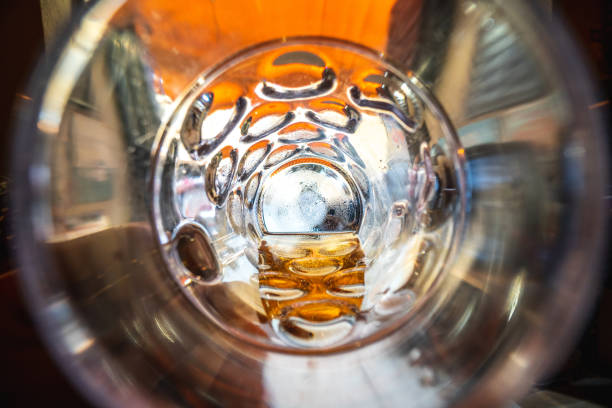
Bottom-fill draft beer technology utilizes a specialized dispenser and proprietary glassware to revolutionize how beverages are served. At the center of this innovation is a circular hole at the base of the cup, which is sealed by a food-grade magnetic disc.
When the glass is placed onto the dedicated nozzle, the magnet is lifted by the pressure of the filling mechanism, allowing the beer to enter from the bottom. This method relies on laminar flow principles, which significantly reduce the turbulence typically associated with gravity-fed top pouring.
As the glass fills, the weight of the liquid and the magnetic force work together to snap the disc back into place once the glass is lifted, creating a leak-proof seal. This automated process ensures that every pour is consistent, regardless of the operator’s skill level.
By eliminating the need for a traditional tap handle, the system minimizes oxygen exposure and maintains the ideal carbonation levels within the beverage for a superior drinking experience.
Why Bars are Switching to Bottom-Up Systems
High-volume venues like stadiums and busy bars are rapidly adopting bottom-fill systems to solve the chronic problem of excessive foam and product waste. Traditional taps often result in a 20% to 30% loss due to ‘head’ overflow, but bottom-filling can reduce this keg shrinkage to nearly zero.
Because the beer enters the glass smoothly from below, it creates a perfect head every time without spilling over the rim. Furthermore, the hands-free filling process allows bartenders to multitask, such as processing payments or taking new orders, while the machine handles the pour.
This leads to a dramatic increase in service speed and efficiency, often allowing a single staff member to serve multiple customers simultaneously. The visual novelty of the ‘magic’ fill also serves as a powerful marketing tool, drawing in curious patrons.
Ultimately, the combination of higher profit margins and faster throughput makes these systems a highly attractive investment for businesses looking to optimize their beverage operations and customer satisfaction.
Key Differences Between Traditional Taps and Bottom Filling
The primary distinction between traditional draft systems and bottom-fill technology lies in the physics of the pour. Traditional taps rely on a bartender’s ability to angle the glass to manage the flow and foam, which is prone to human error and inconsistency.
In contrast, bottom-fill systems are fully automated and sensor-driven, ensuring that every serving is identical in volume and quality. Another major difference is the requirement for specialized hardware; while traditional taps work with any standard glass, bottom-up systems require specific cups equipped with magnetic valves.
This creates a closed-loop ecosystem that can improve sanitation and hygiene, as there is less contact between the faucet and the beverage.
While the initial setup cost for bottom-fill technology is higher due to the specialized dispensers and magnets, the long-term reduction in labor costs and beer loss often outweighs the investment.
Traditional systems offer more flexibility for different glassware styles, but bottom-filling provides unmatched precision and speed for high-demand environments where consistency is the top priority.
How to Use a Bottom-Fill Beer Dispenser
Step-by-Step Pouring Process
To dispense draft beer from bottom systems, start by placing the dedicated cup firmly onto the dispensing nozzle. Unlike traditional taps, you do not need to tilt the glass; the automated pressure sensor detects the seal and begins the fill cycle immediately.
As the beer enters through the base, it displaces air upward, which naturally creates a perfectly consistent foam head without the turbulence associated with top-down pouring. Watch for the flow to stop automatically once the pre-set volume is reached.
It is critical to wait for the internal valve to close fully before lifting the cup straight up. This hands-free method significantly reduces beverage waste and increases service speed in high-volume environments.
Always ensure the dispenser surface is dry and free of debris to maintain a tight vacuum seal during the injection phase. By following this streamlined sequence, you ensure every pour is identical in temperature and carbonation, providing a premium experience for every single guest served.
Setting Up the Magnetic Cup
The core of the bottom-fill technology lies in the specialized glassware equipped with a circular magnetic disc at the base. Before use, inspect the bottom of the cup to ensure the magnet is seated flat against the silicone gasket.
This magnet acts as a one-way valve that opens under the pressure of the dispenser nozzle and snaps shut instantly once the cup is removed.
To prepare for service, ensure the magnets are clean and free of any sticky residue, as sugar buildup can prevent a secure seal and lead to leaks. When placing the cup on the unit, apply a gentle downward press to engage the magnetic coupling mechanism correctly.
If the disc is misaligned, the beer will not flow, or worse, it may spray from the sides. Proper maintenance of these magnets is essential for the system to function; they should be washed in lukewarm water and checked for cracks regularly.
High-quality magnetic seals are the primary defense against product loss and ensure the integrity of the draft system.
Troubleshooting Common Pouring Issues
If you encounter issues while extracting draft beer from bottom units, the first step is to check the CO2 pressure levels and keg temperature.
If the beer is coming out too foamy, it is often a sign that the keg is too warm or the pressure is set too high for the specific beer style.
Conversely, if the cup fills too slowly, verify that the dispensing nozzle is clear of obstructions and that the magnetic disc is not stuck.
Leaking from the bottom of the cup usually indicates a worn silicone gasket or a magnet that has lost its tension; in this case, replace the magnetic component immediately. Another common problem is the ‘dry fire,’ where the sensor triggers without a cup present.
Ensure the optical sensors are wiped clean of condensation or spills to prevent false activations. Regularly sanitizing the connection points prevents yeast buildup, which can interfere with the magnetic seal.
By maintaining a strict cleaning schedule and monitoring gas equilibrium, you can eliminate most technical hurdles and keep the beer flowing efficiently.
Main Benefits of Pouring Beer from the Bottom
Faster Service Speeds for High-Volume Venues
One of the most significant advantages of bottom-up dispensing technology is the ability to achieve unmatched service speeds during peak operational hours.
Traditional draft systems require a bartender to manually hold a glass at a specific angle, controlling the flow to manage the head, which can take up to thirty seconds per pint.
In contrast, pouring from the bottom allows for a rapid fill rate that is up to nine times faster than conventional taps. This efficiency is vital for high-traffic environments like stadiums, concert halls, and busy festivals where long lines can lead to lost revenue and frustrated patrons.
By utilizing a specialized magnetic valve at the base of the cup, the system fills the vessel automatically, allowing staff to process orders with incredible velocity.
This streamlined workflow ensures that customers receive their drinks quickly, maximizing sales opportunities during short windows of time, such as halftime or intermission, while maintaining a consistent and professional service standard across the entire venue.
Drastic Reduction in Beer Waste and Foam
Traditional draft systems are often plagued by excessive foaming, which leads to significant product loss and decreased profit margins. When pouring from the bottom, the beer enters the glass in a controlled, laminar flow that minimizes turbulence and agitation.
This precise delivery method ensures a perfect head every time without the need for ‘skimming’ or pouring excess foam down the drain. For venue owners, this means a drastic reduction in beer waste, often moving from a typical 20% loss rate down to nearly zero.
By capturing the full value of every keg, businesses can see an immediate improvement in their bottom line. Furthermore, the consistent carbonation levels provided by this method ensure that the flavor profile of the beer remains intact from the first drop to the last.
Eliminating the guesswork associated with tap handles allows even novice staff to deliver a high-quality product, ensuring that every ounce of liquid gold is accounted for and sold to a satisfied customer.
Hands-Free Operation for Better Efficiency
The transition to a bottom-fill system introduces a level of hands-free operation that fundamentally changes the dynamics behind the bar. Once the cup is placed on the dispenser, the system takes over the entire pouring process, allowing the server to step away and perform other tasks simultaneously.
This multitasking capability means a single employee can manage multiple transactions, process payments, or prepare food orders while the beer fills itself to the perfect level.
By automating the physical act of pouring, the system reduces the physical strain on staff and eliminates the human error often associated with manual taps. This increased operational efficiency allows for leaner staffing models or enables current staff to focus more on customer engagement and upselling.
The result is a more organized service environment where the technology handles the precision work, leaving the team free to ensure the overall guest experience is seamless and enjoyable. This modern approach to beverage service is a game-changer for any high-volume hospitality business.
Equipment Needed for Bottom-Up Draft Systems
Specialized Magnetic Glassware and Cups
To successfully serve draft beer from the bottom, you must invest in proprietary magnetic glassware or specialized food-grade plastic cups. Unlike traditional pints, these vessels feature a precision-cut hole at the base sealed by a circular food-grade magnet.
This magnet acts as a one-way valve that lifts under the pressure of the dispenser and snaps back into place once the glass is removed, creating a leak-proof seal. When selecting your inventory, ensure you choose BPA-free materials that are dishwasher safe to maintain high hygiene standards.
It is also vital to source magnets that are strong enough to withstand the weight of the liquid while remaining easy for the dispenser to trigger.
Using the correct calibrated vessels is the only way to ensure the system functions without spills, providing the unique ‘wow factor’ that customers expect from this modern pouring technology.
Always check for compatibility between the cup brand and your specific dispenser model to avoid costly mechanical failures or messy leaks during service.
Dispensing Units and Countertop Kits
The core of the bottom-up experience is the automated dispensing unit, which can be installed as a flush-mount countertop kit or a standalone portable station. These units require a high-pressure CO2 regulator and specialized beverage lines to push the beer upward through the base of the glass.
Unlike standard faucets, these dispensers utilize hands-free sensors and programmable timers to control the exact volume of the pour, which significantly reduces beer waste and eliminates excessive foam.
When setting up your kit, you must integrate a glycol cooling system or a high-quality kegerator to ensure the beer remains at the optimal temperature of 38 degrees Fahrenheit from the keg to the glass.
Proper manifold calibration is essential to balance the pressure, preventing the magnetic seal from being forced open prematurely. Investing in a dual-nozzle or quad-nozzle system can drastically increase your serving speed during peak hours, making it an ideal solution for high-volume venues like stadiums, busy bars, or large-scale outdoor festivals.
Maintenance Tools for System Longevity
Maintaining a bottom-fill system requires a specific set of sanitization tools to prevent yeast buildup and ensure the magnetic valves operate smoothly. You should regularly use alkaline-based cleaning solutions and specialized line brushes designed to reach the internal components of the upward-facing nozzles.
Because the dispensing head comes into direct contact with the bottom of every glass, it is prone to sugar crystallization; therefore, a daily rinse cycle with warm water is mandatory to keep the mechanical parts from sticking.
Additionally, keep a supply of replacement O-rings and spare magnets on hand to address any wear and tear that occurs over time. Using a digital pressure gauge will help you monitor the CO2 levels, ensuring the upward force remains consistent and does not damage the delicate magnetic seals.
Consistent preventative maintenance not only extends the life of your expensive equipment but also guarantees that every pint served is fresh, clear, and free from off-flavors. Proper care of the dispensing nozzles is the most critical factor in avoiding downtime.
Cost Analysis for Bar and Restaurant Owners
Initial Installation and Hardware Investment
Transitioning to a bottom-fill draft system requires a significant upfront capital expenditure compared to traditional top-pour setups. Owners must budget for specialized dispensers that utilize pressure-sensitive valves or magnetic sealing technology.
Beyond the base hardware, the installation process often involves retrofitting existing bar counters and integrating dedicated cooling lines to ensure the system maintains optimal serving temperatures. While the initial price tag can be daunting, it is essential to view this as a strategic infrastructure upgrade.
You should evaluate the total cost of ownership by factoring in the specialized drilling and plumbing requirements unique to these units. Many providers offer leasing options to mitigate the high entry cost, allowing high-volume venues to preserve cash flow while upgrading their service speed.
By investing in high-quality bottom-up dispensers, operators can reduce the physical footprint of the draft station, potentially allowing for more points of sale within the same square footage, which ultimately drives higher peak-hour revenue for the establishment.
Long-Term Savings on Keg Yield
The primary financial driver for bottom-fill technology is the dramatic reduction in product waste. Traditional pouring methods often result in 15% to 25% loss due to excessive foam and improper technique.
In contrast, bottom-up systems are engineered to fill with surgical precision, typically achieving a 99% keg yield by eliminating the ‘head’ variability caused by human error. For a busy bar, this means capturing the revenue of several additional pints per keg that would otherwise be poured down the drain.
Over a fiscal year, these incremental gains in inventory efficiency can translate into thousands of dollars in reclaimed profit. Furthermore, the automated nature of the fill process ensures that every pour is consistent, regardless of staff experience levels.
By minimizing foam-related shrinkage, owners can maintain tighter control over their cost of goods sold. This predictable yield makes financial forecasting more accurate, allowing for better inventory management and ensuring that the premium paid for the beer is fully realized through actual customer sales.
Cost Comparison of Magnetic Cups vs Standard Glassware
A critical component of the cost analysis is the ongoing expense associated with specialized drinking vessels. Bottom-fill systems require proprietary cups equipped with a circular magnet at the base to seal the entry point. These magnetic cups carry a higher unit price than standard pint glasses or basic plastic disposables.
Owners must decide between reusable glass versions, which involve higher breakage costs and specialized washing needs, or single-use plastic cups for high-traffic events.
While the per-unit cost is higher, the marketing potential of branded magnets can serve as a secondary revenue stream or a loyalty tool, as customers often keep the magnets as souvenirs.
It is vital to perform a break-even analysis that weighs the increased vessel cost against the labor savings achieved through faster service cycles.
In high-volume environments like stadiums or festivals, the increased throughput and reduced labor often outweigh the premium spent on specialized glassware, making the bottom-fill method a financially viable solution for operations prioritizing speed and volume over traditional aesthetics.
Cleaning and Maintenance Tips for Bottom-Fill Taps
Daily Sanitization Procedures
To ensure every glass of draft beer from bottom dispensers remains crisp and untainted, daily sanitization is non-negotiable. Begin by using a dedicated food-grade sanitizer spray to clean the surface of the fill-nozzle after every shift.
Because these systems rely on a specialized seal, any residual sugars left on the exterior can become sticky, potentially compromising the airtight connection during the next pour.
You should also flush the drip tray with hot water and a mild detergent to prevent the accumulation of stagnant beer, which is a primary source of off-smells in a bar environment.
Pay close attention to the interface where the glass meets the dispenser; wipe this area with a clean, lint-free microfiber cloth to remove any dried foam or film.
Consistent daily attention ensures that the mechanical components of the bottom-fill technology operate smoothly without friction, preserving the integrity of the beverage and providing a professional presentation for every customer who enjoys a perfectly poured pint.
How to Clean the Magnetic Valve Assembly
The magnetic valve assembly is the heart of the bottom-fill system and requires a specialized cleaning approach to maintain its functionality. Periodically, you must disassemble the valve components according to the manufacturer’s specifications to check for any debris or mineral deposits that might interfere with the magnetic seal.
Soak these parts in a solution of warm water and an approved alkaline brewery cleaner to dissolve stubborn protein buildups and organic matter. It is vital to avoid using abrasive scrubbers that could scratch the magnets or the plastic housing, as micro-scratches can harbor bacteria and lead to premature wear.
After soaking, rinse each component thoroughly with cold, filtered water to ensure no chemical residue remains. Before reassembling the unit, inspect the gaskets for any signs of cracking or loss of elasticity.
Applying a thin layer of food-grade lubricant to the O-rings will ensure a leak-proof seal, allowing the magnetic mechanism to snap shut instantly after the glass is removed from the dispenser.
Preventing Mold and Bacteria Buildup
In the unique environment of bottom-fill draft systems, moisture can easily become trapped within the internal housing, creating a breeding ground for mold. To prevent this, implement a weekly deep-clean cycle using a recirculating pump to push line cleaner through the entire tap assembly.
This process is more effective than static soaking because the turbulence helps to dislodge biofilm and yeast colonies that cling to the interior walls of the tubing.
Additionally, ensure the area surrounding the tap is well-ventilated and dry; using a small fan can help evaporate excess moisture after the nightly cleaning routine. Always monitor the temperature of your walk-in cooler and the draft lines, as fluctuations can encourage bacterial growth.
If you notice any discoloration in the lines or a sour taste in the beer, perform an immediate acid wash to remove beer stone and mineral scale.
By maintaining a rigorous schedule of chemical cleaning and environmental control, you protect the flavor profile of your draft beer and extend the operational lifespan of your bottom-fill equipment.
Common Problems with Bottom-Fill Beer and How to Fix Them
Fixing Leaks at the Bottom Seal
One of the most frequent issues encountered when pouring draft beer from bottom systems is a persistent leak at the base of the cup. This usually occurs because the magnetic disc is not seated perfectly flat against the bottom gasket.
To resolve this, you must first inspect the silicone ring for any debris, dried sugars, or physical damage that might prevent a watertight seal. If you notice a drip immediately after filling, try pressing down firmly on the magnet with a clean finger to reset its position.
It is also essential to ensure that the cups are stored in a cool, dry place to prevent the plastic from warping, which can lead to irregular sealing surfaces.
For high-volume environments, always pre-rinse the dispenser nozzles to remove sticky residue that might pull the magnet out of alignment during the filling process. Maintaining a clean interface between the magnet and the cup base is the most effective way to eliminate waste and ensure a perfect pour every time.
Managing Proper Carbonation Levels
Bottom-fill systems rely on specific pressure dynamics to fill the glass quickly without generating excessive foam. If your beer is coming out flat or overly foamy, the first step is to check your CO2 regulator settings to ensure they match the brewer’s specifications for that specific keg.
Because the beer enters from the bottom, any turbulence caused by incorrect pressure is magnified. You should monitor the temperature of both the keg and the lines, as warm beer cannot hold onto carbonation and will inevitably result in a glass full of foam.
If the beer is flat, you may need to increase the head pressure slightly or check for obstructions in the filling nozzle that could be causing a loss of carbonation during the transfer. Regularly calibrating your gas system ensures that the beer remains crisp and refreshing.
Additionally, ensure that your glassware is ‘beer clean’ and free of oils, as any residue can cause the carbonation to dissipate prematurely, ruining the unique bottom-fill presentation.
What to Do When the Magnet Fails
A magnet failure can lead to a significant mess, but most issues are easily preventable with proper handling. If the magnet fails to snap back into place after the cup is removed from the dispenser, it is often due to excessive vertical speed when lifting the cup.
To fix this, instruct staff to lift the glass with a smooth, steady motion rather than a quick jerk.
If a magnet is missing entirely or appears weak, discard the cup immediately and do not attempt to reuse a magnet from a previous glass, as the seal integrity may be compromised.
You should also examine the dispenser’s magnetic trigger to ensure it hasn’t become demagnetized or obstructed by metal shavings. Keeping a small bucket of sanitizer nearby allows you to quickly clean the dispenser head if a magnet does fail, preventing sticky buildup from causing future malfunctions.
By treating the magnetic discs as precision components and avoiding rough handling, you can maximize the efficiency of your draft system and minimize the risk of costly product loss.
Frequently Asked Questions
What is a bottom-fill draft beer system?
A bottom-fill system, such as Bottoms Up, uses a specialized dispenser and magnetic-bottom cups to fill beer from the base rather than the top. This method significantly reduces foam and increases pouring speed by eliminating the turbulence created by traditional taps.
How does the cup stay sealed after filling from the bottom?
The cups feature a circular hole in the bottom sealed by a flat magnetic disc. When placed on the dispenser, the magnet is lifted to allow beer in, and once removed, the weight of the beer and the magnetic pull snap the disc back into place to create a leak-proof seal.
What are the main benefits of pouring beer from the bottom?
The primary advantages include faster service speeds, reduced product waste due to less foam, and hands-free pouring which allows staff to multitask. It also provides a unique marketing opportunity through custom-printed magnets at the bottom of the cup.
Does bottom-fill technology affect the taste or carbonation of the beer?
No, the taste and carbonation remain consistent with traditional draft systems. Because it pours more efficiently with less agitation, it actually helps maintain the intended carbonation level by preventing excessive CO2 breakout during the pour.
Can I use standard plastic cups with a bottom-fill dispenser?
No, bottom-fill systems require proprietary cups designed with the specific magnetic valve assembly. These cups are available in various materials, including disposable plastic for stadiums and reusable glass or heavy-duty plastic for bars.
How do you drink from a bottom-fill beer cup without it leaking?
You drink from the top just like a regular cup; the magnetic seal at the bottom is designed to stay closed under the pressure of the liquid. Users should avoid pushing on the magnet from the outside, as breaking the seal manually will cause the beer to drain out.
Conclusion
Bottoms-up dispensing technology represents a significant leap forward for the beverage industry, offering unmatched speed and efficiency. By reducing foam waste and accelerating service times, this innovative system maximizes profitability while enhancing the customer experience. Whether you are a high-volume venue owner or a curious enthusiast, embracing this modern pouring method ensures a perfect pint every time.