Comparison: Best Wood Cutting Board For Japanese Knives (Updated | Aug 12th)
If you’re using Japanese knives, you already know they’re precision tools that deserve the right partner in crime—your cutting board. The wrong surface can dull those razor-sharp edges faster than you can say “sushi.” But not all wood cutting boards are created equal. Spoiler: it’s not just about hardness. Let’s dive into the best wood cutting boards that keep your Japanese blades happy and your kitchen game strong.
- Best for spacious hinoki surface: Shun Cutlery Large Hinoki Cutting Board
- Best for compact hinoki board: Shun Hinoki Cutting Board – Medium – 15.75″ x 10.75″ x 0.5″
- Best for mini hinoki helper: Shun Cutlery Small Hinoki Cutting Board
- Best for maple-core hinoki: Yoshihiro Hinoki Cypress Cutting Board
- Best for scented lightweight hinoki: Hinoki Japanese Cypress Wood Cutting Board
- Best for medium kyoto hinoki: YAMASAN KYOTO UJI Japanese Hinoki Cutting Board – Medium- Natural Cypress Wood Cutting Board
- Best for small kyoto hinoki: YAMASAN KYOTO UJI Japanese Hinoki Cutting Board – Small – Natural Cypress Wood Cutting Board
- Best for synthetic edge saver: Yoshihiro Hi Soft High Performance Professional Grade Cutting Board Japanese Sashimi Chef’s Tool Made in Japan (Large)
- Best for juice-groove acacia: MITSUMOTO SAKARI Japanese Acacia Wood Cutting Board
- Best for reversible aromatic hinoki: Hinoki Cypress Reversible Wood Cutting Board
Product Comparison: Best Wood Cutting Board For Japanese Knives
Shun Cutlery Large Hinoki Cutting Board, 17.75″ x 11.75″ Large Wooden Japanese Chopping Board for Kitchen, Medium-Soft Wood Preserves Knife Edges, Forest Stewardship Council Certified

When you invest in high-end Japanese cutlery, the last thing you want to do is dull that laser-sharp edge on a rock-hard bamboo or plastic surface. The Shun Cutlery Large Hinoki Cutting Board stands out because it treats your knives with genuine respect. Made from FSC-certified Japanese cypress, this wood has a “soft-touch” density that allows the blade to sink slightly into the fibers rather than bouncing off them. This “give” is exactly what preserves those delicate 16-degree edges Shun is famous for.
I’d recommend this specific 17.75-inch model for the home cook who actually enjoys prep work. It’s a generous workspace that doesn’t feel cramped when you’re dicing a pile of mirepoix. It even doubles as a beautiful, fragrant charcuterie board for hosting. The natural scent of the Hinoki is a lovely bonus that makes the kitchen feel a bit more like a professional Japanese workspace.
However, the trade-off for such a knife-friendly surface is its high maintenance and vulnerability. Because Hinoki is a soft wood, it will show knife marks much faster than a hard maple board. You also have to be diligent about pre-wetting the board before use to prevent stains from soaking in, and it absolutely cannot handle a dishwasher or harsh scrubbing without warping.
Shun Hinoki Cutting Board – Medium – 15.75″ x 10.75″ x 0.5″

The Shun Hinoki Cutting Board in Medium is the “Goldilocks” of the lineup. At 15.75 inches, it strikes a perfect balance between having enough room for a standard chef’s knife and being small enough to fit into a standard drying rack or a narrow cabinet. The standout feature here is the medium-soft wood grain which acts as a shock absorber for your blades. If you find yourself sharpening your knives more often than you’d like, switching to this Japanese cypress surface will likely extend the life of your edge significantly.
This is the ideal choice for someone with a smaller kitchen or limited counter space who still wants professional-grade equipment. It’s lightweight and easy to maneuver with one hand, making it great for quick tasks like slicing fruit or dicing a single onion. It carries that same handcrafted Japanese legacy as the larger version but in a much more manageable footprint.
The honest downside is the thickness—or lack thereof. At just 0.5 inches thick, this board is quite thin. Without careful drying (air-drying away from sunlight), it is prone to bowing or warping over time. It’s a precision tool, not a heavy-duty butcher block, so you have to treat it with a bit of a delicate touch.
Shun Cutlery Small Hinoki Cutting Board, 10.75″ x 8.25″ Small Wooden Japanese Chopping Board for Kitchen, Medium-Soft Wood Preserves Knife Edges, Forest Stewardship Council Certified
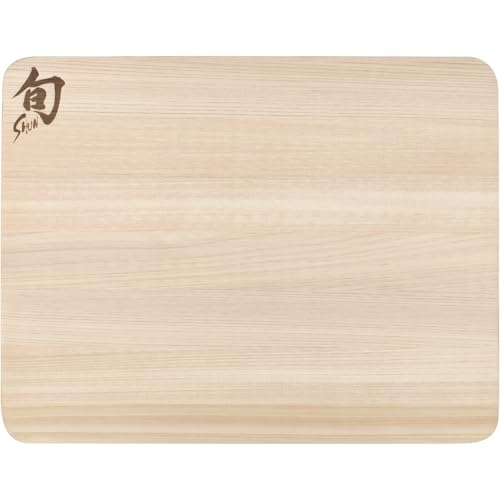
There is something remarkably charming about the Shun Cutlery Small Hinoki Cutting Board. While most people hunt for the biggest board possible, this 10.75-inch version stands out for its sheer convenience. It provides that premium Hinoki wood experience—soft, fragrant, and gentle on steel—in a size that is perfect for “bar board” duties or small garnishes. It’s the kind of board you reach for when you just need to slice a lemon or a single clove of garlic without dragging out a massive slab of wood.
I think this is a must-buy for the enthusiast who already has a main board but needs a dedicated, knife-safe surface for small tasks. It’s also a great entry point into Japanese cypress if you want to see how the material reacts to your knives before committing to a larger, more expensive piece. Because it’s double-sided, you can keep one side pristine for serving and use the other for prep.
The trade-off is obviously the utility for larger tasks. You cannot comfortably use a 10-inch chef’s knife on a board this size without feeling cramped. It’s also so light that it might slide around on a granite countertop unless you place a damp paper towel underneath it for stability.
Yoshihiro Hinoki Cypress Cutting Board, Japanese Hinoki Wood, Knife Friendly, Professional Grade (X-Large)
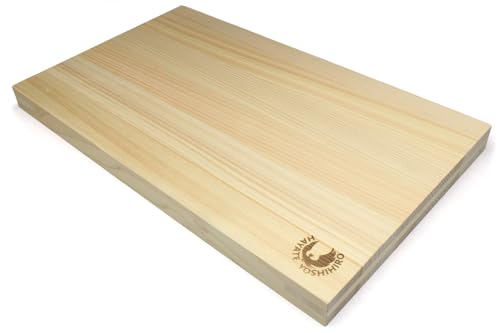
If you are serious about your kitchen tools, the Yoshihiro Hinoki Cypress Cutting Board is a step up in terms of engineering. What makes this stand out in real life is the maple anti-twist core. While many thin Hinoki boards are notorious for warping, Yoshihiro has reinforced this professional-grade board to stay flat, giving you the soft, blade-protecting benefits of cypress with the structural integrity of a much heavier board. At 2.5cm thick, it feels substantially more “pro” than the thinner alternatives.
This is the board for the person who owns high-carbon steel Japanese knives and wants to maintain them like a professional itamae. It’s designed for high-volume prep where stability is key. The X-Large size provides a massive 17.72-inch workspace that can handle everything from large fish to mountains of vegetables without the board moving an inch.
The downside here is the price and the weight. It is a significant investment compared to basic wood boards, and because it is a “living” material, you still have to deal with the natural cypress scent. While most love it, some find the fragrance can temporarily transfer to mild foods like bread if the board is brand new and not properly pre-wetted.
Hinoki Japanese Cypress Wood Cutting Board, Large

The Hinoki Japanese Cypress Wood Cutting Board is a purist’s tool that prioritizes the health of your knife’s edge above all else. Its standout feature is the unique soft wood density, which specifically protects against the chipping and dulling that often plagues hard-steel Japanese knives. In real life, the ultra-lightweight nature of this board is its biggest surprise; it’s incredibly easy to carry from the counter to the pot to the sink, which reduces kitchen fatigue during long prep sessions.
This is the best option for the home cook who is tired of heavy, cumbersome cutting boards that are a chore to wash. If you value gentle knife contact and a lovely, natural evergreen scent while you work, this fits the bill perfectly. The 15.7-inch length is versatile enough for almost any standard kitchen task, from slicing meat to chopping herbs.
The honest trade-off is the durability under heavy impact. This is a gentle cypress board, not a chopping block. If you try to use a heavy cleaver or perform high-impact hacking, you will gouge the wood deeply. It requires a refined cutting technique—slicing and rocking rather than forceful pounding—to keep the surface in good condition.
YAMASAN KYOTO UJI Japanese Hinoki Cutting Board – Medium- Natural Cypress Wood Cutting Board, Kitchen Chopping Board, High Durability, Made in Japan (15.35×8.66×0.59 inch) (Medium)

The YAMASAN KYOTO UJI Japanese Hinoki Cutting Board in Medium is an authentic slice of Japanese kitchen culture. What makes this board stand out is its Made in Japan pedigree and the use of high-quality natural cypress. It offers that signature Hinoki “give” that feels almost like cutting on a firm cushion, which is the secret to keeping your Japanese blades sharp for months rather than weeks. The 15.35-inch length provides a comfortable middle ground for daily cooking.
I would recommend this to someone who wants a genuine Japanese experience without the “designer” price tag often associated with big-name brands. It’s a straightforward, functional tool for someone who appreciates high durability in a natural material. It’s particularly good for those who find synthetic boards too loud or “clacky” under a knife.
The main downside is that the features list is extremely sparse, meaning you aren’t getting the added structural reinforcements (like anti-warp cores) found in more expensive models. At 0.59 inches thick, you must be extremely disciplined about your care routine—hand washing and drying it vertically—to ensure it doesn’t develop a permanent curve over time.
YAMASAN KYOTO UJI Japanese Hinoki Cutting Board – Small – Natural Cypress Wood Cutting Board, Kitchen Chopping Board, High Durability, Made in Japan (14.17×8.66×0.59 inch) (Small)
This Small YAMASAN KYOTO UJI Hinoki Board is essentially a more compact version of its medium sibling, measuring about 14 inches long. Its real-life appeal lies in its simplicity and authenticity. It’s a single-piece feel of natural cypress wood that brings a clean, minimalist aesthetic to the kitchen. For those who live in apartments with tiny counters, this size is a lifesaver, providing a high-end cutting surface that doesn’t dominate the entire workspace.
This is best for the “prep-as-you-go” cook or someone who frequently prepares smaller meals. It’s also an excellent choice for a dedicated fruit or bread board, as the natural oils in the Hinoki wood are naturally resistant to odors, ensuring your apples don’t taste like the garlic you chopped earlier. It’s a durable, no-frills entry into the world of Japanese woodcraft.
The trade-off is that it’s quite narrow at 8.66 inches. If you’re trying to dice a large head of cabbage or prep a whole chicken, you’ll likely find food falling off the edges. It’s a “specialist” size that works beautifully for precision work but struggles with bulkier ingredients.
Yoshihiro Hi Soft High Performance Professional Grade Cutting Board Japanese Sashimi Chef’s Tool Made in Japan (Large)

The Yoshihiro Hi Soft High Performance Board is a bit of a curveball because it isn’t wood at all, but a high-quality synthetic material designed to mimic the best properties of wood. It stands out in professional kitchens because it offers the ultimate edge retention for high-carbon steel knives. Unlike wood, which can have inconsistent grains, this material is uniform and incredibly soft, absorbing the impact of the blade so completely that it feels almost silent to use.
This is the “pro’s choice.” If you own a sashimi knife or a high-end Gyuto and you are terrified of chipping it, this is the safest surface on the market. It’s also much easier to sanitize than wood, making it perfect for someone who preps a lot of raw fish or meat and wants odor resistance without the maintenance of oiling a board.
The honest downside is the aesthetic and the “staining” factor. It doesn’t have the beauty of natural Hinoki; it looks like a functional piece of industrial equipment. Furthermore, the soft synthetic surface can actually “trap” stains from things like carrots or beets more aggressively than sealed wood, so you have to scrub it well to keep it looking clean.
MITSUMOTO SAKARI Japanese Acacia Wood Cutting Board, 16 × 11 in Kitchen Cutting Board for Meat Vegetables Cheese, Pure Natural Textured Chopping Board with Juice Groove

The MITSUMOTO SAKARI Japanese Acacia Wood Cutting Board is a different beast entirely compared to the cypress boards. What makes it stand out is its rugged durability and the inclusion of a deep juice groove. While Hinoki is soft and delicate, Acacia is a hardwood known for its strength and stunning, dark grain patterns. This board is built to handle the heavy-duty tasks that would ruin a Hinoki board, like carving a roasted chicken or hacking through sturdier vegetables.
I’d recommend this to the cook who wants one “do-it-all” board. It’s 16 x 11 inches, providing plenty of room for meat, and the juice groove is a lifesaver for keeping your counters clean. It’s also beautiful enough to use as a serving tray for cheese and appetizers, offering a much more “warm” and furniture-like look than the pale cypress boards.
The trade-off is that Acacia is much harder on your knives. If you are using ultra-thin, delicate Japanese blades, this board will dull them faster than Hinoki or Hi-Soft synthetic materials. It’s a great board for general-purpose German steel or everyday knives, but it’s not the “kindest” option for high-end Japanese cutlery.
Hinoki Cypress Reversible Wood Cutting Board, 17.2″ x 8″ x1.2″, Chopping Board, Bread and Cheese Board, Serving Board, Solid Single Piece, No Joint, No Glue
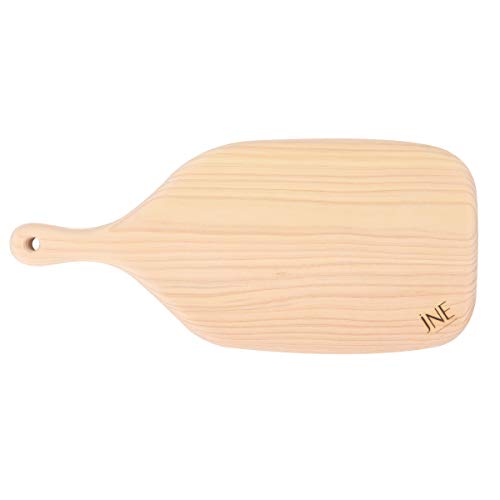
The Hinoki Cypress Reversible Wood Cutting Board stands out because it is a solid single piece of wood with no joints and no glue. In a world of laminated boards that eventually split at the seams, this one-piece construction is a massive selling point for longevity and food safety. At 1.2 inches thick, it is significantly beefier than the thin Shun boards, giving it a much more “substantial” and premium feel on the countertop.
This is the best choice for the “eco-conscious purist” who wants a completely natural product. Since there are no glues or coatings, you don’t have to worry about chemicals leaching into your food. The 17.2-inch length is perfect for everything from slicing crusty bread to prepping a full dinner. It’s a beautiful, reversible slab that looks like a piece of art in the kitchen.
The honest trade-off is the maintenance required for a single-piece thick board. Thick, solid wood is even more prone to cracking or checking if it gets too dry, compared to laminated boards. You must be religious about air-drying it correctly and keeping it away from heat sources, or that beautiful single piece of wood could develop a split down the middle.
Product prices and availability are accurate as of the date/time indicated and are subject to change. Any price and availability information displayed on Amazon.com at the time of purchase will apply to the purchase of this product.
Buying Guide
FAQs
What wood type is best for preserving the edge of Japanese knives?
Hinoki (Japanese cypress) is the most popular choice because its medium‑soft grain gently yields under the blade, reducing edge wear. It also has a pleasant natural fragrance and resists odor absorption. Boards made from other woods like acacia can be harder, which may be less forgiving on delicate high‑carbon steel edges.
How does board size affect functionality and storage?
Larger boards (e.g., the Shun Large Hinoki at 17.75″ × 11.75″) provide ample surface for big cuts and double‑sided use, but they require more countertop space and storage room. Medium and small boards are easier to store and work well for everyday prep or for limited kitchen spaces. Choose a size that matches your typical cooking volume and storage constraints.
Are there any differences in durability between the Hinoki boards and synthetic options?
Pure Hinoki boards, such as the Yoshihiro and Shun models, rely on solid wood construction and can last decades with proper care, but they may warp if exposed to excessive moisture. Synthetic boards like the Yoshihiro Hi Soft use engineered materials that resist warping and are easier to sanitize, though they lack the natural scent and aesthetic of wood. Consider whether you prioritize traditional feel or low‑maintenance performance.
What maintenance steps keep a wooden cutting board in top condition?
Always dampen the board before use, clean with mild detergent, towel‑dry, and let it air‑dry away from direct sunlight. For stains or odors, rub a cut lemon over the surface and re‑oil periodically with food‑grade mineral oil. Avoid soaking or putting the board in a dishwasher, as prolonged water exposure can cause warping or cracking.
How do price and value compare across the listed Hinoki boards?
Shun’s Hinoki boards tend to be priced higher due to the brand’s reputation and FSC certification, offering a premium finish and double‑sided design. Yoshihiro’s boards provide a similar wood quality with a sturdy maple anti‑twist core at a slightly lower price point. Generic Hinoki boards without a brand name may be the most affordable but could lack consistent quality control.
Is a double‑sided board worth the extra cost?
A double‑sided board lets you rotate the surface to avoid deep cuts wearing one side, extending the board’s lifespan and keeping a fresh cutting area. It also offers flexibility for different tasks, such as using one side for meat and the other for vegetables. If you frequently prepare large meals, the convenience often justifies the modest price increase.
Do any of these boards include features for juice management?
The Mitsumoto Sakari Acacia board incorporates a deep juice groove that catches liquids, keeping countertops clean during meat prep. Most Hinoki boards are flat, so you may need to add a separate groove or use a tray for juicy items. If juice control is important to you, look for boards with built‑in grooves or add a detachable one.
How important is FSC certification when choosing a cutting board?
FSC (Forest Stewardship Council) certification ensures the wood comes from responsibly managed forests, supporting sustainable harvesting practices. For environmentally conscious shoppers, selecting an FSC‑certified board like Shun’s Hinoki models adds value beyond performance. While it doesn’t affect the board’s cutting qualities, it reflects a commitment to ecological responsibility.