Best Temperature For Pinot Noir
Wondering about the best temperature for pinot noir? You’re not alone—serving this elegant red at the right temp makes all the difference. Too warm, and it tastes alcoholic; too cold, and the flavors fall flat. The sweet spot? Between 55°F and 60°F. That’s cool enough to highlight its bright fruit and silky texture, but warm enough to let its complexity shine. In this article, we’ll break down exactly how to achieve that perfect serving temperature every time—no wine fridge required.
Best Serving Temperature for Pinot Noir
What Is the Ideal Temperature Range?
The best temperature for Pinot Noir is between 55°F and 60°F (13°C–16°C). This slightly cool range allows the wine’s delicate aromas and nuanced flavors to shine without being muted.
Serving Pinot Noir too cold suppresses its complex bouquet of red berries, earthy notes, and floral hints, while serving it too warm emphasizes alcohol and makes the wine taste flat.
To achieve this ideal temperature, refrigerate the bottle for about 30 to 45 minutes before serving if stored at room temperature. For precise control, use a wine thermometer or a temperature-controlled wine cooler.
Avoid the common mistake of serving Pinot Noir straight from a warm room or over-chilling it in the freezer, which can shock the wine. Aim for cellar temperature, not fridge-cold, to fully appreciate Pinot Noir’s elegance and balance.
Why Temperature Matters for Flavor
Temperature dramatically affects how your palate perceives aroma, balance, and texture in Pinot Noir. At the ideal 55°F–60°F range, volatile compounds in the wine are activated just enough to release its signature scents of cherry, raspberry, and subtle spice.
If the wine is too cold, these aromas remain trapped, and the acidity can feel sharp or harsh. Conversely, excessive warmth dulls acidity and amplifies alcohol, making the wine taste unbalanced and heavy.
Proper temperature also enhances mouthfeel—cooler than room temp but not icy—preserving the wine’s silky texture and bright finish. Serving at the right temp ensures harmony between fruit, tannins, and acidity.
Think of temperature as a volume knob for flavor: too low, and you miss the nuances; too high, and the wine becomes overwhelming. Precision here maximizes enjoyment.
Signs Your Wine Is Too Warm or Too Cold
Recognizing when Pinot Noir is served at the wrong temperature helps you adjust for better tasting. If the wine smells hot or boozy, with alcohol fumes dominating the nose, it’s likely too warm—above 65°F. The flavors may taste flat, and the finish can feel harsh.
On the flip side, if the wine seems dull, overly tart, or closed off, with little aroma and a thin body, it’s probably too cold—below 50°F. The fruit characteristics will be muted, and the tannins might feel astringent.
To correct, let an overly chilled bottle sit at room temperature for 10–15 minutes; chill a warm bottle in an ice bucket for 5–10 minutes. Trust your senses: the ideal pour should have a fragrant nose, balanced acidity, and a smooth, rounded mouthfeel. Temperature fine-tuning makes a noticeable difference.
How to Chill Pinot Noir Properly

Refrigerator vs. Ice Bucket Cooling
When chilling Pinot Noir, the best temperature range is 55–60°F (13–16°C), which preserves its bright fruit flavors and subtle earthy notes. A refrigerator typically chills wine to about 38–40°F, which is too cold for immediate serving.
To avoid over-chilling, remove the bottle 20–30 minutes before serving to let it warm slightly. In contrast, an ice bucket filled with equal parts ice and water cools wine faster and more evenly. Submerge the bottle for 15–20 minutes to reach the ideal temperature quickly.
The ice bucket method is especially useful for last-minute entertaining, as it brings room-temperature wine down efficiently. Always use a thermometer or test the bottle’s temperature by touch—cool but not icy. Avoid freezing, as it dulls aromas and flattens the palate.
For consistent results, pair the ice bucket with a timer to prevent over-chilling.
How Long to Chill in the Fridge
To achieve the ideal serving temperature of 55–60°F, plan ahead when using a refrigerator. A room-temperature bottle (around 70°F) should be chilled for 45 to 60 minutes in a standard refrigerator set at 38–40°F. This duration brings Pinot Noir into its optimal range without dulling its delicate profile.
For wines already at cool room temperature, 30–40 minutes may suffice. To monitor progress, use a wine thermometer or perform the wrist test—press the bottle to your inner wrist; it should feel cool but not cold. Over-chilling suppresses aromatics and acidity, so avoid leaving the bottle in too long.
If you accidentally over-chill, let it sit at room temperature for 10–15 minutes. For best results, store Pinot Noir in the main compartment—not the door or crisper—where temperatures are more stable. Planning ahead ensures your wine is perfectly tempered for peak enjoyment.
Quick Chill Methods Without Dilution
When you need to chill Pinot Noir quickly, avoid traditional ice buckets with water if dilution is a concern. Instead, wrap the bottle in a damp towel and place it in the freezer for 15–20 minutes—the moisture conducts cold faster, safely lowering the temperature.
Check every 5 minutes to prevent freezing. Another effective method is using a wine-specific chilling sleeve or metal chill ring, which cools the bottle evenly in about 10–15 minutes without affecting the wine inside.
For instant results, pour a glass and swirl it over a few wine stones or stainless steel chilling cubes—these cool the liquid without melting or altering flavor. Never use regular ice cubes in the glass, as they dilute the nuanced taste.
For frequent entertaining, consider a thermoelectric wine cooler set to 57°F, so bottles are always ready. These fast, no-dilution techniques preserve Pinot Noir’s elegance while bringing it to the perfect sipping temperature.
Serving Pinot Noir in Different Settings
Best Temperature for Home Dining
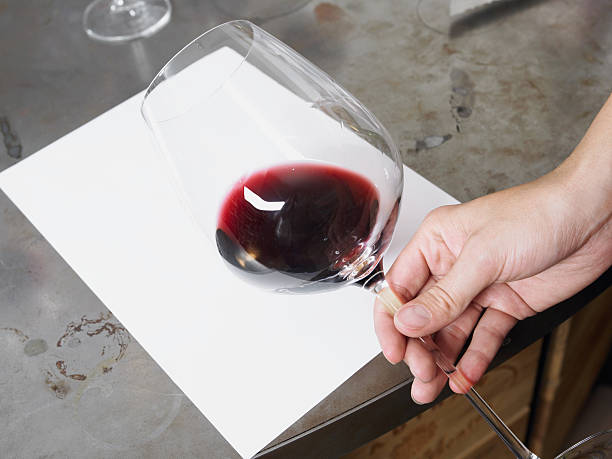
When serving Pinot Noir at home, the ideal temperature range is 55°F to 60°F (13°C to 16°C). This range allows the wine’s delicate aromas—such as red cherry, raspberry, and floral notes—to express themselves fully while maintaining a balanced acidity and soft tannin structure.
Serving too cold dulls the flavor, while serving too warm emphasizes alcohol and makes the wine taste flat. To achieve this, refrigerate the bottle for about 30–45 minutes before serving if stored at room temperature. For precise control, use a wine thermometer.
Light-bodied and nuanced, Pinot Noir benefits from slight chilling—never serve it at room temperature, which often exceeds 70°F. Decanting is optional but can enhance aeration, especially for younger vintages. Ultimately, taste is personal, so experiment within the ideal range to find your preference.
Serving in tulip-shaped glasses further concentrates aromas, elevating the overall experience in a home dining setting.
Ideal Conditions for Restaurant Service
In restaurants, Pinot Noir should be served at 55°F to 60°F (13°C to 16°C) to showcase its elegance and complexity. Skilled sommeliers often store Pinot Noir in climate-controlled wine cellars and transfer bottles to a refrigerated unit shortly before service to fine-tune the temperature.
Proper glassware—preferably large-bowled or tulip-shaped—is essential to capture the wine’s subtle bouquet. Servers should present the bottle, allow a taste for approval, and pour gently to preserve the wine’s integrity. If the wine arrives too cold, let it rest for 5–10 minutes in the glass to warm slightly.
Overchilling is a common mistake in restaurants due to shared coolers with white wines, so guests should feel empowered to request adjustments. Staff training on varietal-specific service ensures consistency.
Ultimately, precision in temperature and presentation enhances the dining experience, allowing Pinot Noir’s silky texture and vibrant fruit profile to shine alongside food pairings like duck, salmon, or mushroom dishes.
Adjusting for Outdoor or Warm Environments
When serving Pinot Noir outdoors or in warm settings, maintaining the optimal 55°F to 60°F (13°C to 16°C) range requires proactive cooling. High ambient temperatures can quickly warm the wine, dulling its aromatics and unbalancing its structure.
Use an insulated wine sleeve or bucket with a mixture of ice and water to chill the bottle gradually—avoid full submersion in ice, which can overchill. Recheck the temperature periodically, as direct sunlight and heat accelerate warming. Serve in smaller pours to minimize exposure and maintain freshness.
If the wine warms beyond 65°F, pause service and re-chill briefly. Consider using double-walled stemware to insulate the wine. Avoid leaving the bottle in direct sun or on hot surfaces. In extended outdoor events, rotate bottles from a cooler every 30 minutes.
These steps preserve Pinot Noir’s bright acidity and nuanced flavors, ensuring a refined experience even in challenging environments.
Storing Pinot Noir Before Serving
Optimal Cellar Temperature for Aging
For long-term aging of Pinot Noir, maintaining a consistent cellar temperature of 55°F (13°C) is ideal. This temperature slows the aging process, allowing the wine to develop complexity while preserving its delicate fruit characteristics and acidity.
Storing above this range accelerates aging, potentially leading to flat flavors and diminished aromatics, while too cold conditions can stall maturation and cause corks to dry out. Use a dedicated wine refrigerator or climate-controlled cellar to ensure stability. Humidity levels around 70% help keep corks supple, preventing air exposure.
Store bottles horizontally to keep the cork moist. Avoid placing Pinot Noir near appliances or exterior walls that emit heat. With proper temperature and humidity control, your Pinot Noir can age gracefully for 5–10 years, depending on the vintage and producer.
Short-Term Storage Tips
When storing Pinot Noir for short periods—up to a few months—maintain a cool, dark environment around 50–60°F (10–15°C). Unlike long-term aging, minor fluctuations are less damaging, but consistency still matters. Keep bottles away from sunlight, vibrations, and strong odors, which can degrade wine quality.
Store bottles horizontally to preserve cork integrity, even for short durations. If using a kitchen wine fridge, set it to the lower end of the range to mimic cellar conditions. Avoid storing Pinot Noir in a standard refrigerator long-term, as the dry air can compromise the cork.
Instead, transfer the bottle to the fridge 30–60 minutes before serving to reach the ideal serving temperature. This approach ensures freshness and protects the wine’s nuanced profile until it’s ready to be enjoyed.
Avoiding Temperature Fluctuations
Temperature swings are one of the biggest threats to Pinot Noir’s quality, both during aging and short-term storage. Fluctuations cause the wine to expand and contract, potentially pushing it past the cork and introducing oxygen, which leads to premature oxidation and spoilage.
Aim to keep temperature variations within ±2°F (±1°C) of your target. Use a digital thermometer with a data logger to monitor conditions in your storage space. Avoid attics, garages, or near heating vents where temperatures rise and fall dramatically.
Even daily changes—like those from sunlight or HVAC cycles—can degrade the wine over time. A climate-controlled wine cooler or cellar offers the best protection. If storing in a non-climate-controlled area, insulate bottles with wine sleeves or boxes.
Consistent temperature ensures your Pinot Noir maintains its aromatic finesse, balance, and aging potential.
Choosing Glassware to Maintain Temperature
Best Glass Shapes for Pinot Noir
The ideal glass shape for Pinot Noir enhances its delicate aromas and maintains the best temperature for serving, which is between 55°F and 60°F (13°C–16°C).
Choose a glass with a large, rounded bowl that tapers slightly at the top—this design captures and concentrates the wine’s subtle floral and red fruit notes while directing them toward your nose. The generous surface area allows for gentle aeration without rapid temperature rise.
Opt for tulip-shaped or Burgundy-style glasses, as they promote balanced oxidation and preserve the wine’s coolness longer than wide, shallow bowls. Avoid oversized glasses meant for bold reds like Cabernet, as they expose too much surface area, causing the wine to warm quickly.
A stemmed glass also helps by preventing hand heat transfer to the bowl. Using the right shape not only improves aroma and flavor perception but actively supports temperature stability throughout your tasting experience.
How Glass Thickness Affects Temperature
Glass thickness plays a crucial role in maintaining the ideal temperature for Pinot Noir, as thinner glass tends to transfer heat more quickly from your hand and the surrounding environment.
This rapid conduction can cause the wine to warm beyond the recommended 55°F–60°F range, dulling its bright acidity and delicate nuances. Thicker glassware provides better insulation, helping slow the rate of temperature change and preserving the wine’s balance.
However, overly thick glass may feel clumsy and obscure the wine’s color and clarity. The best choice is moderately thick, high-quality crystal or glass that offers thermal stability without sacrificing elegance.
Additionally, double-walled insulated wine glasses are emerging as excellent options, as they create an air barrier that minimizes heat transfer. These designs help keep Pinot Noir cool longer, especially in warmer settings, ensuring every sip reflects the wine’s intended character and freshness.
Tips for Keeping Wine Cool in the Glass
To maintain the optimal serving temperature of Pinot Noir (55°F–60°F) once poured, employ practical cooling strategies. First, pre-chill your glassware slightly in the refrigerator for 10–15 minutes before serving—this creates a cooler starting point. Avoid holding the bowl; instead, grip the stem to minimize heat transfer from your hand.
Consider using wine charms or cooling sleeves made from stainless steel or gel inserts that fit around the stem and base, providing subtle, continuous cooling. In warm environments, take smaller sips and set the glass down between them to reduce exposure.
You can also place the glass over a small ice-filled coaster or use frozen grape charms instead of ice cubes to avoid dilution. Avoid direct sunlight or heat sources, and if drinking outdoors, keep the bottle in an insulated cooler.
These small habits make a significant difference in preserving Pinot Noir’s crisp acidity, aromatic complexity, and overall enjoyment.
Pairing Pinot Noir with Food at the Right Temperature
Matching Wine Temp to Light Dishes
When pairing Pinot Noir with light dishes such as grilled salmon, seared tuna, or vegetable risotto, serving the wine at 55°F (13°C) enhances its bright acidity and delicate red fruit notes. At this temperature, the wine remains vibrant without overwhelming subtle flavors.
Avoid serving too cold, as chilling below 50°F dulls the aromatics and masks the nuanced earthy and floral tones characteristic of Pinot Noir. Lighter preparations benefit from a slightly cooler pour, allowing the wine’s crispness to complement the dish’s freshness.
Chill the bottle in the refrigerator for about 30–45 minutes before serving if starting at room temperature. Alternatively, use an ice bucket with water and ice for 10–15 minutes for quicker cooling. This ideal range preserves the wine’s balance, letting the food and wine elevate each other.
Consistent temperature control ensures every sip harmonizes with the dish’s delicate profile.
Serving with Roasted Meats and Poultry
Pinot Noir shines alongside roasted chicken, duck, pork tenderloin, or mushroom-stuffed game birds when served at 57–60°F (14–16°C). This slightly warmer range allows the wine’s structure and subtle spice notes to emerge, complementing the richness of roasted dishes without amplifying alcohol heat.
At cooler temperatures, the wine’s complexity can be muted, but exceeding 60°F risks making it taste flabby or overly alcoholic. To reach this ideal window, refrigerate the bottle for 20–30 minutes before serving.
If the wine warms too quickly in the glass, use a wine sleeve or smaller ice bucket to maintain stability. The harmony between the wine’s silky tannins and the savory depth of roasted meats is maximized at this temperature, creating a seamless pairing.
Whether it’s herb-crusted turkey or caramelized root vegetables, the right temp ensures Pinot Noir enhances, not overpowers, the meal.
Temperature Tips for Cheese Pairings
When pairing Pinot Noir with cheese, maintaining a temperature of 55–58°F (13–14°C) is crucial to balance the wine’s acidity with the creaminess and saltiness of the cheese.
Soft, aged cheeses like Brie, Camembert, or aged Gouda interact beautifully when the wine is slightly chilled, highlighting red fruit and earthy notes while cutting through richness. Serve the wine after 25–35 minutes in the fridge, and let it breathe slightly before pouring.
Avoid serving too cold, as this suppresses aroma and makes tannins feel sharper. For stronger cheeses like blue or washed-rind varieties, staying within this range prevents the alcohol from clashing with pungency. Serve cheese at room temperature while keeping the wine cool to create contrast.
This temperature sweet spot ensures the pairing feels cohesive, with each element enhancing the other’s best qualities for a truly elevated tasting experience.
Common Mistakes When Serving Pinot Noir
Serving Straight from the Fridge
Serving Pinot Noir straight from the refrigerator is a common mistake that dulls its delicate aromas and flavors. While chilling is necessary, the ideal temperature for Pinot Noir is between 55°F and 60°F (13°C–16°C)—significantly warmer than typical fridge temps of 35°F–40°F.
When too cold, the wine’s fruit notes become muted, and tannins can taste overly sharp. To correct this, remove the bottle from the fridge 20–30 minutes before serving to allow it to warm gradually. For faster adjustment, swirl the wine gently in the glass to release its bouquet.
Avoid using warm water or direct heat, as this can spoil the balance. Using a wine thermometer ensures precision, helping you serve at peak enjoyment. Remember, Pinot Noir thrives when served slightly chilled, not icy—patience enhances complexity.
Leaving Wine in the Sun or Heat
Exposing Pinot Noir to direct sunlight or high temperatures rapidly degrades its quality, ruining its nuanced character. Heat accelerates oxidation and can ‘cook’ the wine, flattening its vibrant red fruit and floral notes.
Never leave Pinot Noir in a hot car, on a sunlit patio, or near kitchen appliances—temperatures above 70°F (21°C) begin to cause damage. If the wine gets too warm, do not immediately re-chill it in the freezer, as rapid temperature shifts can cause leakage or cork displacement.
Instead, return it to a cool, dark place for several hours. Optimal storage before serving is in a wine cellar or cooler at 55°F. Serving warm wine masks its elegance, so prioritize temperature stability from storage to glass.
Protecting Pinot Noir from heat preserves its freshness and ensures a more enjoyable tasting experience.
Using the Wrong Cooling Equipment
Using improper cooling tools—like a standard freezer or ice bucket without monitoring—can over-chill Pinot Noir, making it lose aromatic expression. Freezers drop wine below ideal serving temps within 15–20 minutes, stunning the delicate balance of acidity and fruit.
Instead, use a wine cooler set to 55°F–60°F for consistent, long-term storage and serving readiness. For short-term chilling, an ice bucket with a mix of ice and water is effective—submerge the bottle halfway and chill for 20–25 minutes. Avoid dry ice or rapid-freeze gadgets, which risk thermal shock.
A digital wine thermometer helps verify temperature without guesswork. Remember, gentle, controlled cooling preserves complexity, while aggressive methods compromise quality. Choosing the right equipment ensures every glass highlights Pinot Noir’s silky texture and bright, layered profile.
Frequently Asked Questions
What is the best temperature for serving Pinot Noir?
The ideal serving temperature for Pinot Noir is between 55°F and 60°F (13°C to 16°C). Serving it within this range enhances its delicate aromas, balanced acidity, and smooth tannins.
Can I serve Pinot Noir at room temperature?
Traditional room temperature (around 68°F–72°F) is too warm for Pinot Noir and can accentuate alcohol while dulling subtle flavors. It’s best to chill the wine slightly before serving.
How long should I chill Pinot Noir before serving?
Refrigerate Pinot Noir for about 30–45 minutes before serving. If using a freezer, 15–20 minutes is sufficient to reach the ideal 55°F–60°F range.
What happens if Pinot Noir is served too cold?
Serving Pinot Noir too cold suppresses its complex aromas and flavors, making it taste dull and overly tannic. Allow it to warm slightly in the glass to restore balance.
Should I decant Pinot Noir, and does temperature matter?
Decanting can enhance younger or more structured Pinot Noirs by softening tannins and opening up aromas. Always decant within the 55°F–60°F range to avoid losing nuance from temperature extremes.
How can I tell if my Pinot Noir is at the right temperature?
The wine should feel cool but not icy on the palate, with vibrant fruit notes and a smooth finish. If the alcohol feels harsh or the flavors are muted, adjust the temperature slightly.
Conclusion
The ideal serving temperature for Pinot Noir ranges between 55°F and 60°F, enhancing its delicate aromas and balanced acidity. Serving too warm dulls its finesse, while too cold masks its flavors. Chilling it slightly longer than room temperature ensures optimal taste. Experiment within this range to match your palate. Enjoying Pinot Noir at its best temperature elevates the experience, revealing its true elegance and complexity with every sip.