Best Red Wines To Chill
Looking for the best red wines to chill? You’re not alone—more wine lovers are discovering that a light chill can elevate certain reds, enhancing their freshness and fruitiness. From juicy Gamay to spicy Zweigelt, we’ve rounded up the top bottles that shine when served cool. Whether you’re hosting a summer gathering or just want a refreshing twist, this guide delivers quick, expert-backed picks that promise delicious results—no wine snobbery, just great-tasting, perfectly chilled reds you’ll love.
Best Red Wines to Chill for Refreshing Drinking
Light-Bodied Reds That Shine Cold
Light-bodied reds are ideal for chilling because their delicate structure and bright acidity are enhanced by a slight coolness. Varietals like Gamay, Pinot Noir, and Frappato thrive when served slightly below room temperature—around 50–55°F (10–13°C).
Chilling these wines preserves their vibrant red fruit flavors—think cherry, raspberry, and strawberry—while softening any harsh tannins. Avoid over-chilling, which can mute their subtle aromas. A 30-minute stint in the refrigerator is usually perfect.
These wines pair beautifully with salads, charcuterie, or light pasta dishes, making them excellent choices for warm-weather sipping. Their refreshing nature when chilled makes them a go-to for casual gatherings or solo relaxation on a sunny afternoon.
Medium-Bodied Reds That Tolerate Chilling
Medium-bodied reds offer a balanced profile that can handle mild chilling without losing complexity. Varieties like Cinsault, Grenache, and Valpolicella maintain their fruit-forward character and soft tannins when cooled to 55–60°F (13–16°C). This slight chill enhances their juiciness and makes them more refreshing, especially in transitional seasons.
These wines often exhibit notes of red berries, herbs, and a hint of spice—flavors that pop when served cooler. While they’re more structured than light reds, they still benefit from temperature control to avoid alcohol prominence. Try them with grilled poultry, roasted vegetables, or pizza.
Chilling these reds slightly transforms them into versatile, food-friendly options perfect for casual dining or outdoor events.
Fruit-Forward Reds Perfect for Ice
Fruit-forward reds with low tannins and high acidity are excellent candidates for serving over ice or with a chill. Wines like Beaujolais Nouveau, Lambrusco, and young Zinfandel burst with flavors of ripe berries, plum, and candied fruit, which remain vibrant even when diluted slightly by ice.
Serving these at 45–50°F (7–10°C) boosts their refreshing quality, making them ideal for summer cocktails or poolside sipping. Lambrusco, in particular, shines as a lightly sparkling red that gains effervescence and crispness when chilled. These wines are perfect for mixing with soda water or fresh fruit in wine spritzers.
Their playful, juicy profiles make them crowd-pleasers at parties or as a fun alternative to traditional chilled beverages.
Affordable Chilled Reds for Everyday Sipping
You don’t need to splurge to enjoy a delicious chilled red—many budget-friendly options deliver excellent flavor when served cool. Look for bottles under $15 like Cru Beaujolais, Spanish Garnacha, or Italian Bardolino. These wines are crafted for early consumption and thrive with a 20–30 minute chill in the fridge.
Their bright fruit, minimal tannins, and lively acidity make them perfect for daily enjoyment without breaking the bank. Chilling enhances their drinkability, turning simple wines into refreshing picks for weeknight dinners or casual hangouts. Opt for producers who prioritize freshness and fruit expression.
With these affordable gems, you can experiment freely—try them slightly chilled, over ice, or in wine spritzers—making everyday moments feel a little more special.
Ideal Serving Temperatures for Chilled Red Wines
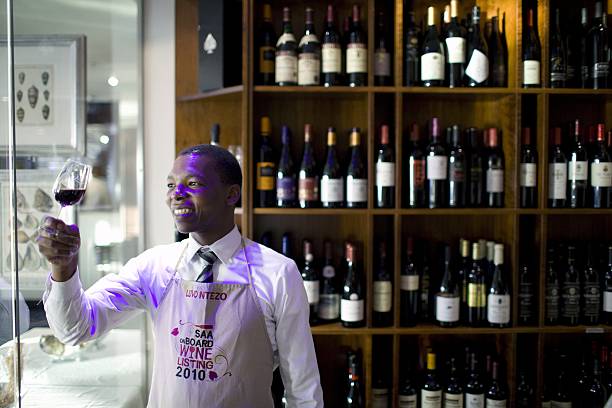
How Cold Should Red Wine Be?
The ideal serving temperature for chilled red wines typically ranges between 55°F and 65°F (13°C–18°C), depending on the body and structure. Lighter-bodied reds, such as Gamay or Pinot Noir, benefit from cooler temperatures around 55°F–60°F, which enhance their bright acidity and fresh fruit notes while suppressing excessive alcohol warmth.
Fuller-bodied reds like Cabernet Sauvignon or Syrah should be served slightly warmer, near 60°F–65°F, to preserve their complex aromas and smooth tannins. Serving red wine too cold can mute flavors and make tannins seem harsh, while serving too warm emphasizes alcohol and dulls freshness.
Chilling for 15–20 minutes in the refrigerator before serving is often sufficient for most reds, especially if stored at room temperature.
Using a Thermometer for Accuracy
For precise temperature control, using a wine thermometer is a simple yet effective tool. Digital instant-read thermometers or infrared models allow you to check the wine’s temperature without contaminating the bottle. Insert the probe into the wine just before serving to ensure it’s within the ideal 55°F–65°F range.
This is especially helpful when experimenting with chilling fuller-bodied reds that are often served too warm. Consistent temperature monitoring helps refine your serving routine and enhances tasting accuracy over time.
If a thermometer isn’t available, use timed chilling: 15 minutes in the fridge for light reds, 10 minutes for fuller styles. Avoid freezing or over-chilling, as it masks aromas and dulls palate expression. Precision leads to better enjoyment.
Room Temperature Myths Debunked
The common advice to serve red wine at ‘room temperature’ is misleading in modern contexts. Traditional ‘room temperature’ referred to cooler European cellars (around 60°F–65°F), not today’s heated homes, which often exceed 70°F. Serving red wine at warm indoor temperatures amplifies alcohol, dulls freshness, and flattens flavors.
Chilling red wine slightly corrects this imbalance, restoring balance and vibrancy. Even bold reds benefit from a brief chill—just 10–15 minutes in the fridge can bring them into the ideal range. Rejecting the room temperature myth allows for more accurate, enjoyable tasting experiences.
Whether light or full-bodied, most reds improve with slight cooling, especially in warmer climates or seasons. Adjusting expectations leads to better wine appreciation.
Adjusting Temp by Wine Style
Tailoring serving temperature to wine style maximizes flavor and texture. Light, fruity reds like Beaujolais, Valpolicella, or Frappato shine when served at 55°F–60°F, where crisp acidity and red berry notes are accentuated. Medium-bodied wines such as Tempranillo or Grenache blend well at 60°F, balancing fruit and structure.
Full-bodied reds like Malbec or aged Barolo should hover near 63°F–65°F to soften tannins and release layered aromas without becoming alcoholic or flat. For young, tannic wines, a slight chill can make them more approachable. Experimentation is key—try dropping the temp by 5°F and reassessing; you may discover new dimensions.
Adjusting by style ensures every red expresses its best character.
How to Chill Red Wine Properly

Refrigerator vs. Ice Bucket Timing
Choosing between a refrigerator and an ice bucket depends on how much time you have before serving. For planned chilling, place red wine in the refrigerator for 45 to 60 minutes before serving to reach the ideal temperature of 55–65°F (13–18°C).
Lighter-bodied reds like Pinot Noir or Gamay benefit most from this method. If you’re short on time, an ice bucket with ice and water is more effective, lowering the temperature in just 15 to 20 minutes. The water ensures better contact and faster cooling.
Avoid leaving wine in the ice bucket too long, as it can over-chill. Monitor the temperature with a wine thermometer for precision, especially with delicate reds that lose aroma when too cold.
Avoiding Over-Chilling
Over-chilling red wine dulls its aromas and accentuates tannins, leading to a flat or harsh taste. The ideal serving range for most reds is 55–65°F (13–18°C)—cooler than room temperature but not cold.
Light-bodied and fruity reds like Beaujolais or Valpolicella can go as low as 55°F, while fuller-bodied wines like Cabernet Sauvignon should stay closer to 65°F. Use a wine thermometer to avoid guesswork. If your wine gets too cold, let it sit at room temperature for 5–10 minutes to warm slightly.
Swirling the wine in the glass also helps release aromas. Never serve red wine straight from a standard refrigerator (typically 38–40°F), as it will be too cold and mute the flavor profile.
Quick Chill Techniques
When you need to chill red wine quickly, wrap the bottle in a damp towel and place it in the freezer for 10–15 minutes—this accelerates heat transfer.
Another fast method is the spinning technique: submerge the bottle in an ice bucket filled with ice, water, and a pinch of salt, then spin it for 2–3 minutes. The salt lowers the freezing point, and spinning increases contact, cooling the wine in under 10 minutes.
Monitor closely to avoid over-chilling. These techniques work best with lighter reds like Lambrusco or young Merlot. For sparkling reds, the ice bucket method is ideal. Always use a timer and remove the wine promptly to preserve balance and aroma while achieving the desired coolness.
When to Remove Wine from the Fridge
Remove red wine from the refrigerator 10 to 15 minutes before serving to allow it to warm slightly to its optimal drinking temperature. Wines straight from the fridge are typically too cold, muting fruit notes and amplifying bitterness.
Lighter reds like Pinot Noir or Grenache should be removed after 30–45 minutes of refrigeration, while fuller-bodied reds like Syrah or Malbec may only need 20–30 minutes. Use a wine thermometer to confirm it’s within the 55–65°F range. If you’re unsure, start with a shorter chill and adjust next time.
Letting the wine breathe in the glass enhances flavor. Timing is key—pull it out early enough to enjoy its full complexity, but not so early that it becomes too warm.
Wines That Improve with a Chill
Beaujolais: Crisp and Juicy When Cold
Beaujolais, made from the Gamay grape, is one of the best red wines to chill for a refreshing twist. When served slightly cool—at around 55°F (13°C)—its vibrant red fruit flavors like cherry, raspberry, and cranberry become more pronounced, while the natural acidity and light body shine through.
This makes it incredibly food-versatile, perfect alongside charcuterie, grilled chicken, or even a summer salad. Avoid over-chilling, which can mute its delicate aromas. Instead, pop it in the fridge for about 30–45 minutes before serving.
The bright, juicy profile of Beaujolais Nouveau or a more structured Cru Beaujolais both benefit from a chill, transforming them into ideal warm-weather reds that defy the myth that reds must always be room temperature.
Valpolicella: Brighter on the Rocks
Valpolicella, hailing from Italy’s Veneto region, offers a delightful mix of cherry, herbal, and earthy notes that become more vibrant when lightly chilled. Serve Valpolicella at 57–60°F (14–16°C) to enhance its freshness without dulling its complexity.
This red blend, typically made from Corvina, Rondinella, and Molinara, gains a lively, juicy character when cooled, making it a fantastic choice for casual sipping or pairing with tomato-based pastas, pizza, or grilled vegetables. The slight chill softens its tannins and highlights its natural fruitiness, offering a more approachable profile.
For a modern twist, try it with one ice cube to open up the aromatics. This makes Valpolicella one of the most versatile chilled reds, bridging the gap between casual and sophisticated palates.
Lambrusco: Bubbly and Refreshing Chilled
Lambrusco is a naturally sparkling red wine that truly comes alive when served well-chilled—ideally between 50–55°F (10–13°C). This Italian gem offers bright effervescence paired with flavors of blackberry, plum, and violet, often with a hint of sweetness balanced by crisp acidity.
Chilling enhances its refreshing, palate-cleansing quality, making it perfect for hot days or pairing with rich foods like salami, aged cheeses, or even dark chocolate. Opt for dry or off-dry styles labeled “secco” or “amabile” for the best chilled experience.
Unlike still reds, Lambrusco’s fizziness and acidity thrive in the cold, delivering a fun, fizzy alternative to white or rosé wines. Serve in a tulip glass to capture its aromas—a chilled Lambrusco is summer in a glass.
Gamay and Frappato Varietals
Beyond Beaujolais, other light-bodied reds like Gamay and Frappato are excellent candidates for chilling. Gamay, especially from cooler regions outside France, delivers juicy red fruit and floral notes that intensify when served at 55°F (13°C).
Frappato, a Sicilian gem, offers strawberry, rose petal, and herbal tones with a silky texture, best enjoyed chilled to amplify its freshness. These varietals share low tannins and high acidity, making them ideal for cooling without losing character. Try them with spicy Asian dishes, herb-roasted meats, or antipasto platters.
A 30-minute chill in the fridge is all it takes to unlock their vibrant, thirst-quenching potential. Exploring chilled Gamay and Frappato opens up a world of versatile, food-friendly reds perfect for breaking wine rules and refreshing your palate.
Red Wines That Should Not Be Chilled
Full-Bodied Reds Lose Complexity
Full-bodied red wines like Cabernet Sauvignon, Syrah, and Malbec are best enjoyed at slightly below room temperature—around 60–65°F (15–18°C). Chilling these wines too much masks their rich aromas and suppresses flavor development, making them seem dull and one-dimensional.
These wines thrive on their depth of fruit, spice, and earthy notes, which only fully express themselves when served warm enough to unlock their bouquet. Over-chilling causes the wine’s structure to contract, reducing the愉悦 of sipping and diminishing the balance between fruit, acid, and tannin.
To fully appreciate their complexity, allow full-bodied reds to breathe and serve them without refrigeration. A brief 10-minute chill in the fridge is acceptable in hot climates, but avoid prolonged cooling.
Tannic Wines Turn Harsh When Cold
High-tannin reds such as Nebbiolo, aged Bordeaux, and Barolo rely on warmth to soften their robust structure. When chilled, the tannins become more astringent and aggressive, creating a mouth-puckering sensation that overwhelms the palate.
Tannins are naturally more perceptible at lower temperatures, which disrupts the wine’s balance and makes it seem overly bitter or drying. These wines are crafted for gradual evolution in the glass, with heat helping to mellow their grip and reveal layers of cherry, leather, and floral notes.
Serving them too cold stifles their elegance and drinkability. Always serve tannic reds at cellar temperature, and if needed, use a decanter to accelerate softening. Avoid ice buckets or refrigeration for these structured wines.
Aging Reds Need Warmer Sips
Mature, aged red wines—like vintage Rioja, Burgundy, or old-vine Zinfandel—develop delicate, nuanced profiles over time, including notes of forest floor, dried fruit, and spice. These subtle characteristics are easily muted by cold temperatures, which dull the wine’s aromatic expression and shorten its finish.
Serving aged reds too cold shocks their delicate chemistry, causing them to taste flat or closed off. The ideal serving range—around 62–66°F (17–19°C)—allows the wine to breathe and unfold gradually in the glass. If pulled from a cool cellar, let the bottle sit for 15–20 minutes before serving.
Never refrigerate or ice down vintage reds; instead, use careful decanting to enhance their complexity without thermal interference.
High-Alcohol Reds Go Flat When Chilled
Red wines with high alcohol content (14.5% ABV or more), such as Australian Shiraz, California Petite Sirah, or Zinfandel, can lose their balance when chilled. Cold temperatures accentuate alcohol harshness while muting fruit intensity, making the wine taste hot, flat, or unstructured.
These bold reds depend on warmth to integrate their alcohol into the body, providing a smooth, rounded mouthfeel. Over-chilling causes the alcohol to recede unnaturally, leaving behind a disjointed, thin impression. Serve high-alcohol reds slightly cooler than room temperature but avoid refrigeration—aim for 64–68°F (18–20°C).
In warm environments, a brief 10-minute chill is acceptable, but prolonged cooling disrupts harmony. Let the wine express its full power by serving it at the right thermal sweet spot.
Serving Chilled Red Wine at Home and Events
Choosing the Right Glassware
Selecting appropriate glassware enhances the experience of serving chilled red wine. Use smaller-bowled glasses, such as those designed for Pinot Noir or Gamay, to concentrate the wine’s delicate aromas without overexposing it to air.
Chilled reds often have brighter acidity and fresher fruit notes, and the right glass helps preserve these characteristics. Avoid oversized glasses typically used for bold reds, as they can cause the wine to warm too quickly. For events, consider using stemless wine tumblers for a casual vibe, especially outdoors.
Ensure glasses are pre-chilled slightly to maintain serving temperature. Consistent glassware also creates a cohesive presentation, signaling intentionality to guests and elevating the perceived quality of the wine.
Pairing Chilled Reds with Food
Chilled red wines shine when paired with complementary dishes that match their lighter body and vibrant acidity. Opt for foods like grilled salmon, duck breast, charcuterie boards, or mushroom-based vegetarian dishes. Bright, fruit-forward reds like Gamay or lighter Pinot Noirs cut through rich flavors while enhancing herbal and earthy notes.
At home or events, serve chilled reds alongside picnic fare, antipasti, or spicy Asian cuisine—dishes where a cool sip refreshes the palate. Avoid pairing with heavily charred or overly tannic meat dishes, which clash with the wine’s cooler temperature.
Thoughtful pairings highlight the wine’s versatility and make chilled reds a surprising crowd favorite when served intentionally.
Labeling Chilled Bottles Clearly
Clearly labeling chilled red wine bottles prevents confusion and ensures guests enjoy them at their best. Use waterproof labels or chalkboard tags indicating the wine name and ‘Serve Chilled’ in bold text. This is especially helpful at events where guests may expect reds at room temperature.
Include serving temperature guidelines—55–60°F (13–16°C)—to guide hosts and staff. Color-coded tags or ribbons can further distinguish chilled bottles from others. At home, a simple sticky note on the fridge door or wine bucket works.
Clear labeling demonstrates attention to detail and educates guests, turning a simple serve into an intentional wine experience that enhances enjoyment and reduces serving errors.
Storing Open Bottles After Chilling
After opening, properly storing chilled red wine preserves its freshness and flavor. Re-cork the bottle immediately and return it to the refrigerator to slow oxidation. Use a wine pump or inert gas preserver to extend its life up to 3–5 days.
Avoid leaving open bottles at room temperature, even briefly, as warmth accelerates spoilage. For events, assign a host or staff member to manage open bottles and ensure timely refrigeration. When re-serving, allow the wine to slightly warm in the glass for optimal taste.
Decanting isn’t necessary for most chilled reds, but pouring gently minimizes aeration. Proper storage maintains the wine’s bright fruit and crisp finish, making leftovers nearly as enjoyable as the first pour.
Tips for Buying and Storing Reds to Chill
Reading Labels for Chill-Friendly Cues
When searching for the best red wines to chill, start by reading labels carefully for clues about style and structure. Look for terms like ‘light-bodied,’ ‘bright acidity,’ ‘low tannins,’ or ‘drink young’—these are strong indicators the wine will benefit from a light chill.
Varietals such as Gamay, Frappato, or Valdiguié often carry these descriptions. Wines labeled as ‘beaujolais-style’ or ‘nouveau’ are also excellent candidates. Avoid high-alcohol or heavily oaked reds, as chilling can accentuate their bitterness. Instead, prioritize bottles that emphasize fresh fruit, floral notes, and crispness.
Checking back labels or producer websites can reveal serving suggestions, with some winemakers explicitly recommending a slight chill. This attention to detail ensures you’re selecting reds that truly shine when served cool.
Buying Reds from Cooler Climates
Wines from cooler climate regions naturally have higher acidity and lower alcohol, making them ideal for chilling. Look for reds from places like Beaujolais (France), Alto Piemonte (Italy), or Willamette Valley (Oregon), where slower grape ripening preserves freshness.
These areas produce light to medium-bodied reds like Pinot Noir, Schiava, or Blaufränkisch that maintain balance when served slightly cool. The crispness and vibrant fruit in these wines become more pronounced at cooler temperatures, enhancing their drinkability. When shopping, check the region on the label—cool-climate bottlings often highlight their terroir.
Buying from reputable producers in these areas increases your chances of finding a red that’s structured for refreshment. This geographic focus is a reliable shortcut to discovering chill-perfect bottles.
Keeping a Rotation of Chill-Ready Bottles
Maintaining a consistent rotation of chill-ready reds ensures you always have a refreshing option on hand. Dedicate part of your wine storage to light-bodied, low-tannin bottles like Gamay, Cinsault, or Zweigelt. Aim to consume these within 1–3 years, as they’re meant to be enjoyed young and fresh.
Label them clearly or keep them in a separate bin for easy access. When adding new bottles, move older ones to the front—this first-in, first-out system prevents aging delicate reds too long. Consider keeping 2–3 bottles in the refrigerator at all times, ready to serve within 30 minutes.
This habit transforms your wine experience, making chilled reds a convenient, everyday choice instead of a rare exception.
Avoiding Heat Damage in Storage
Proper storage is critical for preserving the freshness and balance of reds meant to be chilled. These lighter wines are especially sensitive to heat and temperature fluctuations, which can dull fruit flavors and accelerate oxidation.
Store bottles in a cool, dark place with consistent temperatures between 55–60°F (13–15°C)—avoid attics, kitchens, or garages. Use a wine fridge if possible, as it offers precise climate control. Keep bottles lying horizontally to keep corks moist and prevent air exposure.
Even short heat spikes can damage delicate reds, so never leave them in hot cars or sunny areas. By protecting your chill-ready wines from heat, you ensure they maintain their vibrant character and are truly refreshing when served cool.
Frequently Asked Questions
What are the best red wines to chill?
Light-bodied red wines with high acidity and low tannins are best for chilling. Excellent options include Gamay (like Beaujolais), Pinot Noir, Valpolicella, and Frappato.
How long should I chill red wine before serving?
Chill lighter red wines for about 30–45 minutes in the refrigerator before serving. For quicker cooling, place in an ice-water bath for 10–15 minutes.
What is the ideal serving temperature for chilled red wines?
The ideal temperature for chilled red wines is between 55°F and 60°F (13°C–16°C). This enhances their freshness and fruitiness without dulling the flavors.
Can I put full-bodied red wines in the fridge?
It’s not recommended to heavily chill full-bodied reds like Cabernet Sauvignon or Syrah, as cold temperatures can mute their complex flavors and increase perceived tannins.
Why should some red wines be served chilled?
Chilling light red wines suppresses alcohol heat, brightens acidity, and preserves vibrant fruit flavors, making them especially refreshing when served slightly cool.
Are there any Italian red wines that are good chilled?
Yes, Italian reds like Valpolicella, Bardolino, and Frappato are bright and fruity with low tannins, making them excellent candidates for light chilling.
Conclusion
Chilling red wine can enhance its freshness and highlight vibrant fruit flavors, especially in lighter-bodied varieties like Gamay, Pinot Noir, and Frappato. Serving these wines slightly cool—around 55°F—brings out their best qualities without dulling their character. Don’t be afraid to experiment; even some medium-bodied reds benefit from a brief chill. Embrace the versatility of red wine and explore how temperature can transform your tasting experience. Cheers to discovering your perfect chilled red!