Why Does Red Wine Cause Diarrhea
If a relaxing glass of Cabernet often leads to an urgent trip to the bathroom, you are not alone. Many people experience digestive upset after drinking red wine, but why does it happen? From the way tannins stimulate your colon to how ethanol speeds up digestion, several scientific factors are at play. In this article, we will quickly explain exactly why red wine causes diarrhea and share simple, practical tips to help you enjoy your favorite vintage without the discomfort.
How red wine affects your digestive system
The role of ethanol in gut motility
Red wine contains ethanol, which acts as a powerful stimulant for the gastrointestinal tract. When you consume alcohol, it significantly increases the rate of peristalsis, the rhythmic muscle contractions that move waste through your colon.
Because red wine is fermented and contains complex organic compounds, it can trigger an even more rapid transit time compared to clear spirits. This accelerated movement means that stool passes through the large intestine much faster than normal, leaving the body before it has been properly processed.
To manage this effect, it is helpful to consume food before drinking to slow down the absorption of ethanol and provide bulk to the digestive tract. Staying hydrated with water between glasses of wine can also help stabilize muscle contractions.
If you notice persistent issues, consider reducing your intake speed or opting for wines with lower alcohol by volume percentages to minimize the immediate impact on your gut’s natural motor activity and rhythmic timing.
How alcohol changes water absorption
The primary function of the large intestine is to reabsorb water from food waste, but red wine disrupts this critical physiological balance. Alcohol inhibits the release of antidiuretic hormone (ADH), which typically signals the body to retain water.
When this process is compromised, the colon fails to extract sufficient fluids from the stool, resulting in the loose, watery consistency associated with diarrhea. Furthermore, the high sugar content and tannins found in many red wines can draw even more water into the intestinal lumen through osmosis, exacerbating the problem.
To counteract this fluid imbalance, you should prioritize electrolyte replacement by drinking mineral-rich fluids alongside your wine. Choosing dry red wines over sweet varieties may also reduce the osmotic pressure in the gut.
By maintaining a strict one-to-one ratio of water to wine, you provide your digestive system with the necessary resources to maintain better stool consistency and prevent the dehydration that often follows a night of moderate wine consumption.
Impact on the small intestine
Red wine can cause localized inflammation and irritation within the delicate lining of the small intestine. This irritation often leads to a temporary decrease in the production of essential enzymes required for digestion, such as lactase.
When these enzymes are suppressed, the body struggle to break down nutrients effectively, leading to malabsorption and increased gas production. Additionally, red wine is rich in histamines and sulfites, which can trigger an inflammatory response in sensitive individuals, further irritating the intestinal mucosa.
To protect your small intestine, it is wise to avoid drinking on an empty stomach, as food acts as a physical buffer against the acidic nature of the wine.
Taking a probiotic supplement can also help support a healthy microbiome, which may mitigate some of the inflammatory effects caused by alcohol.
If you find that red wine consistently causes distress, experimenting with low-sulfite organic options may help identify if specific additives are the primary culprits behind your digestive discomfort and subsequent bowel urgency.
The connection between tannins and loose stools
What are grape tannins?
Grape tannins are a type of polyphenol found naturally in the skins, seeds, and stems of grapes, providing red wine with its characteristic structure and astringent mouthfeel. When you drink red wine, these compounds interact with proteins in your saliva and digestive tract.
For most individuals, tannins act as antioxidants; however, their complex chemical structure can be difficult for the gastrointestinal system to break down efficiently. Because red wine undergoes a fermentation process that involves extended contact with grape skins, it contains significantly higher concentrations of tannins compared to white wine.
These tannins can alter the rate of digestion by binding to various enzymes, which occasionally leads to a rapid transit time in the colon.
If you notice a pattern of digestive upset, consider switching to low-tannin reds like Pinot Noir or Grenache, or opting for white wines, which undergo a different filtration process that removes the majority of these reactive phenolic compounds before bottling.
Why some people are sensitive to polyphenols
Sensitivity to polyphenols like tannins often stems from an individual’s unique gut microbiome composition or a lack of specific digestive enzymes required to process complex plant compounds. When the small intestine fails to fully absorb these tannins, they migrate into the large intestine where they exert an osmotic effect.
This process draws excess water into the colon, which is a primary catalyst for loose stools and urgency following wine consumption. Furthermore, some individuals possess a heightened sensitivity where tannins trigger the release of prostaglandins, hormone-like substances that stimulate smooth muscle contractions in the gut.
To manage this sensitivity, it is helpful to consume food while drinking wine to slow down the absorption rate and provide a buffer for the intestinal lining.
Monitoring your intake and staying well-hydrated with water between glasses of red wine can also mitigate the osmotic pressure exerted by these polyphenols, helping to maintain more consistent bowel movements and reducing the likelihood of sudden post-consumption diarrhea.
Tannins and intestinal inflammation
In high concentrations or for those with pre-existing digestive vulnerabilities, tannins can act as mild irritants to the delicate mucosal lining of the intestines. This irritation can trigger a localized inflammatory response, which speeds up peristalsis—the involuntary constriction and relaxation of the muscles of the intestine.
When the digestive tract moves too quickly, it cannot properly reabsorb fluids, resulting in the characteristic symptoms of red wine-induced diarrhea. This intestinal inflammation can be exacerbated if the wine also contains high levels of sulfites or histamines, creating a multifaceted digestive challenge.
To support your gut health, you might incorporate probiotic-rich foods into your regular diet to strengthen the intestinal barrier against such irritants.
If you experience persistent discomfort, it is wise to limit your intake of highly structured reds such as Cabernet Sauvignon or Syrah, which are known for their dense tannin profiles.
Choosing aged wines may also help, as tannins tend to precipitate out and soften over time, potentially making the wine easier on your digestive system.
High histamine levels in red wine
The fermentation process and histamines
Histamines are biogenic amines that occur naturally during the fermentation of alcoholic beverages. When grapes undergo the chemical transformation into wine, specific strains of bacteria and yeast break down the amino acid histidine into histamine.
This process is particularly intense during malolactic fermentation, a secondary stage used to soften the acidity in many red varieties. For individuals with a sensitivity, these high histamine levels can overwhelm the body’s natural defenses, specifically the enzyme diamine oxidase (DAO).
When the DAO enzyme cannot process the influx of amines quickly enough, it leads to a systemic reaction. One of the most common physiological responses is an increase in smooth muscle contractions within the gastrointestinal tract. This accelerated motility often results in digestive distress and diarrhea shortly after consumption.
To mitigate these effects, choosing wines produced with specific low-histamine yeast strains or using histamine-removing filters and drops can significantly reduce the likelihood of experiencing an adverse digestive reaction after your meal.
Symptoms of histamine intolerance
Histamine intolerance manifests when the body’s metabolic capacity to break down ingested histamines is exceeded, leading to a variety of uncomfortable physical symptoms. While many people associate histamines with sneezing or watery eyes, the most immediate and disruptive symptoms often occur in the gut.
Because the lining of the intestines contains a high concentration of histamine receptors, the presence of red wine can trigger acute gastrointestinal upset, bloating, and watery stools. This occurs because histamines act as a vasodilator and a stimulant for gastric acid secretion, which disrupts the normal transit time of waste.
Beyond the bathroom, you might notice flushing of the skin, headaches, or a rapid heartbeat. If you frequently experience diarrhea after drinking red wine, it is helpful to keep a food diary to track your reactions.
Supporting your gut health with DAO enzyme supplements before enjoying a glass can help your body process the amines more efficiently, potentially preventing the inflammatory response that leads to urgent bowel movements.
Why red wine has more histamines than white wine
The primary reason red wine causes more digestive issues than white wine lies in the production method, specifically the duration of skin contact. During red wine fermentation, the grape skins, seeds, and stems remain in the vat for an extended period to extract color, tannins, and flavor.
These grape skins are the primary source of the precursors required for histamine development. In contrast, white wine is made by pressing the juice away from the skins immediately, resulting in significantly lower amine concentrations.
Furthermore, nearly all red wines undergo malolactic fermentation to achieve a creamy mouthfeel, a step that significantly boosts histamine content compared to crisp white wines. This higher concentration makes red wine a much more potent trigger for histamine-induced diarrhea and intestinal inflammation.
If you find that red wine consistently upsets your stomach, consider switching to dry white wines or rosés, which typically contain up to ten times fewer histamines. Additionally, opting for younger wines over aged varieties can reduce your total histamine exposure and protect your digestive system.
Sulfites and their effect on bowel movements
Common signs of a sulfite allergy
While true sulfite allergies are rare, many people suffer from a distinct sensitivity that manifests primarily as gastrointestinal distress. If you experience loose stools shortly after consuming red wine, pay attention to other concurrent symptoms such as abdominal cramping, skin flushing, or mild respiratory wheezing.
Unlike a standard hangover, a sulfite reaction often triggers an immediate inflammatory response in the gut, leading to the rapid evacuation of waste. To identify this trigger, monitor your reaction to other high-sulfite foods like dried apricots or pickled vegetables.
If these items also cause bloating and urgent bowel movements, your body likely lacks the specific enzymes needed to process sulfur dioxide efficiently.
Keeping a detailed food diary can help you isolate whether the diarrhea is a generalized reaction to alcohol or a specific intolerance to the preservatives used to keep the wine shelf-stable.
Consulting with an allergist is the most effective way to confirm this sensitivity and develop a targeted dietary plan to avoid future discomfort.
How preservatives irritate the colon
Sulfites act as antimicrobial agents that prevent spoilage, but they can significantly disrupt the delicate balance of your gut microbiome. When these compounds reach the large intestine, they may irritate the mucosal lining, causing the colon to draw in excess water to flush out the perceived toxin.
This process, known as osmotic diarrhea, results in the sudden, watery bowel movements often associated with red wine consumption. Furthermore, sulfites can inhibit the growth of beneficial bacteria, leading to a temporary state of dysbiosis that impairs normal digestion.
To mitigate these effects, it is crucial to stay hydrated and consume fiber-rich foods before drinking, as this can help buffer the impact of preservatives on the intestinal wall. Reducing the rate of consumption allows your liver and digestive tract more time to neutralize these chemical additives.
Understanding that your colon is reacting to a chemical irritant rather than just the ethanol itself is the first step in managing chronic post-wine digestive issues and maintaining long-term bowel health.
Organic vs. conventional wine reactions
Choosing the right bottle can make a substantial difference in how your digestive system reacts to a glass of red. Conventional wines often contain higher concentrations of added sulfites to ensure consistency and a long shelf life, which increases the likelihood of bowel irritation and diarrhea.
In contrast, certified organic wines are produced without added sulfites, containing only the minimal amounts that occur naturally during the fermentation process. If you find that standard reds consistently cause issues, try switching to biodynamic or ‘sulfite-free’ labeled varieties to see if your symptoms subside.
These natural options are often gentler on the stomach and less likely to trigger the inflammatory response that leads to urgent trips to the bathroom. Additionally, some drinkers find success using sulfite-removing drops or specialized filters that chemically neutralize the preservatives before the wine touches their lips.
By experimenting with cleaner production methods, you can determine if your colon’s sensitivity is tied to the industrial additives found in mass-market brands or the inherent properties of the grape tannins and alcohol.
Sugar content and bacterial fermentation
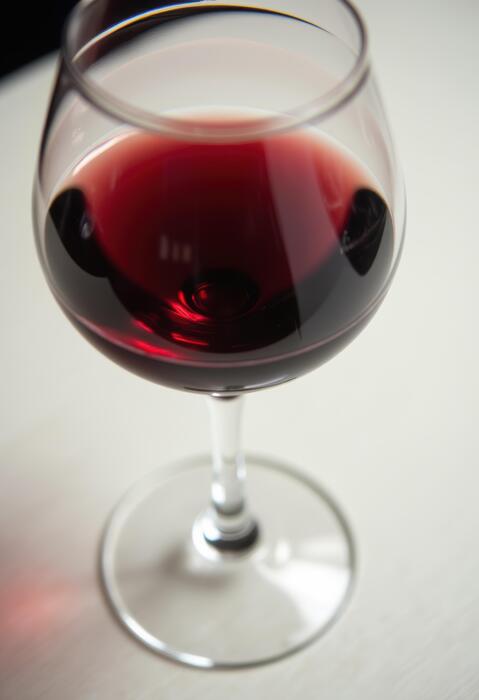
Residual sugar in different red varieties
While many drinkers perceive red wine as dry, the level of residual sugar can vary significantly between different varieties and production methods.
Mass-produced red wines, particularly those labeled as blends or specific fruit-forward varietals like Zinfandel and certain Merlots, often contain higher concentrations of unfermented sugars to enhance mouthfeel and mask acidity.
These sugars are left over when the yeast does not fully convert the grape glucose and fructose into alcohol during the fermentation process. When you consume these varieties, the excess sugar load enters your digestive tract, where it may not be fully absorbed by the small intestine.
For individuals with sensitive digestive systems, even a few grams of residual sugar per liter can trigger a negative reaction.
Choosing bone-dry reds like Cabernet Sauvignon or Pinot Noir from cooler climates may help reduce this specific trigger, as these typically undergo more complete fermentation, leaving fewer fermentable carbohydrates to disrupt your delicate internal balance and gastric transit time.
How sugar feeds bad gut bacteria
The human gut is home to a complex ecosystem of microbes, and the introduction of sugar from red wine can act as a potent fuel source for specific strains of pathogenic bacteria. When residual sugar and grape concentrates reach the large intestine, they undergo a process of rapid bacterial fermentation.
This metabolic activity by opportunistic bacteria produces gases and organic acids as byproducts, which can irritate the lining of the colon. This imbalance, often referred to as dysbiosis, disrupts the normal rhythm of digestion and can lead to sudden urgency.
Furthermore, the yeast used in winemaking can sometimes interact with your existing gut flora, compounding the fermentation effect. To mitigate this, consider supporting your microbiome with probiotic-rich foods and staying hydrated to dilute the concentration of sugars.
Understanding that your gut bacteria are reacting to the fermentable substrates in the wine is key to managing symptoms and identifying which specific red wine bottles consistently cause you the most significant gastrointestinal distress.
Osmotic diarrhea explained
A primary physiological reason for loose stools after drinking red wine is a process known as osmotic diarrhea. This occurs when unabsorbed sugar molecules remain in the intestinal lumen, creating an osmotic gradient that pulls excessive amounts of water from your body into the bowels.
The high concentration of solutes, including both sugars and sugar alcohols sometimes found in wine, prevents the colon from absorbing liquid efficiently. As a result, the stool becomes watery and the bowel transit time accelerates significantly, leading to the characteristic urgency associated with wine consumption.
To manage this effect, it is crucial to alternate every glass of wine with a full glass of water, which helps balance the osmotic pressure in the intestines.
Additionally, consuming a meal rich in soluble fiber before drinking can help slow down the passage of sugars through the digestive tract, giving your body more time to process the nutrients and preventing the sudden influx of water into the colon that causes uncomfortable and immediate digestive issues.
Tips to prevent diarrhea after drinking wine
The importance of hydration and electrolytes
Alcohol functions as a natural diuretic, which can lead to significant fluid loss and gastrointestinal irritation. To prevent the loose stools often associated with red wine consumption, you must prioritize consistent hydration throughout the evening.
Drinking a full glass of water for every glass of wine helps dilute the alcohol’s impact on your digestive lining and prevents the colon from drawing in excess water.
Beyond plain water, integrating electrolyte-rich beverages like coconut water or specialized rehydration salts can help maintain the mineral balance necessary for proper bowel function. When your body is dehydrated, the digestive system often struggles to process sugars and compounds efficiently, leading to the rapid transit times that cause diarrhea.
By maintaining a steady intake of fluids, you support your gut’s ability to process the ethanol and tannins found in red wine. This proactive approach ensures that your system remains stable, reducing the likelihood of the osmotic imbalance that typically triggers urgent bathroom visits the morning after a social event.
Best foods to eat before drinking
Consuming wine on an empty stomach allows alcohol to enter the bloodstream and intestines too quickly, often leading to irritation. To mitigate this, focus on eating a balanced meal rich in healthy fats and complex carbohydrates before your first sip.
Fats, such as those found in avocados or olive oil, take longer to digest, which effectively slows down the absorption of alcohol in the small intestine. Furthermore, incorporating soluble fiber sources like oats, bananas, or potatoes can help bulk up the stool and absorb excess liquid within the digestive tract.
Avoid spicy or highly acidic foods before drinking, as these can exacerbate the gastric distress already triggered by red wine’s natural acidity. By creating a substantial physical buffer in the stomach, you reduce the direct chemical impact of the wine on the intestinal mucosa.
This strategy not only protects your stomach lining but also ensures that the fermentation process in the gut remains controlled, preventing the sudden onset of diarrhea and promoting a much smoother digestive experience overall.
How to choose wines with lower tannin levels
Red wine is uniquely high in tannins, which are polyphenolic compounds that can accelerate intestinal contractions and cause digestive upset for sensitive individuals. To minimize this risk, you should learn to identify and select low-tannin varietals like Pinot Noir, Grenache, or Gamay.
These lighter-bodied red wines contain significantly fewer astringent compounds compared to heavy hitters like Cabernet Sauvignon or Syrah.
Additionally, look for wines that have been aged in older oak barrels or have undergone shorter maceration periods, as these processes result in a softer chemical profile that is gentler on the colon.
Checking the region can also help; wines from cooler climates often have thinner skins and lower tannin concentrations. By making a conscious effort to swap out high-tannin bottles for more delicate options, you reduce the biochemical triggers that lead to increased gut motility.
This simple adjustment allows you to enjoy the flavor of red wine without the unpleasant gastrointestinal side effects, ensuring that your digestive system remains calm and regulated throughout the night and into the next day.
When to see a doctor about alcohol-related stomach issues
Chronic symptoms and IBS
If you find that red wine consistently triggers urgent bowel movements or loose stools, it is essential to consult a healthcare provider to rule out underlying digestive disorders.
Red wine is high in tannins and sugar, which can irritate the digestive tract, but frequent diarrhea may indicate Irritable Bowel Syndrome (IBS) or an undiagnosed inflammatory condition.
You should seek medical advice if your symptoms persist for more than a few days after consumption or if you notice a pattern of chronic gastrointestinal distress.
A doctor can help determine if the alcohol is simply a temporary irritant or if it is exacerbating a more serious issue like Small Intestinal Bacterial Overgrowth (SIBO). Documenting your flare-ups and identifying if specific varieties of wine cause more significant issues will provide your physician with vital data.
Addressing these symptoms early can prevent further damage to your intestinal lining and help you manage your overall digestive health more effectively through targeted testing and professional dietary guidance.
Signs of a serious alcohol intolerance
While mild digestive upset is common, certain symptoms indicate a more severe alcohol intolerance or enzyme deficiency that requires professional intervention. If your diarrhea is accompanied by extreme abdominal cramping, hives, or difficulty breathing, you may be experiencing a histamine reaction or a sulfite sensitivity.
Red wine contains high levels of histamines which can overwhelm the body’s ability to break them down, leading to rapid gastric emptying. You must see a doctor if you experience persistent vomiting, unintended weight loss, or signs of dehydration such as dizziness and dark urine.
These warning signs suggest that your body cannot safely process the compounds found in red wine, potentially leading to systemic inflammation. A medical professional can perform allergy testing or blood work to identify specific triggers.
Ignoring these severe reactions can lead to long-term complications, so it is crucial to prioritize a clinical evaluation if your body reacts violently to even small amounts of red wine or other alcoholic beverages.
Long-term gut health recovery
Sustained alcohol consumption can significantly alter your gut microbiome, leading to increased intestinal permeability, often referred to as leaky gut. If you experience frequent diarrhea after drinking, it is a sign that your gut flora is imbalanced and your protective mucosal barrier may be compromised.
Consulting a doctor or a registered dietitian is vital for developing a recovery plan that focuses on restoring beneficial bacteria through probiotics and a high-fiber diet.
You should seek professional help if you find it difficult to stop drinking despite these painful physical symptoms, as this may indicate a deeper physiological dependency. A healthcare provider can offer resources for alcohol cessation and nutritional counseling to heal the damage done to your digestive system.
Long-term recovery involves more than just temporary abstinence; it requires a comprehensive approach to repair the gut-brain axis and ensure your digestive enzymes are functioning correctly. Early intervention is the most effective way to reverse alcohol-induced damage and return to a state of optimal gastrointestinal wellness.
Frequently Asked Questions
Why does the tannin content in red wine cause diarrhea?
Tannins are plant compounds found in grape skins that can irritate the intestinal lining and speed up muscle contractions in the digestive tract. This increased motility often results in loose stools or diarrhea shortly after consumption.
How does alcohol impact water absorption in the colon?
Alcohol inhibits the release of vasopressin, an antidiuretic hormone, which prevents the colon from reabsorbing water effectively. This leads to excess fluid staying in the stool, causing a laxative effect and urgent bowel movements.
Can histamine intolerance in red wine lead to digestive issues?
Red wine contains high levels of histamines, which can trigger inflammatory responses in individuals with a sensitivity or deficiency in the DAO enzyme. This inflammation often manifests as abdominal cramping and diarrhea.
Does the sugar content in red wine contribute to loose stools?
While red wine is generally lower in sugar than white wine, any residual sugar can pull extra water into the intestines through osmosis. This process softens the stool and can trigger diarrhea, especially in those with sensitive digestive systems.
How do sulfites in red wine affect bowel movements?
Sulfites are preservatives used in winemaking that can cause adverse reactions in sensitive individuals, including bloating and diarrhea. These chemicals can disrupt the balance of gut bacteria, leading to temporary digestive distress.
Does red wine speed up the digestive process?
Yes, alcohol acts as a stimulant for the gastrointestinal tract, causing the muscles to contract more frequently. This faster transit time means the colon has less time to absorb water, resulting in liquid or loose stools.
Conclusion
Understanding the link between red wine and digestive distress involves recognizing the roles of tannins, sulfites, and alcohol content. While these components can trigger diarrhea by accelerating gut motility or causing inflammation, moderation and hydration are effective preventive measures. If symptoms persist, consulting a healthcare professional is essential. By listening to your body and making informed choices, you can enjoy your favorite vintage while maintaining optimal digestive health and overall well-being.