
Why Does Prosecco Give Me Heartburn
If you love a chilled glass of bubbly but hate the painful chest burn that follows, you aren’t alone. Many people wonder why prosecco gives them heartburn, and the answer usually boils down to two things: high acidity and carbonation. These bubbles can relax your digestive system, allowing stomach acid to creep up. In this guide, we will quickly explain the science behind that stinging sensation and provide simple tips to enjoy your favorite sparkler pain-free.
The Main Causes of Prosecco Heartburn
High Acidity Levels in Italian Sparkling Wine
One of the primary reasons Prosecco leads to digestive discomfort is its naturally high concentration of tartaric and malic acids. As a product of Glera grapes grown in specific Italian microclimates, this sparkling wine maintains a low pH level to ensure its crisp and refreshing profile.
However, these high acidity levels can irritate the sensitive lining of the esophagus and trigger the overproduction of gastric juices in the stomach. When you consume acidic beverages, the body may struggle to neutralize the liquid quickly, leading to that characteristic burning sensation.
To mitigate this effect, try drinking a glass of water between every serving of Prosecco to dilute the acid concentration. Additionally, choosing higher-quality DOCG bottles often means the wine is more balanced, potentially reducing the harsh chemical impact on your digestive tract.
Being mindful of your total intake and avoiding an empty stomach can significantly lower the risk of acid reflux while still allowing you to enjoy a celebratory toast during special social occasions.
How Carbonation Triggers Acid Reflux
The very bubbles that make Prosecco so appealing are often the main culprit behind physical discomfort and bloating. The carbon dioxide used to create the signature fizz increases the pressure within your stomach significantly.
As these gas bubbles expand, they exert force on the lower esophageal sphincter (LES), which is the muscular valve responsible for keeping stomach acid down. When the LES is under pressure or forced to relax, it allows caustic stomach contents to travel upward into the food pipe.
To manage this, experts suggest pouring Prosecco into a wider glass or swirling it gently to allow some of the excess carbonation to dissipate before sipping. It is also helpful to avoid lying down immediately after consuming sparkling drinks, as gravity helps keep the stomach acid in place.
By slowing down your drinking pace and allowing the gas to escape, you can effectively reduce the internal pressure that leads to the painful symptoms of heartburn and indigestion throughout the evening.
The Role of Sugar and Residual Sweetness
Many people are surprised to learn that the sugar content in Prosecco varies wildly depending on its classification, such as ‘Dry’ or ‘Extra Dry’. High levels of residual sweetness and added sugars can act as a major trigger for acid reflux by slowing down the digestion process.
When sugar sits in the stomach for an extended period, it can ferment and produce additional gas, further irritating the digestive system and causing the stomach to produce even more acid.
To find relief, you should opt for ‘Brut’ or ‘Extra Brut’ varieties, which contain significantly less sugar than their sweeter counterparts. Reading the label carefully allows you to make an informed choice that prioritizes your digestive health.
Furthermore, avoiding sugary mixers or syrups in Prosecco-based cocktails like mimosas can prevent a sugar overload. By focusing on drier profiles and being aware of hidden carbohydrates, you can enjoy a glass of sparkling wine without the lingering discomfort caused by excessive sugar fermentation in your gut.
How Alcohol Relaxes the Lower Esophageal Sphincter

The Biological Process of Reflux
When you consume prosecco, the ethanol acts as a direct muscle relaxant on the lower esophageal sphincter (LES), the circular band of muscle that serves as a vital gatekeeper between your esophagus and stomach. Under normal conditions, this valve remains tightly closed to prevent caustic digestive fluids from rising upward.
However, alcohol interferes with the neuromuscular signaling required to maintain this tension, causing the LES to spontaneously relax or lose its tone. Once this barrier is compromised, stomach acid can easily escape into the sensitive esophageal lining, resulting in the burning sensation known as heartburn.
To mitigate this effect, it is helpful to stay upright for at least three hours after finishing your glass to let gravity assist in keeping stomach contents down.
Additionally, sipping water between drinks can help dilute the alcohol concentration in the stomach, reducing its immediate impact on the muscle’s ability to stay closed and protecting your throat from irritation.
Why Sparkling Wine Affects Stomach Pressure
Prosecco is unique because it combines alcohol with high levels of carbonation, which creates a dual-threat for your digestive system. The carbon dioxide bubbles found in sparkling wine expand within the stomach cavity, significantly increasing intra-abdominal pressure.
This physical distension pushes upward against the already weakened lower esophageal sphincter, forcing it open and allowing acid to reflux. Furthermore, prosecco often has a higher sugar content than many dry still wines, which can slow down the rate of gastric emptying.
When food and liquid sit in the stomach for longer periods, the likelihood of reflux increases substantially.
To manage this, try to avoid drinking prosecco on an empty stomach, as having a small, protein-rich meal beforehand can provide a buffer and slow the absorption of both the alcohol and the gas.
Opting for smaller serving sizes or using a wider glass can also allow some of the excess carbonation to dissipate before you take a sip.
Alcohol’s Impact on Gastric Acid Production
Beyond relaxing the physical barrier of the LES, prosecco is a potent stimulant for the gastrin hormone, which signals your stomach to produce more hydrochloric acid. Because prosecco is fermented and contains specific yeast byproducts, it can be more irritating to the gastric mucosa than other spirits.
This excess acid production creates a more volatile environment; when combined with the muscle-relaxing effects of the alcohol, the highly acidic gastric juice is more likely to cause pain upon contact with the esophagus.
To counteract this biological response, you might consider choosing lower-acid varieties or pairing your drink with alkaline foods like crackers or ginger-based snacks to neutralize some of the acidity.
It is also beneficial to limit your intake to one or two glasses, as the volume of acid produced is often proportional to the amount of alcohol consumed. Monitoring your triggers and limiting late-night consumption can significantly reduce the frequency of prosecco-induced heartburn symptoms and improve your overall digestive comfort.
Prosecco vs Other Alcohol: Why It Hits Harder

Prosecco Compared to Red and White Wine
When examining why Prosecco triggers acid reflux more frequently than other varietals, the primary culprit is its high acidity profile. Unlike many red wines that undergo malolactic fermentation to soften harsh acids into creamier lactic acid, Prosecco is crafted to maintain a crisp, tart flavor profile.
This results in a significantly lower pH level, which can irritate the esophageal lining and trigger the lower esophageal sphincter to relax prematurely. Compared to flat white wines, Prosecco often contains higher residual sugar levels to balance its natural zest.
This combination of high sugar and high acid creates a volatile environment in the gut, as sugar can slow down gastric emptying, keeping the acidic liquid in your stomach for a longer duration.
To mitigate this effect, you should look for labels marked ‘Brut’ or ‘Extra Brut’ to reduce total sugar intake and always pair your glass with alkaline foods like nuts or cheese to help neutralize the immediate acidic impact on your digestive tract.
Bubbles and Gas Expansion in the Stomach
The defining characteristic of Prosecco is its effervescence, but these delightful bubbles are a major contributor to post-drink heartburn. The carbon dioxide responsible for the fizz creates increased intra-abdominal pressure as the gas expands within the warmth of your stomach.
This physical expansion forces the stomach contents upward against the valve that separates the esophagus from the stomach. When this pressure becomes too great, the valve fails, allowing gastric acid to escape into the sensitive food pipe.
Furthermore, carbonation can stimulate the production of gastrin, a hormone that signals your stomach to produce even more acid, compounding the problem. To manage this, try to sip your drink slowly rather than gulping, which prevents excess air from entering the system.
Using a wider glass can also help some of the gas dissipate before it reaches your stomach. Additionally, staying upright for at least two hours after consumption allows gravity to assist in keeping the carbonated pressure away from the esophageal junction.
Fermentation Methods and Digestive Sensitivity
Prosecco is typically produced using the Charmat method, where the secondary fermentation occurs in large stainless steel tanks rather than individual bottles.
This process preserves the fresh, floral qualities of the Glera grape but also results in a chemical composition that may be tougher on sensitive stomachs than spirits or beer.
The presence of certain yeast strains and sulfite levels used to stabilize the wine during this rapid fermentation process can trigger inflammatory responses in the digestive lining.
For those with a sensitive gut, these additives may exacerbate the irritation of the mucosa, making you more prone to the burning sensation associated with reflux. To protect your system, it is highly recommended to drink a full glass of water between every glass of Prosecco.
This dilutes the concentration of alcohol and acids while flushing the esophagus. Choosing organic or ‘low-intervention’ bottles may also help by reducing the volume of synthetic additives and preservatives that often contribute to the digestive distress experienced after a few celebratory glasses.
Common Symptoms to Watch For
Burning Sensation in the Chest and Throat
The most prevalent symptom of Prosecco-induced heartburn is a painful, searing feeling behind the breastbone that often radiates upward toward the neck. This occurs because the high acidity levels in sparkling wine can irritate the esophageal lining, while the alcohol itself relaxes the lower esophageal sphincter (LES).
When this muscle fails to close tightly, stomach acid escapes upward, causing that signature burn. To find immediate relief, try drinking a glass of water between servings to dilute gastric acid and neutralize the pH balance in your stomach.
Additionally, you should avoid lying down for at least three hours after your last glass, as a horizontal position allows acid to travel more easily through the weakened valve.
Choosing a ‘Brut’ or ‘Extra Brut’ variety may also help, as these have lower sugar content, which reduces the likelihood of triggering an inflammatory response in your digestive tract during your celebration.
Regurgitation and Sour Taste
Many individuals experiencing a reaction to Prosecco notice a distinct, unpleasant sour or bitter taste at the back of the throat, often accompanied by the sensation of fluid moving upward.
This regurgitation is a direct result of the carbonation and bubbles in the wine, which increase intra-abdominal pressure and force stomach contents toward the esophagus.
To manage this effectively, you should sip your drink slowly rather than gulping, as rapid consumption introduces excess air into the digestive system, worsening the pressure.
If you frequently experience this sour reflux, consider eating a small, alkaline meal before drinking, such as bananas or melons, to provide a buffer for the wine’s natural acids.
Staying upright and engaging in light movement, like a gentle walk, can also encourage the digestive system to process the liquid more efficiently, preventing the backup of gastric juices that leads to that lingering, acidic aftertaste in your mouth.
Bloating and Stomach Discomfort After Drinking
Prosecco is known for its high carbon dioxide content, which can lead to significant bloating and a feeling of fullness that exacerbates heartburn symptoms. The trapped gas puts physical pressure on the stomach, pushing acid against the LES and causing general abdominal distress.
To mitigate this discomfort, you can gentle swirl your glass to release some of the excess carbonation before taking a sip, which reduces the amount of gas entering your system.
It is also vital to avoid mixing bubbles with spicy foods or heavy fats, as these combinations slow down gastric emptying and keep the acidic wine in your stomach for a longer duration.
If bloating persists, try a natural ginger tea or peppermint supplement after your meal to help soothe the digestive muscles and expel trapped gas. Monitoring your portion sizes and staying hydrated with non-carbonated water will further ensure that your digestive system remains calm and functional throughout the evening.
Practical Ways to Prevent Heartburn While Drinking
Drinking Water Between Glasses
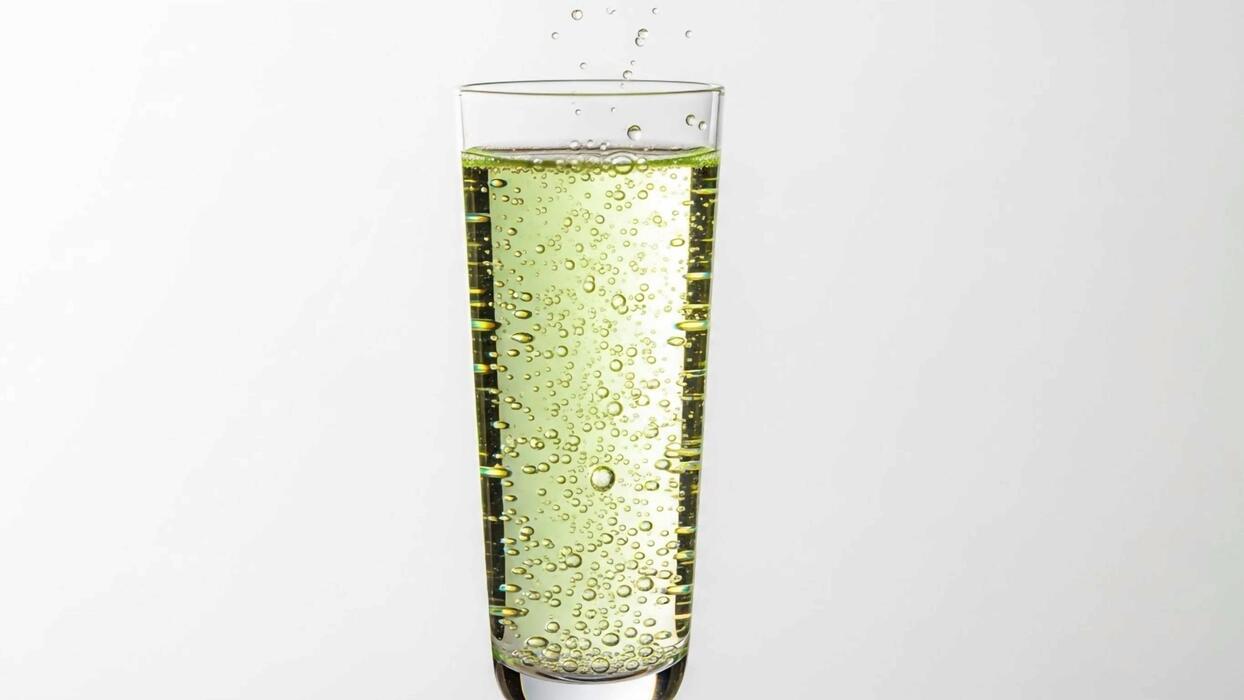
One of the most effective methods to mitigate the acidic impact of Prosecco is to maintain a strict one-to-one ratio with water. Since Prosecco contains high levels of carbonation and natural sugars, it can trigger the stomach to produce excess gastric acid, leading to that familiar burning sensation.
By drinking a full glass of water between every flute of bubbly, you effectively dilute the acid concentration in your stomach and help neutralize the pH levels.
Furthermore, hydration keeps your digestive system moving efficiently, preventing the alcohol from sitting too long in the esophagus where it can irritate the lining. This practice also helps counteract the diuretic effects of alcohol, which can lead to dehydration and worsened reflux symptoms.
Consuming water alongside your drink ensures that you are sipping more slowly, giving your body more time to process the bubbles and minimizing the pressure on the lower esophageal sphincter, which is the primary gateway that allows acid to escape upward.
Foods to Eat Before Your First Sip
Drinking Prosecco on an empty stomach is a primary reason why many people experience immediate heartburn, as the carbonation and alcohol have a direct path to the stomach lining. To prevent this, you should focus on consuming a meal rich in healthy fats and complex carbohydrates before you start drinking.
Foods like avocado, salmon, or a small portion of whole-grain pasta act as a protective buffer, slowing down the absorption of alcohol and reducing the rate of acid production.
It is particularly important to avoid spicy or highly acidic appetizers, such as citrus-heavy salads or tomato-based snacks, as these will only compound the irritation caused by the wine.
Lean proteins are also excellent choices because they require more time to digest, keeping the stomach occupied and preventing the rapid influx of bubbles from causing significant gas buildup.
By building a solid nutritional foundation, you provide a physical barrier that protects the esophageal lining from the relaxing effects of the alcohol, keeping acid exactly where it belongs.
Choosing Low-Sugar Brut Options
The specific type of Prosecco you choose can have a significant impact on your digestive comfort, as sugar is a major contributor to acid reflux. When browsing the label, you should specifically look for ‘Brut’ or ‘Extra Brut’ classifications, which contain significantly less residual sugar than ‘Dry’ or ‘Demi-Sec’ varieties.
The fermentation of sugar in the digestive tract can lead to increased gas and bloating, which puts physical pressure on the stomach and forces acid back into the throat. By selecting a bone-dry sparkling wine, you reduce the chemical triggers that cause the stomach to overproduce gastric juices.
Additionally, higher-quality Prosecco often undergoes a more refined carbonation process, resulting in smaller bubbles that are less likely to cause the intense internal pressure associated with cheaper, highly carbonated brands.
Making the switch to a low-sugar option allows you to enjoy the celebratory nature of the drink while minimizing the fermentation process in the gut that typically leads to the painful symptoms of heartburn and indigestion.
Immediate Remedies for Prosecco-Induced Acid
Over-the-Counter Solutions That Work
To combat the high acidity and carbonation found in Prosecco, reaching for antacids is often the most effective first line of defense. These medications work by neutralizing existing stomach acid quickly, providing near-instant relief from the burning sensation in your chest.
If you anticipate discomfort before your first glass, consider taking an H2 blocker or a proton pump inhibitor, which work by reducing the overall production of acid in the stomach lining.
For those specifically sensitive to the bubbles in Prosecco, products containing simethicone can help break up gas bubbles, preventing the upward pressure on the lower esophageal sphincter that leads to acid reflux.
Always keep a travel-sized pack of calcium carbonate tablets in your bag when attending events to ensure you can address symptoms the moment they arise.
By targeting both the chemical acidity and the physical pressure of the carbonation, these over-the-counter options provide a comprehensive approach to managing the digestive fallout of sparkling wine consumption.
Natural Home Remedies for Quick Relief
If you prefer a more holistic approach to soothing a Prosecco-induced flare-up, several kitchen staples can offer significant relief. Drinking a glass of alkaline water or a small amount of baking soda dissolved in water can help neutralize the high malic and tartaric acid levels found in Italian sparkling wines.
Another highly effective remedy is ginger tea, which possesses natural anti-inflammatory properties that calm the digestive tract and reduce the likelihood of gastric contractions.
For a physical barrier against reflux, try consuming a spoonful of manuka honey or a small amount of aloe vera juice, both of which coat the esophagus and protect the delicate lining from acidic irritation.
Additionally, eating a ripe banana can help because its high potassium content acts as a natural buffer against stomach acid.
These natural interventions focus on balancing your internal pH levels and soothing the irritation caused by the combination of alcohol, sugar, and carbon dioxide found in your favorite bottle of bubbly.
Post-Drinking Habits to Stop the Burn
The actions you take immediately after enjoying Prosecco are crucial for preventing a long night of discomfort.
One of the most important rules is to remain upright for at least two to three hours after your last drink; lying down allows gravity to push stomach acid back into the esophagus, significantly worsening heartburn.
If you are heading to bed, use a wedge pillow to keep your head and chest elevated, which keeps the stomach contents where they belong.
It is also vital to hydrate with plain water between and after glasses of wine to dilute the acid concentration in your stomach and wash away residual sugars. Avoid the temptation of a late-night greasy snack, as high-fat foods relax the esophageal sphincter and trigger more acid production.
Instead, opt for a light, fiber-rich snack if necessary. By practicing mindful movement and maintaining an upright posture, you give your body the best chance to process the alcohol and acidity without the painful symptoms of acid reflux.
When to See a Doctor About Your Symptoms
Signs of Chronic GERD
If your reaction to Prosecco extends beyond occasional discomfort, it is essential to monitor for Gastroesophageal Reflux Disease (GERD). While the bubbles and high acidity in sparkling wine can trigger isolated episodes, experiencing symptoms more than twice a week suggests a chronic condition.
You should schedule a medical consultation if you notice a persistent burning sensation in your chest that radiates toward the throat or if you experience difficulty swallowing (dysphagia). Other warning signs include the sensation of a lump in your throat or the regurgitation of sour liquid.
A physician can help determine if the lower esophageal sphincter is weakened, allowing stomach acid to escape. Ignoring these symptoms can lead to esophageal damage, so it is vital to seek professional advice if over-the-counter antacids no longer provide sufficient relief.
Documenting the frequency and severity of your heartburn after drinking Prosecco will help your doctor create a targeted treatment plan to manage your digestive health effectively.
Identifying Potential Sulfite Allergies
Prosecco contains sulfites used for preservation, which can cause adverse reactions in sensitive individuals beyond standard heartburn. If your digestive upset is accompanied by respiratory issues, skin rashes, or hives, you may be dealing with a sulfite sensitivity rather than simple acid reflux.
It is crucial to see a doctor if you experience shortness of breath or wheezing shortly after consuming sparkling wine, as these can be signs of an allergic response. A medical professional can perform skin prick or blood tests to confirm an allergy and provide guidance on avoiding specific additives.
Furthermore, if you notice facial swelling or intense abdominal pain after just a few sips, these are significant red flags that require immediate clinical evaluation. Distinguishing between a chemical sensitivity and a mechanical digestive issue is the first step toward finding relief.
Always prioritize a professional diagnosis to ensure you are not overlooking a systemic immune response that could escalate without proper medical supervision or lifestyle adjustments.
Long-term Digestive Health Management
Consulting a specialist is recommended if you need to rely on lifestyle modifications and medication to enjoy even a single glass of wine. A gastroenterologist can perform an endoscopy or pH monitoring to assess the state of your stomach lining and esophagus.
You should seek a professional opinion if you experience unexplained weight loss or a persistent cough that worsens after drinking carbonated beverages, as these may indicate underlying complications. Managing long-term health involves more than just symptom suppression; it requires understanding your body’s specific triggers.
A doctor can help you develop a comprehensive wellness strategy that might include dietary changes, stress management, or prescription-strength H2 blockers. If your heartburn is associated with nausea or chronic bloating, it could point to other gastrointestinal issues like gastritis or peptic ulcers.
Proactive management ensures that you address the root cause of your discomfort, allowing you to maintain a healthy lifestyle while avoiding the long-term risks of untreated acid reflux and permanent tissue damage.
Frequently Asked Questions
Why is Prosecco more likely to cause heartburn than other wines?
Prosecco is highly carbonated, which increases pressure in the stomach and can force the lower esophageal sphincter to open. Additionally, it often has a higher sugar content and acidity level than many still wines, both of which are primary triggers for acid reflux.
How does the carbonation in Prosecco affect acid reflux?
The bubbles in Prosecco are carbon dioxide, which can cause bloating and distension in the stomach. This physical pressure pushes stomach acid upward into the esophagus, resulting in the burning sensation known as heartburn.
Does the sugar content in Prosecco contribute to heartburn?
Yes, many Proseccos are labeled ‘Extra Dry’ or ‘Dry,’ which actually indicates a higher residual sugar content than ‘Brut.’ Sugar can stimulate the production of stomach acid and slow down the digestion process, making reflux more likely.
Can I prevent heartburn while drinking Prosecco?
To minimize symptoms, try drinking a glass of water between each glass of Prosecco to dilute stomach acid and stay hydrated. You should also avoid drinking on an empty stomach and stay upright for at least three hours after your last glass.
Are there specific types of Prosecco that are better for sensitive stomachs?
Look for Prosecco labeled as ‘Brut’ or ‘Extra Brut,’ as these have the lowest sugar content. Choosing a high-quality bottle may also help, as cheaper versions sometimes have added sugars or preservatives that can further irritate the digestive tract.
How does the acidity in Prosecco impact the esophagus?
Prosecco is naturally acidic, which can irritate the lining of the esophagus upon contact. When combined with alcohol’s ability to relax the esophageal sphincter, this acid moves more easily out of the stomach, causing immediate discomfort.
Conclusion
Understanding the link between Prosecco and heartburn allows you to enjoy your favorite bubbles without discomfort. By recognizing how high acidity and carbonation impact your digestive system, you can implement simple strategies like hydrating, choosing extra dry varieties, and pairing your glass with alkaline foods. Don’t let acid reflux stop the celebration. With these mindful adjustments, you can toast to special moments while keeping your gut happy and your celebrations completely symptom-free.