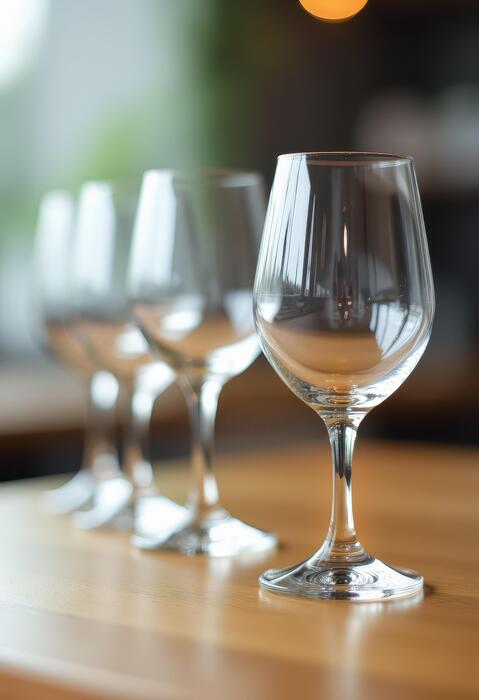
Why Wine Glasses Have Stems
Have you ever wondered why wine glasses have those elegant, slender stems? It is not just about looking sophisticated at a dinner party. The primary reason is temperature control; holding the glass by the stem prevents your hand from warming up the wine. In this guide, we will quickly break down the science of stems and explain how they preserve your drink’s flavor profile. Whether you are a casual sipper or a connoisseur, you will find your answer right here.
The primary purpose of wine glass stems
Temperature control and heat transfer
The fundamental design of a wine glass stem serves as a functional barrier between your hand and the beverage. When you hold a glass by the bowl, your natural body heat quickly transfers to the liquid, causing the temperature to rise far beyond its ideal serving range.
This is particularly detrimental for crisp white wines, rosés, and sparkling varieties that rely on a chilled profile to maintain their refreshing acidity and delicate aromatics. By gripping the stem rather than the glass itself, you ensure the wine stays at the intended cellar temperature for a longer duration.
This thermal isolation allows the complex chemical compounds within the wine to evolve naturally in the glass without being forced into premature oxidation or aromatic dullness caused by excessive warmth.
Maintaining a consistent temperature is the most effective way to appreciate the nuanced flavor profile of a premium vintage, making the stem an essential tool for any enthusiast who values the integrity of their drink from the first sip to the final drop.
Keeping the bowl free of fingerprints
Utilizing the stem of the glass is the most practical method for maintaining a pristine presentation during a meal or tasting event.
When fingers come into direct contact with the crystal or glass bowl, they leave behind oily residues and smudges that can be difficult to remove without proper cleaning supplies.
These unsightly marks not only detract from the aesthetic appeal of a well-set table but can also interfere with your tactile experience.
By consciously choosing to hold the stem, you keep the surface of the bowl spotless and polished, ensuring that the focus remains on the liquid inside rather than messy fingerprints.
This practice is especially important when serving guests, as it demonstrates a high level of attention to detail and respect for the service ritual.
Furthermore, keeping the bowl clean prevents any unwanted scents from your skin, such as lotions or food aromas, from lingering near the rim where they might interfere with your ability to enjoy the wine’s natural bouquet during the tasting process.
Visual clarity for wine assessment
A clear, unobstructed view of the wine is vital for accurately assessing its age, variety, and overall health. The stem allows you to lift and tilt the glass against a neutral background without your hand blocking the light or distorting the color.
This visual inspection is the first step in professional wine evaluation, where enthusiasts look for specific hues ranging from pale straw to deep garnet. Fingerprints or condensation from hand heat can cloud the glass, making it nearly impossible to observe the clarity and viscosity of the wine.
By holding the stem, you provide a clear window to examine the ‘legs’ or ‘tears’ that indicate alcohol content and sugar levels. This unobstructed perspective is crucial for identifying potential flaws, such as cloudiness or browning, which might suggest the wine has spoiled.
Ultimately, the stem facilitates a professional tasting technique, allowing for the swirling motion necessary to aerate the wine and release its volatile aromatic compounds while keeping the visual field perfectly transparent for a comprehensive sensory analysis.
How stems improve the tasting experience
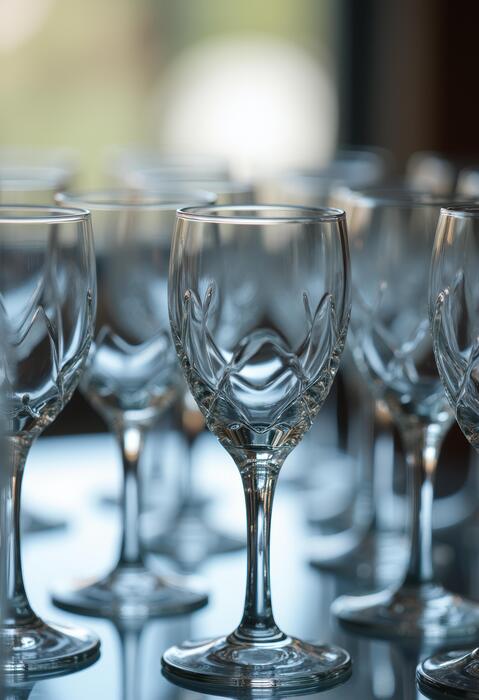
Aeration and the swirling technique
The presence of a stem is fundamental to mastering the art of aeration, a process that releases the hidden complexities of a vintage.
When you hold a glass by its stem, you create a stable pivot point that allows for smooth, circular motions without the risk of accidental spills or awkward handling.
This controlled swirling technique increases the surface area of the wine exposed to oxygen, which effectively softens harsh tannins and helps the liquid breathe. By utilizing the stem as a lever, you can achieve a consistent vortex that draws air into the wine, accelerating the evaporation of volatile compounds.
This mechanical advantage ensures that even the most tightly wound reds or delicate whites open up quickly and efficiently. Without the stem, your hand would obstruct the movement, making it difficult to achieve the necessary oxygen integration required for a balanced tasting experience.
Mastering this motion ensures every glass reaches its full flavor potential through professional-grade aeration methods.
Proper grip for better control
Maintaining a proper grip by the stem is the most effective way to manage the physical dynamics of wine service while protecting the integrity of the beverage.
A firm hold on the stem prevents your fingers from coming into contact with the bowl, which is the primary cause of unsightly smudges and fingerprints that obscure the wine’s clarity.
More importantly, this specialized grip prevents heat transfer from your palm to the liquid, ensuring that chilled whites and room-temperature reds remain at their ideal serving temperatures for longer periods.
By keeping your hand away from the glass bowl, you avoid the unintentional warming that can dull the crispness of a Riesling or the structure of a Cabernet. This ergonomic design provides superior balance and stability, allowing you to navigate social settings or formal tastings with confidence.
Utilizing the stem for control ensures that your focus remains on the quality of the wine rather than constantly adjusting your grip to avoid temperature fluctuations or visual obstructions.
Impact on the aromatic profile
The distance provided by the stem plays a critical role in how your olfactory system perceives the wine’s complex bouquet. When you hold a glass by its base or stem, you move your hand—and any associated scents like soap, perfume, or natural oils—away from your nose.
This physical separation is essential for preserving aromatic purity, as it prevents external odors from interfering with the delicate notes of fruit, spice, and earth within the glass.
A clear path to the rim allows you to fully immerse your senses in the wine’s profile, ensuring that the primary and secondary aromas are delivered without distortion.
Furthermore, the stem allows for a deeper tilt of the glass toward the nose, which concentrates volatile esters at the rim for a more intense sensory encounter.
By eliminating olfactory distractions and optimizing the angle of the glass, the stem acts as a functional tool that enhances your ability to identify subtle nuances. This design choice is vital for anyone looking to experience the full, unadulterated aromatic spectrum of a high-quality wine.
History and evolution of stemmed glassware
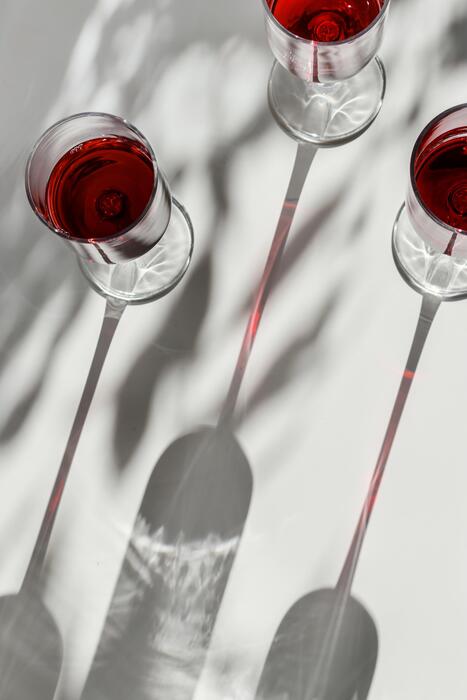
Ancient drinking vessels vs. modern glass
To understand why wine glasses have stems, one must look at the transition from ancient pottery to refined glass. Early civilizations used heavy metal chalices or ceramic bowls that were difficult to hold without affecting the liquid’s temperature.
As glassblowing techniques improved in Venice, the introduction of the stem provided a functional solution to prevent body heat from warming the wine. By gripping the stem rather than the bowl, drinkers could maintain the ideal serving temperature of delicate whites and reds.
This evolution was not merely aesthetic; it was a practical response to the physical properties of glass. Modern enthusiasts should utilize the stem to avoid smudging the bowl with fingerprints, which allows for a clearer assessment of the wine’s color and clarity.
Embracing this design allows for a more controlled sensory experience, ensuring that the thermal stability of the beverage remains intact from the first sip to the very last drop.
Social status and formal dining etiquette
The evolution of the stemmed wine glass is deeply rooted in the rigid social hierarchies and formal dining protocols of the European aristocracy. During the Renaissance and Baroque periods, the stem became a symbol of refinement and high social standing, separating the elite from commoners who used basic tumblers.
Holding a glass by its delicate stem required a level of grace and poise that signaled an individual’s education and upbringing. This etiquette persists today, as using the stem is considered the proper way to handle fine crystal in professional settings.
Beyond optics, the stem facilitates the traditional swirling motion necessary to aerate the wine and release its bouquet. Mastering this grip helps you participate confidently in formal toasts and tastings.
By adhering to these historical standards of etiquette, you ensure that you are treating the wine with the respect it deserves while enhancing the overall aromatic profile of the vintage through proper oxygenation.
Manufacturing shifts in the 18th century
The 18th century marked a pivotal turning point in glassware production due to the discovery of lead glass and the industrialization of glassworks. Previously, stems were fragile and difficult to produce consistently, but new techniques allowed for increased durability and intricate decorative designs like air twists and opaque spirals.
These advancements made stemmed glasses more accessible to the growing middle class, standardizing the shape we recognize today. Manufacturers focused on creating a balanced weight distribution, ensuring the base provided a sturdy foundation for the long, slender neck.
For the modern consumer, this history highlights the importance of choosing quality glassware with a seamless join between the bowl and the stem. Selecting glasses with a well-engineered center of gravity prevents accidental tipping and breakage during use.
Understanding these manufacturing shifts helps you appreciate the structural integrity of your collection, ensuring you invest in pieces that offer both longevity and superior functional performance during your tasting sessions.
Different types of stems for specific wines
Long stems for white wine and rose
When enjoying chilled beverages like Sauvignon Blanc or a crisp Provence Rosé, the length of the stem is a critical functional element designed to prevent heat transfer from your hands to the bowl.
White wines are typically served at lower temperatures, ranging from 45 to 55 degrees Fahrenheit, and even a few minutes of direct contact with the glass bowl can raise the liquid’s temperature significantly.
By gripping the long stem instead of the base of the glass, you ensure that the wine stays refreshing and retains its vibrant acidity and floral aromas for a longer duration.
This design is particularly beneficial for outdoor settings or warm dining rooms where maintaining a cool temperature is a challenge.
To maximize this effect, always hold the glass toward the bottom of the stem to keep your warm palms as far away from the wine as possible, preserving the delicate flavor profile that would otherwise be muted by unwanted warmth.
Standard stems for red wine varietals
For red wines such as Cabernet Sauvignon or Merlot, the standard stem provides a necessary balance between stability and aeration control.
While red wines are generally served closer to room temperature, holding the glass by the stem is still vital to avoid leaving unsightly fingerprints that obscure the wine’s clarity and color.
Furthermore, a sturdy stem allows for a more vigorous and controlled swirling motion, which is essential for oxygenating the wine and releasing complex tannins and aromatic compounds.
By utilizing the stem to initiate a smooth circular motion, you can effectively soften the wine’s mouthfeel without the risk of spilling or over-warming the vintage. This functional distance also ensures that any scents from your hands, such as soaps or lotions, do not interfere with the wine’s bouquet.
Choosing a glass with a reliable, well-proportioned stem ensures that your full-bodied reds can breathe properly while maintaining a pristine presentation throughout the entire tasting experience.
Extra-thin stems in professional tasting
In high-end professional settings and rigorous blind tastings, experts often prefer glasses with exceptionally thin, hand-blown stems. These ultra-refined stems are engineered to be lightweight and unobtrusive, allowing the taster to focus entirely on the sensory characteristics of the wine rather than the weight of the vessel.
The slender design facilitates a delicate grip, which provides the precision needed for nuanced visual inspection of the wine’s legs and viscosity against the light. Despite their fragile appearance, these stems are crafted from high-quality lead-free crystal to provide the necessary strength for frequent use while offering a sophisticated aesthetic.
Using a glass with an extra-thin stem helps to minimize distractions, ensuring that the tactile experience of the glass does not overshadow the complex notes of the vintage.
For enthusiasts looking to elevate their home setup, investing in these professional-grade stems can significantly enhance the perception of quality and provide a more authentic tasting environment similar to that of a sommelier-led event.
Stemmed vs. stemless wine glasses
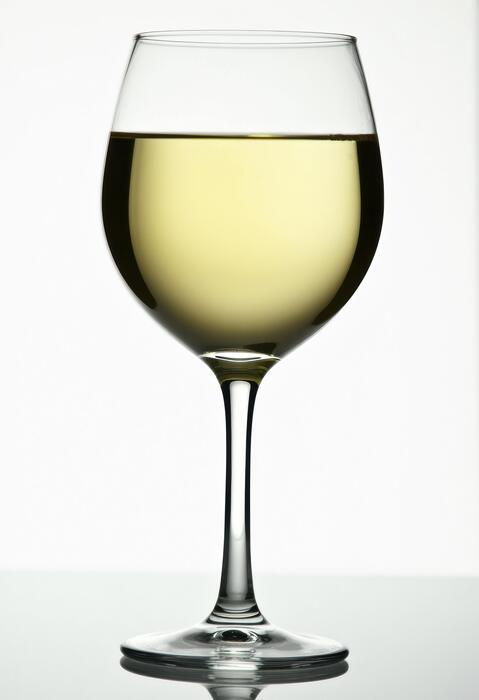
Pros and cons of the stemless design
Stemless wine glasses have gained significant popularity for their modern aesthetic and practical advantages in casual settings. The primary benefit of a stemless design is enhanced stability, as a lower center of gravity makes them much less likely to tip over during a busy dinner party or outdoor gathering.
They are also incredibly versatile, doubling as stylish vessels for water, juice, or cocktails, which helps maximize cabinet space in smaller kitchens. However, the lack of a stem presents a notable drawback regarding temperature regulation.
When you hold the bowl directly, your body heat transfers to the wine, potentially warming white wines or rosés faster than desired. Furthermore, touching the glass inevitably leaves unsightly fingerprints and smudges that can obscure the clarity of the wine.
While they are perfect for everyday use and relaxed environments, they may not be the ideal choice for those looking to preserve the precise serving temperature of delicate vintages over a long period.
When to choose a traditional glass
Choosing a traditional stemmed glass is the gold standard for formal tastings and occasions where wine quality is the priority.
The stem serves a vital functional purpose: it allows you to hold the glass without your hand making contact with the bowl, which prevents heat transfer and keeps chilled wines at their optimal temperature for longer.
This is particularly crucial for light-bodied whites and sparkling wines that lose their character when warmed. Additionally, a stem provides the necessary leverage to swirl the wine effectively, a process that aerates the liquid and releases complex aromas for a better sensory experience.
By holding the stem, you also ensure the bowl remains free of greasy fingerprints, allowing you to appreciate the wine’s true color and viscosity.
If you are serving a premium bottle or hosting a formal multi-course dinner, the traditional design offers the technical precision and elegance required to showcase the wine as the winemaker intended, making it the superior choice for enthusiasts.
Storage and durability differences
When deciding between the two styles, consider how your storage capacity and lifestyle impact long-term durability. Stemless glasses are generally more durable and less fragile, as they lack the delicate, thin neck that is most prone to snapping during washing or storage.
Their compact shape allows them to fit easily into standard dishwashers, reducing the risk of breakage compared to tall stems that often require careful hand-washing. They can be stacked or lined up in shallow cupboards without issue.
Conversely, traditional stemmed glasses require specialized storage solutions, such as hanging racks or taller shelf spacing, to prevent the rims from chipping. While they are more delicate, many enthusiasts argue that the refined drinking experience is worth the extra care.
To maintain your collection, use a microfiber cloth for polishing and ensure stemmed glasses are never crowded in the sink. Ultimately, choosing stemless options provides hassle-free maintenance for high-traffic households, while stems remain a worthwhile investment for those prepared to handle their glassware with a higher degree of caution.
Tips for holding a wine glass correctly
The base of the stem pinch
To hold a wine glass like a professional sommelier, master the technique of pinching the stem just above the base. Position your thumb, index finger, and middle finger toward the bottom third of the stem to maintain maximum control without ever touching the glass bowl itself.
This grip is the primary reason why wine glasses have stems, as it provides a dedicated handle that keeps your hands away from the liquid.
By using this refined pinch technique, you ensure that your fingerprints do not smudge the crystal, which allows you to clearly observe the wine’s color and clarity against the light.
Keeping your fingers low on the stem also makes it significantly easier to execute a controlled swirl, aerating the wine to release its full aromatic profile.
Practice this grip to gain confidence during social gatherings, ensuring you look poised while allowing the wine to express its intended characteristics without any physical interference from your hand’s natural oils or heat.
Avoiding the bowl to prevent warming
The most functional reason why wine glasses have stems is to act as a thermal buffer between your body heat and the beverage. When you grasp the bowl directly, your hand acts as a heater, rapidly raising the temperature of the wine and dulling its delicate flavor profile.
This is especially critical for white wines, rosés, and sparkling varieties that rely on a chilled serving temperature to maintain their crisp acidity and effervescence. Even red wines, which are often served at cellar temperature, can become unpleasantly alcoholic and flabby if warmed by the palm of a hand.
By strictly holding the glass by the stem, you preserve the integrity of the vintage and ensure that every sip remains at the winemaker’s intended thermal equilibrium.
Developing this habit is a simple yet effective solution for any enthusiast who wants to enjoy the complex nuances of a high-quality wine without the interference of external heat transfer affecting the palate or the overall drinking experience.
Balance and stability while standing
Navigating a crowded room while holding a drink requires a grip that offers both elegance and physical security. Holding the wine glass firmly by the stem provides a superior center of gravity, making it much easier to balance the vessel while you are standing or moving through a social event.
This lower grip point allows for more fluid movement of the wrist, which reduces the likelihood of accidental spills or awkward sloshing when you are gesturing during a conversation.
Furthermore, the stem design ensures that your hand remains in a neutral, comfortable position, preventing the muscle fatigue that can occur when clutching a wide, heavy bowl for extended periods.
By focusing on stability through the stem, you can confidently carry your glass throughout an evening without worrying about losing your grip.
This functional design element is essential for maintaining poise, ensuring that you can focus on your guests and the wine itself rather than struggling with the logistics of holding a delicate crystal glass safely.
Best ways to clean and store stemmed glasses
Hand washing vs. dishwasher safety
While stems are designed to keep body heat away from your wine, they are the most fragile part of the glass during cleaning. To maintain their integrity, hand washing is the preferred method using lukewarm water and a very small amount of mild, unscented detergent.
Avoid holding the glass by the base while scrubbing the bowl, as this torque often leads to snapping the delicate stem. If you must use a dishwasher, ensure your machine has a dedicated stemware cycle and adjustable racks that lock the glasses in place to prevent clinking.
The primary reason wine glasses have stems is to provide a stable handle that prevents smudges and temperature transfer, so keeping that handle clean and intact is vital. Always place them on the top rack with plenty of clearance from the ceiling of the machine.
Use a rinse aid to prevent mineral deposits from hardening on the surface, which can make the glass look cloudy and neglected over time.
Drying techniques to prevent breakage
Proper drying is where most accidents occur, particularly because the stem is a natural lever that can easily snap under pressure. After rinsing, place your glasses upside down on a lint-free linen towel or a specialized rubber drying mat for a few minutes.
This allows the bulk of the water to drain away naturally. However, do not leave them there indefinitely, as trapped moisture can create a musty odor inside the bowl.
When you are ready to hand-dry, use two microfiber cloths simultaneously—one to cradle the bowl and the other to gently wipe the stem and base. This technique ensures you never apply twisting force to the stem, which is the most common cause of breakage.
Understanding why wine glasses have stems helps you appreciate the need for a gentle touch; the stem is a functional tool for temperature control, not a heavy-duty handle. Always move in one direction and avoid shoving a thick towel deep into a narrow bowl.
Polishing for a streak-free finish
To achieve a professional-grade sparkle, steam is your best friend. Hold the clean, dry glass over a pot of boiling water for a few seconds until a fine mist coats the surface. Use a large, high-quality microfiber polishing cloth to buff the glass in circular motions.
Start with the base, move up the stem, and finish with the bowl. This process highlights why wine glasses have stems in the first place: the stem allows you to hold and admire the wine without leaving greasy fingerprints on the bowl that obscure the color and clarity.
Store your polished glasses upright in a closed cabinet to prevent dust accumulation and to protect the delicate rims from chipping. Avoid storing them near strong-smelling spices or chemicals, as the glass can absorb odors that interfere with the wine’s bouquet.
Periodic polishing ensures that the functional beauty of the stem remains a highlight of your tasting experience, keeping the glass crystal clear for every single pour.
Frequently Asked Questions
Why do wine glasses have stems?
The primary reason wine glasses have stems is to allow the drinker to hold the glass without touching the bowl. This prevents the heat from your hand from warming the wine, ensuring it stays at its optimal serving temperature for longer.
How does holding a wine glass by the stem affect the taste?
By holding the stem, you maintain the wine’s temperature stability, which is crucial for preserving its flavor profile and aromatic balance. If the wine becomes too warm, the alcohol can become more pronounced, masking the subtle notes of the fruit.
Does a stem help with looking at the wine?
Yes, a stem allows you to hold the glass without leaving fingerprints on the bowl. This keeps the glass clear, making it easier to observe the wine’s color, clarity, and viscosity during a tasting.
Does the stem serve a purpose during swirling?
The stem provides better control and leverage when swirling the wine to aerate it. Swirling releases volatile aroma compounds, and the stem allows you to do this vigorously without the risk of spilling or warming the liquid.
Why are some wine glasses stemless?
Stemless wine glasses are designed for casual use and easier storage, as they are less fragile and fit better in dishwashers. However, they are less ideal for wines that require strict temperature control because hand heat is transferred directly to the bowl.
Is it considered improper etiquette to hold a wine glass by the bowl?
In formal settings, it is generally considered proper etiquette to hold the glass by the stem. This practice is both functional, to keep the wine cool, and aesthetic, to keep the bowl free of smudges.
Conclusion
Ultimately, the stem of a wine glass is far more than a stylistic choice. It serves a vital functional purpose by preventing your body heat from warming the wine and keeping fingerprints off the bowl. By holding the glass correctly, you preserve the ideal temperature and clarity of your vintage. We encourage you to practice this technique during your next tasting to truly appreciate the nuanced aromas and flavors that a well-handled glass can provide.

