Why People Love Wine
Have you ever wondered why a simple glass of fermented grapes inspires such passion? Whether it is the complex aromas, the way it elevates a meal, or its ability to spark deep conversation, wine offers an experience unlike any other beverage. If you are curious about why people love wine, you have come to the right place. This guide quickly breaks down the sensory, social, and cultural reasons behind this global obsession, helping you understand the magic in every bottle.
The Rich History and Tradition of Winemaking
Ancient Origins and Cultural Roots
People love wine because it offers a tangible connection to our ancestors, serving as a liquid timeline of human achievement. To truly appreciate this legacy, you should explore the archaeological history of regions like Georgia and Iran, where viticulture began over 8,000 years ago.
Understanding that ancient civilizations viewed wine as a vital source of nutrition and a cornerstone of trade helps modern drinkers find deeper meaning in every glass.
You can enhance your appreciation by visiting historic vineyards that utilize traditional clay vessels or ancient terracing techniques, bridging the gap between antiquity and the present day.
By recognizing that wine was one of the first products to be categorized and regulated for quality, you gain a profound respect for the craftsmanship and agricultural resilience that have allowed specific grape varieties to survive through millennia.
This historical depth transforms a simple beverage into a sophisticated cultural artifact that celebrates the enduring spirit of human innovation and our collective desire to preserve the finest flavors of the earth.
How Wine Shapes Family Traditions
The emotional resonance of wine often stems from its unique ability to anchor family legacies and create lasting memories across generations. To foster these connections, consider starting a personal cellar to commemorate significant life events, such as the birth of a child or a milestone anniversary.
Selecting a vintage from a specific year allows you to preserve a moment in time, providing a physical object that can be shared and celebrated decades later.
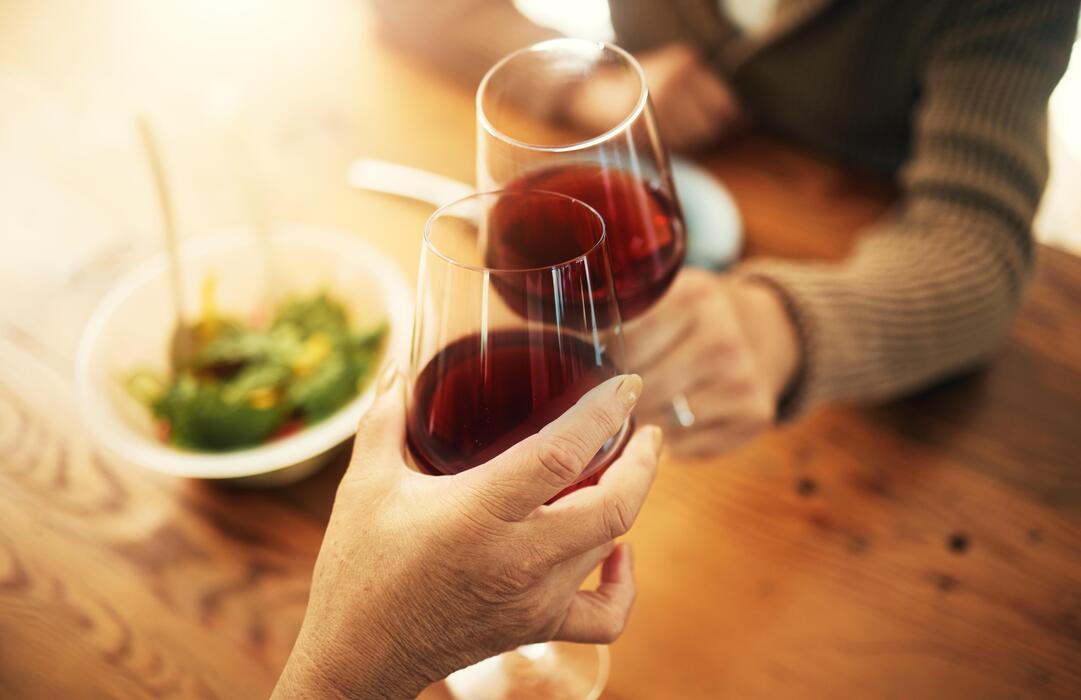
Many families find joy in wine because it encourages the ritual of the slow meal, prompting loved ones to disconnect from distractions and engage in meaningful conversation.
You can strengthen these bonds by learning about family-owned estates that have passed down winemaking secrets for centuries, mirroring the values of continuity and stewardship found in your own home.
Ultimately, wine serves as a catalyst for storytelling, where the act of pouring a glass becomes a cherished signal for togetherness, laughter, and the reaffirmation of family ties that define our personal histories and shared heritage.
The Role of Wine in Religious Ceremonies
Wine’s enduring popularity is also rooted in its sacred status, having served as a symbol of life, transformation, and divinity in various faiths for thousands of years.
From the libations of ancient Greece to the central role of wine in Judeo-Christian rituals, this beverage acts as a bridge between the physical and spiritual worlds.
To appreciate this aspect, you can study the symbolic significance of wine in ceremonies like the Eucharist or the Passover Seder, where it represents joy, sacrifice, and sanctification. This spiritual connection explains why many people view wine with a sense of reverence that transcends simple consumption.
By choosing wines from monastic estates or regions with deep religious ties, you can experience the disciplined heritage of viticulture that was preserved by monks during the Middle Ages.
Recognizing wine as a vessel for communal prayer and celebration allows you to value the ritualistic power of the drink, understanding that for many, it is much more than an indulgence—it is a vital component of spiritual identity and communal worship.
Complex Flavors and the Science of Taste
Why Different Grapes Taste Unique
To understand why people love wine, you must first explore the genetic diversity of the Vitis vinifera species. Each grape variety possesses a unique chemical fingerprint composed of phenolic compounds and aromatic precursors that dictate its primary flavor profile.
For instance, Sauvignon Blanc is prized for its high concentration of pyrazines, which deliver crisp notes of green bell pepper and grass, while Muscat varieties are rich in terpenes that provide a distinct floral sweetness. When you taste a wine, your palate is reacting to these biological building blocks.
To deepen your appreciation, try conducting side-by-side tastings of a thin-skinned grape like Pinot Noir against a thick-skinned Syrah. You will immediately notice how skin thickness influences the levels of tannins and anthocyanins, affecting both the structural grip on your tongue and the intensity of the color.
Recognizing these inherent varietal traits allows you to identify specific flavor markers, turning every glass into a fascinating exercise in botanical science and sensory identification.
The Impact of Soil and Climate
The concept of terroir explains how the environmental context shapes the taste of wine, making it a liquid representation of a specific time and place. Soil composition, including mineral content and drainage capabilities, directly influences how a vine grows and how its fruit matures.
For example, vines planted in limestone often produce wines with vibrant acidity, whereas clay-heavy soils tend to result in bolder, more structured profiles.
Climate plays an equally critical role; warmer regions accelerate sugar accumulation, leading to higher alcohol content and jammy fruit flavors, while cooler climates preserve acidity and produce leaner, more elegant wines.
To see this science in action, compare a Chardonnay from a cool region like Chablis to one from a warm California valley. You will observe how sunlight exposure and diurnal temperature shifts alter the chemical balance of the juice.
Understanding this relationship helps you predict a wine’s style based on its origin, allowing you to select bottles that perfectly align with your personal preferences for acidity or body.
How Aging Changes the Flavor Profile
One of the most captivating reasons people love wine is its ability to evolve through the science of oxidation and polymerization. As wine sits in a bottle or barrel, harsh primary fruit flavors gradually transform into complex tertiary aromas such as leather, tobacco, and forest floor.
This metamorphosis occurs as oxygen molecules slowly interact with the liquid, softening the structural tannins and integrating the acidity. If a wine is aged in oak, it may also gain vanillin and lactones, contributing flavors of spice and toasted nuts.
To maximize your experience with aged wines, it is essential to practice proper cellar management, maintaining consistent temperatures to ensure a slow, graceful maturation process.
When you open an older vintage, take a moment to notice how the color has shifted from bright ruby to brick orange, or from pale straw to deep gold.
This visual and gustatory evolution demonstrates the dynamic nature of organic chemistry, proving that wine is a living beverage that rewards patience with a depth of flavor that young wines cannot replicate.
Health Benefits of Moderate Wine Consumption
Antioxidants and Heart Health
Many people love wine because it serves as a delicious delivery system for powerful antioxidants like polyphenols. These compounds are essential for maintaining cardiovascular integrity by protecting the lining of blood vessels in your heart.
When consumed in moderation, red wine can help increase levels of high-density lipoprotein cholesterol, which is often referred to as the good cholesterol that aids in preventing artery damage.
To maximize these benefits, focus on choosing dry red wines like Cabernet Sauvignon or Petite Sirah, which typically contain higher concentrations of proanthocyanidins. Incorporating a small glass into a balanced Mediterranean diet can support long-term heart function and reduce oxidative stress throughout the body.
By understanding the link between vascular health and polyphenol intake, enthusiasts can enjoy their favorite vintage while actively contributing to a proactive wellness routine. Always remember that the key to unlocking these protective properties lies in consistency and strictly adhering to recommended daily limits for alcohol consumption.
The Truth About Resveratrol
A significant reason for the enduring popularity of wine is the presence of resveratrol, a natural compound found in the skins of red grapes. This specific phytonutrient has gained global attention for its potential anti-aging properties and its ability to combat systemic inflammation.
Research suggests that resveratrol may help activate longevity genes and protect the brain from neurodegenerative decline by neutralizing harmful free radicals. For those looking to optimize their intake, it is helpful to know that cooler-climate wines often boast higher levels of this compound due to the grapes’ natural defense mechanisms.
To get the most out of your glass, pair your wine with healthy fats like olive oil or walnuts, which can enhance the absorption of fat-soluble compounds.
While wine should never replace a nutrient-dense diet, its role as a source of resveratrol makes it a functional luxury for those who appreciate the science of cellular health. Embracing this component allows you to view your evening ritual through a lens of mindful, biological support.
Wine and Mental Relaxation
Beyond the physical chemistry, people are drawn to wine for its remarkable ability to facilitate mental relaxation and social connection. The ritual of uncorking a bottle serves as a psychological signal to transition from the stresses of the workday into a state of rest.
Moderate consumption can stimulate the release of dopamine, helping to lower cortisol levels and ease mild anxiety in social settings. This sense of calm is often what makes wine a centerpiece of communal dining and meaningful conversation.
To use wine effectively for stress management, practice mindful sipping and sensory engagement, focusing on the complex aromas and textures rather than drinking quickly. This intentional approach prevents overconsumption while deepening the appreciative experience of the craft.
By integrating wine into a structured routine of winding down, you can foster a healthier relationship with alcohol that prioritizes mental clarity and emotional well-being.
Ultimately, the love for wine stems from this unique balance of sensory pleasure and the profound ability to encourage a slower, more deliberate pace of life.
Social Connections and the Joy of Sharing
Wine as a Social Lubricant
Wine has served as a powerful catalyst for human connection for centuries, acting as a natural icebreaker that helps lower social barriers and encourages open dialogue. To leverage this effect, focus on how wine facilitates meaningful conversations and emotional bonding during gatherings.
When sharing a bottle, the ritual of pouring and tasting creates a shared rhythm, allowing guests to relax and engage more deeply with one another. You can enhance this experience by choosing approachable varieties that invite discussion rather than intimidation.
By prioritizing the communal aspect of wine consumption, you transform a simple drink into a tool for building rapport and strengthening friendships. Whether at a formal dinner or a casual backyard hangout, the presence of wine often signals a transition into a more relaxed, social headspace.
Embracing wine as a bridge between individuals allows for a richer exchange of ideas and stories, making every social interaction feel more significant and connected.
Hosting the Perfect Wine Tasting Party
Hosting an intentional wine tasting at home is an excellent way to foster joy and education among your social circle. Start by selecting a unifying theme for the flight, such as a specific region or a single grape variety produced in different climates.
Provide your guests with simple tasting mats and pens so they can jot down their impressions, which helps stimulate interactive group participation and keeps the energy high. To ensure everyone feels included, offer a diverse range of price points and styles, demonstrating that wine appreciation is accessible to all.
Pair the selections with small bites that complement the flavor profiles, as food and wine synergy enhances the overall sensory experience. By creating a structured yet relaxed environment, you allow your friends to learn something new while enjoying the simple pleasure of each other’s company.
This proactive approach to hosting ensures that your gathering is not just a party, but a memorable shared journey through the senses.
Building Community Through Wine Clubs
Joining or starting a local wine club is a practical solution for those looking to expand their social network and find a sense of belonging. These groups provide a consistent platform for social engagement, where members can meet regularly to explore new vintages and share their passion.
To maximize the benefits, look for clubs that prioritize education and peer-to-peer learning over mere consumption. Participating in a wine club allows you to connect with people from diverse backgrounds who share a common interest, fostering a unique community spirit.
You can take the lead by organizing monthly rotations at different members’ homes, which keeps the dynamic fresh and strengthens local community ties. Beyond the glass, these connections often evolve into lifelong friendships, proving that wine is a powerful medium for bringing people together.
By actively engaging in a wine-focused community, you enrich your social life and gain a deeper appreciation for the cultural stories behind every bottle you open together.
The Art of Food and Wine Pairing
Basic Rules for Matching Flavors
Understanding why people love wine starts with mastering the synergy between acidity, fat, and spice. To elevate your dining experience, focus on balancing the weight of the dish with the body of the wine.
A helpful starting point is to match high-acid wines like Sauvignon Blanc with citrusy or fatty appetizers to cleanse the palate. People enjoy wine because it acts as a flavor enhancer; for instance, matching flavor intensity ensures that neither the food nor the drink overwhelms the other.
If you are serving a dish with high salt content, look for wines with a hint of residual sugar or high acidity to create a pleasant contrast. Remember to consider the sauce rather than just the protein, as the seasoning often dictates the best pairing.
By following these foundational guidelines, you transform a simple meal into a sensory event, showcasing the complexity that makes wine a globally cherished beverage for social gatherings and private relaxation alike.
Best Wines for Red Meat and Poultry
The deep affection for wine often stems from its ability to stand up to robust proteins. When serving red meat like steak or lamb, reach for tannic red wines such as Cabernet Sauvignon or Malbec.
The tannins interact with the protein and fat in the meat, softening the wine’s astringency while highlighting the savory notes of the beef. For lighter poultry dishes, such as roasted chicken or turkey, versatile medium-bodied wines like Pinot Noir or Chardonnay are the ideal choice.
These selections offer enough structure to complement the meat without masking its delicate flavors. If your poultry features a heavy cream sauce, a buttery white wine can bridge the flavors beautifully.
This intentional selection process is why enthusiasts find wine so rewarding; it allows for a tailored culinary experience that brings out the best in every ingredient. Experimenting with these combinations helps you discover exactly why certain varietals have become timeless companions to classic dinner entrees across various cultures.
Pairing Wine with Desserts and Cheeses
A significant reason people love wine is its capacity to round out a meal during the final courses. When pairing with sweets, the most critical rule is to ensure the wine is sweeter than the food to prevent it from tasting bitter or thin.
Port and Sauternes are excellent companions for chocolate and fruit-based tarts, providing a rich, lingering finish. For the cheese course, contrasting salt and sweet creates a sophisticated profile; for example, pairing a pungent blue cheese with a sweet dessert wine creates a perfect harmony.
If you prefer hard cheeses like aged cheddar or Manchego, try a nutty Sherry or a bold red to match the intensity. This final stage of the meal demonstrates the versatility of wine as both a refreshment and a complex layer of taste.
By selecting wines that complement the creamy textures of cheese or the sugar in desserts, you provide a memorable conclusion to the dining experience, reinforcing the universal appeal of a well-paired glass.
The Sensory Experience of a Great Pour
Visual Appeal and Color Varieties
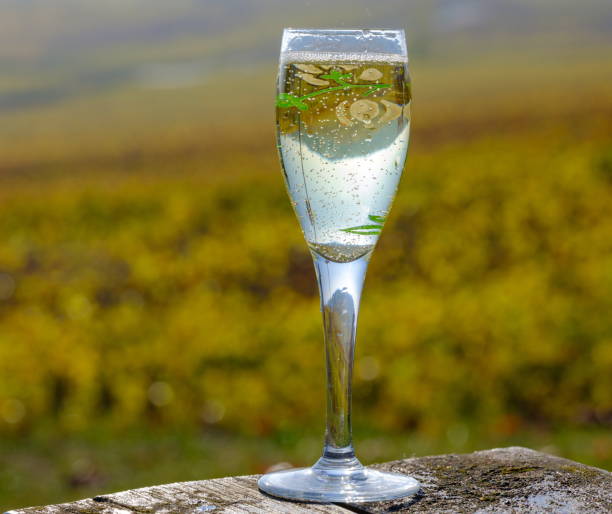
The visual journey begins the moment a bottle is uncorked, offering a preview of the flavors to come. To truly appreciate why people love wine, start by observing the clarity and intensity of the liquid against a white background.
For red wines, look for hues ranging from bright ruby to deep garnet, which often indicate the age and grape variety. White wines may transition from pale straw to rich gold, signaling variations in oak aging or skin contact.
By paying close attention to the ‘legs’ or ‘tears’ that slide down the glass, you can gauge the alcohol content and body of the pour. This visual assessment is a foundational step in mindful consumption, allowing you to connect with the wine’s history before the first sip.
Engaging your sight helps slow down the experience, turning a simple drink into a sophisticated ritual of observation. By recognizing these color markers, you become more attuned to the subtle differences that define various wine regions and production styles.
Identifying Aromas in the Glass
Scent is arguably the most powerful component of the wine experience, as our sense of smell is directly linked to memory and emotion. To maximize this sensory phase, give your glass a gentle swirl to aerate the wine and release its volatile compounds.
This action introduces oxygen, which helps the bouquet ‘open up’ and reveal complex layers. Beginners should look for primary aromas like fresh fruit and floral notes, while seasoned enthusiasts might detect secondary scents such as yeast, toast, or spice resulting from fermentation.
Deep, earthy tones like leather or tobacco often signify tertiary aromas developed through bottle aging. Training your nose to identify these profiles enhances the overall enjoyment and helps you articulate your personal preferences.
When you can pinpoint specific scents, you gain a deeper understanding of the terroir and the winemaker’s intent. This aromatic exploration is why wine is often described as a living product that evolves and changes in the glass over time, providing a unique sensory story.
The Importance of Proper Glassware
Using the correct vessel is not just about aesthetics; it is a functional choice that fundamentally alters how the wine interacts with your senses. A great pour requires a glass that concentrates aromas toward the nose while directing the liquid to specific parts of the palate.
For instance, wide-bowled glasses are essential for bold reds because they provide more surface area for oxygen to soften tannins. Conversely, narrower glasses for whites help maintain a cooler temperature and preserve delicate floral fragrances.
The thickness of the rim also plays a role in how the wine flows onto the tongue, impacting your perception of acidity and sweetness. Investing in quality glassware is a practical solution for anyone looking to elevate their home tasting experience and unlock the full potential of every bottle.
By choosing the right shape, you ensure that the complex structural elements of the wine are balanced and accessible. This attention to detail transforms the act of drinking into a deliberate, high-quality sensory experience that highlights the nuances of the vintage.
Why Collecting Wine Becomes a Lifelong Hobby
The Thrill of the Hunt for Rare Vintages
For many enthusiasts, the initial spark of wine collecting begins with the exhilarating search for elusive bottles that tell a unique story. This pursuit often transforms into a lifelong passion because it combines historical research with the excitement of discovery.
To start your own journey, focus on identifying specific regions or producers that resonate with your personal palate, as this provides a clear roadmap for your acquisitions. Many collectors find success by attending boutique auctions and establishing strong relationships with local importers who have access to limited allocations.
By tracking down rare vintages, you are not just buying a beverage; you are preserving a liquid timeline of climate, culture, and craftsmanship. To make this process more rewarding, try to document your search in a tasting journal, noting the provenance and condition of each find.
This systematic approach ensures that your collection remains curated and meaningful, turning every successful acquisition into a celebrated milestone in your ongoing hobby.
How to Start a Home Wine Cellar
Building a dedicated space for your collection is a practical step that ensures your investment remains in peak condition for years to come. To begin, you must prioritize temperature and humidity control, as consistent environmental factors are vital for preventing premature aging or cork failure.
You do not need a massive underground basement to start; many beginners successfully utilize compact wine coolers or converted closets equipped with specialized cooling units.
It is essential to organize your bottles logically, perhaps by region or drink-by date, using sturdy racking systems that allow for easy access without disturbing the sediment.
Additionally, implementing a digital inventory system can help you track maturity windows so you never miss the opportunity to open a bottle at its absolute pinnacle.
By creating a stable environment, you protect the integrity of the wine while gaining the convenience of having a diverse selection ready for any social occasion or quiet evening at home.
Wine as a Financial Investment
Beyond the sensory pleasure of tasting, wine collecting offers a tangible way to diversify your financial portfolio through high-value assets. To treat wine as a serious investment, you should focus on acquiring blue-chip labels from reputable regions like Bordeaux, Burgundy, or Napa Valley, which historically show strong secondary market demand.
It is crucial to maintain impeccable provenance records, including original wooden cases and professional storage receipts, to verify the wine’s authenticity and condition for future buyers.
Investors often see the best returns by purchasing en primeur, which involves buying wine while it is still in the barrel at a lower entry price. Diversifying your holdings across different vintages and styles can help mitigate risk, much like a traditional stock portfolio.
While the market can fluctuate, the physical scarcity of aged, top-tier wines often leads to long-term capital appreciation, making it a rewarding endeavor for those who possess both patience and a discerning eye for quality and market trends.
Frequently Asked Questions
Why is the sensory experience of wine so appealing?
Wine engages all five senses, offering a complex profile of aromas, flavors, and textures that evolve as the drink breathes. This multisensory complexity allows people to discover new nuances in every bottle, making each tasting a unique exploration.
How does wine enhance social interactions?
Wine is often viewed as a social lubricant that encourages slow, meaningful conversation and shared experiences during meals or gatherings. Its historical role as a communal beverage makes it a symbol of hospitality and connection across many cultures.
What role does ‘terroir’ play in why people enjoy wine?
Terroir refers to the specific environment where grapes are grown, including soil, climate, and topography, which gives wine a unique ‘sense of place.’ People love wine because it allows them to experience the distinct characteristics of a specific geographic region from their own home.
Why is wine often associated with relaxation?
Beyond the mild sedative effects of alcohol, the ritual of pouring and sipping wine often signals the end of a workday and the beginning of leisure time. This psychological shift helps people unwind and practice mindfulness by focusing on the drink’s complex flavors.
How does the aging process contribute to the love of wine?
Wine is one of the few beverages that can improve and transform over decades, creating a sense of anticipation and history. Collectors enjoy the ‘living’ nature of wine as it develops secondary and tertiary flavors that cannot be found in younger drinks.
Why is wine considered a great companion for food?
The acidity, tannins, and alcohol in wine interact with food chemistry to enhance flavors and cleanse the palate. This ability to complement and elevate a meal makes it a staple for culinary enthusiasts who enjoy the art of pairing.
Conclusion
Ultimately, the enduring love for wine stems from its unique ability to blend sensory pleasure with deep cultural heritage. It is more than just a drink; it is a catalyst for connection and a liquid map of the world’s diverse landscapes. Whether you are drawn to its complex flavors or its rich history, every bottle offers a new story to discover. So, raise a glass, explore new varieties, and continue celebrating the timeless magic of wine.