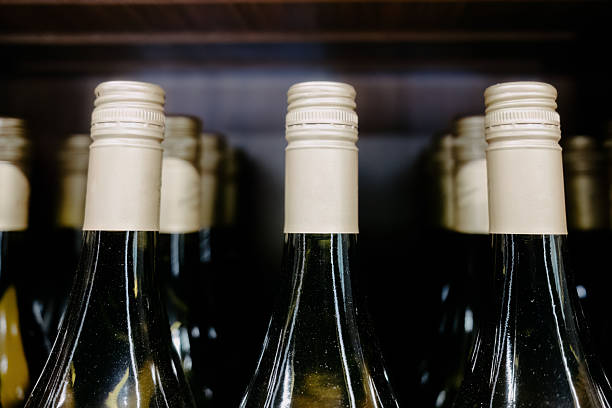
Why Are Wine Cellars Underground
Have you ever wondered why wine cellars are traditionally tucked away beneath the earth? It is not just for the aesthetic. Underground spaces provide the perfect natural environment for aging your favorite bottles by maintaining consistent temperatures and high humidity levels. In this guide, we will explain exactly why subterranean storage is the gold standard for preservation. You will learn how the earth acts as a natural insulator to protect your investment from heat and light damage starting right now.
Natural Temperature Control in Subterranean Spaces
The Science of Thermal Inertia
Building a wine cellar underground leverages the physical principle of thermal inertia, which is the ability of a material to conduct and store heat. Unlike surface-level structures that react quickly to daily atmospheric changes, subterranean spaces utilize the surrounding soil to slow down temperature fluctuations.
This creates a stable environment essential for chemical maturation, preventing the rapid expansion and contraction of liquid that can push corks out or allow oxygen to seep in.
By placing your collection deep within the earth, you benefit from a consistent thermal mass that resists the volatility of external weather patterns. For collectors, this means the wine ages gracefully without the stress of heat spikes.
To maximize this effect, ensure your cellar walls are in direct contact with the earth or use high-density materials like stone or concrete. This natural lag in temperature change ensures that your investment remains protected from the damaging effects of thermal shock throughout the changing seasons.
Ideal Storage Ranges for Red and White Wines
While different varietals are served at various temperatures, they all thrive when stored in the cool, constant conditions found in underground cellars. Most wine experts agree that a temperature range of 50°F to 59°F is the gold standard for long-term aging.
Underground spaces naturally hover near this range, which is vital because excessive heat accelerates the aging process, leading to flat flavors and brownish hues. Conversely, temperatures that are too cold can cause tartrate crystals to form.
By utilizing subterranean depths, you achieve a natural equilibrium for both reds and whites, allowing complex esters and tannins to develop properly over time.
To optimize your space, place your heavy reds in the slightly warmer upper racks and your delicate whites or sparkling wines near the floor where the air is coolest.
Maintaining this precise environmental balance ensures that every bottle in your collection reaches its full aromatic potential without the need for expensive, high-energy cooling systems.
How Earth Acts as a Natural Insulator
The earth serves as a massive, free insulation blanket that protects wine from the harsh realities of the surface world. Once you descend just a few feet below the frost line, the ground maintains a remarkably steady temperature regardless of whether it is mid-summer or deep winter.
This geothermal stability reduces energy costs significantly because the earth does the heavy lifting that an air conditioning unit would otherwise perform. Furthermore, the density of the soil provides a natural barrier against vibration and light, two often-overlooked enemies of fine wine.
Vibrations can disturb the sediment in older bottles, while UV light can cause ‘light-struck’ flavors to develop. By choosing an underground location, you are effectively using the planet’s crust to shield your wine from detrimental environmental stressors.
For the best results, ensure your cellar has proper vapor barriers to manage the natural humidity that accompanies underground spaces, creating a perfect sanctuary for your corks and labels to remain intact for decades.
Constant Humidity Levels for Cork Preservation
Preventing Dry Corks and Oxidation
Maintaining a constant humidity level is the primary defense against the gradual degradation of wine closures. When wine is stored in an environment that is too dry, the cork begins to lose its natural elasticity and moisture, leading to shrinkage and the formation of microscopic fissures.
These gaps allow oxygen to seep into the bottle, triggering rapid oxidation that turns premium vintages into vinegar. By utilizing the natural dampness of an underground cellar, collectors can ensure that the cork remains plump and airtight against the glass neck.
This physical seal is vital for long-term aging, as it preserves the delicate chemical balance of the liquid inside. To maximize this benefit, ensure your bottles are stored horizontally, which keeps the wine in direct contact with the cork.
This dual approach of external humidity and internal contact creates a comprehensive barrier against air ingress. Monitoring these levels with a hygrometer allows you to verify that the ideal 60-70% humidity range is consistently met to prevent premature spoilage.
Why Underground Moisture Beats Air Conditioning
While modern mechanical systems can regulate temperature, they often struggle to maintain the specific moisture levels required for organic cork preservation. Air conditioning units are inherently designed to dehumidify the air, which can inadvertently create a dangerously dry environment for wine.
In contrast, an underground cellar leverages the natural hygroscopic properties of the surrounding earth and bedrock. The soil acts as a massive thermal and moisture reservoir, providing a steady supply of ambient humidity that does not fluctuate with seasonal weather changes.
This passive regulation is far more reliable than mechanical cooling because it does not rely on electricity or complex sensors that can fail over time.
By placing a cellar below the frost line, you tap into a geothermal stability that naturally keeps the air damp enough to protect corks without the drying side effects of forced-air systems.
This makes the underground approach the most sustainable and effective method for serious collectors who prioritize the integrity of their wine closures over decades of storage.
Managing Mold and Label Damage
While high humidity is essential for cork health, it requires careful management to prevent secondary issues like mold growth and label deterioration. Underground cellars naturally hover at high moisture levels, which can sometimes exceed the 80% threshold where fungal spores thrive.
To protect your investment, it is crucial to ensure adequate airflow and ventilation within the subterranean space. Stagnant air trapped in a damp environment will eventually lead to musty odors and the peeling of paper labels, which can significantly decrease the resale value of rare bottles.
You can mitigate this by installing a low-velocity fan or using protective plastic sleeves for high-value labels. The goal is to find the perfect equilibrium between cork hydration and surface dryness.
By monitoring the dew point and ensuring that walls are properly sealed against liquid water seepage, you can enjoy the benefits of a high-humidity environment while keeping the external presentation of your collection pristine.
This proactive moisture management ensures that the wine inside the bottle is as well-preserved as the branding on the outside.
Protection From UV Light and Heat Spikes
How Sunlight Damages Wine Chemistry
Locating a wine cellar underground serves as a primary defense against ultraviolet radiation, which is notoriously destructive to organic compounds. When wine is exposed to sunlight or even harsh interior lighting, it undergoes a chemical reaction known as light-strike.
This process triggers the breakdown of amino acids and sulfur compounds, resulting in unpleasant aromas often described as damp wool or rotten eggs. By utilizing the natural density of the earth, an underground cellar acts as a total blackout chamber that prevents these harmful rays from penetrating the glass.
To maximize protection, you should install low-UV LED lighting and ensure all bottles are stored in their original wooden crates or dark glass. This physical barrier provided by the soil eliminates the risk of photo-oxidation, preserving the delicate phenolic structure of your collection.
Prioritizing a subterranean location ensures that the complex chemical evolution of the wine remains undisturbed by the energetic interference of external light sources over many years.
The Role of Darkness in Long-Term Aging
Total darkness is a fundamental requirement for the maturation of fine wines, and underground spaces provide this environment naturally. Light exposure does more than just alter flavor; it can physically degrade the structural integrity of the wine over time, leading to premature browning and a loss of vibrant fruit characteristics.
Underground cellars leverage the earth’s mass to create a tomb-like setting where the wine can rest in complete stasis. For collectors, the goal is to minimize any light exposure during the aging process to maintain the wine’s intended color and clarity.
You should avoid using fluorescent bulbs near your racks, as they emit high levels of UV energy that can seep through even the darkest green or amber bottles. By keeping your cellar beneath the surface, you effectively remove the variable of light pollution entirely.
This consistent darkness allows for the slow, graceful development of secondary and tertiary flavors that are the hallmark of a perfectly aged vintage.
Eliminating Seasonal Temperature Swings
One of the greatest threats to a wine collection is the phenomenon of heat spikes, which cause the liquid inside the bottle to expand and contract. This movement can push the cork out or pull oxygen in, leading to rapid oxidation and spoilage.
Above-ground structures are susceptible to daily weather changes and seasonal shifts, but the earth provides incredible thermal inertia. By placing a cellar underground, you take advantage of the ground’s ability to buffer against external temperature fluctuations, maintaining a steady environment regardless of the heat outside.
To further enhance this stability, you should monitor the thermal mass of your cellar walls and ensure proper insulation is installed if the depth is shallow. A consistent temperature of approximately 55 degrees Fahrenheit is ideal for slowing down chemical reactions without stopping them entirely.
Utilizing the earth’s natural cooling properties prevents the ‘cooked’ flavors associated with heat damage, ensuring that every bottle in your cellar reaches its full potential.
Minimizing Vibration and Sediment Disturbance
Why Stillness Matters for Mature Vintages
For serious collectors, the primary reason for subterranean storage is the preservation of structural integrity within the bottle. When wine is stored in above-ground environments, it is frequently subjected to micro-vibrations from foot traffic, appliances, and nearby roadways.
These subtle movements can be devastating for mature vintages because they prevent the natural settling of tannins and tartrates. By placing a cellar deep underground, you utilize the earth’s massive density to create a stable environment where sediment can rest undisturbed at the bottom of the bottle.
This ensures that when you finally decant a prized bottle, the liquid remains clear and the complex flavor profile is not muddied by suspended particles. To maximize this benefit, invest in sturdy masonry shelving and avoid placing heavy machinery directly above the cellar footprint.
Maintaining this level of absolute stillness is the only way to ensure that the delicate aging process reaches its full potential over several decades of storage.
Ground Absorption of Household Noise
The natural composition of soil and rock acts as a superior acoustic and mechanical insulator, which is why underground cellars are the gold standard for wine preservation.
While modern homes are filled with the hum of HVAC systems, laundry machines, and entertainment centers, these high-frequency vibrations are effectively absorbed by the surrounding earth before they can reach your collection.
Above-ground wine fridges often struggle with compressor cycles that create constant kinetic energy, whereas a basement or cave provides a passive solution to energy dampening. To further enhance this natural protection, you should install vibration-dampening pads under any necessary cooling units and utilize high-density insulation in the ceiling joists.
By leveraging the subterranean location, you create a sanctuary that isolates your wine from the chaotic energy of a modern household.
This physical separation is essential for preventing the kinetic energy from agitating the liquid, which could otherwise lead to premature aging or the development of off-flavors that ruin an expensive investment.
Preventing Chemical Reaction Interference
Vibration is not merely a physical nuisance; it is a catalyst for unwanted chemical alterations within the wine. Constant movement increases the kinetic energy of the molecules inside the bottle, which can accelerate the rate of oxidation and break down the delicate esters responsible for a wine’s bouquet.
Underground cellars mitigate this risk by providing a static environment where chemical reactions occur at a slow, predictable pace.
When a bottle is subjected to even minor tremors, the friction can cause a slight rise in internal temperature and disrupt the polymerization of tannins, leading to a gritty mouthfeel and a loss of aromatic complexity.
To protect your collection, choose a location away from elevator shafts or garage doors and use individual wooden bins to cradle each bottle securely. By minimizing these disturbances through subterranean placement, you ensure that the complex chemistry of the wine evolves exactly as the winemaker intended.
This focus on stability prevents the ‘bruising’ of the wine, keeping the flavors vibrant and the finish smooth for many years.
Energy Efficiency and Cost Savings
Reducing Reliance on Cooling Systems
Building a wine cellar underground is a strategic move that significantly reduces the mechanical workload on climate control equipment. The earth acts as a massive thermal heat sink, maintaining a naturally cool temperature that rarely fluctuates regardless of the weather above ground.
By situating your collection in a subterranean environment, you leverage the natural geothermal cooling properties of the soil, which typically stays between 50 and 55 degrees Fahrenheit. This stable baseline means that your dedicated cooling unit does not have to cycle on and off constantly to combat external heat gain.
When a system runs less frequently, it experiences reduced wear and tear, leading to a much longer operational lifespan for your expensive cellar equipment.
Homeowners find that by utilizing the earth’s crust as a primary insulator, they can often install smaller, more efficient cooling units than would be required for an above-ground room. This proactive approach to design ensures your wine matures in a perfectly stable environment without forcing mechanical systems to work overtime.
Lowering Monthly Electricity Bills
One of the most immediate financial benefits of an underground wine cellar is the dramatic reduction in monthly utility expenditures. Traditional above-ground storage spaces are highly susceptible to solar heat gain and ambient temperature spikes, requiring high-powered refrigeration to maintain consistency.
In contrast, the subterranean placement provides superior thermal mass, which effectively shields the interior from the energy-draining effects of the sun. Because the surrounding earth provides a consistent thermal barrier, the energy required to maintain the ideal 55% humidity and 55-degree temperature is minimal.
Investors and collectors can see a significant drop in kilowatt-hour consumption compared to standalone wine refrigerators or converted spare rooms. This efficiency is particularly noticeable during peak summer months when cooling costs typically soar.
By choosing an underground location, you are essentially investing in passive temperature regulation, which translates into direct cash savings every month.
Over the course of a decade, these accumulated energy savings can easily offset the initial construction costs of the cellar, making it a financially savvy choice for long-term wine preservation.
Sustainable Storage Solutions
In an era where environmental impact is a primary concern for many homeowners, underground wine cellars offer an exceptionally sustainable alternative to high-energy storage methods. By utilizing the natural insulation of the earth, these cellars minimize the carbon footprint associated with maintaining a large-scale collection.
The reliance on synthetic refrigerants and constant electrical draw is curtailed, aligning your hobby with eco-friendly building practices. Because the environment is naturally humid and cool, there is less need for active humidifiers that consume water and electricity.
This architectural choice embraces the principles of passive design, where the structure itself performs the heavy lifting of climate management. Furthermore, the durability of underground structures means fewer renovations and replacements over time, leading to less material waste in the long run.
Choosing to go underground is a commitment to preserving both your vintage bottles and the environment simultaneously. It represents a shift toward energy-conscious luxury, proving that high-end wine collecting can be achieved through smart, sustainable engineering that respects natural resources while providing the ultimate protection for your valuable liquid assets.
Building a Modern Underground Wine Cellar
Choosing the Right Dig Site
Selecting the optimal location for a modern underground wine cellar is the first step in leveraging the earth’s natural thermal mass. Underground placement is preferred because the soil acts as a powerful insulator, maintaining a consistent temperature of 55 degrees Fahrenheit regardless of surface weather fluctuations.
When choosing your site, prioritize areas with stable soil composition and avoid spots near large tree roots or heavy structural footings that could shift over time.
It is essential to conduct a professional soil test to determine the water table depth, as building below the water line requires significantly more engineering. By positioning the cellar deep enough to escape the ‘active zone’ of surface temperature changes, you minimize the workload on your mechanical cooling systems.
This strategic placement ensures that your collection remains protected from harmful UV light and vibration, which are common issues in above-ground storage. Proper site selection ultimately reduces long-term energy costs while providing the dark, vibration-free environment that fine wines require for graceful aging over several decades.
Waterproofing and Drainage Essentials
Because underground cellars are susceptible to hydrostatic pressure, implementing a robust waterproofing strategy is non-negotiable for protecting your investment. The primary reason cellars are built subterranean is to utilize the earth’s natural humidity, but excessive moisture can lead to mold and label damage.
To manage this, apply a high-grade vapor barrier to the exterior of the foundation walls to prevent moisture seepage through porous concrete. Additionally, installing a perimeter French drain system and a reliable sump pump will redirect groundwater away from the structure, ensuring the interior remains dry even during heavy rainfall.
For modern builds, consider using crystalline waterproofing additives within the concrete mix itself to create an impermeable barrier. It is also vital to slope the surrounding landscape away from the cellar entrance to prevent pooling.
By focusing on these drainage essentials, you create a controlled environment where humidity levels stay within the ideal 60% to 70% range. This meticulous approach to moisture management prevents structural decay and preserves the integrity of your wine corks and packaging for years to come.
Ventilation Requirements for Air Quality
While underground cellars excel at temperature control, they require specialized ventilation to prevent air stagnation and the buildup of odors. Proper air exchange is critical because wine ‘breathes’ through its cork; therefore, the surrounding air must remain clean and free of contaminants.
To achieve this, install a dedicated climate control system that manages both temperature and fresh air intake without compromising the cellar’s thermal seal. Use low-velocity fans to ensure gentle air circulation, which prevents localized hot spots or pockets of high humidity that could encourage fungal growth.
It is also important to incorporate an air filtration system that utilizes activated carbon filters to neutralize organic compounds and cellar smells. Since underground spaces lack natural airflow, mechanical ventilation serves as the lungs of the cellar, maintaining the delicate balance required for long-term maturation.
By prioritizing high air quality, you ensure that the subtle nuances of your vintage are not tainted by musty environments. This focus on ventilation completes the subterranean advantage, combining the earth’s natural cooling properties with modern technology for a perfect storage solution.
Alternatives to Traditional Deep Excavation
Spiral Cellar Kits for Small Homes
For homeowners seeking the benefits of subterranean storage without the structural upheaval of a full basement, spiral cellar kits offer a sophisticated alternative. These pre-engineered systems utilize a vertical cylindrical design that can be installed directly into the ground floor of an existing property.
By using a specialized excavation process that mimics a well-shaft, you can achieve the natural thermal mass required for aging wine while minimizing the footprint of the construction zone. The concrete modules provide excellent insulation, ensuring that your collection remains at a consistent temperature and humidity level year-round.
This solution is particularly effective for small homes where space is at a premium, as the cellar is accessed via a recessed trapdoor that sits flush with your flooring. To maximize efficiency, ensure the kit includes a passive ventilation system to prevent stagnant air.
This approach allows you to replicate the environment of a traditional deep cave while significantly reducing the overall duration and complexity of the building project.
Converting an Existing Basement
If your property already features a below-grade space, converting it into a climate-controlled cellar is often the most cost-effective way to mimic deep excavation. Instead of digging further down, focus on enhancing the thermal envelope of the existing walls.
Start by applying a high-quality vapor barrier to prevent moisture seepage, which is a common issue in older foundations. You should then install closed-cell spray foam insulation to decouple the room from the fluctuating temperatures of the rest of the house.
This allows the wine to benefit from the earth’s natural cooling properties without the need for industrial-grade refrigeration units. To optimize the space, install a dedicated split-system cooling unit that manages both temperature and humidity precisely.
By leveraging the structural stability of your current foundation, you can create a professional-grade storage environment that protects your investment from vibration and light. This method bypasses the high costs of structural shoring and major earthmoving while providing the same long-term protection for your vintage bottles.
Semi-Submerged Storage Options
When full deep excavation is prohibited by a high water table or rocky terrain, semi-submerged storage provides a viable middle ground. This technique involves digging only a few feet down and then using the excavated soil to create a protective earthen berm around the structure.
By partially burying the cellar, you still tap into the geothermal stability of the soil, which acts as a natural heat sink. This setup prevents the rapid temperature spikes that ruin wine quality in above-ground sheds.
To ensure success, focus on robust waterproofing membranes and drainage layers to divert hydrostatic pressure away from the walls. You can further enhance the insulation by adding a green roof, which uses living vegetation to provide an extra layer of thermal resistance and moisture regulation.
This hybrid approach offers a unique architectural aesthetic while maintaining the core functional reasons why wine cellars are traditionally underground. It is a strategic way to achieve a stable microclimate for aging without the extreme engineering challenges associated with deep-level subterranean construction projects.
Frequently Asked Questions
Why is the underground temperature ideal for wine storage?
The earth acts as natural insulation, maintaining a consistent temperature between 50°F and 59°F. This stability prevents the wine from aging too quickly or developing off-flavors caused by heat fluctuations.
How do underground cellars manage humidity naturally?
Subterranean environments typically maintain higher humidity levels, which prevents corks from drying out and shrinking. Proper humidity ensures a tight seal, protecting the wine from oxidation and evaporation.
Does being underground protect wine from light damage?
Yes, underground cellars provide a naturally dark environment that shields wine from UV rays. Exposure to light can cause ‘light-struck’ aromas, breaking down the chemical compounds that give wine its structure and flavor.
Why is vibration control important in a wine cellar?
Being underground minimizes vibrations from traffic or household appliances that can disturb the sediment in older wines. Excessive movement can interfere with the natural aging process and negatively alter the wine’s chemistry.
Are underground cellars more energy-efficient?
Building underground is highly energy-efficient because the surrounding soil provides thermal mass. This reduces the need for expensive cooling and humidification systems to maintain the precise climate required for long-term storage.
Is it possible to build a wine cellar above ground?
While possible, above-ground cellars require significant investment in high-grade insulation, vapor barriers, and climate control systems. They must work much harder to replicate the natural cooling and dampening effects found beneath the earth.
Conclusion
Underground wine cellars provide the ideal environment for aging by utilizing the earth’s natural insulation. By maintaining consistent temperatures, high humidity, and total darkness, these subterranean spaces protect delicate bottles from heat fluctuations and vibration. This ancient architectural choice remains the gold standard for preserving flavor profiles and investment value. Whether you are a casual collector or a connoisseur, investing in proper storage ensures every cork pulled reveals a masterpiece worth the wait.