Why Age Wine
Have you ever wondered why some bottles are tucked away for years while others are enjoyed immediately? If you are asking why age wine, you are looking for that magical transformation of flavor and texture. Aging softens harsh tannins and develops complex aromas that young wines simply don’t have yet. In this guide, we will quickly explain the science behind the cellar and help you decide which bottles to save. Let’s dive into how time turns a good wine into a masterpiece.
What happens to wine as it ages?
Chemical changes in tannins and phenols
Aging wine is primarily a quest to achieve a smoother, more balanced mouthfeel through the evolution of phenolic compounds. In young red wines, tannins are often perceived as harsh, astringent, or grippy on the palate.
As the wine rests in the bottle, these small tannin molecules begin to link together in a process known as polymerization. This chemical reaction creates longer, heavier molecular chains that eventually become too heavy to remain suspended in the liquid, causing them to precipitate as sediment.
For the drinker, this transformation is essential because it softens the wine’s texture, replacing aggressive bitterness with a velvety, integrated structure. By understanding this process, collectors can time their consumption to ensure the tannic backbone supports the fruit rather than overwhelming it.
Monitoring sediment levels is a practical way to gauge this progress, as the physical fallout indicates that the chemical harshness is subsiding. Ultimately, aging allows the wine to move from a state of raw intensity to one of refined elegance and structural harmony.
The shift from primary to tertiary aromas
The most compelling reason to age wine is the dramatic expansion of its aromatic profile, moving beyond simple fruit notes into complex layers. Young wines are dominated by primary aromas, which are the direct scents of the grapes such as cherry, citrus, or plum.
As oxygen slowly interacts with the wine through the cork, these fresh scents evolve into secondary and tertiary aromas. You will notice the vibrant fruit fading into sophisticated notes of leather, forest floor, tobacco, and dried spices. This transition creates a multi-dimensional experience that a young wine simply cannot provide.
To maximize this benefit, ensure your storage environment maintains a consistent temperature and humidity, as fluctuations can stall these delicate chemical reactions. By allowing these nuanced scents to develop, you transform a basic beverage into a complex sensory journey.
The goal of aging is to reach the ‘sweet spot’ where the fading primary fruit perfectly balances with the emerging savory notes, providing a depth of flavor that rewards the patient collector with every nuanced sip.
How color transforms over time
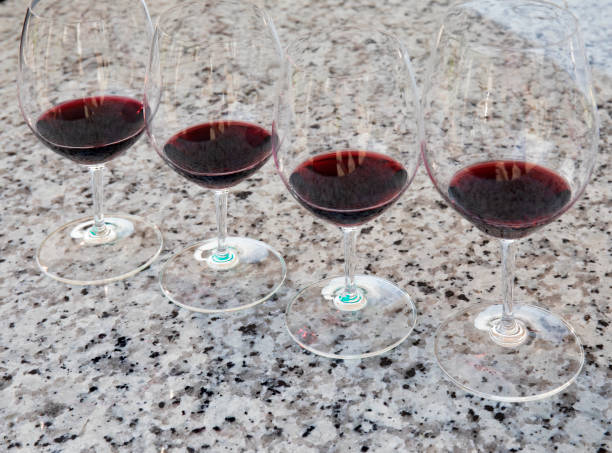
Observing color changes is a vital diagnostic tool for any wine enthusiast looking to understand the aging process. As wine matures, oxidation and the precipitation of pigments cause a visible shift in hue.
Red wines typically lose their vibrant purple or ruby tones, gradually moving toward garnet, brick, or tawny shades at the rim. Conversely, white wines tend to darken, shifting from pale straw or lemon to deep gold or even amber.
These visual cues are not just aesthetic; they indicate the degree of oxidation and the maturity of the liquid inside.
To use this knowledge effectively, always pour aged wine into a clear glass against a white background to inspect the ‘rim variation.’ A wide, brownish edge in a red wine suggests it has reached its peak or is nearing the end of its life.
By tracking these pigment transformations, you can better estimate the ideal drinking window. Understanding color shifts allows you to verify the wine’s health and ensures you are opening the bottle when its visual beauty matches its peak flavor profile and structural maturity.
Why age wine instead of drinking it young?
Softening harsh textures and acidity
One of the most practical reasons to age wine is to manage the aggressive structural elements found in young bottles, particularly tannins and high acidity. In youthful red wines, tannins can feel astringent, creating a drying sensation on the palate that often overwhelms the fruit.
Through the process of controlled oxidation, these phenolic compounds undergo polymerization, where small molecules join together to form larger, heavier chains. These larger molecules eventually fall out of the liquid as sediment, resulting in a noticeably smoother and silkier mouthfeel.
Similarly, the sharp, bracing acidity found in young white wines can mellow over time, integrating more seamlessly into the body of the wine. By allowing the wine to rest in a temperature-controlled environment, you effectively tame the harsh textures that might otherwise make a bottle difficult to enjoy.
This transformation ensures that the wine becomes more approachable and luxurious, providing a refined drinking experience that younger, more aggressive vintages simply cannot offer upon immediate release.
Developing complex flavor profiles
Aging wine is a transformative process that shifts the sensory experience from simple primary fruit notes to a sophisticated array of secondary and tertiary aromas. Young wines are typically dominated by fresh fruit flavors like cherry, plum, or citrus.
However, as the wine matures, these vibrant notes evolve into deeper, more nuanced characteristics such as leather, tobacco, forest floor, and dried spices. This evolution occurs because the chemical compounds within the wine react with one another and with trace amounts of oxygen over several years.
For enthusiasts looking to maximize their investment, aging provides the opportunity to unlock hidden layers of flavor that are dormant in a young bottle. The result is a multi-dimensional profile that tells a story of the vineyard and the vintage.
By exercising patience, you allow the wine to move beyond its basic fruit identity, creating a complex and savory bouquet that rewards the palate with every sip, making the wait well worth the effort for any serious collector.
Improving the overall balance of the bottle
The ultimate goal of aging is to achieve a state of perfect harmony where no single element—be it alcohol, tannin, acid, or fruit—dominates the others. In its youth, a wine can often feel disjointed, with certain components standing out too prominently.
Proper cellaring allows these disparate parts to integrate, creating a cohesive and balanced structure that feels complete. As the wine breathes through the cork, the intense fruit flavors subside just enough to allow the structural elements to support, rather than compete with, the liquid’s profile.
This balance is essential for a long, lingering finish, which is a hallmark of high-quality aged wine. By focusing on the long-term integration of components, you ensure that the bottle reaches its peak drinking window. Achieving this equilibrium means the wine will feel more elegant and polished on the tongue.
Ultimately, aging is a strategic tool to enhance the wine’s symmetry, ensuring that every glass poured offers a sophisticated, well-rounded, and thoroughly enjoyable experience from the first sip to the very last.
Which wines are best for long-term cellaring?
Red wines with high tannin and acid
The primary reason to age red wine is to allow the harsh, astringent tannins to soften and integrate, creating a more harmonious and complex flavor profile. When selecting bottles for long-term cellaring, focus on varieties like Cabernet Sauvignon, Nebbiolo, and Syrah, which possess the necessary structural components to withstand oxidation.
High acidity acts as a natural preservative, maintaining freshness while the fruit profile evolves from primary notes of berries to tertiary aromas of leather, tobacco, and forest floor.
You should look for premium regions like Bordeaux or Barolo, where the natural phenolic ripeness ensures the wine will not fall flat as it matures.
By investing in wines with high tannin and acid, you ensure that the liquid undergoes a chemical transformation that results in a smoother mouthfeel and a significantly more nuanced tasting experience.
Always store these bottles in a temperature-controlled environment to prevent premature aging and to protect your investment for several decades of enjoyment.
White wines with high residual sugar
While many white wines are intended for immediate consumption, those with high residual sugar and vibrant acidity are exceptional candidates for the cellar. The sugar acts as a powerful stabilizer, preventing the wine from spoiling while the flavors deepen and darken over time.
Classic examples include Sauternes, German Rieslings of Auslese or Beerenauslese quality, and Tokaji. These wines develop extraordinary aromatic complexity, shifting from simple honey and citrus to intense notes of dried apricot, caramel, and beeswax.
The high acid levels are crucial because they provide the necessary balance to the sweetness, ensuring the wine remains refreshing rather than cloying as it ages. Cellaring these bottles allows the viscous texture to become even more luxurious and silky on the palate.
When you age sweet whites, you are rewarded with a unique sensory evolution that dry wines simply cannot replicate. Aim for a consistent cellar temperature of 55 degrees Fahrenheit to allow these golden liquids to reach their full, majestic potential over twenty or thirty years.
Fortified wines and their aging potential
Fortified wines like Vintage Port, Madeira, and certain Sherries are the ultimate champions of long-term cellaring due to their high alcohol content and robust production methods. The addition of grape spirit stops fermentation and creates a stable environment that is highly resistant to spoilage and heat.
Vintage Port, in particular, requires decades to shed its youthful aggression and develop a sophisticated bouquet of spice, chocolate, and dried fruits. Madeira is perhaps the most resilient of all, having been intentionally exposed to heat and oxygen during its creation, making it nearly indestructible in a home cellar.
These wines are ideal for collectors who want to commemorate specific birth years or anniversaries, as they can easily outlive the person who purchased them. By choosing fortified options, you are securing a bottle that offers unmatched longevity and reliability.
Ensure you store Vintage Ports horizontally to keep the cork moist, whereas some other fortified styles can remain upright. Their ability to improve over fifty to one hundred years makes them a cornerstone of any serious wine collection.
How to tell if a wine will improve with age
Checking the grape variety and region
To determine if a bottle is worth cellaring, you must first identify if the grape variety possesses the inherent chemical precursors necessary for evolution. Certain grapes like Cabernet Sauvignon, Nebbiolo, and Riesling are naturally high in the compounds that allow for positive transformation over decades.
When you research the specific wine region, look for areas with established track records for longevity, such as Bordeaux, Barolo, or the Rioja Alta. These regions often have strict production laws that ensure the fruit reaches a level of concentration capable of withstanding time.
Understanding the varietal characteristics and regional pedigree is the most reliable baseline for predicting a wine’s future. If a wine comes from a region known for mass-produced, early-drinking styles, it likely lacks the density required for aging.
By focusing on reputable appellations and noble grapes, you ensure that the wine has the genetic blueprint to develop complex tertiary aromas like leather, tobacco, and dried fruit rather than simply oxidizing and losing its primary appeal.
Evaluating the vintage quality
The specific weather conditions of the growing season play a pivotal role in whether a wine will improve or simply decline in the cellar.
You should consult vintage charts and critic reports to see if the year provided a balanced climate with enough sunshine for ripeness and enough cool nights to retain acidity.
A great vintage provides the wine with a high concentration of flavor and phenolic ripeness, which act as a buffer against the natural degradation process.
When you analyze the vintage conditions, look for years that avoided extreme heat spikes or excessive rain during harvest, as these factors can lead to diluted flavors or structural imbalances.
A wine from a weak vintage may taste pleasant upon release but will often lack the stamina to survive long-term storage. By selecting bottles from standout years, you are investing in a product that has the necessary raw materials to evolve.
This careful selection process ensures that the wine will eventually reward your patience with a more harmonious and integrated profile that younger, lesser vintages cannot achieve.
The role of alcohol and structure
A wine’s structural components—tannins, acidity, and sugar—act as the essential preservatives that allow it to mature gracefully.
When tasting a young wine, you should assess the intensity of the tannins and the brightness of the acidity; if these elements feel prominent and firm, they will likely soften and integrate over several years.
High acidity is particularly crucial because it prevents spoilage and keeps the wine tasting fresh as the fruit flavors move from primary to tertiary stages.
You must also consider the balance of alcohol, as excessively high ABV can sometimes lead to a wine feeling ‘hot’ or unbalanced as the fruit fades. For sweet wines, a high residual sugar content acts as a powerful preservative, allowing them to last for many decades.
By evaluating the structural backbone, you can predict if the wine will hold its shape or fall apart. A well-structured wine uses these components to protect its delicate aromatic profile, ensuring that the aging process results in a more elegant, complex, and rewarding drinking experience for the patient collector.
Best ways to store wine for aging
Ideal temperature and humidity levels
To understand why we age wine, one must prioritize a stable environment where chemical reactions occur at a measured pace.
The golden rule for long-term storage is maintaining a consistent temperature of 55°F (13°C), as fluctuations cause the liquid to expand and contract, potentially pushing the cork out or sucking damaging oxygen in.
If the environment is too warm, the wine will ‘cook,’ resulting in flat, stewed flavors rather than the complex tertiary notes of leather and spice that aging is meant to develop. Furthermore, maintaining a relative humidity level of 60% to 70% is essential for structural integrity.
Proper moisture prevents the cork from drying out and shrinking, which would otherwise allow air to enter the bottle and oxidize the wine prematurely.
By controlling these two variables, you ensure the wine evolves gracefully over years, allowing harsh tannins to soften into a silky texture while preserving the essential fruit acidity that defines a high-quality vintage.
Why light and vibration damage wine
Aging wine is a delicate process of transformation that can be easily disrupted by external energy sources like light and movement.
Ultraviolet rays, particularly from direct sunlight or harsh fluorescent bulbs, trigger a reaction with the wine’s phenolic compounds, leading to a condition known as ‘light-struck’ wine, which produces unpleasant sulfur-like odors.
This is why many age-worthy bottles are made of dark green or amber glass, yet additional protection in a dark cellar remains vital for success. Simultaneously, you must minimize all sources of vibration from nearby appliances or heavy foot traffic.
Constant movement agitates the sediment that naturally forms as wine ages, preventing it from settling and interfering with the slow, beneficial chemical interactions between esters and acids.
When wine rests in total stillness and darkness, the complex molecules can bond correctly, ensuring that when you finally pull the cork, the profile is clean, balanced, and reflective of the vineyard’s original intent without any structural degradation or off-flavors.
Horizontal vs. vertical bottle placement
The physical orientation of your collection is a fundamental aspect of the aging philosophy, directly impacting the wine’s longevity and flavor profile. You should always store bottles horizontally to ensure the wine remains in constant contact with the cork.
This moisture keeps the cork expanded and creates an airtight seal, which is the primary defense against oxidation. If a bottle is stored vertically for an extended period, the cork will eventually dry out, become brittle, and allow oxygen to seep into the bottle, turning a prized vintage into vinegar.
While short-term storage of a few weeks in an upright position won’t cause immediate harm, the goal of aging is to facilitate a slow, controlled oxygen exchange through a healthy, moist cork.
Horizontal racking also maximizes space efficiency in a cellar and allows for easier identification of labels without disturbing the sediment. By keeping the wine against the closure, you protect your investment and guarantee that the aging process yields the sophisticated, mellowed characteristics that enthusiasts seek.
Common mistakes when aging wine at home
Waiting too long to open the bottle
A frequent error in home aging is the assumption that every wine improves indefinitely with time. In reality, the goal of aging is to reach a specific peak where tannins have softened and complex tertiary aromas have fully developed.
If you wait too long, the wine begins to lose its vibrant fruit characteristics and structural integrity, eventually tasting thin or oxidized. To avoid this, you should research the specific vintage and varietal to understand its ideal drinking window.
It is highly recommended to purchase multiple bottles of the same wine so you can sample one every few years. This proactive approach allows you to track the evolution of the flavors and ensures you do not miss the window of maximum enjoyment.
By monitoring the wine’s progression, you turn the aging process into a controlled experiment rather than a gamble, ensuring that your patience is rewarded with a balanced and sophisticated tasting experience instead of a faded disappointment.
Fluctuating storage temperatures
Consistency is the most critical factor when preserving wine quality over several years. Many collectors mistakenly store bottles in kitchens or laundry rooms where temperatures rise and fall rapidly.
These thermal fluctuations cause the liquid inside the bottle to expand and contract, which can eventually compromise the seal of the cork. When the seal fails, oxygen enters the bottle prematurely, leading to rapid spoilage and a flat flavor profile.
To protect your investment, you must maintain a steady temperature between 53°F and 57°F. If a dedicated wine cellar is not available, using a specialized wine refrigerator is a superior alternative to a standard fridge or a basement shelf.
By minimizing environmental stress, you allow the chemical reactions within the wine to occur at a slow, predictable pace. This stability is essential for developing the smooth texture and aromatic depth that makes aged wine so desirable, preventing the harshness associated with heat-damaged or poorly stored collections.
Storing wines that are meant for immediate consumption
Not all bottles are candidates for the cellar, and attempting to age a wine meant for early drinking is a common mistake. Most affordable, mass-market wines are crafted to be fresh, fruity, and enjoyed within a year or two of release.
These bottles typically lack the high acidity, tannin structure, and sugar levels required to act as preservatives during a long maturation process. If you store these wines for too long, they will simply lose their freshness without gaining any complexity.
To succeed, you should focus on high-quality varietals known for their aging potential, such as Cabernet Sauvignon, Nebbiolo, or vintage Port. Always check the wine’s technical notes or consult a sommelier to verify if the bottle has the structural backbone necessary for development.
By selecting the right candidates for your cellar, you ensure that the time spent waiting actually adds value, transforming a sharp or tight young wine into a mellow, multi-layered masterpiece that justifies the effort of long-term storage.
Tips for serving an aged bottle of wine
How to use a decanter properly
When serving an aged bottle, the primary goal of decanting is to separate the liquid from solids rather than aggressive aeration. To execute this correctly, stand the bottle upright for 24 hours prior to opening so all particles settle at the bottom.
Once you are ready to pour, move slowly and keep a steady hand to avoid agitating the contents. Use a candle or small flashlight positioned under the neck of the bottle to monitor the clarity of the wine as it passes through.
Stop pouring immediately when you see the first signs of dark, cloudy sediment reaching the neck. Unlike young wines that benefit from hours of oxygen exposure, a mature wine has a delicate structure that can fade rapidly.
Aim to decant just before serving to preserve the complex tertiary aromas like leather, truffle, and forest floor that have developed over years of patient aging. This careful transition ensures the wine remains vibrant and clear.
Dealing with sediment in old red wines
The presence of sediment is a natural byproduct of the aging process, occurring as tannins and coloring agents bond together and fall out of solution over time. While these particles are harmless, they can impart a bitter taste and a gritty texture if they end up in your glass.
To manage this effectively, never shake or tilt the bottle aggressively before service. If you do not have time for a full 24-hour vertical rest, you can use a fine-mesh stainless steel strainer or a piece of unbleached cheesecloth placed over the decanter to catch smaller fragments.
This mechanical filtration allows you to enjoy the softened tannins and refined profile that make aged wine so desirable. Remember that the goal of aging is to achieve a silky mouthfeel and harmonious balance, and removing these solids is the final step in revealing that transformation.
Handling the bottle with extreme gentleness is the key to ensuring every glass poured is pristine and visually appealing.
Choosing the right glassware for mature wines
The vessel you choose plays a critical role in how the nuanced bouquet of an aged wine is delivered to your senses. For mature reds, opt for a large-bowled Burgundy or Bordeaux glass that provides ample surface area for the wine to breathe without losing its fleeting aromatics.
The tapered rim of a high-quality crystal glass helps to concentrate delicate scents like dried flowers and spice, which might otherwise dissipate in a wide-open tumbler. Ensure the glass is perfectly clean and free of any detergent residue, as old wines are particularly sensitive to external odors.
When pouring, fill the glass only to the widest part of the bowl to allow for gentle swirling, which releases the complex chemical compounds formed during decades of cellar storage.
By selecting the appropriate stemware, you honor the time invested in the aging process and maximize the expressive potential of the wine. Proper glassware acts as a magnifying glass for the subtle elegance found only in well-matured vintages.
Frequently Asked Questions
Why do people age wine?
Wine is aged to allow its chemical components—primarily tannins, acids, and phenolic compounds—to interact and evolve over time. This process softens harsh textures and creates a more complex, integrated flavor profile that cannot be achieved in young wines.
How does aging affect the flavor of wine?
As wine ages, primary fruit flavors like fresh berries or citrus transform into secondary and tertiary notes such as leather, tobacco, earth, and dried fruits. These layers of complexity add depth and a more sophisticated sensory experience for the drinker.
What happens to tannins during the aging process?
Over time, tannin molecules polymerize, or join together into longer chains, which makes them feel smoother and less astringent on the palate. This transition turns a ‘grippy’ or harsh young red wine into one with a silky, velvety texture.
Do all wines benefit from aging?
No, the vast majority of wines produced today are meant to be consumed within 1-3 years of release. Only a small percentage of high-quality wines with the necessary structure—specifically high acidity, tannins, and alcohol—improve significantly with long-term cellaring.
How does the color of wine change as it ages?
Aging causes red wines to lose their vibrant purple or ruby hues, eventually turning into a brick-red or tawny brown color. Conversely, white wines deepen in color, moving from pale straw to golden or even deep amber tones due to slow oxidation.
Why is oxygen important in wine aging?
While too much oxygen spoils wine, a tiny amount entering through a natural cork allows for micro-oxidation. This slow exposure helps the wine’s components stabilize and mature without the liquid turning into vinegar.
What are the ideal conditions for aging wine?
To age wine successfully, it must be kept in a dark, vibration-free environment with a consistent temperature around 55°F (13°C). Proper humidity levels are also essential to keep the cork from drying out and allowing excess air into the bottle.
Conclusion
Aging wine is a transformative process that rewards patience with complex aromas, softened tannins, and a harmonious profile. While not every bottle is meant for the cellar, understanding the chemistry of maturation allows you to elevate your tasting experience. Whether you are starting a collection or saving a special vintage, the evolution of flavor is well worth the wait. Embrace the journey of discovery and begin cellaring today to unlock the true potential of your favorite wines.