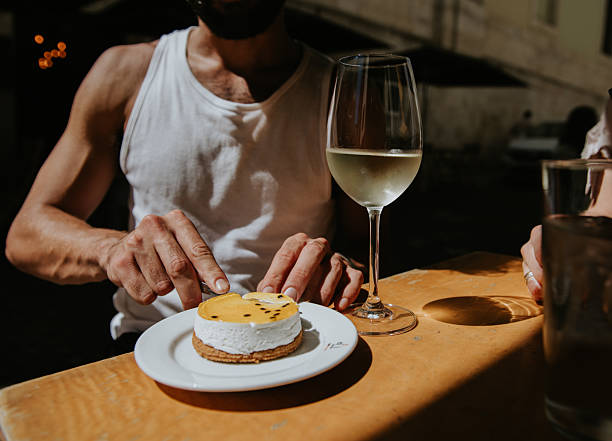
What Wine Pairs With Cheesecake
Looking for the perfect wine to complement creamy cheesecake? You’re in the right place. In the next few lines we’ll quickly break down the top pairings—think sweet Rieslings, crisp Moscato, and even a buttery Chardonnay—that enhance the dessert’s richness without overwhelming it. Whether you prefer classic flavors or a daring twist, we’ve got the ideal match ready for you, so you can serve your cheesecake with confidence and impress every guest at your gathering tonight too.
How to match wine with different cheesecake flavors
Classic New York‑style cheesecake
When serving a classic New York‑style cheesecake, look for wines that echo its rich, buttery texture without overwhelming the subtle tang. Dry Riesling offers bright acidity that cuts through the creaminess while highlighting the buttery crust.
Champagne or quality sparkling wine adds fine bubbles and a touch of citrus, refreshing the palate between bites. For red lovers, a light Pinot Noir with soft tannins and bright red fruit can complement the cheesecake’s subtle sweetness.
Aim for wines with moderate alcohol (10‑12%) and good acidity; they balance the dessert’s richness and keep the experience elegant rather than cloying. Serve the wine slightly chilled (around 10‑12 °C) to enhance its refreshing qualities and ensure each bite feels light.
Fruit‑topped cheesecake
Fruit‑topped cheesecakes—think strawberry, blueberry, or mixed‑berry—bring bright acidity and sweet‑tart notes that call for equally lively wines. Moscato d’Asti delivers low‑alcohol fizz, honeyed fruit aromas, and a gentle sweetness that mirrors the berries without overpowering them.
A dry Rosé with red‑fruit flavors and crisp acidity can accentuate the fruit’s freshness while cutting the richness of the cheese. For a more complex match, try an off‑dry Gewürztraminer; its aromatic spice and subtle sweetness echo the fruit’s perfume and balance the creamy base.
Keep the wine chilled (8‑10 °C) and serve in modest pours to let the fruit and wine dance together. Pairing with a light, chilled glass also highlights the dessert’s airy texture and prevents the palate from feeling heavy.
Chocolate cheesecake
Chocolate cheesecake, whether dark or milk chocolate, demands wines that can stand up to its deep cocoa intensity while complementing its creamy body. Ruby Port offers rich, jammy fruit flavors and a velvety texture that mirrors the dessert’s density, creating a harmonious bite‑to‑sip rhythm.
A Zinfandel with ripe blackberry, peppery spice, and moderate tannins can cut through the chocolate’s bitterness and add a subtle heat that enhances the flavor profile. For a refined option, try a late‑harvest Cabernet Sauvignon; its concentrated dark‑fruit notes and balanced acidity provide a luxurious match without overwhelming the cake.
Serve these reds slightly below room temperature (15‑17 °C) to keep the fruit character bright.
Cheesecake with caramel or nuts
Cheesecakes finished with caramel drizzle or toasted nuts bring buttery sweetness and a crunchy contrast, calling for wines that echo those nutty, toasty notes while balancing the dessert’s richness.
Tawny Port delivers nutty caramel flavors, dried‑fruit sweetness, and a smooth finish that mirrors the caramel glaze and enhances the nutty crunch. An Amontillado sherry offers a dry, oxidative character with subtle almond and toffee hints, providing a sophisticated counterpoint to the dessert’s sweetness.
For a lighter alternative, a Sauternes with its honeyed apricot and balanced acidity can lift the richness without adding cloying sugar. Serve these wines at cellar temperature (12‑14 °C) to preserve their nuanced aromas.
A splash of the wine over a slice can intensify the caramel’s buttery depth, while the nutty undertones in the wine echo the toasted pecans or almonds, creating a seamless flavor bridge. Choose a wine with moderate alcohol (15‑18%) to ensure the pairing feels indulgent yet harmonious.
What is the best white wine for cheesecake

Sauvignon Blanc
Sauvignon Blanc offers bright acidity and citrus aromatics that cut through the richness of cheesecake while complementing its creamy texture. Choose a dry, crisp style from New Zealand or the Loire Valley to keep the palate refreshed.
Serve the wine chilled at 45‑50°F to highlight its green apple and lime notes, which echo the tang of the cheese base. Pair it with classic New York‑style cheesecake or a fruit‑topped version; the wine’s herbaceous edge balances sweet berries and prevents the dessert from feeling cloying.
For an extra twist, drizzle a thin layer of lemon zest over the slice; the citrus synergy intensifies the wine’s zing, creating a harmonious bite‑after‑bite experience.
If you prefer a slightly richer profile, opt for a Sauvignon Blanc with subtle oak aging; the faint vanilla undertones will echo a caramel drizzle on the cheesecake. This pairing works equally well with a raspberry coulis, as the wine’s acidity lifts the berry’s tartness without overwhelming the dessert.
Riesling
Riesling, especially off‑dry varieties, brings a gentle sweetness and lively acidity that mirrors the subtle tang of cheesecake while adding a fragrant fruit layer. Select a German Kabinett or an Alsace Riesling with notes of peach, apricot, and honey for a balanced contrast.
Serve slightly chilled, around 50‑55°F, to preserve its aromatic intensity without muting the dessert’s creaminess. The wine’s residual sugar pairs beautifully with a plain cheesecake, enhancing the buttery crust, and it also shines alongside toppings like caramelized figs or a light ginger glaze.
The natural minerality found in many Rieslings lifts the richness of the cheese, preventing the palate from feeling heavy.
For a playful twist, drizzle a drizzle of honey over the slice; the combined honeyed notes in both wine and dessert create a seamless, indulgent finish that feels both refreshing and luxurious.
A spoonful of fresh mango puree on the side adds a tropical brightness that echoes the Riesling’s citrus spark, making each bite feel vibrant and balanced.
Moscato
Moscato’s fragrant aromatics and low‑alcohol sweetness make it a delightful companion for cheesecake, especially when the dessert features fruit or a light glaze. Opt for an Italian Moscato d’Asti with its gentle fizz, honeyed orange blossom, and ripe peach flavors that echo the cake’s buttery base.
Serve well‑chilled at 45‑48°F to keep the bubbles lively and the palate refreshed. The wine’s subtle effervescence cuts through the richness of a classic New York cheesecake, while its sweetness balances tangy toppings such as raspberry coulis or a citrus curd.
For a summer‑ready twist, pair the slice with fresh sliced strawberries; the Moscato’s floral notes amplify the berries’ natural perfume, creating a harmonious duet.
If you enjoy a hint of spice, drizzle a thin line of cinnamon‑infused caramel over the dessert; the warm spice intertwines with the wine’s honeyed profile, delivering a comforting yet bright finish that leaves you wanting another bite.
What is the best red wine for cheesecake
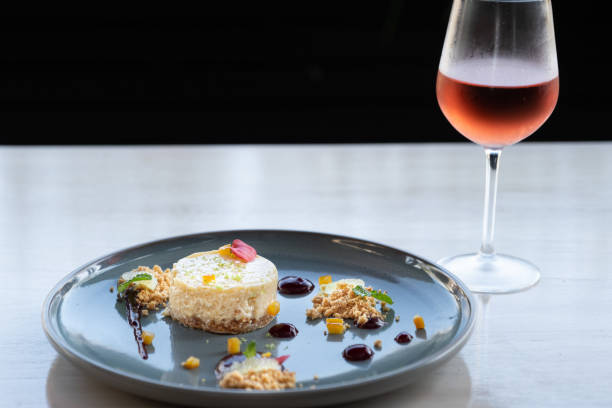
Pinot Noir
Pinot Noir’s bright acidity and soft tannins make it a surprisingly elegant partner for cheesecake. Start by selecting a fruit‑forward Pinot with notes of cherry, raspberry, and a hint of spice; these flavors echo the creamy sweetness of the dessert without overwhelming it.
Serve the wine slightly chilled, around 55°F, to accentuate its fresh fruit character and keep the palate lively. When pairing, choose a classic New York‑style cheesecake or a lighter ricotta version; the wine’s subtle earthiness will complement the subtle tang of the cheese while its acidity cuts through the richness.
Tip: Add a drizzle of berry compote on the slice; the matching fruit notes will unify the wine and dessert, creating a harmonious finish that feels both sophisticated and comforting. Pair it with a glass of chilled water to cleanse the palate between bites, ensuring each bite feels fresh.
Light‑bodied Merlot
A light‑bodied Merlot offers soft plum and black‑cherry flavors that meld beautifully with the creamy texture of cheesecake. Choose a Merlot from a cooler climate, such as a Washington or Oregon bottling, where the fruit remains bright and the tannins stay gentle.
Serve it at 58‑60°F to let the subtle oak and vanilla nuances emerge without masking the dessert’s subtle tang. This wine works especially well with chocolate‑swirled or caramel‑topped cheesecakes, as its mellow fruit echoes the sweet swirl while its modest acidity balances the richness.
Pro tip: Chill the Merlot for a few minutes before serving and garnish the cheesecake with a few fresh berries; the combined fruit profile reinforces the wine’s natural flavors, creating a cohesive and indulgent tasting experience.
Serve the slice on a chilled plate to keep the dessert cool, allowing the wine’s fruit to stay vibrant throughout the meal.
Lambrusco
Lambrusco, a lightly sparkling red, brings a refreshing fizz and bright acidity that cuts through cheesecake’s richness while adding a playful fruit edge. Opt for a dry or semi‑dry Lambrusco from the Emilia‑Romagna region, where flavors of red currant, strawberry, and a subtle almond note shine.
Serve it well chilled at 45‑50°F; the bubbles will cleanse the palate between bites, preventing the dessert from feeling heavy. This pairing shines with plain or fruit‑topped cheesecakes, especially those featuring raspberry or strawberry coulis, as the wine’s berry notes echo the topping and its effervescence lifts the creamy base.
Key point: Keep the serving glass narrow to preserve the carbonation, and enjoy the cheesecake with a small spoonful of whipped cream to enhance the texture contrast, creating a lively and balanced finish. A quick sip after each bite keeps the flavors bright and the experience enjoyable.
Tips for pairing sparkling wine with cheesecake
Champagne and Brut
When pairing a classic New York–style cheesecake with Champagne or a dry Brut, focus on the wine’s bright acidity and fine bubbles to cut through the rich cream cheese.
Choose a non‑dosage Brut with citrus zest and subtle brioche notes; the acidity balances the buttery crust while the mousse‑like texture mirrors the dessert’s smoothness. Serve the wine chilled at 45‑48°F to keep the palate refreshed.
Avoid overly sweet Champagnes, as they can overwhelm the subtle vanilla and lemon flavors in the cheesecake. A glass of Brut with a hint of green apple will highlight the tangy cream cheese and enhance the caramelized top.
Pairing this way creates a lively contrast that keeps each bite feeling light, making the dessert feel less heavy and more elegant. Serve a single 4‑ounce pour to maintain balance and enjoy the harmonious interplay of flavors.
Prosecco
Prosecco’s light, fruity profile makes it a natural companion for a fruity‑topped cheesecake, such as strawberry or raspberry.
Select a dry (Brut) or extra‑dry Prosecco that offers notes of pear, white peach, and a hint of almond; these aromas echo the fresh fruit glaze while the gentle effervescence lifts the dense custard. Chill the bottle to 45°F and pour a modest 5‑ounce glass to keep the palate lively.
Steer clear of overly sweet Prosecco, which can clash with the tartness of the berries and mask the cheesecake’s buttery base. The crisp acidity of a dry Prosecco cuts through the richness, while its subtle sweetness complements the fruit without overwhelming it.
This pairing creates a bright, celebratory mouthfeel that accentuates both the dessert’s texture and the wine’s lively sparkle. Enjoy the combination as a refreshing finish to a dinner party, letting the bubbles cleanse the palate between bites.
Cava
Cava’s crisp minerality and fine mousse make it an excellent match for a classic cheesecake topped with a caramel drizzle.
Opt for a Brut or Extra‑Brut Cava that delivers citrus zest, green apple, and a touch of toasted almond; these flavors echo the buttery crust and the caramel’s sweet depth while the acidity lifts the creamy filling.
Serve the Cava chilled at 46°F and pour a 4‑ounce serving to maintain balance. Avoid semi‑sweet or rosé Cavas, as their fruitiness can compete with the caramel and diminish the subtle vanilla notes in the cheese.
The wine’s bright acidity and subtle salinity cut through the richness, creating a harmonious contrast that highlights both the dessert’s sweetness and the wine’s lively sparkle. This pairing works especially well for celebrations where a refined, effervescent touch is desired.
How to pair dessert wines with cheesecake
Late Harvest Riesling
Late Harvest Riesling offers bright acidity and honeyed fruit that cuts through the rich cream cheese while echoing the sweet flavors of a classic cheesecake. Choose a wine with balanced residual sugar so the pairing feels harmonious rather than cloying.
Serve the wine chilled, around 45‑50°F, to preserve its crispness and let the citrus notes lift the dessert’s buttery crust. When the cheesecake includes fruit toppings, the wine’s apricot and peach aromas complement the berries or stone fruit beautifully.
Taste a sip before the first bite to gauge the sweetness level; if the wine feels too sweet, add a squeeze of fresh lemon juice to the cheesecake topping.
This dynamic duo works especially well with New York‑style cheesecake, where the wine’s bright finish cleanses the palate for each subsequent forkful. Enjoy the contrast of flavors as the wine lingers after each bite.
Sauternes
Sauternes, with its luscious honey and toasted almond notes, creates a luxurious match for the dense, velvety texture of cheesecake. Select a bottle with moderate acidity to prevent the pairing from becoming overly sweet and to highlight the dessert’s subtle tang.
Serve the wine slightly cooler than room temperature, about 50‑55°F, allowing its complex aromatics to unfold. If the cheesecake is topped with caramel or a nutty praline, the wine’s baked‑apple and marmalade flavors echo those caramelized tones, enhancing every spoonful.
Take a small sip and let it coat the palate before tasting the cheesecake; this reveals how the wine’s lingering finish balances the creamy base. This combination shines with classic plain cheesecake as well as variations featuring toasted coconut or a light fruit glaze, offering a refined, indulgent experience.
Pairing this wine with a dollop of whipped cream adds an airy contrast that lifts the richness.
Port
Port, especially a tawny style, brings nutty caramel and dried‑fruit depth that complements the buttery crumb and creamy core of cheesecake. Opt for a medium‑sweet Port to keep the dessert from feeling overly heavy while still providing enough body to stand up to the richness.
Serve the wine at cellar temperature, around 60‑65°F, so its velvety texture merges smoothly with each bite. When the cheesecake includes chocolate or espresso swirls, the Port’s fig and raisin nuances echo those bitter notes, creating a balanced contrast.
Sip a small amount and let it linger before tasting the cheesecake; you’ll notice how the wine’s subtle tannins cut through the fat, refreshing the palate.
This pairing excels with traditional New York cheesecake, as well as versions topped with caramelized nuts or a drizzle of dark chocolate ganache, delivering a sophisticated finish.
Best ways to taste and test wine and cheesecake combos
Temperature considerations
Begin by serving wine at the temperature that highlights its structure while keeping the cheesecake cool enough to retain its creamy texture.
White wines such as a lightly chilled Riesling (45‑50°F) preserves bright acidity that cuts through the richness, whereas sparkling wines are best enjoyed at 40‑45°F to maintain lively bubbles that cleanse the palate.
If you prefer reds, choose a lightly chilled Pinot Noir around 55°F; the cooler temperature softens tannins, preventing them from overwhelming the dessert. Remember to let the cheesecake sit at room temperature for ten minutes before tasting, allowing flavors to open without melting.
This temperature balance ensures each sip and bite interact harmoniously, letting the wine’s fruit and acidity shine against the sweet, buttery base of the cheesecake. Serve the wine in a clear glass to appreciate its hue, which also cues the sensory experience.
Portion size and bite size
Match the size of each bite to the sip to keep flavors in sync. Cut the cheesecake into 1‑inch squares so a single forkful delivers a balanced mix of crust, filling, and topping.
Pair this with a 2‑ounce pour of wine; the modest volume allows the palate to reset after each bite without becoming saturated. Small sips encourage you to notice subtle shifts—like a hint of citrus in a Sauvignon Blanc that brightens a lemon‑topped slice.
If the cheesecake is richly layered with chocolate, a slightly larger 3‑ounce glass of a fruit‑forward Merlot can stand up to the intensity while still leaving room for a second bite.
Adjust both bite and sip size based on personal preference, but aim for a rhythm where the wine’s acidity or effervescence cleanses the palate just before the next mouthful, preserving a dynamic tasting experience.
Balancing sweetness and acidity
Finding the right harmony between the cheesecake’s sweetness and the wine’s acidity is the key to a lasting pairing. Opt for wines that offer bright acidity to counterbalance the dessert’s sugar, such as a dry Riesling, a crisp Prosecco, or an off‑dry Chenin Blanc with a 3:1 acid‑to‑sweet ratio.
The acidity lifts the buttery crust and softens the richness of a cream cheese filling, while a hint of fruit keeps the palate lively.
If you favor a richer, chocolate‑swirled cheesecake, choose a wine with a modest residual sugar like a late‑harvest Gewürztraminer; its aromatic spice complements the cocoa without adding cloying sweetness.
Taste a small spoonful of cheesecake, then sip the wine and note how the tart notes cut through the sugar, creating a balanced finish. Adjust the wine’s temperature slightly cooler to enhance acidity if the dessert feels overly sweet.
Common pairing mistakes to avoid
Overpowering tannins
Steer clear of wines that dominate the delicate cream of cheesecake with strong tannic structure. Choose low‑tannin options such as Pinot Noir, Gamay, or a lightly chilled Beaujolais, which provide subtle fruit without a drying mouthfeel.
Avoid full‑bodied reds like Cabernet Sauvignon or Syrah, whose firm tannins can clash with the dessert’s richness and leave a bitter aftertaste. When selecting a bottle, look for descriptors like “soft,” “silky,” or “light‑bodied” on the label.
Serve the wine slightly chilled (around 55‑60°F) to further soften any residual tannins and keep the palate fresh. By prioritizing low‑tannin reds, you let the cheesecake’s buttery texture shine while adding a pleasant hint of berry or cherry that complements rather than overwhelms.
Pairing this style with a classic New York‑style cheesecake or a fruit‑topped version works especially well, as the wine’s gentle acidity cuts through the richness and highlights the subtle vanilla notes.
Too sweet wines
Resist the temptation to match cheesecake with overly sweet wines, which can make the dessert taste cloyingly sugary. Select wines with balanced sweetness such as an off‑dry Riesling, Moscato d’Asti, or a lightly sparkling Prosecco; these provide just enough fruit to echo the cheesecake’s flavor without drowning it.
Extremely sweet options like late‑harvest Sauternes or icewine amplify the sugar level, masking the subtle cream cheese tang and turning the pairing into a syrupy overload. Check the label for residual sugar indicators (often listed as “off‑dry” or “semi‑sweet”) and aim for a wine where the acidity is still lively.
Serve the wine chilled (45‑50°F) to keep the sweetness in check and preserve a refreshing finish. This approach lets the cheesecake’s buttery crumb and any fruit topping shine, while the wine adds a bright, complementary lift.
Mismatched textures
Pay attention to texture harmony; a wine that feels gritty or overly effervescent can clash with the smooth, velvety mouthfeel of cheesecake. Opt for wines with a gentle, silky texture such as a lightly chilled Chardonnay, a creamy Viognier, or a low‑carbonation sparkling wine like an English Brut.
Avoid highly carbonated styles (e.g., Prosecco with strong bubbles) or heavily oak‑laden reds that introduce a rough, tannic edge, which disrupts the dessert’s creaminess.
When choosing a sparkling option, prefer a fine‑mousse style where the bubbles are delicate and melt quickly on the palate, complementing rather than competing with the cake’s dense crumb. Serve the wine at a cool but not ice‑cold temperature (around 50‑55°F) to maintain its smooth character.
By matching the wine’s texture to the cheesecake’s luxurious consistency, each bite feels cohesive and the flavors linger pleasantly.
Frequently Asked Questions
What type of wine best complements the creamy texture of cheesecake?
A semi-sweet wine, such as Riesling or Moscato, balances the richness of cheesecake with its fruity acidity and gentle sweetness.
Can sparkling wine be paired with cheesecake?
Yes, a slightly off‑dry sparkling wine like Prosecco or a demi‑sec Champagne adds refreshing bubbles and a hint of sweetness that lifts the dessert.
Which red wine, if any, works with cheesecake?
A light, fruit‑forward red like Brachetto d’Acqui or a low‑tannin Pinot Noir can work, especially with chocolate or berry‑topped cheesecake, but the wine should be on the sweeter side.
How does the cheesecake flavor affect wine choice?
Fruit‑topped cheesecakes pair well with aromatic whites (e.g., Gewürztraminer), while chocolate or caramel cheesecakes benefit from richer, slightly sweet reds or fortified wines like Port.
Is a dessert wine like Sauternes suitable for cheesecake?
Absolutely; Sauternes or other golden dessert wines provide honeyed notes and balanced acidity that enhance the buttery flavor of classic cheesecake.
What should I avoid when pairing wine with cheesecake?
Avoid very dry, high‑acid wines like Sauvignon Blanc or overly tannic reds, as they can clash with the dessert’s sweetness and creamy texture.
Conclusion
When pairing wine with cheesecake, remember that sweetness, acidity, and texture are the guiding principles. Light, fruity whites such as Riesling or Moscato balance the creamy richness, while a crisp sparkling wine adds a refreshing lift. For deeper flavors, a buttery Chardonnay or a soft red like Pinot Noir works beautifully. Experiment, trust your palate, and enjoy discovering the perfect sip to complement every slice.

