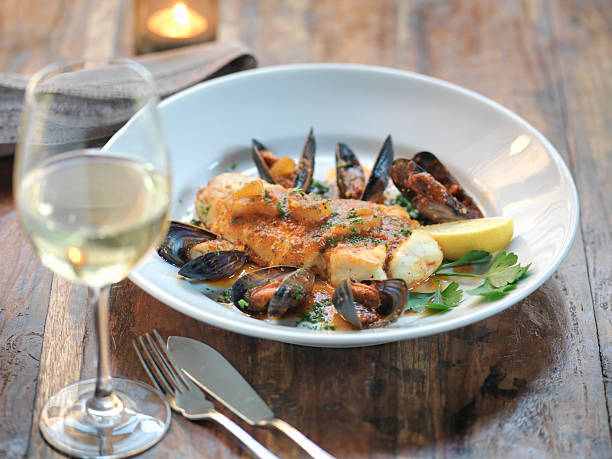
What Wine Goes With Italian Food
Choosing the perfect wine for Italian cuisine doesn’t have to be a mystery. Whether you’re savoring a rich Bolognese, a bright Margherita pizza, or a creamy risotto, we’ll match you with the ideal bottle in seconds. From crisp whites that highlight fresh herbs to velvety reds that complement hearty sauces, our quick guide cuts through the confusion. Stick with us, and you’ll walk away confident, ready to pair your favorite Italian dishes with wines that truly shine on your table.
How to Pair Red Wine with Classic Italian Dishes
Chianti with tomato‑based sauces
Pairing Chianti with tomato‑based Italian dishes enhances the meal by matching acidity and fruit. Choose a medium‑bodied Chianti Classico that offers bright cherry and subtle earth notes. Serve the wine slightly chilled, around 60°F, to keep its tannins lively.
When cooking, add a splash of the same Chianti to the sauce; this deepens flavor and creates harmony on the plate. For classic pairings, try spaghetti marinara, pizza Margherita, or eggplant parmigiana. Taste the wine before pouring to ensure it isn’t overly oaked, which can clash with the tomato’s tang.
Decant for ten minutes if the wine is young, allowing its aromatics to open. Finally, enjoy the pairing with a light appetizer like bruschetta, letting the wine’s acidity cut through the olive oil and garlic, preparing the palate for the main course.
Pair this combination with a glass of water to cleanse the palate between bites, ensuring each flavor shines distinctly.
Barolo for rich meat ragù
Barolo’s robust structure and tannic backbone make it ideal for hearty meat ragùs. Select a Barolo Riserva aged at least three years to develop complex notes of truffle, dried cherry, and leather. Serve the wine at 64‑66°F to reveal its depth without overwhelming the palate.
When preparing ragù, simmer the sauce for several hours; the wine’s acidity will cut through the richness of beef and pork, creating balance. Pair with tagliatelle al ragù or pappardelle, allowing the wide noodles to hold the sauce and the wine’s flavors.
Sip slowly after each bite to let the tannins soften against the protein, enhancing both the dish and the wine. If the Barolo feels too intense, decant for 30 minutes to mellow the edge. Finish the meal with a small piece of dark chocolate, echoing the wine’s subtle bitterness.
Montepulciano d’Abruzzo with grilled meats
Montepulciano d’Abruzzo offers ripe fruit and moderate acidity, perfect for grilled meats like bistecca or pork chops. Opt for a Montepulciano d’Abruzzo Riserva to benefit from deeper plum, blackberry, and spice layers that stand up to charred flavors.
Chill the wine to about 58‑60°F, which softens its robust tannins and highlights freshness. Before grilling, brush the meat with a glaze of olive oil, rosemary, and a splash of the same wine; this creates a seamless bridge between food and drink.
Serve the wine in a wide‑bowl glass to direct aromas toward the nose. Take a sip after each bite to let the wine’s fruit cut through the smoky fat, refreshing the palate. If the wine seems tight, let it breathe for ten minutes.
Pair with a side of roasted vegetables to complement the wine’s earthy undertones.
What White Wines Complement Italian Seafood
Pinot Grigio with light fish dishes
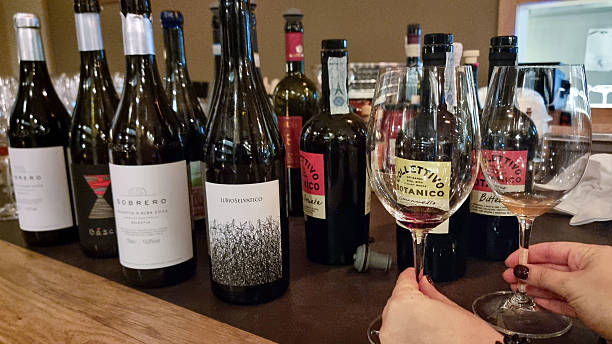
When you serve delicate white fish such as branzino, sole, or a simple grilled calamari, reach for a crisp Pinot Grigio from the Veneto region. Its bright acidity and subtle citrus notes cut through the mild oiliness of the fish without overwhelming its flavor.
Serve the wine chilled at 45‑50°F to preserve its refreshing character, and present it in a narrow‑rimmed glass to focus the aromas.
Pair the wine with dishes that include lemon, herbs like parsley or dill, and light olive‑oil dressings; the citrus in the wine will echo the lemon zest, while the herbaceous hints will complement the seasoning. Avoid heavy sauces or strong spices, as they can mask the wine’s finesse.
A short, crisp sip before each bite will cleanse the palate, keeping the dining experience lively and balanced throughout the meal.
Verdicchio for creamy pasta
Verdicchio, especially the Classico from the Marche coast, is an excellent match for rich, creamy pasta dishes like fettuccine alfredo, seafood risotto, or a buttery linguine with clams.
The wine’s medium body, lively acidity, and faint almond‑nut undertones cut through the dairy richness while echoing the sea‑salt brine of the shellfish. Serve at 50‑55°F and use a tulip‑shaped glass to funnel the aromatic profile toward the nose.
When plating, drizzle a touch of lemon juice or garnish with fresh basil; the citrus will highlight Verdicchio’s natural green apple notes, and the herb will bridge the sauce’s creaminess. Avoid overly spicy arrabbiata sauces, as the heat can clash with the wine’s subtle minerality.
A sip taken between bites will refresh the palate, allowing each creamy mouthful to shine without feeling weighed down, creating a harmonious balance between sauce and sip.
Falanghina for shellfish
Falanghina, a bright white from Campania, shines alongside shellfish such as mussels, oysters, and shrimp scampi. Its crisp acidity, floral aromatics, and a whisper of citrus zest make it a natural partner for the briny, slightly sweet flavors of the sea.
Serve chilled at 48‑52°F and choose a white‑wine glass with a slightly tapered rim to concentrate the perfume.
Pair the wine with a simple preparation: steam the mussels in a splash of white wine, garlic, and a pinch of red pepper flakes, then finish with a drizzle of extra‑virgin olive oil and fresh parsley.
The Falanghina will mirror the citrus garnish and lift the garlic’s richness, while its mineral backbone balances the heat from the pepper. Steer clear of heavy butter sauces, which can mute the wine’s lively character.
A quick sip after each forkful will cleanse the palate, letting the shellfish’s delicate texture and the wine’s vibrant notes dance together.
Tips for Matching Sparkling Wines to Italian Appetizers

Prosecco with bruschetta
When you serve classic tomato‑basil bruschetta, choose a dry Prosecco to highlight the bright acidity and subtle fruit. Start with a chilled glass at 45‑50°F to keep the bubbles lively. The wine’s crisp citrus notes echo the fresh tomatoes, while its fine mousse cuts through the olive‑oil richness.
Look for a Brut or Extra‑Dry style from the Veneto region, which offers enough acidity without overwhelming sweetness. Pairing works especially well with toasted ciabatta, a drizzle of extra‑virgin olive oil, and a sprinkle of sea salt; the salt amplifies the Prosecco’s minerality.
For an extra touch, add a thin shaving of Parmigiano‑Reggiano on top; the cheese’s umami balances the wine’s fruit‑forward profile, creating a harmonious start to any Italian meal.
Serve the bruschetta on a wooden board for a rustic feel, and encourage guests to sip between bites to let the palate reset. This simple combination elevates even a casual gathering.
Franciacorta with fried calamari
Fried calamari thrives with the elegant bubbles of Franciacorta, Italy’s answer to Champagne. Serve the wine chilled at 45°F to preserve its fine perlage and bright acidity.
The wine’s notes of green apple, white peach, and a hint of brioche cut through the crisp batter, while its minerality balances the briny sea‑food flavor. Choose a Brut or Satèn style for a creamy mouthfeel that mirrors the tender squid inside.
Pour a 5‑ounce glass and present the calamari on a platter with lemon wedges and a light aioli; the citrus lifts the wine’s fruit profile, and the creamy dip softens the acidity just enough for a seamless match.
For extra depth, sprinkle a pinch of smoked paprika on the calamari before frying; the subtle smokiness resonates with the toasted nuances of Franciacorta, creating a layered tasting experience that keeps diners coming back for more.
Lambrusco for cured meats
Lambrusco’s lively fizz and gentle sweetness make it a perfect partner for Italy’s cured meat platters, from prosciutto di Parma to spicy salami. Serve the wine slightly chilled at 50‑55°F to keep the bubbles refreshing without dulling the fruit character.
The wine’s bright raspberry and black‑cherry flavors contrast the salty, umami richness of the meats, while its soft tannins cleanse the palate between bites. Opt for a dry‑style Lambrusco, such as those from the Emilia‑Romagna region, to avoid excessive sweetness that could mask the delicate spice of the salami.
Pour a 4‑ounce glass and arrange the cured meats on a wooden board with olives, marinated artichokes, and a drizzle of aged balsamic; the acidity of the balsamic echoes the wine’s tartness, creating harmony.
For an added twist, include a handful of toasted hazelnuts; their nutty depth amplifies Lambrusco’s subtle earthy notes, delivering a balanced, celebratory experience.
Best Ways to Choose Wine for Pizza Varieties
Sangiovese for Margherita
Sangiovese is the classic companion for a simple Margherita pizza, its medium acidity cutting through the mozzarella while highlighting the fresh tomato sauce. Look for a Chianti Classico or a young Tuscan Sangiovese that offers bright cherry and plum flavors alongside subtle herbal hints that echo the basil topping.
Serve the wine slightly chilled, around 60°F, to keep the fruit vibrant and the tannins gentle. When selecting a bottle, prioritize a light‑to‑medium body and avoid overly oak‑heavy styles, which can overwhelm the delicate cheese.
Pairing this wine with a thin‑crust Margherita enhances the dish’s balance, making each bite feel fresher and more harmonious. For an extra touch, swirl the glass to release aromatics before each sip, ensuring the wine’s silky texture complements the pizza’s soft cheese.
Enjoy the pairing with a relaxed dinner, letting the flavors mingle as you savor each slice.
Nero d’Avola for spicy pizza
Nero d’Avola shines when paired with a spicy pizza topped with pepperoni, hot sausage, or chili flakes, its robust tannins and rich dark fruit standing up to bold flavors. Choose a Sicilian bottling that displays black cherry, plum, and a hint of pepper, which mirrors the heat without being overpowered.
Serve the wine at cellar temperature, about 65°F, to let its silky mouthfeel soften the spice and provide a pleasant contrast to the cheese melt. Avoid overly acidic whites, as they can clash with the pepper’s punch; instead, let the wine’s smooth finish cleanse the palate between bites.
When ordering, ask for a medium‑to‑full body Nero d’Avola, and consider decanting for ten minutes to open up its aromatic profile. This approach ensures the wine’s spicy undertones complement the pizza’s heat, creating a balanced and exciting dining experience.
Rosé for veggie toppings
Rosé is an excellent match for vegetable‑laden pizzas, offering a crisp acidity that brightens roasted peppers, zucchini, and mushroom flavors while its light red fruit notes add a refreshing lift.
Opt for a dry Provençal or Italian rosé that showcases strawberry, watermelon, and subtle herbaceous hints, echoing the garden freshness of the toppings. Serve the wine chilled, around 55°F, to keep its vibrant palate lively against the earthy cheese and olive oil base.
Avoid sweet rosés, as they can overwhelm the subtle sweetness of caramelized vegetables; instead, focus on a balanced minerality that cuts through the richness. When pouring, fill the glass only halfway to allow the aromas to gather, and encourage diners to swirl and sniff before each sip.
This technique highlights the wine’s delicate perfume, creating a harmonious pairing that elevates every bite of the veggie pizza.
How to Pair Dessert Wines with Italian Sweets
Vin Santo with biscotti
Serve Vin Santo slightly chilled, around 12‑14°C, to highlight its amber hue and honeyed aromas. Match the sweetness of the wine with the crunchy, almond‑laden biscotti; the wine’s nutty undertones echo the cookie’s flavor.
When pouring, use a small glass to concentrate the bouquet and sip slowly, allowing the liquid gold to coat the palate before the biscotti’s crisp bite. Pairing tip: dip the biscotti just once, letting the wine soften the edges without sogginess, which preserves texture.
For a balanced finish, choose biscotti that include dried fruits or citrus zest, as these complement Vin Santo’s notes of dried apricot and caramel. Enjoy the interplay of sweet and savory, making the dessert feel elegant yet comforting.
Serve the pairing after the main course, allowing the wine’s gentle acidity to cleanse the palate and prepare for a relaxed finish.
Moscato d’Asti with tiramisu
Moscato d’Asti’s low alcohol and lively fizz make it a perfect companion for the creamy layers of tiramisu. Balance the sweetness by choosing a bottle with bright acidity; this cuts through the mascarpone’s richness and highlights the coffee‑soaked ladyfingers.
Serve the wine chilled, around 8‑10°C, in a tulip glass to funnel the aromatic notes of peach, orange blossom, and honey toward the nose.
Serving tip: spoon a modest bite of tiramisu onto a small plate, then sip the Moscato, letting the bubbles lift the dessert’s cocoa dust and create a refreshing contrast.
For an elevated experience, add a thin dusting of cocoa powder on the plate’s rim, which mirrors the wine’s subtle citrus zest. Enjoy the harmonious dance of light sweetness and velvety texture, turning an after‑dinner treat into a celebratory moment.
Pair this duo with a quiet moment, allowing the flavors to linger and the conversation to flow.
Passito di Pantelleria with cheese plates
Passito di Pantelleria, a luscious dessert wine made from sun‑dried Zibibbo grapes, pairs beautifully with a curated cheese plate. Contrast the richness of the wine’s raisin‑sweet profile with salty, tangy cheeses such as Pecorino stagionato, aged Parmigiano, and creamy Gorgonzola; the salt amplifies the wine’s honeyed notes.
Serve the Passito slightly cooler than room temperature, about 12°C, in a stemless glass to keep the aromatic intensity focused. Cheese board tip: include dried figs, toasted almonds, and a drizzle of extra‑virgin olive oil; these accompaniments echo the wine’s Mediterranean terroir and enhance its nutty finish.
When tasting, take a bite of cheese, let it melt, then sip the Passito, noticing how the wine’s acidity lifts the fat and leaves a lingering, silky aftertaste. Savor this harmonious pairing as a sophisticated finale to any Italian meal.
What to Consider When Pairing Wine with Regional Italian Cuisine
Northern dishes and light whites
Start with the delicate flavors of Northern Italian cuisine, such as risotto, white truffle dishes, and seafood from the lakes. Pair these with crisp, aromatic whites like Pinot Grigio, Soave Classico, or Verdicchio. Choose a wine with high acidity to cut through buttery sauces and highlight fresh herbs.
When serving a mushroom risotto, opt for a lightly oaked Chardonnay from Alto Adige to echo earthiness without overwhelming the dish. For fish stews from the Adriatic, a dry Frascati or a Gavi will enhance citrus notes and keep the palate clean.
Serve the wine chilled at 8‑10 °C and let guests swirl to release aromatics before each bite. This approach ensures the wine supports rather than competes with the subtle regional ingredients.
Consider matching the wine’s minerality with the limestone soils of the Po Valley, and avoid overly oaked selections that can mask the dish’s nuance.
Central Italy and medium reds
Central Italian plates, from Tuscan steak to Roman pasta al pomodoro, thrive with medium‑bodied reds that balance fruit and tannin. Opt for Chianti Classico, Sangiovese, or Montepulciano d’Abruzzo, which offer bright cherry acidity and earthy spice that echo tomato‑based sauces and grilled meats.
When serving a ribollita soup, a slightly cooler Chianti (around 16 °C) will lift the hearty vegetables without overwhelming them. For a classic Bistecca alla Fiorentina, choose a well‑structured Brunello di Montalcino, letting its firm tannins cut through the rich beef while its herbal notes complement rosemary.
Pair a simple carbonara with a Valpolicella Ripasso, whose soft tannins and dried‑fruit palate match the creamy egg sauce. Always decant the wine for 30 minutes to allow flavors to open, and present it in a glass with a slightly tapered rim to focus the aromatic profile.
Southern flavors and bold wines
Southern Italian cooking bursts with robust ingredients—spicy arrabbiata, cured meats, and sun‑kissed vegetables—calling for bold, full‑bodied wines that can stand up to intensity.
Choose a Nero d’Avola from Sicily, a Primitivo di Manduria, or a Taurasi made from Aglianico, each delivering rich dark fruit and firm tannins that match the heat of chili and the depth of ragù.
When enjoying a plate of grilled eggplant with caponata, serve a chilled Nero d’Avola at 14 °C to balance smoky char with juicy plum notes.
For a hearty lasagna al forno layered with ragù and béchamel, a structured Taurasi aged several years will cut through the cheese richness while echoing rosemary and oregano.
Pair a spicy seafood stew from Calabria with a slightly sweet, slightly fizzy Etna Rosso, whose subtle effervescence refreshes the palate between bites. Let the wine breathe for at least 20 minutes and keep it at cellar temperature (around 18 °C) for optimal expression.
Practical Tips for Serving and Storing Wine with Italian Meals
Ideal serving temperatures
When pairing Italian dishes, temperature is as important as flavor. Red wines such as Chianti, Barolo, or Nero d’Avola should be served slightly below room temperature, around 60‑65°F (16‑18°C); this keeps tannins smooth and highlights fruit notes that complement tomato‑based sauces and grilled meats.
White wines like Verdicchio, Pinot Grigio, or Soave shine best at 50‑55°F (10‑13°C), preserving their crisp acidity for seafood, salads, and creamy risottos. Rosé and sparkling wines (Prosecco, Franciacorta) are ideal at 45‑50°F (7‑10°C), offering refreshing bubbles that cut through rich pasta sauces and fried antipasti.
Use a wine fridge or an ice bucket with a few minutes of chilling for reds, and a longer chill for whites and sparklers. Avoid over‑chilling reds, as it masks flavor, and never serve whites too warm, which can make them taste flabby overall.
Decanting red wines
Decanting is a simple step that can transform a bottle of Italian red, especially robust varieties like Brunello di Montalcino, Barbaresco, or Montepulciano d’Abruzzo.
Purpose: it separates sediment that forms during aging and introduces oxygen, softening tannins and releasing aromatic compounds that pair beautifully with hearty ragù, braised meats, and aged cheeses. To decant, stand the bottle upright for at least an hour before opening to allow sediment to settle.
Then, slowly pour the wine into a clean decanter, watching the stream against a light source; stop when you see the first hint of cloudiness. For younger, fruit‑forward reds such as Chianti Classico, a short decant of 20‑30 minutes is sufficient to open up bright cherry and herb notes.
Older, more delicate wines benefit from a brief 10‑15 minute exposure to avoid over‑oxidation. Serve the decanted wine at the ideal temperature discussed earlier, and enjoy the enhanced depth that complements the richness of classic Italian fare.
Storing leftovers safely
After a festive Italian dinner, preserving leftover wine ensures you can savor the flavors another night. Key rule: always reseal the bottle tightly with its original cork, a wine stopper, or a vacuum pump to limit oxygen exposure, which can dull fruit aromas and introduce off‑notes.
Store the sealed bottle upright in a cool, dark place such as a pantry or a dedicated wine fridge set around 55°F (13°C); avoid the refrigerator’s freezer compartment, which can cause cork shrinkage and leakage.
For opened white or rosé wines, a short chill of 3‑5 days is optimal; red wines can last up to a week if kept cool and away from direct light.
If you have a larger quantity, consider transferring the wine to a smaller, airtight container to reduce headspace and further slow oxidation.
Label the container with the date opened, and before serving, give the wine a quick taste and, if needed, a brief aeration in a glass to revive its character for pairing with leftover pasta, antipasto, or cheese plates.
Frequently Asked Questions
What type of wine pairs best with classic Italian pasta dishes?
A medium-bodied red wine such as Chianti or Sangiovese complements tomato-based sauces, while a crisp white like Verdicchio works well with lighter cream sauces.
Which wine should I choose for a seafood-focused Italian meal?
Opt for a dry white wine with good acidity, such as Pinot Grigio or Vermentino, which enhances the delicate flavors of seafood without overpowering them.
Is a sparkling wine appropriate with Italian appetizers?
Yes, a dry Prosecco or Franciacorta pairs nicely with antipasti like bruschetta, cured meats, and cheese, offering a refreshing palate cleanser.
What red wine goes well with hearty Italian meat dishes like osso buco?
Full-bodied reds like Barolo, Brunello di Montalcino, or a robust Montepulciano d’Abruzzo provide the structure and tannins needed to match rich, slow-cooked meats.
Can I serve a rosé with Italian pizza?
A dry rosé, especially one from the Veneto region, works well with pizza, balancing the acidity of tomato sauce and the richness of cheese and toppings.
How do I match wine with Italian desserts such as tiramisu?
A sweet wine like Vin Santo or a lightly sparkling Moscato d’Asti complements the coffee and cocoa flavors of tiramisu without overwhelming the dessert.
Conclusion
Pairing wine with Italian cuisine is all about balance—light whites like Pinot Grigio for seafood and salads, aromatic Vermentino for pesto, crisp Chianti for tomato‑based dishes, and robust Barolo for rich meat or truffle‑laden plates. Remember regional harmony, consider acidity and tannins, and let personal taste guide you. Experiment with these classic matches and enjoy discovering the perfect sip for every Italian bite.
