What Wine Goes With Gnocchi
Finding the perfect wine for gnocchi is easier than you think. Whether you’re serving buttery sage‑dressed pillows or a rich tomato‑based sauce, the right sip can elevate every bite. In this quick guide we’ll match light, crisp whites and silky reds to the most common gnocchi preparations, so you can pour confidently and impress your guests without a second guess. Let’s uncork the ideal pairing right now. Enjoy the harmony of flavors and celebrate your dinner with friends tonight together.
How to Choose the Right Wine for Gnocchi
Consider the sauce type
Start by looking at the sauce that coats your gnocchi, because the sauce determines the dominant flavors. Tomato‑based sauces are bright, acidic, and often seasoned with herbs; they pair well with a medium‑acid red like Chianti or a light Sangiovese that can mirror the acidity without overwhelming the pillowy potatoes.
Butter or cream sauces such as sage‑brown butter or alfredo bring richness and subtle nutty notes; a buttery Chardonnay or an oaked white with moderate oak can complement the silkiness while adding a touch of fruit.
Pesto or herb‑forward sauces introduce fresh basil, garlic, and pine nuts; a crisp Vermentino or a dry rosé offers herbal aromatics and enough freshness to keep the dish lively. By matching the sauce profile first, you create a foundation that guides the rest of your wine decision.
Match the wine body to the dish
Next, think about the body of the wine and how it will sit alongside the soft, slightly chewy texture of gnocchi.
Light‑bodied wines such as Pinot Grigio, Soave, or a young Gamay provide a gentle lift that won’t mask the delicate potato flavor; they are especially good with simple butter or herb sauces.
Medium‑bodied options like a Chianti Classico, Barbera, or a lightly oaked white Burgundy bring enough structure to stand up to richer sauces without overwhelming the dish, offering a pleasant roundness that echoes the gnocchi’s melt‑in‑your‑mouth feel.
Full‑bodied selections – for example, a Barolo, aged Rioja, or an opulent Viognier – should be reserved for gnocchi paired with heartier preparations such as meat ragù, mushroom cream, or truffle‑infused sauces, where the wine’s weight can match the intensity of the protein and earthiness.
By aligning the wine’s body with the gnocchi’s texture and sauce weight, you ensure a harmonious mouthfeel from start to finish.
Balance acidity and richness
Finally, evaluate the balance between acidity and richness to keep the palate lively and prevent the pairing from feeling cloying. High‑acid wines such as Lambrusco, Barbera d’Asti, or a crisp Sauvignon Blanc cut through buttery or cream‑based gnocchi dishes, refreshing the tongue and highlighting the sauce’s herbs or tomatoes.
Moderately acidic choices like a Chianti, Nebbiolo, or an unoaked Chardonnay provide enough zing to lift the dish while still delivering fruit‑driven roundness that complements the potato’s subtle sweetness.
Low‑acid, richer wines – for instance, a Viognier, aged white Rioja, or a soft red like Dolcetto – work best when the gnocchi is served in a decadently rich sauce such as gorgonzola, truffle oil, or a slow‑cooked meat ragù, where the wine’s softness mirrors the sauce’s depth.
By consciously matching the wine’s acidity level to the sauce’s richness, you create a dynamic contrast that keeps each bite exciting and the overall meal cohesive.
What Wines Pair Best with Classic Potato Gnocchi
Light white wines
Light white wines are the safest match for classic potato gnocchi, especially when the dish is dressed with butter, sage, or a simple cream sauce. Choose a crisp Pinot Grigio for its bright acidity that cuts through the richness without overwhelming the delicate potato flavor.
Sauvignon Blanc offers herbaceous notes that echo fresh herbs in the sauce, while its citrus spark adds a lively contrast. For a slightly richer texture, Verdicchio or Soave provide subtle almond undertones that complement the dough’s buttery mouthfeel. Serve the wine slightly chilled, around 45‑50°F, to keep the palate refreshed.
These whites enhance the gnocchi’s softness and allow the sauce’s nuances to shine, making every bite feel balanced and elegant.
Pairing with a light white also works well with a drizzle of browned butter and toasted pine nuts, as the wine’s acidity lifts the nutty richness and keeps the palate lively.
Medium-bodied reds
Medium-bodied reds bring enough structure to stand up to heartier gnocchi preparations, such as those tossed with mushroom ragù, tomato‑based sauces, or browned butter and sage. Opt for a Chianti Classico whose bright cherry acidity and subtle tannins echo the tomato’s acidity while complementing earthy mushrooms.
Barbera offers vibrant red fruit and a soft, lingering finish that balances the richness of a meat‑laden ragù without overwhelming the potato’s gentle flavor. Dolcetto provides a plush mouthfeel and low tannins, making it a perfect partner for gnocchi baked with cheese, as the wine’s fruitiness cuts through the meltiness.
Serve these reds slightly below room temperature, around 60‑65°F, to preserve their fruit freshness. The interplay of moderate tannins and bright acidity ensures the sauce shines, while the wine adds depth, creating a harmonious dining experience.
Sparkling options
Sparkling wines add a lively effervescence that can brighten even the richest gnocchi dishes, making them an unexpected yet delightful partner. Prosecco with its crisp green apple and subtle floral notes lifts a simple butter‑sage gnocchi, while the bubbles cleanse the palate between bites.
Champagne or Crémant brings fine mousse and bright acidity that cut through creamy sauces or cheese‑laden gratins, highlighting the dish’s buttery texture without adding heaviness.
Franciacorta, an Italian sparkling made in the traditional method, offers richer toast‑and‑almond flavors that complement gnocchi tossed with mushroom or truffle oil, creating a luxurious contrast. Serve these sparklers well chilled, around 40‑45°F, to maximize their refreshing character.
The combination of acidity, carbonation, and nuanced fruit ensures the gnocchi remains the star while the wine adds a celebratory sparkle to the meal. Enjoy the pairing with good company.
Tips for Pairing Gnocchi with Tomato-Based Sauces
Chianti and Sangiovese
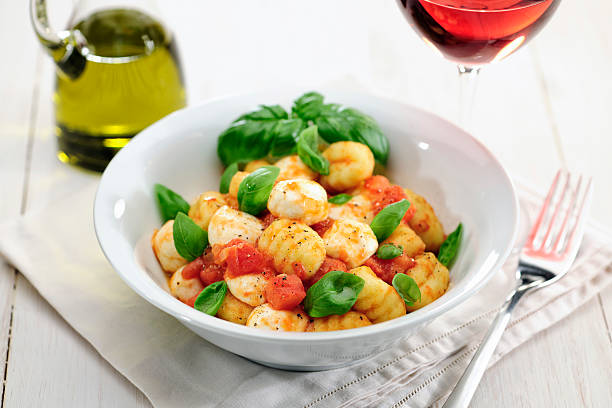
Chianti and Sangiovese make a classic match for gnocchi drenched in a bright tomato sauce. The wine’s bright acidity cuts through the pillowy potatoes while its cherry‑and‑herb notes echo the sauce’s basil and garlic.
Serve the Chianti slightly chilled (around 60°F) to enhance its fruit freshness, and choose a young, medium‑bodied Sangiovese if you prefer a softer tannic structure.
When the sauce includes a touch of red pepper flakes, the subtle spice in a traditional Chianti Classico will balance the heat without overwhelming the delicate gnocchi texture.
Decant for 15‑20 minutes if the wine is a more robust vintage, allowing the aromas to open up and integrate with the dish. Pairing this combination with a light appetizer, such as bruschetta, further prepares the palate for the harmonious blend of acidity, fruit, and soft starch.
Barbera recommendations
Barbera’s high acidity and low tannins make it an excellent companion for tomato‑based gnocchi dishes, especially when the sauce is rich with roasted red peppers or a splash of balsamic.
The wine’s bright raspberry and plum flavors mirror the sweet‑tart profile of the tomatoes, while its subtle earthiness reinforces any mushroom or pancetta additions. Choose a Barbera d’Asti or Barbera d’Alba for a fruit‑forward profile, and serve it at cellar temperature (around 58‑62°F) to preserve its crisp edge.
If the sauce leans toward a spicy arrabbiata, the natural peppery note in Barbera will echo the heat without adding bitterness. Give the bottle a brief swirl before sipping to release aromatic compounds and align them with the herbaceous basil and oregano in the sauce.
This pairing also works well with a side of roasted vegetables, creating a balanced meal where acidity, fruit, and savory elements coexist.
Rosé alternatives
Rosé alternatives provide a refreshing bridge between the soft texture of gnocchi and the tangy vigor of a tomato sauce. A dry, Provençal rosé offers crisp red‑fruit notes and a hint of minerality that lifts the sauce’s acidity while keeping the palate light.
Serve the rosé well‑chilled (around 50‑55°F) to accentuate its bright citrus edge, which pairs beautifully with the garlic and fresh basil typical of gnocchi marinara.
If you prefer a fruitier style, a Sangiovese‑based rosé from Tuscany delivers richer strawberry and cherry flavors that complement a sauce enriched with sun‑dried tomatoes or olives. Allow the wine to breathe for a few minutes after opening to soften any sharpness and reveal its floral aromatics.
This combination works especially well with a simple side salad dressed in a lemon‑olive‑oil vinaigrette, creating a cohesive dining experience where the rosé’s acidity, fruit, and subtle spice echo the dish’s core ingredients.
Best Wine Choices for Gnocchi in Creamy Sauces
Chardonnay and buttery whites
Pairing gnocchi in a rich, creamy sauce with a Chardonnay creates a harmonious balance of texture and flavor. Choose a lightly oaked or unoaked Chardonnay to let the wine’s bright acidity cut through the buttery sauce without overwhelming the delicate potato pillows.
Look for notes of green apple, lemon zest, and subtle vanilla that echo the sauce’s dairy richness. Serve the wine slightly chilled, around 50‑55°F, to preserve its crispness while allowing the buttery mouthfeel to complement the gnocdi.
If you prefer a European style, a white Burgundy offers a similar profile with added minerality, enhancing the dish’s herbaceous elements such as sage or parsley. Avoid heavily buttery or overly sweet whites, as they can make the sauce feel cloying.
A well‑chosen Chardonnay will lift the creaminess, cleanse the palate, and make each bite feel lighter and more refined.
Pinot Noir for cream
Pinot Noir’s bright red fruit and subtle earth tones make it an unexpected yet brilliant partner for gnocchi drenched in a velvety cream sauce. Select a light‑to‑medium bodied Pinot with soft tannins so the wine doesn’t dominate the dish’s delicate texture.
Aromas of cherry, raspberry, and a whisper of mushroom echo the sauce’s richness while the wine’s natural acidity slices through the buttery base, refreshing the palate between bites. Serve slightly cooler than typical red wine, around 55‑60°F, to highlight its fruitiness without emphasizing alcohol heat.
This temperature also helps the wine’s silky mouthfeel meld with the creamy sauce, creating a seamless transition from fork to glass.
Pairing with a Pinot from cooler climates—such as Burgundy, Oregon’s Willamette Valley, or New Zealand’s Central Otago—adds a touch of minerality that complements herbs like thyme or rosemary often used in gnocchi recipes.
Avoid overly oaky or high‑alcohol Pinot, as they can overwhelm the subtle flavors of the potatoes and cream.
Verdicchio and other whites
Verdicchio, a crisp Italian white from the Marche region, offers a bright citrus backbone and a hint of almond that pairs beautifully with gnocchi bathed in a cheese‑laden cream sauce.
Opt for a Verdicchio Classico Riserva to benefit from its slightly fuller body and pronounced minerality, which balances the sauce’s richness without adding heaviness. Flavors of green apple, lemon peel, and subtle herbal notes mirror the fresh herbs—such as basil or chives—often stirred into the gnocchi mixture.
Serve the wine well chilled, around 48‑52°F, to keep its acidity lively and to cleanse the palate after each creamy mouthful. If Verdicchio is unavailable, alternatives like Soave, Pinot Grigio, or a dry Austrian Grüner Veltliner provide similar acidity and a clean finish that accentuates the dish’s buttery texture.
Steer clear of overly sweet or heavily oak‑influenced whites, as they can clash with the delicate potato flavor and mask the nuanced cheese tones in the sauce.
How to Pair Gnocchi with Pesto or Herb Sauces
Sauvignon Blanc match
Sauvignon Blanc is a classic companion for gnocchi tossed in pesto or bright herb sauces. Its lively acidity cuts through the buttery softness of the potato dumplings, while citrus and green‑apple aromas echo the basil, parsley, and mint in the sauce.
Look for a New Zealand or Loire Valley expression that offers crisp minerality and a hint of tropical fruit; these nuances lift the dish without overwhelming it.
Serve chilled at 45‑50 °F to keep the wine refreshing, and consider a slight spritz of lemon zest on the plate to mirror the wine’s zing. Pairing works especially well when the gnocchi includes a touch of ricotta, as the cheese softens the wine’s edge and creates a harmonious mouthfeel.
Avoid overly oaked styles, which can mask the delicate herb flavors and make the pairing feel heavy overall.
Vermentino suggestions
Vermentino, with its saline edge and fragrant citrus profile, pairs beautifully with gnocchi dressed in pesto or herbaceous sauces that feature lemon zest or pine nuts.
The wine’s bright acidity mirrors the sauce’s olive‑oil base, while subtle notes of white peach and Mediterranean herbs amplify the freshness of basil, oregano, or thyme.
Choose a coastal Italian or Sardinian Vermentino that shows a touch of minerality and a gentle herbaceous finish; this will echo the garden flavors on the plate and keep the palate lively. Serve slightly cooler than typical whites, around 50‑55 °F, to accentuate its crispness without muting the aromatic lift.
When the gnocchi incorporates a light cream or mascarpone swirl, the wine’s slight salinity balances the richness, creating a seamless dialogue between sea‑salted nuance and buttery dough. Steer clear of heavily oak‑aged versions, as they can dominate the delicate herb notes and disrupt the intended harmony.
Light reds like Gamay
Light‑bodied reds such as Gamay bring a playful fruitiness that can complement gnocchi paired with pesto or herb sauces, especially when the dish includes roasted vegetables or a sprinkle of grated Parmesan.
The wine’s soft tannins and bright red‑berry flavors—think raspberry, cherry, and a hint of pepper—contrast the creamy texture of the dumplings while echoing the herbaceous backbone of basil or sage.
Opt for a Beaujolais Villages or a cooler‑climate Gamay that showcases lively acidity and a touch of earthiness; this balance prevents the wine from overwhelming the delicate sauce. Serve at cellar temperature, around 55‑60 °F, to allow the fruit aromas to shine without becoming too warm.
If the gnocchi is finished with a drizzle of browned butter, the subtle spice in Gamay’s peppery edge will mirror the nutty notes, creating a cohesive tasting experience.
Avoid heavily tannic or overly oaked reds, as they can mask the freshness of the herb sauce and make the pairing feel heavy.
Seasonal Wine Pairings for Gnocchi
Spring: fresh whites
Spring brings bright, herbaceous flavors that complement the light texture of gnocchi. Pair the dumplings with a crisp, aromatic white such as Sauvignon Blanc or Vermentino. Look for citrus notes, green apple, and a touch of minerality to echo spring vegetables like peas or asparagus.
Serve the wine slightly chilled, around 45–50°F, to enhance its refreshing acidity. If you prefer a slightly richer profile, a young Pinot Grigio with subtle stone‑fruit aromas works well, especially with lemon‑butter gnocchi sauces.
Key tip: match the wine’s acidity to the sauce’s richness; higher acidity cuts through creamy sauces, while a softer palate pairs nicely with butter‑based preparations.
A quick tasting note: a glass of Sauvignon Blanc should reveal bright grapefruit, a hint of grass, and a clean finish that lifts the delicate potato base without overwhelming it.
Fall: earthy reds
Fall’s cooler evenings call for richer, earth‑toned reds that stand up to heartier gnocchi dishes. A Chianti Classico offers bright cherry, dried‑herb, and subtle tannins that complement tomato‑based sauces or mushroom ragù. The wine’s natural acidity balances the sauce’s fat, while its rustic profile mirrors the season’s root vegetables.
For a softer, plush mouthfeel, try a Barbera d’Asti with its low‑tannin structure and flavors of plum, blackberry, and a whisper of spice. Pro tip: serve the red slightly below room temperature, around 60–65°F, to keep the fruit forward and the tannins gentle.
Pairing gnocchi baked with sage, browned butter, and roasted squash with these reds creates a harmonious blend of sweet, savory, and earthy notes. The wine’s lingering finish will echo the caramelized edges of the gnocchi, making each bite feel warm and satisfying.
Winter: full-bodied options
Winter calls for full‑bodied wines that can hold their own against rich, buttery gnocchi preparations and robust sauces.
A Barolo delivers deep tannins, notes of dried rose, tar, and dark cherry that cut through creamy truffle or gorgonzola sauces, while its firm structure adds depth to baked gnocchi with browned cheese.
If you prefer a slightly softer profile, a Ribera del Duero aged in oak offers velvety plum, chocolate, and a touch of vanilla, providing a luxurious match for gnocchi tossed in a hearty beef ragù.
Serving suggestion: decant the wine for 30‑45 minutes to soften tannins and release aromatics, then serve at 64–68°F to showcase its full flavor spectrum. The wine’s lingering, smoky finish will complement the oven‑roasted edges of the gnocchi, creating a comforting, indulgent dining experience that warms the palate on cold nights.
Practical Tips for Serving Wine with Gnocchi
Temperature guidelines
Start by chilling white wines to a crisp 45‑48°F (7‑9°C) and serving light reds slightly cooler than room temperature, around 55‑60°F (13‑16°C). Cooler temperatures preserve acidity, which cuts through the buttery texture of potato gnocchi, while a modest chill in reds keeps tannins soft enough not to overwhelm delicate sauces.
If you’re pairing a buttery sage or cream sauce, opt for a well‑chilled Chardonnay or a lightly chilled Pinot Noir. For tomato‑based or pesto sauces, a slightly warmer red such as Chianti at 58°F works best, allowing fruit flavors to shine.
Always let the wine rest in the glass for a minute after pouring; this brief aeration stabilizes temperature and releases aromatics, ensuring each sip matches the dish’s richness.
Check the bottle label for serving suggestions, but trust your palate; a few extra seconds of breathing can enhance the harmony between wine and gnocchi.
Glassware selection
Choose a glass that highlights the wine’s structure while complementing gnocchi’s soft mouthfeel. For white wines, a tulip‑shaped glass with a slightly narrowed rim concentrates aroma and acidity, guiding the scent of citrus or stone fruit toward the nose. This focus enhances the wine’s ability to cut through creamy sauces.
Red wines benefit from a larger, rounded bowl that allows gentle swirling; the increased surface area promotes soft tannin integration with the dish’s buttery elements. When serving a rosé or light red, a universal stemmed glass works well, offering enough volume for slight aeration without losing freshness.
Avoid overly narrow coupe glasses, which trap aromas and mute the subtle flavors needed to balance the delicate potato base of gnocchi. Proper glassware ensures each sip delivers the right balance of fruit, acidity, and texture alongside the pasta.
Food and wine pacing
Synchronize each bite of gnocchi with a complementary sip to maintain flavor continuity. Begin the meal with a light aperitif wine, such as a dry Prosecco, cleansing the palate before the first forkful.
As you serve the first course—often a simple butter‑sage gnocchi—pair it with a crisp Pinot Grigio; take a sip just before the bite so the wine’s acidity prepares the tongue for the buttery morsel.
When the sauce evolves to a richer tomato or meat ragù, transition to a medium‑bodied red like Barbera, allowing the wine to match the sauce’s intensity. Keep the pacing steady: one sip for every two to three bites ensures the wine remains present but not overpowering.
Finally, conclude with a modestly sweet dessert wine if the dish ends on a sweet note, letting the lingering fruit echo the lingering cheese or herb finish.
Frequently Asked Questions
What type of wine pairs best with potato gnocchi?
A light to medium-bodied white wine such as Pinot Grigio or a dry Italian Soave complements the soft texture and mild flavor of potato gnocchi without overwhelming it.
Can I pair red wine with gnocchi?
Yes, especially if the gnocchi is served with a rich tomato sauce or meat ragù; a Chianti or a light Sangiovese provides enough acidity to balance the sauce.
What wine works well with gnocchi in a cream sauce?
A buttery Chardonnay, particularly one with moderate oak, matches the richness of cream sauces and enhances the dish’s silky mouthfeel.
Is sparkling wine a good match for gnocchi?
A dry sparkling wine like Prosecco or a Brut Champagne can cut through buttery or cheese-heavy gnocchi dishes, refreshing the palate between bites.
How does the sauce influence the wine choice for gnocchi?
The sauce is the key factor: tomato‑based sauces pair with acidic reds, pesto calls for herbaceous whites like Sauvignon Blanc, and butter or cheese sauces suit fuller whites or light reds.
What regional Italian wines pair with traditional gnocchi?
Italian wines such as Verdicchio from the Marche, Gavi from Piedmont, or a young Barbera from the Piedmont hills complement classic Italian gnocchi preparations.
Can I serve rosé with gnocchi?
A dry rosé, especially one from Provence or Italy’s Cerasuolo, offers bright fruit and acidity that works well with both tomato‑based and light cream sauces.
Conclusion
Choosing the right wine for gnocchi enhances every bite, whether you pair pillowy potato pillows with a crisp Pinot Grigio, a buttery Chardonnay, or a bright Chianti for richer sauces. Remember to match the wine’s acidity and body to the dish’s flavor profile and texture. Experiment with these suggestions, trust your palate, and enjoy the harmonious dining experience that perfect pairings bring.