What Wine Goes With Dessert
Wondering which wine to pair with your favorite sweet treat? You’re in the right place. In the next few lines we’ll quickly match classic desserts with the perfect sips, from luscious late‑harvest whites to silky ruby ports and sparkling options that elevate fruit tarts. Whether you crave a light, fruity finish or a rich, indulgent companion, we’ve got the simple, tasty pairings you need right now. Stay tuned, enjoy discovering your perfect dessert wine match today.
How to Choose the Right Dessert Wine
Match sweetness level
Begin by comparing the sugar content of the dessert with that of the wine. A dessert that is lightly sweet, such as a fruit tart, pairs best with a wine whose residual sugar is just a touch higher, like a Moscato d’Asti or a semi‑dry Riesling.
For richer, syrupy desserts—think chocolate mousse or caramel flan—choose a wine with pronounced sweetness, such as Sauternes, Tokaji Aszú, or a late‑harvest Zinfandel. The rule of thumb is that the wine should be at least as sweet as the dessert to avoid a bitter aftertaste.
Taste both components side by side; if the wine feels thin or the dessert overwhelms, step up to a sweeter style. This matching ensures the palate remains harmonious, allowing the flavors to complement rather than compete. Serve the wine slightly chilled to enhance its fruit nuances and preserve the balance.
Consider flavor intensity
When pairing, think about the dominant flavors in the dessert and choose a wine that can stand up to them. A dark chocolate torte, with its deep cocoa bitterness, calls for a wine that offers comparable intensity, such as a fortified Port, a rich Banyuls, or an aged Madeira.
These wines bring bold fruit, nutty, and caramel notes that echo the dessert’s complexity. Conversely, a delicate lemon curd or a light vanilla panna cotta benefits from a more subtle wine like a Gewürztraminer or a low‑alcohol ice wine, whose aromatic profile adds brightness without overwhelming.
Match the strength of spice, fruit, or cocoa with a wine that mirrors that level; a spicy pumpkin pie pairs nicely with a slightly sweet, aromatic Riesling, while a berry‑filled cheesecake can be highlighted by a ruby‑colored, fruit‑forward Lambrusco.
By aligning intensity, the pairing feels cohesive rather than one component dominating the other.
Balance acidity and alcohol
Acidity acts as a palate cleanser, while alcohol contributes body and warmth; both must be in harmony with the dessert’s texture.
A creamy cheesecake or a buttery tiramisu can handle a wine with moderate alcohol (10‑13% ABV) and bright acidity, such as an off‑dry Chenin Blanc or a crisp Prosecco, which cut through richness and keep the finish lively.
For fruit‑forward desserts like peach cobbler or raspberry tart, choose a wine where crisp acidity outweighs the alcohol, for example a Brachetto d’Acqui or a slightly sweet Albariño; the tartness lifts the fruit while the gentle alcohol prevents the pairing from feeling flat.
Avoid overly high‑alcohol dessert wines with low acidity when serving light pastries, as the heat can mask subtle flavors. Strive for a balanced ratio so the wine refreshes the mouth without overwhelming the dessert’s delicate nuances.
What Types of Dessert Wines Pair Best with Common Desserts
Chocolate desserts
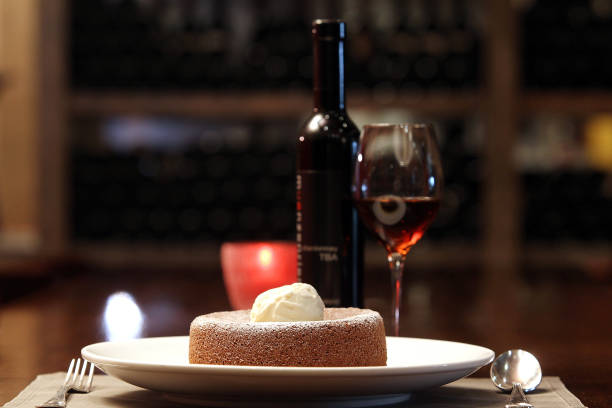
Chocolate desserts demand wines that can match their intensity and richness. Ruby port offers deep berry flavors and a velvety texture that stand up to dark chocolate ganache or flourless cake.
For a slightly lighter option, a Banyuls from France provides nutty caramel notes and a hint of orange zest, complementing chocolate mousse. Zinfandel with its jammy fruit and subtle spice can also work well with chocolate brownies, especially when the sauce includes a touch of cinnamon.
When serving chocolate truffles, consider a sweet Shiraz that mirrors the chocolate’s boldness while adding a peppery finish. Always serve these wines slightly chilled, around 55°F, to keep the alcohol from overwhelming the dessert.
The key is to choose a wine with enough sweetness and body to echo the dessert’s cocoa depth without becoming cloying. Pairing wisely enhances both the wine and the treat.
Fruit-based desserts
Fruit‑based desserts thrive with wines that echo their bright acidity and natural sweetness. A Moscato d’Asti delivers gentle fizz, honeyed peach notes, and low alcohol, making it perfect for strawberry shortcake or peach cobbler.
For desserts featuring citrus or berries, a Riesling from Germany’s Mosel region offers crisp minerality, green apple zest, and a balanced off‑dry finish that lifts the fruit without masking it.
Sauternes, with its luscious apricot and honeyed orange blossom aromas, pairs beautifully with baked apples, poached pears, or a classic tarte Tatin, adding depth to the caramelized edges. When serving a mixed‑berry parfait, consider a late‑harvest Gewürztraminer whose aromatic spice and lychee flavors complement the berries’ tartness.
Serve these wines chilled, between 45‑50°F, to preserve their refreshing character and ensure the fruit flavors remain vivid and harmonious. A well‑chosen wine turns the dessert into a memorable finale.
Creamy and custard desserts
Creamy and custard desserts call for wines that balance richness with a touch of acidity to cut through the silkiness. A late‑harvest Chenin Blanc from the Loire Valley offers honeyed quince, ripe pear, and a refreshing acidity that brightens vanilla panna cotta or a classic crème brûlée.
Tokaji Aszú from Hungary provides layered apricot, orange marmalade, and a subtle minerality, making it an elegant partner for baked custard tarts or a delicate lemon curd mousse.
For a North‑American option, an ice wine from Canada brings intense tropical fruit, caramel, and balanced sweetness that pairs wonderfully with a rich chocolate‑flavored mousse or a caramel‑sauce soufflé.
Serve these wines slightly cooler than red wines, around 50‑52°F, to maintain their aromatic intensity while keeping the palate refreshed between bites. Choosing the right wine elevates the dessert, leaving a lingering, harmonious finish.
Tips for Pairing Sparkling Wines with Sweet Treats
When to use Champagne
Champagne’s high acidity and fine bubbles make it a versatile partner for a range of desserts, especially those with rich, buttery or caramel flavors. Choose Brut or Extra‑Dry styles when serving creamy cheesecakes, panna cotta, or fruit tarts, as the subtle dryness balances the sweetness without overwhelming the palate.
For desserts featuring toasted nuts, chocolate ganache, or caramelized sugar, opt for a slightly sweeter Demi‑Sec to echo the caramel notes while keeping the wine lively. Serve the wine chilled, around 45‑50°F (7‑10°C), to preserve its crispness and ensure the bubbles remain lively.
Remember to pair the intensity of the Champagne with the dessert’s richness; a delicate Blanc de Blancs works best with light fruit desserts, while a fuller-bodied Blanc de Noirs can stand up to richer chocolate creations.
A good rule of thumb is to match the wine’s acidity level with the dessert’s sweetness, ensuring a harmonious finish.
Prosecco and Moscato options
Prosecco and Moscato are fruit‑forward sparkling wines that excel with lighter, sweeter desserts thanks to their lower alcohol and pronounced aromatics.
Select a dry‑style Prosecco (Extra Dry or Brut) for pastries such as lemon bars, almond biscotti, or strawberry shortcake; the crisp acidity cuts through the sugar while the subtle apple and pear notes complement the fruit.
For desserts that are very sweet or feature tropical flavors—think mango sorbet, peach cobbler, or honey‑drizzled baklava—choose a semi‑sweet Moscato d’Asti whose honeyed orange blossom and apricot aromas echo the dessert’s profile without adding heaviness.
Serve both wines well‑chilled at 40‑45°F (4‑7°C) to keep the fruit flavors bright and the bubbles lively. Tip: keep the glass half‑filled to allow the aromas to gather, and avoid overly rich sauces that can mute the wine’s delicate perfume overall.
Serving temperature guidelines
Temperature is a crucial factor that can make or break the pairing of sparkling wine with dessert, as it influences acidity, sweetness perception, and bubble vigor.
Aim for 45‑50°F (7‑10°C) for Champagne and dry Prosecco, which preserves their crisp structure and highlights citrus and mineral notes that cut through creamy or buttery sweets.
For sweeter styles such as Demi‑Sec Champagne, Moscato d’Asti, or Asti Spumante, a slightly warmer range of 50‑55°F (10‑13°C) allows the fruit aromatics to open up and the sugar to feel balanced rather than cloying.
If the wine is served too cold, the flavors become muted and the dessert may dominate; too warm and the bubbles lose their lift, making the wine taste flat.
Practical tip: place the bottle in an ice‑water bath for 10‑15 minutes to reach the ideal temperature quickly, and keep it on a chilled wine bucket during service to maintain consistency.
Best Red Dessert Wines for Rich Desserts
Port and its styles
Port is a classic companion for chocolate truffles, cheese plates, and berry‑laden tarts. Choose a Tawny Port for nutty, caramel flavors that echo caramelized nuts in a pecan pie, while a Ruby Port offers bright fruit that lifts a dark chocolate mousse.
For special occasions, Vintage Port provides deep, structured tannins that stand up to rich, flourless chocolate cake. Serve Port slightly chilled at 12‑14 °C to soften its alcohol edge and release aromatic notes of dried figs, cinnamon, and leather.
Pairing tips: match the sweetness level of the wine with the dessert’s sugar intensity, and consider texture—silky desserts pair best with the smooth mouthfeel of a well‑aged Tawny. A small 60 ml pour is enough to enjoy the wine’s complexity without overwhelming the palate.
Enjoy it alongside a slice of crème brûlée for an extra layer of caramelized sugar that mirrors the Port’s amber hue.
Madeira for caramel desserts
Madeira’s oxidative character makes it a superb match for caramel, toffee, and burnt‑sugar desserts. Select a Bual or Malmsey style for honeyed richness that amplifies the buttery notes in a caramel flan, while a Sercial offers crisp acidity to cut through a sticky caramel sauce.
Serve Madeira at 13‑15 °C to showcase its nutty, toasted‑almond aromas and lingering spice. When pairing, align the wine’s residual sugar with the dessert’s sweetness; a sweeter Malmsey can balance a dense chocolate‑caramel tart, whereas a drier Sercial brightens a light caramel‑apple crumble.
The wine’s natural acidity also refreshes the palate between bites, preventing cloying heaviness. A modest 50 ml serving is sufficient to enjoy the wine’s layered complexity and to let the dessert’s flavors shine without competition.
Pair it with a drizzle of sea‑salted caramel over vanilla ice cream for a luxurious contrast of sweet and savory.
Late Harvest Zinfandel uses
Late‑harvest Zinfandel brings jammy fruit, spice, and a touch of residual sugar that pairs beautifully with chocolate‑based desserts and spiced cakes. Choose a late‑harvest Zinfandel for its ripe blackberry, plum, and cinnamon notes that echo the flavors of a molten chocolate lava cake or a ginger‑spiced pumpkin pie.
Serve slightly chilled at 13 °C to soften its bold alcohol and highlight the silky mouthfeel. When matching, consider the dessert’s intensity; the wine’s natural sweetness can balance a bitter dark chocolate tart, while its peppery undertone complements nut‑filled pastries.
The wine’s moderate acidity cleanses the palate, preventing the dessert from feeling overly heavy. A 60 ml pour provides enough depth to explore the interplay of fruit and spice without overwhelming the sweet treat.
Serve it alongside a scoop of cinnamon‑spiced ice cream to accentuate the wine’s warm spice and create a harmonious finish.
White and Fortified Wines for Light Desserts
Sauternes with pastries
Sauternes, the golden honeyed wine from Bordeaux, pairs beautifully with delicate pastries such as croissants, almond tarts, and cream puffs. Serve chilled at 10‑12 °C to preserve its aromatic freshness.
The wine’s high residual sugar and balanced acidity cut through buttery layers, while notes of apricot, honey, and toasted nuts echo the pastry’s flavors. For a perfect match, choose pastries with a light glaze or a subtle almond filling; avoid overly chocolate‑intense desserts that can overwhelm the wine.
Taste a sip first, then let a bite follow to experience the seamless transition from fruit‑forward sweetness to creamy texture. When hosting, present Sauternes in slender white wine glasses and provide a small spoon for drizzling extra honey if desired, enhancing the harmony between wine and dessert.
Pair it with a light dusting of powdered sugar on the pastry to accentuate the wine’s floral aroma.
Ice wine for fruit tarts
Ice wine, harvested from grapes frozen on the vine, offers intense concentration of ripe fruit and crisp acidity that makes it an ideal partner for fruit tarts. Serve well‑chilled around 8‑10 °C to keep its vibrant aromatics alive.
The luscious notes of peach, lychee, and tropical mango mirror the fresh berries or stone‑fruit fillings, while the wine’s bright acidity balances the tart’s buttery crust. Choose tarts with a light custard or a thin glaze rather than heavy cream bases, allowing the ice wine’s sweetness to shine without competition.
Take a sip first, then enjoy a bite; the interplay of cool fruit flavors and the wine’s lingering honeyed finish creates a refreshing climax. For a polished presentation, drizzle a thin ribbon of ice‑wine reduction over the tart just before serving, highlighting the synergy between dessert and wine.
Vin Santo with biscotti
Vin Santo, Italy’s amber‑colored dessert wine, is traditionally paired with crunchy biscotti, creating a classic finish to a meal. Serve slightly warm at 12‑14 °C to release its nutty aroma and silky texture.
The wine’s flavors of dried apricot, caramel, and toasted almond complement the almond‑laden biscotti, while its moderate acidity cuts through the cookie’s sugar, preventing cloyiness.
Opt for biscotti that are lightly toasted and contain citrus zest or chocolate chips for a nuanced contrast; the wine’s honeyed depth will enhance these accents.
Sip a small amount, then dip a biscotti corner into the glass; the brief soak softens the biscuit, allowing the Vin Santo to infuse its rich, lingering notes.
For an elegant touch, serve the pairing on a small wooden board with a few fresh figs, reinforcing the Mediterranean character of the wine and dessert.
How to Serve Dessert Wine Properly
Glassware selection
Choose a glass that highlights the delicate aromatics and sweetness of dessert wine. Opt for a smaller, tulip‑shaped glass with a narrow rim to concentrate fragrance while allowing a modest pour of 3‑4 ounces. Avoid large, wide‑bowl glasses that dilute intensity and cause premature oxidation.
Crystal or thin‑walled glass enhances temperature control and visual clarity, letting you appreciate the wine’s golden hue. If serving multiple styles, consider a universal dessert glass that balances elegance with practicality, ensuring each sip delivers the intended balance of fruit, acidity, and residual sugar.
Proper glassware not only improves sensory perception but also signals a thoughtful presentation to guests. When pairing with desserts, match the glass size to the wine’s body; lighter Moscato benefits from a petite flute, while a rich Sauternes shines in a slightly larger coupe.
Consistent glass shape across courses helps maintain palate continuity and prevents confusion between dry and sweet selections.
Ideal serving temperatures
Serve dessert wine at a temperature that accentuates its sweetness without masking flavor nuances. Chill light, low‑alcohol wines such as Moscato, Riesling, or Brachetto to 45‑50 °F (7‑10 °C); this crisp chill brightens acidity and highlights fruit notes while keeping the sugar perception balanced.
Fuller‑bodied, fortified options like Port, Madeira, or Sauternes perform best slightly warmer, around 55‑60 °F (13‑16 °C), allowing aromatic compounds to unfurl and the palate‑softening richness to emerge.
Use a wine fridge or an ice bucket with a thin layer of ice and water for precise control, and avoid over‑chilling, which can mute the wine’s complexity. Before serving, let the bottle rest for a few minutes after removal from the cooler to reach the target range.
Temperature awareness ensures the dessert and wine complement each other, delivering a harmonious finish to the meal.
Decanting and storage tips
While many dessert wines are ready to drink straight from the bottle, certain aged or fortified styles benefit from gentle decanting to remove sediment and awaken aromas.
Allow older Ports, Vintage Sauternes, or aged Madeira to stand upright for 12‑24 hours before opening, then pour slowly into a decanter, leaving the last ounce in the bottle to capture any residual lees.
For younger, aromatic wines, a brief 10‑15 minute aeration in a glass can enhance fruit expression without risking oxidation. Store unopened bottles in a cool, dark environment with a constant temperature of 55‑60 °F (13‑16 °C) and 70 % humidity; avoid vibrations and direct sunlight.
Once opened, reseal with a wine stopper and refrigerate; most dessert wines retain their character for 3‑5 days, though fortified varieties may last up to two weeks. Proper decanting and storage preserve the wine’s balance, ensuring each dessert pairing remains delightful.
Common Mistakes to Avoid When Pairing Wine and Dessert
Overpowering the dessert
To keep the dessert shining, avoid selecting a wine that overwhelms its delicate flavors. Choose a wine with a lighter body and subtle aromatics so the pastry, fruit, or chocolate can still be tasted.
For example, a lightly chilled Moscato d’Asti pairs well with a lemon tart because its gentle fizz and low alcohol let the citrus notes lead. Resist the urge to reach for a high‑alcohol, full‑bodied red such as a Cabernet Sauvignon, which would dominate a creamy custard.
Instead, match the intensity: a modestly sweet Riesling works better with a spiced apple crumble, while a delicate sparkling wine complements a vanilla panna cotta. By keeping the wine’s power in check, you preserve the dessert’s texture and nuance, creating a harmonious finish rather than a clash of flavors.
Serve the wine slightly chilled and sip slowly to let the flavors evolve together, ensuring the dessert remains the star of the pairing.
Ignoring acidity balance
Acidity is the hidden bridge that links wine to sweet desserts; ignoring it can leave the palate feeling flat or overly sharp. Select a wine whose acidity matches or exceeds the dessert’s natural tartness to cut through sugar and refresh the mouth.
A bright, high‑acid Sauternes pairs beautifully with a lemon‑blueberry cheesecake, as the wine’s crisp acidity balances the rich cream and fruit. Conversely, a low‑acid, overly sweet wine like a late‑harvest Muscat can make a citrus‑based tart taste cloyingly sour.
Taste the dessert first, note its bright or mellow notes, then choose a wine with a complementary acid profile. For fruit‑forward desserts, opt for wines such as a dry Riesling or a sparkling Prosecco, whose lively acidity lifts the fruit flavors without overwhelming them.
Maintaining this acid equilibrium ensures each bite feels clean and the wine enhances, rather than masks, the dessert’s character.
Choosing the wrong sweetness level
The sweetness of the wine must at least equal the dessert’s sugar level; choosing a wine that’s too dry leaves the dessert tasting bitter, while an overly sweet wine can drown subtle flavors.
Aim for a wine whose residual sugar matches or slightly exceeds the dessert’s sweetness to create a seamless finish. A semi‑sweet Pinot Grigio with a hint of honey pairs well with a caramel‑topped flan, as the wine’s gentle sweetness lifts the caramel without overpowering the custard.
In contrast, a bone‑dry Brut Champagne would highlight any residual bitterness in a chocolate mousse, making the pairing feel disjointed. Check the label for “off‑dry,” “semi‑sweet,” or “late‑harvest” designations to gauge sugar content.
Pairing a luscious, late‑harvest Gewürztraminer with a spiced pear tart, for instance, ensures the wine’s sweet fruit notes echo the dessert’s spice, delivering balance and harmony throughout the tasting experience.
Frequently Asked Questions
What type of wine pairs best with chocolate desserts?
A rich, full‑bodied wine such as a ruby Port or a Banyuls complements the deep flavors of chocolate. The wine’s sweetness and tannins balance the bitterness of cocoa.
Which wine should I serve with fruit‑based desserts?
A light, aromatic wine like Moscato d’Asti or a late‑harvest Riesling works well. Their bright acidity and floral notes enhance fresh fruit flavors.
Can sparkling wine be a good match for desserts?
Yes, sparkling wines such as demi‑sec Champagne or Prosecco add a refreshing fizz that cuts through sweet dishes. Their subtle sweetness pairs nicely with pastries and tarts.
What wine pairs with creamy desserts like cheesecake?
A creamy, off‑dry wine such as Sauternes or a sweet Tokaji balances the richness of cheesecake. The honeyed notes complement the dairy base without overwhelming it.
Is it okay to match dessert wines with spicy desserts?
A slightly chilled ice wine or a sweet Gewürztraminer can temper spice while highlighting sweet flavors. Their aromatic profile stands up to heat without clashing.
How do I choose the right sweetness level in a dessert wine?
Match the wine’s residual sugar to the dessert’s sweetness; a very sweet dessert calls for a wine with higher sugar, while a lightly sweet treat pairs better with a semi‑dry wine. This balance prevents either the wine or the dessert from tasting cloying.
Conclusion
Pairing wine with dessert is all about balance—matching sweetness, acidity, and flavor intensity. Light, fruity options like Moscato or Riesling complement fruit tarts, while richer choices such as Sauternes or Tawny Port enhance chocolate and caramel desserts. Remember to consider texture and temperature, and don’t be afraid to experiment. With these guidelines, you’ll confidently select the perfect wine to elevate any sweet finale.