What Is A White Burgundy
Wondering what a white Burgundy is? You’re not alone. Simply put, it’s a white wine from France’s Burgundy region, made primarily from Chardonnay grapes. These wines range from crisp and mineral-driven to rich and buttery, depending on where they’re grown. Whether you’re shopping for a bottle or just curious, understanding white Burgundy helps you pick the perfect wine for any occasion. In this article, we’ll break down its origins, flavor profiles, and top examples—so you can explore with confidence.
What Is a White Burgundy?
Definition of White Burgundy Wine
White Burgundy is a dry white wine produced in the Burgundy region of eastern France, primarily from the Chardonnay grape.
Unlike many other wine regions that blend multiple grape varieties, White Burgundy is almost exclusively made from 100% Chardonnay, allowing the terroir—the unique combination of soil, climate, and topography—to shine through in the wine’s flavor profile.
These wines range from crisp and mineral-driven in cooler areas like Chablis to rich, buttery, and oak-aged expressions from regions such as Meursault and Puligny-Montrachet.
White Burgundies are known for their elegant structure, balanced acidity, and complex aromas of citrus, green apple, pear, and subtle notes of hazelnut or toast when aged in oak. They are highly regarded for their age-worthiness and are benchmarks for Chardonnay worldwide.
Understanding this definition helps wine lovers appreciate the purity and expression of place central to White Burgundy.
How White Burgundy Differs from Red Burgundy
The primary difference between White and Red Burgundy lies in the grape variety and resulting flavor profile. White Burgundy is made from Chardonnay, producing wines with bright acidity, citrus, and stone fruit notes, often enhanced by oak aging for texture and complexity.
In contrast, Red Burgundy is made exclusively from Pinot Noir, yielding lighter-bodied red wines with red fruit aromas like cherry and raspberry, earthy undertones, and silky tannins.
While both reflect their terroir, White Burgundies emphasize crispness and minerality, especially in cooler sub-regions like Chablis, whereas Red Burgundies highlight aromatic complexity and elegance. Winemaking techniques also differ—White Burgundies often undergo malolactic fermentation and barrel aging for richness, while Red Burgundies focus on preserving freshness and structure.
Additionally, White Burgundies typically pair with seafood, poultry, and creamy sauces, while Red Burgundies complement roasted meats and mushroom-based dishes. Recognizing these distinctions enhances food pairing and tasting experiences.
Common Misconceptions About White Burgundy
One of the most common misconceptions is that all White Burgundies are buttery and oaky, like heavily aged New World Chardonnays. In reality, styles vary widely—wines from Chablis are typically unoaked, steely, and mineral-driven, emphasizing freshness over richness.
Another misconception is that White Burgundy is sweet; however, these wines are almost always dry, with acidity balancing any perceived fruitiness.
Some also believe that White Burgundy is not age-worthy, but top-tier examples from producers in Meursault or Corton-Charlemagne can evolve beautifully for 10 to 20 years, developing honeyed, nutty complexities.
Lastly, people often assume White Burgundy is interchangeable with any Chardonnay, but its terroir-driven expression and strict appellation rules make it unique. Understanding these nuances helps drinkers choose bottles that match their preferences and appreciate the region’s craftsmanship. Dispelling myths leads to more informed, enjoyable wine experiences.
Grape Varieties Used in White Burgundy
Chardonnay: The Primary Grape
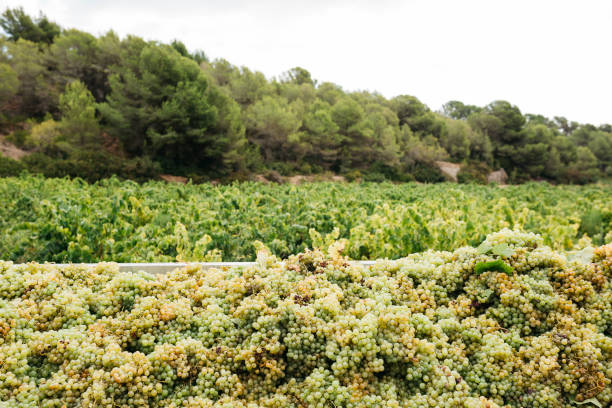
White Burgundy is almost exclusively made from Chardonnay, a versatile white grape variety that thrives in the region’s limestone-rich soils and cool climate. This grape is the sole permitted variety for white wines in appellations like Chablis, Meursault, Puligny-Montrachet, and Chassagne-Montrachet.
Chardonnay’s neutral flavor profile allows it to express terroir with remarkable clarity, reflecting subtle differences in soil, slope, and microclimate across Burgundy’s vineyards. Winemaking techniques such as oak aging, malolactic fermentation, and lees stirring further shape the wine’s character, adding complexity, creaminess, and structure.
In cooler areas like Chablis, Chardonnay produces crisp, mineral-driven wines with high acidity, while in warmer southern zones like the Côte de Beaune, it yields richer, fuller-bodied expressions with stone fruit and buttery notes. Understanding Chardonnay’s dominance is key to appreciating White Burgundy’s identity and prestige.
Lesser-Known Grapes in the Region
While Chardonnay dominates, a few lesser-known white grape varieties are permitted in certain parts of Burgundy, though they play a minimal role in the region’s white wine production. Aligoté, for example, is an officially recognized Burgundian grape grown mainly in the Auxerrois and Côte Chalonnaise areas.
It produces light, crisp, high-acid wines often enjoyed young and affordably, with citrus and green apple notes. Another rare variety, Melon de Bourgogne, once grown in Burgundy, is now more famously associated with Muscadet in the Loire Valley.
Additionally, some historic vineyards may still have traces of Sauvignon Blanc or Pinot Blanc, but these are exceptions and not typical of appellation standards. Despite their limited presence, these grapes offer a glimpse into Burgundy’s viticultural diversity.
However, when someone refers to White Burgundy today, they are almost certainly referring to Chardonnay-based wines, which define the region’s reputation.
How Grape Choice Affects Flavor
The exclusive use of Chardonnay in premium White Burgundy has a profound impact on flavor, allowing for a wide yet consistent spectrum of expressions shaped by terroir and winemaking.
Because Chardonnay is highly responsive to its environment, wines from different subregions showcase distinct profiles: Chablis delivers steely, flinty notes with green apple and citrus, while Meursault offers rich textures with ripe pear, hazelnut, and subtle oak.
Winemaking decisions amplify these differences—fermenting in oak barrels adds vanilla and spice, malolactic conversion softens acidity and introduces creamy textures, and aging on lees enhances mouthfeel and complexity. The absence of aromatic varieties like Sauvignon Blanc means White Burgundy focuses on elegance, structure, and subtlety rather than bold fruitiness.
This emphasis on nuance and balance makes Chardonnay the ideal canvas for expressing Burgundy’s famed terroir, resulting in wines that are both age-worthy and deeply reflective of their origin.
Key Wine Regions for White Burgundy

Chablis: Crisp and Mineral-Driven
Chablis, located in the northernmost part of Burgundy, is renowned for producing crisp, steely, and mineral-driven Chardonnay that defines the essence of White Burgundy. The region’s Kimmeridgian limestone soils, rich in fossilized oyster shells, impart a distinctive flinty character and vibrant acidity.
Wines from Chablis are typically unoaked or lightly oaked, emphasizing purity of fruit and terroir expression. Chablis Premier Cru and Grand Cru designations offer more concentration and aging potential, with notes of green apple, lemon zest, and wet stone.
These wines pair exceptionally well with oysters, seafood, and light poultry dishes. For those seeking authentic White Burgundy with precision and freshness, Chablis is an essential starting point.
Its cooler climate ensures lower alcohol levels and higher acidity, making it a benchmark for elegant, age-worthy Chardonnay that reflects its unique geology and winemaking tradition.
Côte de Beaune: Rich and Complex Styles
The Côte de Beaune, in central Burgundy, is the heartland of premium White Burgundy, producing some of the world’s most celebrated Chardonnays. Villages like Puligny-Montrachet, Chassagne-Montrachet, and Meursault are famed for rich, full-bodied, and intricately layered wines.
These wines often undergo barrel fermentation and aging, contributing notes of vanilla, toasted almond, and brioche, balanced by vibrant acidity. Premier and Grand Cru vineyards yield wines with exceptional depth, concentration, and longevity.
Meursault, for example, offers lush textures with flavors of ripe pear, honey, and marzipan, while Puligny-Montrachet leans toward elegance and minerality. These wines excel with richer dishes like roasted chicken, creamy pasta, or lobster.
For wine lovers exploring luxurious, age-worthy White Burgundy, the Côte de Beaune delivers unmatched complexity and prestige, showcasing Chardonnay at its most expressive and refined.
Maconnais: Value and Approachability
The Mâconnais region, in southern Burgundy, offers outstanding value and approachability in White Burgundy, making it ideal for both newcomers and seasoned enthusiasts. Best known for Mâcon-Villages and Pouilly-Fuissé, the area produces ripe, fruit-forward Chardonnays with notes of peach, melon, and citrus, often with subtle oak influence.
The warmer climate results in wines with softer acidity and fuller body compared to Chablis or the Côte de Beaune. Many producers here focus on modern, clean winemaking, emphasizing freshness and drinkability. These wines are typically more affordable while still reflecting terroir, especially in elevated vineyards with limestone soils.
Mâconnais whites are perfect for everyday enjoyment and pair beautifully with grilled fish, goat cheese, or roasted vegetables. For those seeking high-quality White Burgundy without the premium price, the Mâconnais delivers consistent quality, charm, and versatility in every bottle.
Tasting Profile of White Burgundy
Aroma and Bouquet Characteristics
White Burgundy, made exclusively from Chardonnay grapes, expresses a refined and nuanced aromatic profile shaped by its terroir. In cooler northern subregions like Chablis, the bouquet is dominated by crisp green apple, lemon zest, wet stone, and flinty minerality, often with a distinctive steely precision.
As you move south toward the Côte de Beaune, the aromas evolve to include ripe pear, white peach, acacia blossom, and subtle floral hints. Many barrel-fermented styles from villages like Meursault or Puligny-Montrachet also exhibit nuanced notes of vanilla, toasted almond, and brioche from aging in French oak.
These aromatic layers are not just pleasing—they signal the wine’s balance and complexity. To fully appreciate the bouquet, serve chilled (10–13°C) in a tulip-shaped glass that concentrates the delicate scents. Swirling the wine helps release its full aromatic potential, enhancing your tasting experience.
Flavor Notes by Subregion
The flavor profile of White Burgundy varies significantly across subregions, reflecting distinct soil types, microclimates, and winemaking traditions. In Chablis, wines deliver razor-sharp acidity with flavors of green apple, lime, and oyster shell, underscored by a signature chalky minerality from Kimmeridgian soils.
Further south, in the Côte de Beaune, villages like Meursault produce richer, rounder wines with flavors of ripe pear, honeyed citrus, and toasted nuts, often enhanced by partial oak aging.
Puligny-Montrachet tends to offer more elegant, linear expressions with notes of lemon curd, wet stone, and white flowers, while Saint-Aubin provides vibrant, value-driven options with crisp orchard fruit and refreshing acidity. Chardonnay’s ability to mirror its environment means each subregion offers a unique taste of place.
Exploring these differences helps identify personal preferences and food pairings.
How Aging Influences Taste
Aging profoundly transforms the taste of White Burgundy, adding complexity, texture, and depth over time. Young White Burgundies emphasize freshness and primary fruit, but with age—typically 3 to 10+ years depending on quality—the wine develops honeyed notes, dried apricot, toasted nuts, and a waxy, viscous mouthfeel.
High-quality examples from top vineyards gain remarkable longevity, with acidity acting as a backbone that preserves balance. Oak-aged wines integrate their vanilla and spice elements, softening into a seamless profile. In aged Chablis, the flinty minerality deepens, merging with earthy, umami-like tones.
Proper storage—cool, dark, and humid—is essential to preserve evolution. Tasting aged White Burgundy reveals how terroir expression matures, offering a layered experience beyond fruit. For best results, decant older vintages briefly to open their aromas before serving slightly cooler than room temperature.
How to Serve White Burgundy
Ideal Serving Temperature
Serving white Burgundy at the ideal temperature of 50–55°F (10–13°C) ensures the wine expresses its full aromatic complexity without dulling its vibrant acidity. If served too cold, the wine’s subtle nuances—such as notes of ripe pear, citrus zest, and mineral undertones—can be masked.
To reach this range, chill the bottle in the refrigerator for about 45 minutes before serving; for a quicker method, use an ice-water bath for 15–20 minutes. Avoid over-chilling, as this suppresses the wine’s natural richness and oak integration, especially in more age-worthy Chardonnays from Meursault or Puligny-Montrachet.
Once opened, allow the wine to gradually warm in the glass to reveal evolving layers. Using a wine thermometer helps maintain precision. Serving at the correct temperature enhances balance, bringing harmony between fruit, acidity, and texture, ultimately delivering a more complete and enjoyable tasting experience.
Best Glassware for Appreciation
To fully appreciate white Burgundy, choose a standard white wine glass with a slightly tapered rim—this shape concentrates the wine’s delicate aromas and directs them toward your nose.
The glass should have a generous bowl to allow swirling without spilling, which helps release the complex bouquet of apple, honey, toasted almond, and flint often found in these Chardonnays. Avoid oversized red wine glasses, as they can disperse aromas too widely.
Crystal glassware enhances clarity and aroma perception, though high-quality glass works well too. Hold the stem to prevent warming the wine with your hand. For premium or aged white Burgundies, consider using a Chardonnay-specific glass, which balances volume and taper to highlight both fruit and oak nuances.
Proper glassware elevates the sensory experience, making it easier to detect subtle terroir-driven characteristics and structural elegance inherent in these wines.
Decanting: When It’s Necessary
Most white Burgundies do not require decanting, but older vintages (10+ years) or rich, barrel-fermented styles from producers like Domaine Leflaive or Coche-Dury can benefit from it. Decanting helps soften texture and open up complex aromas of dried fruit, nuts, and earthy minerality that develop with age.
Pour the wine gently into a decanter about 30 minutes before serving to allow it to breathe without losing freshness. For younger, vibrant whites, decanting is usually unnecessary and may strip delicate floral notes.
However, if a bottle smells reductive—displaying notes of struck match or rubber—brief aeration in a decanter can help dissipate these aromas. Always inspect the bottle for sediment before decanting, especially with aged wines. Use a candle or light source beneath the neck to monitor clarity.
Done correctly, decanting enhances depth and balance, revealing the wine’s true potential at its peak moment of maturity.
Food Pairings with White Burgundy
Seafood and Shellfish Matches
White Burgundy, made from Chardonnay grapes in France’s Burgundy region, is known for its crisp acidity, mineral undertones, and subtle oak influence, making it an exceptional partner for seafood.
Its bright citrus and green apple notes cut through the richness of fatty fish like salmon, while its flinty minerality enhances shellfish such as oysters, scallops, and shrimp. Grilled, steamed, or poached preparations work best, especially when paired with light butter or herb-based sauces.
For example, a classic pairing is seared scallops with lemon beurre blanc, where the wine’s acidity balances the sauce’s richness. Avoid overly spicy or heavily smoked seafood, which can overpower the wine’s delicate profile.
The elegant structure and balanced finish of White Burgundy elevate simple seafood dishes into refined culinary experiences, making it a go-to choice for coastal French cuisine and upscale dining.
Poultry and Cream-Based Dishes
White Burgundy’s medium to full body and creamy texture make it ideal for pairing with poultry and dishes featuring rich, creamy sauces. Roast chicken, especially with herbs like thyme and rosemary, harmonizes beautifully with the wine’s buttery notes and subtle oak aging.
The wine’s natural acidity cuts through the fat in cream-based sauces, such as those made with crème fraîche or béchamel, preventing palate fatigue. Try it with chicken in mushroom cream sauce or turkey with a velvety gravy—the earthy umami complements the wine’s complexity.
Duck breast with a fruit reduction also works well, as the wine’s acidity balances the duck’s richness. Avoid overly spicy or tomato-heavy preparations, which can clash with the wine’s profile.
The harmonious balance of fruit, acidity, and oak in White Burgundy makes it a versatile companion for elegant, comforting dishes that highlight French culinary tradition.
Cheese Pairings That Work Well
When selecting cheeses to pair with White Burgundy, focus on creamy, buttery, and mild varieties that mirror the wine’s texture and flavor profile. Soft-ripened cheeses like Brie, Camembert, and Chaource are excellent choices—their rich, lactic qualities are balanced by the wine’s bright acidity and subtle minerality.
Aged Gouda or mild Comté can also work, offering nutty notes that complement the wine’s oak-aged complexity. Avoid overly pungent or blue cheeses, which can overwhelm the delicate Chardonnay. Serve the cheese at room temperature to fully express its flavors and allow the pairing to shine.
For an elevated experience, try a truffle-infused brie with a glass of Meursault—a classic Burgundian combination. The harmony between creamy textures and crisp acidity creates a luxurious mouthfeel, making White Burgundy one of the most satisfying wines for cheese lovers seeking elegance and balance.
Buying and Storing White Burgundy
Tips for Choosing a Quality Bottle
When selecting a quality white Burgundy, focus on the region, producer, and grape variety. White Burgundy is made exclusively from Chardonnay grapes grown in the Burgundy region of France, known for producing elegant, terroir-driven wines.
Look for bottles from renowned sub-regions like Chablis, Meursault, Puligny-Montrachet, or Chassagne-Montrachet, as these consistently deliver complexity and balance. Reputable producers often indicate quality, so research or consult a trusted retailer. Check the label for appellation designations like Premier Cru or Grand Cru, which signify higher quality tiers.
Avoid wines with unclear labeling or unknown négociants. Tasting notes may highlight flavors of citrus, green apple, almond, and mineral undertones, with a crisp acidity and creamy texture in richer styles. Consider starting with a mid-range bottle to explore the style before investing in pricier options.
Tasting before buying in bulk or seeking expert recommendations can also guide your selection.
How Vintage Affects Value
The vintage plays a crucial role in the quality and value of white Burgundy due to the region’s marginal climate. Cooler years may yield wines with higher acidity and leaner profiles, while warmer vintages often produce riper, more concentrated Chardonnays with greater aging potential.
In exceptional years—such as 2014, 2017, or 2020—demand increases, driving up prices, especially for top-tier producers. Conversely, challenging vintages with rain or frost may result in lower yields and inconsistent quality, affecting long-term value. For collectors, aged white Burgundies from great vintages can appreciate significantly.
However, for near-term enjoyment, even good-quality recent vintages offer excellent drinking. Always research vintage reports from trusted sources like Wine Spectator or Jancis Robinson. Consider buying from consistent producers who manage vineyard conditions well, as they often deliver reliable quality across varying years.
Proper Storage Conditions at Home
To preserve the freshness and complexity of white Burgundy, proper storage is essential, especially if aging the wine. Store bottles horizontally in a cool, dark place to keep the cork moist and prevent oxidation.
Ideal conditions include a constant temperature of 50–59°F (10–15°C) and humidity levels around 70% to prevent cork shrinkage. Avoid areas with temperature fluctuations, such as kitchens or garages. UV light and vibrations can degrade wine, so keep bottles away from windows and appliances.
While most white Burgundies are enjoyed within 3–7 years, Premier and Grand Cru wines can age beautifully for a decade or more under optimal conditions. Use a wine fridge or cellar for long-term storage. For immediate consumption, serve chilled at 50–54°F (10–12°C) to highlight its acidity and aromatic profile.
Avoid over-chilling, which can mute flavors.
Frequently Asked Questions
What is a white Burgundy?
A white Burgundy is a white wine produced in the Burgundy region of France, primarily made from Chardonnay grapes. These wines are known for their elegance, complexity, and ability to reflect the terroir of their specific vineyards.
Are all white Burgundies made from Chardonnay?
Yes, the vast majority of white Burgundies are made exclusively from Chardonnay grapes. Other white varieties like Aligoté are grown in Burgundy but are typically labeled specifically as such.
How does white Burgundy differ from other Chardonnays?
White Burgundy tends to emphasize minerality, acidity, and terroir expression, often with less emphasis on oak compared to Chardonnays from regions like California. The cooler climate of Burgundy contributes to a more restrained, nuanced flavor profile.
What food pairs well with white Burgundy?
White Burgundy pairs beautifully with poultry, seafood, creamy sauces, and dishes with butter or mushroom-based preparations. Its balanced acidity and richness make it a versatile food companion.
What are some famous regions for white Burgundy?
Notable regions include Chablis, Côte de Beaune (especially Meursault, Puligny-Montrachet, and Chassagne-Montrachet), and the Mâconnais (known for value-driven wines like Pouilly-Fuissé). Each area produces distinct styles of white Burgundy.
Is white Burgundy sweet or dry?
White Burgundy is typically a dry white wine, with crisp acidity and flavors ranging from citrus and green apple to nutty, toasty notes in aged versions. Residual sugar is usually minimal or absent.
How should white Burgundy be served?
Serve white Burgundy well-chilled, around 50–55°F (10–13°C). Use a white wine glass with a slightly tapered rim to concentrate its subtle aromas and enhance the tasting experience.
How long can I age white Burgundy?
High-quality white Burgundies, especially from top producers and appellations, can age gracefully for 5–15 years or more. Chablis and premier or grand cru wines often have the best aging potential.
Conclusion
White Burgundy refers to white wines from France’s Burgundy region, primarily made from Chardonnay grapes. These wines range from crisp and mineral-driven to rich and buttery, reflecting their terroir. Key appellations include Chablis, Côte de Beaune, and Mâconnais. Understanding labels and regional differences enhances appreciation. Whether you’re a novice or connoisseur, exploring White Burgundy offers a rewarding journey into one of the world’s most celebrated wine traditions—start tasting and discover its timeless elegance.