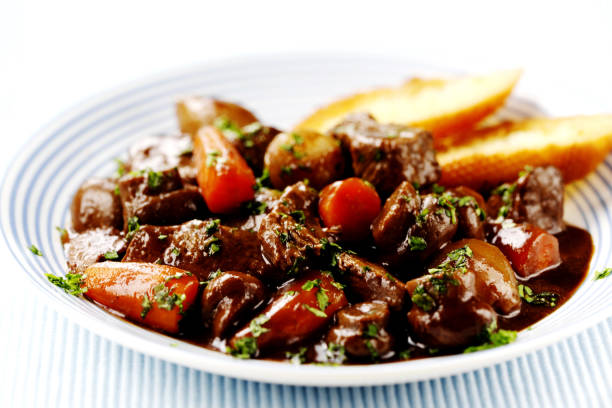
What Wine For Beef Bourguignon
Choosing the right wine for beef bourguignon can feel tricky, but we’ve got you covered. In this quick guide we’ll reveal the classic red that elevates the stew’s rich, earthy flavors, plus a couple of tasty alternatives for different palates. You’ll learn why a Burgundy or a full‑bodied Pinot Noir works best, and how to pick a bottle that complements the dish without breaking the bank. We’ll also share a simple tip for pairing cheese afterward.
What type of wine pairs best with beef bourguignon
Red wines vs. white wines
When choosing a wine for beef bourguignon, start by comparing red and white options. Red wines generally complement the dish’s rich, slow‑cooked beef and earthy vegetables, offering tannins that cut through the fat and enhance the depth of flavor. Classic choices include Pinot Noir, Merlot, and a full‑bodied Cabernet Sauvignon.
White wines can work if you prefer a lighter palate; a crisp, acidic white such as a Chardonnay or a dry Alsace Riesling will highlight the aromatic herbs and bring a refreshing contrast to the sauce.
However, the traditional French preparation calls for a red wine base, so most chefs recommend staying with reds for authenticity. Consider the cooking wine you’ll use—matching it with the serving wine creates continuity, while a contrasting white can add an unexpected twist for adventurous diners.
A good rule of thumb is to select a wine that you would also enjoy drinking alongside the meal, ensuring the flavors harmonize from pot to palate.
Key flavor profiles to match
Beef bourguignon is built on layers of caramelized onions, mushrooms, garlic, and a deep, savory broth enriched with herbs like thyme and bay leaf. To echo these umami‑rich and earthy notes, choose a wine that offers similar flavor dimensions.
A medium‑to‑full‑bodied red with ripe black fruit, subtle spice, and a hint of minerality will mirror the dish’s complexity. Look for wines that display cherry, plum, and blackcurrant aromas, complemented by earthy undertones of forest floor or truffle.
Soft tannins are preferable, as they will soften the meat’s tenderness without overwhelming the sauce. Additionally, a modest acidity balances the richness of the braising liquid, keeping the palate refreshed between bites.
By aligning the wine’s fruit, spice, and mineral profile with the stew’s core ingredients, you create a harmonious pairing that elevates both the wine and the classic French comfort food.
Why Burgundy wines are classic
The name *beef bourguignon* itself points to the Burgundy region, where the dish originated and where the most traditional wine pairing resides. Burgundy’s flagship grape, Pinot Noir, produces wines that are elegant, silky, and bright with red‑berry fruit, subtle earth, and a refreshing acidity.
These characteristics complement the stew’s slow‑cooked beef without masking its depth, while the wine’s delicate tannins allow the sauce’s herbs and mushrooms to shine. Moreover, the terroir of Côte d’Or imparts a distinct mineral backbone that mirrors the dish’s earthy mushroom notes.
Using a Burgundy wine also honors the culinary heritage, creating a sense of place that enhances the dining experience. If a true Burgundy is unavailable, select a high‑quality New World Pinot Noir that mimics the same balance of fruit, acidity, and earthiness for an authentic‑feeling pairing.
A well‑chilled bottle served at 14‑16 °C further accentuates the wine’s aromatic finesse, making each spoonful of stew feel even more luxurious.
How to choose a wine based on budget
Affordable options under $20
When you’re cooking beef bourguignon on a tight budget, look for affordable red wines that still bring bright acidity and gentle tannins.
A good value Pinot Noir from Oregon’s Willamette Valley or a Beaujolais Villages from France can provide the fruit‑forward profile that complements the stew’s caramelized onions and mushrooms without overwhelming the palate. Choose a wine with moderate alcohol (around 12‑13%) to keep the sauce from becoming too heavy.
If you prefer a French touch, a basic Bourgogne Rouge offers subtle earth notes and a clean finish that melds well with the braising liquid.
Before buying, taste a small sample if possible, and look for a clean, fruity nose and soft, silky mouthfeel – these traits ensure the wine will enhance rather than dominate the dish while staying under $20.
Pair it with a simple side of buttered noodles or crusty bread to complete the rustic meal.
Mid‑range selections $20‑$50
For a mid‑range budget, you can step up to more expressive reds that add depth to beef bourguignon without masking its classic flavors.
Consider a Côtes du Rhône Villages or a Gevrey‑Chambertin Premier Cru from Burgundy; both deliver ripe dark‑fruit aromas, a hint of spice, and firm yet polished tannins that stand up to the long braise.
Look for wines with 12.5‑13.5% alcohol and a balanced acidity to cut through the richness of the beef and red wine reduction. If you enjoy a touch of earthiness, a Pinot Noir from Sonoma Coast offers layered cherry and forest floor notes that echo the mushroom component.
Before purchasing, read the label for oak aging duration – a moderate stint in French oak (6‑12 months) adds subtle vanilla and toast without overwhelming the sauce. Serve the wine slightly chilled (around 60°F) to highlight its fruit and keep the dining experience elegant yet approachable.
Premium choices over $50
When you have no budget constraints, choose a premier Burgundy Pinot Noir or a high‑quality Bordeaux blend that can elevate beef bourguignon to a restaurant‑level experience.
A Grand Cru from Côte de Nuits, such as a Romanee‑Conti or Clos de Vougeot, offers profound layers of blackcurrant, truffle, and silky tannins that integrate seamlessly with the slow‑cooked beef and aromatic vegetables.
Alternatively, a Left‑Bank Bordeaux with a dominant Cabernet Sauvignon component provides structured tannic backbone, dark‑fruit intensity, and subtle oak‑derived cedar that complements the dish’s richness.
Prioritize wines with 13‑14.5% alcohol, fine‑grained texture, and a long finish, as these characteristics ensure the wine will stand up to the deep flavors without becoming lost. Decant the wine for 30‑45 minutes to allow the bouquet to open, and serve at 62‑64°F to showcase its complexity.
Pairing this premium wine with a side of creamy polenta or butter‑sautéed root vegetables creates a harmonious, indulgent meal.
Tips for selecting a wine at the grocery store
Reading labels for region and grape
Start by scanning the front label for the wine’s region and grape variety, because a classic beef bourguignon pairs best with a Burgundy‑style Pinot Noir or a full‑bodied red from the same climate.
Identify the appellation – look for names like Côte de Nuits, Côte de Beaune, or other French Burgundies, which guarantee the right terroir. If the label lists Pinot Noir, Gamay, or a blend that includes these, you’re on track.
Check the alcohol by volume (ABV); a range of 12‑14% keeps the wine balanced with the stew’s richness. Also note any oak aging statements, such as “oak‑finished” or “barrel‑aged,” which add the smoky depth that complements the braised beef.
By focusing on region, grape, ABV, and oak cues, you can quickly narrow the shelf to wines that will enhance the dish’s flavor. Taste a small sip before purchasing if possible, to confirm the fruit profile matches the stew’s earthiness.
Checking vintage and age
When you locate a promising label, turn to the back or side to read the vintage year. For beef bourguignon, a wine that is a few years old—typically 3‑5 years beyond its release—has developed softer tannins and richer tertiary flavors that echo the stew’s caramelized onions and mushrooms.
Prefer vintages from cooler harvests, as they retain brighter acidity that cuts through the dish’s fat. If the bottle is labeled “non‑vintage,” it can still work, but aim for a recent release (2021‑2022) that hasn’t yet hardened.
Also look for any aging notes such as “cellared” or “aged 12 months in oak,” which indicate additional complexity.
By matching the wine’s age to the stew’s depth, you ensure the pairing is harmonious rather than overwhelming, allowing the meat’s savory profile to shine alongside the wine’s nuanced fruit and spice.
Ask staff for recommendations
If you’re still unsure, don’t hesitate to ask the grocery store’s wine staff for a recommendation tailored to beef bourguignon. Explain that you need a medium‑to‑full‑bodied red with good acidity and subtle oak, and mention any price range you’re comfortable with.
Many knowledgeable clerks can point you to a specific bottle, such as a Pinot Noir from a reputable Burgundy producer or a New World alternative like an Oregon Willamette Valley wine that mimics the classic profile.
Ask about recent arrivals and whether any promotional discounts apply, which can let you try a higher‑quality label without breaking the budget. Request a quick tasting if the store offers a sample station; a brief sip will confirm that the wine’s fruit, tannin, and spice levels complement the stew’s richness.
Leveraging staff expertise saves time and increases the likelihood of a perfect pairing.
Best red wines for beef bourguignon
Pinot Noir from Burgundy
Choose a classic Pinot Noir from the Côte de Nuits or Côte de Beaune to complement beef bourguignon’s rich, slow‑cooked flavors. Select a wine with bright acidity and subtle red‑fruit notes; this balances the dish’s savory depth without overwhelming it.
Look for bottles labeled “Village” or “Premier Cru” for a good price‑to‑quality ratio. Before cooking, taste the wine and adjust seasoning if needed, ensuring the final stew mirrors the wine’s elegance.
When serving, pour the same Pinot Noir you cooked with into glasses, allowing it to breathe for ten minutes; the softened tannins and aromatic profile will enhance each bite of tender beef, carrots, and mushrooms.
Pair it with a side of crusty baguette to soak up the sauce, and consider a light cheese board afterward to continue the harmonious palate experience. Storing the bottle at 55°F and uncorking it an hour before dinner will ensure the flavors are fully expressive.
Merlot and its soft tannins
Opt for a Merlot with plush, velvety tannins to lend a gentle roundness to beef bourguignon’s hearty profile. Choose a wine from the Right Bank of Bordeaux or California’s Sonoma County, where ripe plum and black‑cherry flavors merge with a hint of spice.
Before adding wine to the pot, taste it to confirm a balanced acidity that will cut through the richness of the meat and butter‑laden sauce. During simmering, the Merlot’s soft structure integrates smoothly, enhancing the caramelized onions and mushrooms without introducing harsh bitterness.
Serve the stew with the same Merlot, allowing it to breathe for five minutes; this short aeration unlocks subtle oak nuances that complement the dish’s depth. For an extra touch, drizzle a splash of the leftover cooking liquid into the glass, creating a seamless bridge between plate and palate.
Cabernet Sauvignon for bold flavor
Select a Cabernet Sauvignon when you desire a bold, structured wine to stand up to the intense flavors of beef bourguignon. Look for a bottle from Napa Valley or a classic French appellation such as Pauillac, offering firm tannins, black‑currant intensity, and a touch of cedar.
Prior to cooking, taste the wine to ensure its acidity is lively, which will balance the fatty richness of the braised beef and enhance the depth of the tomato‑based sauce. As the stew simmers, the Cabernet’s robust profile melds with the herbs, creating a layered complexity that brightens each bite.
When plating, pour the same Cabernet into glasses and let it sit for fifteen minutes; the brief exposure to air softens the tannic edge while preserving its powerful fruit character.
Pair the meal with a side of roasted root vegetables to echo the wine’s earthy undertones and complete a harmonious dining experience.
Alternative wines that also work well
Syrah/Shiraz for spice
Syrah or Shiraz brings a peppery backbone that complements the deep, caramelized flavors of beef bourguignon. Look for a bottle with moderate tannins and a hint of dark fruit, such as blackberry or plum, which will echo the stew’s richness without overwhelming it.
The subtle smoky notes often found in cooler‑climate Syrah add a layer of complexity that mirrors the dish’s slow‑cooked aromatics. Serve the wine slightly below room temperature, around 60‑65°F, to keep its vibrant acidity lively and to prevent the alcohol from masking the sauce.
Pairing a Syrah with a classic bourguignon also encourages the herbaceous elements—thyme, bay leaf, and parsley—to shine, creating a harmonious balance between meat, wine, and seasoning. Bold key points: peppery spice, moderate tannins, dark fruit, cool‑climate smoke, slightly chilled serving.
Enjoy the pairing with a side of crusty baguette to soak up the sauce, which further unites the wine’s fruit and spice with the dish’s savory depth.
Zinfandel for fruitiness
Zinfandel’s ripe, jam‑like character makes it a natural partner for the sweet‑and‑savory profile of beef bourguignon. The wine’s natural higher alcohol content lifts the dish’s caramelized onions and mushrooms, while its bright red‑berry notes—think raspberry, cherry, and a touch of strawberry—mirror the tomato‑based broth.
Look for a Zinfandel with balanced acidity to cut through the richness and prevent the sauce from feeling heavy. A moderate level of spice, often described as pepper or clove, adds a subtle heat that echoes the peppercorns traditionally used in the stew.
Serve the wine at a cool room temperature, about 58‑62°F, to keep its fruit forward and its tannins supple. Bold key points: jammy fruit, higher alcohol, balanced acidity, gentle spice, cool serving.
Pairing a Zinfandel also works well with a side of creamy polenta, which absorbs the sauce and highlights the wine’s luscious fruit profile.
Côtes du Rhône blends
Côtes du Rhône blends, typically dominated by Grenache, Mourvèdre, and Syrah, provide a versatile backbone that matches the layered flavors of beef bourguignon. The blend’s medium body and soft tannins allow the stew’s tender beef and earthy vegetables to shine without competition.
Expect notes of red plum, dried herbs, and a whisper of pepper that echo the dish’s thyme, bay leaf, and cracked peppercorns. A subtle hint of earthiness from Mourvèdre adds depth, mirroring the richness of the reduced wine sauce.
Choose a Côtes du Rhône from a reputable producer with a balanced acidity level, ensuring the wine can cut through the fat while preserving the sauce’s silky texture. Serve slightly chilled, around 60°F, to keep the fruit expression bright and the spice nuanced.
Bold key points: balanced blend, medium body, soft tannins, red fruit, herbal spice, slight chill. Pair this wine with a simple green salad dressed in vinaigrette to refresh the palate between bites.
How to incorporate wine into the cooking process
Deglazing the pan correctly
Begin by selecting a full‑bodied red such as a Burgundy, Pinot Noir, or a robust Cabernet Sauvignon. Heat the pot over medium‑high heat until a thin film of oil shimmers, then brown the beef cubes in batches, leaving a caramelized crust.
Once the meat is set aside, add the wine—about a half cup per two pounds of beef—directly to the hot pan. As the liquid sizzles, use a wooden spoon to scrape up the browned bits (fond) that cling to the bottom; these particles carry intense flavor.
Allow the wine to reduce by half before re‑introducing the meat, ensuring the alcohol evaporates while the aromatic compounds meld with the meat juices. This step creates a rich, cohesive base that will deepen the stew’s complexity and prevent a raw, harsh wine taste later in the cooking process.
Balancing acidity and sweetness
Choose a wine that offers a gentle acidity to cut through the richness of beef while providing a subtle fruit sweetness that complements the vegetables.
A classic Burgundy or a modestly oaked Pinot Noir delivers bright acidity without overwhelming tannins, whereas a Côtes du Rhône adds a hint of spice and ripe berry notes. When measuring, use one cup of wine for every two pounds of meat, then taste the broth after the initial simmer.
If the sauce feels too sharp, balance it by stirring in a tablespoon of tomato paste or a splash of beef stock, which introduces umami and softens the edge.
Conversely, if the stew leans toward flatness, a teaspoon of honey or a pinch of brown sugar can enhance the natural sweetness of the wine, creating a harmonious interplay between sour and sweet that elevates the final flavor profile.
Reducing wine for depth of flavor
After deglazing, let the wine reduce to concentrate its aromatics before combining it with the broth. Pour the measured wine into the hot pan and bring it to a gentle boil, then lower the heat so it simmers steadily.
Aim for a reduction of about one‑third of the original volume, which typically takes five to seven minutes. This process evaporates excess alcohol and intensifies the fruit‑laden notes, giving the stew a velvety backbone. As the liquid thickens, skim any foam that rises, as it can carry bitter compounds.
Once the reduction is achieved, return the browned beef and vegetables, then add the remaining stock. The concentrated wine now melds seamlessly with the meat juices, creating a layered depth that distinguishes a true beef bourguignon from a simple braise.
Finish the dish by gently simmering for another thirty minutes, allowing the reduced wine to fully integrate, and finish with a sprinkle of fresh parsley for brightness.
Serving suggestions and wine storage tips
Ideal serving temperature
Serve your beef bourguignon with a red wine that showcases the dish’s rich, earthy flavors. Aim for a serving temperature of 60–65°F (15–18°C); this slightly cooler range lets fruit aromas shine while preserving the wine’s silky tannins.
Chill a bottle of Pinot Noir, Merlot, or a classic Burgundy in the refrigerator for about 20 minutes before dinner, then let it sit on the counter for a few minutes to reach the target temperature.
Avoid ice‑cold temperatures, which can mute the wine’s complexity, and steer clear of overly warm pours that may emphasize alcohol harshness. Use a wine thermometer or a simple fingertip test— the glass should feel cool to the touch but not icy.
By serving at the optimal temperature, you enhance the harmony between the wine’s acidity and the stew’s braised beef, creating a balanced, satisfying mouthfeel.
Decanting before dinner
Decanting a robust red before your beef bourguignon can unlock deeper layers of flavor and soften harsh tannins. Allow the wine to breathe for 30–45 minutes in a decanter or a wide‑mouth carafe; this exposure to oxygen releases aromatic compounds that complement the stew’s mushroom and red‑wine base.
If you’re using a younger Pinot Noir or a vibrant Merlot, a shorter decant of 15–20 minutes suffices, while an older Burgundy may benefit from a gentle swirl rather than a full pour. Pour the wine slowly, letting it run down the sides of the vessel to maximize surface area.
Avoid over‑decanting—leaving the wine out for more than an hour can cause volatile aromas to evaporate, diminishing the dish’s synergy. By timing the decanting process just right, you ensure the wine arrives at the table with a supple mouthfeel and a nuanced bouquet that mirrors the richness of the beef.
Storing leftovers safely
After dinner, preserve any remaining wine and stew to keep their quality intact. Store opened red wine in a sealed, airtight container or a vacuum‑pump bottle and refrigerate it promptly; this slows oxidation and keeps the wine enjoyable for up to five days.
For the beef bourguignon, transfer leftovers to a shallow, airtight dish and cool them to room temperature within two hours before placing them in the fridge. Reheat gently on the stovetop, adding a splash of the same wine you served to revive the sauce’s depth.
If you plan to keep the wine longer than a week, consider freezing it in ice‑cube trays and using the cubes for future cooking. Always label containers with the date to track freshness.
By following these storage practices, you ensure that both the wine and the stew retain their flavor balance, allowing a second serving to be just as satisfying as the first.
Frequently Asked Questions
What type of red wine pairs best with beef bourguignon?
A full‑bodied, low‑tannin red wine such as Pinot Noir from Burgundy or a medium‑bodied Merlot works well, complementing the dish’s rich, stewy flavors without overwhelming them.
Can I use a white wine instead of red for beef bourguignon?
While traditional recipes call for red wine, a dry white wine like Chardonnay can be used for a lighter version, but it will change the classic depth and color of the stew.
Should I choose an inexpensive or premium wine for cooking beef bourguignon?
Choose a wine you would enjoy drinking; an affordable, decent‑quality Burgundy or a good New World Pinot Noir (under $20) is sufficient, as expensive bottles won’t necessarily improve the flavor.
How much wine should I add when making beef bourguignon?
Typically, use about 2 to 3 cups (500‑750 ml) of wine for a standard recipe serving 4‑6 people, ensuring the meat is partially submerged for even cooking.
Do I need to deglaze the pan with wine before adding the broth?
Yes, after browning the beef, deglaze the pan with the wine, scraping up browned bits; this adds depth and helps incorporate the wine’s flavor into the sauce.
Can I substitute the wine with beef stock or another liquid?
You can replace half the wine with beef stock for a milder taste, but using some wine is essential to achieve the characteristic acidity and complexity of a traditional beef bourguignon.
Conclusion
Choosing the right wine for beef bourguignon enhances its deep, savory flavors—opt for a robust red like Pinot Noir, Burgundy, or a full‑bodied Merlot, and consider a dry, tannic Cabernet for a richer twist. Remember to match the wine’s acidity and fruit notes with the dish’s herbs and slow‑cooked meat. Experiment, enjoy the pairing, and let your kitchen become a miniature French bistro.