
What Wine For Risotto
Choosing the perfect wine for risotto doesn’t have to be a mystery. In the next few lines we’ll guide you through the best pairings, whether you’re cooking a classic mushroom risotto, a bright lemon version, or a rich seafood medley. Expect quick, practical tips that match flavor intensity, acidity, and body, so you can pour a glass that elevates every bite. Stay tuned—your ideal wine match is just a read away. We’ll also suggest a budget-friendly option for every palate.
What wine pairs best with risotto
Key flavor principles
Understanding the flavor architecture of risotto is the first step to choosing the right wine. The dish is built on a creamy, buttery base created by slowly cooked Arborio rice and a generous splash of stock, which gives it a rich, slightly sweet mouthfeel.
Aromatics such as onion, garlic, or shallots add subtle sharpness, while the finishing cheese contributes salty, nutty notes. When vegetables, seafood, or mushrooms are folded in, they introduce earthiness, brininess, or umami.
The key principle is to match the wine’s acidity and body to the risotto’s creaminess, while letting the wine’s fruit or mineral tones echo the dominant ingredients.
A wine that is too heavy will drown the delicate texture, whereas one that is too light will be lost against the rice’s silkiness. Aim for a balanced pairing that highlights both the dish and the glass.
Why white wines dominate
White wines dominate the risotto pairing landscape because their natural acidity and lighter body complement the dish’s creamy texture without overwhelming it. Classic choices such as Pinot Grigio, Sauvignon Blanc, or an Italian Verdicchio bring crisp citrus and green‑apple notes that cut through the richness, refreshing the palate between bites.
The mineral edge found in many Alpine or coastal whites mirrors the subtle saltiness of Parmesan and the broth’s savory depth, creating a harmonious dialogue.
Additionally, the subtle oak or buttery nuances in a well‑balanced Chardonnay can echo the buttery finish of a mushroom or seafood risotto, while still preserving freshness. The overall effect is a seamless integration where the wine lifts the flavors, accentuates the aromatics, and maintains balance.
Selecting a white with moderate alcohol ensures the pairing stays elegant rather than cloying, making white the go‑to option for most traditional risotto variations.
When red can work
Red wines can work with risotto when the dish incorporates robust, earthy or savory components that can stand up to tannins and deeper fruit flavors.
A mushroom‑laden risotto, for example, pairs nicely with a light‑bodied Pinot Noir or a chilled Barbera, whose bright red‑fruit acidity cuts the earthiness while the soft tannins respect the rice’s silkiness.
Similarly, a tomato‑based or saffron risotto that includes cured meats such as pancetta benefits from a medium‑bodied Chianti Classico, whose herbal notes and moderate acidity echo the dish’s spice and fat.
The key is to choose a red with low to moderate tannin, high acidity, and a fruit profile that mirrors the dominant ingredients rather than overpowering them. Avoid heavily oak‑aged or high‑alcohol reds, as they can mask the subtle nuances of the risotto.
When selected thoughtfully, a red can add a pleasant contrast and enhance the overall dining experience.
How to choose a wine for different risotto types
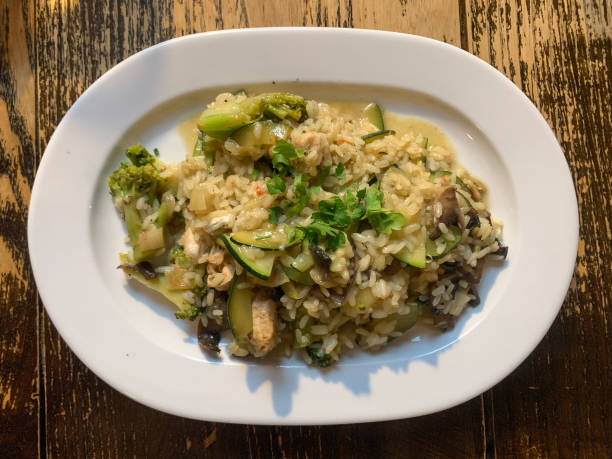
Classic Parmesan risotto
Pair a classic Parmesan risotto with a crisp, unoaked white wine that mirrors its creamy texture without overwhelming the delicate cheese. Choose a dry Pinot Grigio or Verdicchio for bright acidity that cuts through the richness, while a lightly oaked Chardonnay adds subtle buttery notes that echo the risotto’s mouthfeel.
If you prefer a touch of minerality, an Italian Orvieto offers gentle fruit and a clean finish. Serve the wine slightly chilled (10‑12 °C) and let it breathe for a few minutes before pouring. This balance highlights the Parmesan’s nutty depth and keeps the palate refreshed between bites.
A glass of sparkling Prosecco can also work for a celebratory touch, but keep the bubbles subtle to avoid masking the risotto’s flavor.
Mushroom or truffle risotto
Match mushroom or truffle risotto with wines that echo its earthy depth while preserving elegance. Opt for a light‑bodied Pinot Noir or a medium‑bodied Nebbiolo, both offering subtle tannins and red‑fruit notes that complement the umami of mushrooms.
For a white alternative, choose an oaked Chardonnay or a mineral‑rich Verdicchio, whose buttery texture mirrors the creamy risotto and highlights truffle aromas. Serve the red slightly cooler than usual (14‑16 °C) to soften tannins, and let the white breathe for 5‑10 minutes.
A splash of truffle‑infused olive oil in the dish can be accentuated by the wine’s nuanced spice, creating a harmonious, layered dining experience.
Pairing with a lightly chilled glass (12‑13 °C) ensures the wine’s acidity balances the richness, and finishing the risotto with a drizzle of fresh parsley adds brightness that the wine can echo.
Seafood risotto
Seafood risotto thrives with crisp, aromatic whites that lift the briny flavors without overpowering the delicate grains. Select a Sauvignon Blanc from the Loire Valley or an Italian Vermentino, both delivering bright citrus zest and subtle herbal notes that enhance shrimp, scallops, or clams.
A dry Albariño offers a saline minerality that mirrors the oceanic profile, while a light‑bodied Pinot Grigio adds gentle fruit for balance. Chill the wine to 8‑10 °C and serve it in a wide‑bowl glass to allow aromas to open.
A quick squeeze of lemon in the risotto can be echoed by the wine’s acidity, creating a refreshing, cohesive palate that keeps each bite lively and clean.
If you prefer a rosé, choose a dry Provençal style with strawberry hints; its subtle red fruit will not clash with the seafood and adds a festive touch to the meal.
Vegetable or herb risotto
Vegetable or herb‑laden risotto calls for wines that amplify freshness and herbaceous tones while supporting the creamy base. Opt for a crisp Italian Soave or a French Sauvignon Blanc, both offering green apple, lemon, and grassy nuances that mirror basil, peas, or asparagus.
A light rosé from the Veneto region adds a touch of red fruit without overwhelming the vegetables, and an unoaked Chardonnay provides a buttery backdrop that ties the dish together. Serve the wine chilled at 10‑12 °C and let it sit for a minute after pouring.
Finish the risotto with a drizzle of extra‑virgin olive oil; the wine’s acidity will brighten the oil’s fruitiness, creating a harmonious, vibrant plate.
A final garnish of chopped chives or mint will echo the wine’s herbal edge, ensuring each spoonful feels bright and balanced, perfect for a light lunch or dinner.
Best white wines for traditional risotto
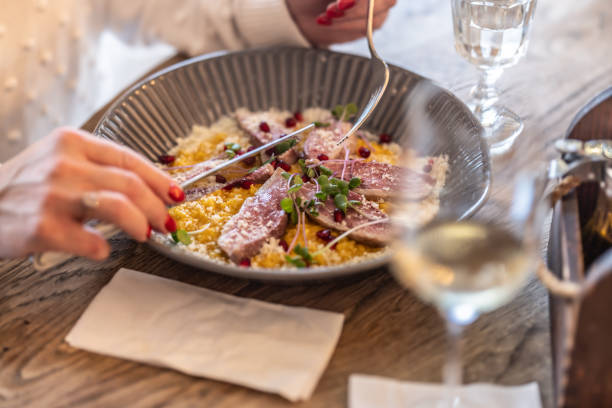
Italian Pinot Grigio
Italian Pinot Grigio offers crisp acidity and subtle fruit that complements the creamy texture of traditional risotto without overwhelming its delicate flavors.
Choose a dry, mineral‑driven style from the Veneto or Friuli regions; the bright citrus notes will cut through the butter and cheese, while the light body keeps the palate fresh. Serve chilled at 10‑12°C and sip between bites to cleanse the palate.
Look for labels that mention ‘extra dry’ or ‘secco’ to ensure the wine stays crisp. Pairing this wine with saffron or mushroom risotto highlights the earthiness while preserving the dish’s elegance. It also works well with seafood risotto, as the wine’s minerality mirrors the briny notes of shrimp or scallops.
Verdicchio
Verdicchio, especially from the Marche’s Colli Verdicchi region, brings a vibrant green‑apple acidity and a hint of almond that pairs beautifully with classic risotto. The wine’s medium body and subtle herbal undertones echo the herbaceous notes often found in saffron or herb‑infused risottos, creating a harmonious balance.
Serve slightly cooler than room temperature (11‑13°C) to accentuate its crispness. Choose a bottle labeled ‘Verdicchio dei Castelli di Jesi Classico’ for a pure expression, avoiding overly oak‑aged versions that could mask the delicate flavors.
This pairing works particularly well with seafood risotto or a simple Parmesan risotto, where the wine’s freshness lifts the dish without competing.
Soave
Soave, produced from the Garganega grape in Veneto, offers a delicate lemon‑lime zest and a gentle almond finish that complements the buttery richness of traditional risotto. Its light‑to‑medium body and subtle mineral edge enhance the dish’s creaminess while keeping the palate lively.
Serve chilled at 10‑12°C and opt for a ‘Soave Classico’ label to ensure the wine retains its bright acidity and avoids excessive sweetness. Pair it with mushroom or truffle risotto, where the wine’s citrus notes cut through earthy flavors, or with a simple Parmesan risotto for a balanced, elegant experience.
The subtle complexity of Soave elevates the meal without overpowering it.
Chardonnay (unoaked)
Unoaked Chardonnay delivers crisp green‑apple and pear flavors with a clean, mineral backbone that pairs seamlessly with classic risotto. The absence of oak preserves the wine’s natural acidity, allowing it to cut through the dish’s creamy texture while highlighting subtle aromatics like saffron or herbs.
Serve slightly chilled (11‑13°C) to maintain freshness. Choose a French Burgundy ‘Chablis’ style or an Italian ‘Trebbiano d’Abruzzo’ labeled as unoaked for a pure expression.
This wine shines with seafood risotto, such as shrimp or lobster, and also complements a simple Parmesan risotto, where its bright fruit notes lift the richness without dominating the palate.
Best red wines for heartier risotto variations
Light-bodied Chianti
Choose a light‑bodied Chianti for classic risotto dishes that feature earthy mushrooms or a touch of tomato. The wine’s bright acidity cuts through the creamy texture, while its subtle tannins enhance savory notes without overwhelming the dish.
Serve it slightly chilled (around 14‑16 °C) to accentuate fruit aromas of cherry and plum. Look for a Chianti Classico Riserva for added complexity, but a simple Chianti DOCG works just as well.
Pairing it with a parmesan‑finished risotto will bring out the wine’s herbal undertones, creating a balanced bite‑to‑sip experience that feels both elegant and comforting. It also pairs nicely with a sprinkle of fresh thyme or a drizzle of truffle oil for extra depth.
Barbera
Barbera’s high acidity and low tannins make it a versatile partner for richer risotto variations such as sausage‑and‑pepper or pumpkin. The wine’s vibrant red fruit flavors—raspberry, cherry, and a hint of plum—brighten the dish’s savory backbone, while its subtle spice notes complement herbs like sage or rosemary.
Serve Barbera slightly cooler than room temperature (13‑15 °C) to keep its fruit forward. Opt for a Barbera d’Asti or Barbera d’Alba for more structure, or choose a younger Barbera for a fresher profile.
When paired with a risotto that includes grated Pecorino, the wine’s acidity balances the cheese’s saltiness, delivering a harmonious mouthfeel. This combination works especially for autumn gatherings.
Pinot Noir
Pinot Noir, with its delicate structure and bright acidity, pairs beautifully with mushroom‑laden or truffle‑infused risottos. The wine’s silky tannins and red berry aromas—strawberry, raspberry, and a whisper of earth—enhance the umami depth of the rice while keeping the palate refreshed.
Serve the Pinot slightly chilled (12‑14 °C) to emphasize its fruit character. Choose a Burgundy or a cool‑climate New World Pinot for nuanced complexity, or a lighter Italian Pinot Nero for a more straightforward match.
When the risotto includes a touch of Parmesan or a drizzle of butter, the wine’s acidity cuts through the richness, creating a balanced, elegant dining experience.
Lambrusco (dry)
Dry Lambrusco, an effervescent red from Italy, offers a lively pairing for richer risotto creations like braised short‑rib or beet‑infused versions. Its bright carbonation and crisp acidity cleanse the palate between creamy bites, while subtle notes of black‑currant and spice complement the dish’s depth.
Serve chilled (10‑12 °C) to highlight its fizz and fruit. Opt for a Lambrusco di Sorbara or a dry Lambrusco Reggiano for a refined profile that won’t overwhelm the flavors.
When combined with a risotto finished with aged Grana Padano, the wine’s effervescence balances the cheese’s saltiness, delivering a refreshing contrast that elevates the overall meal. This pairing shines especially during festive gatherings, adding a playful sparkle to the table.
Tips for matching wine acidity and creaminess
Balancing acidity with broth
Start by tasting the broth you plan to use for the risotto. If the stock is rich and buttery with a hint of lemon, look for a wine that mirrors that bright acidity without overwhelming the dish.
Choose a wine with moderate acidity such as a dry Pinot Grigio or a crisp Sauvignon Blanc; these wines will echo the citrus notes in the broth while keeping the palate refreshed. Avoid wines that are too flat, as they will make the risotto feel heavy.
When you sip, notice the lift on your tongue – that same lift should complement the creamy texture of the rice. Pairing a wine that balances the broth’s acidity helps the flavors integrate, allowing the cheese and butter to shine without being masked by excess sourness.
Serve the wine slightly chilled to maintain its crisp character throughout the meal.
Choosing wines with bright citrus notes
When the risotto features ingredients like lemon zest, peas, or fresh herbs, a wine with pronounced citrus aromatics can enhance those flavors. Select a wine that bursts with lemon, lime, or grapefruit nuances, such as an unoaked Chardonnay, a Vermentino, or a bright Albariño.
These wines bring a lively acidity that cuts through the creaminess of the cheese and butter, keeping each bite lively. Pay attention to the finish; a clean, mineral-driven finish will echo the herbaceous notes of parsley or basil often stirred in at the end.
Avoid overly oaky or buttery styles, as they can compete with the delicate citrus profile. By matching the wine’s citrus sparkle to the risotto’s bright components, you create a harmonious dialogue where the wine lifts the dish and the dish supports the wine’s fruit expression delightfully.
Avoiding overly tannic reds
Red wines with high tannin levels can clash with the silky texture of risotto, making the dish feel gritty and the wine taste harsh.
Steer clear of robust Cabernet Sauvignon, Syrah, or Nebbiolo when serving a creamy risotto; their firm structure will dominate the subtle flavors of Parmesan, mushrooms, or seafood. Instead, opt for lighter reds with softer tannins, such as a Pinot Noir, a Gamay (Beaujolais), or a chilled Barbera.
These selections provide enough fruit and acidity to complement the dish without overwhelming it. Serve the wine slightly cooler than room temperature to soften any remaining tannic edge.
Remember that the goal is balance: the wine should enhance the risotto’s richness while preserving its delicate nuances, not mask them with bitterness or astringency. A glass of chilled Pinot Noir will add a subtle berry lift that mirrors the risotto’s earthy undertones, creating a seamless pairing.
How to serve wine with risotto for maximum impact
Ideal serving temperature
Serve the risotto and its companion wine at the temperature that highlights flavor and texture. White wines such as a crisp Pinot Grigio or a buttery Chardonnay should be chilled to 10‑12 °C (50‑54 °F); this coolness preserves acidity and prevents the wine from feeling flat against the creamy rice.
For richer, mushroom‑laden risottos, a lightly chilled red like a Pinot Noir works best at 14‑16 °C (57‑61 °F), allowing fruit notes to shine without overwhelming the dish. Use a wine fridge or ice bucket and check the temperature with a probe before serving.
Avoid serving too cold, which masks aromatics, and too warm, which can make the wine taste alcoholic. By matching the wine’s temperature to the risotto’s richness, you create a harmonious palate that enhances both components.
This precise temperature control also ensures the wine’s subtle herbal or mineral nuances are perceptible, completing the dining experience.
Glassware recommendations
Choosing the right glass amplifies the wine’s character and complements the creamy texture of risotto.
For white wines, opt for a tulip‑shaped glass with a slightly narrowed rim; this shape concentrates aromatic compounds and directs the wine to the middle of the palate, where acidity can cut through the richness of Parmesan‑laden risotto.
For light‑bodied reds, a larger, slightly rounded bowl such as a Burgundy glass allows gentle oxidation, softening tannins and revealing earthy notes that echo truffle or mushroom flavors. Avoid overly narrow flutes, which trap the wine’s bouquet, and steer clear of massive, heavy glasses that dilute subtle nuances.
Hold the glass by the stem to keep the bowl cool, and present the wine with a gentle swirl to release its perfume before the first sip. Proper glassware not only enhances aroma but also balances temperature, ensuring each sip works in harmony with the dish.
Timing the pour
Timing the pour is essential to synchronize the wine’s evolution with each bite of risotto, maximizing flavor impact. Begin serving the wine just as the risotto reaches its final creamy consistency; this ensures the palate is ready for the wine’s acidity to brighten the dish.
Pour a modest 120‑150 ml into each glass, allowing the wine to breathe for 5‑7 minutes; this short aeration releases volatile aromatics that complement herbs like sage or thyme often used in risotto.
If the wine is a white, give it a gentle swirl and let it sit for a minute before the first sip, while the risotto is still steaming, so the cool liquid can cut through the heat.
For a light red, wait a moment longer—about 10 minutes—so that softening tannins match the earthy depth of mushroom or beet risotto. Coordinating the pour with the serving rhythm creates a seamless dialogue between food and wine, turning each mouthful into a balanced, memorable experience.
Common pairing mistakes to avoid
Overpowering the dish
When you choose a wine that is too big‑bodied or overly tannic, it can drown the delicate creaminess of risotto. Avoid high‑alcohol, full‑bodied reds such as Cabernet Sauvignon or Syrah, which coat the palate and mask the subtle flavors of broth, butter, and Parmesan.
Instead, opt for lighter reds or whites that complement rather than dominate. A medium‑dry Pinot Noir can work with mushroom risotto, but keep the alcohol level under 13% and the tannins soft. Watch the oak influence; heavily oaked wines add smoky notes that clash with the dish’s gentle texture.
Remember that the goal is harmony: the wine should lift the risotto’s aromatics, not overwhelm them. By selecting a wine with moderate body, gentle acidity, and restrained oak, you preserve the dish’s elegance and let each bite shine alongside the glass.
Ignoring regional pairings
One common slip is to ignore the culinary geography that guides classic wine‑food matches. Pairing a Tuscan Chianti with a Milanese saffron risotto might feel safe, but it overlooks the regional logic that Italian wines are crafted to complement local dishes.
A risotto alla Milanese, enriched with broth, butter, and Parmigiano, shines alongside a crisp, mineral‑driven white from the same area, such as a Valtellina Pinot Grigio or a Soave Classico. Match the terroir: wines from the same region share acidity levels and flavor profiles that echo the ingredients.
If you serve a seafood risotto, reach for a coastal white like Verdicchio or a light Frascati, rather than a heavy inland red. By respecting regional pairings, you let the wine echo the risotto’s herbs, stock, and cheese, creating a seamless dialogue that enhances both components.
Mismatching wine sweetness
Sweetness is a silent saboteur when it clashes with the savory nature of risotto. Choosing a dessert wine or an overly fruity rosé can make the creamy dish taste cloying and mask the subtle umami from mushrooms or Parmesan.
Risotto’s gentle salt and butter base calls for a wine with balanced acidity and a dry finish. A dry Prosecco with fine bubbles, a lightly off‑dry Pinot Grigio, or a crisp Chardonnay with minimal oak will accentuate the dish without adding sugary notes.
If you prefer a touch of fruit, select a wine where the fruit is integrated into the acidity, such as a dry Riesling or a Vermentino, rather than a wine with residual sugar.
By keeping the wine dry to off‑dry, you preserve the risotto’s richness and let its flavors shine, while avoiding a discordant sweet‑savory clash.
Frequently Asked Questions
What type of wine pairs best with classic risotto?
A dry, crisp white wine such as Pinot Grigio, Sauvignon Blanc, or a light Italian white like Verdicchio complements the creamy texture and subtle flavors of classic risotto.
Can I use red wine in risotto?
Yes, especially for mushroom, beef, or tomato‑based risottos; a light, fruity red like Chianti or a Pinot Noir adds depth without overwhelming the dish.
Should I use cooking wine or a drinking wine for risotto?
Always use a quality drinking wine you enjoy sipping; cooking wines often contain added salt and lower quality grapes, which can affect flavor.
How much wine should I add to risotto?
Typically, use about ½ cup (120 ml) of wine for every cup of Arborio rice; add it after toasting the rice and let it reduce before adding broth.
Is it okay to substitute sparkling wine for still wine in risotto?
Yes, a dry sparkling wine like Prosecco can work, providing a bright acidity, but it may make the risotto slightly lighter in flavor.
What wine should I pair with saffron or seafood risotto?
For saffron risotto, a dry white such as Gavi or a crisp Italian Soave works well; for seafood risotto, choose a mineral‑driven white like Vermentino or Albariño.
Conclusion
Choosing the right wine for risotto enhances both flavor and texture—opt for a dry, crisp white like Pinot Grigio, Sauvignon Blanc, or an unoaked Chardonnay, and match the wine to the main ingredient, whether it’s mushroom, seafood, or citrus. Remember to use the same wine you’ll sip, keep it moderate, and let the dish shine. Happy cooking and cheers to your perfect risotto pairing!
