
What Red Wine Goes With Salmon
Finding the perfect red wine for salmon doesn’t have to be a mystery. In this quick guide we’ll match you with smooth, fruit‑forward reds that complement the fish’s buttery texture without overwhelming it. Think light‑bodied Pinot Noir, a subtle Grenache, or a delicate Beaujolais—each offering just enough acidity and soft tannins to enhance the flavor. Stick around and you’ll discover the ideal pairing in minutes, making your dinner both effortless and delicious. Enjoy your meal and impress your guests effortlessly.
How to Choose Red Wine for Salmon
Flavor Profiles to Match
Start by identifying the dominant flavors in your salmon dish. If the fish is prepared with a light citrus glaze or herb‑driven seasoning, look for a red wine that offers bright fruit notes and subtle spice.
Pinot Noir from cooler climates delivers red‑berry aromas and a gentle earthiness that mirrors the delicate texture of salmon without overwhelming it. For richer, maple‑glazed or miso‑marinated salmon, a Gamay or Beaujolais provides soft tannins and a hint of pepper that complements the sweet‑savory balance.
When the salmon includes smoky or grilled elements, choose a Grenache‑based blend with ripe plum flavors and a touch of smoky nuance. Matching the wine’s flavor profile to the dish’s key ingredients ensures harmony, allowing the wine to enhance the fish’s natural richness while keeping the palate refreshed.
Serve the wine slightly chilled, around 55°F, to accentuate its fruit freshness and maintain balance with the salmon.
Importance of Acidity
Acidity is the bridge that connects red wine to the oily richness of salmon. A wine with lively acidity cuts through the fish’s natural fats, cleansing the palate and highlighting subtle flavors. Barbera from Italy offers bright cherry acidity that lifts the salmon’s buttery mouthfeel without adding harshness.
Zweigelt from Austria provides a crisp, green‑apple tang that pairs well with salmon dressed in mustard or dill sauces, keeping the dish from feeling heavy.
Even a light‑bodied Pinot Noir with pronounced acidity can work when the salmon is served cold as a tartare, as the zing balances the raw texture. When selecting a wine, prioritize those that list acidity as a key characteristic on the label or tasting notes.
This focus ensures the wine will refresh the palate between bites, making each mouthful of salmon taste more vibrant and preventing the meal from becoming cloyingly rich.
Considering Cooking Method
The way you cook salmon dramatically influences the red wine choice. Grilled or charred salmon develops smoky, caramelized edges that pair nicely with a medium‑bodied Merlot featuring soft tannins and plum notes, as the wine mirrors the grill’s depth without competing.
For pan‑seared salmon with a buttery pan sauce, a Chianti Classico offers bright acidity and red‑fruit flavors that cut through the richness while complementing the herb‑infused butter.
If you bake salmon with a tomato‑based glaze, opt for a Sangiovese that provides earthy spice and moderate acidity to echo the sauce’s tang.
When the fish is poached in a light broth or served raw, a low‑tannin Pinot Noir or even a Beaujolais Nouveau works best, delivering gentle fruit and a silkier mouthfeel.
Aligning the wine’s structure with the cooking technique ensures that the wine supports the dish’s texture and flavor layers, creating a cohesive dining experience.
What Red Wines Pair Well with Raw Salmon
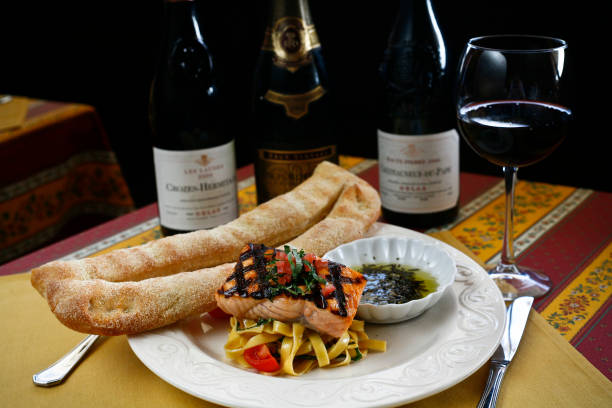
Light‑bodied Pinot Noir
When serving raw salmon, especially in sashimi or tartare form, a light‑bodied Pinot Noir can be surprisingly harmonious. The wine’s subtle red fruit aromas—cherry, raspberry, and a whisper of strawberry—mirror the delicate sweetness of the fish without overwhelming it.
Its soft tannins and bright acidity cut through the buttery texture, while a hint of earthiness complements any herb or dill garnish. Look for Pinot Noirs from cooler climates such as Oregon’s Willamette Valley or Burgundy’s Côte de Nuits, where the fruit stays restrained and the finish remains crisp.
Serve slightly chilled, around 55°F (13°C), to enhance freshness and keep the palate lively. Pairing this wine with a drizzle of citrus‑y soy sauce or a light mustard‑dill vinaigrette will accentuate both the wine’s nuance and the salmon’s natural flavor, creating a balanced, elegant bite.
Gamay (Beaujolais)
Gamay, the grape behind Beaujolais, offers a lively alternative for raw salmon lovers who prefer a red with a playful character. Its hallmark is bright, juicy berry flavors—cranberry, red currant, and a touch of banana—that echo the freshness of the fish while adding a subtle fruit lift.
The wine’s low tannin structure and crisp acidity act as a gentle cleanser, preventing the palate from feeling heavy after each silky bite. Opt for a Beaujolais Villages or a cru such as Morgon, where the fruit remains pure and the minerality is pronounced.
Serve the wine at 12‑14°C (54‑57°F) to preserve its aromatic vibrancy. When paired with salmon dressed in a light soy‑ginger glaze or a cucumber‑mint salsa, the wine’s zesty edge highlights the glaze’s sweetness and the herbaceous notes, resulting in a harmonious interplay that keeps the dining experience refreshing and sophisticated.
Other Options
If Pinot Noir or Gamay doesn’t fit your cellar, several other red wines can still complement raw salmon without clashing. A chilled, low‑alcohol Grenache‑based blend, such as those from the Southern Rhône, provides soft plum and raspberry notes along with a silky mouthfeel that mirrors the fish’s texture.
Similarly, a young, fruit‑forward Sangiovese from Tuscany offers bright cherry acidity and a hint of herbal spice that can stand up to salmon served with a tomato‑based salsa or a pesto drizzle.
For those who enjoy a touch of earth, a lightly oaked Pinotage from South Africa delivers subtle smoky undertones and enough structure to balance richer accompaniments like avocado or cream cheese spreads.
Serve any of these selections at 55‑58°F (13‑14°C) and pair them with minimal seasoning—perhaps just lemon zest and a drizzle of olive oil—to let the wine’s nuances shine while enhancing the salmon’s natural silkiness.
Best Red Wines for Grilled Salmon
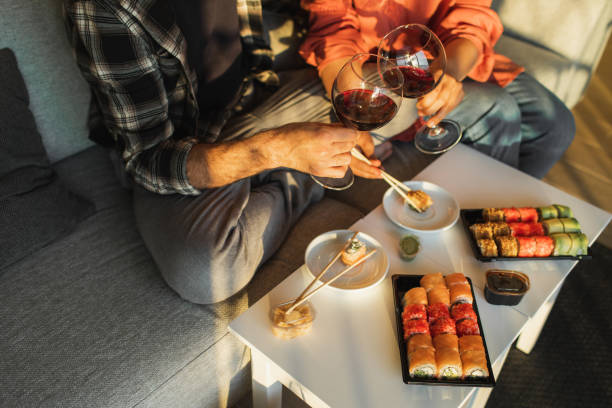
Medium‑bodied Merlot
Medium‑bodied Merlot offers a gentle tannin structure that complements the buttery texture of grilled salmon without overwhelming its delicate flavor.
Look for Merlots with ripe plum, black‑cherry, and subtle herbaceous notes; these fruit‑forward profiles echo the natural sweetness of the fish while the soft oak aging adds a whisper of vanilla that matches the char from the grill.
Choose a Merlot with moderate alcohol (12‑13.5%) to keep the palate fresh, and serve slightly chilled at 55‑58°F to enhance acidity. When the salmon is glazed with a light honey‑soy or citrus‑herb sauce, the wine’s soft acidity cuts through the glaze, creating a balanced mouthfeel.
Avoid overly tannic or heavily oaked Merlots, as they can mask the fish’s subtle nuances. Pair it with a side of roasted asparagus or a quinoa salad to keep the meal light, and the wine will maintain its bright finish.
Zinfandel with Spice
Zinfandel with Spice brings a bold, fruit‑laden character that can stand up to the smoky intensity of a well‑seared salmon steak.
Look for Zinfandels that showcase ripe blackberry, jammy raspberry, and a hint of peppery spice; these flavors mirror the caramelized crust while the wine’s natural acidity lifts the richness of the fish.
Select a Zinfandel with 13‑14.5% alcohol to ensure enough body without becoming cloying, and serve at 60‑64°F to reveal its spice notes. When the salmon is prepared with a chili‑garlic rub or a maple‑chipotle glaze, the wine’s subtle pepper and cinnamon undertones echo the heat, creating a harmonious balance.
Avoid overly sweet, fortified styles, as they can clash with the savory elements of the dish. Serve the pairing with a side of grilled corn or a spicy slaw, which will reinforce the Zinfandel’s peppery edge and keep the palate lively.
Pairing Tips
Pairing red wine with salmon doesn’t have to be intimidating; the key is to match the wine’s structure and acidity with the fish’s preparation and accompanying flavors.
Start with a lighter‑styled red such as a medium‑bodied Merlot or a fruit‑forward Zinfandel, and avoid heavily tannic or high‑alcohol varieties that can dominate the delicate flesh.
Consider the sauce: citrus, herb, or light honey glazes benefit from wines with bright acidity, while spicy rubs call for a wine that carries a subtle pepper note. Temperature matters—serving reds slightly cooler than room temperature (55‑64°F) preserves freshness and prevents the alcohol from masking subtle flavors.
Finally, experiment with side dishes; vegetables with a touch of grill smoke or grain salads with vinaigrette can bridge the gap between the wine’s fruit profile and the salmon’s richness, creating a cohesive dining experience.
Tips for Pairing Red Wine with Smoked Salmon
Choosing Low‑tannin Wines
Start by selecting a red wine that is low in tannins, because high‑tannin wines can overwhelm the delicate, buttery texture of smoked salmon. Look for varieties such as Pinot Noir, Gamay, or a lightly‑styled Beaujolais, which offer soft structure and subtle acidity.
Choose wines with less than 5 g/L tannin to keep the palate fresh and avoid astringent clash. When shopping, read the label for terms like “fruit‑forward,” “silky,” or “light‑bodied,” which signal a gentler profile. If you’re unsure, ask the retailer for a low‑tannin recommendation that pairs well with smoked fish.
Serve the wine slightly chilled, around 55‑58 °F (13‑14 °C), to enhance its fruit character and keep the salmon’s smoky notes bright. This approach ensures the wine supports rather than dominates the dish, creating a balanced tasting experience.
Pair it with a simple dill garnish or a lemon wedge to further accentuate the wine’s subtle berry nuances.
Complementary Fruit Notes
Focus on red wines that showcase bright, red‑fruit flavors which echo the natural sweetness of smoked salmon. Pinot Noir from cooler climates, such as Burgundy or Oregon, often delivers cherry, raspberry, and cranberry notes that mirror the fish’s subtle brine.
A light‑bodied Gamay, like a Nouveau Beaujolais, adds strawberry and plum nuances, creating a harmonious fruit dialogue. Highlight wines with pronounced red‑berry aromas to complement the salmon’s smoky depth without overwhelming it.
When tasting, notice the balance between acidity and fruit; a wine with vivid fruit forwardness and gentle acidity will cut through the richness while enhancing the fish’s buttery mouthfeel.
Consider a slight splash of fresh citrus or a garnish of orange zest on the plate; the citrus will amplify the wine’s fruit profile and keep the pairing lively and refreshing. Enjoy this pairing today indeed.
Serving Temperature
Temperature plays a crucial role in marrying red wine with smoked salmon; serving the wine too warm can accentuate alcohol and mask delicate flavors. Aim for a cool‑room temperature of 55‑58 °F (13‑14 °C), which softens the wine’s structure while preserving its fruit expression.
For Pinot Noir or Gamay, place the bottle in the refrigerator for 20‑30 minutes before service, or use an ice bucket for a quick chill. Monitor the temperature with a wine thermometer to avoid over‑cooling, which could mute the subtle berry notes.
When the wine is properly chilled, its acidity lifts the smoky richness of the salmon and its gentle tannins glide over the buttery texture. Pair this with a lightly chilled plate, perhaps a chilled cucumber‑dill salad, to maintain a cohesive temperature profile throughout the dining experience.
Serve immediately for optimal balance and enjoyment.
How to Balance Bold Reds with Rich Salmon Dishes
Using Oak‑aged Wines Sparingly
Start by selecting a lightly oak‑aged Pinot Noir or a subtle Merlot that shows just a hint of vanilla. Limit oak influence to no more than a single sip before the palate is overwhelmed, because salmon’s delicate flesh can clash with heavy tannins.
Serve the wine slightly chilled, around 55‑60 °F, to soften any residual wood notes and to complement the fish’s buttery texture. When the dish includes a citrus‑based glaze, the faint oak will echo the zest without dominating.
Taste before serving and adjust by adding a splash of sparkling water if the oak feels too assertive. This restrained approach lets the wine’s fruit‑forward character enhance the salmon’s richness while keeping the overall pairing harmonious.
Pair this selection with a side of roasted asparagus or a light quinoa salad to further balance the palate and highlight the subtle oak nuances.
Pairing with Sauces
Identify the sauce accompanying the salmon before choosing the red wine, because the sauce often dictates the flavor bridge. For a creamy dill or mustard sauce, opt for a medium‑bodied Pinot Noir that offers bright red‑fruit notes without overwhelming acidity.
Match acidity by selecting a wine with a gentle tartness that mirrors the lemon‑y brightness of the sauce, creating a seamless dialogue on the tongue.
If the salmon is served with a tomato‑based relish, a light‑to‑medium Grenache with soft tannins can echo the sweet‑spicy profile while adding a touch of peppery depth. Consider the spice level; a subtle hint of black pepper in the wine will complement, not clash with, the sauce’s heat.
Serve the wine in a slightly larger glass to allow aromatic expression, and give it a brief swirl to release the nuanced flavors before each sip.
Adjusting Wine Decanting
Decanting a bold red can soften tannins, but with salmon you must be cautious not to strip away the wine’s fruit freshness.
For a light‑to‑medium Pinot Noir, a short 15‑minute pour into a decanter is sufficient to aerate the wine and reveal subtle berry aromas that pair well with the fish’s oily richness. Limit exposure to oxygen; over‑decanting can introduce a metallic edge that clashes with the salmon’s delicate flavor.
If you prefer a fuller‑bodied Merlot, use a gentle swirl in the glass rather than a full decant, allowing just enough air to mellow the oak while preserving the plum‑sweet character. Taste regularly during the first half‑hour and stop when the wine feels round and integrated.
Pair this adjusted wine with a side of herb‑infused wild rice to create a balanced mouthfeel that highlights both the wine’s depth and the salmon’s natural buttery notes.
Common Mistakes to Avoid When Pairing Red Wine and Salmon
Overpowering Tannins
One of the biggest errors is selecting a red wine with high tannin levels, such as a young Cabernet Sauvignon or a robust Syrah. Tannins cling to the oily texture of salmon, creating a metallic taste that overwhelms the delicate flesh.
Instead, opt for lighter reds with softer tannins, like a Pinot Noir or a Gamay, which complement rather than dominate. These wines offer subtle fruit and acidity that echo the salmon’s natural richness without imposing harsh bitterness.
Remember to choose a wine that is low in tannin and bright in acidity, allowing the fish’s flavor to shine while still providing a satisfying pairing experience. Serving the wine too cold can mute its fruit character, while serving it too warm accentuates the tannic edge.
Aim for a cellar temperature of 55‑58°F (13‑14°C) to keep the profile balanced. Also, consider the salmon preparation; grilled or smoked varieties can tolerate a slightly bolder red, but poached or sushi‑style salmon still benefits from the gentle approach.
Ignoring Dish Seasonings
Another common pitfall is ignoring the seasoning and sauce that accompany the salmon. A red wine must harmonize with the dish’s flavor profile, not just the protein.
For example, a salmon glazed with a honey‑soy reduction pairs better with a fruit‑forward Pinot Noir, whose subtle sweetness mirrors the glaze, whereas a heavily peppered or herb‑crusted salmon can clash with the same wine’s delicate notes.
If the preparation includes earthy mushrooms or a balsamic glaze, a slightly more structured red like a Grenache‑based blend can provide the needed backbone without overwhelming the fish. Always assess the dominant flavors—sweet, spicy, smoky, or acidic—and select a wine that either echoes or balances those elements.
This thoughtful matching prevents the wine from sounding out of place and enhances the overall dining experience. Pairing with a light, chilled red also keeps the palate refreshed between bites, especially when the salmon is served with a crisp salad.
Serving Too Warm
Serving red wine at the wrong temperature is a subtle yet damaging mistake. Too warm a wine amplifies alcohol and tannin, making the pairing feel heavy and masking the salmon’s subtle flavors. Conversely, an overly chilled red can mute its fruit and acidity, leaving the fish to dominate the palate.
Aim for a serving temperature of 55‑60°F (13‑15°C) for light reds like Pinot Noir or Gamay; this range highlights their bright fruit while keeping the structure gentle enough for salmon.
Use a wine fridge or an ice bucket for a brief chill, and let the bottle sit for a few minutes after removal to avoid over‑cooling.
By respecting the optimal temperature, you preserve the wine’s balance of fruit, acidity, and soft tannins, ensuring it complements rather than competes with the salmon’s texture and taste.
Practical Serving Guide for Red Wine and Salmon
Glassware Selection
Choose a glass that highlights both the wine’s structure and the salmon’s delicate texture. Opt for a medium‑bowl red‑wine glass with a slightly tapered rim; this shape concentrates aromatic fruit while allowing gentle aeration. Avoid overly large bowls that can overwhelm the subtle smoky notes of the fish.
If you prefer a lighter feel, a burgundy‑style glass works well, directing the wine’s acidity toward the fatty flesh. Ensure the glass is crystal‑clear and thin‑walled to let you see the wine’s color and to feel its temperature.
Finally, serve each glass with a small wine‑preserving stopper if you plan to pause between courses, keeping the wine fresh for the next bite. Pairing the glass with a silicone coaster also prevents temperature loss and adds a touch of elegance to the table setting, reinforcing the overall dining experience.
Ideal Serving Temperature
Serve the red wine slightly cooler than typical room temperature to balance the salmon’s richness. Aim for 12‑14°C (54‑57°F), which softens tannins and highlights bright fruit notes that complement the fish’s buttery mouthfeel.
Chill the bottle in a wine fridge or an ice bucket for about 20 minutes before service, then let it sit for a minute to avoid a chill shock. Use a thermometer to verify the temperature; visual cues can be misleading.
If the wine feels too warm, a quick 5‑minute stint in the freezer restores the ideal range. Remember that temperature can shift during the meal, so keep a wine sleeve handy for quick adjustments, ensuring each sip remains harmonious with the salmon’s flavor profile.
A small wine aerator placed on the glass can further open the wine, allowing subtle aromatics to emerge as the temperature stabilizes, enhancing the pairing experience.
Storing Leftover Wine
When the salmon course ends, preserve the remaining red wine to enjoy later or with a dessert. First, reseal the bottle with a vacuum stopper to remove excess air, which slows oxidation and keeps flavors intact.
Store the sealed bottle upright in a cool, dark pantry at around 12°C (55°F) if possible; a refrigerator works for short‑term storage of up to three days. If you anticipate a longer pause, transfer the wine to a smaller airtight container to reduce headspace and further limit exposure.
Before serving the leftovers, let the wine warm gently to the original serving temperature, using a wine warming sleeve or simply allowing it to sit at room temperature for 10‑15 minutes. This careful handling ensures the wine remains balanced and continues to complement any remaining salmon or side dishes.
Frequently Asked Questions
What type of red wine pairs well with salmon?
Light‑bodied reds with low tannins, such as Pinot Noir or Gamay, complement the delicate flavor of salmon without overpowering it. Their bright acidity and subtle fruit notes enhance the fish’s natural richness.
Can I serve a full‑bodied red wine with salmon?
Full‑bodied reds like Cabernet Sauvignon or Syrah are generally too heavy for salmon, as their high tannins and bold flavors can mask the fish. If you prefer a richer wine, choose a lighter style and serve it slightly chilled.
Why is Pinot Noir often recommended for salmon?
Pinot Noir offers a balance of soft tannins, moderate acidity, and red fruit aromas that echo the buttery texture of salmon. Its subtle earthiness also pairs nicely with grilled or smoked preparations.
Are there any specific red wine regions that work best with salmon?
Wines from cooler climates, such as Burgundy (France) or Oregon (USA), produce Pinot Noirs with delicate structure that match salmon well. These regions tend to produce wines with brighter acidity and less intense fruit concentration.
How should I serve red wine with salmon for the best taste?
Serve the red wine slightly cooler than typical room temperature, around 55‑60°F (13‑15°C), to highlight its freshness. This temperature helps the wine’s acidity cut through the salmon’s richness without becoming overly tannic.
Can I pair salmon with a rosé instead of a red wine?
Yes, a dry rosé can be an excellent alternative, offering the fruitiness of red wine with the crispness of white. Its light body and bright acidity make it versatile for both raw and cooked salmon dishes.
What food preparations of salmon work best with red wine?
Grilled, roasted, or pan‑seared salmon with herb or berry sauces pairs nicely with light reds. The caramelized exterior and subtle seasoning complement the wine’s fruit and spice notes.
Conclusion
In short, a light‑bodied, low‑tannin red such as Pinot Noir, Gamay, or a chilled Beaujolais can complement salmon’s richness without overwhelming it, especially when the fish is grilled, roasted, or served with earthy sauces. Pairing with subtle herbs or a touch of acidity enhances the harmony. Experiment with these suggestions, trust your palate, and enjoy discovering the perfect red‑wine match for your next salmon dinner.
