What Red Wine Goes With Pork
Looking for the perfect red wine to pair with pork? You’re in the right place. In the next few lines we’ll quickly pinpoint the best choices—think medium‑bodied reds with bright acidity and soft tannins that complement pork’s sweet‑savory flavor. Whether you’re grilling ribs, roasting a tenderloin, or enjoying a simple pork chop, we’ll give you clear, tasty recommendations you can trust, so you can pour, sip, and savor without hesitation. Grab a glass, follow our guide, and impress guest tonight.
How to Choose the Right Red Wine for Pork
Consider the Pork Cut
When selecting a red wine for pork, start by looking at the specific cut you plan to serve. Lean cuts such as pork tenderloin or loin chops have milder flavor and benefit from a lighter‑bodied wine with bright acidity, like a Pinot Noir or a young Beaujolais.
These wines won’t overwhelm the subtle meat. Richer cuts like pork shoulder, ribs, or pork belly contain more fat and connective tissue, so they pair better with medium‑to‑full‑bodied reds that have soft tannins and a touch of spice, such as a Grenache‑based blend or a Zinfandel.
The wine’s fruit profile should echo the natural sweetness of the pork, while its structure helps cut through the fat. Finally, consider any seasoning or rub; a smoky barbecue rub leans toward a Syrah, whereas a herb‑forward rub may call for a lighter, earthier Pinot.
By matching the wine’s body to the cut’s richness, you set the stage for harmony.
Match the Cooking Method
The way you cook pork dramatically influences the wine choice. Grilling or searing creates caramelized crusts and smoky notes; a red with moderate tannins and a hint of pepper, such as a Chianti Classico or a Tempranillo, will echo those charred flavors while cleansing the palate.
Slow‑braising in liquid, whether in a cider‑based sauce or a tomato stew, softens the meat and introduces sweet‑savory layers. For this method, opt for a fruit‑forward wine with gentle acidity, like a Merlot or a Barbera, which can meld with the sauce without competing.
Roasting at high heat develops a golden exterior and concentrates pork’s natural sweetness. A medium‑bodied wine with bright red fruit and subtle spice, such as a Cabernet Franc or a Malbec, complements the roasted juices and adds depth.
Align the wine’s texture with the cooking technique to ensure the wine supports, rather than masks, the pork’s evolving flavors.
Balance Flavor Intensity
Pork dishes can range from mildly seasoned to boldly spiced, so the wine must mirror that intensity without overpowering the meat.
Mildly flavored pork, perhaps with a simple herb rub or a light glaze, pairs best with a delicate red that offers subtle fruit and low tannins, such as a Gamay or a light‑bodied Pinot Noir. The wine’s acidity will brighten the dish while keeping the palate clean.
Boldly flavored pork, featuring strong barbecue sauces, spicy rubs, or fruit‑based glazes, calls for a more robust wine with higher alcohol and richer fruit, like a Shiraz, a Cabernet Sauvignon, or an aged Rioja. The wine’s structure can stand up to the heat and sweetness, creating a harmonious contrast.
Always taste the sauce first; if the sauce is sweet, choose a wine with a touch of acidity, and if it’s earthy, select a wine with earthy undertones. This balancing act ensures every bite feels cohesive.
What Red Wines Pair Best with Different Pork Dishes
Roasted Pork Shoulder
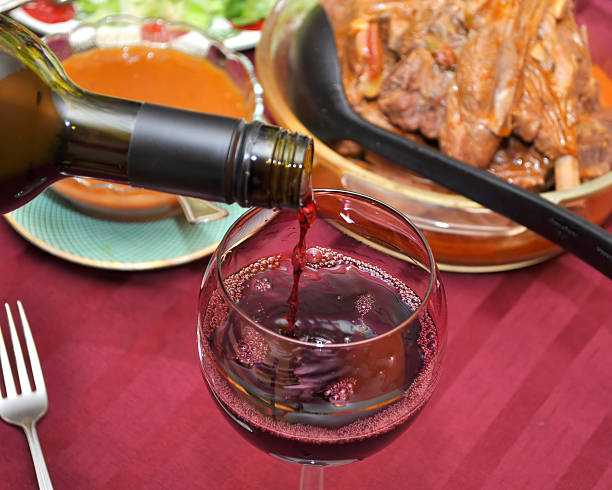
When serving a juicy roasted pork shoulder, choose a medium‑bodied red with soft tannins and bright acidity to cut through the fat while complementing the caramelized crust. Pinot Noir from Oregon or Burgundy offers red‑fruit aromatics, subtle earth, and enough acidity to lift the meat’s richness.
Gamay (Beaujolais) provides light‑to‑medium body, juicy cherry notes, and a peppery finish that mirrors the herb rubs often used. If you prefer a spicier profile, a Zinfandel with ripe blackberry, cinnamon, and a hint of smoke will echo the sweet‑spicy glaze. Serve the wine slightly chilled (55‑58°F) to enhance freshness.
Pair the wine with classic sides like roasted apples, mustard‑glazed carrots, or a simple herb‑infused jus for a balanced, restaurant‑quality experience.
Consider adding a light drizzle of apple cider reduction on the pork, which will echo the fruit notes in the wine and create a harmonious bridge between the plate and glass. The wine’s moderate alcohol level also helps to soften the savory spices, making each bite feel more succulent.
For a festive twist, serve the wine alongside a side of braised red cabbage seasoned with cloves and a splash of red wine vinegar, reinforcing the wine’s subtle tannic structure.
Grilled Pork Chops
Grilled pork chops bring smoky char and juicy interior, so pair them with a red that can stand up to the grill’s intensity while offering fruit‑forward freshness. Tempranillo from Rioja, especially a Crianza, delivers red‑cherry, plum, and a touch of vanilla, with moderate tannins that complement the meat’s caramelized edges.
Sangiovese (Chianti Classico) provides bright acidity, herbal notes, and a savory backbone that matches herb marinades or a rosemary‑garlic rub. For those who enjoy a richer mouthfeel, a Merlot with soft tannins, ripe blackberry, and a hint of chocolate will echo any sweet‑barbecue glaze.
Serve the wine at a slightly cooler temperature (57‑60°F) to keep the fruit vivid. Pair with grilled vegetables like bell peppers, zucchini, or a corn‑and‑black‑bean salad, and consider a squeeze of lime on the pork to highlight the wine’s acidity and create a balanced, lively dining experience.
A light brush of mustard‑honey glaze on the chops before grilling will mirror the subtle sweetness in the Tempranillo and Merlot, while the wine’s acidity cuts through the glaze’s richness.
If you’re serving a side of apple slaw, the fruit notes in the Sangiovese will resonate beautifully, tying the plate together. Finish the meal with a dark chocolate‑covered cherry dessert; the lingering tannins in the wine will enhance the chocolate’s bitterness, leaving a satisfying conclusion to the smoky feast.
Braised Pork Belly
Braised pork belly is rich, gelatinous, and often cooked with sweet‑savory aromatics, so the ideal red should have enough body and a touch of spice to balance the fat.
Grenache from the Southern Rhône delivers red‑berry fruit, soft tannins, and a peppery finish that lifts the dish’s caramelized onions and star‑anise. Malbec offers dark plum, chocolate, and a smoky edge, mirroring the deep broth while its acidity keeps the palate from feeling heavy.
For a more nuanced match, try a Cabernet Franc from the Loire Valley, whose herbal, raspberry‑vinegar notes cut through the pork’s richness and echo any balsamic reduction used in the braise. Serve the wine slightly warmer (60‑63°F) to showcase its depth.
Pair with buttery mashed potatoes, sautéed greens, or a crisp apple‑cabbage slaw; the wine’s fruit and spice will harmonize with the pork’s silkiness, creating a luxurious, well‑rounded dining experience.
A drizzle of orange‑infused glaze added at the end of cooking will bring citrus brightness that the Grenache’s subtle orange peel notes can echo, enhancing complexity. If you prefer a side of roasted root vegetables—carrots, parsnips, and turnips—the wine’s spice will complement their caramelization.
Finish the meal with a poached pear in red wine reduction; the lingering fruit flavors will resonate with the Malbec’s plum character, leaving a lingering, finish.
Tips for Pairing Light‑bodied Reds with Pork
Pinot Noir Characteristics
Pinot Noir’s light body and bright acidity make it a natural partner for pork dishes that feature subtle herbs or fruit glazes. Look for bright red fruit aromas like cherry and raspberry, which echo the sweetness of apple or cranberry sauces.
The wine’s silky tannins won’t overwhelm tender cuts such as pork tenderloin, while its earthy undertones complement roasted pork shoulder seasoned with sage or thyme. When serving, slightly chill the bottle to 55‑60°F to enhance freshness and keep the palate lively.
Pair it with a simple pan‑seared pork chop drizzled with a balsamic reduction, or a pork roast glazed with plum jam for a harmonious balance of sweet, savory, and aromatic notes.
Serve the wine alongside a side of sautéed apples and caramelized onions to echo the fruit profile, and consider a light drizzle of mustard vinaigrette to highlight the wine’s acidity.
Beaujolais Nuances
Beaujolais, especially the Villages or Cru styles, offers a juicy, fruit‑forward profile that pairs beautifully with pork’s natural sweetness. Seek out vibrant strawberry and banana‑ripe banana notes that can stand up to pork glazed with honey or orange marmalade.
The wine’s low tannin structure keeps the palate clean, allowing the pork’s fat to melt into the wine’s soft mouthfeel without bitterness. Serve the wine slightly cooler, around 50‑55°F, to accentuate its refreshing character.
A grilled pork loin brushed with a light pepper‑corn glaze benefits from the wine’s bright acidity, while a pork belly braised in apple cider finds a complementary echo in the wine’s ripe red fruit.
Adding a garnish of fresh herbs like mint or basil can further bridge the flavors, making each bite and sip feel cohesive. Enjoy the pairing with a simple side of roasted root vegetables to round out the meal.
Gamay Options
Gamay, the grape behind Beaujolais, also shines when matched with pork, especially in lighter, unoaked expressions. Prioritize wines with crisp acidity and red‑berry freshness to cut through pork’s richness without overpowering delicate spices.
A chilled Gamay works well with pork kebabs marinated in soy‑ginger sauce, as the wine’s subtle peppery edge mirrors the dish’s umami notes. For a slower‑cooked pork shoulder, choose a Gamay with a touch of minerality that can lift the savory broth and highlight the caramelized crust.
Serve at 52‑55°F and pair with a side of quick‑pickled cucumber ribbons to add a bright contrast. The wine’s low tannins and lively fruit ensure each sip refreshes the palate, making every bite of pork feel lighter and more balanced.
Finish the experience with a small piece of dark chocolate or a drizzle of berry coulis to echo the wine’s subtle fruit nuances.
Best Ways to Pair Medium‑bodied Reds with Pork
Merlot Pairings
Merlot’s soft tannins and ripe plum flavors make it a forgiving partner for pork dishes ranging from roasted loin to sweet‑and‑savory barbecue. Choose a Merlot with moderate acidity to cut through the meat’s fat while preserving juiciness.
Look for bottles from cooler climates, such as Washington State or Bordeaux’s Right Bank, where citrus and herb notes add freshness.
When serving, decant for ten minutes to open the fruit aromas, then match the wine with pork glazed in a cherry‑balsamic reduction; the wine’s subtle oak will echo the glaze’s depth.
For a casual twist, pair a fruit‑forward Merlot with pork tacos topped with pineapple salsa, letting the wine’s berry tones balance the spice. Remember to serve at slightly cooler than room temperature, around 60‑65°F, to keep the palate bright and the pork tasting tender.
Sangiovese Choices
Sangiovese’s bright acidity and red‑cherry backbone cut through pork’s richness while highlighting herbal rubs and tomato‑based sauces. Select a Chianti Classico that shows firm tannins and a hint of earth, which will mirror the pork’s savory notes without overwhelming them.
For a lean pork tenderloin, pair with a medium‑bodied Sangiovese that offers subtle plum and violet aromas; the wine’s acidity lifts the meat’s natural sweetness. When preparing pork shoulder braised in a rosemary‑tomato broth, the herbaceous character of Sangiovese reinforces the rosemary, creating a seamless flavor bridge.
Serve the wine slightly chilled, about 58‑60°F, to accentuate its crispness. A practical tip: swirl the glass to release the wine’s fragrant spice, then take a bite of pork with a spoonful of marinara; the interplay of acidity and fruit will make each mouthful feel balanced and lively.
Zinfandel Considerations
Zinfandel’s jammy fruit and spice profile can stand up to pork dishes that feature bold, sweet‑and‑spicy glazes. Opt for a medium‑to‑full‑bodied Zinfandel with balanced alcohol, so the wine adds depth without drowning the pork’s tenderness.
The peppery black‑currant notes complement pork ribs brushed with a blackberry‑chipotle barbecue sauce, echoing the sauce’s fruit and heat. For pork chops cooked with a mustard‑honey glaze, the wine’s subtle cinnamon and clove undertones enhance the glaze’s complexity while the natural acidity softens the richness.
Serve Zinfandel slightly below room temperature, around 62‑64°F, to keep the fruit forward and the tannins supple. A helpful serving tip: let the wine breathe for five minutes after opening; this releases its smoky nuances, allowing them to mingle with the pork’s caramelized edges for a harmonious, lingering finish.
Enjoy the pairing with a side of roasted apples for extra harmony.
How to Pair Bold Red Wines with Rich Pork Meals
Cabernet Sauvignon Match
Choose a Cabernet Sauvignon that offers firm tannins and ripe black fruit to stand up to the richness of pork dishes such as roast pork loin, braised ribs, or pork shoulder with caramelized glaze.
Look for notes of blackcurrant, cedar, and a hint of spice, which complement the meat’s savory depth and any herb‑laden rubs. When the pork is prepared with a sweet‑savory sauce—think apple‑cider reduction or plum glaze—the wine’s natural acidity cuts through the fat, keeping the palate refreshed.
Serve the wine slightly cooler than room temperature, around 60‑65°F, to soften the tannic edge and highlight fruit flavors. Pairing a well‑structured Cabernet with pork not only balances richness but also enhances the smoky or grilled notes often present in hearty pork preparations.
If you prefer a younger vintage, the bright fruit will match the pork’s natural sweetness, while an older bottle with softened tannins pairs beautifully with slow‑cooked, melt‑in‑your‑mouth pork belly. Consider serving the wine alongside roasted root vegetables or a simple arugula salad dressed with lemon to further brighten the meal.
The combination of structured tannins and nuanced spice creates a harmonious dialogue that elevates both the wine and the pork.
Syrah/Shiraz Pairing
Syrah, known as Shiraz in warmer climates, delivers bold dark fruit, peppery spice, and a velvety mouthfeel that pairs perfectly with pork dishes featuring robust flavors.
Target wines with aromas of blackberry, smoked paprika, and subtle leather, which echo the richness of pork chops glazed with barbecue sauce or pork tenderloin rubbed with cumin and chili.
The natural smokiness of Syrah complements grilled or charred pork, while its moderate acidity balances sweet‑and‑savory glazes such as honey‑soy or plum‑sauce. Serve the wine slightly chilled at 58‑62°F to accentuate its fruit purity and soften any aggressive tannins.
For a more nuanced experience, choose a bottle with a hint of oak aging; the vanilla and toasted notes will mirror the caramelization on the meat, creating a seamless taste partnership that lifts both the wine and the pork.
A medium‑bodied Syrah from the Rhône valley, for example, offers a balance of fruit and spice that works well with a side of sautéed mushrooms or a creamy polenta, adding depth to the plate.
If you enjoy a richer profile, a Shiraz from Barossa Valley with ripe plum and chocolate undertones can stand up to heavily spiced pork ribs, ensuring the wine remains present without being overwhelmed.
Malbec Options
Malbec’s deep plum color, plush tannins, and smoky undertones make it an excellent companion for pork dishes that feature earthy or sweet components.
Seek bottles with flavors of black cherry, cocoa, and a whisper of tobacco, which harmonize with pork belly glazed in maple‑brown sugar or slow‑cooked pork shoulder with a rosemary‑garlic rub.
The wine’s moderate acidity cuts through the fattiness of the meat, while its velvety texture mirrors the melt‑in‑your‑mouth quality of a well‑braised pork roast. Serve Malbec slightly below room temperature, around 60°F, to keep the fruit vibrant and the tannins supple.
For added complexity, choose a Malbec aged in French oak barrels; the subtle vanilla and spice notes will echo any caramelized crust on the pork, creating a cohesive dining experience that celebrates both the wine and the dish.
A Malbec from Argentina’s Mendoza region, especially one with a hint of altitude-driven acidity, pairs beautifully with roasted root vegetables or a quinoa salad tossed in citrus vinaigrette, adding brightness to the rich pork.
If you prefer a more Old‑World style, a French Cahors Malbec offers firmer tannins and earthy minerality that can stand up to heavily spiced pork tacos, ensuring the wine’s depth complements the bold flavors without being lost.
Common Pairing Mistakes to Avoid
Overpowering Tannins
Choosing a red wine with high tannin levels, such as a young Cabernet Sauvignon, can drown the delicate flavor of pork. Tannins bind to protein, creating a dry, astringent sensation that masks the meat’s natural sweetness.
Instead, opt for wines with softer tannic structure—think Pinot Noir, Grenache, or a lightly aged Merlot. These selections allow the pork’s juiciness to shine while still providing enough body to complement richer preparations.
When grilling or roasting pork with a caramelized crust, keep the wine’s tannin profile gentle; a wine that is too aggressive will make the dish taste harsh and unbalanced. Balance is key: match the wine’s texture to the pork’s tenderness, and avoid letting tannins dominate the palate.
A good rule of thumb is to taste the wine first; if it feels overly dry on its own, it will likely overpower the pork. Pairing with a fruit‑forward, low‑tannin option ensures the meat’s subtle aromatics remain audible.
Too Much Oak Influence
Oak aging can impart smoky, vanilla, and cedar notes that easily overwhelm pork, especially when the meat is prepared simply or with a light glaze. Excessive oak masks the pork’s natural sweetness and can clash with any herbal or citrus accents in the dish.
To avoid this mistake, select red wines with minimal oak treatment, such as a unoaked Pinot Noir, a lightly oaked Beaujolais, or a young Zinfandel that emphasizes fruit over wood.
If you prefer a more structured wine, look for one where oak is integrated subtly, like a moderate‑aged Rioja or a Bordeaux blend with balanced timber. Taste the oak before serving; a pronounced woody flavor will dominate the palate and distract from the pork’s tenderness.
Matching the wine’s oak intensity to the cooking method—lighter oak for quick sautéed cuts and slightly richer oak for slow‑roasted shoulders—keeps the pairing harmonious.
Ignoring Spice Levels
Spice levels in pork dishes, from mild peppercorn rubs to bold barbecue sauces, dictate the ideal red wine profile. Overlooking spice often leads to pairing a mellow wine with a heavily seasoned pork, causing the wine to taste flat and the heat to dominate.
Choose reds that can either complement or counteract the spice. For mildly spiced pork, a fruit‑forward Grenache or a soft Chianti offers enough acidity to brighten the palate without adding extra heat.
When the pork is coated in a smoky, sweet‑and‑spicy glaze, opt for a wine with moderate tannins and a hint of pepper, such as a Syrah or a peppery Zinfandel, which can stand up to the bold flavors.
Assess the heat before selecting the wine; a wine with too low a spice tolerance will be overwhelmed, while a wine with matching or slightly higher spice notes will create balance and enhance both the meat and the wine.
Practical Serving Tips for Red Wine and Pork
Optimal Serving Temperature
Serving red wine at the right temperature enhances its fruit, acidity, and tannin balance, allowing it to complement pork’s sweet‑savory profile.
Aim for 60‑64°F (15‑18°C) for medium‑bodied reds such as Pinot Noir, Grenache or Zinfandel; cooler temperatures keep alcohol from overwhelming the meat, while slightly warmer settings unlock richer spice notes.
Chill the bottle in the refrigerator for about 30 minutes, then let it sit on the counter for 10‑15 minutes before pouring. If the wine feels too warm, a brief 5‑minute ice‑water bath can fine‑tune it.
Remember that lighter reds benefit from the lower end of the range, whereas fuller‑bodied options can be served nearer 64°F. Consistently monitoring temperature with a wine thermometer ensures each sip pairs harmoniously with roasted, grilled, or braised pork dishes.
Serving at this precise window also highlights the subtle smoky undertones in pork barbecue, creating a seamless culinary dialogue.
Decanting Guidelines
Decanting can soften tannins and release aromatic compounds, making red wine more approachable alongside pork’s varied textures. Decant most medium‑bodied reds for 30‑45 minutes before serving; this brief exposure awakens fruit notes without stripping the wine’s freshness.
For fuller‑bodied varieties like Syrah or Cabernet‑Mourvedre, extend the decant to 60‑90 minutes to mellow robust tannins and reveal spice‑laden aromas that echo pork rubs and marinades. Use a clear, wide‑bodied decanter to maximize surface area, and pour slowly to avoid disturbing any sediment that may have formed during aging.
If you’re short on time, swirl the wine in the glass for 20‑30 seconds; this mimics a mini‑decanter and can quickly open up flavors. Always taste a small sip after the allotted time; if the wine still feels closed, give it another 10‑15 minutes.
Proper decanting ensures the wine’s structure aligns with the pork’s richness, whether you’re serving a simple roast or a richly glazed pork belly.
Glassware Recommendations
The shape of the glass influences how aromas travel and how the wine contacts your palate, which is crucial when pairing red wine with pork.
Choose a medium‑sized, slightly tapered Bordeaux glass for fuller reds like Merlot or Malbec; the broader bowl allows the wine to breathe, while the narrowed rim concentrates smoky and earthy notes that mirror pork’s caramelized crust.
For lighter reds such as Pinot Noir or Gamay, a slimmer, elegant Burgundy glass works best, directing delicate fruit vapors toward the nose and preserving acidity that cuts through pork’s fattiness. Ensure the glass is crystal‑clear and free of residues; a clean surface enhances visual appreciation and prevents flavor distortion.
Hold the glass by the stem to keep the bowl cool and to avoid warming the wine with hand heat.
Finally, serve the wine in a shallow, wide‑rimmed saucer if you’re hosting a tasting; this encourages swirling and maximizes aroma release, allowing diners to fully experience the synergy between the wine and pork dish.
Frequently Asked Questions
What type of red wine pairs best with pork?
Medium‑body reds with moderate acidity, such as Pinot Noir, Grenache, or Zinfandel, complement pork’s mild flavor without overwhelming it.
Can I serve a Cabernet Sauvignon with pork?
Cabernet Sauvignon’s high tannins and bold fruit can dominate pork, but a lighter, fruit‑forward style can work if the pork is heavily seasoned or grilled.
Which red wine works well with pork roast?
A soft, earthy Pinot Noir or a fruit‑forward Merlot balances the savory juices of a pork roast and highlights its subtle sweetness.
Is a Zinfandel a good match for pork ribs?
Yes, the jammy fruit and spice notes of Zinfandel complement the sweet‑and‑tangy barbecue glaze on pork ribs, creating a harmonious pairing.
What red wine should I choose for pork tenderloin with a mushroom sauce?
A light‑to‑medium red like a Burgundy‑style Pinot Noir or a Spanish Tempranillo pairs nicely, as their earthiness mirrors the mushroom flavors.
Do I need to consider the cooking method when picking a red wine for pork?
Absolutely; grilled or smoked pork benefits from bolder reds with smoky notes, while roasted or braised pork pairs better with smoother, fruit‑forward wines.
Conclusion
When pairing pork with red wine, choose medium‑bodied, fruit‑forward reds like Pinot Noir, Grenache, or a light Zinfandel to complement the meat’s natural sweetness without overwhelming it. Consider the preparation—herb‑crusted or roasted pork shines with a subtle spice‑laden wine, while a sweet‑and‑tangy glaze pairs nicely with a soft Merlot. Experiment, trust your palate, and enjoy the perfect match. Share your discoveries with friends and keep exploring new pairings for every pork dish you love.