What Red Wine Goes With Lamb
Finding the perfect red wine for lamb doesn’t have to be a mystery. In this quick guide, we’ll match you with the ideal varietals—think bold Cabernet Sauvignon, silky Pinot Noir, or a spicy Syrah—each complementing the rich, savory flavors of roasted or grilled lamb. You’ll learn why tannins, acidity, and fruit profile matter, and get a simple recommendation you can trust for any lamb dish, whether it’s a holiday roast or a casual dinner and impress your guests every time.
How to Choose the Right Red Wine for Lamb
Factors to Consider When Pairing
When selecting a red wine for lamb, start by evaluating the intensity of the dish. A grilled rack with rosemary and garlic creates a bold, smoky profile, while a slow‑braised shoulder in a red‑wine reduction offers softer, earthy notes.
Next, think about the fat content; richer, fattier cuts benefit from wines with higher acidity to cut through the grease, such as a young Syrah or a Grenache‑based blend.
Consider the spice level as well—herbs like mint or cumin pair well with wines that have a peppery edge, whereas sweet spices like cinnamon call for a wine with subtle fruit sweetness, like a mature Pinot Noir.
Finally, assess the serving temperature; slightly cooler reds (around 60°F) enhance freshness and prevent the wine from overwhelming the lamb’s delicate flavors. Balancing these factors leads to a harmonious pairing that highlights both the meat and the wine.
Matching Wine Body to Lamb Cuts
The body of a red wine should mirror the cut of lamb you’re serving.
Light‑bodied wines such as Beaujolais or a young Chianti work well with tender cuts like lamb loin or chops, where the meat’s subtle texture allows the wine’s bright fruit and gentle tannins to shine without overpowering the meat.
For medium‑fat cuts—think shoulder or leg roasted with herbs—a medium‑bodied wine like a classic Bordeaux blend or an Australian Shiraz provides enough structure to stand up to the meat’s richer flavor while still offering a balanced finish.
When dealing with very fatty or heavily seasoned portions, such as a lamb shank braised in rosemary‑infused stock, reach for a full‑bodied wine like a Cabernet Sauvignon, a Rhône‑style Grenache‑Syrah, or a mature Malbec; their robust tannic backbone and dark fruit intensity cut through the fat and complement the depth of the sauce.
Matching body to cut ensures the wine supports rather than competes with the lamb.
Flavor Profiles That Complement Lamb
Identify the dominant flavors in your lamb preparation and choose a wine that echoes or balances them. Herb‑forward dishes—roasted with rosemary, thyme, or oregano—pair beautifully with wines that have earthy, herbal notes, such as a Spanish Tempranillo or a Greek Xinomavro, whose subtle spice mirrors the garden freshness.
If the lamb is prepared with sweet‑savory elements like a pomegranate glaze or a honey‑mustard crust, seek a wine with ripe fruit and a hint of acidity, for example a New World Zinfandel or a ripe Merlot, which can highlight the glaze’s sweetness while cutting through the richness.
For spicy or peppery preparations, such as a lamb tagine with cumin and coriander, opt for a wine with firm tannins and peppery character, like a Syrah or a Cabernet Franc, to complement the heat without being overwhelmed.
Aligning flavor profiles ensures each bite and sip reinforces the other, creating a cohesive dining experience.
What Red Wines Pair Best with Roast Lamb
Classic Cabernet Sauvignon Pairing
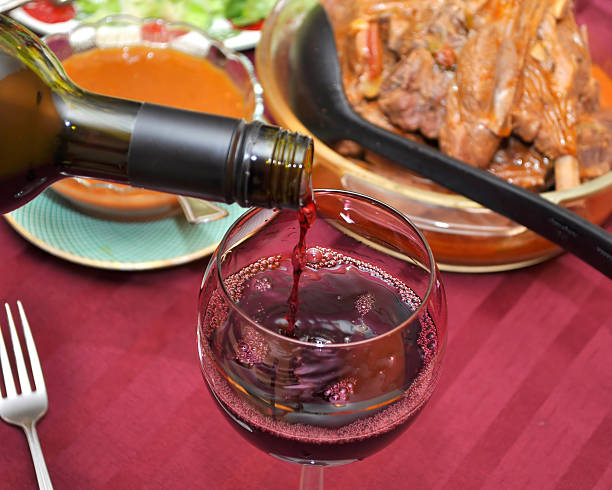
Cabernet Sauvignon is the go‑to red for a traditional herb‑crusted roast lamb. Its firm tannins cut through the meat’s richness while the dark fruit and subtle oak complement rosemary, garlic, and mint marinades.
Choose a wine with moderate acidity to balance the fattiness, and look for a bottle aged 5‑8 years for softened tannins and integrated spice. Serve the wine slightly below room temperature, around 60‑65 °F, to keep the fruit vibrant.
Pair a full‑bodied Napa or Bordeaux‑style Cabernet with lamb cooked to medium‑rare for the best harmony, and consider a small glass of the wine during the carving stage to keep the palate refreshed. Avoid overly aggressive, high‑alcohol examples, as they can overwhelm the delicate herb notes.
A well‑structured Cabernet also pairs nicely with a side of roasted root vegetables, enhancing the overall dining experience.
Syrah/Shiraz Options
Syrah, known as Shiraz in Australia, brings a peppery, smoky character that elevates a robust roast lamb with a spice rub or a red‑wine reduction sauce. The wine’s medium‑to‑high tannins and ripe black‑fruit flavors complement lamb seasoned with cumin, smoked paprika, or a hint of chili.
Select a Syrah with balanced acidity to cut through the meat’s fat and to highlight the earthy herbs. Look for bottles from the Rhône Valley with a touch of oak, or opt for a warm‑climate Australian Shiraz that offers softer tannins and a jammy finish.
Serve the wine at 58‑62 °F to preserve its aromatic intensity. Pair it with lamb that has been slow‑roasted to develop a caramelized crust, and consider adding a side of grilled eggplant or rosemary‑infused potatoes.
Avoid overly tannic, youthful Syrahs, as they may clash with the delicate aromatics of the dish.
Pinot Noir for Lighter Roasts
Pinot Noir’s elegant, silky profile makes it an excellent match for a lighter roast lamb, especially when the meat is seasoned with herbs like thyme, sage, or a citrus glaze.
The wine’s bright red‑fruit notes, subtle earthiness, and gentle tannins enhance the tenderness of a quick‑roasted or butter‑basted lamb loin without overpowering it. Choose a Pinot from a cooler climate, such as Burgundy or Oregon, where acidity is crisp and the palate remains delicate.
Serve slightly chilled at 55‑60 °F to accentuate its fruit aromatics. Pair the wine with lamb that has been cooked to a pink interior, accompanied by a side of sautéed mushrooms or a light mint‑yogurt sauce.
The subtle spice in the Pinot complements the herbaceous flavors, while the acidity balances the richness of the meat. Steer clear of heavily oaked or overly ripe Pinot Noirs, as they can dominate the nuanced profile of the roast.
Tips for Pairing Red Wine with Grilled Lamb
Choosing a Wine for Charred Flavors
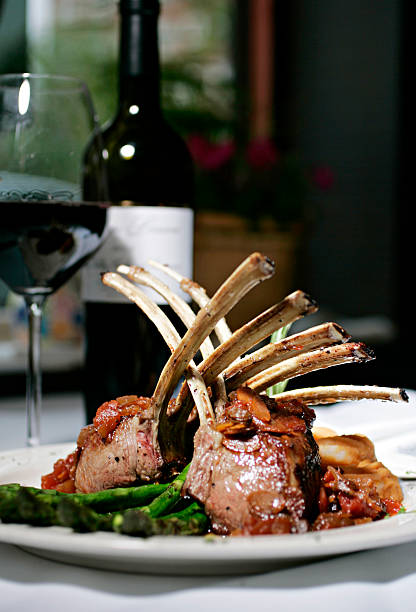
Start by looking for reds that can stand up to the caramelized crust of grilled lamb. Full‑body wines with firm tannins such as Cabernet Sauvignon, Syrah, or a bold Grenache‑based blend provide the structure to match the char.
Choose bottles with smoky, peppery notes and a hint of dark fruit, because these flavors echo the seared exterior without overwhelming the meat’s natural richness.
If you prefer a softer edge, a Merlot with moderate acidity and ripe plum flavors can still complement the grill marks while keeping the palate balanced.
Always serve the wine slightly cooler than room temperature (around 60‑65°F) to keep the alcohol in check and let the fruit shine through the smoky backdrop. Look for a wine that shows a touch of oak or vanilla spice, as these nuances mirror the smoky grill lines and add depth.
When possible, select a wine from a region known for robust reds, such as Napa Valley, the Rhône, or Spain’s Rioja, because the terroir often imparts the mineral edge that pairs beautifully with lamb’s gamey character.
Mediterranean Herbs and Wine Match
When you season grilled lamb with classic Mediterranean herbs—rosemary, thyme, oregano, and a dash of garlic—the wine should echo those aromatics. Syrah or GSM blends (Grenache, Syrah, Mourvèdre) from the Southern Rhône or Spain’s Priorat deliver peppery spice and dark berry fruit that harmonize with herb‑infused meat.
Look for a wine that offers herbaceous undertones and a hint of smoked paprika, mirroring the aromatic profile of the lamb. If you favor a lighter style, a Chianti Classico Riserva provides bright acidity, red cherry notes, and subtle earthy herbs that cut through the richness while complementing the rosemary.
Pairing a wine with medium tannins ensures the herb flavors are lifted without the wine becoming too astringent. Serve the wine at 58‑62°F and consider decanting for 30 minutes to open up the aromatic layers, allowing the herb‑driven nuances to shine alongside each bite.
Cool Climate Reds for Summer Grilling
For hot summer evenings, choose a red that stays refreshing yet still has enough body to match the richness of grilled lamb.
Pinot Noir from cooler regions such as Oregon’s Willamette Valley, New Zealand’s Central Otago, or Germany’s Ahr delivers bright red fruit, subtle earth, and soft tannins that won’t overwhelm in the heat.
These wines often show notes of cranberry, rose petal, and forest floor, which complement the lamb’s natural gaminess while keeping the palate lively.
Another excellent option is a Gamay from Beaujolais Villages, offering juicy strawberry‑cherry flavors, low acidity, and a silky texture that pairs beautifully with a lightly herb‑marinated lamb chop. To maximize freshness, chill the wine to 55‑60°F and serve it in a wide‑bowl glass to enhance aromatics.
A short 10‑minute aeration before drinking can further open the fruit‑forward profile, ensuring each sip balances the smoky grill marks with the wine’s crisp, cool character.
Best Red Wines for Lamb Stew and Braised Dishes
Full‑Bodied Reds for Slow‑Cooked Lamb
Choose a full‑bodied red that can stand up to the richness of a slow‑cooked lamb stew. Cabernet Sauvignon offers firm tannins and dark fruit flavors that cut through the meat’s fat, while Syrah/Shiraz adds peppery spice and smoky notes that echo braised aromatics.
Look for wines aged in oak; the subtle vanilla and toast complement caramelized vegetables and herbs like rosemary and thyme. Serve the wine slightly below room temperature, around 60‑65°F, to keep the alcohol from overwhelming the palate.
Decant for 30‑45 minutes to soften tannins and release aroma, ensuring each sip mirrors the stew’s depth. Pairing a robust red with lamb not only enhances the dish’s savory profile but also creates a harmonious dining experience that highlights both the wine’s structure and the meat’s tenderness.
Enjoy the pairing with a side of roasted potatoes to round out the meal and let the wine’s fruit linger on the finish.
Using Bordeaux Blends
Bordeaux blends are classic companions for lamb because their balanced acidity and layered complexity mirror the dish’s multifaceted flavors.
A Merlot‑dominant blend brings plush plum and soft tannins that meld with the stew’s sweet carrots and earthy root vegetables, while a Cabernet‑based blend contributes structure and a hint of cedar that lifts the richness of braised lamb neck.
Choose a wine from the Right Bank for a fruit‑forward profile, or opt for a Left‑Bank bottle if you prefer firmer tannins and a more mineral edge.
Serve the wine at 58‑62°F and allow it to breathe for 20 minutes to reveal its nuanced bouquet of blackcurrant, tobacco, and dried herbs. This thoughtful pairing not only accentuates the lamb’s savory depth but also provides a lingering finish that invites another bite.
Serve with a glass of water to cleanse the palate.
Alternatives: Malbec and Tempranillo
If you’re looking for a more adventurous match, consider Argentine Malbec or Spanish Tempranillo as alternatives that bring vibrant fruit and spice to lamb stews.
Malbec’s deep blackberry and violet notes, coupled with soft, velvety tannins, complement the caramelized onions and rosemary often used in braising, while its subtle oak influence adds a smoky backdrop.
Tempranillo offers bright cherry acidity and a touch of leather that cuts through the meat’s fattiness and highlights the dish’s tomato‑based sauce. Choose a young, fruit‑forward Malbec for a lively pairing, or opt for a Reserva‑style Tempranillo that has spent time aging in oak barrels for added complexity.
Serve both wines slightly cooler than room temperature, around 55‑60°F, and let them sit for ten minutes after opening to allow aromas of plum, spice, and dried herbs to fully develop. This dynamic duo ensures the lamb’s richness is balanced by the wine’s bright, aromatic profile.
How to Pair Red Wine with Lamb Chops
Selecting a Wine for Small Cuts
Start by considering the size and texture of lamb chop portions. Small, tender cuts benefit from a wine that offers bright acidity and moderate body, allowing the meat’s subtle flavor to shine without being overwhelmed.
Choose a Pinot Noir from a cool climate such as Burgundy or Oregon; its silky tannins and red‑fruit notes complement the delicate texture. If you prefer a classic option, a light‑to‑medium Rhône blend featuring Grenache and Syrah provides gentle spice and soft tannins that match the chop’s lean profile.
Look for wines with 12‑13% alcohol, as higher levels can mask the nuance of the meat. Serve the wine slightly chilled, around 55‑60°F, to enhance freshness and keep the palate ready for the next bite. This approach ensures the wine acts as a subtle partner rather than a dominating force.
Pairing with Herb Crusts
When lamb chops are finished with a rosemary‑garlic or mint‑herb crust, the aromatic layer calls for a wine that can echo those green notes while standing up to the richness of the meat.
Opt for a Cabernet Franc from the Loire Valley; its vegetal herbaceous character and moderate tannins mirror the herb crust and cut through the fat.
Another excellent match is a Spanish Tempranillo aged briefly in oak, offering soft vanilla spice that complements the garlic while its bright acidity lifts the herbaceous profile. Choose bottles with a medium‑length finish, around 10‑12 minutes, so the lingering flavors synchronize with the lingering herb aftertaste.
Serve the wine at 60‑65°F to allow the fruit and herb aromas to fully develop. By aligning the wine’s herbal nuances with the chop’s seasoning, each sip reinforces the palate’s experience, creating a harmonious and memorable dining moment.
Balancing Spice and Tannin
If your lamb chops are prepared with a peppery rub, harissa glaze, or a touch of cumin, the wine must provide enough tannic structure to tame the heat while offering fruit that softens the spice.
Select a Syrah/Shiraz from a warm region such as the Barossa Valley; its bold tannins, black‑berry core, and subtle smoky notes create a bridge between the fiery seasoning and the meat’s richness.
For a slightly lighter profile, a Zinfandel with ripe plum and cinnamon spice can mirror the cumin and add a silky mouthfeel that moderates the pepper bite. Aim for wines with 13.5‑14.5% alcohol and a firm yet polished tannic backbone, ensuring the finish cleanses the palate after each spicy mouthful.
Serve at 58‑62°F to keep the fruit vibrant and the tannins supple. This balance lets the wine act as a cooling counterpoint, turning bold spice into a layered, enjoyable experience.
Common Mistakes When Matching Red Wine and Lamb
Overpowering Light Wines
Choosing a delicate rosé or a light Pinot Noir for a grilled lamb chop often leaves the meat feeling mute. Light wines lack the tannic backbone needed to cut through the lamb’s natural gaminess and the richness of herbs or spices.
Instead, reach for a medium‑body red with moderate acidity, such as a Syrah or a Grenache‑based blend, which can stand up to the protein without overwhelming it.
Match the wine’s structure to the dish’s intensity: if the lamb is simply roasted with rosemary, a softer Merlot works; if it’s spiced with cumin or smoked, a bolder Cabernet Franc adds balance. By avoiding overly light wines, you preserve the lamb’s flavor while giving the wine room to shine.
Also consider the cooking method; braised lamb benefits from the soft tannins of a Tempranillo, which integrates the sauce and meat seamlessly.
Ignoring Sauce Influence
Many home cooks pair lamb with a red wine based solely on the meat, forgetting that the sauce often dictates the final match. Sauces rich in tomato, red wine reduction, or mint introduce acidity and sweetness that can clash with a wine that is too fruit‑forward.
If you serve lamb with a rosemary‑garlic jus, choose a wine with bright acidity and firm tannins, such as a Chianti Classico, to cut through the fat and echo the herbaceous notes. For a mint‑yogurt or chimichurri topping, a cooler, peppery Grenache‑Syrah blend complements the herb profile without being overpowered.
Align the wine’s flavor profile with the sauce’s dominant elements; a sweet, jammy Zinfandel pairs poorly with a tangy balsamic glaze, while a structured Bordeaux blend harmonizes with a robust, wine‑based sauce. Adjusting for sauce ensures the lamb and wine speak the same language.
Forgetting Regional Pairing Rules
Overlooking the traditional geography of wine and lamb can lead to mismatched flavors that feel foreign on the palate. Regional pairings respect the terroir that shaped both the meat and the bottle, creating a natural harmony.
When enjoying Greek lamb souvlaki, a local Agiorgitiko or a light Xinomavro mirrors the Mediterranean herbs and olive oil used in the dish. In a classic French rack of lamb with herbes de Provence, a Rhône‑style Syrah or a Bordeaux‑supérieur offers the same earthy minerality found in the local soils.
For Australian grilled lamb with native pepperberries, a Shiraz from Barossa Valley delivers the bold fruit and spice that echo the continent’s bold cooking style. Remember to match the wine’s origin to the cuisine’s region; this simple rule prevents clashing profiles and elevates the dining experience tonight.
Where to Buy and Serve the Perfect Red Wine for Lamb
Choosing Quality at the Store
Start by looking for red wines that have enough tannin and fruit to stand up to lamb’s rich, gamey flavor. Cabernet Sauvignon, Syrah, and Bordeaux blends are classic matches because their dark berry notes and structured backbone complement the meat’s fat.
In the store, check the label for a vintage that is 3‑5 years old; younger wines can be too sharp, while older bottles may have softened enough to meld smoothly.
Ask the staff to point out bottles with oak aging or spice‑infused profiles, as these add layers that echo rosemary or mint marinades.
When the price tag is high, compare the producer’s reputation and read the back‑of‑the‑case tasting notes for descriptors like “herbaceous,” “earthy,” or “peppery.” Finally, bring a small tasting glass to sample a pour if the shop permits, ensuring the wine’s acidity balances the lamb without overwhelming it.
Proper Serving Temperature
Serve the selected red at a temperature that unlocks its flavor while preserving its structure. Medium‑body reds like Merlot or Pinot Noir should be poured at 60‑64 °F (15‑18 °C), whereas full‑bodied wines such as Cabernet or Shiraz benefit from a slightly warmer 64‑68 °F (18‑20 °C).
Before the meal, remove the bottle from the refrigerator and let it sit in a wine cooler or on the counter for the recommended time—about 20 minutes for medium‑bodied and 30‑40 minutes for fuller styles.
If the wine feels too cool, gently swirl it in the glass; the motion releases heat and aromatic compounds. Decanting is optional but useful for younger, tannic wines: pour into a decanter for 20‑30 minutes to soften harsh edges and expose fruit notes that pair with rosemary‑ or garlic‑marinated lamb.
Always keep a thermometer handy to avoid over‑warming, which can make alcohol taste flat and diminish the wine’s ability to cut through the meat’s richness.
Storing Leftover Wine
After the lamb dinner, preserve any remaining wine so it can be enjoyed later or repurposed in sauces. First, re‑seal the bottle with its original cork or a vacuum stopper to limit oxygen exposure; this slows oxidation and keeps fruit flavors intact for up to five days.
Store the sealed bottle upright in the refrigerator, even for reds, because cooler temperatures further retard chemical reactions. If you have more than one glass left, consider transferring the wine to a smaller, airtight container; a reduced air‑to‑wine ratio preserves taste better than a half‑filled large bottle.
For sauces, pour the leftover into a saucepan, add a splash of stock, and simmer to concentrate the flavors before mixing with lamb drippings.
Finally, label the container with the wine type and date, so you can track its freshness and avoid serving a wine that has turned flat or overly acidic.
Frequently Asked Questions
Which red wine varieties pair best with lamb?
Full‑bodied reds with moderate tannins, such as Cabernet Sauvignon, Syrah/Shiraz, and Merlot, complement the richness of lamb. These wines balance the meat’s gaminess and any herbaceous seasonings.
Can a Pinot Noir work with lamb?
Yes, a medium‑bodied Pinot Noir, especially one with ripe fruit and subtle earth notes, pairs nicely with lamb dishes that are lightly seasoned or served with mushroom sauces.
What about a Bordeaux blend for lamb?
A classic Bordeaux blend (Cabernet Sauvignon, Merlot, Cabernet Franc) offers structured tannins and dark fruit flavors that enhance roasted or grilled lamb, especially when the dish includes rosemary or garlic.
Is a Spanish Rioja a good match for lamb?
A Rioja Reserva, with its blend of Tempranillo and oak aging, provides bright acidity and spice that cut through the fattiness of lamb, making it an excellent pairing for braised or slow‑cooked preparations.
Should I choose a New World or Old World wine for lamb?
Both work, but Old World wines (like Bordeaux, Rioja, or Chianti) often have higher acidity and earthiness that complement lamb’s flavor. New World wines (like Australian Shiraz) bring fruit-forward richness that pairs well with heavily seasoned or grilled lamb.
How does the cooking method affect wine choice?
Grilled or roasted lamb pairs best with robust, tannic reds (Cabernet, Syrah), while braised or stewed lamb benefits from softer, more acidic wines (Pinot Noir, Rioja) that can lift the dish’s richness.
Conclusion
Choosing the right red wine for lamb enhances both the meat’s richness and the wine’s fruitiness. Opt for medium‑to‑full‑bodied reds like Cabernet Sauvignon, Syrah, or a classic Bordeaux blend, which balance the lamb’s gaminess with tannins and spice. Remember to match the preparation—herb‑crusted or roasted lamb pairs best with structured wines, while a peppery glaze welcomes a fruit‑forward Pinot Noir. Experiment, enjoy, and let each bite and sip celebrate the perfect pairing.