58Mm Coffee Dosing Cup
A 58mm coffee dosing cup is the essential tool for espresso enthusiasts seeking consistent, mess-free puck prep. You’re likely wondering if it actually reduces grind spillage and improves distribution—yes, it does. This guide covers why a precision-fit cup beats a standard portafilter basket, ensuring your grounds are evenly settled before tamping. You’ve come to the right place to find the perfect fit for your workflow.
What Is a 58mm Coffee Dosing Cup and Why Use One
Definition and basic design of a 58mm dosing cup
A 58mm coffee dosing cup is a precision tool designed to hold ground coffee before it is transferred to your espresso machine’s portafilter. Its name comes from the standard 58-millimeter diameter that matches commercial and prosumer espresso baskets.
Typically made from stainless steel, aluminum, or durable plastic, the cup features straight walls and a flat bottom to ensure even coffee distribution. Many models include measurement markings (in grams or milliliters) for accurate dosing, and some have a narrow spout for mess-free pouring.
The cup’s key design element is its rim, which fits snugly into the portafilter basket, allowing you to flip the cup over and drop the grounds directly without spillage. This eliminates the need for scooping or tapping, reducing clumping and uneven density.
For home baristas, a 58mm dosing cup simplifies your workflow by acting as a consistent dosing vessel, helping you achieve repeatable results. To use one effectively, grind directly into the cup, weigh your dose, then invert it onto the portafilter for a clean transfer.
Key benefits for espresso puck preparation
Using a 58mm dosing cup directly improves espresso puck preparation by promoting even extraction and reducing channeling. The primary benefit is consistent distribution—when you invert the cup onto the portafilter, the grounds fall evenly across the basket, avoiding the mounds and valleys common with direct grinding.
This pre-leveling step minimizes the need for aggressive distribution tools like needles or levelers, saving time. Additionally, the cup helps you control your dose precisely: you can grind into the cup, weigh it, and adjust before transfer, preventing over- or under-dosing. This precision is critical for achieving balanced flavor.
The cup also reduces mess—no stray grounds on your counter or portafilter rim—keeping your workflow tidy. For better results, pair your dosing cup with a calibrated tamper: after the flip, give the portafilter a gentle side tap to settle the grounds, then tamp firmly.
This method ensures a uniform puck density, which translates to a slower, more even espresso flow and a sweeter, more complex shot. Many baristas find it reduces their puck prep time by half.
How it differs from standard portafilter baskets
A 58mm dosing cup is not a replacement for your portafilter basket; rather, it works alongside it to improve your workflow. The portafilter basket is the metal insert that holds the coffee during extraction, while the dosing cup is a separate vessel used only during preparation.
The key difference is function: the basket is part of the brewing system, designed to withstand high pressure and heat, whereas the cup is a handling tool focused on dosing and transfer.
Baskets have holes for water flow and require precise fit, while dosing cups have solid walls and are often interchangeable between portafilters.
Another distinction is versatility: a dosing cup can be used with multiple baskets (e.g., single, double, or bottomless) and even for other tasks like weighing whole beans or frothing milk, whereas a basket is dedicated to espresso.
For optimal use, choose a dosing cup with a rim that matches your basket’s inner diameter (58mm) to ensure a secure seal during inversion. Avoid using the cup as a tamping base, as it may not provide the same stability as a flat counter surface.
This separation of tools streamlines your routine and reduces cross-contamination of flavors.
How to Choose the Right 58mm Dosing Cup for Your Setup
Material options: stainless steel, aluminum, and plastic
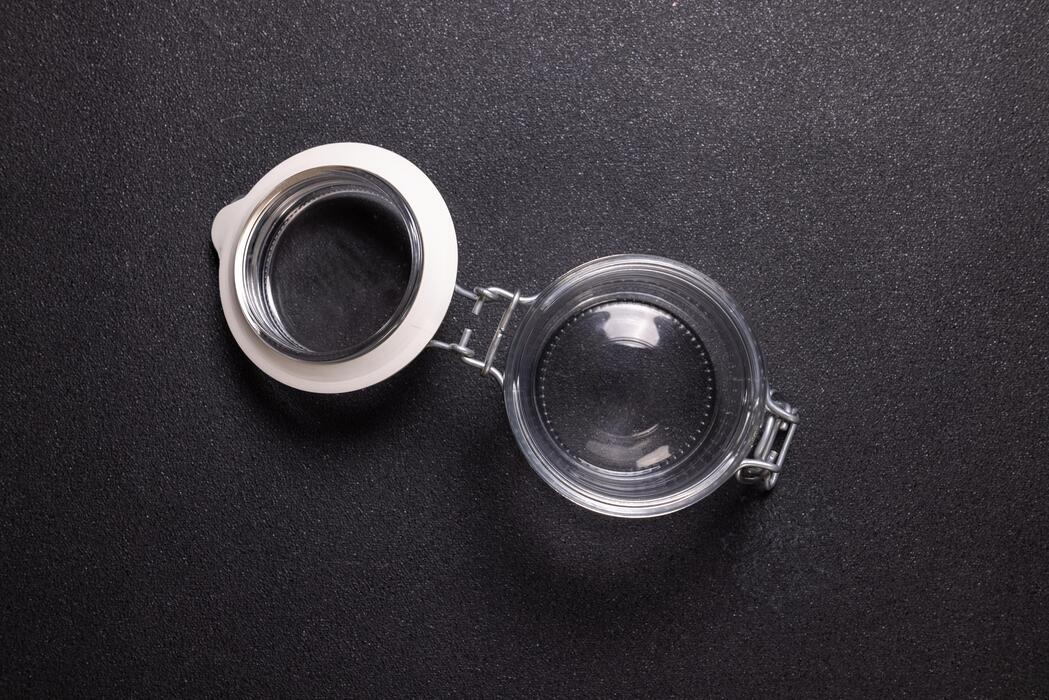
Choosing the right material for your 58mm dosing cup directly impacts durability, heat retention, and workflow. Stainless steel is the most popular choice for its superior durability and resistance to corrosion. It doesn’t retain odors or stains, and its weight provides stability during use.
Look for cups with a brushed or matte finish to reduce static, which can cause coffee grounds to stick. Aluminum cups are lighter and more affordable, making them a good option if you frequently move your setup or want to save money.
However, aluminum can dent more easily and may not insulate heat as well, potentially affecting temperature stability. Plastic dosing cups are the most budget-friendly and lightweight, but they can scratch over time, absorb coffee oils, and generate static.
For best results, choose stainless steel for a long-lasting, low-maintenance tool that minimizes static and preserves your coffee’s flavor. Avoid plastic if you prioritize precision and longevity.
Size and capacity considerations for single vs. double shots
Selecting the correct capacity ensures you can dose accurately without spillage or overflow. Standard 58mm dosing cups typically hold between 18 and 25 grams of coffee, ideal for double shots. For single shots, look for a smaller capacity (10-15 grams) to avoid excess headroom that can cause uneven distribution.
Depth matters: a deeper cup (around 40-50mm) helps contain grounds when using a grinder’s dosing funnel, reducing mess. If you often brew light roasts that require larger doses, opt for a cup with a capacity of 22-25 grams. For dark roasts or smaller doses, 18-20 grams works well.
A clear measurement marking inside the cup is helpful for consistency. Avoid cups that are too shallow, as they can cause grounds to spill during transfer. Always check the cup’s internal diameter—it must fit your portafilter basket precisely to avoid misalignment and waste.
Compatibility with common espresso machines and grinders
Ensure your 58mm dosing cup fits seamlessly into your workflow by checking compatibility with your grinder’s fork or holder. Many grinders, like the Eureka Mignon or Baratza Sette, have a specific dosing cup rest; the cup’s base diameter and height must align to avoid tipping.
Magnetic bases are a plus for grinders with metal forks, adding stability. For espresso machines like Rancilio Silvia, Gaggia Classic, or E61 group heads, the cup’s rim should match the portafilter basket’s outer diameter (58mm) for a snug fit when dosing.
Some cups have a tapered or flared shape that works better with certain portafilter spouts. Anti-static features (like a metallic coating or specific plastic blend) help prevent grounds from clinging. Test the cup with your grinder’s dosing funnel—if it’s too wide, it may block the funnel.
Prioritize cups designed for 58mm baskets to ensure zero wobble during use.
Top Features to Look for in a 58mm Coffee Dosing Cup
Rim design for easy leveling and tamping
The rim of your 58mm coffee dosing cup is critical for achieving a level, even puck. Look for a thin, sharp-edged rim that allows the dosing ring or your tamper to sit flush without catching.
A rolled or thick edge can create a gap, leading to uneven coffee distribution and channeling. The best design has a smooth, straight wall that transitions seamlessly into the rim, enabling you to swipe excess grounds cleanly. This ensures your tamper compresses the coffee evenly, maximizing extraction.
When testing, check that the rim is perfectly round and free of burrs. A precision-machined rim, often found in stainless steel cups, provides the tightest tolerance for consistent tamping. Avoid cups with a pronounced lip or inward curve, as these can trap grounds and disrupt your workflow.
Prioritizing this feature directly improves shot quality by reducing the risk of uneven extraction.
Non-slip base or grip for stable handling
Stability is paramount when dosing and transferring coffee, so a non-slip base or grip is a must-have. Look for cups with a silicone ring, rubberized coating, or textured surface on the bottom to prevent sliding on your counter or scale.
This is especially important when using a dosing ring or funnel, as any wobble can spill grounds and ruin your dose. A weighted base also adds stability, keeping the cup planted during vigorous tapping or distribution.
For handling, consider a cup with a knurled or contoured grip that provides tactile feedback, even with wet or oily fingers. This prevents accidental drops and allows for a secure hold when transferring to your portafilter.
Test the cup by placing it on a slightly damp surface; a good non-slip design will stay put. Ultimately, a stable cup reduces mess, speeds up your workflow, and ensures every gram of coffee reaches your basket for a precise shot.
Measurement markings for consistent dosing
Accurate dosing is the foundation of repeatable espresso, so clear, durable measurement markings are essential. Look for etched or laser-engraved lines that won’t fade over time, unlike painted markings that wear off with cleaning.
These should be easy to read at a glance, with increments in grams (e.g., 10g, 15g, 20g) and possibly milliliters for versatility. For a 58mm cup, markings that align with common single and double doses (14-18g) are most practical.
Ensure the markings are inside the cup for direct reading while filling, not on the outside where they’re obscured by your hand. Some cups offer a clear window or angled markings for improved visibility. This feature eliminates the need for a separate scale every time, speeding up your routine.
However, note that markings are approximations; for maximum precision, still use a scale. Prioritize cups with permanent, high-contrast markings to ensure consistent dosing shot after shot without guesswork.
Step-by-Step Guide to Using a 58mm Dosing Cup
Preparing your grinder and portafilter
Start by ensuring your grinder is clean and set to a fine espresso grind suitable for a 58mm basket. Remove the portafilter from the grouphead and dry it thoroughly, as residual moisture can cause clumping.
Place the portafilter securely in a dosing stand or on a stable surface to prevent tipping. Check that your 58mm dosing cup is clean and dry—any leftover grounds can affect dose accuracy. For best results, use a scale to weigh your beans before grinding, targeting a dose between 18-20 grams.
If your grinder has a timed dose, run a test to confirm consistency. Pre-wet your dosing cup with a spritz of water (optional) to reduce static, which helps grounds flow smoothly. Finally, position the dosing cup directly under the grinder’s chute, ensuring it’s centered to catch every particle.
This preparation minimizes waste and sets the stage for a precise, mess-free workflow.
Filling and leveling the dosing cup
With your dosing cup in place, activate the grinder and let the grounds fall directly into the cup. Avoid overfilling—stop when the cup is about two-thirds full, as this allows room for leveling. Use a scale to verify the weight, adding or removing grounds as needed.
Gently tap the dosing cup on a flat surface to settle the grounds evenly, reducing air pockets. Then, use a leveling tool or a straight edge (like a knife) to scrape off excess coffee, creating a flat, uniform surface.
This step is crucial for consistent extraction because an uneven bed leads to channeling. If you don’t have a leveler, simply shake the cup side-to-side while tapping it. The goal is a smooth, level top without compacting the grounds prematurely.
Proper leveling ensures that when you transfer, the coffee distributes evenly in the portafilter, setting you up for a balanced shot.
Transferring grounds to the portafilter without mess
Once the dosing cup is level, invert it directly over the portafilter basket. Line up the cup’s rim with the basket’s edge to minimize spillage. In one swift, steady motion, flip the cup and let the grounds drop into the portafilter.
Do not tamp yet—first, tap the side of the portafilter to settle the coffee evenly. If any grounds stick to the cup, use a gentle tap or a brush to dislodge them. For extra cleanliness, hold the cup at a slight angle while transferring to avoid stray particles.
Work over a tray or mat to catch any accidental spills. After transferring, check the portafilter for clumps and break them apart with a distribution tool or your finger. Finally, wipe the rim of the portafilter clean with a dry cloth to ensure a good seal.
This technique preserves dose accuracy and keeps your workspace tidy, streamlining your espresso routine.
Tips for Improving Espresso Consistency with a Dosing Cup
Using a dosing funnel alongside the cup
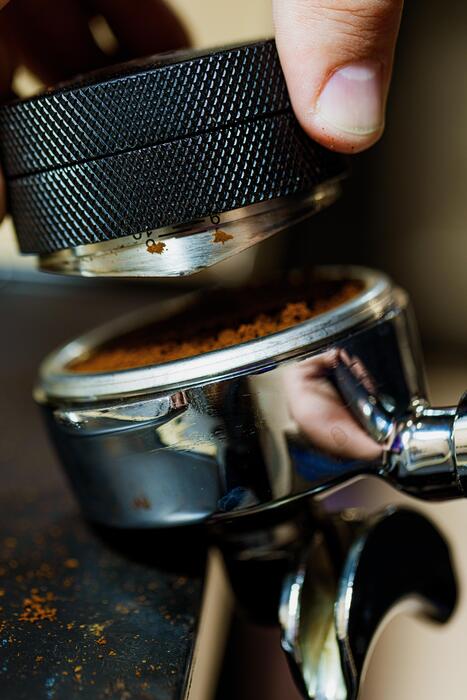
Pairing a 58mm dosing funnel with your dosing cup is a game-changer for consistency. The funnel sits atop your portafilter, creating a tall, narrow chamber that prevents coffee grounds from spilling during transfer. This eliminates the need to level or sweep grounds off the rim, which can disturb distribution.
To use, first grind directly into the dosing cup, then place the funnel on the portafilter and invert the cup over it. Gently tap the cup to release all grounds, then remove the cup and funnel. This method ensures zero waste and a perfectly level bed of coffee.
For best results, choose a funnel with a magnetic or snug fit to avoid wobbling. The combo also speeds up your workflow—no more chasing stray grounds. Over time, you’ll notice fewer channeling issues and more repeatable extractions, as the funnel preserves the grind structure and prevents pre-tamp clumping.
Techniques for even distribution and tamping
With a dosing cup, achieving even distribution starts before the grounds hit the basket. After grinding into the cup, swirl or shake the cup gently to settle the coffee evenly, then use a distribution tool like a WDT (Weiss Distribution Technique) needle to break up clumps.
When transferring, hold the portafilter steady and invert the cup in one smooth motion—this minimizes shifting. After transfer, use a leveler or your finger to sweep any high spots, but avoid overworking the bed. For tamping, always apply consistent, level pressure (about 30 pounds) with a calibrated tamper.
The dosing cup’s straight walls help maintain a uniform grind column, so you can tamp straight down without adjusting. Practice the same sequence every time: grind, shake, distribute, tamp. This routine reduces variables like uneven density or tilted pucks, leading to predictable flow rates and balanced flavor shot after shot.
Cleaning and maintenance to avoid stale coffee buildup
A clean dosing cup is essential for flavor consistency. Oily coffee residues can accumulate inside the cup, especially if you use dark roasts, leading to stale or rancid notes in your espresso.
Rinse the cup immediately after each use with warm water and a soft brush to remove oils and fines. For deeper cleaning, soak it weekly in cafiza or a mild detergent solution for 10–15 minutes, then scrub with a non-abrasive sponge.
Avoid dishwashers if the cup has a non-stick coating, as high heat can degrade it. Also, inspect the rim and interior for scratches—these can trap coffee particles and harbor bacteria. Dry the cup thoroughly before storage to prevent mold. Similarly, clean your dosing funnel and tamper regularly.
A maintenance routine ensures your dosing cup delivers fresh-tasting coffee every time, preventing cross-contamination from previous brews and preserving the pure flavor profile of your beans.
Best 58mm Dosing Cups on the Market in 2025
Top-rated stainless steel models for durability
For home baristas seeking a long-lasting tool, stainless steel dosing cups offer unmatched durability and precision. Look for models like the *Normcore V4* or *MHW-3BOMBER*, which feature heavy-gauge 304 stainless steel that resists dents and corrosion even with daily use.
These cups often include etched measurement lines inside for accurate dosing, and their tapered design minimizes coffee retention. Key features to prioritize include a smooth, polished interior that prevents static cling and a wide, stable base that fits snugly in 58mm portafilters.
Many top-rated options also come with a silicone bottom ring to reduce noise and protect countertops. Investing in a stainless steel cup ensures consistent dosing and easy cleaning, as they are typically dishwasher-safe.
For optimal workflow, choose a model with a capacity of 25-30g to handle most espresso doses without overflow. These cups are a reliable upgrade that will outlast plastic alternatives and maintain their sleek appearance over time.
Budget-friendly options for home baristas
If you’re starting out or want to save money, affordable dosing cups under $15 can still deliver reliable performance. Brands like *Crema Coffee Products* and *Neouza* offer BPA-free plastic cups that are lightweight and shatter-resistant, ideal for casual use.
Look for clear plastic models with visible measurement markings in both grams and milliliters, making it easy to dose accurately without a scale. Many budget options feature a slim profile that fits easily under most grinders, and a slightly flared lip to prevent spills during transfer.
While plastic may scratch over time, these cups are easy to replace and often come in sets for added value. For under $20, you can also find aluminum versions that combine low cost with decent durability. Prioritize cups with a non-slip grip or silicone ring to enhance handling.
These choices prove that you don’t need to overspend for consistent, mess-free dosing in your home espresso routine.
Professional-grade cups for commercial use
Commercial espresso environments demand dosing cups that withstand high volume and precision. Professional-grade models like the *Pullman Big Step* or *Saint Anthony Industries* are crafted from thick, machined aluminum or surgical stainless steel, ensuring zero warping under repeated use.
These cups often feature a precision-machined rim for a perfect seal with portafilters, reducing coffee loss and channeling. Look for designs with dual measurement scales (grams and ounces) and a capacity of 30-35g to accommodate larger doses.
Many pro cups include a silicone base for stability on wet countertops and laser-etched markings that won’t fade. Key benefits include consistent dose distribution and easy cleaning in commercial dishwashers. For high-traffic cafes, choose a cup with a heat-resistant handle or integrated funnel to speed up workflow.
Investing in a pro-grade cup minimizes waste and boosts shot quality, making it a worthwhile asset for serious baristas and busy shops.
Common Mistakes to Avoid When Using a 58mm Dosing Cup
Overfilling or underfilling the cup
Getting the dose right is critical for balanced extraction. Overfilling the 58mm dosing cup leads to coffee grounds spilling during transfer, wasting coffee and creating mess. More importantly, an overfilled basket prevents the portafilter from locking in properly, causing channeling or uneven pressure.
Underfilling, on the other hand, leaves too much headspace, resulting in weak, under-extracted espresso with thin crema. Use a scale to weigh your dose—aim for 18-20 grams for a standard double shot. Fill the cup to just below the rim so it transfers cleanly without spillage.
If your cup has volume markings, treat them as rough guides, not precise measures. Consistently weighing ensures repeatability. Remember, even a gram off can drastically change flavor. Always verify the dose fits your specific basket; some baskets are designed for 18g, others for 20g or more.
This habit eliminates guesswork and improves shot quality from the start.
Skipping the leveling step before tamping
A common shortcut is dumping grounds from the dosing cup directly into the basket and tamping without leveling. This creates an uneven coffee bed, leading to channeling, bitter or sour shots, and poor extraction. The dosing cup deposits grounds in a mound, so skipping leveling means the tamper presses unevenly.
Always level the grounds before tamping by gently tapping the side of the portafilter or using a distribution tool. For a simple method, after transferring, use your finger or a leveler to sweep the surface flat. This ensures consistent density across the puck, promoting even water flow.
Many baristas use the dosing cup’s rim to scrape excess grounds off the basket’s edge, but this doesn’t level the bed. Take two extra seconds to level—it’s the difference between a predictable shot and a frustrating one.
Combined with proper tamping pressure (about 30 pounds), leveling guarantees optimal extraction and repeatable results.
Using a cup that doesn’t fit your portafilter basket
Not all 58mm dosing cups are truly compatible with every portafilter basket. A cup that’s too wide or too tall won’t sit securely, causing spills or difficulty aligning the grounds.
Some cups have a flared rim that prevents a snug fit, while others are too shallow to hold your dose without overflow. Always check the cup’s inner diameter—it must be exactly 58mm to match the basket.
Additionally, ensure the cup’s depth accommodates your typical dose; a 20g dose needs more vertical space than a 15g one. Test the fit before purchasing by placing the cup over your empty basket; it should nestle without wobbling. A poor fit leads to messy transfers, wasted coffee, and inconsistent dosing.
Invest in a cup designed specifically for 58mm baskets, with smooth walls for easy cleaning. This small detail streamlines your workflow and prevents frustration. Your dosing cup should feel like an extension of your portafilter, not a clunky add-on.
Frequently Asked Questions
What is a 58mm coffee dosing cup used for?
A 58mm coffee dosing cup is used to catch ground coffee from your grinder and transfer it cleanly into a 58mm espresso portafilter. It helps reduce mess, ensures consistent dosing, and can include features like a dosing funnel or spout for precise filling.
How do I use a 58mm dosing cup with my espresso machine?
Place the dosing cup under your grinder’s chute to collect the grounds. Then, invert the cup over your 58mm portafilter and tap or shake gently to transfer the coffee. Some cups have a narrow opening that fits directly into the portafilter basket for minimal spillage.
What is the difference between a dosing cup and a dosing funnel?
A dosing cup is a standalone container that holds and transfers grounds, while a dosing funnel sits on top of the portafilter to guide grounds into the basket without overflow. Many 58mm dosing cups double as funnels when inverted, combining both functions.
Are all 58mm dosing cups compatible with any portafilter?
Most 58mm dosing cups are designed to fit standard 58mm portafilters, but compatibility can vary with raised edges or angled baskets. Check if the cup’s rim or base diameter matches your portafilter’s basket size, especially for precision or bottomless portafilters.
Can a 58mm dosing cup help reduce coffee grounds mess?
Yes, a dosing cup significantly reduces mess by containing grounds during grinding and transfer. It eliminates the need to sweep stray grounds off your counter and helps you dose directly into the portafilter without spillage.
What materials are best for a 58mm coffee dosing cup?
Common materials include stainless steel, aluminum, and food-grade plastic. Stainless steel is durable, rust-resistant, and often has a non-stick coating. Aluminum is lightweight but may dent. Plastic is affordable and lightweight but less durable over time.
How do I clean a 58mm dosing cup?
Most dosing cups can be rinsed with warm water and dried immediately to prevent coffee oil buildup. For deeper cleaning, use a mild detergent and a soft brush. Avoid abrasive scrubbers that could scratch non-stick coatings.
Is a 58mm dosing cup necessary for espresso beginners?
While not strictly necessary, a dosing cup is highly recommended for beginners because it simplifies the workflow, reduces waste, and helps achieve consistent doses. It is an affordable accessory that improves both cleanliness and shot quality.
Conclusion
The 58mm dosing cup is an essential tool for espresso enthusiasts, simplifying the workflow by reducing mess and ensuring a precise, even coffee bed for better extraction. Key takeaways include its compatibility with most portafilters, improvement in dose consistency, and protection of grinds from static and spills. Upgrade your morning routine with this simple accessory—your daily shot of espresso will thank you for the newfound consistency and cleanliness.