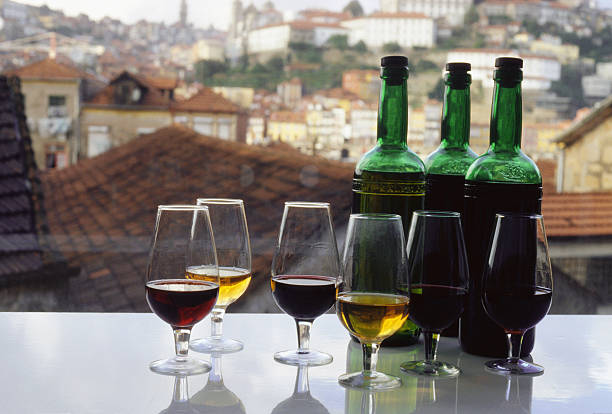
Why Do People Decant Wine
Have you ever wondered why wine lovers pour their favorite bottle into a glass container before serving? It might look like a fancy ritual, but there are practical reasons behind it. Decanting primarily helps separate sediment from older wines and aerates younger ones to soften harsh tannins. In this guide, we will quickly explain exactly why people decant wine and how it enhances every sip.
What is wine decanting?
The basic definition of decanting
Decanting is the intentional process of pouring wine from its original bottle into a secondary vessel, primarily to separate liquid from sediment while exposing the wine to oxygen.
This technique is a vital solution for older red wines that have developed natural tannins and coloring matter over time, which can create a gritty texture if poured directly into a glass.
By carefully transferring the wine, you ensure a crystal-clear pour that enhances the visual appeal and mouthfeel of every glass. Beyond sediment removal, the primary reason people decant is to accelerate aeration, allowing the wine to ‘breathe’ and release its full aromatic potential.
For younger, high-tannin wines, this exposure to air helps to soften harsh edges and integrate complex flavors that might otherwise remain closed off.
Ultimately, decanting serves as a functional bridge between the cellar and the table, ensuring that the wine is served in its most approachable and flavorful state possible for your guests.
The difference between a decanter and a carafe
While these terms are often used interchangeably, understanding the distinction is key to optimizing your wine service. A decanter is specifically engineered with a wide base and large surface area to maximize oxygen contact, which is essential for opening up the bouquet of complex reds.
The structural design of a decanter focuses on functional aeration, providing enough room for the wine to spread out and interact with the air. In contrast, a carafe is typically taller and narrower, designed primarily for elegant serving and temperature control rather than intense aeration.
Carafes are excellent solutions for white wines or rosés that only need slight chilling or a stylish presentation without excessive oxygen exposure.
Choosing the right vessel depends on your goal: use a decanter when you need to soften tannins and evolve aromatics, and reach for a carafe when the priority is maintaining a consistent temperature or simply presenting water and lighter beverages.
Matching the vessel to the wine style ensures the best sensory experience.
How the process works for different styles
The decanting method should be tailored to the specific age and style of the wine to achieve the best results. For bold, young red wines like Cabernet Sauvignon or Syrah, a vigorous decant of one to two hours is recommended to mellow aggressive tannins and reveal hidden fruit notes.
In these cases, the wine benefits from significant air contact to reach its peak expression.
Conversely, mature vintage wines require a much more delicate approach; they should be decanted immediately before serving to remove sediment without over-exposing the fragile liquid to oxygen, which could cause the delicate aromas to fade too quickly.
Even some full-bodied white wines, such as aged Chardonnay, can benefit from a brief fifteen-minute decant to awaken complex nutty and floral profiles. Always monitor the wine during the process, as the goal is to reach a balance where the flavors are vibrant and the texture is smooth.
By adjusting your timing and technique based on the bottle’s characteristics, you provide a customized solution for every pour.
Main reasons to decant your wine
Removing bitter sediment from older bottles
As premium red wines age over several years, naturally occurring tannins and tartrates eventually crystallize and settle at the bottom of the bottle.
While these particles are completely harmless to consume, they possess a gritty texture and an unpleasantly bitter taste that can ruin the refined experience of a vintage bottle.
By carefully pouring the wine into a decanter, you can effectively separate the clear liquid from the solid dregs that have accumulated over time. To achieve the best results, stand the bottle upright for twenty-four hours before opening to let the solids settle.
When you begin the process, pour slowly and use a light source, such as a candle or flashlight, positioned under the neck of the bottle to spot the exact moment the sediment reaches the shoulder.
Stopping the pour at this precise point ensures your glass remains free of debris, allowing the smooth texture and complex flavors of the aged wine to shine without any interference from bitter particulate matter.
Aerating the liquid to improve flavor
Decanting is a highly effective technique for introducing oxygen to a wine that has been sealed away for a long time. When wine makes contact with the air, it undergoes a chemical process called oxidation and evaporation which helps to soften harsh tannins and release volatile aromatics.
This is particularly beneficial for young, full-bodied reds like Cabernet Sauvignon or Syrah, which may feel tight or overly acidic directly after cork removal.
By increasing the surface area of the liquid in a wide-bottomed vessel, you allow the wine to ‘breathe,’ which effectively unlocks hidden layers of fruit and floral notes that were previously suppressed.
For most young wines, thirty to sixty minutes of aeration is sufficient to transform a sharp profile into a balanced and approachable masterpiece.
This simple step mimics the natural aging process at an accelerated pace, ensuring that every glass you serve offers the most expressive and pleasurable tasting profile possible for your guests to enjoy during the meal.
Bringing the wine to the right serving temperature
Temperature control is a critical yet often overlooked aspect of the wine tasting experience, as a liquid that is too cold will mask delicate flavors, while a wine that is too warm can taste overly alcoholic.
Transferring wine from a cold cellar or a kitchen refrigerator into a glass decanter allows it to gradually reach the ideal serving temperature more efficiently than leaving it in the original thick-walled bottle.
Because the glass of a decanter is typically thinner and the liquid is spread over a larger surface area, it interacts more rapidly with the ambient room environment. This allows you to fine-tune the thermal profile of the wine before it ever hits the glass.
If a red wine feels sluggish, the gentle warming provided by decanting can help the esters volatilize, making the bouquet more prominent.
Conversely, you can place the decanter in an ice bath for a few minutes to quickly bring down the temperature of a white wine that has become too warm, ensuring a crisp finish.
How oxygen changes the taste of wine
Softening harsh tannins in young reds
When you decant a bold red wine, you initiate a controlled oxidation process that fundamentally alters its structure. Young wines, particularly those made from Cabernet Sauvignon, Syrah, or Nebbiolo, often contain high levels of polyphenols known as tannins.
These compounds can create a drying, astringent, or even bitter sensation on the palate that masks the wine’s underlying complexity. By exposing the liquid to a large surface area of air, you allow oxygen to interact with these molecules, causing them to polymerize and become smoother.
This chemical shift effectively softens harsh tannins, making the wine feel more velvety and approachable. Instead of a sharp or aggressive mouthfeel, the wine develops a rounded texture that enhances the overall drinking experience.
For the best results, allow young, tannic reds to sit in a wide-bottomed decanter for at least sixty minutes. This simple step ensures that the oxygen integration transforms a tight, youthful bottle into a balanced and enjoyable glass of wine.
Releasing trapped aromas and fruit notes
Wine is a living product that can become ‘closed’ or muted when stored in a vacuum-sealed bottle for extended periods. Decanting acts as a catalyst for flavor development by encouraging the evaporation of volatile compounds.
As oxygen enters the wine, it breaks the surface tension and helps to release trapped aromas that were previously suppressed by the lack of air. You will notice that fruit-forward notes, such as ripe cherry, blackberry, or plum, become significantly more pronounced after aeration.
This process is essential for appreciating the full aromatic profile of a vintage, as it allows secondary and tertiary layers to emerge. By increasing the wine’s exposure to the atmosphere, you are essentially waking up the liquid and allowing its true character to shine.
This transition from a flat, one-dimensional profile to a vibrant and fragrant bouquet is one of the primary reasons wine enthusiasts prioritize decanting. It ensures every nuance of the winemaker’s intended profile is fully accessible to your senses during the tasting process.
Reducing sulfur and ethanol smells
It is common for newly opened bottles to exhibit slightly off-putting scents, such as a sharp medicinal sting or a smell reminiscent of struck matches. These are often caused by sulfur dioxide used during bottling or reductive winemaking techniques that trap volatile sulfur compounds.
Decanting provides a quick and effective solution for reducing sulfur and ethanol smells by allowing these volatile gases to dissipate into the air.
When a wine is poured into a decanter, the initial rush of oxygen helps to blow off these ‘reductive’ notes, which can otherwise hide the wine’s natural beauty.
Furthermore, high-alcohol wines can sometimes have an overwhelming ethanol vapor that masks delicate floral or herbal notes; aeration helps to balance the aromatic intensity, making the alcohol less dominant on the nose. By giving the wine space to breathe, you clear away these temporary chemical distractions.
This results in a much cleaner, more focused scent profile that highlights the quality of the fruit rather than the chemical stabilizers or the high alcohol content.
Which wines benefit most from decanting?
Full-bodied red wines like Cabernet and Syrah
Young, bold red wines with high tannin structures are the primary candidates for decanting because they require significant oxygen exposure to soften their astringency.
When you pour a dense Cabernet Sauvignon or a spicy Syrah into a wide-bottomed decanter, you increase the surface area contact between the liquid and the air. This process, often called aeration, triggers a chemical reaction that evaporates volatile compounds and smooths out the harsh, puckering sensation of tannins.
By allowing these wines to breathe for sixty to ninety minutes, you unlock hidden aromatic layers like dark fruit, leather, and spice that would otherwise remain muted in a tightly corked bottle.
This practice essentially mimics the aging process in a fraction of the time, making a youthful, aggressive wine much more approachable and balanced on the palate. Always ensure the wine is served at a cool room temperature to further enhance the bouquet and flavor profile during this critical aeration phase.
Vintage ports and aged bottles with heavy sediment
For older vintages and fortified wines like Port, decanting serves the vital practical purpose of separating the clear liquid from bitter sediment. Over decades of aging, phenolic compounds and tannins bind together and precipitate out of the wine, creating a sandy or silty layer at the bottom of the bottle.
If poured directly into a glass, this grit ruins the texture and imparts a metallic, unpleasant taste.
To manage this, keep the bottle upright for 24 hours before opening, then pour it slowly into the decanter in one steady motion while using a light source like a candle or flashlight under the neck to spot the first signs of sediment.
Once the silt reaches the neck, stop pouring immediately. This ensures your guests enjoy a crystal-clear pour with a refined mouthfeel.
Beyond clarity, brief decanting helps these delicate, older wines shed any ‘bottle funk’ or musty aromas that may have developed during their long period of anaerobic storage in the cellar.
Select white wines and high-end Champagnes
While less common, certain white wines and vintage Champagnes benefit immensely from decanting to reveal complex secondary aromas that are often suppressed by cold temperatures or reductive winemaking techniques. Full-bodied whites like oaked Chardonnay or aged Riesling can sometimes taste ‘closed’ or overly acidic upon first opening.
A quick splash-decant helps volatilize sulfur compounds and allows the wine’s texture to become creamier and more expansive. Surprisingly, high-end sparkling wines with fine bubbles can also benefit; decanting them gently can soften an overly aggressive mousse while highlighting deep notes of brioche, toasted nuts, and dried fruits.
The key is to use a smaller, chilled decanter to prevent the wine from warming too quickly or losing its effervescence entirely. By introducing controlled oxygen, you elevate the tasting experience for premium whites, ensuring that the intricate balance of acidity and fruit is perfectly showcased.
This technique transforms a standard pour into a sophisticated, multi-dimensional sensory journey for discerning enthusiasts.
Step-by-step guide to decanting wine correctly
Preparing the bottle and standing it upright
To decant wine properly, you must begin by standing the bottle upright for at least 24 to 48 hours before you plan to open it.
This initial step is crucial because it allows any accumulated sediment to settle at the bottom of the bottle, preventing it from clouding the liquid during the pouring process.
When people ask why they should decant, the primary reason is to separate the clear wine from the bitter solids that develop as fine reds age.
Once the bottle has rested, carefully remove the entire foil capsule and wipe the neck clean with a damp cloth to ensure no debris falls into the glass. Use a high-quality corkscrew to gently extract the cork, taking care not to shake or tilt the bottle unnecessarily.
Maintaining a steady hand at this stage ensures that the sediment remains undisturbed at the base, setting the stage for a clean, visually appealing pour that highlights the wine’s true clarity and brilliance.
Using a light source to spot sediment
The actual pouring process requires a steady hand and a reliable light source to ensure complete precision. Position a candle or a bright flashlight directly under the neck of the bottle as you begin to slowly tilt the wine into the decanter.
This illumination allows you to monitor the liquid for any dark specks or cloudy particles moving toward the opening. The goal of decanting is to stop pouring the very moment you see sediment reach the shoulder of the bottle.
By using this visual aid, you effectively filter the wine without the need for messy screens or external funnels. This technique is especially vital for vintage ports and aged Cabernets, where sediment can impart a gritty texture and an unpleasant metallic taste.
Mastering the use of light ensures that only the purest, most flavorful liquid enters your decanter, preserving the integrity of the vintage and providing a much smoother drinking experience for you and your guests.
How long to let the wine sit before drinking
After the wine has been transferred, the final step involves patience to allow for proper aeration. Decanting is not just about removing solids; it is also about exposing the wine to oxygen to soften harsh tannins and release complex aromas.
For young, full-bodied reds like Malbec or Syrah, letting the wine sit for approximately 60 to 90 minutes is often ideal to open up the bouquet. Conversely, delicate older wines may only need 15 to 30 minutes, as excessive oxygen exposure can cause their fragile flavors to fade too quickly.
By controlling the timing, you allow the wine to ‘breathe,’ which enhances the flavor profile and brings the fruit notes to the forefront while reducing any aggressive acidity. Always taste a small sample periodically to determine when the wine has reached its peak expression.
Following these specific timing guidelines ensures that every glass poured is perfectly balanced, aromatic, and ready to be enjoyed at its absolute best potential.
Common mistakes to avoid when decanting
Over-aerating delicate older wines
While the primary reason people decant wine is to introduce oxygen to soften tannins and unlock complex aromas, doing so for too long with aged bottles can be detrimental. Older vintages are fragile; their structural integrity has already been softened by years of slow maturation in the cellar.
If you leave a vintage wine in a wide-based decanter for several hours, you risk losing the fleeting tertiary aromas like truffle, leather, and dried flowers that make aged wine special. To avoid this, use a narrow decanter and limit aeration time to thirty minutes or less.
The goal for older bottles is mainly to separate the liquid from bitter sediment rather than aggressive oxygenation. Always taste the wine immediately after pouring to monitor how it evolves.
By being mindful of the wine’s age, you ensure that the process enhances the drinking experience rather than causing the delicate flavors to dissipate into thin air before you take your first sip.
Using the wrong shape of decanter
Selecting the appropriate vessel is crucial because the surface area directly impacts the speed of aeration. Many enthusiasts mistakenly use a high-volume, wide-bottomed ‘ships’ decanter for every bottle, which can overwhelm light-bodied reds like Pinot Noir or white wines.
People decant wine to achieve balance, but the wrong shape can lead to excessive oxidation and flavor loss. For bold, youthful reds with high tannins, a wide base is ideal to maximize air contact.
Conversely, for white wines or more delicate reds, a chilled, narrow-necked decanter is preferable to keep the wine cool and the oxygenation controlled. Understanding the relationship between glass surface area and wine style allows you to tailor the aeration process to the specific needs of the grape.
Using a universal approach often results in a flat profile. Investing in a few different shapes or choosing a medium-sized hybrid model will help you optimize the chemical transformation that occurs when the wine meets the air.
Cleaning tools with scented soaps
A frequent yet overlooked error is cleaning decanters with standard dish detergents or scented soaps. Because decanters are designed to concentrate aromas, any residual chemical scent will cling to the glass and ruin the wine’s bouquet.
People decant wine to appreciate its purity, but fragrant soap residues create an artificial nose that masks the natural fruit and earth notes. To maintain a neutral environment, you should clean your decanter with hot water and specialized stainless steel cleaning beads to remove stains without chemicals.
If soap is absolutely necessary, ensure it is completely odorless and rinse the vessel multiple times with filtered water. Drying the decanter upside down on a dedicated stand is also essential to prevent musty odors from trapped moisture.
By keeping your equipment chemically neutral, you ensure that the only scents present are the ones the winemaker intended. Avoiding these common cleaning pitfalls is the best way to preserve the integrity and clarity of your favorite bottle during the decanting process.
Best tools for wine decanting at home
Standard wide-bottom decanters for reds
A wide-bottom glass decanter is the gold standard for full-bodied red wines like Cabernet Sauvignon or Syrah because it maximizes the liquid’s surface area. People decant wine primarily to accelerate oxidation, which helps soften harsh tannins and releases complex aromatic compounds that often stay trapped in a sealed bottle.
By pouring the wine into a vessel with a broad base, you allow more oxygen to interact with the liquid, effectively ‘opening up’ the flavor profile for a smoother drinking experience. This tool is also essential for separating bitter sediment that naturally forms in aged vintage bottles.
To get the best results, pour the wine slowly over a light source to spot the sediment before it enters the decanter. This process ensures your glass remains clear and flavorful, transforming a tight, young red into a more approachable and expressive beverage.
Investing in a high-quality crystal model with a stable base provides both functional aeration and elegant presentation for your home bar setup.
Narrow glass vessels for whites
While many enthusiasts associate decanting only with reds, narrow glass vessels are perfect for certain white wines that may be ‘reduced’ or overly chilled.
A thinner, more upright design is ideal because it provides gentle aeration without over-exposing delicate floral notes to too much oxygen, which can cause them to dissipate too quickly.
People decant whites to help dissolve off-putting sulfur notes or to allow a complex Chardonnay to reach its optimal serving temperature more naturally than it would in a thick bottle. Using a narrow vessel ensures the wine stays cool for longer while still benefiting from a slight breath of air.
This tool is especially helpful for high-end, aged Rieslings or white Burgundies that require a bit of space to reveal their full depth.
When choosing a white wine decanter, look for a slender silhouette and a stopper to maintain temperature control while still achieving the primary goal of enhancing the wine’s bouquet and overall structural balance before serving.
Wine aerators versus traditional decanting
For those seeking immediate results without waiting the typical thirty to sixty minutes, handheld wine aerators offer a modern, efficient alternative to traditional glass carafes. These tools work by forcing the wine through a small chamber to instantly inject oxygen as you pour directly into the glass.
This is the perfect solution for casual weeknight dinners where you want to soften young, aggressive tannins without the ritual of a full decanting session.
While a traditional decanter is better for removing sediment from older bottles, an aerator is the superior choice for improving the texture of affordable reds on the fly.
Many wine lovers keep both in their toolkit to handle different scenarios, using the aerator for speed and the decanter for vintage bottles that require a delicate touch.
Understanding that the core purpose of both tools is to evaporate volatile compounds allows you to choose the right method based on your timeframe. Whether using a sleek spout attachment or a classic crystal vessel, the goal remains achieving a more balanced and aromatic glass.
Frequently Asked Questions
What is the primary purpose of decanting wine?
The main reason to decant wine is to separate the liquid from any sediment that has formed in the bottle, which is common in older vintage reds. It also allows the wine to ‘breathe’ by increasing surface area contact with oxygen.
How does decanting improve the flavor of wine?
Aeration during decanting helps soften harsh tannins and allows volatile compounds to evaporate. This process opens up the wine’s aromatic profile, making the flavors more balanced and expressive.
Which types of wine benefit most from decanting?
Full-bodied red wines like Cabernet Sauvignon, Syrah, and Barolo benefit most as they have high tannin levels that need softening. However, even some young white wines or vintage Champagnes can benefit from a short period of aeration.
Does decanting help remove sediment from older wines?
Yes, decanting is essential for older wines that have developed natural sediment over time. By slowly pouring the wine into a decanter, you can stop once the sediment reaches the neck of the bottle, ensuring a clear pour in the glass.
How long should I decant a bottle of wine before serving?
Most wines benefit from 30 to 60 minutes of decanting, though very bold or young reds may need up to two hours. Extremely old, fragile wines should be decanted immediately before serving to prevent over-oxidation.
Can decanting fix a ‘closed’ or ‘tight’ wine?
Yes, decanting is an effective way to ‘wake up’ a wine that smells faint or tastes overly acidic upon opening. The introduction of oxygen helps release the hidden fruit notes and aromatic complexities.
Conclusion
Decanting wine is a simple yet transformative practice that enhances both flavor and clarity. By allowing the wine to breathe and separating it from bitter sediment, you unlock the complex aromas hidden within every bottle. Whether you are enjoying an aged vintage or a bold young red, this ritual elevates your overall tasting experience. Do not hesitate to experiment with decanting at home; it is an effortless way to truly savor your favorite wines.