White Wine Refrigerator Temperature
Wondering what temperature to set your white wine refrigerator? You’re not alone—getting the right chill can make all the difference in flavor and enjoyment. Too cold, and the nuances fade; too warm, and it loses its crisp appeal. The ideal range for most white wines is between 45°F and 50°F. In this guide, we’ll break down the perfect settings for different whites—from light Sauvignon Blanc to rich Chardonnay—so every pour tastes just right. Let’s get your fridge dialed in.
What Is the Ideal Temperature for Storing White Wine
Recommended Temperature Range for White Wines
The ideal storage temperature for white wine is between 45°F and 50°F (7°C to 10°C). Keeping white wines within this range helps preserve their delicate aromas, acidity, and freshness over time.
Temperatures above this range can accelerate aging and cause the wine to lose its vibrant character, while colder conditions may slow aging too much and risk damaging the wine if freezing occurs.
A dedicated white wine refrigerator allows precise control within this optimal zone, protecting the wine from temperature fluctuations and light exposure. It’s important to maintain consistent humidity levels (around 50–70%) to prevent corks from drying out, especially in long-term storage.
Avoid placing white wines in standard kitchen refrigerators for extended periods, as they are too cold and dry. For best results, use a wine-specific cooling unit calibrated to steady, moderate coolness that supports longevity and flavor integrity.
How Temperature Affects Wine Quality
Temperature plays a critical role in maintaining white wine quality during storage. Fluctuations or extremes can damage the wine’s chemical structure, leading to premature aging or spoilage. When stored too warm—above 55°F (13°C)—white wines oxidize faster, losing their crispness and developing flat or stale flavors.
Conversely, prolonged exposure to temperatures below 40°F (4°C) can cause tartrate crystals to form and may dull aromatic expression. Consistent, cool temperatures slow down chemical reactions, preserving the wine’s balance and complexity.
Heat is especially harmful; just a few hours above 70°F (21°C) can begin degrading delicate varietals like Sauvignon Blanc or Pinot Grigio. A wine refrigerator with stable climate control minimizes these risks by buffering against external changes.
Ultimately, temperature stability is just as important as the set point, ensuring your white wines age gracefully and retain their intended profile until ready to enjoy.
Differences Between Serving and Storage Temperatures
It’s essential to distinguish between ideal storage temperature and ideal serving temperature for white wine.
While white wines should be stored consistently at 45°F to 50°F (7°C to 10°C) to ensure long-term stability, they are often served slightly colder, typically between 40°F and 45°F (4°C to 7°C), to enhance freshness and acidity. Serving too cold can mute aromas, while serving too warm reduces vibrancy.
For optimal enjoyment, store bottles in a wine refrigerator at the recommended range, then chill in a standard fridge for 30–60 minutes before serving if needed. This two-step approach maintains aging potential while delivering peak taste at the table.
Never store wine long-term in a kitchen refrigerator, as its low humidity and extreme cold can compromise cork integrity and flavor. Understanding this difference ensures your white wines are both well-preserved and perfectly presented.
How to Set Your Wine Refrigerator for White Wine
Step-by-Step Guide to Adjusting Wine Fridge Settings
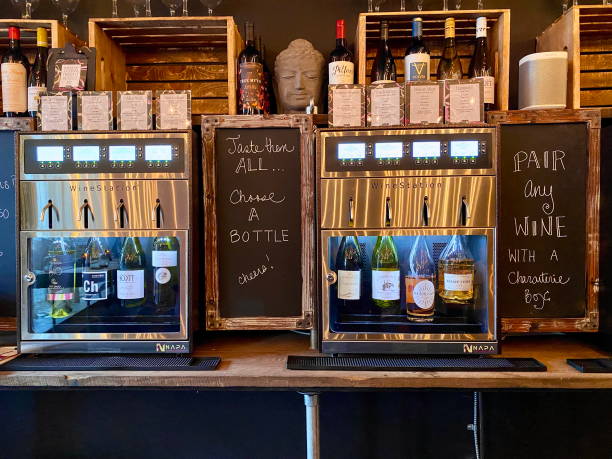
To set your wine refrigerator for white wine, start by turning on the unit and allowing it to stabilize for 24 hours before making adjustments. Locate the temperature control panel, typically found on the interior wall or digital display.
Set the temperature between 45°F and 50°F (7°C to 10°C), which is ideal for preserving the crisp acidity and aromatic profile of white wines. Use an independent thermometer to verify accuracy, as built-in displays can sometimes be inconsistent.
Avoid sudden temperature drops—adjust in 2-degree increments and wait 4–6 hours between changes. Place bottles away from the cooling fan to prevent overchilling. This gradual, monitored approach ensures optimal aging and serving conditions, especially for delicate varieties like Pinot Grigio or Sauvignon Blanc.
Always store bottles horizontally to keep corks moist, even in coolers with lower humidity.
Single vs. Dual Zone Coolers for White Wine
Choosing between single and dual zone wine refrigerators impacts how well you can store white wine. In a single zone cooler, the entire unit maintains one temperature, making it best suited if you primarily store white wines. Set it to 45°F–50°F (7°C–10°C) to keep whites chilled and ready to serve.
However, if you also store reds, a dual zone model is superior, offering separate upper and lower compartments with independent controls. This allows you to keep whites in the cooler lower zone while storing reds at 60°F–65°F (15°C–18°C) above.
Dual zone units provide greater flexibility and precision, especially for enthusiasts with diverse collections. Even with dual zones, ensure the white wine section is calibrated correctly using a standalone thermometer. Proper zoning prevents flavor transfer and maintains ideal serving temperatures for each wine type.
Using Built-in Temperature Controls Correctly
To get the most from your wine refrigerator, understand how to use the built-in temperature controls accurately. Most units feature digital thermostats with up/down buttons or touchscreen interfaces. Always consult the manual to identify settings specific to your model.
Set the temperature to 45°F–50°F (7°C–10°C) for white wine storage, and avoid frequent adjustments, which strain the compressor. Use the ‘cooling delay’ function if available, which prevents short-cycling by waiting a few minutes before restarting the compressor.
Some models include humidity indicators or fan speed settings—optimize these to maintain consistent airflow without over-drying corks. Regularly clean the vents and check for error codes to ensure peak performance. For maximum accuracy, pair the built-in controls with an external wine thermometer placed near the bottles.
This dual-check system guarantees your whites age properly and are always served at their best.
Best Temperatures for Different Types of White Wine
Chardonnay: Optimal Serving and Storage
Chardonnay, especially oaked varieties, benefits from being served slightly warmer than most white wines to fully express its complex flavors. The ideal serving temperature is between 50°F and 55°F (10°C–13°C), which allows the wine’s rich notes of vanilla, butter, and tropical fruit to shine without being muted by excessive chill.
To achieve this, store Chardonnay in the main compartment of your white wine refrigerator, typically set around 50°F–55°F. If your fridge has zones, place it in the warmer section rather than the coldest part. Avoid serving it too cold, as this suppresses aroma and makes the wine taste flat.
For bottles stored at room temperature, refrigerate for about 2–3 hours before serving. For already-cooled bottles, let them sit out for 15–20 minutes to reach optimal temperature. This balance enhances mouthfeel and ensures a more enjoyable, nuanced tasting experience.
Sauvignon Blanc: Keeping It Crisp
Sauvignon Blanc thrives when served cold and fresh, making proper refrigerator temperature crucial for preserving its bright acidity and vibrant citrus, herb, and green fruit notes. The ideal serving temperature is 45°F to 50°F (7°C–10°C), which enhances its crisp character without numbing the palate.
Store Sauvignon Blanc in the coldest section of your white wine refrigerator to maintain this range. If your refrigerator allows precise control, set it to around 45°F for optimal results. Bottles kept at room temperature should be chilled for at least 3 hours before serving.
Over-chilling can mute the wine’s aromatic intensity, so avoid freezing or serving straight from a sub-40°F environment. For best results, open the bottle 10–15 minutes before pouring to let subtle aromas emerge.
This temperature sweet spot ensures Sauvignon Blanc delivers its signature zesty, refreshing profile, making it perfect for warm days or pairing with salads, seafood, and goat cheese.
Riesling and Other Light Whites: Ideal Cooling Levels
Light white wines like Riesling, Pinot Grigio, and Gewürztraminer should be served well-chilled to highlight their delicate aromas and refreshing acidity. The optimal temperature range is 43°F to 48°F (6°C–9°C), preserving their floral, fruity, and sometimes slightly sweet characteristics.
Store these wines in the cooler zone of your white wine refrigerator, ideally on middle or lower shelves where temperatures are more stable. If serving sweet or off-dry Rieslings, err toward the colder end of the spectrum to balance sweetness and acidity.
For bottles at room temperature, refrigerate for 3 hours to reach ideal serving conditions. Avoid over-chilling, which can dull nuanced flavors. Let the bottle sit for 5–10 minutes after refrigeration if it feels too cold.
This precise temperature control ensures that light whites remain vibrant and aromatic, enhancing pairings with spicy foods, light appetizers, and Asian cuisine. Consistent cooling preserves freshness and elevates every sip.
Common Mistakes in White Wine Refrigeration
Over-Chilling White Wine
One of the most common mistakes in white wine refrigeration is over-chilling, which can dull the wine’s aromas and flatten its flavors. While it’s tempting to serve white wine ice-cold, temperatures below 40°F (4°C) suppress the nuanced characteristics of varieties like Chardonnay or Viognier.
Ideal serving temperatures vary by style: lighter wines like Pinot Grigio do well at 40–45°F (4–7°C), while fuller-bodied whites benefit from slightly warmer 48–52°F (9–11°C). To avoid over-chilling, remove the bottle from the refrigerator 10–15 minutes before serving to allow it to warm slightly.
Using a wine thermometer helps monitor temperature accurately. Additionally, avoid freezing wine, as it can damage the structure and cause leakage or cork displacement. Consistently serving at the right temperature enhances the tasting experience and respects the winemaker’s intent.
Storing at Room Temperature After Cooling
Bringing a chilled white wine to room temperature and leaving it there can compromise its quality and longevity. Once cooled, white wine should not be repeatedly exposed to warm environments, as temperature fluctuations accelerate oxidation and spoilage.
Room temperature—typically around 68–72°F (20–22°C)—is far too warm for long-term storage and can degrade delicate flavors within hours. Refrigerate opened bottles immediately and use a vacuum stopper to slow oxidation. For unopened bottles, avoid transferring them back to room temperature after refrigeration unless they’re being served soon.
Consistent cold storage preserves freshness, especially for aromatic varieties like Sauvignon Blanc or Riesling. If you plan to age white wine, use a dedicated wine cooler with stable conditions instead of a standard refrigerator. Preventing thermal cycling is key to maintaining balance, acidity, and aroma in your white wines.
Ignoring Humidity and Light Exposure
Many overlook the importance of humidity control and light protection when refrigerating white wine, yet both significantly impact preservation. Standard kitchen refrigerators tend to be very dry, which can dry out corks over time, leading to oxidation and spoilage, even in short-term storage.
Ideally, wine storage should maintain 50–70% humidity to keep corks pliable. Additionally, exposure to UV light, especially from fluorescent bulbs or sunlight, can degrade organic compounds in wine, causing ‘light strike’—a flaw that produces unpleasant wet cardboard aromas.
To prevent this, store bottles in their original packaging or in UV-protected wine fridges. Avoid clear glass doors unless they have protective coatings. For long-term refrigeration, consider a dedicated wine cooler with humidity control and tinted glass, ensuring your white wines retain their intended freshness, complexity, and balance.
Tips for Serving White Wine at the Right Temperature
How to Chill Wine Quickly and Safely
When you need to chill white wine quickly, avoid the common mistake of placing the bottle in the freezer for too long, as this can damage the flavor and potentially cause the bottle to crack.
Instead, use an ice bucket filled with ice and water, adding a generous amount of salt to lower the freezing point and speed up cooling. Submerge the bottle for 15 to 20 minutes, rotating it occasionally for even chilling.
This method cools wine faster than a refrigerator because water conducts cold more efficiently than air. Alternatively, wrapping the bottle in a damp towel before placing it in the freezer can accelerate cooling within 15 minutes. Monitor the time closely to prevent over-chilling.
For best results, aim for a serving temperature between 45°F and 50°F (7°C–10°C), depending on the varietal. These quick techniques ensure your white wine reaches the ideal refrigerator temperature range without compromising quality.
Using a Wine Thermometer
A wine thermometer is a simple yet effective tool for ensuring your white wine is served at the perfect temperature. Insert the thermometer into the bottle or dip it into a poured glass to get an accurate reading.
Most white wines taste best between 45°F and 50°F (7°C–10°C), but lighter styles like Pinot Grigio benefit from the cooler end, while fuller-bodied whites like Chardonnay can be slightly warmer. Avoid relying solely on your refrigerator’s setting, as standard fridge temps (around 37°F/3°C) are too cold and can mute aromas.
Let the wine warm slightly in the glass if needed. Digital instant-read thermometers offer precision and are easy to use. Regularly checking temperature helps refine your serving routine and enhances the tasting experience.
With consistent use, you’ll learn exactly how long to chill each type of wine, ensuring every bottle hits the ideal refrigerator temperature sweet spot for maximum enjoyment.
Letting Wine Warm Slightly Before Serving
Even if stored in a white wine refrigerator, bottles are often too cold straight from cooling and need a few minutes to reach optimal serving temperature. Over-chilled wine suppresses aroma and flavor, making it seem flat or overly acidic.
To correct this, remove the bottle 10 to 15 minutes before serving, allowing it to warm slightly at room temperature. This is especially important for complex whites like oaked Chardonnay or Viognier, which reveal more nuanced notes when not overly chilled.
Use a thermometer to monitor progress and aim for 45°F to 50°F (7°C–10°C). In warmer environments, keep the bottle in an ice bucket with minimal ice to prevent overheating. This small adjustment makes a big difference in flavor balance and bouquet expression.
By fine-tuning the temperature just before serving, you ensure your white wine delivers its full sensory potential every time.
How Long Can White Wine Stay in the Refrigerator
Unopened Bottles: Shelf Life in the Fridge
Storing unopened white wine in the refrigerator at the ideal temperature of 45–50°F (7–10°C) helps preserve its freshness and flavor for extended periods. This temperature range slows oxidation and microbial activity, keeping the wine stable.
Most unopened white wines can remain in the fridge for up to 1–2 years, depending on the type and quality. Lighter whites like Pinot Grigio or Sauvignon Blanc are best consumed within a year for optimal taste.
Creamier styles such as oaked Chardonnay may benefit from slightly longer storage but still peak within 18 months. Avoid placing bottles near the freezer compartment, where temperatures fluctuate. Use a dedicated wine fridge if possible, or store upright in a consistent part of your kitchen refrigerator.
Consistent cold storage prevents premature aging and protects delicate aromas, ensuring your wine remains crisp and vibrant when you’re ready to enjoy it.
Opened White Wine: How Long It Lasts Cooled
Once opened, white wine should be refrigerated immediately to extend its drinkability. At the ideal refrigerator temperature of 45–50°F (7–10°C), an opened bottle can stay fresh for 3 to 5 days. The key is minimizing exposure to oxygen, which rapidly degrades flavor and aroma.
Use a wine stopper or vacuum seal to close the bottle tightly before chilling. Lighter, acidic whites like Riesling or Sauvignon Blanc tend to last longer in the fridge due to their natural preservative qualities. Avoid leaving opened wine at room temperature, even briefly, as heat accelerates spoilage.
Check for off smells, cloudiness, or a sharp vinegar taste—these indicate the wine has turned. While it may not be ideal for sipping after day five, refrigerated leftover wine can still be used in cooking for up to two weeks.
Preserving Flavor After Opening
To preserve the flavor of opened white wine, proper storage techniques are essential. After pouring, reseal the bottle with a tight-fitting stopper or vacuum pump to limit oxygen contact, then return it to the refrigerator promptly. The cold temperature slows chemical reactions that degrade taste and aroma.
For best results, store the bottle upright to reduce the wine’s surface area exposed to air. Consider transferring leftover wine to a smaller container if only a small amount remains. Avoid frequent temperature changes—don’t move the bottle in and out of the fridge repeatedly.
Using inert gas sprays can also create a protective layer over the wine. While flavor inevitably diminishes, these steps help maintain crispness and fruit character for up to five days. Always smell and taste before serving to ensure quality. Proper care ensures your chilled white wine stays enjoyable longer.
Choosing the Right Wine Cooler for White Wine Storage
Features to Look for in a White Wine Refrigerator
When selecting a white wine refrigerator, temperature precision is crucial—ideal settings range between 45°F and 50°F to preserve freshness and aroma. Look for models with dual-zone cooling if you also store reds, but for whites only, a single-zone unit with digital controls offers reliable performance.
UV-tinted glass doors protect wine from light exposure, while vibration reduction technology prevents sediment disturbance. Internal LED lighting helps visibility without raising internal temperature. Additionally, fan-forced cooling ensures even temperature distribution. Choose a unit with adjustable shelves to accommodate various bottle sizes, and consider front-venting designs for built-in flexibility.
Energy efficiency, indicated by an Energy Star rating, reduces long-term costs. Finally, noise level under 40 decibels ensures quiet operation, ideal for kitchen or living areas. Prioritizing these features ensures optimal white wine storage conditions.
Top Models with Precise Temperature Control
Several wine coolers stand out for their accurate temperature control, essential for maintaining white wine at its best. The Whynter 32-Bottle Dual Zone Wine Cooler offers independent temperature zones, with the upper compartment ideal for whites at 46°F. Its thermoelectric cooling system ensures minimal vibration and noise.
The Kalamera 24-Inch Built-In Wine Refrigerator features digital precision control within 1°F, maintaining consistent conditions. Its stainless steel finish and blue LED lighting add elegance. For compact spaces, the AccuCold by Summit Appliance provides stable cooling between 39°F and 66°F, easily adjustable for whites.
These models include fan-assisted airflow and UV-protected glass, safeguarding wine quality. Customer reviews highlight long-term reliability and ease of use. Investing in a top-rated model with consistent cooling performance ensures your white wines age properly and remain ready to serve at their peak flavor and aroma.
Size and Capacity Based on Your Collection
Choosing the right size depends on your current collection and drinking habits. For casual drinkers, a 6- to 12-bottle capacity wine cooler suffices and fits easily on countertops. If you regularly entertain or collect whites like Chardonnay and Sauvignon Blanc, consider 24- to 32-bottle models for greater storage.
Measure your available space—built-in units require precise dimensions and front ventilation. For extensive collections, freestanding dual-zone coolers with 50+ bottles offer room to grow. Adjustable shelves accommodate different bottle shapes, including Champagne. Think long-term: a slightly larger unit prevents overcrowding, which can block airflow and disrupt temperature stability.
Compact thermoelectric models are ideal for apartments, while compressor-based coolers suit large collections. Matching capacity to your needs ensures optimal organization and temperature consistency, keeping every bottle perfectly chilled and ready to serve.
Frequently Asked Questions
What is the ideal temperature for storing white wine in a refrigerator?
The ideal temperature for storing white wine is between 45°F and 50°F (7°C to 10°C). This range preserves the wine’s freshness, acidity, and aromatic qualities without over-chilling.
Can I store all types of white wine at the same refrigerator temperature?
Most white wines do well between 45°F and 50°F, but lighter whites like Pinot Grigio and Sauvignon Blanc are best at the cooler end (45°F–48°F), while fuller-bodied whites like Chardonnay can be stored slightly warmer (48°F–50°F) to enhance their flavor complexity.
Is a regular kitchen refrigerator suitable for storing white wine?
A regular kitchen refrigerator is too cold (typically 35°F–40°F) and too dry for long-term wine storage, which can dull flavors and damage corks. A dedicated wine refrigerator maintains a stable, wine-friendly temperature and humidity level.
How long can I keep white wine in a wine refrigerator?
Most white wines can be stored in a wine refrigerator for several months to a few years, depending on the type. High-acid, dry whites like Riesling can age longer, while delicate whites are best consumed within 1–3 years.
Should I chill white wine further before serving if it’s already in a wine fridge?
If your wine fridge is set to the ideal 45°F–50°F, most white wines are ready to serve. However, if you prefer a colder temperature, you can place the bottle in an ice bucket for 15–20 minutes before serving.
What happens if white wine is stored too cold in a refrigerator?
Storing white wine too cold can mute its aromas and flavors and potentially cause tartrate crystals to form. While not harmful, over-chilling diminishes the tasting experience.
Conclusion
Maintaining the ideal temperature for white wine—between 45°F and 50°F—enhances its aroma, flavor, and overall enjoyment. Too cold, and the nuances are muted; too warm, and the wine loses its refreshing crispness. A dedicated white wine refrigerator ensures consistent, optimal storage. By setting your cooler correctly and allowing bottles to chill adequately, you elevate every tasting experience. Cheers to perfectly chilled white wine and the simple pleasure it brings with every sip.