What Wine With Sushi
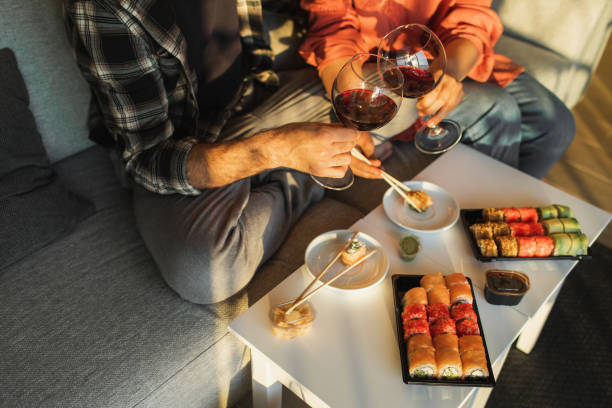
Pairing wine with sushi is all about balance—opt for crisp, acidic whites like Sauvignon Blanc or Riesling to complement delicate flavors, or try a light Pinot Noir for heartier rolls. Avoid heavy oaky wines that overpower the fish. Experiment with pairings to discover your favorites, and don’t hesitate to ask for recommendations. Sushi and wine can be a delightful combination when chosen thoughtfully. Cheers to exploring new flavors and enjoying your next sushi night with the perfect glass!
Best Wine Varietals for Sushi Pairings
Why Acidic Whites Work Best with Raw Fish
When pairing wine with delicate raw fish, high acidity is the most critical factor to consider. Wines with pronounced acidity act like a squeeze of fresh lemon, cutting through the natural oils of fatty fish like salmon or tuna while cleansing the palate for the next bite.
Sauvignon Blanc is arguably the top choice for sushi, particularly when wasabi and soy sauce are involved, as its herbaceous notes and zesty profile can stand up to these pungent flavors without overpowering the seafood.
Other excellent options include Albariño from Spain, which offers salinity that mirrors the ocean, and dry Riesling, whose slight residual sugar perfectly balances the heat of spicy rolls. Avoid oaky Chardonnays, as the heavy butter and vanilla notes will clash with the clean, subtle taste of sashimi.
Instead, focus on crisp, mineral-driven whites that enhance the texture of the fish rather than masking it, ensuring a harmonious dining experience.
Light Red Wine Options for Non-Fish Rolls
While red wine is generally discouraged with seafood due to tannins clashing with fish oils, light-bodied, low-tannin reds can work beautifully with vegetarian rolls or meat-based appetizers.
Pinot Noir is the ideal red wine candidate for sushi nights because its low tannin structure and bright red fruit flavors complement earthy ingredients like shiitake mushrooms, avocado, and seaweed without introducing metallic bitterness.
If you prefer an even lighter option, consider a chilled Gamay or a dry Lambrusco, which offer refreshing acidity and effervescence that pairs surprisingly well with fried items like tempura vegetable rolls.
The key is to avoid heavy, bold wines like Cabernet Sauvignon or Shiraz, which will completely overwhelm the delicate nuances of Japanese cuisine. Instead, serve these lighter reds slightly cool to maintain a refreshing profile that respects the subtle balance of flavors in your meal.
Rosé: The Versatile Middle Ground
For a group setting with a diverse sushi spread, dry Rosé is the ultimate crowd-pleasing solution. Because it is made from red grapes but aged briefly, it sits perfectly between the crispness of white wine and the slight fruitiness of light reds.
A classic Provence Rosé offers minerality and crisp acidity that pairs effortlessly with raw fish, while its subtle berry notes complement the rice and nori wrapping.
This style of wine is particularly adept at handling complex flavor profiles, making it a safe bet for eclectic orders involving spicy tuna, eel, and crab.
Unlike a singular white or red, a dry Rosé has the versatility to pivot between different textures and seasonings without getting lost or dominating the palate.
It is the safest option for those unsure about specific pairings, ensuring that whether you are enjoying delicate sashimi or rich, saucy dragon rolls, the wine remains a complementary partner throughout the meal.
How to Pair Wine with Salmon and Tuna
Matching Pinot Noir with Fatty Salmon
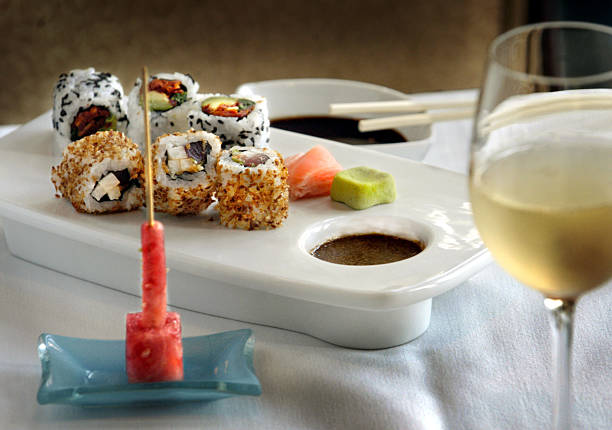
Fatty salmon rolls require a wine with enough acidity to cut through the richness without overwhelming the delicate fish. Pinot Noir is the ideal red choice because its light tannins prevent the metallic taste that heavier reds often impart when paired with fish.
Look for a cooler climate Pinot, perhaps from Oregon or New Zealand, which offers bright cherry notes and an earthy undertone that complements the umami flavors in soy sauce and glazes.
The wine’s natural acidity acts like a squeeze of lemon, cleansing the palate between each bite of the oily fish. When selecting your bottle, serve it slightly chilled to enhance its refreshing qualities. This pairing works exceptionally well with salmon nigiri or rolls that feature savory glazes like unagi sauce.
Avoid heavy, oaky reds at all costs; they will clash with the texture of the raw fish. Instead, focus on light-bodied reds with silky textures to create a harmonious balance that highlights the salmon’s buttery nature while keeping your palate refreshed.
Crisp Whites for Tuna Sashimi
Tuna, particularly when served as sashimi or in simple rolls, has a meaty texture and a clean, subtle flavor profile that demands a wine with laser-like precision.
A dry Riesling or Albariño serves as the perfect companion for this lean fish, offering a crisp counterpoint that enhances rather than masks the taste. These white wines possess high acidity and mineral-driven profiles that mirror the fresh, oceanic nature of the tuna.
When enjoying a maguro roll, the citrus and green apple notes found in a Sauvignon Blanc can highlight the fish’s mild sweetness while cutting through any wasabi heat. It is crucial to avoid overly oaky Chardonnays, as the heavy butter and vanilla notes will smother the tuna’s delicate nuance.
Instead, seek out stainless steel fermented whites that prioritize freshness. Serving temperature is critical here; ensure your white wine is well-chilled to maintain its structural integrity.
This pairing strategy ensures the wine acts as a refreshing palate cleanser, allowing you to fully appreciate the pure, clean taste of the tuna with every bite.
Handling Spicy Tuna Rolls with Off-Dry Riesling
Spicy tuna rolls present a unique challenge because the heat from sriracha or chili oil can make dry wines taste bitter or astringent.
To combat this, an off-dry Riesling or a Gewürztraminer is the ultimate solution, as the residual sugar in these wines acts as a natural fire extinguisher for your taste buds. The hint of sweetness tames the spice, allowing the tuna’s flavor to shine through the heat.
Beyond just managing the spice level, these aromatic whites often carry notes of lychee, peach, and honey, which provide a delightful contrast to the savory soy sauce and seaweed.
When pairing wine with sushi that has a kick, the rule of thumb is to match the spice with sweetness for balance. A bone-dry wine will feel harsh against the spice, whereas a semi-sweet bottle creates a round, harmonious mouthfeel.
Look for German Kabinett or Spätlese Rieslings for the perfect balance of sugar and acidity, ensuring the meal remains refreshing rather than cloying or overpoweringly hot.
Top Wine Choices for Spicy Sushi Rolls

Off-Dry Wines to Balance Heat
When pairing wine with spicy sushi rolls like a spicy tuna roll, the secret lies in selecting a wine with a hint of residual sugar.
Off-dry Riesling or Gewürztraminer are exceptional choices because the sugar content acts as a cooling agent against the capsaicin in chili peppers, effectively taming the burn while enhancing the roll’s savory flavors. The sweetness contrasts beautifully with the spice, creating a harmonious balance that dry wines often fail to achieve.
Additionally, the characteristic high acidity in these white wines cuts through the creaminess of spicy mayonnaise, cleansing the palate between bites. A German Kabinett Riesling offers bright citrus notes that complement the vinegared rice, while the aromatic profile of Gewürztraminer adds a layer of complexity without overpowering the delicate fish.
For those wondering what wine with sushi is best for heat, remember that residual sugar is your best friend. Avoid bone-dry wines, which can make the spice feel harsher, and instead opt for these fruit-forward, slightly sweet options to ensure a refreshing dining experience.
Sparkling Wine Options for Tempura Rolls
Tempura rolls, often served alongside spicy sauces, require a wine that can handle both fried textures and piquant flavors. Sparkling wines like Cava, Prosecco, or a dry Champagne are ideal for this specific sushi style.
The vigorous bubbles act as a natural palate cleanser, scrubbing away the oily residue left by the fried tempura batter and refreshing your mouth for the next piece. This effervescence also helps neutralize the intensity of spicy toppings, allowing the subtle flavors of the shrimp or vegetables inside to shine.
A Cava from Spain offers crisp apple and lemon notes that brighten the rich, fried elements, while a dry Prosecco provides a touch of fruitiness that pairs well with dynamite sauces.
The texture of the bubbles is just as important as the flavor profile, ensuring the wine stands up to the heavy batter.
When selecting a bottle, look for labels marked ‘Brut’ or ‘Extra Dry’ to maintain a balance that isn’t too cloying but still offers enough body to complement the roll’s richness.
Avoiding High Tannins with Spicy Foods
A critical rule for anyone asking what wine with sushi is suitable for spicy varieties is to strictly avoid wines with high tannins. Red wines heavy in tannins, such as Cabernet Sauvignon or Barolo, will clash aggressively with spicy ingredients, creating a metallic, bitter taste that ruins the dining experience.
Tannins bind with the proteins in the fish and react poorly with chili heat, amplifying the burning sensation rather than soothing it. Instead, if you prefer red wine, opt for a low-tannin, high-acid variety like a chilled Gamay or Pinot Noir, which offers fruit-forward notes without the astringent bite.
However, white wines remain the safest and most versatile choice for spicy rolls because they lack tannins entirely.
By steering clear of heavy, oak-aged reds, you prevent the alcohol from exaggerating the spice level, ensuring that the delicate nuances of the sushi fish remain the star of the meal rather than being overwhelmed by an unpleasant interaction on the palate.
Selecting Wines for Rich and Creamy Rolls
Chardonnay for California Rolls
When pairing wine with the ubiquitous California roll, a lightly oaked Chardonnay is an exceptional choice that bridges the gap between the creamy avocado and the delicate imitation crab meat.
The buttery texture and moderate acidity found in New World Chardonnays mirror the rich mouthfeel of the avocado, creating a seamless flavor profile that enhances rather than overpowers.
You should avoid heavily oaked variations, as these can clash with the subtle sweetness of the crab; instead, look for bottles labeled with notes of vanilla and apple.
The fruit-forward character of the wine highlights the roll’s mild ingredients, while a slight chill on the wine tightens the acidity to cut through the rice. This pairing works because the wine’s body matches the weight of the food, ensuring that neither component is overshadowed.
For the best experience, serve the Chardonnay well-chilled to maintain a refreshing crispness that balances the dense, creamy texture of the avocado, resulting in a harmonious and satisfying mouthful.
Champagne and Fried Tempura Pairings
Tempura rolls, with their hot, crispy exteriors and soft fillings, require a beverage that can handle texture and temperature contrasts, making Champagne or a high-quality sparkling wine an ideal candidate.
The vigorous bubbles act as a palate cleanser, scrubbing away the residual oil from the fried batter and preparing your taste buds for the next bite.
You will find that the high acidity inherent in Champagne slices through the richness of the fried tempura batter, preventing the meal from feeling overly heavy. Additionally, the yeasty, brioche-like notes found in many traditional method sparklers complement the savory, toasted flavors of the fried roll.
When selecting a bottle, opt for a Brut designation to ensure the wine is dry enough to balance the savory soy sauce often served alongside.
This dynamic interaction between the effervescence and the warm, rich roll creates a sensory experience that feels luxurious and light simultaneously, making it a top-tier recommendation for fried sushi variations.
Cutting Through Mayo-Based Sauces
Specialty rolls often feature lavish drizzles of spicy mayonnaise or creamy dynamite sauce, demanding a wine with enough acid and fruit intensity to prevent the flavors from becoming cloying or overly heavy.
An off-dry Riesling or a sharp Sauvignon Blanc provides the necessary zest to cut through these thick, fat-laden condiments. The crisp acidity acts like a squeeze of lemon, brightening the heavy sauces and refreshing the palate instantly.
If you prefer a red option, a light, chilled Pinot Noir can work well, offering enough acidity without the heavy tannins that would clash with the spice and creaminess.
It is crucial to avoid heavy, tannic reds or extremely oaky whites, as they will mute the delicate fish flavors and turn bitter against the mayonnaise.
By prioritizing wines with vibrant acidity and bright fruit profiles, you ensure that the rich sauces enhance the sushi rather than dominate it, allowing for a balanced and enjoyable progression of flavors throughout the meal.
What Wine Goes with Eel and Sweet Sauces
Riesling and the Unagi Combination
When pairing wine with Unagi (freshwater eel), the primary challenge is balancing the rich, oily texture of the fish with the sweet and savory soy-based kabayaki sauce. An off-dry Riesling is widely considered the perfect match for this specific sushi variety.
The wine’s inherent high acidity acts as a palate cleanser, effectively cutting through the eel’s natural oiliness, while the distinct notes of stone fruit and honey amplify the savory glaze.
The crucial element here is the residual sugar; a bone-dry wine might taste harsh against the sweetness of the eel, whereas a Riesling with a hint of sweetness bridges the flavor gap seamlessly.
German Kabinett or Spätlese styles are excellent choices, offering a harmonious blend of zesty acidity and fruity sweetness. This combination ensures that the delicate eel meat remains the star of the dish while the wine refreshes the palate for the next bite.
Avoid heavy oaked whites, as they will overwhelm the nuanced flavors of the seafood entirely.
Wines That Complement Teriyaki Glazes
Sushi rolls featuring teriyaki glazes or sweet chili sauces require wines with sufficient body and fruit intensity to stand up to the bold flavoring. A Pinot Gris from Alsace offers a robust structure and subtle spice notes that mirror the complexities of teriyaki without overpowering the fish inside the roll.
Alternatively, a dry Gewürztraminer can be a stunning companion, as its aromatic profile of lychee and rose petals complements the ginger often found in these rolls.
The key is selecting a white wine that possesses enough weight to compete with the viscosity of the glaze; light and crisp wines like Pinot Grigio may taste watery by comparison.
For those who prefer a red option, a chilled Beaujolais made from Gamay provides bright acidity and soft tannins, making it a versatile red pairing for darker fish like salmon or tuna topped with sweet sauces.
The red fruit characteristics highlight the caramelization of the sauce beautifully, providing a balanced drinking experience that enhances the sushi.
Serving Suggestions for Sweet and Savory Flavors
Proper serving temperature and glassware are essential for maximizing the enjoyment of wine paired with sweet eel and teriyaki rolls. White wines should be served well-chilled, between 45-50°F (7-10°C), to maintain the crisp acidity needed to cut through the rich sauces.
If the wine is too warm, the alcohol heat will clash with the sugar in the glaze, resulting in a flabby taste.
Using a white wine glass with a slightly narrower bowl helps concentrate the floral aromatics of the Riesling or Gewürztraminer, directing the delicate bouquet straight to the nose before the first sip.
It is also advisable to pour smaller portions to keep the wine at the optimal temperature throughout the meal. For sparkling wine alternatives like Demi-Sec Champagne or Cava, the effervescence adds a textural scrubbing effect that cleanses the palate of sticky residues.
Always taste the sauce first to gauge sweetness, then select a wine that matches or slightly exceeds that sweetness level to ensure a harmonious dining experience.
Sake vs Wine: A Comparison for Sushi Lovers
When to Choose Sake Over Wine
Sake is often the superior choice when enjoying sushi because it shares the same fundamental ingredient: water and rice. This shared origin creates a natural harmony that wine often struggles to replicate.
You should reach for sake when your plate features fatty fish like salmon or tuna, as the beverage’s inherent umami acts as a flavor bridge, enhancing the savory depth of the seafood.
Unlike many wines, premium sake typically lacks high acidity and tannins, which means it will not clash with the delicate, subtle flavors of raw fish or the vinegared rice. Instead, a clean Junmai or Ginjo sake will cleanse the palate between bites without overwhelming the taste buds.
If your sushi meal includes a variety of fish types and preparations, sake offers a versatile continuity that keeps the dining experience cohesive. Ultimately, choose sake when you want to elevate the intrinsic flavors of the fish rather than masking them with contrasting bold notes.
Blending Western Wines with Japanese Cuisine
If you prefer wine with sushi, the key is to select bottles that mimic the clean, crisp profile of sake while avoiding heavy tannins and high alcohol.
High-acid white wines are your best friend here, as they cut through the richness of avocado or fatty fish much like the traditional pickled ginger. A dry Riesling or a mineral-driven Sauvignon Blanc provides a refreshing acidity that complements the rice vinegar and soy sauce without dominating the palate.
For those who enjoy bolder flavors, a dry sparkling wine or Champagne offers effervescence that lifts the palate and pairs beautifully with tempura rolls.
However, be cautious with oaky Chardonnays or robust reds; the tannins in red wine can create a bitter metallic clash when paired with the iodine found in seaweed and raw fish.
When answering ‘what wine with sushi’, stick to light, zesty, and dry profiles that respect the delicacy of the Japanese culinary tradition.
Common Misconceptions About Sake Pairing
Many diners avoid sake because they believe it is always served hot and possesses a cloying sweetness, but this is a widespread misconception that limits culinary exploration. In reality, premium sake is often served chilled or at room temperature to highlight its subtle aromatic complexity.
Another common myth is that sake should only be paired with Japanese food, limiting its potential as a versatile dining companion. While it is perfect for sushi, sake pairs exceptionally well with other cuisines, offering a smooth alternative to wine.
Furthermore, people often assume that sake is a spirit due to its higher alcohol content compared to wine, but it is actually a brewed beverage closer to beer in its production. Understanding that sake acts as a flavor amplifier rather than just a neutral sidekick is crucial.
By shedding these outdated notions, you can fully appreciate how a high-quality sake enhances the texture and taste of every bite, proving it is a sophisticated pairing choice for modern dining.
Practical Tips for Serving Wine with Sushi
Ideal Serving Temperatures for White Wines
Serving temperature is a critical, yet often overlooked, factor when pairing wine with delicate sushi. To ensure your selection complements rather than overpowers the raw fish, white wines should be served well-chilled, specifically between 45°F and 50°F (7°C-10°C).
At this cooler temperature range, the perception of acidity is heightened, providing a crisp, refreshing contrast to the rich, oily textures often found in salmon or tuna rolls.
Furthermore, lower temperatures suppress the perception of alcohol sweetness, keeping the wine’s profile sharp and clean against the subtle backdrop of vinegared rice. If a wine is served too warm, the alcohol content becomes more prominent, creating a dissonance with the gentle umami flavors of the seafood.
Conversely, serving it too cold can mute the aromatic complexities. For best results, place the bottle in the refrigerator for at least two hours before serving, or submerge it in an ice-water bath for twenty minutes if you are short on time.
This ensures every sip remains as vibrant and fresh as the sashimi on your plate.
How to Cleanse Your Palate Between Courses
When enjoying a multi-course sushi meal featuring various wines, maintaining a neutral palate is essential for appreciating each distinct pairing. The high acidity in wine can sometimes clash with the vinegar in the sushi rice, creating a discordant flavor profile.
To prevent this, always take a small sip of room-temperature water or bite into a slice of fresh ginger before switching to a new wine. This simple step effectively scrubs the tongue of residual soy sauce spice and lingering tannins, preparing your taste buds for the next course.
Avoid using wasabi as a palate cleanser, as its intense heat can numb the tongue and ruin the delicate nuance of a subtle Pinot Grigio or Grüner Veltliner.
Instead, use the provided pickled ginger strictly as a refresher between different types of fish, not as a garnish for the sushi itself.
This mindful approach ensures that the transition from a light white wine to a richer option remains seamless, allowing both the seafood and the vintage to shine equally.
Budget-Friendly Wine Bottles for Sushi Nights
Creating an impressive sushi and wine pairing does not require an expensive investment in rare vintages or luxury labels. In fact, many affordable wines in the $10 to $20 range are perfectly suited for the table because they prioritize fresh fruit notes over heavy oak influences.
Look for clean, stainless-steel fermented whites like Pinot Grigio from Northern Italy or Albariño from Spain, which offer excellent value and the necessary acidity to cut through creamy rolls.
These budget-friendly options provide the crispness required to balance the rice vinegar and soy sauce without overwhelming the subtle taste of the fish. Another excellent choice is a New Zealand Sauvignon Blanc, which typically offers vibrant citrus and herbal notes that pair effortlessly with herb-topped rolls or vegetarians options.
Avoid inexpensive oaky Chardonnays, as the heavy wood tannins can taste bitter alongside raw fish. By focusing on clarity and acidity rather than prestige, you can curate a delightful dining experience that respects both your palate and your wallet.
Frequently Asked Questions
What is the best overall wine pairing for sushi?
Sparkling wine, particularly Prosecco or Champagne, is widely considered the best all-around match for sushi. The high acidity and effervescence cut through the richness of fish like salmon and tuna while cleansing the palate between bites.
Does white wine pair better with sushi than red wine?
Yes, white wines are generally preferred because they possess higher acidity and lack the tannins found in red wines, which can clash with the briny, delicate flavors of raw fish. However, light reds like Pinot Noir can work well with spicy tuna rolls or richer, oilier fish.
What type of white wine goes best with sashimi?
Crisp, dry white wines such as Sauvignon Blanc, Albariño, or Pinot Grigio are excellent choices for sashimi. Their mineral notes and citrus aromas complement the clean, delicate taste of the raw fish without overwhelming it.
Can I drink Pinot Noir with sushi?
A light-bodied, low-tannin Pinot Noir can be a delightful pairing, especially for sushi rolls featuring spicy tuna, salmon, or eel. The fruitiness of the wine balances the spice and savory soy sauce, making it a versatile option for cooked or robust fish dishes.
What wine pairs well with spicy sushi rolls?
Off-dry white wines like Riesling or Gewürztraminer are ideal for spicy rolls because a touch of sweetness helps tame the heat. The aromatic profile of these wines also stands up to the intense flavors of spicy mayo or chili sauces.
Why should I avoid heavy red wines with sushi?
Heavier red wines with high tannins, such as Cabernet Sauvignon, tend to overpower the subtle flavors of raw fish and can create a metallic or bitter aftertaste when paired with the iron content in tuna or the brine in oysters. It is best to stick to lighter, more acidic wines to preserve the integrity of the dish.
Conclusion
Pairing wine with sushi is all about balance—opt for crisp, acidic whites like Sauvignon Blanc or Riesling to complement delicate flavors, or try a light Pinot Noir for heartier rolls. Avoid heavy oaky wines that overpower the fish. Experiment with pairings to discover your favorites, and don’t hesitate to ask for recommendations. Sushi and wine can be a delightful combination when chosen thoughtfully. Cheers to exploring new flavors and enjoying your next sushi night with the perfect glass!