
What Wine With Steak
Nothing beats a perfectly cooked steak, but choosing the wrong wine can turn a great meal into a confusing one. If you are wondering what wine with steak, the classic answer is bold reds like Cabernet Sauvignon or Malbec. These wines have the tannins and structure to match the rich, fatty flavors of the meat perfectly. But don’t worry, there are other great options depending on your cut and preparation. Keep reading to find the ideal bottle for your next steak dinner.
Why Red Wine is the Classic Choice for Steak
How Tannins Interact with Protein and Fat
The primary reason red wine is the classic choice for steak lies in the science of tannins. Tannins are naturally occurring compounds found in grape skins, seeds, and stems, responsible for the drying, astringent sensation in your mouth.
When you pair a tannic wine like Cabernet Sauvignon with a rich, fatty steak, a chemical reaction occurs. The protein and fat in the meat bind with the tannins, effectively softening the wine’s harshness and making it taste smoother and fruitier.
Conversely, the wine acts as a palate cleanser, stripping away the residual fat from the meat and refreshing your mouth for the next bite. This creates a perfect cycle where both the wine and the food improve each other.
Choose bold, tannic reds for well-marbled cuts like Ribeye or New York Strip to maximize this interaction. Without this protein connection, high-tannin wines can taste bitter, but when paired correctly with steak, they transform into a luxurious component of the dining experience.
Balancing Richness with Acidity
While tannins handle the texture, acidity provides the necessary contrast to the heavy richness of a steak dinner. A perfectly cooked steak is a dense, savory indulgence that can quickly overwhelm the palate with its umami and fat content.
Red wines with a good backbone of acidity, such as Sangiovese or a Zinfandel, cut through this heaviness like a squeeze of lemon on fish. The acidic lift cleanses the taste buds, preventing the meal from feeling too heavy or monotonous.
This element of contrast is essential for a balanced meal; the wine should not just complement the food but also provide a counterpoint. Look for wines with bright acidity to pair with cuts served with rich sauces, like a filet mignon with a bordelaise.
The acidity slices through the sauce and the meat simultaneously, ensuring that every bite tastes as vibrant as the first. This dynamic interplay keeps your palate engaged and elevates the overall flavor profile of the dining experience.
Why White Wine Usually Falls Short
Many diners wonder why white wine is rarely recommended for steak, and the answer lies in structural mismatch. White wines lack the tannins necessary to bind with the meat’s fat and protein.
Without those astringent compounds, the rich fat of a steak coats the tongue, making most white wines taste thin, acidic, or metallic by comparison. The weight of the food completely overpowers the lighter body of the wine, resulting in an unbalanced pairing where the wine disappears.
Furthermore, the savory, charred notes of grilled steak clash with the often fruity or floral profile of white varieties. Avoid delicate whites like Pinot Grigio or Sauvignon Blanc when serving heavy red meats, as they will simply fade into the background.
While there are rare exceptions with very specific preparations, the general rule remains: the intensity of the dish must match the intensity of the wine. Red wine provides the structure, weight, and flavor depth required to stand toe-to-toe with a hearty steak.
Best Red Wines for Ribeye and Fatty Cuts
Why Cabernet Sauvignon is the Gold Standard
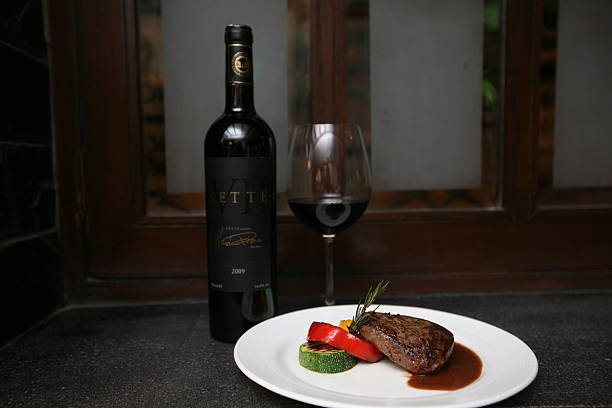
Cabernet Sauvignon consistently ranks as the top choice for steak due to its high tannin content and full body, which are essential for balancing rich proteins.
When you pair a bold Cabernet with a fatty ribeye, the tannins bind to the proteins and fats in the meat, effectively stripping away the astringency of the wine and cleansing the palate between bites.
This chemical reaction softens the wine’s rough edges while simultaneously cutting through the steak’s richness, preventing the meal from feeling too heavy. For the best results, look for bottles from regions like Napa Valley or Bordeaux, where the climate ensures ripe fruit flavors like blackcurrant and dark cherry.
These sweet fruit notes provide a delicious contrast to the savory, charred crust of a grilled steak. Avoid thin-bodied reds that will taste watery against such a intense cut; instead, always choose a wine with substantial structure and aging potential to stand up to the bold flavors of the beef.
Using Malbec to Cut Through Marbling
Malbec serves as an exceptional alternative for ribeye steaks, offering a lush, velvety texture that complements heavy marbling without overpowering the meat. Originally from France but perfected in Argentina, this varietal is famous for its deep purple color and lower acidity levels compared to Cabernet Sauvignon.
This smoothness allows the wine to glide over the palate, making it a perfect match for the slick mouthfeel of a well-rendered fatty cut.
While it still possesses enough tannin to cleanse the palate, Malbec emphasizes dark fruit notes like plum and blackberry, often accented with hints of chocolate, tobacco, or violet. These complex secondary flavors highlight the caramelized crust achieved during high-heat searing.
If you are grilling a thick, bone-in ribeye that has been dry-aged, the concentrated savory flavors will find a perfect partner in a high-altitude Argentine Malbec. It offers a succulent fruit-forward profile that ensures every bite remains as satisfying and balanced as the very first one.
When to Choose a Bold Zinfandel
Zinfandel is the ideal pairing choice when your ribeye features bold spice rubs or sweet BBQ glazes that might clash with the stricter structure of a Cabernet.
Known for its jammy fruit characteristics like raspberry, blackberry, and prune, Zinfandel brings a perceptible sweetness to the table that harmonizes beautifully with the Maillard reaction on a seared steak.
This variety typically carries a higher alcohol content, often exceeding 15%, which creates a warm, lush mouthfeel capable of standing up to intense savory flavors. The lower tannin profile of Zinfandel means it will not turn bitter when paired with the rendered fat, but rather enhances the meat’s natural juices.
If your steak is seasoned heavily with black pepper, garlic, or smoked paprika, the spicy undertones inherent in a Sonoma Zinfandel will mirror and elevate those seasonings perfectly.
Always serve this robust red slightly below room temperature to maintain a balanced acidity that refreshes the palate after every rich, fatty bite.
Top Wine Pairings for Lean Sirloin and Filet Mignon
Pairing Filet Mignon with Pinot Noir
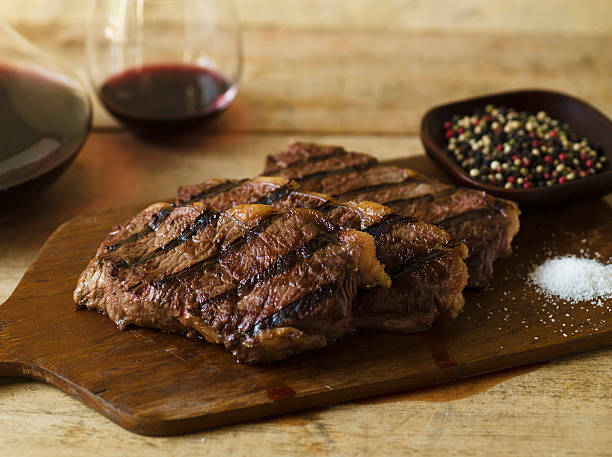
Filet Mignon is prized for its buttery texture but lacks the heavy fat content found in ribeyes, making it a perfect candidate for lighter red wines. Pinot Noir is an exceptional choice because its lower tannin structure ensures the wine does not overpower the delicate, subtle flavor of the meat.
When selecting a bottle, look for a New World Pinot Noir from Oregon or California, which often offers ripe cherry and raspberry notes that create a delightful contrast with the savory crust.
The bright acidity in Pinot Noir acts as a palate cleanser, cutting through any added butter or oil used during cooking. If you prefer an Old World style, a red Burgundy provides earthy undertones that pair beautifully with mushrooms often served alongside filet.
Avoid heavy, high-tannin Cabernets, as they can easily overwhelm this refined cut. Instead, focus on wines that prioritize elegance and aromatic complexity, ensuring a harmonious balance where the texture of the steak and the silkiness of the wine mingle seamlessly.
Why Merlot Works Well with Leaner Textures
Leaner cuts like sirloin and filet mignon lack the heavy marbling that typically requires bold, tannic wines to scrub the palate, making Merlot an ideal companion. Merlot offers a velvety mouthfeel that mirrors the tender nature of filet mignon without introducing astringency that could dry out the meat.
The wine is characterized by plush tannins and fruit-forward flavors of black cherry, plum, and subtle chocolate, which enhance the savory profile of the beef. Because sirloin can sometimes be slightly chewier, the fruit concentration in Merlot helps bridge the gap between the meat’s texture and the wine’s finish.
Serve Merlot slightly below room temperature to maintain its structure and prevent the alcohol from overpowering the lean protein. This varietal is particularly forgiving and versatile, making it a safe yet sophisticated bet for diners unsure about wine pairings.
Ultimately, Merlot provides just enough body to stand up to the steak while remaining soft enough to let the natural beef flavors remain the star of the dining experience.
Selecting Wines for Sirloin with Lighter Sauces
Sirloin is often prepared with lighter sauces, such as chimichurri, herb butter, or peppercorn reductions, which require a wine pairing that respects the balance of flavors. For herbaceous sauces like chimichurri, opt for a Cabernet Franc, which naturally exhibits green pepper and floral notes that harmonize with fresh herbs.
If you are enjoying your sirloin with a creamy peppercorn sauce, a Malbec or a GSM blend (Grenache, Syrah, Mourvèdre) offers enough spicy backbone to complement the pepper without clashing with the sauce’s richness.
It is crucial to match the wine’s acidity to the sauce’s profile, as a high-acid wine will cut through creamy elements while enhancing tangy ones. Avoid overly oaky wines when serving delicate sauces, as the strong vanilla flavors can mask the nuance of the seasoning.
Instead, prioritize wines with vibrant fruit and spice characteristics, ensuring that every sip refreshes the palate while connecting the meat and the seasoning seamlessly.
How Marinades and Sauces Change Your Wine Choice
Best Wines for Peppercorn and Cream Sauces
When your steak is dressed with a rich cream or peppercorn sauce, the wine pairing requires balancing intense spice and heavy dairy. A bold red wine with high tannins acts as a palate cleanser, scrubbing away the creamy fat, while the pepper notes demand a wine with equal intensity.
A classic choice is a Syrah or Shiraz, which naturally exhibits peppery spice notes that mirror the sauce, creating a harmonious flavor profile. Alternatively, a Malbec offers robust dark fruit flavors that contrast beautifully against the savory heat.
For cream-based sauces, a Merlot provides a softer, plush texture that matches the sauce’s richness without overpowering it. Avoid delicate wines like Pinot Noir, as the heavy sauce will render them tasteless. Instead, look for full-bodied options with moderate acidity to cut through the richness.
The goal is to match the weight of the wine to the weight of the dish, ensuring the sauce enhances the wine’s finish rather than clashing with it.
Matching Wine to Sweet BBQ Glazes
Steaks glazed with sweet barbecue sauces require a completely different strategy compared to savory preparations. The sugar content in the glaze can make dry wines taste sour or astringent, so you must select a wine with perceived sweetness or ripe fruit flavors.
A Zinfandel is often the ultimate pairing here, offering jammy blackberry and plum notes that align seamlessly with the molasses or tomato base of the sauce. The spice notes inherent in Zinfandel also complement the smokiness of the grill.
Another excellent option is a Riesling, particularly an off-dry variety, which provides high acidity to cut through the sticky glaze while matching the sweetness. If you prefer red, try a Garnacha (Grenache), which delivers lower tannins and lush red fruit flavors.
The critical rule is to ensure the wine is sweeter than the sauce; this prevents the wine from tasting bitter and allows the caramelized crust of the steak to shine through.
Pairing Wines with Chimichurri and Herb Marinades
Herbaceous marinades like chimichurri introduce fresh, grassy flavors that dominate the palate and drastically alter your wine selection. Because herbs like parsley, oregano, and cilantro add brightness and acidity, you need a wine with high acidity and herbal notes to create a cohesive bridge.
A Cabernet Sauvignon works exceptionally well, as its grassy, green bell pepper undertones echo the vegetal qualities of the marinade. This synergy prevents the herbs from making the wine taste metallic or flat.
Another fantastic choice is a Cabernet Franc, which tends to be lighter and more herbal than its Sauvignon sibling, perfectly mirroring the freshness of the sauce. For a white wine option, consider a Sauvignon Blanc, which can stand up to the acidity of the vinegar and herbs.
The key is avoiding heavy, oaky wines that might clash with the fresh ingredients. Instead, focus on acidity and herbal aromatics to maintain a bright, balanced tasting experience.
Decoding Steak Doneness and Wine Pairings
Wines for Rare and Blue Steak
Rare and blue steaks offer a unique dining experience characterized by a cool, succulent center and minimal internal cooking.
Because the natural enzymes and juices remain largely intact, the meat possesses a tender, almost buttery texture that requires a wine capable of cutting through the richness without overpowering the delicate beef flavors.
A young, vibrant Cabernet Sauvignon is an ideal candidate here, as its high tannin content binds with the proteins and fat, effectively cleansing the palate between bites. Alternatively, an Italian Barolo or a robust Bordeaux blend provides the necessary structure and acidity to balance the meat’s intense savory notes.
When selecting your bottle, prioritize wines with bright acidity and firm tannins; these elements act as a contrast to the texture, enhancing the overall sensory experience. Avoid overly delicate or aged wines that might seem flimsy against the metallic iron notes prevalent in lightly cooked meat.
The goal is a harmonious interplay where the wine refreshes the palate, making each bite taste as vibrant as the first.
Adjusting Your Selection for Well-Done Meat
As a steak cooks past medium, the internal moisture evaporates significantly, resulting in a firmer texture and a more caramelized, roasted flavor profile. The robust, charred characteristics of well-done meat demand a shift in wine selection, moving away from high-tannin wines that might exacerbate dryness.
Instead, you should seek fruit-forward wines with softer tannins and lower acidity, such as a Merlot or a Malbec. These varietals offer a velvety mouthfeel that complements the steak’s density without stripping the palate.
A well-aged Rioja is another excellent choice, as the oxidative notes mirror the intense savory flavors developed during the longer cooking process. High alcohol content can also be beneficial, providing a sense of body that matches the substantial nature of a well-done cut.
The key is to avoid bitter tannins that can turn astringent against the cooked proteins, opting instead for a bottle that emphasizes lush fruit and spice to bridge the gap between the wine and the steak’s roasted finish.
How Charring Impacts Flavor Profiles
The Maillard reaction, responsible for the delicious brown crust on a steak, fundamentally alters the flavor profile by introducing nutty, bitter, and caramelized notes that the wine must address. The level of charring acts as a crucial pivot point for pairing decisions, often trumping the internal doneness in importance.
For steaks with a heavy, dark char, smoky elements in wine can create a beautiful bridge; consider a Syrah or a Grenache, which often exhibit hints of smoke, bacon fat, or black pepper that mirror the grill marks.
Conversely, if the char leans toward a bitter profile, a slightly sweeter fruit profile in a Zinfandel can provide a pleasing contrast that softens the bitterness. The texture of the crust matters just as much as the taste, requiring a wine with enough body to stand up to the crunch.
Navigating this interplay ensures that the wine neither disappears behind the smoke nor clashes with the bitter compounds, but rather integrates the charred elements into a cohesive, savory mouthful.
Regional Wine Pairings for Specific Steak Dishes
Argentinian Malbec and Grass-Fed Flank Steak
For a leaner cut like flank steak, particularly when sourced from grass-fed cattle, the wine pairing requires a balance of bold fruit and moderate tannins to complement the robust, earthy flavor profile without overwhelming the meat.
Argentinian Malbec stands out as the ideal companion because its lush dark fruit notes of blackberry and plum naturally offset the distinct minerality often found in grass-fed beef.
The high-altitude vineyards of Mendoza produce Malbecs with vibrant acidity, which acts as a crucial palate cleanser, cutting through the fibrous texture of the flank while softening the metallic nuances of the meat.
When preparing this steak, a chimichurri sauce is a traditional accompaniment; the wine’s subtle hints of mocha and violet bridge the gap between the herbal garlic-parsley sauce and the charred crust.
Choose a Malbec with moderate oak aging to ensure the tannins remain velvety rather than harsh, ensuring a harmonious dining experience that highlights the primal nature of the beef.
Italian Barolo with Bistecca alla Fiorentina
Bistecca alla Fiorentina is a celebrated Tuscan tradition involving a thick T-bone cut cooked rare over high heat, demanding a wine with immense structure and history to stand beside it.
Italian Barolo, often called the ‘king of wines,’ is the quintessential partner for this majestic steak due to its firm tannic structure and complex bouquet of tar, roses, and dried herbs.
The formidable tannins in a well-aged Barolo act as a scraper against the high fat content of the T-bone, effectively cleansing the palate and unlocking the savory umami flavors locked within the marbled meat.
Because the steak is traditionally served with minimal seasoning—often just salt and olive oil—the wine’s intricate earthy notes and bright acidity provide the necessary complexity to elevate the dish.
Allow the Barolo to decant for at least an hour before serving to soften its youthful edges, creating a seamless integration with the steak’s smoky, caramelized exterior and tender, bloody interior.
French Bordeaux Varietals for Classic Bistro Steaks
Classic bistro steaks, such as a seared hanger steak or a rich ribeye served with a shallot butter sauce or peppercorn cream, require a wine that can navigate rich sauces while matching the meat’s intensity.
French Bordeaux varietals, specifically blends dominated by Cabernet Sauvignon and Merlot, offer the perfect symbiotic relationship for these Parisian-inspired dishes.
The graphite and black currant flavors typical of Left Bank Bordeaux wines provide a sophisticated counterpoint to the savory crust of the steak, while the Merlot component contributes a lush mouthfeel that mirrors the tenderness of the cut.
If the steak is prepared au poivre, the bold spice notes necessitate a wine with equal power and robust tannic backbone to prevent the pepper from dominating the palate.
The savory, vegetal undertones often found in Old World wines serve as a bridge for any herb crusts or roasted vegetable sides, ensuring that every bite remains balanced and every sip feels like a continuation of the meal’s elegance.
Practical Tips for Serving Wine with Steak
Ideal Serving Temperatures for Reds
Serving temperature is a critical, yet often overlooked, factor when pairing wine with steak. Many drinkers serve reds at room temperature, but this is often too warm, causing the alcohol to dominate the palate. For optimal enjoyment, aim for a serving temperature between 60°F and 68°F (15°C to 20°C).
This cooler range enhances the fruit flavors while preserving the structural integrity of the tannins, which is essential for cutting through the richness of a fatty ribeye.
If the wine is too warm, it will taste flabby and soupy; if it is too cold, the tannins will feel harsh and astringent. A practical tip is to place the bottle in the refrigerator for 20 minutes before serving to bring it down to the ideal cellar temperature.
This simple adjustment ensures the acidity and tannins remain vibrant, creating a refreshing contrast that cleanses the palate after every rich, savory bite of meat.
How to Use Decanting to Soften Tannins
Decanting is a game-changer for bold red wines typically served with steak, such as Cabernet Sauvignon or Malbec. These wines often possess high tannin levels that can feel drying or astringent when first opened.
By pouring the wine into a decanter, you expose it to oxygen, a process that softens harsh tannins and opens up complex aromas. For younger, more robust vintages, aim to decant for at least one hour before your meal to fully integrate the flavors.
If you do not have a formal decanter, simply opening the bottle early and letting it breathe is beneficial, though less effective. For older wines, decanting helps separate the liquid from any sediment that may have formed over time.
This step ensures a smoother, more velvety mouthfeel that perfectly complements the tender texture of a well-cooked steak, making the overall dining experience significantly more elegant.
Budget-Friendly Bottles That Taste Expensive
You do not need to spend a fortune to find a stellar steak wine; you simply need to look for specific regions known for value. Instead of pricier Napa Valley Cabernets, seek out Malbecs from Mendoza, Argentina, which offer rich dark fruit and structure at a fraction of the cost.
Another excellent option is Spanish Tempranillo, particularly from the Ribera del Duero region, which delivers bold flavors and firm tannins perfect for red meat. Additionally, Petite Sirah is an incredible value varietal that provides the deep color and peppery notes often associated with more expensive Syrahs.
When shopping, look for ‘Reserva’ labels from Chile or Spain, which indicate quality aging standards without the premium price tag of luxury estates.
By exploring these lesser-known regions and varietals, you can secure a robust, steak-ready wine that punches well above its weight class, ensuring a delicious meal without breaking your budget.
Frequently Asked Questions
What is the best type of wine to pair with steak?
Red wine is generally the best choice for steak because the tannins soften the protein fats, making the meat taste smoother. Full-bodied reds like Cabernet Sauvignon, Malbec, and Syrah are classic pairings that complement the rich, savory flavors of the meat.
Why does Cabernet Sauvignon pair so well with steak?
Cabernet Sauvignon is high in tannins, which bind to the proteins and fat in the steak to strip away the coating sensation in your mouth. This creates a balanced tasting experience where the wine softens, and the fruit flavors of the wine become more pronounced.
What wine should I serve with a lean cut like Filet Mignon?
Leaner cuts of steak have less fat, so they pair better with wines that have softer tannins to avoid overwhelming the meat. A Pinot Noir or a Merlot offers a smoother, elegant profile that matches the delicate texture of a filet mignon.
Is Malbec a good wine for grilled steak?
Yes, Malbec is an excellent choice for grilled steak because it typically features bold fruit flavors and a smoky finish that mirrors the char from the grill. It is often less tannic than Cabernet Sauvignon, making it very approachable and food-friendly.
Can I drink white wine with steak?
While red wine is the standard, you can pair a rich, oaky white wine like Chardonnay with leaner cuts or steak served with a creamy sauce. The buttery texture and weight of an oaked white can stand up to the meat without the astringency of tannins.
How does cooking doneness affect the wine pairing?
A rare steak retains more blood and iron flavors, which pairs beautifully with an acidic wine like Sangiovese or Barolo. Well-done steak loses some of its juiciness, so it is better paired with a softer, fruit-forward red like Zinfandel.
What wine pairs best with a steak that has a peppercorn sauce?
When a steak is prepared with a spicy peppercorn crust or sauce, a wine with high fruit intensity and lower tannins works best. A Shiraz or Zinfandel offers sweet fruit notes that contrast and cool down the heat of the pepper.
Conclusion
Pairing wine with steak is an art that balances bold flavors and personal preferences. Red wines like Cabernet Sauvignon or Malbec complement steak’s richness, while lighter reds like Pinot Noir suit leaner cuts. Don’t shy away from experimenting—your palate is the best guide. Whether it’s a classic pairing or a unique choice, the perfect match enhances both the wine and the steak. Cheers to discovering your ideal combination and savoring every bite and sip!


