What Wine With Salmon
Looking for the perfect wine to pair with salmon? You’ve come to the right place. In the next few lines we’ll quickly guide you through the top choices—whether you’re serving grilled, baked, or smoked salmon. Expect crisp whites, light reds, and even a sparkling option that will enhance the fish’s buttery texture and bright flavors. Stay tuned, and you’ll have a confident, tasty match ready for your next dinner. Grab a glass, and enjoy the pairing.
How to Choose the Right Wine for Salmon
Identify salmon’s flavor profile
Start by tasting the salmon’s natural character before you think about wine. Fresh, wild‑caught salmon usually offers a clean, slightly sweet, and buttery mouthfeel, while farmed varieties can be richer and more oily.
Look for the balance of fattiness and subtle brininess, because these traits dictate the wine’s acidity and body needed to complement rather than overwhelm. If the fish is seasoned with herbs, citrus, or a glaze, note those flavors too; they can shift the pairing direction.
A mild, delicate flavor profile pairs well with lighter whites that provide crispness, whereas a robust, buttery bite can stand up to fuller‑bodied whites or even a light‑to‑medium rosé. Understanding these nuances helps you target wines that echo the salmon’s texture and enhance its natural taste without clashing.
Consider also the temperature of the wine; a slightly chilled glass can accentuate freshness and keep the palate lively.
Assess cooking method
Next, think about how the salmon is prepared, because cooking technique dramatically alters its texture and flavor, steering the wine choice.
Grilled or pan‑seared salmon develops caramelized, smoky notes that pair nicely with wines offering a touch of oak or a subtle minerality, such as a lightly oaked Chardonnay or a crisp Sauvignon Blanc.
If the fish is baked with a buttery sauce, a richer, buttery white with moderate acidity can mirror the sauce’s silkiness without drowning the dish.
Poached or raw preparations, like sushi‑style salmon, keep the flesh delicate, calling for high‑acid, citrus‑forward wines that cut through the softness, for example a Vinho Verde or a dry Riesling.
By matching the cooking method to the wine’s structural elements, you ensure the pairing highlights both the fish and the wine’s best attributes today.
Balance acidity and fruitiness
Finally, focus on the wine’s acidity and fruit profile, the two pillars that keep a salmon pairing lively and harmonious.
High acidity lifts the oily richness of salmon, cleansing the palate between bites, while fruitiness adds a complementary layer of flavor that can echo any citrus, herb, or glaze used on the fish.
Aim for a wine with bright acidity and restrained fruit, such as a Pinot Gris, an unoaked Chardonnay, or a dry rosé with red‑berry notes.
If the salmon is served with a sweet‑tangy glaze, choose a wine that offers a hint of residual sugar to match, like an off‑dry Riesling, but keep the acidity dominant to avoid cloying heaviness.
Balancing these elements ensures the wine supports the salmon’s texture and seasoning without overpowering its delicate nuances. Serve the wine slightly chilled, around 45–50°F, to preserve its freshness and let the acidity shine against the salmon’s richness.
What Types of White Wine Pair Best with Salmon
Chardonnay – buttery or oaked
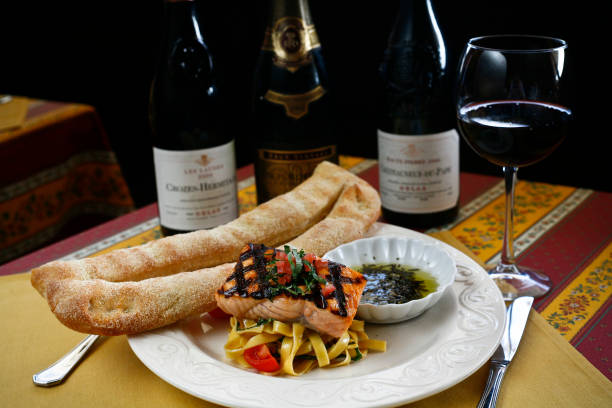
Pairing salmon with an oaked Chardonnay works especially well when the fish is prepared with rich sauces or buttery finishes. The wine’s creamy texture mirrors the natural fattiness of salmon, while its subtle oak notes add a layer of complexity that complements grilled or pan‑seared preparations.
Look for a Chardonnay with moderate acidity to cut through the oil, and choose one with a hint of vanilla or toast for a harmonious match. If the salmon is served with a lemon‑butter sauce, the wine’s buttery mouthfeel will echo the sauce’s richness, creating a seamless palate experience.
For a lighter approach, opt for a lightly oaked style that still offers enough body to stand up to the fish’s flavor without overwhelming it. Serve the wine slightly chilled, around 50–55°F, to preserve its freshness while letting the oak nuances shine alongside the salmon’s delicate flavor.
Sauvignon Blanc – crisp and herbaceous
Sauvignon Blanc is an excellent match for salmon that’s prepared with bright, herbal, or citrus‑forward accompaniments. Its high acidity cuts through the fish’s natural oils, while the herbaceous aromatics echo ingredients like dill, parsley, or a squeeze of lime.
Select a Sauvignon Blanc from cooler climates such as New Zealand or the Loire Valley, where the grape retains sharp green notes and a zesty backbone.
When the salmon is grilled with a herb rub or served alongside a salad of arugula and citrus vinaigrette, the wine’s crispness lifts the dish, preventing it from feeling heavy. Pair with a bottle that showcases grapefruit and green‑apple flavors, as these will mirror the tangy elements on the plate.
Serve the wine well chilled, around 45–50°F, to enhance its refreshing character and ensure it balances the richness of the salmon without overpowering the subtle herb nuances.
Riesling – off‑dry options
Riesling, particularly in its off‑dry style, pairs beautifully with salmon dishes that feature a touch of sweetness or spicy elements. The gentle residual sugar balances the fish’s richness, while the wine’s bright acidity keeps the palate lively.
Choose a Riesling with a hint of honeyed stone fruit and a mineral finish, often found in German Kabinett or Alsace Pinot Gris expressions.
When salmon is glazed with maple, orange marmalade, or served alongside a mildly spiced Asian sauce, the wine’s subtle sweetness mirrors the glaze, creating a harmonious dialogue. Look for aromatic notes of apricot, peach, and a whisper of ginger, which will complement the dish’s flavor profile.
Serve the Riesling slightly cooler than room temperature, about 48–52°F, to preserve its aromatic intensity and allow the delicate balance of sweetness and acidity to enhance every bite of the salmon.
Best Red Wines to Serve with Salmon
Pinot Noir – light‑bodied and fruity
Pinot Noir’s light body and bright red fruit make it a natural partner for salmon, especially when the fish is grilled or served with a herb‑forward sauce. Choose a cooler‑climate Pinot with moderate acidity and soft tannins to complement the oily texture without overwhelming it.
Serve slightly chilled, around 55°F, which enhances the wine’s fresh berry aromas and keeps the palate lively. Pair it with salmon glazed in maple‑soy, a dill‑yogurt dressing, or a simple lemon‑butter finish to let the wine’s subtle earth notes shine.
Avoid heavily oaked styles, as the wood can clash with the delicate fish. A Pinot from Oregon’s Willamette Valley or Burgundy’s Côte de Nuits offers the right balance of fruit, acidity, and finesse for a satisfying dinner.
Consider serving the salmon alongside roasted asparagus or a quinoa salad with citrus vinaigrette, which mirrors the wine’s bright acidity and adds texture.
Gamay – low tannins, bright acidity
Gamay’s low tannin structure and lively acidity make it a versatile match for salmon dishes that feature tomato‑based sauces or vibrant herb rubs. Look for a Gamay from the Loire or a light‑style Beaujolais Nouveau that showcases red cherry, raspberry, and subtle pepper notes.
Serve at 50‑55°F to preserve its fresh fruit character and prevent the wine from feeling too alcoholic. Pair the wine with salmon cooked in a Mediterranean style—think olive oil, garlic, oregano, and a splash of crushed tomatoes—to let the acidity cut through the richness of the fish.
Add a side of grilled zucchini or a fennel‑orange salad to echo the wine’s bright citrus undertones. Avoid overly sweet preparations, as they can mute the wine’s crisp edge. This combination highlights Gamay’s ability to lift the palate while complementing the salmon’s natural flavor.
Beaujolais – fruit-forward style
Beaujolais, made from Gamay grapes, offers a fruit‑forward profile that pairs beautifully with salmon prepared in sweet‑savory ways, such as a honey‑glazed fillet or a miso‑caramel glaze. Choose a Beaujolais Villages or a Cru Beaujolais like Morgon for deeper complexity while retaining the wine’s signature juicy red‑berry character.
Serve slightly chilled, around 52°F, which accentuates its vibrant fruit and soft tannins. The wine’s natural acidity balances the glaze’s sweetness and cuts through the buttery mouthfeel of the fish.
Complement the dish with side vegetables like roasted carrots tossed in thyme or a light arugula salad dressed with lemon vinaigrette, echoing the wine’s bright citrus notes. Steer clear of heavily oaked or overly tannic reds, as they can dominate the delicate salmon.
This pairing lets the fruitiness of Beaujolais shine while enhancing the salmon’s richness.
Tips for Pairing Sparkling Wine with Salmon
Champagne – classic elegance
Start by chilling your Champagne to 45‑48°F (7‑9°C) to preserve its crisp acidity. Serve in a flute to concentrate aromas and showcase the fine bubbles that cut through the rich, buttery texture of salmon.
Choose a non‑dosé Brut or Extra‑Brut for bright citrus and green apple notes that highlight the fish’s natural sweetness. If the salmon is prepared with a creamy dill sauce, the wine’s subtle toasty nuance adds depth without overwhelming the palate.
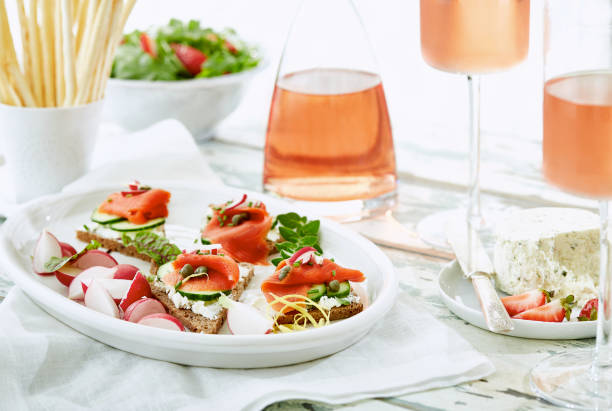
Pairing with smoked salmon works especially well; the salty, smoky character is balanced by the wine’s bright acidity and fine mousse. Taste a sip before the first bite to confirm the harmony, then enjoy the interplay of bright fruit, minerality, and the silky mouthfeel of the fish.
This classic match elevates any dinner with elegance and finesse. Consider serving a small amuse‑bouche of cucumber and crème fraîche alongside the wine to further accentuate the refreshing profile.
Prosecco – light and fruity
Select a dry (Brut) or extra‑dry Prosecco with lively pear and white‑peach aromas that complement the delicate flavor of salmon. Chill to 50‑52°F (10‑11°C) and serve in a tulip glass to concentrate the fruit notes while allowing the bubbles to dance on the palate.
For grilled salmon with a citrus glaze, the wine’s subtle honeyed sweetness mirrors the glaze’s orange zest, creating a seamless flavor bridge. If you prefer a salmon salad with fresh herbs, the bright acidity of Prosecco cuts through the vinaigrette, keeping the dish light and refreshing.
Take a small sip before each bite to gauge the balance; the wine’s crisp finish should cleanse the palate and highlight the fish’s natural oils. Pair with a light appetizer such as prosciutto‑wrapped melon to enhance the overall fruit‑forward experience. Enjoy the synergy.
Cava – affordable alternative
Opt for a Brut Cava from the Penedès region, where the crisp green‑apple and citrus profile offers excellent value while standing up to salmon’s richness. Serve chilled at 45‑48°F (7‑9°C) in a standard wine glass to let the fine bubbles release aromatic intensity.
When the salmon is baked with a herb‑butter crust, the wine’s subtle toasty notes from aging on lees echo the buttery flavor, creating a harmonious pairing. For a spicier preparation, such as salmon with a ginger‑soy glaze, the Cava’s bright acidity balances the heat and highlights the umami depth.
Sip a small amount before the first forkful to ensure the palate feels refreshed; the lingering minerality should complement the fish’s silky texture. Complement the meal with a simple side of roasted asparagus tossed in olive oil and lemon to reinforce the citrus thread throughout the dining experience.
How Cooking Methods Change Wine Pairings
Grilled salmon – smoky flavors
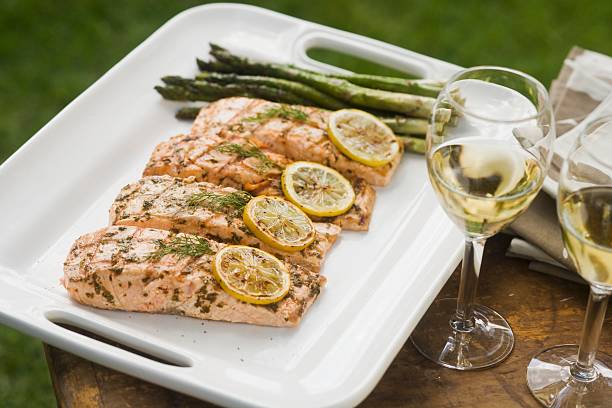
Grilled salmon brings a charred, smoky edge that calls for wines with bright acidity and a touch of fruit to balance the richness. Choose a lightly oaked Chardonnay from cooler climates; its crisp citrus and subtle vanilla will cut through the grill’s caramelized crust while echoing the fish’s buttery texture.
Pinot Noir with soft tannins and red‑berry notes offers a refreshing contrast, especially when the salmon is brushed with a maple‑soy glaze. For a more adventurous match, try a dry Rosé from Provence, whose strawberry aroma and lively acidity mirror the smoky aroma without overwhelming the palate.
Serve the wine slightly chilled (12‑14°C) to keep the flavors vibrant, and pair with a side of grilled asparagus to complete the harmonious bite‑by‑bite experience. Avoid heavily oaked whites or high‑alcohol reds, as they can mask the delicate smoke and make the pairing feel heavy.
Pan‑seared salmon – buttery sauce
Pan‑seared salmon develops a crisp, golden crust while a buttery sauce adds richness that pairs beautifully with wines offering both acidity and subtle oak. A medium‑bodied white Burgundy such as Meursault delivers bright lemon notes and a creamy mouthfeel that mirrors the sauce’s silkiness, enhancing the fish’s caramelized edges.
Viognier with its aromatic stone‑fruit perfume and low acidity can complement a dill‑cream sauce, adding a fragrant lift without competing with the butter. If you prefer red, opt for a light‑bodied Gamay from Beaujolais, whose juicy cherry flavor and soft tannins provide a refreshing counterpoint to the richness.
Serve the wine at 10‑12°C for whites and slightly cooler for reds, and garnish the plate with fresh herbs to keep the palate clean between bites. Steer clear of overly tannic reds like Cabernet Sauvignon, as their firm structure can clash with the buttery texture and dominate the subtle flavors.
Poached or raw salmon – delicate taste
Poached or raw salmon, such as in sashimi or a light citrus‑cured gravlax, showcases a delicate, silky texture that thrives with wines that are crisp, mineral, and lightly aromatic.
An unoaked Sauvignon Blanc from the Loire Valley offers bright green‑apple acidity and a flinty finish that lifts the fish without overwhelming its subtle sweetness. Champagne or a dry sparkling rosé provides fine bubbles and a touch of brioche, creating a palate‑cleansing effect that highlights the salmon’s freshness.
For those who enjoy a white with a hint of richness, a German Riesling Kabinett with off‑dry balance delivers gentle honeyed notes that complement the mild salt cure while keeping the overall profile light.
Serve these wines well chilled (8‑10°C) and pair with a simple cucumber‑dill salad to maintain the clean, elegant experience. Avoid heavily oak‑aged whites, as they can mask the fish’s subtle nuances.
What Food Accompaniments Influence Wine Choice
Herb sauces – dill, tarragon
When salmon is dressed with herb‑forward sauces such as dill or tarragon, choose a wine that can echo the fresh green notes without overwhelming the fish.
Opt for a crisp Sauvignon Blanc from the Loire or New Zealand; its bright acidity and subtle herbaceous aromatics mirror the sauce while cutting through the richness. A light‑bodied Pinot Noir works as a red alternative, offering soft red fruit and gentle earth that complement the herbal profile.
If you prefer a slightly richer texture, a dry Alsatian Pinot Grigio provides mineral tension and a hint of citrus that lifts the dill. Serve the wine slightly chilled (45‑50 °F) to keep the palate lively.
Pairing this way ensures the herb sauce remains the star, while the wine adds balance and a refreshing finish to each bite. Try serving the salmon on a bed of lightly tossed mixed greens to enhance the herbal synergy and keep the meal light.
Citrus glazes – lemon, orange
Salmon finished with a bright citrus glaze—lemon, orange, or yuzu—calls for a wine that matches the acidity while complementing the buttery flesh. A dry Riesling from Alsace or Germany offers crisp acidity, stone‑fruit aromatics, and a subtle minerality that mirrors the glaze’s zing.
Unoaked Chardonnay from Chablis provides a clean palate, gentle oak‑free texture, and citrus notes that echo the lemon without adding heaviness. For a slightly sweeter counterpoint, a Vouvray Sec delivers honeyed undertones that balance the orange glaze’s sweetness. Keep the wine chilled (50‑55 °F) to preserve freshness.
Serving the salmon with a side of asparagus or a light quinoa salad will reinforce the citrus theme and let the wine’s bright profile shine through each bite.
A splash of extra lemon zest on the plate just before serving heightens the aromatic link between food and wine, making each sip feel like a continuation of the glaze.
Rich sides – creamy risotto, potatoes
When salmon is paired with indulgent sides such as creamy risotto or buttery potatoes, the wine should have enough body to stand up to the richness while preserving the fish’s delicate flavor.
An oaked Chardonnay from California or Burgundy offers a buttery mouthfeel, subtle vanilla notes, and enough acidity to cut through the cream, creating a harmonious balance. A white Burgundy (e.g., Meursault) provides a nutty complexity that mirrors the earthy tones of potatoes and adds a luxurious finish.
If you prefer red, a light‑bodied Gamay from Beaujolais delivers bright red fruit, low tannins, and a refreshing acidity that complements the richness without overpowering the salmon. Serve the wine slightly warmer (55‑60 °F) to enhance its texture.
Pairing with a garnish of fresh chives or a drizzle of truffle oil can elevate the dish and make the wine’s nuances shine.
Best Practices for Serving Wine with Salmon
Serve at proper temperature
When pairing wine with salmon, temperature is a decisive factor that can either highlight or mute the dish’s delicate flavors. White wines such as Chardonnay, Sauvignon Blanc, or a crisp Riesling should be served chilled, ideally between 45–50 °F (7–10 °C).
This cool range preserves the wine’s acidity, allowing it to cut through the richness of the fish and any buttery sauces. For lighter reds like Pinot Noir, aim for a slightly warmer zone of 55–60 °F (13–16 °C); this brings out subtle fruit notes without overwhelming the salmon’s texture.
Avoid serving overly cold reds, as they can taste tight and hide nuance, and never serve a full‑bodied, hot red with delicate salmon. Adjusting temperature based on the specific style ensures the wine remains vibrant, enhancing the overall dining experience.
A quick tip is to keep the bottle in an ice bucket for whites and a wine fridge for reds, checking the temperature before pouring.
Decanting red wines
While many red wines benefit from decanting, the practice is especially useful when serving a Pinot Noir alongside salmon. Decanting gently aerates the wine, softening tannins and releasing aromatic compounds that complement the fish’s smoky or herb‑infused preparations.
Aim to decant for 20–30 minutes; this short exposure is enough to open up the wine without stripping its subtle fruit character. Use a clean, wide‑bottomed decanter to maximize surface area, and pour slowly to avoid disturbing any sediment that may have formed during aging.
If you lack a decanter, a simple pour‑and‑wait method—pouring the wine into a glass, letting it sit, then re‑pouring—can achieve a similar effect. Remember, over‑decanting a delicate Pinot Noir can lead to loss of nuance, so monitor the aroma and taste periodically.
Proper decanting ensures the wine’s acidity and bright red berry notes harmonize with the salmon’s richness, creating a balanced palate experience.
Glassware selection
Choosing the right glassware amplifies the synergy between wine and salmon, guiding the drink’s aromas toward the palate in a controlled way.
White‑wine glasses with a narrow rim and a slightly tapered bowl preserve the wine’s cooler temperature and focus its citrus and mineral notes, which brighten the salmon’s fatty texture.
For a light red such as Pinot Noir, opt for a larger, gently curved bowl that allows gentle swirling, releasing subtle earth and berry aromas without overwhelming the fish.
Avoid overly large, bold‑bored glasses designed for full‑bodied reds; they can cause the wine to warm too quickly and dilute its delicate profile. Additionally, ensure the glass is crystal‑clear and free of residues, as any visual distraction can diminish the dining experience.
A simple rule of thumb: match the glass’s shape to the wine’s body and acidity, and the pairing will feel cohesive, enhancing both the wine’s finesse and the salmon’s flavor.
Frequently Asked Questions
What type of wine pairs best with salmon?
A light to medium-bodied white wine such as Chardonnay, Sauvignon Blanc, or Pinot Gris complements salmon’s rich, oily texture without overwhelming its flavor.
Can I pair rosé wine with salmon?
Yes, dry rosé wines work well with salmon, especially when the dish includes herbs or a light citrus glaze, as the wine’s bright acidity balances the fish.
Is red wine a good match for salmon?
Light-bodied reds like Pinot Noir or Gamay can pair nicely with grilled or smoked salmon, especially if the preparation includes earthy or mushroom flavors.
What wine should I choose for salmon with a creamy sauce?
A buttery Chardonnay or a Viognier pairs well with creamy sauces, as their richness mirrors the sauce while cutting through the fat of the salmon.
How does the cooking method affect wine pairing for salmon?
Grilled salmon pairs well with crisp whites or light reds, while baked or poached salmon pairs nicely with aromatic whites like Sauvignon Blanc or a delicate rosé.
What wine complements smoked salmon?
Smoked salmon pairs beautifully with sparkling wines like Champagne or Prosecco, as their acidity and bubbles cleanse the palate.
Are there any sweet wines that go with salmon?
A slightly off-dry Riesling can complement salmon dishes that have a sweet glaze or fruit component, balancing sweetness with acidity.
What temperature should I serve wine with salmon?
White wines and rosés should be chilled to about 45-50°F (7-10°C), while light reds are best served slightly cooler than room temperature, around 55-60°F (13-16°C).
Conclusion
In short, salmon shines with wines that balance acidity, fruit, and subtle oak. Light‑to‑medium Pinot Noir, crisp Sauvignon Blanc, and aromatic Riesling all enhance the fish’s richness without overwhelming it. For richer preparations, a buttery Chardonnay or a delicate rosé works beautifully. Remember to match the sauce and seasoning, and feel free to experiment—your perfect pairing awaits, so raise a glass and enjoy the harmony of flavors.