What Wine To Serve With Ham
Choosing the perfect wine for ham doesn’t have to be a mystery. Whether you’re serving a sweet glaze, a smoky glaze, or a simple baked ham, we’ve got the right pairings ready for you. From crisp Rieslings that balance salty richness to light Pinot Noirs that complement smoky notes, and even a refreshing rosé for a summer twist, our quick guide will help you impress guests without the guesswork. Let’s dive in and find your ideal match right now today.
How to Choose the Right Wine for Ham
Consider the Ham’s Flavor Profile
Start by tasting the ham’s seasoning and curing method, because these elements dictate the wine’s role. Smoked or heavily cured ham brings deep, earthy notes that pair well with wines offering a touch of oak or spice, such as a lightly oaked Chardonnay or a medium‑bodied Pinot Noir.
Honey‑glazed or brown‑sugar‑cured ham adds a sweet, caramelized layer, inviting a wine with bright fruit and moderate acidity like a Riesling or a Gewürztraminer.
If the ham is lightly seasoned with herbs, look for wines that complement herbaceous flavors, such as a Sauvignon Blanc with citrus zest or a dry rosé.
Remember to match the intensity: a delicate, subtly flavored ham calls for a subtle wine, while a robust, smoky ham can handle a fuller‑bodied, more assertive bottle. This initial assessment ensures the wine will enhance rather than mask the ham’s character.
Match Wine Body to Ham Texture
Think of the ham’s mouthfeel when selecting the wine’s body, because a balanced texture creates harmony on the palate. Tender, juicy slices respond well to medium‑bodied wines that provide enough structure without overwhelming the meat, such as a Merlot or an unoaked Viognier.
Denser, fattier cuts like a bone‑in ham benefit from wines with higher acidity and a firmer backbone—examples include a crisp Albariño or a light‑to‑medium red like a Gamay.
When the ham has a slightly dry edge from a long cure, a fuller‑bodied white with a creamy texture, like an oaked Chardonnay, can soften that dryness. Conversely, a very lean, thin‑cut ham pairs nicely with a delicate, low‑tannin wine such as a Pinot Grigio.
By aligning the wine’s weight with the ham’s texture, you prevent the drink from feeling too heavy or too thin, allowing each bite and sip to complement the other seamlessly.
Balance Sweetness and Acidity
Sweetness and acidity are the two levers that can either lift or clash with ham’s own sweet‑savory profile, so aim for a wine that offers a balanced interplay of both.
A ham glazed with maple or brown sugar calls for a wine with a hint of residual sugar to echo that glaze, yet enough crisp acidity to cut through the richness; think of an off‑dry Riesling, a slightly sweet Chenin Blanc, or a Lambrusco with gentle fizz.
For a more savory, herb‑rubbed ham, choose a drier wine where the acidity shines—examples include a dry rosé, a Sauvignon Blanc, or a light‑bodied Pinot Noir with bright fruit.
If the ham includes fruit components like pineapple or apricot, a wine with natural fruit sweetness and lively acidity, such as a Vouvray or a Grenache‑based rosé, will mirror those flavors.
By matching the wine’s sugar level and acid backbone to the ham’s glaze and seasoning, you create a cohesive tasting experience that feels intentional rather than disjointed.
What Types of Red Wine Pair Well with Ham
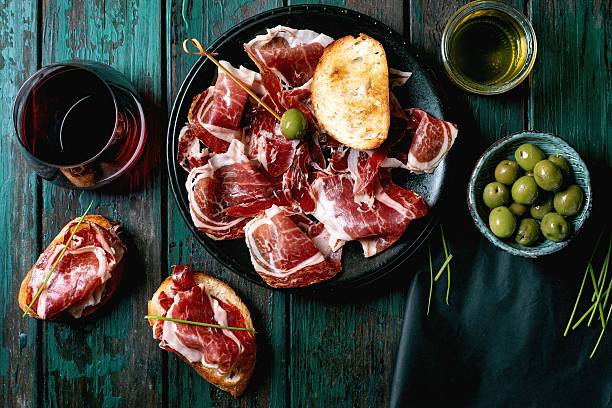
Light‑bodied Reds
Choose a light‑bodied red such as Pinot Noir, Gamay, or a young Beaujolais to complement ham without overwhelming its delicate salt and sweetness. Serve slightly chilled (12‑14 °C) to keep the fruit bright and the acidity lively, which cuts through the fat of the meat.
Look for wines with red‑fruit aromas—cherry, raspberry, or strawberry—and a subtle earthy note that mirrors the ham’s smoky glaze. When the ham is glazed with honey or fruit preserves, the wine’s natural acidity balances the sweetness, creating a harmonious bite.
Pairing a light red with a honey‑glazed ham also enhances the wine’s soft tannins, making each sip feel smooth.
Tip: Choose a Pinot Noir from a cooler climate (e.g., Oregon or Burgundy) for higher acidity and lower alcohol, ensuring the wine stays in the background while still adding flavor to the dish.
Medium‑bodied Reds
Medium‑bodied reds like Merlot, Barbera, or a fruit‑forward Zinfandel provide enough structure to stand up to richer ham preparations such as a brown‑sugar glaze or a mustard‑seed crust. Aim for a temperature around 15 °C so the wine’s plush mouthfeel and moderate tannins are fully expressed without feeling heavy.
These wines deliver ripe plum, black‑cherry, and subtle spice notes that echo the caramelized edges of the ham while the soft acidity lifts the saltiness.
If the ham includes a sweet‑and‑tangy barbecue sauce, the natural jammy character of Barbera or Zinfandel balances the sauce’s bold flavors, creating a seamless transition between bite and sip.
Pro tip: Choose a Merlot with a slightly lower alcohol level (around 13‑13.5 %) to keep the pairing elegant and avoid overwhelming the meat’s delicate nuances. Serve it alongside a light salad to refresh the palate.
When to Avoid Heavy Reds
Heavy, high‑tannin reds such as Cabernet Sauvignon, Syrah, or a full‑bodied Bordeaux can dominate the subtle flavors of ham, especially when the meat is prepared with a delicate glaze or a light fruit compote.
Avoid serving these wines above 16 °C, because the warmth accentuates bitterness and can clash with the ham’s natural sweetness. The robust structure and dark‑fruit intensity of a Cabernet often mask the nuanced salt‑sweet balance, leaving the palate feeling overwhelmed.
If you prefer a bolder wine, opt for a lighter style of the same grape—like a cooler‑climate Cabernet Franc or a young, fruit‑driven Syrah—so the tannins stay soft and the acidity remains lively.
Bottom line: Choose wines that complement rather than compete, keeping the ham as the star of the plate. Pair it with a simple mustard dip to add brightness without overpowering.
What Types of White Wine Pair Well with Ham
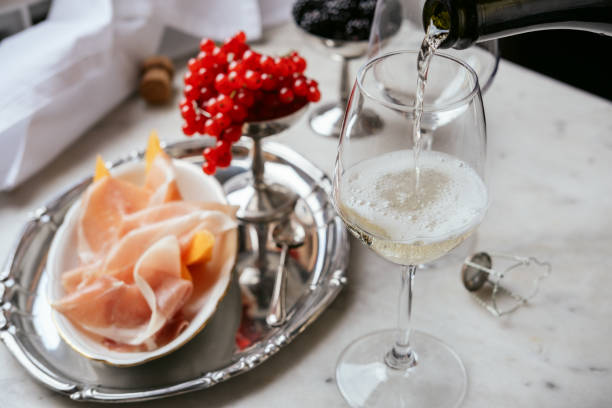
Crisp Whites for Fresh Ham
Fresh, lightly cured ham benefits from a bright, high‑acid white that cuts through the meat’s natural sweetness. Choose a Sauvignon Blanc from the Loire or New Zealand, or a dry Riesling with citrus notes. Serve chilled at 45‑50°F to preserve crispness.
Look for flavors of green apple, lime zest, and subtle herbaceous undertones; these will echo the ham’s salt and enhance its juiciness. When pairing, pour a small tasting glass first, then match each bite of ham with a sip, allowing the wine’s acidity to cleanse the palate.
Avoid overly oaky or buttery styles, as they can overwhelm the delicate texture. For a budget‑friendly option, a Vinho Verde offers similar zest with a lighter body, making it an excellent companion for a simple ham sandwich or a brunch ham slice.
Pair it with a light mustard or herb mayo to further highlight the wine’s crisp profile.
Aromatic Whites for Glazed Ham
Aromatic whites are perfect for ham glazed with honey, apricot, or pineapple, as their perfume matches the sweet‑spicy coating. Opt for a Gewürztraminer from Alsace, a Viognier with stone‑fruit notes, or an off‑dry Riesling that balances sugar and acidity.
Serve slightly cooler than room temperature, around 50‑55°F, to keep the aromatics lively. Look for aromas of lychee, rose petal, and ripe peach that echo the glaze’s fruitiness while the wine’s subtle spice cuts through the richness.
When serving, drizzle a thin layer of glaze on the ham, then sip the wine to let the sweetness intertwine, creating a harmonious bite. Steer clear of heavily oaked Chardonnay, which can mask the delicate perfume.
For a more approachable price, a German Kabinett Riesling delivers the right balance of sweetness and acidity, enhancing both the glaze and the pork.
Rich Whites for Smoked Ham
Rich, full‑bodied whites stand up to the deep, smoky flavor of cured or wood‑smoked ham, providing a luxurious counterpoint. Choose an oaked Chardonnay from Burgundy or California, a white Rioja with nutty complexity, or a mature Chenin Blanc with honeyed notes.
Serve at 55‑60°F to allow the wine’s buttery texture to coat the palate. Seek flavors of toasted vanilla, roasted almond, and ripe pear that mirror the ham’s caramelized crust while the wine’s weight balances the smoke’s intensity.
Pair by placing a slice of smoked ham on a cheese board with aged Gouda, then sip the wine to create a layered tasting experience. Avoid high‑acid, lean wines that may clash with the ham’s richness.
For a more affordable alternative, a well‑aged Australian Semillon offers similar depth and a subtle lanolin finish that complements the smoky profile beautifully.
Best Rosé Options for Ham Dishes
Dry Rosé for Classic Ham
Pair a dry rosé with traditional ham to highlight the meat’s salty depth while keeping the palate light. Choose a rosé made from Grenache, Syrah, or Mourvèdre that offers crisp acidity, subtle red‑fruit aromas, and a clean finish.
Key point: high acidity cuts through the ham’s richness, preventing the dish from feeling heavy. Serve the wine slightly chilled, around 50‑55°F, to enhance its bright fruit notes and preserve its refreshing character.
Look for a pale pink hue and a dry finish with minimal residual sugar; this ensures the wine won’t clash with the ham’s natural sweetness. When the ham is glazed with mustard or herbs, the herbaceous edge of a dry rosé complements those flavors, creating a balanced mouthfeel.
Key point: match the wine’s minerality with the ham’s salt for a harmonious pairing that works from brunch to dinner.
Off‑dry Rosé for Sweet Glazes
An off‑dry rosé shines when ham is finished with a sweet glaze, such as honey‑brown sugar or fruit‑based sauces. Look for a rosé that carries a touch of residual sugar, often derived from Pinot Noir or Sangiovese grapes, delivering flavors of ripe strawberry, watermelon, and a gentle spice note.
Key point: subtle sweetness mirrors the glaze, creating a seamless flavor bridge without overwhelming the palate. Serve it a few degrees cooler than a white wine, about 52‑56°F, to keep the fruit forward and the acidity lively.
The soft tannins in an off‑dry rosé soften the ham’s saltiness while the fruitiness amplifies the caramelized edges of the glaze. Pair it with glazes that include orange zest or apricot preserves for an added citrus‑fruit synergy.
Key point: balance the wine’s sweetness with the glaze’s intensity to achieve a cohesive, celebratory bite that feels both indulgent and refined.
Sparkling Rosé for Holiday Meals
Sparkling rosé adds festive sparkle to holiday ham, delivering bubbles that cleanse the palate between each rich bite. Opt for a Brut or Extra‑Dry sparkling rosé crafted in the Méthode Champenoise, featuring a blend of Pinot Noir, Pinot Meunier, and Chardonnay for bright acidity and delicate red‑berry aromatics.
Key point: effervescence lifts the ham’s fat, while the crisp acidity counters the salt and any sweet glaze. Serve the wine well chilled, around 45‑48°F, to accentuate its lively mousse and aromatic freshness.
The fine, persistent bubbles work especially well with glazed ham that includes cranberry or pomegranate reductions, echoing the wine’s berry notes. Pair it with a side of roasted vegetables or a light salad to keep the meal balanced.
Key point: match the wine’s bright fruit profile with the ham’s holiday spices for a joyous, harmonious dining experience that feels both elegant and approachable.
How to Pair Sparkling Wines with Ham
Champagne and Brut
When serving a classic baked or glazed ham, Champagne or Brut sparkling wine is a top choice because its high acidity and fine bubbles cut through the richness of the pork while echoing the sweet glaze.
Look for a non‑dosage Brut with citrus notes, green apple, and a hint of brioche; these flavors mirror the caramelized crust and balance salty undertones. Serve the wine chilled at 45‑48°F (7‑9°C) and pour it into a flute to preserve the effervescence.
Pairing works especially well with honey‑mustard or pineapple glazes, as the wine’s crisp minerality lifts the fruit sweetness without overwhelming the meat.
For a festive touch, consider a vintage Champagne for added complexity, but a well‑priced non‑vintage Brut will deliver the same bright, refreshing profile that makes ham feel elegant and approachable. Enjoy the pairing with a simple side of mustard-dressed greens to keep the palate lively.
Prosecco for Light Ham
If the ham is prepared with a lighter seasoning—think rosemary‑infused or a delicate herb rub—Prosecco offers a bright, fruity companion that won’t overpower the subtle flavors.
Choose a dry (Extra Dry or Brut) Prosecco from the Veneto region, where notes of pear, white peach, and a touch of almond complement the gentle saltiness of the meat.
The slightly lower acidity compared with Champagne lets the ham’s aromatics shine, while the soft mousse of bubbles adds a refreshing lift. Serve Prosecco at 45°F (7°C) in a tulip glass to concentrate its aromatic profile.
This pairing is especially effective with ham served cold on a summer platter, paired with fresh salads or melon, because the wine’s light body and crisp finish echo the cool, refreshing nature of the dish without adding heaviness. It brings a festive sparkle and joy to the table.
Cava for Savory Glazes
When ham is finished with a savory, caramelized glaze—such as a brown‑sugar, soy, or mustard‑honey reduction—Cava delivers the right balance of acidity and toasted nuance to complement the deep umami notes.
Opt for a Reserva or Brut Nature Cava, which offers crisp green‑apple acidity, subtle toasted almond, and a mineral backbone that cuts through the glaze’s sweetness. The fine, persistent bubbles cleanse the palate between bites, allowing the ham’s smoky edges to stand out.
Serve Cava slightly cooler than typical white wine, around 46‑48°F (8‑9°C), in a coupe to showcase its aroma. This combination works beautifully with side dishes like roasted root vegetables or a wild‑rice pilaf, as the wine’s bright finish mirrors the earthy flavors while keeping the overall meal lively and well‑rounded.
Pair it with a crisp green salad to add freshness and contrast.
Tips for Serving Wine with Ham at Different Occasions
Casual Lunches
For relaxed midday meals, choose wines that keep the palate bright and the conversation easy. Serve a chilled rosé – its crisp acidity and subtle fruit complement the salty‑sweet flavor of ham without overwhelming it.
A light Pinot Noir works well too; its soft tannins and red‑berry notes add depth while staying approachable. If you prefer white, opt for an off‑dry Riesling or a crisp Grüner Veltliner, both offering enough acidity to cut through the richness.
Keep the bottles at a cool 45‑55°F and provide simple glassware. Pair the wine with side dishes like mixed greens, fresh fruit, or a light mustard vinaigrette to enhance the harmony. This combination makes casual lunches feel effortless yet thoughtfully paired.
Offer the wine in half‑pint pours to keep it chilled longer, and consider a short 5‑minute aeration for the Pinot Noir to release its aromatics. A quick cheese board featuring mild cheddar or goat cheese can further elevate the pairing without adding heaviness.
Holiday Buffets
During festive gatherings, the wine should stand up to a variety of ham preparations and accompanying dishes. Choose a sparkling wine such as Brut Champagne or Prosecco; its lively bubbles and high acidity cleanse the palate between bites of glazed ham, roasted vegetables, and sweet potatoes.
A medium‑sweet Gewürztraminer adds aromatic spice that mirrors holiday herbs like clove and nutmeg, while a lightly oaked Chardonnay provides buttery richness that matches caramelized glazes. Keep sparkling bottles chilled at 40‑45°F and white wines slightly cooler than room temperature.
Serve in flutes for bubbles and wider glasses for whites to showcase aroma. Pair the wines with classic sides—cranberry relish, honey‑glazed carrots, and a cheese platter featuring brie and aged gouda—to create a cohesive flavor narrative.
For a seamless flow, rotate the wines every hour, allowing guests to enjoy fresh, properly chilled pours throughout the buffet.
Formal Dinner Parties
For an elegant evening, select wines that complement the sophistication of a ham entrée while harmonizing with refined accompaniments. Serve a classic Bordeaux red blend—Cabernet Sauvignon and Merlot—offering firm tannins, dark fruit, and a subtle earthiness that pairs beautifully with a honey‑glazed ham and a rosemary‑infused jus.
If you prefer a lighter profile, a well‑structured Pinot Noir from Burgundy provides silky texture, cherry notes, and enough acidity to balance the richness. A dry Riesling or a high‑acid Albariño works equally well for those who favor white, delivering crisp minerality that lifts the dish’s sweetness.
Chill reds to 58‑60°F and whites to 50‑52°F, and present them in proper glassware to enhance aroma. Accompany the wine with side dishes such as gratinated potatoes, sautéed asparagus, and a fig compote, ensuring each bite echoes the wine’s flavor layers.
Finish the service by offering a brief tasting note, guiding guests to appreciate the interplay of fruit, spice, and savory ham.
Common Mistakes to Avoid When Pairing Wine with Ham
Overpowering the Ham
Choosing a wine that overwhelms the delicate salt‑cured flavor of ham is a common pitfall. Avoid full‑bodied reds such as Cabernet Sauvignon or Syrah, whose tannins can mask the meat’s subtle sweetness and smoky notes.
Instead, opt for lighter reds like Pinot Noir or a fruit‑forward Beaujolais, which provide enough acidity to cut through the fat without dominating the palate. Balance is key: the wine should complement the ham’s natural brine and any glaze, not drown it.
When the wine is too robust, the pairing feels disjointed, leaving the ham tasting flat. Keep the wine’s structure moderate, allowing the ham’s savory and sweet elements to shine together in harmony.
A dry rosé with citrus undertones can also work well, offering a refreshing lift that mirrors the ham’s glaze without adding heaviness. Taste test the combination before serving a large group to ensure the wine’s profile aligns with the ham’s seasoning.
Ignoring Sweetness Levels
Many home cooks forget that ham often carries a sweet glaze or fruit component, and pairing it with a wine that lacks complementary sweetness can create a jarring contrast.
Select wines with a touch of residual sugar, such as an off‑dry Riesling, Gewürztraminer, or a lightly sweet Lambrusco, which echo the honey or apricot glaze without becoming cloying.
If the ham is served with a mustard or herb crust, a slightly sweeter wine can soften the sharpness and enhance the overall mouthfeel. Avoid bone‑dry whites like Sauvignon Blanc, which may highlight the salt and leave the palate feeling thin.
Remember to match the intensity of the glaze: a heavily caramelized ham benefits from a wine with higher sugar content, while a lightly glazed piece pairs better with a crisp, subtly sweet option today.
Skipping Temperature Checks
Serving wine at the wrong temperature is an easy mistake that can sabotage even the best ham pairing. Red wines meant for ham should be slightly chilled, around 55‑60°F (13‑16°C), to keep their fruit forward and prevent the tannins from feeling harsh against the pork’s richness.
White and rosé wines are best enjoyed cooler, between 45‑50°F (7‑10°C), which preserves their acidity and highlights the subtle sweet notes that complement a glaze.
If a wine is too warm, alcohol fumes dominate and the delicate balance with the ham is lost; if too cold, flavors become muted and the wine may seem flat. Use a wine thermometer or a quick ice‑water bath to achieve the ideal temperature before serving.
Check the temperature for each bottle, especially when offering multiple styles, to ensure a harmonious dining experience.
Frequently Asked Questions
What types of red wine pair well with ham?
Medium‑bodied reds with moderate acidity, such as Pinot Noir or a young Merlot, complement the salty, slightly sweet flavor of ham without overwhelming it.
Which white wines are the best match for ham?
Crisp whites like Riesling (off‑dry), Sauvignon Blanc, or a lightly oaked Chardonnay provide refreshing acidity that balances the richness of ham.
How does the preparation of ham influence the wine choice?
Glazed or sweet‑cured ham pairs nicely with slightly sweeter wines (e.g., off‑dry Riesling), while smoked or simply roasted ham works better with dry, high‑acid wines like Pinot Noir or Sauvignon Blanc.
Can rosé be a good match for ham?
Yes, a dry rosé with bright fruit and good acidity can bridge the gap between red and white, enhancing both the savory and sweet notes of the ham.
Are there any sparkling wines that go well with ham?
Brut or extra‑dry sparkling wines, such as Champagne, Prosecco, or Cava, offer acidity and effervescence that cut through the ham’s fat and cleanse the palate.
What wine should I serve with honey‑glazed ham?
An off‑dry Riesling or Gewürztraminer balances the honey’s sweetness, while a light, fruity Pinot Noir can also complement the glaze without clashing.
Conclusion
Pairing ham with wine is all about balancing its sweet, salty and smoky notes. Light, fruity reds like Pinot Noir, crisp whites such as Riesling or Sauvignon Blanc, and bright rosés or sparkling wines all shine alongside the pork. Remember to match the glaze intensity—sweeter sauces call for off‑dry whites, while spicier rubs pair well with a lively rosé. Experiment, enjoy, and let your palate guide the perfect toast.